
Current Affairs
Stay updated with the latest national and international events.
02 June 2026
Government Revises Immigration and Foreigners Rules, 2025

What’s the News?
- The Ministry of Home Affairs (MHA) has notified amendments to the Immigration and Foreigners Rules, 2025.
- The changes primarily revise:
- Registration requirements for foreign nationals staying in India beyond prescribed limits.
- Reporting obligations relating to children born in India to foreign nationals.
- Compliance requirements for institutions dealing with foreigners.
- The amendments aim to strengthen immigration management, improve monitoring of foreign nationals, and streamline administrative procedures.
Key Changes in Foreigners Registration Rules
Registration Before 180-Day Limit
- Foreign nationals holding visas valid for 180 days or less must now complete registration before the expiry of the 180-day period if they intend to stay longer in India.
- Earlier, registration could be completed within 14 days after the completion of 180 days from arrival.
- The amendment removes this post-expiry grace period and advances the compliance requirement.
Extended Stay Only in Emergencies
- Registration permitting stay beyond the prescribed period will generally be granted only in emergent circumstances.
- This is intended to strengthen scrutiny of long-term stays by foreign nationals.
Applicability
- The revised provisions also apply to foreigners holding visas exceeding 180 days where the permitted duration of a single stay is capped at 180 days.
Changes Relating to Children Born in India
Exemption for Children with Indian Citizenship
- Electronic intimation to registration authorities is no longer required when:
- Either parent is an Indian citizen, and
- The parents intend to retain the child’s Indian citizenship.
- This reduces compliance requirements for such families.
Reporting Foreign Citizenship
- If a child born in India subsequently acquires a foreign nationality while residing in India:
- Either parent must inform the registration authority within the prescribed period.
- This ensures updated citizenship records for immigration purposes.
Institutional Compliance Requirements
Information Sharing by Medical Institutions
- Hospitals, nursing homes and other medical institutions dealing with foreign nationals continue to have obligations to furnish prescribed information to authorities.
- The revised framework seeks better coordination between institutions and immigration authorities.
Immigration and Foreigners Act, 2025
Overview
- The Rules operate under the Immigration and Foreigners Act, 2025.
- The Act consolidates India's immigration framework into a single law governing:
- Entry of foreigners.
- Stay and movement within India.
- Exit from India.
- Registration and compliance requirements.
Significance
- Creates a unified legal framework for immigration administration.
- Enhances national security and monitoring mechanisms.
- Improves accountability of institutions interacting with foreign nationals.
- Streamlines registration and reporting procedures.
Additional Info
Important Authorities
- Ministry of Home Affairs (MHA)
- Bureau of Immigration (BoI)
- Foreigners Regional Registration Offices (FRROs)
- Foreigners Registration Officers (FROs)
Earlier Laws Consolidated by the Immigration Framework
- Passport (Entry into India) Act, 1920
- Registration of Foreigners Act, 1939
- Foreigners Act, 1946
- Immigration (Carriers' Liability) Act, 2000
Sources
MAHA Water Mission Launched to Boost Water Innovation and Startups
What’s the News?
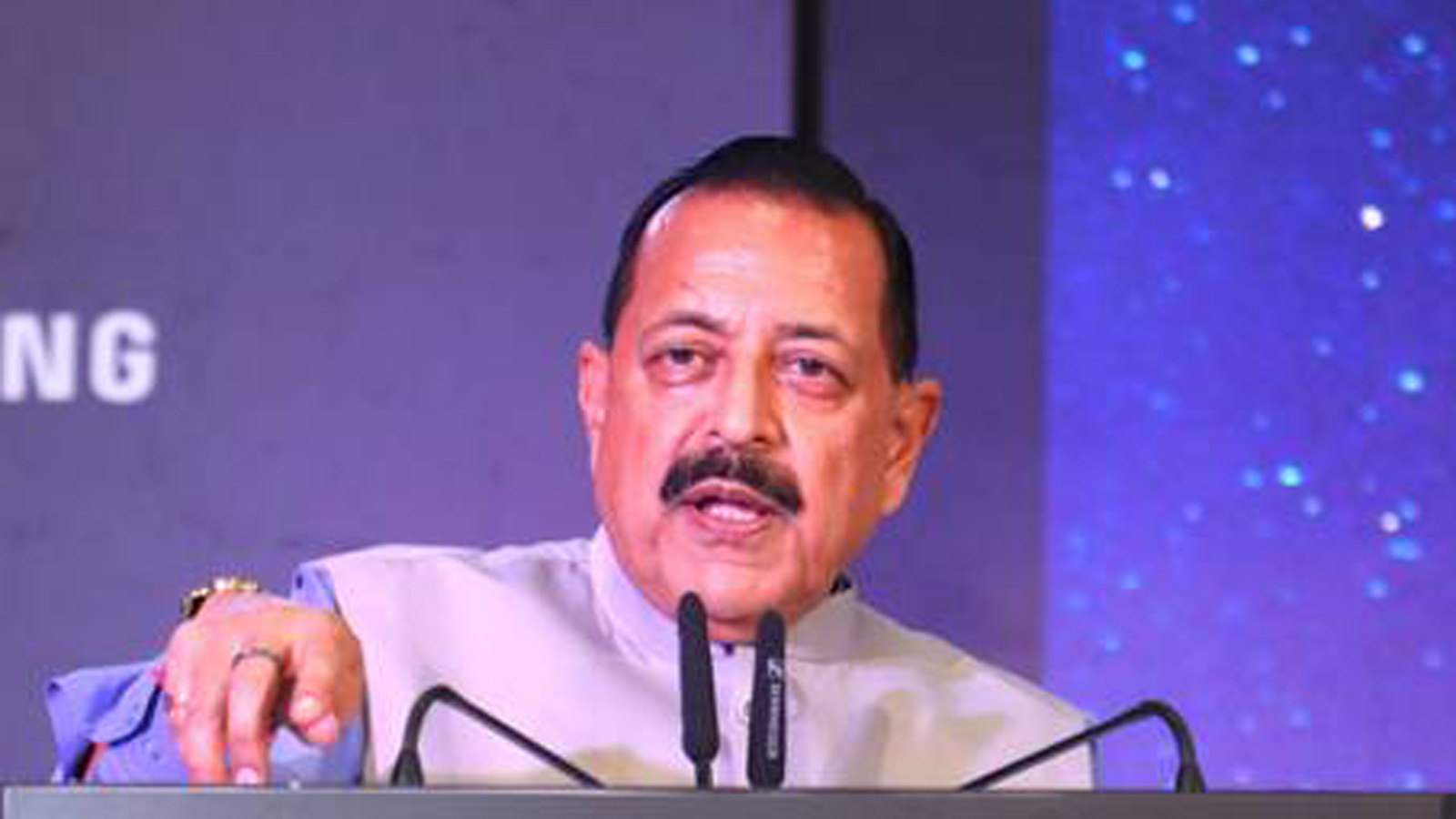
- The Anusandhan National Research Foundation (ANRF) and the Ministry of Jal Shakti (MoJS) have jointly launched the MAHA Water Mission, a ₹200 crore initiative to promote innovation and entrepreneurship in the water sector.
- The mission was launched by Dr. Jitendra Singh, Union Minister of State for Science & Technology, along with Union Jal Shakti Minister C.R. Patil.
- It aims to support startups, MSMEs, research institutions, universities, and industry partners in developing scalable solutions for India's water challenges.
MAHA Water Mission
What is it?
- A national mission under the Missions for Advancement in High-Impact Areas (MAHA) framework of ANRF.
- Designed to bridge the gap between:
- Scientific research
- Technological innovation
- Entrepreneurship
- Field-level implementation
- Seeks to create practical and locally adaptable solutions for long-term water security.
Financial Support
- Total outlay: ₹200 crore.
- Selected multidisciplinary consortia can receive funding of up to ₹20 crore.
- Funding can be utilized for:
- Technology development
- Product and prototype creation
- Field testing and validation
- Deployment and scaling of solutions
Eligible Participants
- Startups
- MSMEs
- Universities
- National laboratories
- Research institutions
- Industry partners
These entities can collaborate through multidisciplinary consortia to develop innovative water solutions.
Priority Focus Areas
The Mission focuses on five key themes:
- Water Resource Assessment and Sustainable Management
- Drinking Water Security
- Water Quality and Ecological Health
- Water Use Efficiency and Circular Economy
- Climate Resilience and Adaptation
Why is the Mission Important?
Addressing Water Challenges
- Supports technology-driven solutions for:
- Water scarcity
- Water quality degradation
- Climate-induced water stress
- Efficient water use
Strengthening Innovation Ecosystem
- Encourages participation of startups and MSMEs in solving national development challenges.
- Promotes collaboration among academia, industry, and government institutions.
Supporting Water Security
- Facilitates the transition of innovations from laboratory research to field deployment.
- Contributes to India's goal of achieving sustainable and climate-resilient water management.
About ANRF
Anusandhan National Research Foundation (ANRF)
- Established under the ANRF Act, 2023.
- Functions as India's apex body for promoting research, innovation, and technology development.
- Seeks to expand research opportunities beyond premier institutions by supporting:
- Universities
- Startups
- MSMEs
- Emerging innovators
- Implements mission-driven programmes under the MAHA framework.
Additional Info
Related Government Initiatives in Water Sector
- Jal Jeevan Mission (JJM)
- Aims to provide functional household tap water connections in rural India.
- Recently extended under JJM 2.0 with a focus on sustainable service delivery.
- Jal Shakti Abhiyan
- National campaign focused on water conservation and rainwater harvesting.
- Implemented across districts to address water stress.
- AMRUT 2.0
- Promotes innovative technologies and startup-led solutions for urban water management and wastewater treatment.
Sources
India to Introduce Producer Price Index (PPI), Gradually Replace WPI
What’s the News?
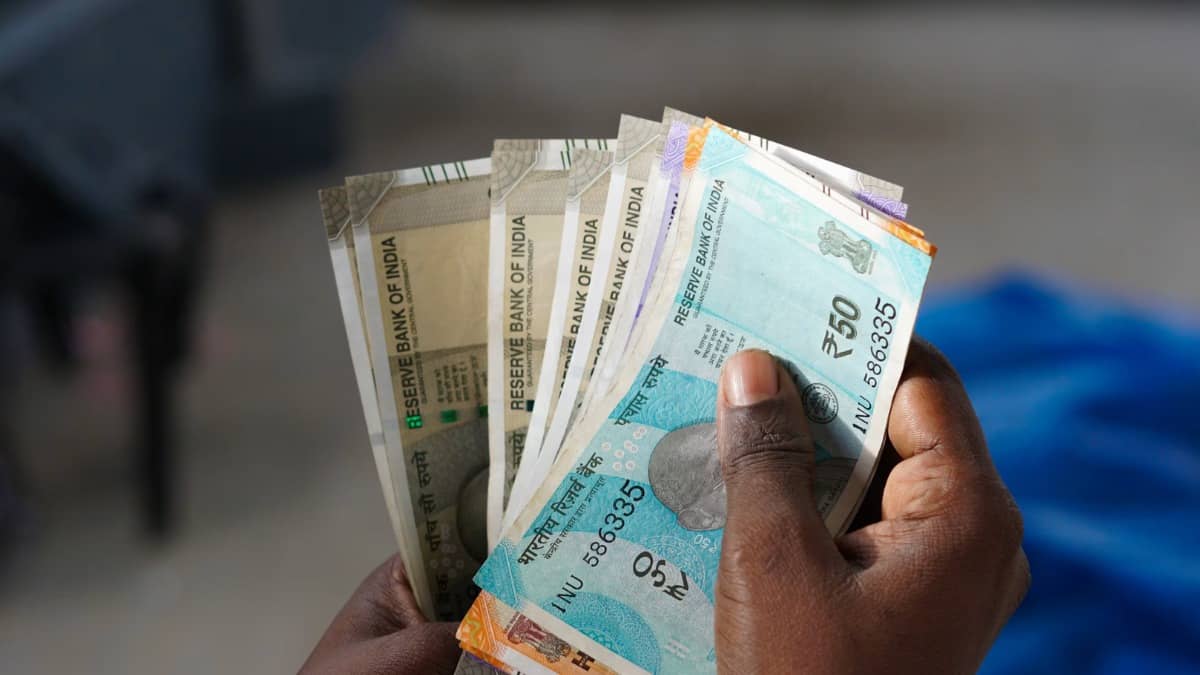
- The Government of India is set to introduce the Producer Price Index (PPI) alongside a revised Wholesale Price Index (WPI) with a new base year of 2022–23.
- The move marks a major reform in India's inflation measurement framework and aims to align it with international statistical standards.
- Over a transition period of about five years, PPI is expected to gradually replace WPI as the principal indicator of producer-level inflation.
Producer Price Index (PPI)
What is PPI?
- PPI measures the average change in prices received by producers for goods and services at different stages of production.
- It captures price movements before they reach consumers.
- Unlike WPI, it includes both goods and services, providing a more comprehensive picture of inflationary pressures in the economy.
Components of PPI
- Output PPI – Prices received by producers for their output.
- Input PPI – Prices paid by producers for raw materials and intermediate inputs.
- Services PPI – Measures price changes in service sectors.
Services Covered Initially
- Key service sectors proposed to be covered include:
- Banking
- Insurance
- Railways
- Telecommunications
- Other major service activities
- Service-sector PPI will initially be released on a quarterly basis.
Why Replace the Wholesale Price Index?
Limitations of WPI
- Covers only goods, excluding services.
- Measures prices at the wholesale stage rather than across the production chain.
- Does not fully reflect the changing structure of India's economy, where services contribute significantly to GDP.
Advantages of PPI
- Provides broader coverage of economic activity.
- Tracks inflationary pressures at multiple production stages.
- Improves inflation forecasting and policy formulation.
- Offers better inputs for fiscal, monetary, and business decision-making.
- Aligns India's statistical framework with global best practices.
Revised Wholesale Price Index
Key Changes
- New base year: 2022–23 (earlier: 2011–12).
- Updated commodity basket and revised weights to better reflect current economic realities.
- Existing WPI series will continue during the transition period before eventual phase-out.
Current Role of WPI
- Measures wholesale price inflation of goods.
- Widely used as a GDP deflator and for economic analysis.
- Compiled and released by the Office of the Economic Adviser (OEA) under DPIIT, Ministry of Commerce & Industry.
Significance for India
Better Inflation Measurement
- Captures inflation in both manufacturing and services sectors.
- Provides an early indication of future consumer price pressures.
Improved Policymaking
- Enables more accurate assessment of producer costs.
- Supports evidence-based monetary and fiscal decisions.
Statistical Modernisation
- Forms part of broader reforms in:
- GDP estimation
- Index of Industrial Production (IIP)
- Inflation statistics
- Enhances data quality and international comparability.
Additional Info
Difference Between CPI, WPI and PPI
| Feature | CPI | WPI | PPI |
|---|---|---|---|
| Measures | Consumer prices | Wholesale prices | Producer prices |
| Coverage | Goods & Services | Goods only | Goods & Services |
| Stage | Final consumer | Wholesale stage | Multiple production stages |
| Used for | Retail inflation | Producer inflation/GDP deflation | Comprehensive producer inflation |
| International Practice | Widely used | Limited use | Widely adopted globally |
Important Organisations
- DPIIT – Department for Promotion of Industry and Internal Trade.
- Office of the Economic Adviser (OEA) – Compiles WPI and forthcoming PPI series.
- Ministry of Commerce & Industry.
- National Statistical Office (NSO) – Supports statistical data collection and methodology.
Sources
BRICS Disaster Risk Reduction Working Group Meeting Begins in Puri
What’s the News?
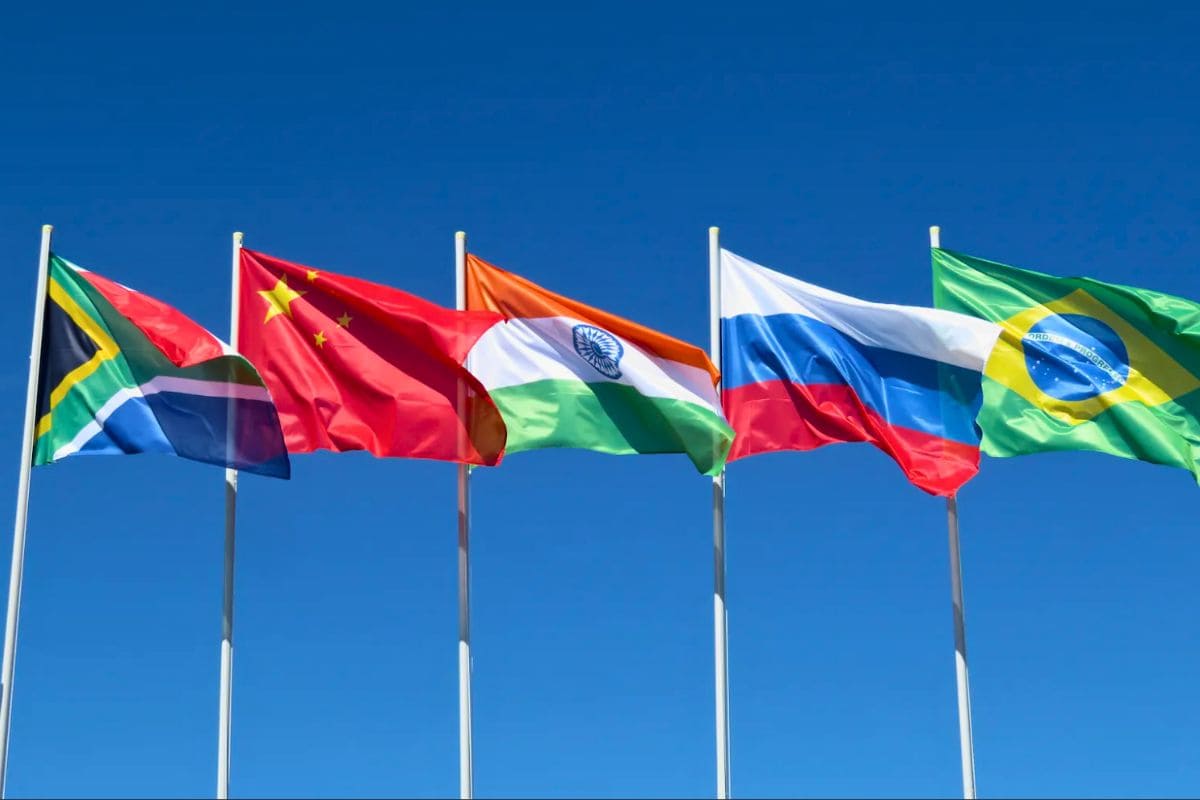
- India is hosting the BRICS Disaster Risk Reduction (DRR) Working Group Meeting in Puri, Odisha.
- Representatives from all 11 BRICS member countries are participating in the meeting.
- The discussions focus on strengthening cooperation in disaster risk reduction, climate resilience, early warning systems, and disaster management technologies.
- The meeting is being organized under India's BRICS engagement framework to promote collaborative approaches towards disaster preparedness and resilience.
BRICS Disaster Risk Reduction Working Group
Objective
- Enhance cooperation among BRICS countries in:
- Disaster risk reduction.
- Disaster preparedness and response.
- Climate adaptation and resilience.
- Capacity building and knowledge sharing.
Areas of Discussion
- Multi-hazard Early Warning Systems
- Disaster-resilient Infrastructure
- Use of Technology and AI in Disaster Management
- Community-based Disaster Risk Reduction
- Climate-induced Disaster Risks
- Sharing of Best Practices among BRICS nations
Expected Outcomes
- Strengthening institutional cooperation among member countries.
- Promoting exchange of disaster management expertise.
- Improving regional and global resilience against natural disasters.
- Supporting implementation of international disaster risk reduction frameworks.
India’s Role in Disaster Risk Reduction
Leadership in Resilient Infrastructure
- India has emerged as a global advocate for disaster resilience through initiatives such as:
- Coalition for Disaster Resilient Infrastructure (CDRI).
- Disaster-resilient urban planning and infrastructure development.
- Expansion of early warning systems covering cyclones, floods, and extreme weather events.
Technological Initiatives
- Use of:
- Satellite-based monitoring.
- GIS-based risk mapping.
- AI-enabled forecasting systems.
- Integrated disaster management platforms.
Institutional Framework
- National Disaster Management Authority (NDMA)
- National Disaster Response Force (NDRF)
- State Disaster Management Authorities (SDMAs)
- National Institute of Disaster Management (NIDM)
BRICS
About BRICS
- An intergovernmental grouping of major emerging economies.
Member Countries (11)
- Brazil
- Russia
- India
- China
- South Africa
- Egypt
- Ethiopia
- Iran
- United Arab Emirates (UAE)
- Saudi Arabia
- Indonesia
Objectives
- Promote economic cooperation.
- Strengthen multilateralism.
- Enhance cooperation in:
- Trade and investment.
- Science and technology.
- Health.
- Climate action.
- Disaster risk reduction.
Disaster Risk Reduction (DRR)
What is DRR?
- A systematic approach to identifying, assessing, and reducing disaster risks.
- Focuses on minimizing vulnerabilities and strengthening resilience before disasters occur.
Key Components
- Risk Assessment.
- Prevention and Mitigation.
- Preparedness.
- Response and Recovery.
- Building Back Better.
Global Framework
Sendai Framework for Disaster Risk Reduction (2015–2030)
- Adopted under the United Nations framework.
- Seeks substantial reduction in:
- Disaster mortality.
- Economic losses.
- Damage to critical infrastructure.
- Promotes resilience and preparedness at all levels.
Additional Info
Coalition for Disaster Resilient Infrastructure (CDRI)
- Launched by India in 2019.
- A global partnership aimed at promoting infrastructure resilience against disasters and climate risks.
- Headquarters: New Delhi.
National Disaster Management Act, 2005
- Provides the legal and institutional framework for disaster management in India.
- Established:
- NDMA
- NDRF
- National Executive Committee (NEC)
Sources
Odisha Selected for PM Surya Ghar Excellence Award
What’s the News?
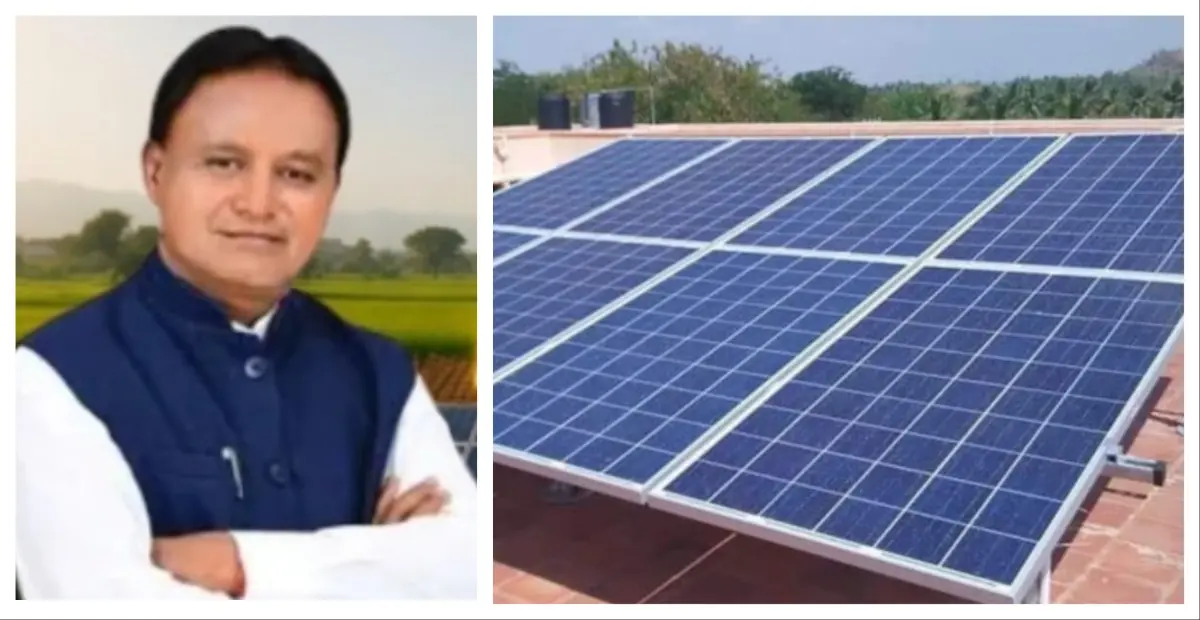
- Odisha has been selected for the PM Surya Ghar Excellence Award for its outstanding performance in implementing the PM Surya Ghar: Muft Bijli Yojana.
- The award recognizes the state's efforts in promoting rooftop solar adoption, expanding renewable energy access, and facilitating clean energy transition.
- The state government has reaffirmed its commitment to further accelerate solar energy deployment across urban and rural areas.
PM Surya Ghar: Muft Bijli Yojana
About the Scheme
- Launched by the Government of India to promote rooftop solar installations in households.
- Aims to provide affordable and clean electricity while reducing dependence on conventional energy sources.
- Encourages citizen participation in India's renewable energy transition.
Objectives
- Increase rooftop solar capacity nationwide.
- Reduce household electricity expenses.
- Promote decentralized renewable energy generation.
- Support India's climate and energy security goals.
- Generate employment in the solar sector.
Features
- Financial assistance through Central Financial Assistance (CFA).
- Simplified online application and approval process.
- Support for installation of rooftop solar systems in residential households.
- Opportunity for households to generate and utilize solar power for their own consumption.
Why Odisha Received the Award
Strong Rooftop Solar Adoption
- Odisha has recorded significant progress in:
- Rooftop solar installations.
- Beneficiary enrollment under the scheme.
- Public awareness and outreach initiatives.
Policy Support
- State-level measures have facilitated:
- Faster approvals.
- Improved implementation mechanisms.
- Enhanced coordination between distribution companies and consumers.
Renewable Energy Expansion
- The state is actively promoting:
- Solar energy generation.
- Clean energy infrastructure.
- Sustainable and climate-resilient development.
India’s Renewable Energy Goals
National Targets
- Achieve 500 GW of non-fossil fuel-based installed electricity capacity by 2030.
- Reduce emissions intensity of GDP.
- Increase the share of renewable energy in the national energy mix.
Role of Rooftop Solar
- Reduces transmission losses.
- Enhances energy security.
- Promotes consumer participation in power generation.
- Supports decentralized and resilient energy systems.
Additional Info
Ministry Responsible
- Ministry of New and Renewable Energy (MNRE)
Key Implementing Agencies
- MNRE
- State Distribution Companies (DISCOMs)
- National Portal for Rooftop Solar
Related Renewable Energy Initiatives
- National Solar Mission
- Launched under the National Action Plan on Climate Change (NAPCC).
- Promotes large-scale solar energy deployment.
- PM-KUSUM Scheme
- Supports solarization of agriculture.
- Enables farmers to install solar pumps and decentralized solar plants.
- Green Energy Corridor
- Strengthens transmission infrastructure for renewable energy integration.
Sources
Indian Teenagers Win Earth Prize 2026 for ‘Plas-Stick’ Microplastic Solution

What’s the News?
- Three Indian teenagers — Vivaan Chhawchharia, Ariana Agarwal, and Avyana Mehta — have won The Earth Prize 2026 for developing Plas-Stick, an innovative solution to remove microplastics from water.
- The project uses waste tamarind seeds to create a biodegradable material that captures microplastic particles from contaminated water.
- The innovation was recognized for being affordable, environmentally friendly, and scalable, particularly for resource-constrained communities.
What is Plas-Stick?
Overview
- Plas-Stick is a biodegradable powder derived from discarded tamarind seeds.
- When added to water:
- It attracts and binds microplastic particles.
- The particles form larger clumps.
- These clumps can then be removed using a handheld magnet.
- The process does not require:
- Electricity.
- Advanced filtration systems.
- Harmful chemicals.
Features
- Low-cost and eco-friendly.
- Utilizes agricultural waste.
- Suitable for rural and low-resource settings.
- Prevents re-entry of collected plastic into the environment by converting it into useful products such as tiles and coasters.
Why is the Innovation Significant?
Addressing Microplastic Pollution
- Microplastics are tiny plastic particles found in:
- Drinking water.
- Rivers and oceans.
- Food chains.
- Human tissues.
- Their small size makes them difficult to remove using conventional filtration methods.
Sustainable Approach
- Converts agricultural waste into a value-added environmental solution.
- Provides a decentralized and affordable water-cleaning technology.
- Supports circular economy principles through waste utilization.
Potential Impact
- Can improve access to cleaner drinking water.
- Particularly useful for communities lacking sophisticated water treatment infrastructure.
- Demonstrates the role of youth-led innovation in solving environmental challenges.
The Earth Prize
About the Award
- The Earth Prize is a global environmental sustainability competition for school students.
- It recognizes innovative projects addressing environmental and climate challenges.
- Encourages young people to develop practical solutions with real-world impact.
Award Support
- Regional winners receive financial support to scale their innovations.
- The competition promotes entrepreneurship, sustainability, and climate action among youth.
Microplastics: A Growing Environmental Concern
What are Microplastics?
- Plastic particles generally smaller than 5 millimetres.
- Generated from:
- Breakdown of larger plastic waste.
- Synthetic textiles.
- Industrial processes.
- Personal care products.
Environmental Impacts
- Contaminate freshwater and marine ecosystems.
- Enter food chains through aquatic organisms.
- Persist in the environment for long periods.
Health Concerns
- Detected in drinking water and human bodies.
- Research is ongoing regarding long-term health impacts.
Additional Info
Related Indian Initiatives
- Swachh Bharat Mission (SBM)
- Promotes waste management and reduction of environmental pollution.
- Plastic Waste Management Rules, 2016
- Regulate plastic waste generation, collection, recycling, and disposal.
- Ban on Identified Single-Use Plastics
- Implemented to reduce plastic pollution and promote sustainable alternatives.
Circular Economy
- Focuses on:
- Reuse.
- Recycling.
- Resource efficiency.
- Waste-to-value innovations.
- Plas-Stick is an example of a circular economy solution using agricultural waste.
Sources
India Seeks Protection from US Section 301 Tariffs During Trade Talks
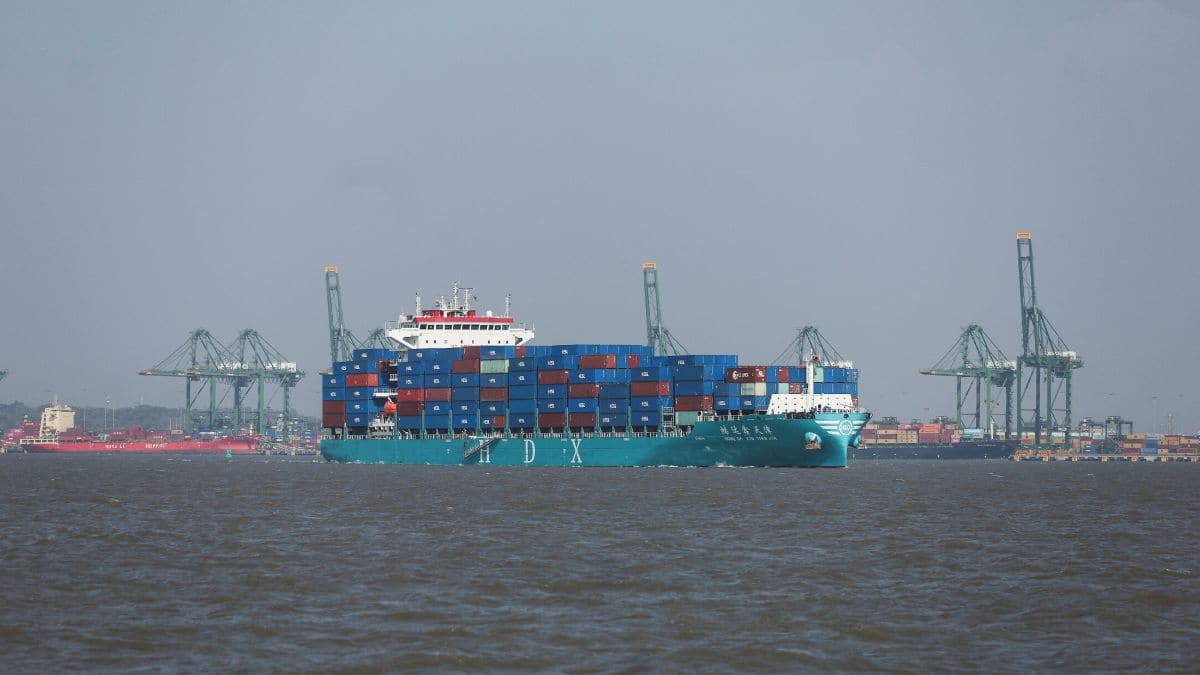
What’s the News?
- India has sought protection from potential tariffs imposed under Section 301 of the US Trade Act, 1974 as part of ongoing negotiations for a bilateral trade agreement with the United States.
- The issue has emerged as a key point in discussions between the two countries, with India seeking preferential treatment and relief from future tariff actions.
- The demand comes amid ongoing Section 301 investigations by the United States Trade Representative (USTR) into several trading partners, including India.
What is Section 301?
Overview
- Section 301 is a provision of the US Trade Act, 1974.
- It authorizes the United States Trade Representative (USTR) to:
- Investigate foreign trade practices.
- Determine whether such practices are unfair, discriminatory, or restrict US commerce.
- Impose unilateral trade measures, including tariffs and other restrictions.
Powers Under Section 301
- Conduct trade investigations.
- Negotiate removal of alleged unfair practices.
- Impose additional import duties.
- Restrict market access or trade benefits.
- Initiate retaliatory trade actions.
Why is India Concerned
Ongoing US Investigations
- The USTR has initiated Section 301 investigations involving India and other trading partners.
- The investigations cover issues such as:
- Manufacturing overcapacity.
- Market access barriers.
- Labour-related concerns in supply chains.
Potential Tariff Impact
- Section 301 findings can lead to:
- Additional tariffs on exports.
- Reduced competitiveness of Indian products in the US market.
- Higher costs for sectors dependent on US exports.
Competitive Concerns
- India seeks tariff arrangements that remain competitive with regional exporters such as:
- Bangladesh
- Pakistan
- Sri Lanka
- The objective is to prevent erosion of India's export competitiveness in the US market.
India–US Bilateral Trade Agreement (BTA)
Current Status
- India and the US are negotiating the first phase of a Bilateral Trade Agreement (BTA).
- According to official statements, most major issues have been substantially resolved, with discussions continuing on a few remaining matters.
India’s Demands
- Relief from Section 301-related tariff actions.
- Greater market access for Indian exports.
- Stable and predictable tariff arrangements.
- Preferential treatment compared to competing exporting nations.
US Priorities
- Addressing perceived trade barriers.
- Improving access for US businesses.
- Ensuring fair trade practices and compliance with US trade laws.
Additional Info
United States Trade Representative (USTR)
- Principal US agency responsible for trade negotiations and trade policy.
- Leads Section 301 investigations.
- Represents the United States in international trade matters.
Trade Act of 1974
- Landmark US legislation governing trade policy.
- Contains:
- Section 301 (unfair trade practices)
- Special 301 (intellectual property rights concerns)
- Trade remedy provisions and market access mechanisms.
Section 301 vs WTO Dispute Settlement
| Feature | Section 301 | WTO Mechanism |
|---|---|---|
| Nature | Unilateral US action | Multilateral process |
| Authority | USTR | WTO Dispute Settlement Body |
| Scope | Alleged unfair trade practices | Violations of WTO agreements |
| Outcome | Tariffs, sanctions, restrictions | Authorized trade remedies |
Sources
India–Oman CEPA: A New Boost to Trade, Investment and Employment
What’s the News?
- The India–Oman Comprehensive Economic Partnership Agreement (CEPA) has come into force, marking a major milestone in bilateral economic relations.
- The agreement provides extensive market access, tariff concessions, and enhanced opportunities for trade in goods and services.
- It is expected to boost exports, attract investments, strengthen supply chains, and generate employment in both countries.
India–Oman CEPA
What is CEPA?
- A Comprehensive Economic Partnership Agreement (CEPA) is a broader trade agreement than a traditional Free Trade Agreement (FTA).
- It covers:
- Trade in goods.
- Trade in services.
- Investment facilitation.
- Digital trade and economic cooperation.
- Regulatory cooperation and trade facilitation.
Features
- India receives 100% duty-free market access on 98.08% of Oman's tariff lines, covering 99.38% of India's export value.
- Tariff concessions become available immediately upon implementation.
- Sensitive sectors have been protected through exclusion lists and phased liberalization.
Major Benefits for India
Export Growth
The agreement is expected to benefit several export-oriented sectors:
- Textiles and Apparel
- Leather and Footwear
- Agricultural Products
- Marine Products
- Engineering Goods
- Automobiles and Auto Components
- Pharmaceuticals
- Chemicals and Petrochemicals
- Sports Goods
Services Sector Gains
- Improved opportunities for Indian professionals in:
- Information Technology (IT)
- Healthcare
- Education
- Engineering Services
- Consulting Services
- Reduction of regulatory barriers in selected service sectors.
Employment Generation
- Increased exports are expected to create jobs in:
- Manufacturing industries.
- Labour-intensive sectors such as textiles and leather.
- Logistics and supply-chain services.
- Professional and digital services.
Strategic Significance
Gateway to the Gulf Region
- Oman serves as an important gateway to:
- Gulf Cooperation Council (GCC) markets.
- East African markets.
- West Asian trade corridors.
- CEPA strengthens India's Act West Policy and economic engagement in the Middle East.
Energy Security
- Oman is a key partner in:
- Crude oil supplies.
- LNG trade.
- Petrochemical cooperation.
- The agreement supports diversification of energy and logistics partnerships.
Connectivity Benefits
- Greater utilization of Omani ports such as:
- Duqm Port
- Salalah Port
- Enhances India's maritime connectivity with West Asia, Africa, and Europe.
India–Oman Economic Relations
Trade Profile
- Oman is among India's important trading partners in the Gulf region.
- Key Indian exports:
- Engineering goods
- Food products
- Textiles
- Chemicals
- Pharmaceuticals
- Key imports from Oman:
- Crude oil
- Natural gas
- Petrochemicals
- Fertilizers.
Investment Cooperation
- CEPA promotes:
- Cross-border investments.
- Joint ventures.
- Technology partnerships.
- Supply-chain integration.
Additional Info
Oman: Key Facts
- Capital: Muscat
- Currency: Omani Rial
- Sultan: Haitham bin Tarik
- Strategic Location:
- Located at the entrance of the Strait of Hormuz, one of the world's most important energy shipping routes.
Difference Between FTA and CEPA
| Feature | FTA | CEPA |
|---|---|---|
| Focus | Goods trade | Goods, services, investment & economic cooperation |
| Scope | Limited | Comprehensive |
| Services Coverage | Usually limited | Extensive |
| Investment Provisions | Often absent | Included |
Sources
June 2026
Archive
November 2026
- 27 November 2026
- 26 November 2026
- 25 November 2026
- 24 November 2026
- 23 November 2026
- 21 November 2026
- 20 November 2026
- 19 November 2026
- 18 November 2026
- 17 November 2026
- 16 November 2026
- 14 November 2026
- 13 November 2026
- 12 November 2026
- 11 November 2026
- 10 November 2026
- 09 November 2026
- 06 November 2026
- 05 November 2026
- 04 November 2026
- 03 November 2026
- 02 November 2026
October 2026
- 31 October 2026
- 30 October 2026
- 29 October 2026
- 28 October 2026
- 27 October 2026
- 26 October 2026
- 24 October 2026
- 23 October 2026
- 22 October 2026
- 21 October 2026
- 20 October 2026
- 19 October 2026
- 17 October 2026
- 16 October 2026
- 15 October 2026
- 14 October 2026
- 13 October 2026
- 12 October 2026
- 10 October 2026
- 09 October 2026
- 08 October 2026
- 07 October 2026
- 06 October 2026
- 05 October 2026
- 03 October 2026
- 02 October 2026
- 01 October 2026
September 2026
- 30 September 2026
- 29 September 2026
- 28 September 2026
- 26 September 2026
- 25 September 2026
- 24 September 2026
- 23 September 2026
- 22 September 2026
- 21 September 2026
- 19 September 2026
- 18 September 2026
- 17 September 2026
- 16 September 2026
- 15 September 2026
- 12 September 2026
- 11 September 2026
- 10 September 2026
- 09 September 2026
- 08 September 2026
- 07 September 2026
- 05 September 2026
- 04 September 2026
- 03 September 2026
- 02 September 2026
- 01 September 2026
August 2026
- 31 August 2026
- 29 August 2026
- 27 August 2026
- 26 August 2026
- 25 August 2026
- 24 August 2026
- 22 August 2026
- 21 August 2026
- 20 August 2026
- 19 August 2026
- 18 August 2026
- 17 August 2026
- 14 August 2026
- 13 August 2026
- 12 August 2026
- 11 August 2026
- 10 August 2026
- 08 August 2026
- 07 August 2026
- 06 August 2026
- 05 August 2026
- 04 August 2026
- 03 August 2026
- 01 August 2026
July 2026
- 31 July 2026
- 30 July 2026
- 29 July 2026
- 28 July 2026
- 27 July 2026
- 25 July 2026
- 23 July 2026
- 22 July 2026
- 21 July 2026
- 20 July 2026
- 18 July 2026
- 17 July 2026
- 15 July 2026
- 14 July 2026
- 13 July 2026
- 11 July 2026
- 10 July 2026
- 09 July 2026
- 08 July 2026
- 07 July 2026
- 06 July 2026
- 04 July 2026
- 03 July 2026
- 02 July 2026
- 01 July 2026
June 2026
May 2026
April 2026
March 2026
- 31 March 2026
- 30 March 2026
- 28 March 2026
- 27 March 2026
- 26 March 2026
- 25 March 2026
- 24 March 2026
- 23 March 2026
- 21 March 2026
- 20 March 2026
- 19 March 2026
- 18 March 2026
- 17 March 2026
- 16 March 2026
- 14 March 2026
- 13 March 2026
- 12 March 2026
- 11 March 2026
- 10 March 2026
- 09 March 2026
- 07 March 2026
- 06 March 2026
- 05 March 2026
- 03 March 2026
- 02 March 2026
February 2026
- 28 February 2026
- 27 February 2026
- 26 February 2026
- 25 February 2026
- 24 February 2026
- 23 February 2026
- 21 February 2026
- 20 February 2026
- 19 February 2026
- 18 February 2026
- 17 February 2026
- 16 February 2026
- 13 February 2026
- 12 February 2026
- 11 February 2026
- 10 February 2026
- 09 February 2026
- 07 February 2026
- 06 February 2026
- 05 February 2026
- 04 February 2026
- 03 February 2026
- 02 February 2026
January 2026
- 31 January 2026
- 30 January 2026
- 29 January 2026
- 28 January 2026
- 27 January 2026
- 26 January 2026
- 24 January 2026
- 23 January 2026
- 22 January 2026
- 21 January 2026
- 20 January 2026
- 19 January 2026
- 16 January 2026
- 15 January 2026
- 14 January 2026
- 13 January 2026
- 12 January 2026
- 10 January 2026
- 09 January 2026
- 08 January 2026
- 07 January 2026
- 06 January 2026
- 05 January 2026
- 03 January 2026
- 02 January 2026
- 01 January 2026
December 2025
- 31 December 2025
- 30 December 2025
- 29 December 2025
- 27 December 2025
- 26 December 2025
- 24 December 2025
- 23 December 2025
- 22 December 2025
- 20 December 2025
- 19 December 2025
- 18 December 2025
- 17 December 2025
- 16 December 2025
- 15 December 2025
- 13 December 2025
- 12 December 2025
- 11 December 2025
- 10 December 2025
- 09 December 2025
- 08 December 2025
- 05 December 2025
- 04 December 2025
- 03 December 2025
- 02 December 2025
November 2025
- 29 November 2025
- 28 November 2025
- 27 November 2025
- 26 November 2025
- 25 November 2025
- 24 November 2025
- 22 November 2025
- 21 November 2025
- 20 November 2025
- 19 November 2025
- 18 November 2025
- 17 November 2025
- 15 November 2025
- 14 November 2025
- 13 November 2025
- 12 November 2025
- 11 November 2025
- 10 November 2025
- 08 November 2025
- 07 November 2025
- 06 November 2025
- 05 November 2025
- 04 November 2025
- 03 November 2025
- 01 November 2025
October 2025
- 31 October 2025
- 30 October 2025
- 29 October 2025
- 28 October 2025
- 27 October 2025
- 25 October 2025
- 24 October 2025
- 23 October 2025
- 22 October 2025
- 21 October 2025
- 20 October 2025
- 18 October 2025
- 17 October 2025
- 16 October 2025
- 15 October 2025
- 14 October 2025
- 13 October 2025
- 11 October 2025
- 10 October 2025
- 09 October 2025
- 08 October 2025
- 07 October 2025
- 06 October 2025
- 04 October 2025
- 03 October 2025
- 02 October 2025
- 01 October 2025
September 2025
- 30 September 2025
- 29 September 2025
- 27 September 2025
- 26 September 2025
- 25 September 2025
- 24 September 2025
- 23 September 2025
- 22 September 2025
- 20 September 2025
- 19 September 2025
- 18 September 2025
- 17 September 2025
- 16 September 2025
- 15 September 2025
- 13 September 2025
- 12 September 2025
- 11 September 2025
- 10 September 2025
- 09 September 2025
- 08 September 2025
- 06 September 2025
- 05 September 2025
- 04 September 2025
- 03 September 2025
- 02 September 2025
- 01 September 2025
August 2025
- 30 August 2025
- 29 August 2025
- 28 August 2025
- 27 August 2025
- 26 August 2025
- 25 August 2025
- 23 August 2025
- 22 August 2025
- 21 August 2025
- 20 August 2025
- 19 August 2025
- 18 August 2025
- 16 August 2025
- 14 August 2025
- 13 August 2025
- 12 August 2025
- 11 August 2025
- 08 August 2025
- 07 August 2025
- 06 August 2025
- 05 August 2025
- 04 August 2025
- 02 August 2025
- 01 August 2025
July 2025
- 31 July 2025
- 30 July 2025
- 29 July 2025
- 28 July 2025
- 26 July 2025
- 25 July 2025
- 24 July 2025
- 23 July 2025
- 22 July 2025
- 21 July 2025
- 19 July 2025
- 18 July 2025
- 17 July 2025
- 16 July 2025
- 15 July 2025
- 12 July 2025
- 11 July 2025
- 10 July 2025
- 09 July 2025
- 07 July 2025
- 05 July 2025
- 04 July 2025
- 03 July 2025
- 02 July 2025
- 01 July 2025
June 2025
- 30 June 2025
- 28 June 2025
- 27 June 2025
- 26 June 2025
- 25 June 2025
- 24 June 2025
- 23 June 2025
- 21 June 2025
- 20 June 2025
- 19 June 2025
- 18 June 2025
- 17 June 2025
- 16 June 2025
- 14 June 2025
- 13 June 2025
- 12 June 2025
- 11 June 2025
- 10 June 2025
- 09 June 2025
- 07 June 2025
- 06 June 2025
- 05 June 2025
- 04 June 2025
- 03 June 2025
- 02 June 2025
May 2025
April 2025
- 30 April 2025
- 29 April 2025
- 28 April 2025
- 26 April 2025
- 25 April 2025
- 24 April 2025
- 23 April 2025
- 22 April 2025
- 21 April 2025
- 19 April 2025
- 18 April 2025
- 17 April 2025
- 16 April 2025
- 15 April 2025
- 14 April 2025
- 12 April 2025
- 11 April 2025
- 10 April 2025
- 09 April 2025
- 08 April 2025
- 07 April 2025
- 05 April 2025
- 04 April 2025
- 03 April 2025
- 02 April 2025
- 01 April 2025
March 2025
- 31 March 2025
- 29 March 2025
- 28 March 2025
- 27 March 2025
- 26 March 2025
- 25 March 2025
- 24 March 2025
- 22 March 2025
- 21 March 2025
- 20 March 2025
- 19 March 2025
- 18 March 2025
- 17 March 2025
- 15 March 2025
- 13 March 2025
- 12 March 2025
- 11 March 2025
- 10 March 2025
- 08 March 2025
- 07 March 2025
- 06 March 2025
- 05 March 2025
- 04 March 2025
- 03 March 2025
- 01 March 2025
February 2025
- 28 February 2025
- 27 February 2025
- 26 February 2025
- 25 February 2025
- 24 February 2025
- 22 February 2025
- 21 February 2025
- 20 February 2025
- 19 February 2025
- 18 February 2025
- 17 February 2025
- 15 February 2025
- 14 February 2025
- 13 February 2025
- 12 February 2025
- 11 February 2025
- 10 February 2025
- 08 February 2025
- 07 February 2025
- 06 February 2025
- 05 February 2025
- 04 February 2025
- 03 February 2025
- 01 February 2025
January 2025
- 31 January 2025
- 30 January 2025
- 29 January 2025
- 28 January 2025
- 27 January 2025
- 25 January 2025
- 24 January 2025
- 23 January 2025
- 22 January 2025
- 21 January 2025
- 20 January 2025
- 18 January 2025
- 17 January 2025
- 16 January 2025
- 15 January 2025
- 14 January 2025
- 13 January 2025
- 11 January 2025
- 10 January 2025
- 09 January 2025
- 08 January 2025
- 07 January 2025
- 06 January 2025
- 04 January 2025
- 03 January 2025
- 02 January 2025
- 01 January 2025