
Current Affairs
Stay updated with the latest national and international events.
02 November 2026
Ministry of Rural Development Notifies VB–G RAM G Grievance Redressal Rules, 2026
What’s the News?
- The Ministry of Rural Development has notified the Viksit Bharat – Guarantee for Rozgar and Ajeevika Mission (Gramin) (VB–G RAM G) Grievance Redressal Rules, 2026, under the VB–G RAM G Act, 2025.
- The rules establish a three-tier, time-bound grievance redressal mechanism for complaints relating to the implementation of the rural employment scheme.
- They mandate completion of enquiries within 7 working days and resolution of grievances within 15 days of receipt.
- The framework incorporates digital tracking, mandatory complaint registration and escalation of unresolved grievances.
Provisions of the Grievance Redressal Rules, 2026
Three-Tier Grievance Redressal Mechanism
- State Governments must establish grievance redressal mechanisms at the Gram Panchayat, Block and District levels.
- Designated Grievance Redressal Officers will receive, register, enquire into and dispose of complaints.
- The District Programme Coordinator will supervise grievance redressal at the district level.
Complaint Submission and Registration
- Complaints can be submitted in person, through Speed Post, designated digital platforms, telephone or helplines.
- Physical complaints must be registered digitally on the same day or by the next working day.
- Each complainant must receive an acknowledgement containing the registration number, date of receipt and receiving authority.
- Complaints cannot be rejected due to their format, language, mode of submission or procedural deficiencies.
Time-Bound Resolution
- 7 working days: Completion of enquiry into a complaint.
- 15 days: Final resolution of the grievance from the date of receipt.
- Complainants must be given a reasonable opportunity to be heard wherever necessary.
Digital Tracking and Appeals
- A designated Digital Public Infrastructure (DPI) will enable end-to-end tracking of complaints, enquiries and corrective actions.
- Grievances unresolved after 15 days will automatically be escalated to the next higher level and monitored electronically.
- Appeals against grievance redressal orders will be governed by Schedule I of the VB–G RAM G Act, 2025.
Additional Info
About VB–G RAM G Act, 2025
- Full Name: Viksit Bharat – Guarantee for Rozgar and Ajeevika Mission (Gramin) Act, 2025.
- Nodal Ministry: Ministry of Rural Development.
- Objective: To provide guaranteed wage employment and strengthen rural livelihoods.
- Features:
- Replaced the Mahatma Gandhi National Rural Employment Guarantee Act (MGNREGA), 2005.
- Enhanced the statutory employment guarantee from 100 to 125 days per financial year for eligible rural households.
- Provides unemployment allowance when employment is not provided within the stipulated period.
Relevant Legal Provisions
- Section 25: Establishes grievance redressal mechanisms for complaints involving:
- Failure to provide employment.
- Delayed or unpaid wages and unemployment allowance.
- Inadequate worksite facilities.
- Discrimination, harassment or violations of workers' rights.
- Section 33: Empowers the Central Government to frame rules under the Act.
- Schedule I, Paragraph 28: Specifies grievance redressal procedures, including appeals.
Sources
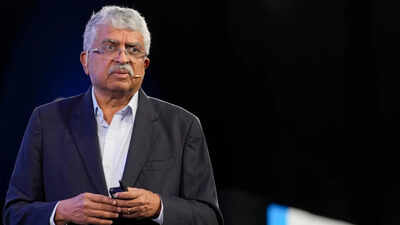
Centre Extends Nandan Nilekani-Led Exam Reform Task Force Until January 2027
What’s the News?
- The Central Government has extended the tenure of the six-member High-Powered Task Force (HPTF) on examination reforms, chaired by Nandan Nilekani, co-founder of Infosys, until January 2027.
- The task force was constituted by Prime Minister Narendra Modi following student protests over examination irregularities, particularly the NEET-UG paper leak controversy.
- Initially expected to submit its report by October 2026, the panel has received over 50,000 suggestions from various stakeholders.
- The extension will allow further consultations with State Governments and the preparation of comprehensive recommendations to improve examination security and transparency.
Nandan Nilekani-Led Task Force
Composition
| Member | Designation |
|---|---|
| Nandan Nilekani | Chairman; Co-founder of Infosys |
| S. Somanath | Former Chairman, ISRO |
| Tapan Deka | Former Director, Intelligence Bureau |
| V. Kamakoti | Director, IIT Madras |
| Anita Karwal | Former Education Secretary |
| Amrit Lal Meena | Logistics Expert |
Objectives
- Prevent question paper leaks, cheating and other examination malpractices.
- Strengthen examination governance, accountability and security.
- Promote secure Computer-Based Testing (CBT) and technology-driven examination systems.
- Improve testing infrastructure, accessibility, inclusion and student welfare.
Stakeholder Consultations
- Received over 50,000 suggestions from students, parents, teachers, academic institutions, experts, industry organisations and examination bodies.
- The Prime Minister's Office has sought consultations with Chief Ministers and Chief Secretaries to address regional differences in examination infrastructure and connectivity.
- The Centre has submitted an affidavit to the Supreme Court detailing the task force's progress.
Proposed Examination Reforms
- Secure Question Vault: Creation of verified, encrypted digital question banks with randomised selection of questions.
- Digital Question Delivery: Transmission of examination papers electronically shortly before examinations.
- CBT Infrastructure: Proposal for a nationwide network of secure testing centres involving Central and State Governments and private investment.
- NEET-UG Reforms:
- The Centre had announced a shift towards CBT from 2027.
- A hybrid examination format for 2027 is also under consideration, with a possible full CBT transition in 2028, subject to infrastructure readiness.
- Separation of Responsibilities: Assigning question-paper setting, examination conduct, centre management and security to separate agencies.
- Common Examination Calendar: Coordinating schedules of NTA, SSC, IBPS and Railway Recruitment Boards to minimise examination clashes.
Additional Info
K. Radhakrishnan Committee (2024)
- Constituted by the Ministry of Education following the NEET-UG 2024 controversy.
- Chairman: Dr. K. Radhakrishnan, former ISRO Chairman.
- Submitted 101 recommendations covering examination security, NTA reforms and improved testing procedures.
- A High-Powered Steering Committee (HPSC) was subsequently established to monitor implementation.
National Testing Agency (NTA)
- Established in 2017 as an autonomous testing organisation under the Ministry of Education.
- Conducts national entrance examinations such as NEET-UG, JEE Main and CUET.
Public Examinations (Prevention of Unfair Means) Act, 2024
- Aims to prevent question paper leaks, impersonation, organised cheating and other unfair practices.
- Covers examinations conducted by agencies including UPSC, SSC, NTA, RRBs and IBPS.
- Provides criminal penalties for examination-related offences.
Sources
Cyclone Murasu Makes Landfall in Andhra Pradesh as Severe Cyclonic Storm
What’s the News?
- Severe Cyclonic Storm ‘Murasu’, which developed over the west-central and adjoining southwest Bay of Bengal, has made landfall along the southern Andhra Pradesh coast near Ongole, between Nellore and Narsapur.
- The cyclone crossed the coast with sustained wind speeds of 100–110 kmph, gusting up to 120 kmph.
- The India Meteorological Department (IMD) issued a red cyclone warning for Andhra Pradesh and adjoining northern Tamil Nadu.
- Heavy rainfall, strong winds and coastal flooding prompted evacuations and disaster preparedness measures across affected regions.
Cyclone Murasu: Details
- Origin: West-central and adjoining southwest Bay of Bengal.
- Classification: Severe Cyclonic Storm (SCS).
- Landfall: Near Ongole, Andhra Pradesh, between Nellore and Narsapur.
- Wind Speed: 100–110 kmph, gusting to 120 kmph.
- Movement: North-northwestward towards the Andhra Pradesh coast.
- Storm Surge: A rise of 1.0–1.5 metres above astronomical tide was forecast for low-lying coastal areas, particularly Bapatla, Krishna and Prakasam districts.
- Affected Regions: Andhra Pradesh, Tamil Nadu, Telangana, Rayalaseema, southern Odisha and parts of Chhattisgarh.
Naming of Cyclone Murasu
- Naming Country: India.
- Meaning: 'Murasu' is derived from Tamil, referring to a traditional war drum.
- Naming Authority: The India Meteorological Department, functioning as the Regional Specialised Meteorological Centre (RSMC), New Delhi.
- The name was selected from the list adopted in 2020 under the WMO/ESCAP Panel on Tropical Cyclones.
- Cyclone Murasu followed Cyclone Arnab, a name contributed by Bangladesh.
Additional Info
IMD Classification of Cyclonic Storms
| Category | Wind Speed |
|---|---|
| Depression | 31–49 kmph |
| Deep Depression | 50–61 kmph |
| Cyclonic Storm | 62–88 kmph |
| Severe Cyclonic Storm | 89–117 kmph |
| Very Severe Cyclonic Storm | 118–166 kmph |
| Extremely Severe Cyclonic Storm | 167–221 kmph |
| Super Cyclonic Storm | ≥222 kmph |
IMD Cyclone Warning System
- Pre-Cyclone Watch: Issued at least 72 hours before expected adverse weather.
- Cyclone Alert: Issued at least 48 hours in advance.
- Cyclone Warning: Issued at least 24 hours in advance.
- Post-Landfall Outlook: Issued at least 12 hours before anticipated landfall.
Why is the Bay of Bengal Cyclone-Prone?
- Sea surface temperatures of approximately 26.5°C or higher, atmospheric moisture and favourable wind conditions support cyclone formation.
- October–December is a major post-monsoon cyclone season.
- The funnel-shaped northern Bay of Bengal and shallow coastal waters can amplify storm surges.
UN Peacekeeping Mission in Western Sahara Ends After 35 Years
What’s the News?
- The United Nations (UN) has ended its 35-year peacekeeping mission in Western Sahara (MINURSO) after the UN Security Council (UNSC) failed to renew its mandate.
- UN Secretary-General António Guterres announced the commencement of the mission's liquidation and withdrawal process.
- The decision followed Russia's veto of a US-backed resolution supporting Morocco's autonomy proposal and the subsequent rejection of a competing Russian resolution.
- Morocco welcomed the non-renewal, while Algeria and the Polisario Front expressed concern.
- The UN reaffirmed its commitment to the self-determination of the Sahrawi people despite the mission's closure.
What is MINURSO?
- Full Name: United Nations Mission for the Referendum in Western Sahara (MINURSO).
- Established: 1991, under UNSC Resolution 690.
- Headquarters: Laayoune, Western Sahara.
- Objective: To monitor the ceasefire between Morocco and the Polisario Front and organise a referendum on Western Sahara's political future.
- Details:
- Operated for approximately 35 years.
- Had around 200 civilian and military personnel from over 35 countries at the end of its mandate.
- Maintained 9 team sites and a liaison office in Tindouf, Algeria.
- The proposed referendum was never conducted due to disagreements over voter eligibility.
Why Did the Mission End?
- US Proposal: Favoured Morocco's autonomy plan and restructuring the UN presence in Western Sahara.
- Russian Veto: Russia blocked the US-backed resolution in the Security Council.
- Russian Counterproposal: A competing resolution to extend MINURSO's mandate failed to secure the required nine affirmative votes.
- Consequently, the mission's mandate expired without renewal, initiating an orderly withdrawal of personnel and equipment.
Western Sahara Dispute
- Western Sahara is a disputed territory in northwestern Africa, bordering Morocco, Algeria, Mauritania and the Atlantic Ocean.
- Formerly a Spanish colony, it became the subject of a territorial conflict following Spain's withdrawal in 1975–76.
- Morocco: Claims sovereignty over Western Sahara and proposes autonomy under Moroccan rule.
- Polisario Front: An Algeria-backed independence movement seeking self-determination for the Sahrawi people.
- 2007 Autonomy Proposal: Morocco proposed limited self-government for Western Sahara under Moroccan sovereignty.
- UNSC Resolution 2797 (2025): Identified Morocco's autonomy proposal as the most feasible basis for a negotiated solution.
Additional Info
Future of the Peace Process
- The UN will continue diplomatic efforts through Staffan de Mistura, the UN Secretary-General's Personal Envoy for Western Sahara.
- The withdrawal of MINURSO does not eliminate the Sahrawi people's right to self-determination.
- The UN has urged all parties to exercise restraint to prevent renewed hostilities.
United Nations Peacekeeping
- First UN Peacekeeping Mission: United Nations Truce Supervision Organization (UNTSO), established in 1948.
- Authority: The UN Security Council has primary responsibility for international peace and security under Article 24 of the UN Charter.
- UN Charter Provisions:
- Chapter VI: Pacific settlement of disputes.
- Chapter VII: Action concerning threats to peace, breaches of peace and acts of aggression.
- Headquarters: New York, United States.
Sources
Iran Designates UK's Royal Navy and RAF as Terrorist Organisations

What’s the News?
- Iran's Ministry of Foreign Affairs has designated the United Kingdom's Royal Navy and Royal Air Force (RAF) as terrorist organisations and classified its foreign intelligence agency, MI6, as a hostile group.
- The decision was taken under a resolution of Iran's Supreme National Security Council (SNSC).
- Iran described the designations as reciprocal measures against Britain's alleged hostile actions and involvement in the US–Israel military conflict with Iran.
- The decision marks a further escalation in diplomatic and security tensions between Tehran and London.
Why Did Iran Take This Decision?
- UK Action Against IRGC: Britain designated Iran's Islamic Revolutionary Guard Corps (IRGC) as a national security threat under the National Security (State Threats) Act, 2026.
- Military Support: Iran accused Britain of facilitating US–Israeli military operations by providing military bases, logistical support and infrastructure under British jurisdiction.
- Violation of Sovereignty: Tehran alleged that Britain's actions violated the principles of national sovereignty and international law.
- Principle of Reciprocity: Iran justified its decision as a retaliatory measure to protect its national security and strategic interests.
Legal Framework for Iran's Designations
Royal Navy and RAF
- Designated under Iran's Law on Reciprocal Action Against the United States' Designation of the Islamic Revolutionary Guard Corps as a Terrorist Organization.
- Both branches of the British armed forces are now classified as terrorist organisations under Iranian domestic law.
MI6 (Secret Intelligence Service)
- Classified as a hostile group under Note 2 of Article 1 of Iran's law on intensifying punishment for espionage and cooperation with Israel and hostile countries.
- The designation may expose individuals accused of cooperation with MI6 to prosecution under Iranian law.
Additional Info
Islamic Revolutionary Guard Corps (IRGC)
- Established: 1979, following the Iranian Revolution.
- Country: Iran.
- Supreme Authority: Supreme Leader of Iran.
- Functions:
- Protects Iran's Islamic political system.
- Conducts military, intelligence and national security operations.
- Includes the Quds Force, responsible for external operations.
UK's Defence and Intelligence Organisations
- Royal Navy: Maritime warfare branch of the British Armed Forces.
- Royal Air Force (RAF):
- Established in 1918 through the merger of the Royal Flying Corps and Royal Naval Air Service.
- Responsible for the UK's aerial defence and military air operations.
- MI6:
- Official Name: Secret Intelligence Service (SIS).
- Established in 1909.
- Responsible for foreign intelligence gathering.
- Operates under the Intelligence Services Act, 1994.
UK's National Security (State Threats) Act, 2026
- Empowers the Home Secretary to designate organisations involved in hostile foreign-state activities.
- The IRGC was among the first organisations designated under the Act.
- Provides penalties of up to 14 years' imprisonment for specified offences involving support for, assistance to or obtaining material benefits from designated organisations.
Sources
November 2026
28 November 202627 November 202626 November 202625 November 202624 November 202623 November 202621 November 202620 November 202619 November 202618 November 202617 November 202616 November 202614 November 202613 November 202612 November 202611 November 202610 November 202609 November 202606 November 202605 November 202604 November 202603 November 202602 November 2026
Archive
November 2026
- 28 November 2026
- 27 November 2026
- 26 November 2026
- 25 November 2026
- 24 November 2026
- 23 November 2026
- 21 November 2026
- 20 November 2026
- 19 November 2026
- 18 November 2026
- 17 November 2026
- 16 November 2026
- 14 November 2026
- 13 November 2026
- 12 November 2026
- 11 November 2026
- 10 November 2026
- 09 November 2026
- 06 November 2026
- 05 November 2026
- 04 November 2026
- 03 November 2026
- 02 November 2026
October 2026
- 31 October 2026
- 30 October 2026
- 29 October 2026
- 28 October 2026
- 27 October 2026
- 26 October 2026
- 24 October 2026
- 23 October 2026
- 22 October 2026
- 21 October 2026
- 20 October 2026
- 19 October 2026
- 17 October 2026
- 16 October 2026
- 15 October 2026
- 14 October 2026
- 13 October 2026
- 12 October 2026
- 10 October 2026
- 09 October 2026
- 08 October 2026
- 07 October 2026
- 06 October 2026
- 05 October 2026
- 03 October 2026
- 02 October 2026
- 01 October 2026
September 2026
- 30 September 2026
- 29 September 2026
- 28 September 2026
- 26 September 2026
- 25 September 2026
- 24 September 2026
- 23 September 2026
- 22 September 2026
- 21 September 2026
- 19 September 2026
- 18 September 2026
- 17 September 2026
- 16 September 2026
- 15 September 2026
- 12 September 2026
- 11 September 2026
- 10 September 2026
- 09 September 2026
- 08 September 2026
- 07 September 2026
- 05 September 2026
- 04 September 2026
- 03 September 2026
- 02 September 2026
- 01 September 2026
August 2026
- 31 August 2026
- 29 August 2026
- 27 August 2026
- 26 August 2026
- 25 August 2026
- 24 August 2026
- 22 August 2026
- 21 August 2026
- 20 August 2026
- 19 August 2026
- 18 August 2026
- 17 August 2026
- 14 August 2026
- 13 August 2026
- 12 August 2026
- 11 August 2026
- 10 August 2026
- 08 August 2026
- 07 August 2026
- 06 August 2026
- 05 August 2026
- 04 August 2026
- 03 August 2026
- 01 August 2026
July 2026
- 31 July 2026
- 30 July 2026
- 29 July 2026
- 28 July 2026
- 27 July 2026
- 25 July 2026
- 23 July 2026
- 22 July 2026
- 21 July 2026
- 20 July 2026
- 18 July 2026
- 17 July 2026
- 15 July 2026
- 14 July 2026
- 13 July 2026
- 11 July 2026
- 10 July 2026
- 09 July 2026
- 08 July 2026
- 07 July 2026
- 06 July 2026
- 04 July 2026
- 03 July 2026
- 02 July 2026
- 01 July 2026
June 2026
May 2026
April 2026
March 2026
- 31 March 2026
- 30 March 2026
- 28 March 2026
- 27 March 2026
- 26 March 2026
- 25 March 2026
- 24 March 2026
- 23 March 2026
- 21 March 2026
- 20 March 2026
- 19 March 2026
- 18 March 2026
- 17 March 2026
- 16 March 2026
- 14 March 2026
- 13 March 2026
- 12 March 2026
- 11 March 2026
- 10 March 2026
- 09 March 2026
- 07 March 2026
- 06 March 2026
- 05 March 2026
- 03 March 2026
- 02 March 2026
February 2026
- 28 February 2026
- 27 February 2026
- 26 February 2026
- 25 February 2026
- 24 February 2026
- 23 February 2026
- 21 February 2026
- 20 February 2026
- 19 February 2026
- 18 February 2026
- 17 February 2026
- 16 February 2026
- 13 February 2026
- 12 February 2026
- 11 February 2026
- 10 February 2026
- 09 February 2026
- 07 February 2026
- 06 February 2026
- 05 February 2026
- 04 February 2026
- 03 February 2026
- 02 February 2026
January 2026
- 31 January 2026
- 30 January 2026
- 29 January 2026
- 28 January 2026
- 27 January 2026
- 26 January 2026
- 24 January 2026
- 23 January 2026
- 22 January 2026
- 21 January 2026
- 20 January 2026
- 19 January 2026
- 16 January 2026
- 15 January 2026
- 14 January 2026
- 13 January 2026
- 12 January 2026
- 10 January 2026
- 09 January 2026
- 08 January 2026
- 07 January 2026
- 06 January 2026
- 05 January 2026
- 03 January 2026
- 02 January 2026
- 01 January 2026
December 2025
- 31 December 2025
- 30 December 2025
- 29 December 2025
- 27 December 2025
- 26 December 2025
- 24 December 2025
- 23 December 2025
- 22 December 2025
- 20 December 2025
- 19 December 2025
- 18 December 2025
- 17 December 2025
- 16 December 2025
- 15 December 2025
- 13 December 2025
- 12 December 2025
- 11 December 2025
- 10 December 2025
- 09 December 2025
- 08 December 2025
- 05 December 2025
- 04 December 2025
- 03 December 2025
- 02 December 2025
November 2025
- 29 November 2025
- 28 November 2025
- 27 November 2025
- 26 November 2025
- 25 November 2025
- 24 November 2025
- 22 November 2025
- 21 November 2025
- 20 November 2025
- 19 November 2025
- 18 November 2025
- 17 November 2025
- 15 November 2025
- 14 November 2025
- 13 November 2025
- 12 November 2025
- 11 November 2025
- 10 November 2025
- 08 November 2025
- 07 November 2025
- 06 November 2025
- 05 November 2025
- 04 November 2025
- 03 November 2025
- 01 November 2025
October 2025
- 31 October 2025
- 30 October 2025
- 29 October 2025
- 28 October 2025
- 27 October 2025
- 25 October 2025
- 24 October 2025
- 23 October 2025
- 22 October 2025
- 21 October 2025
- 20 October 2025
- 18 October 2025
- 17 October 2025
- 16 October 2025
- 15 October 2025
- 14 October 2025
- 13 October 2025
- 11 October 2025
- 10 October 2025
- 09 October 2025
- 08 October 2025
- 07 October 2025
- 06 October 2025
- 04 October 2025
- 03 October 2025
- 02 October 2025
- 01 October 2025
September 2025
- 30 September 2025
- 29 September 2025
- 27 September 2025
- 26 September 2025
- 25 September 2025
- 24 September 2025
- 23 September 2025
- 22 September 2025
- 20 September 2025
- 19 September 2025
- 18 September 2025
- 17 September 2025
- 16 September 2025
- 15 September 2025
- 13 September 2025
- 12 September 2025
- 11 September 2025
- 10 September 2025
- 09 September 2025
- 08 September 2025
- 06 September 2025
- 05 September 2025
- 04 September 2025
- 03 September 2025
- 02 September 2025
- 01 September 2025
August 2025
- 30 August 2025
- 29 August 2025
- 28 August 2025
- 27 August 2025
- 26 August 2025
- 25 August 2025
- 23 August 2025
- 22 August 2025
- 21 August 2025
- 20 August 2025
- 19 August 2025
- 18 August 2025
- 16 August 2025
- 14 August 2025
- 13 August 2025
- 12 August 2025
- 11 August 2025
- 08 August 2025
- 07 August 2025
- 06 August 2025
- 05 August 2025
- 04 August 2025
- 02 August 2025
- 01 August 2025
July 2025
- 31 July 2025
- 30 July 2025
- 29 July 2025
- 28 July 2025
- 26 July 2025
- 25 July 2025
- 24 July 2025
- 23 July 2025
- 22 July 2025
- 21 July 2025
- 19 July 2025
- 18 July 2025
- 17 July 2025
- 16 July 2025
- 15 July 2025
- 12 July 2025
- 11 July 2025
- 10 July 2025
- 09 July 2025
- 07 July 2025
- 05 July 2025
- 04 July 2025
- 03 July 2025
- 02 July 2025
- 01 July 2025
June 2025
- 30 June 2025
- 28 June 2025
- 27 June 2025
- 26 June 2025
- 25 June 2025
- 24 June 2025
- 23 June 2025
- 21 June 2025
- 20 June 2025
- 19 June 2025
- 18 June 2025
- 17 June 2025
- 16 June 2025
- 14 June 2025
- 13 June 2025
- 12 June 2025
- 11 June 2025
- 10 June 2025
- 09 June 2025
- 07 June 2025
- 06 June 2025
- 05 June 2025
- 04 June 2025
- 03 June 2025
- 02 June 2025
May 2025
April 2025
- 30 April 2025
- 29 April 2025
- 28 April 2025
- 26 April 2025
- 25 April 2025
- 24 April 2025
- 23 April 2025
- 22 April 2025
- 21 April 2025
- 19 April 2025
- 18 April 2025
- 17 April 2025
- 16 April 2025
- 15 April 2025
- 14 April 2025
- 12 April 2025
- 11 April 2025
- 10 April 2025
- 09 April 2025
- 08 April 2025
- 07 April 2025
- 05 April 2025
- 04 April 2025
- 03 April 2025
- 02 April 2025
- 01 April 2025
March 2025
- 31 March 2025
- 29 March 2025
- 28 March 2025
- 27 March 2025
- 26 March 2025
- 25 March 2025
- 24 March 2025
- 22 March 2025
- 21 March 2025
- 20 March 2025
- 19 March 2025
- 18 March 2025
- 17 March 2025
- 15 March 2025
- 13 March 2025
- 12 March 2025
- 11 March 2025
- 10 March 2025
- 08 March 2025
- 07 March 2025
- 06 March 2025
- 05 March 2025
- 04 March 2025
- 03 March 2025
- 01 March 2025
February 2025
- 28 February 2025
- 27 February 2025
- 26 February 2025
- 25 February 2025
- 24 February 2025
- 22 February 2025
- 21 February 2025
- 20 February 2025
- 19 February 2025
- 18 February 2025
- 17 February 2025
- 15 February 2025
- 14 February 2025
- 13 February 2025
- 12 February 2025
- 11 February 2025
- 10 February 2025
- 08 February 2025
- 07 February 2025
- 06 February 2025
- 05 February 2025
- 04 February 2025
- 03 February 2025
- 01 February 2025
January 2025
- 31 January 2025
- 30 January 2025
- 29 January 2025
- 28 January 2025
- 27 January 2025
- 25 January 2025
- 24 January 2025
- 23 January 2025
- 22 January 2025
- 21 January 2025
- 20 January 2025
- 18 January 2025
- 17 January 2025
- 16 January 2025
- 15 January 2025
- 14 January 2025
- 13 January 2025
- 11 January 2025
- 10 January 2025
- 09 January 2025
- 08 January 2025
- 07 January 2025
- 06 January 2025
- 04 January 2025
- 03 January 2025
- 02 January 2025
- 01 January 2025