
Current Affairs
Stay updated with the latest national and international events.
03 April 2026
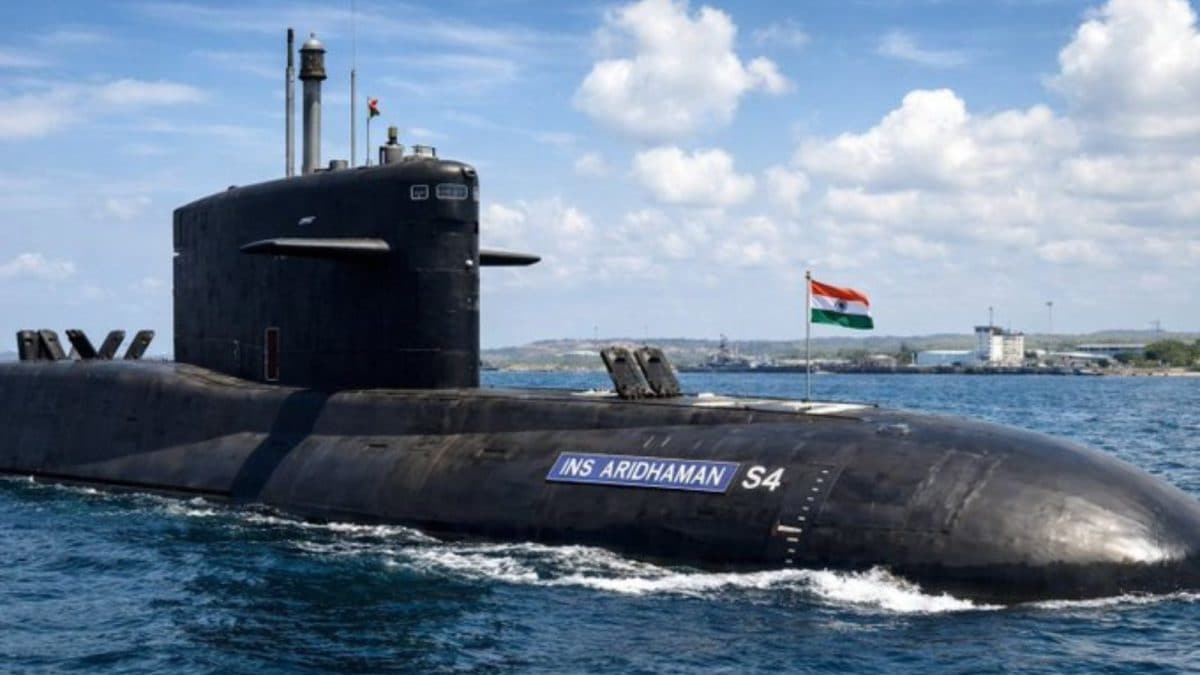
INS Aridhaman Commissioned
What's the News?
- INS Aridhaman, India's third indigenous nuclear-powered ballistic missile submarine (SSBN), has been commissioned into the Indian Navy
- The submarine was formally inducted by Defence Minister Rajnath Singh at Visakhapatnam
- Alongside INS Aridhaman, the stealth frigate INS Taragiri was also commissioned under Project 17A
- With this induction, India now has three operational ballistic missile submarines for the first time - INS Arihant, INS Arighaat, and INS Aridhaman
Nuclear-Powered Ballistic Missile Submarine?
Overview
- SSBNs form the sea-based leg of India's nuclear triad (land, air, and sea-based nuclear delivery systems)
- These submarines are the most survivable component of nuclear deterrence due to their stealth and ability to remain submerged for extended periods
- They provide second-strike capability - the ability to retaliate with nuclear weapons even after a first strike on land and air assets
Key Specifications of INS Aridhaman
- Displacement: ~7,000 tonnes (larger than predecessors)
- Missile tubes: 8 vertical launch tubes (double the capacity of INS Arihant and INS Arighaat)
- Reactor: 83 MW pressurised light-water nuclear reactor
- Endurance: Can stay submerged for months (limited mainly by food supplies)
- Stealth features: Enhanced acoustic signature reduction making it harder to detect
Missile Capability
- K-15 SLBMs: Range ~750 km (can carry up to 24)
- K-4 SLBMs: Range ~3,500 km (can carry 8)
- Future potential for longer-range systems
Strategic Significance
- Nuclear triad completion: India joins an elite group of nations (US, Russia, China, UK, France) with full nuclear triad capabilities
- Enhanced deterrence: Bigger, quieter, and deadlier than predecessors - strengthens credible minimum deterrence posture
- Indo-Pacific presence: Bolsters India's maritime security amid growing regional competition
- Indigenous development: Built under the classified Advanced Technology Vessel (ATV) project at Visakhapatnam
Additional Info
Arihant-Class Submarines Timeline
- INS Arihant: Commissioned in 2016 - first deterrence patrol in 2018
- INS Arighaat: Commissioned in 2024 - technologically more advanced than Arihant
- INS Aridhaman: Commissioned in 2026 - largest and most advanced of the class
- *S4 (fourth submarine):** Under construction with even larger capacity for K-4 missiles
India's Nuclear Doctrine
- "No First Use" policy: Nuclear weapons reserved solely for deterrence and retaliation
- Credible minimum deterrence: Maintains sufficient nuclear capability to inflict unacceptable damage on any aggressor
Related Programs
- SSN Programme: India is also pursuing nuclear-powered attack submarines (not ballistic missile carriers)
- Plans to build 2 indigenous SSNs
- 1 Russian lease: Expected by 2027-28
INS Taragiri (Commissioned Alongside)
- Project 17A stealth frigate built by Mazagon Dock Shipbuilders Limited
- Displacement: 6,670 tonnes
- Indigenous content: Over 75%
- Features advanced missile systems, anti-submarine warfare capabilities, and modern combat management system
Sources
Karnataka Wins Inaugural Khelo India Tribal Games
What's the News?
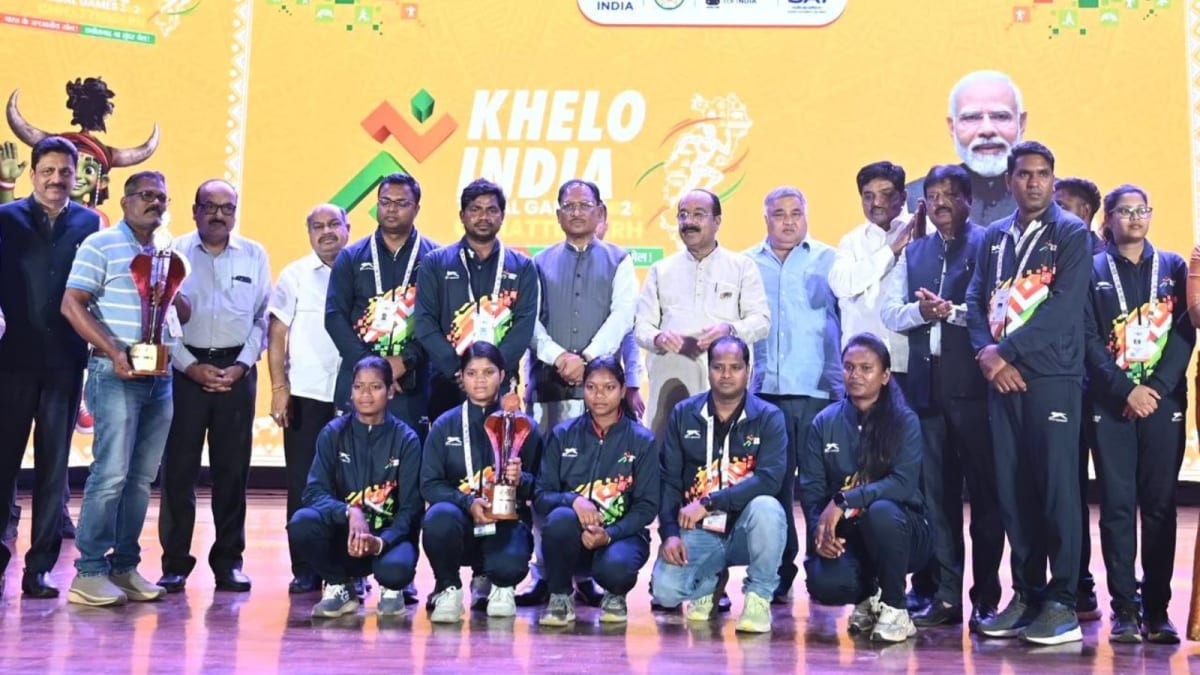
- The inaugural Khelo India Tribal Games (KITG) concluded in Chhattisgarh with a closing ceremony attended by Chief Minister Vishnu Deo Sai
- Karnataka crowned overall champions with 23 gold medals
- Mary Kom and Bhaichung Bhutia were present at the closing ceremony
- Host state Chhattisgarh finished ninth with 3 gold, 10 silver, 6 bronze
Khelo India Tribal Games?
Overview
- Objective: Promote sports among tribal communities and provide national-level platform for tribal athletes
- Participation: Approximately 3,800 athletes from 30 states and Union Territories
- Duration: 10 days across three cities in Chhattisgarh
Competition Disciplines
- Seven main sports: Archery, Athletics, Football, Hockey, Swimming, Weightlifting, Wrestling
- Demonstration sports: Mallakhamb, Kabaddi (showcasing traditional/indigenous sports)
Final Medal Tally (Top 5)
| Rank | State | Gold | Silver | Bronze | Total |
|---|---|---|---|---|---|
| 1 | Karnataka | 23 | 8 | 7 | 38 |
| 2 | Odisha | 21 | 15 | 21 | 57 |
| 3 | Jharkhand | 16 | 8 | 11 | 35 |
| 4 | Maharashtra | 6 | 10 | 4 | 20 |
| 5 | Arunachal Pradesh | 6 | 1 | 4 | 11 |
Key Performances
- Manikanta L (Karnataka): Most successful athlete with 8 gold, 1 silver (swimming)
- Dhoneesh N (Karnataka): 5 gold, 1 silver (swimming)
- Anjali Munda (Odisha): 5 gold medals (swimming)
- Meghanjali (Karnataka): 4 gold, 2 bronze (swimming)
Additional Info
Archery Results (Final Day)
- Women's Recurve Individual: Gold - Komalika Bari (Jharkhand)
- Women's Recurve Team: Gold - Nagaland
- Men's Recurve Individual: Gold - Arjun Khara (Odisha)
- Men's Recurve Team: Gold - Jharkhand
Football Final
- Gold: West Bengal (defeated Chhattisgarh 1-0)
- Silver: Chhattisgarh
- Bronze: Arunachal Pradesh, Goa
Chhattisgarh Government Announcements
- Cash rewards for individual medallists:
- Gold: ₹2 lakh
- Silver: ₹1.5 lakh
- Bronze: ₹1 lakh
- Cash rewards for team championship medallists:
- Gold: ₹1 lakh
- Silver: ₹75,000
- Bronze: ₹50,000
- Olympics promise: Financial windfall announced for any state athlete qualifying for Olympics
Khelo India Programme
- Launched: 2018 by Ministry of Youth Affairs and Sports
- Components:
- Khelo India Youth Games (annual)
- Khelo India University Games
- Khelo India Winter Games
- Khelo India Tribal Games (new addition)
- Objective: Build strong framework for all sports played in India and establish India as a great sporting nation
Sources
RBI Bars Non-Deliverable INR Derivatives to Curb Forex Speculation
What's the News?
- Reserve Bank of India (RBI) issued revised directions prohibiting banks from offering non-deliverable derivative (NDD) contracts involving the Indian Rupee
- Circular No. 03 dated April 1, 2026 issued under FEMA, 1999
- Directions effective immediately until further review
- Second regulatory move in less than a week - earlier on March 27, 2026, RBI capped banks' net open positions
Non-Deliverable Derivatives?
Overview
- Non-deliverable derivatives (NDDs): Financial contracts where parties agree on a future exchange rate but settle in cash (typically US dollars) rather than physical currency delivery
- Purpose: Used for hedging or speculating on currency movements without direct access to the currency
- Common in: Countries with capital account restrictions like India
Why They Exist
- Due to India's capital account restrictions, foreign investors cannot freely trade the rupee
- Offshore NDD markets emerged in financial centres beyond RBI's direct regulatory reach
- These markets often influence rupee price expectations before domestic markets open
RBI's New Restrictions
Key Prohibitions
| Aspect | New Regulation |
|---|---|
| NDD Contracts | Authorised dealers cannot offer non-deliverable derivative contracts involving INR to residents or non-residents |
| Deliverable Derivatives | Allowed only for hedging purposes, provided users do not maintain offsetting non-deliverable positions |
| Rebooking | Not permitted for any cancelled forex derivative contract (deliverable or non-deliverable) after circular issuance |
| Related Party Transactions | Authorised dealers barred from INR derivative contracts with related parties (as per Ind AS 24/IAS 24) |
Compliance Requirements
- Authorised dealers may call for information/documents from users to ensure compliance
- Banks must verify users are not undertaking offsetting NDD positions alongside deliverable contracts
Strategic Impact
Immediate Market Effect
- Rupee strengthened past 93 mark against US dollar following announcement
- Currency appreciated ~2% to 92.94 per dollar
- Move aimed at curbing one-sided speculative movement seen in recent sessions
RBI's Objectives
- Curb excessive speculation and offshore market influence on domestic currency
- Improve transparency in price discovery aligned with domestic fundamentals
- Safeguard financial stability in foreign exchange market
- Prudent measure amid war-related uncertainties
Additional Info
Related Regulatory Changes (March 27, 2026)
- Previous framework: Allowed banks net open positions up to 25% of tier-I capital
- New hard cap: USD 100 million maximum net open position
- Impact: Major compression for large banks (previously had USD 2-5 billion effective exposures)
- Compliance deadline: April 10, 2026
FEMA Provisions
- Directions issued under Sections 10(4), 11(1), and 11(2) of Foreign Exchange Management Act, 1999
- Without prejudice to permissions/approvals required under any other law
Non-Deliverable vs Deliverable Derivatives
| Feature | Non-Deliverable (NDD) | Deliverable |
|---|---|---|
| Settlement | Cash (typically USD) | Physical currency delivery |
| Purpose | Often speculative | Genuine hedging |
| Regulatory concern | Offshore price distortion | Need-based risk management |
| Current status | Prohibited | Allowed for hedging |
Sources
ISRO Launches Mission Mitra for Gaganyaan Astronauts in Ladakh
What's the News?
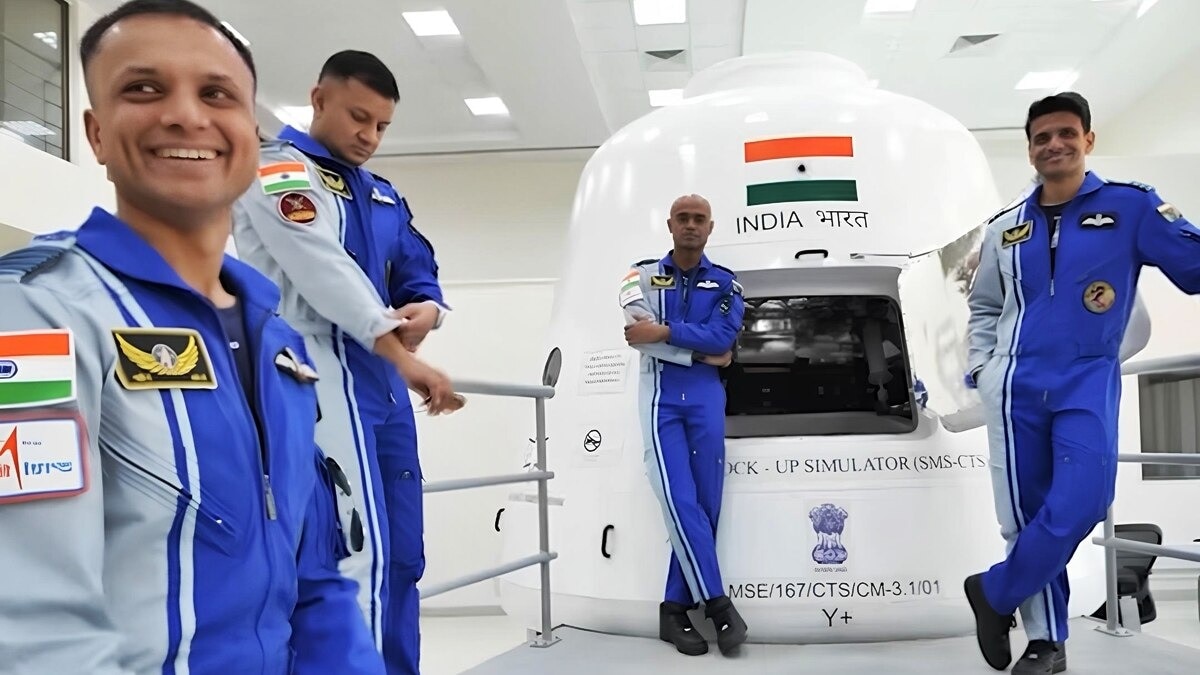
- ISRO has launched Mission Mitra in Ladakh as part of India's Gaganyaan human spaceflight programme
- Four Gaganyaan astronauts began the mission after acclimatisation in Leh
- Mission focuses on psychological resilience, team dynamics, and human endurance in extreme conditions
- Conducted by Human Space Flight Centre (HSFC) with multidisciplinary team of scientists, engineers, medical specialists, and psychologists
Mission Mitra?
Full Form
- Mitra: Mapping of Interoperable Traits & Reliability Assessment
Objective
- Evaluate human performance in hostile environments simulating space-like conditions
- Test psychological resilience under stress, hypoxia, and prolonged isolation
- Assess team cohesion, decision-making under pressure, and emotional stability
- Study communication and coordination between astronauts and ground support teams
Why Ladakh?
- High-altitude, extreme environment serves as ideal terrestrial analogue for space conditions
- Key features:
- Freezing temperatures
- Low oxygen levels
- Geographic isolation
- Minimal external stimuli
- Among closest Earth-based environments to simulate space missions
Astronauts Involved
- Group Captain Shubhanshu Shukla
- P Balakrishnan Nair
- Two other selected Gaganyaan astronauts
What Will Be Tested?
| Parameter | Focus Area |
|---|---|
| Psychological responses | Reactions to cold, hypoxia, prolonged isolation |
| Team dynamics | Interpersonal cohesion under extreme stress |
| Communication | Coordination with ground teams despite constraints |
| Decision-making | Performance under pressure and limited resources |
| Cold resilience | Physical and mental adaptation to extreme cold |
Significance
For Gaganyaan Mission
- Provides crucial data on team dynamics and mental endurance
- Shapes future astronaut training frameworks
- Tests life-support systems, crew escape mechanisms, and emergency response frameworks
- Prepares astronauts for real-life challenges in space (isolation, communication delays, limited resources)
Global Parallels
- European Space Agency (ESA): CAVES experiment (astronauts train in underground caves)
- NASA: Various analogue missions for Mars preparation
- India adopting innovative approaches combining real-world environments with scientific research
Additional Info
Gaganyaan Mission Overview
- India's first human spaceflight programme led by ISRO
- Key objectives:
- Demonstrate human spaceflight capability
- Develop advanced crew safety systems
- Strengthen India's position in global space exploration
- Crew: 3 astronauts planned for first mission
- Orbit: Low Earth Orbit (LEO)
Human Space Flight Centre (HSFC)
- Established in 2019 in Bengaluru
- Lead body for India's crewed space missions
- Responsible for astronaut training, crew module development, and life support systems
India's Astronaut Selection
- Four test pilots selected from Indian Air Force
- Underwent training in Russia and India
- Prime crew and backup crew designated
Previous Gaganyaan Milestones
- Test Vehicle Abort Mission-1 (TV-D1): Successful crew escape system demonstration
- HLVM3 vehicle development: Ongoing for crewed missions
- Crew module testing: Multiple successful trials
Sources
April 2026
Archive
November 2026
- 28 November 2026
- 27 November 2026
- 26 November 2026
- 25 November 2026
- 24 November 2026
- 23 November 2026
- 21 November 2026
- 20 November 2026
- 19 November 2026
- 18 November 2026
- 17 November 2026
- 16 November 2026
- 14 November 2026
- 13 November 2026
- 12 November 2026
- 11 November 2026
- 10 November 2026
- 09 November 2026
- 06 November 2026
- 05 November 2026
- 04 November 2026
- 03 November 2026
- 02 November 2026
October 2026
- 31 October 2026
- 30 October 2026
- 29 October 2026
- 28 October 2026
- 27 October 2026
- 26 October 2026
- 24 October 2026
- 23 October 2026
- 22 October 2026
- 21 October 2026
- 20 October 2026
- 19 October 2026
- 17 October 2026
- 16 October 2026
- 15 October 2026
- 14 October 2026
- 13 October 2026
- 12 October 2026
- 10 October 2026
- 09 October 2026
- 08 October 2026
- 07 October 2026
- 06 October 2026
- 05 October 2026
- 03 October 2026
- 02 October 2026
- 01 October 2026
September 2026
- 30 September 2026
- 29 September 2026
- 28 September 2026
- 26 September 2026
- 25 September 2026
- 24 September 2026
- 23 September 2026
- 22 September 2026
- 21 September 2026
- 19 September 2026
- 18 September 2026
- 17 September 2026
- 16 September 2026
- 15 September 2026
- 12 September 2026
- 11 September 2026
- 10 September 2026
- 09 September 2026
- 08 September 2026
- 07 September 2026
- 05 September 2026
- 04 September 2026
- 03 September 2026
- 02 September 2026
- 01 September 2026
August 2026
- 31 August 2026
- 29 August 2026
- 27 August 2026
- 26 August 2026
- 25 August 2026
- 24 August 2026
- 22 August 2026
- 21 August 2026
- 20 August 2026
- 19 August 2026
- 18 August 2026
- 17 August 2026
- 14 August 2026
- 13 August 2026
- 12 August 2026
- 11 August 2026
- 10 August 2026
- 08 August 2026
- 07 August 2026
- 06 August 2026
- 05 August 2026
- 04 August 2026
- 03 August 2026
- 01 August 2026
July 2026
- 31 July 2026
- 30 July 2026
- 29 July 2026
- 28 July 2026
- 27 July 2026
- 25 July 2026
- 23 July 2026
- 22 July 2026
- 21 July 2026
- 20 July 2026
- 18 July 2026
- 17 July 2026
- 15 July 2026
- 14 July 2026
- 13 July 2026
- 11 July 2026
- 10 July 2026
- 09 July 2026
- 08 July 2026
- 07 July 2026
- 06 July 2026
- 04 July 2026
- 03 July 2026
- 02 July 2026
- 01 July 2026
June 2026
May 2026
April 2026
March 2026
- 31 March 2026
- 30 March 2026
- 28 March 2026
- 27 March 2026
- 26 March 2026
- 25 March 2026
- 24 March 2026
- 23 March 2026
- 21 March 2026
- 20 March 2026
- 19 March 2026
- 18 March 2026
- 17 March 2026
- 16 March 2026
- 14 March 2026
- 13 March 2026
- 12 March 2026
- 11 March 2026
- 10 March 2026
- 09 March 2026
- 07 March 2026
- 06 March 2026
- 05 March 2026
- 03 March 2026
- 02 March 2026
February 2026
- 28 February 2026
- 27 February 2026
- 26 February 2026
- 25 February 2026
- 24 February 2026
- 23 February 2026
- 21 February 2026
- 20 February 2026
- 19 February 2026
- 18 February 2026
- 17 February 2026
- 16 February 2026
- 13 February 2026
- 12 February 2026
- 11 February 2026
- 10 February 2026
- 09 February 2026
- 07 February 2026
- 06 February 2026
- 05 February 2026
- 04 February 2026
- 03 February 2026
- 02 February 2026
January 2026
- 31 January 2026
- 30 January 2026
- 29 January 2026
- 28 January 2026
- 27 January 2026
- 26 January 2026
- 24 January 2026
- 23 January 2026
- 22 January 2026
- 21 January 2026
- 20 January 2026
- 19 January 2026
- 16 January 2026
- 15 January 2026
- 14 January 2026
- 13 January 2026
- 12 January 2026
- 10 January 2026
- 09 January 2026
- 08 January 2026
- 07 January 2026
- 06 January 2026
- 05 January 2026
- 03 January 2026
- 02 January 2026
- 01 January 2026
December 2025
- 31 December 2025
- 30 December 2025
- 29 December 2025
- 27 December 2025
- 26 December 2025
- 24 December 2025
- 23 December 2025
- 22 December 2025
- 20 December 2025
- 19 December 2025
- 18 December 2025
- 17 December 2025
- 16 December 2025
- 15 December 2025
- 13 December 2025
- 12 December 2025
- 11 December 2025
- 10 December 2025
- 09 December 2025
- 08 December 2025
- 05 December 2025
- 04 December 2025
- 03 December 2025
- 02 December 2025
November 2025
- 29 November 2025
- 28 November 2025
- 27 November 2025
- 26 November 2025
- 25 November 2025
- 24 November 2025
- 22 November 2025
- 21 November 2025
- 20 November 2025
- 19 November 2025
- 18 November 2025
- 17 November 2025
- 15 November 2025
- 14 November 2025
- 13 November 2025
- 12 November 2025
- 11 November 2025
- 10 November 2025
- 08 November 2025
- 07 November 2025
- 06 November 2025
- 05 November 2025
- 04 November 2025
- 03 November 2025
- 01 November 2025
October 2025
- 31 October 2025
- 30 October 2025
- 29 October 2025
- 28 October 2025
- 27 October 2025
- 25 October 2025
- 24 October 2025
- 23 October 2025
- 22 October 2025
- 21 October 2025
- 20 October 2025
- 18 October 2025
- 17 October 2025
- 16 October 2025
- 15 October 2025
- 14 October 2025
- 13 October 2025
- 11 October 2025
- 10 October 2025
- 09 October 2025
- 08 October 2025
- 07 October 2025
- 06 October 2025
- 04 October 2025
- 03 October 2025
- 02 October 2025
- 01 October 2025
September 2025
- 30 September 2025
- 29 September 2025
- 27 September 2025
- 26 September 2025
- 25 September 2025
- 24 September 2025
- 23 September 2025
- 22 September 2025
- 20 September 2025
- 19 September 2025
- 18 September 2025
- 17 September 2025
- 16 September 2025
- 15 September 2025
- 13 September 2025
- 12 September 2025
- 11 September 2025
- 10 September 2025
- 09 September 2025
- 08 September 2025
- 06 September 2025
- 05 September 2025
- 04 September 2025
- 03 September 2025
- 02 September 2025
- 01 September 2025
August 2025
- 30 August 2025
- 29 August 2025
- 28 August 2025
- 27 August 2025
- 26 August 2025
- 25 August 2025
- 23 August 2025
- 22 August 2025
- 21 August 2025
- 20 August 2025
- 19 August 2025
- 18 August 2025
- 16 August 2025
- 14 August 2025
- 13 August 2025
- 12 August 2025
- 11 August 2025
- 08 August 2025
- 07 August 2025
- 06 August 2025
- 05 August 2025
- 04 August 2025
- 02 August 2025
- 01 August 2025
July 2025
- 31 July 2025
- 30 July 2025
- 29 July 2025
- 28 July 2025
- 26 July 2025
- 25 July 2025
- 24 July 2025
- 23 July 2025
- 22 July 2025
- 21 July 2025
- 19 July 2025
- 18 July 2025
- 17 July 2025
- 16 July 2025
- 15 July 2025
- 12 July 2025
- 11 July 2025
- 10 July 2025
- 09 July 2025
- 07 July 2025
- 05 July 2025
- 04 July 2025
- 03 July 2025
- 02 July 2025
- 01 July 2025
June 2025
- 30 June 2025
- 28 June 2025
- 27 June 2025
- 26 June 2025
- 25 June 2025
- 24 June 2025
- 23 June 2025
- 21 June 2025
- 20 June 2025
- 19 June 2025
- 18 June 2025
- 17 June 2025
- 16 June 2025
- 14 June 2025
- 13 June 2025
- 12 June 2025
- 11 June 2025
- 10 June 2025
- 09 June 2025
- 07 June 2025
- 06 June 2025
- 05 June 2025
- 04 June 2025
- 03 June 2025
- 02 June 2025
May 2025
April 2025
- 30 April 2025
- 29 April 2025
- 28 April 2025
- 26 April 2025
- 25 April 2025
- 24 April 2025
- 23 April 2025
- 22 April 2025
- 21 April 2025
- 19 April 2025
- 18 April 2025
- 17 April 2025
- 16 April 2025
- 15 April 2025
- 14 April 2025
- 12 April 2025
- 11 April 2025
- 10 April 2025
- 09 April 2025
- 08 April 2025
- 07 April 2025
- 05 April 2025
- 04 April 2025
- 03 April 2025
- 02 April 2025
- 01 April 2025
March 2025
- 31 March 2025
- 29 March 2025
- 28 March 2025
- 27 March 2025
- 26 March 2025
- 25 March 2025
- 24 March 2025
- 22 March 2025
- 21 March 2025
- 20 March 2025
- 19 March 2025
- 18 March 2025
- 17 March 2025
- 15 March 2025
- 13 March 2025
- 12 March 2025
- 11 March 2025
- 10 March 2025
- 08 March 2025
- 07 March 2025
- 06 March 2025
- 05 March 2025
- 04 March 2025
- 03 March 2025
- 01 March 2025
February 2025
- 28 February 2025
- 27 February 2025
- 26 February 2025
- 25 February 2025
- 24 February 2025
- 22 February 2025
- 21 February 2025
- 20 February 2025
- 19 February 2025
- 18 February 2025
- 17 February 2025
- 15 February 2025
- 14 February 2025
- 13 February 2025
- 12 February 2025
- 11 February 2025
- 10 February 2025
- 08 February 2025
- 07 February 2025
- 06 February 2025
- 05 February 2025
- 04 February 2025
- 03 February 2025
- 01 February 2025
January 2025
- 31 January 2025
- 30 January 2025
- 29 January 2025
- 28 January 2025
- 27 January 2025
- 25 January 2025
- 24 January 2025
- 23 January 2025
- 22 January 2025
- 21 January 2025
- 20 January 2025
- 18 January 2025
- 17 January 2025
- 16 January 2025
- 15 January 2025
- 14 January 2025
- 13 January 2025
- 11 January 2025
- 10 January 2025
- 09 January 2025
- 08 January 2025
- 07 January 2025
- 06 January 2025
- 04 January 2025
- 03 January 2025
- 02 January 2025
- 01 January 2025