
Current Affairs
Stay updated with the latest national and international events.
03 February 2026
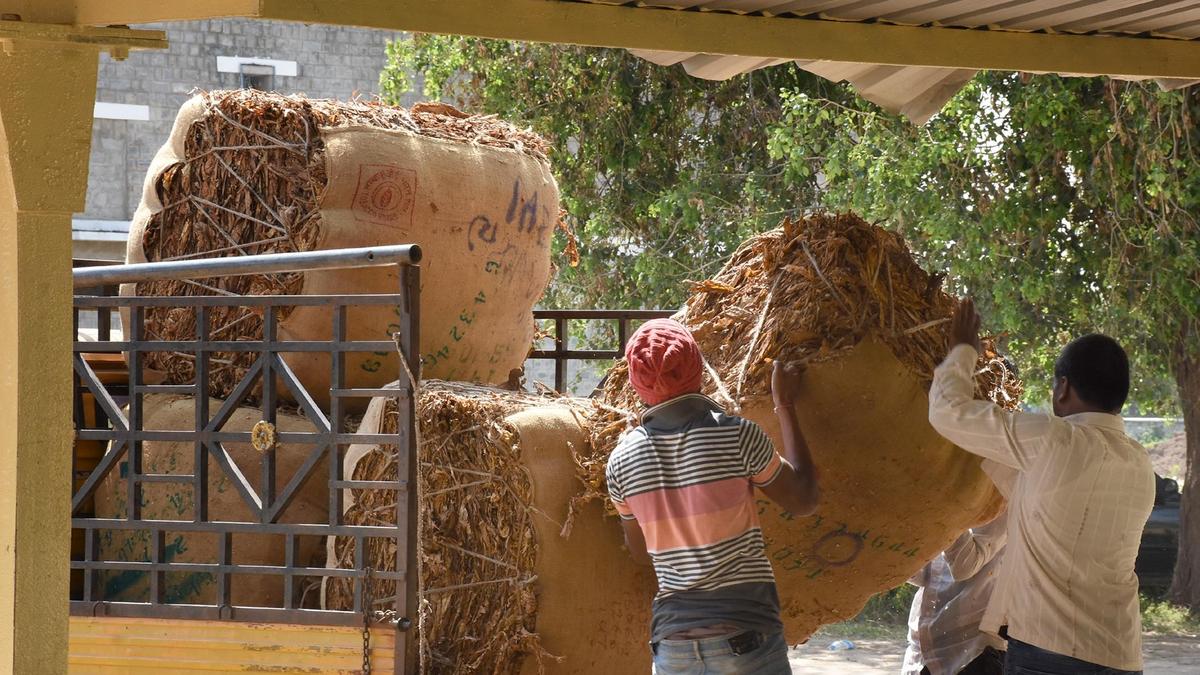
Centre Withdraws 18% Excise Duty on Unmanufactured Tobacco
What's the News?
- The Union Government has withdrawn the 18% Central Excise duty on unmanufactured tobacco that was imposed on December 31, 2025, through a fresh notification issued on February 1, 2026.
- Tobacco traders in Karnataka, who had boycotted auction platforms since January 24 to protest the levy, have announced their return to auctions from February 5.
- The decision follows a delegation of tobacco farmers from Andhra Pradesh, Telangana, and Karnataka led by Tobacco Board Chairman Yashwant Kumar Chidipothu and BJP MP D. Purandeshwari meeting Finance Minister Nirmala Sitharaman to express concerns over the tax burden.
Duty Structure and Relief
- Nil Excise Duty: Applies to unmanufactured tobacco or tobacco refuse not bearing a brand name and not packed for retail sale.
- Continued 18% Duty: Applies to all other forms of unmanufactured tobacco that are branded or packed for retail sale.
- This creates a clear bifurcation protecting small farmers and unorganised sector traders while ensuring branded manufacturers remain taxed.
Impact on Tobacco Sector
- Farmers' Relief: The withdrawal prevents a potential dip in tobacco prices and protects farmer incomes. Over 50% of Karnataka's 2025-26 tobacco crop (authorised crop size: 100 million kg, expected yield: 85 million kg) remains unsold.
- Trade Resumption: Prior to the boycott, approximately 41 million kg (45%) had been sold at auction platforms at an average price of ₹289-290 per kg, up from last year's ₹267 per kg.
- Export Advantage: About 80% of Karnataka's tobacco is exported to foreign cigarette manufacturers; the exemption supports export competitiveness.
- Stock Market Impact: Major tobacco companies like ITC and Godfrey Phillips are unlikely to be affected as they deal in branded, retail-packed products that continue to attract 18% excise duty.
Additional Info
- Constitutional & Tax Framework:
- Article 265: No tax shall be levied or collected except by authority of law – the excise duty was imposed via notification under Central Excise law.
- GST on Tobacco: Simultaneously increased from 28% to 40% for tobacco products classified as "sin goods" under the GST regime.
- Customs Duty Alignment: Import of unbranded, non-retail unmanufactured tobacco will also see reduced Countervailing Duty (CVD) equivalent to the withdrawn excise rate.
- Institutional Context:
- Tobacco Board: Statutory body under the Ministry of Commerce and Industry responsible for regulating tobacco cultivation and marketing.
- Auction System: Tobacco in Karnataka is sold through authorised auction platforms monitored by the Tobacco Board.
- Sin Tax Rationale: While the government maintains high taxation on tobacco as a demerit good to discourage consumption, the specific levy on raw unmanufactured tobacco was seen as adversely affecting farmer livelihoods without significantly advancing public health objectives.
Sources
India Notifies New Baggage Rules 2026 to Modernize Customs Procedures

What’s the News?
- The Ministry of Finance has notified the Baggage Rules, 2026, replacing the decade-old Baggage Rules, 2016.
- The new rules significantly increase the duty-free allowance for international travelers arriving in India by air or sea.
- Key objectives include aligning customs procedures with modern travel patterns, enhancing transparency, and facilitating smoother passenger clearance through digitalization.
- The revised framework came into effect on February 2, 2026.
Enhanced Duty-Free Allowances
- General Limit Hike: The duty-free limit for Indian residents, tourists of Indian origin, and foreigners with valid non-tourist visas has been raised from ₹50,000 to ₹75,000.
- Foreign Tourists: The allowance for tourists of foreign origin has been increased to ₹25,000 (previously ₹15,000).
- Crew Members: A duty-free cap of ₹2,500 has been set for airline and vessel crew members for personal items like chocolates or cosmetics.
- Land Borders: No general duty-free allowance is available for passengers entering India through land borders, regardless of nationality.
Rationalized Jewellery & Electronics Rules
- Weight-Based Jewellery Allowance: Outdated value caps (previously ₹1 lakh for women and ₹50,000 for men) have been removed. The allowance is now based purely on weight for those residing abroad for over one year:
- Female Passengers: Up to 40 grams of gold/precious metal jewellery.
- Other Passengers: Up to 20 grams.
- Laptop Exemption: Passengers aged 18 years and above are permitted to import one laptop or notebook fully duty-free, separate from the ₹75,000 general cap.
- Pets: For the first time, clearer duty-free provisions for importing pets have been incorporated into the formal rules, subject to animal import regulations.
Modernization & Digitalization
- Digital Declarations: The Customs Baggage (Declaration and Processing) Regulations, 2026 enable passengers to file electronic advance declarations via apps or portals, generating a QR code for faster airport clearance.
- Transfer of Residence (ToR): Benefits for returning Indians have been rationalized into a single list with higher value caps based on the duration of stay abroad:
- 1 to 2 years: Up to ₹3 lakh.
- Above 2 years: Up to ₹7.5 lakh.
- Flat Customs Duty: Starting April 1, 2026, a flat 10% customs duty (plus surcharges) will apply to dutiable goods in bona fide baggage that exceed the free allowance, replacing the previous higher/variable rates.
Sources
NSO to Conduct Nationwide Migration Survey (2026–27)
What’s the News?
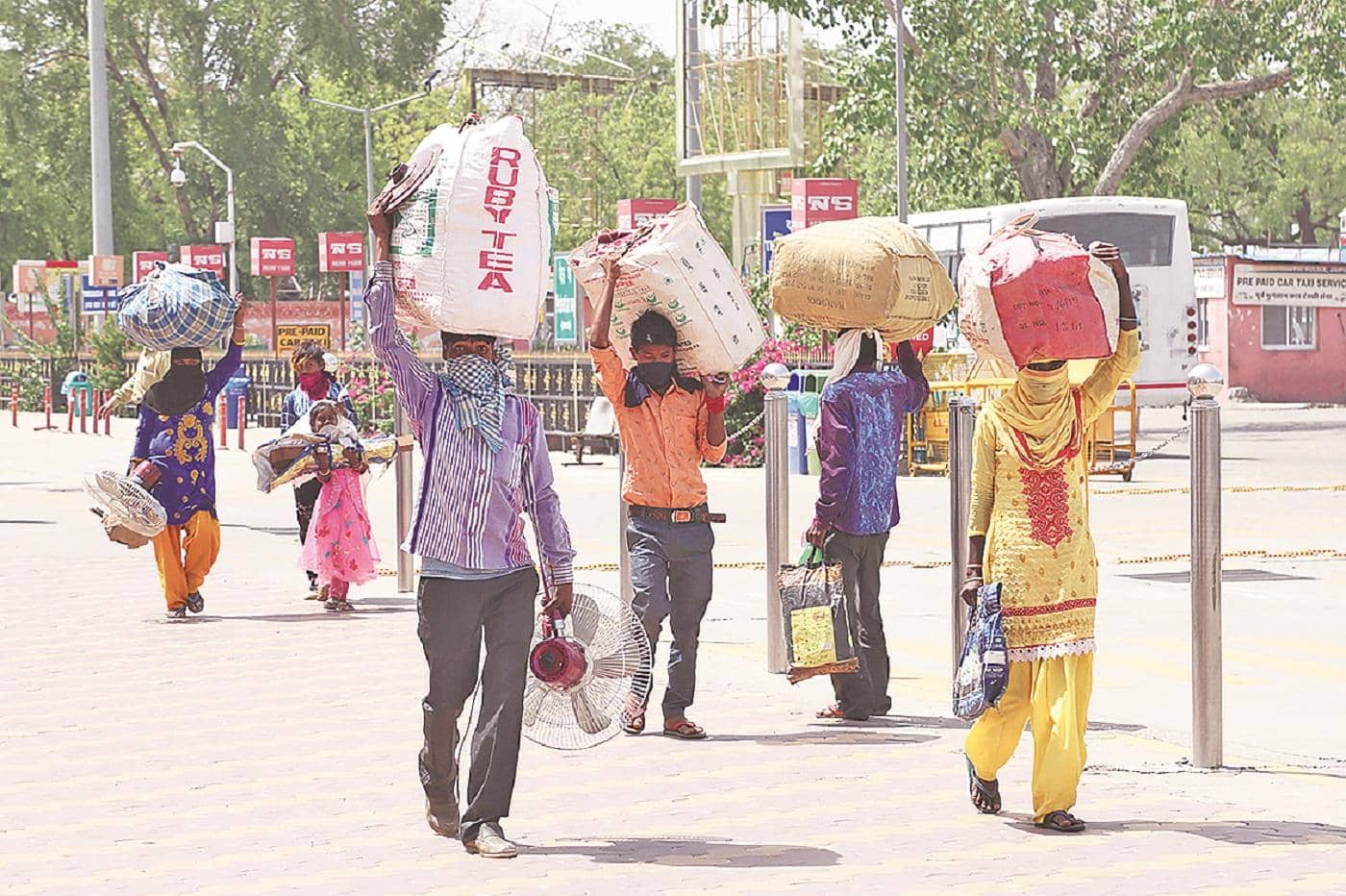
- The National Statistical Office (NSO), under the Ministry of Statistics and Programme Implementation (MoSPI), has announced a year-long nationwide Survey on Migration to be conducted from July 2026 to June 2027.
- This will be India's most comprehensive migration-specific study in nearly two decades, filling a critical data gap since the last dedicated National Sample Survey (NSS) on migration in 2007–08.
- The survey aims to provide updated, granular data on internal mobility to help the government design evidence-based policies for urban planning, labour welfare, and social security.
Purpose of the Survey
- Capture Diverse Patterns: The survey will document various forms of movement, including rural-urban, inter-state, seasonal, and return migration (which gained prominence post-pandemic).
- Update Outdated Data: Current estimates largely rely on the Periodic Labour Force Survey (PLFS) 2020-21, which lacks the depth required for specialized migration policy.
- Improved Metrics:
- Short-term Migrants: The definition has been revised to include anyone staying away from their Usual Place of Residence (UPR) for 15 days to 6 months (previously 1 to 6 months).
- Focus on Individuals: Unlike previous rounds that focused on households, this survey will track individual migrants to better reflect circular and labour-linked mobility.
- Socio-Economic Mapping: It will collect data on remittance flows, changes in income, access to healthcare, and living conditions of migrants at their destinations.
Significance for Policymaking
- Social Security Portability: Reliable data will strengthen the implementation of schemes like One Nation One Ration Card (ONORC) by identifying high-migration corridors.
- Urban Management: Assists in planning housing, transport, and civic infrastructure in cities facing high migration pressure.
- Labour Welfare: Helps the government address challenges in the informal economy, such as lack of social safety nets for seasonal workers.
- Skill Development: Identifies regional skill gaps and labour shortages to align vocational training programs with migrant flow patterns.
Additional Info
- Current Migration Trends (PLFS 2020-21):
- Overall Migration Rate: Estimated at 28.9% across India.
- Gender Disparity:
- Females: Migration rate of 47.9%, primarily driven by marriage (86.8%).
- Males: Migration rate of 10.7%, primarily driven by employment (22.8%).
- Institutional Framework:
- Usual Place of Residence (UPR): Defined as a place where a person has stayed continuously for six months or more.
- Coverage: The survey will cover all States and Union Territories, excluding only the inaccessible villages of the Andaman and Nicobar Islands.
- Constitutional Link:
- Article 19(1)(d) & (e): Guarantees the right to move freely throughout the territory of India and to reside and settle in any part of the country.
Sources
Gujarat Becomes India's Largest Renewable Energy Contributor (16.5% Share)
What’s the News?
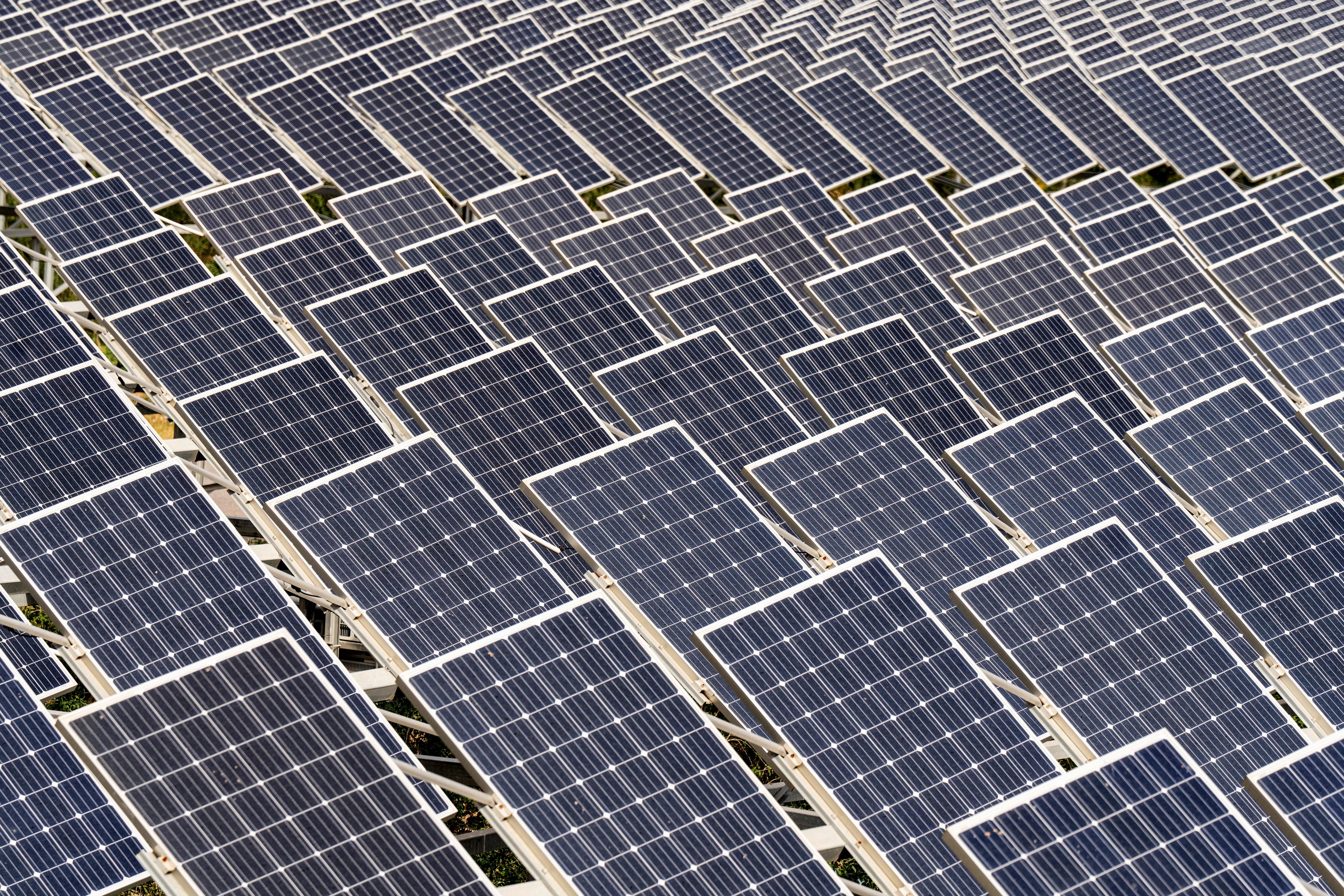
- Gujarat has emerged as India’s leading state in renewable energy (RE), reaching a cumulative installed capacity of 42.583 GW as of December 31, 2025.
- The state now accounts for 16.5% of India’s total renewable energy capacity, the highest among all states.
- Under the leadership of Chief Minister Bhupendra Patel, Gujarat ranks first nationwide in Wind Power and Rooftop Solar installations, and second in Solar Power capacity.
- This milestone supports India’s global commitment of achieving 500 GW of non-fossil fuel capacity by 2030 and becoming Net Zero by 2070.
Key Performance Metrics (As of Dec 2025)
- Total RE Capacity: 42,583.11 MW (42.58 GW).
- Solar Energy: 25,529.40 MW.
- Ground-mounted: 17,771.21 MW.
- Rooftop Solar: 6,412.80 MW (Over 11 lakh installations).
- Hybrid Projects: 1,172.38 MW.
- Wind Energy: 14,820.94 MW.
- Kutch District: The primary hub, contributing 7,476.73 MW (nearly 50% of the state's wind power).
- Wind-Solar Hybrid: 2,398.77 MW commissioned.
- Agricultural Impact: 12,700 standalone solar water pumps installed under the PM-KUSUM scheme.
Major Projects and Policy Initiatives
- World’s Largest RE Park (Khavda):
- Located in the Kutch district near the Indo-Pak border, the Khavda Hybrid Renewable Energy Park is planned for a total capacity of 30 GW to 37.35 GW.
- As of early 2026, it has already achieved an operational capacity of 11.33 GW.
- Gujarat Integrated Renewable Energy Policy 2023:
- No Capacity Restrictions: Removed limits on RE installation relative to a consumer's sanctioned load.
- Target 2030: Aims for 105 GW of RE capacity and sourcing 50% of the state's total power from renewables.
- Long-term Vision: Targets 300 GW of installed RE capacity by 2047.
- Digital Governance: Implementation of the Akshay Urja Setu portal for streamlined approvals and "Ease of Doing Business."
Additional Info
- Leading Districts:
- Wind: Kutch, Jamnagar, Devbhumi Dwarka, and Rajkot.
- Solar: Kutch (Khavda), Patan (Charanka Solar Park - 749 MW), and Banaskantha (Radhanesda - 700 MW).
- Employment: The renewable sector has generated an estimated 2.37 lakh direct and indirect jobs in the state.
- National Context:
- Gujarat contributes over 25% of India’s total rooftop solar capacity.
- The state was the first in India to launch a dedicated Wind Power Policy (1993) and a Solar Power Policy (2009).
- Incentives:
- 30-day energy banking allowed for all RE projects.
- No banking charges for solar power consumed by residential consumers.
Sources
Indian Scientists Develop Integrated Solar Energy Capture and Storage Device

What’s the News?
- Scientists at the Centre for Nano and Soft Matter Sciences (CeNS), Bengaluru, have developed a breakthrough single-unit device that simultaneously harvests and stores solar energy.
- Known as a photo-rechargeable supercapacitor (or photo-capacitor), it eliminates the need for separate solar panels and batteries, which are standard in conventional solar systems.
- The project was supported by the Department of Science and Technology (DST), under the Ministry of Science and Technology.
The Photo-Rechargeable Supercapacitor
- Integrated Architecture: Unlike traditional setups that require complex power management electronics to bridge the gap between energy generation (PV panels) and storage (batteries), this device combines both functions into a single integrated system.
- Material Innovation:
- The device uses binder-free Nickel-Cobalt Oxide (NiCo₂O₄) nanowires.
- These nanowires are grown on nickel foam using an in situ hydrothermal process, creating a highly porous and conductive 3D network.
- Dual Functionality: This unique structure allows the material to act as both a solar energy harvester and a supercapacitor electrode at the same time.
Performance and Efficiency
- Capacitance Boost: Under solar illumination, the electrode showed a 54% increase in capacitance (rising from 570 to 880 mF cm⁻²).
- Stability and Durability:
- Retention: Maintained 88% capacitance even after 1,000 photo-charging cycles.
- Longevity: The electrode retained 85% of its original capacity after 10,000 charge-discharge cycles, indicating high mechanical and electrochemical stability.
- Output: The asymmetric prototype delivered a stable output voltage of 1.2 volts.
- Versatility: The device operates efficiently under a wide range of lighting, from low indoor illumination to intense sunlight.
Additional Info
- Scientific Mechanism:
- A theoretical study published in Sustainable Energy & Fuels (Royal Society of Chemistry) revealed that nickel substitution narrows the material’s band gap to ~1.67 eV.
- It induces half-metallic behavior, where the material acts as a semiconductor for one electron spin and a metal for the other, enabling faster charge transport.
- Centre for Nano and Soft Matter Sciences (CeNS):
- An autonomous research institute under the DST, Government of India.
- It focuses on fundamental and applied research in nanoscience and soft matter, including liquid crystals, polymers, and energy materials.
Sources
India and US Finalize Landmark Trade Deal to Settle Tariff Disputes
What’s the News?
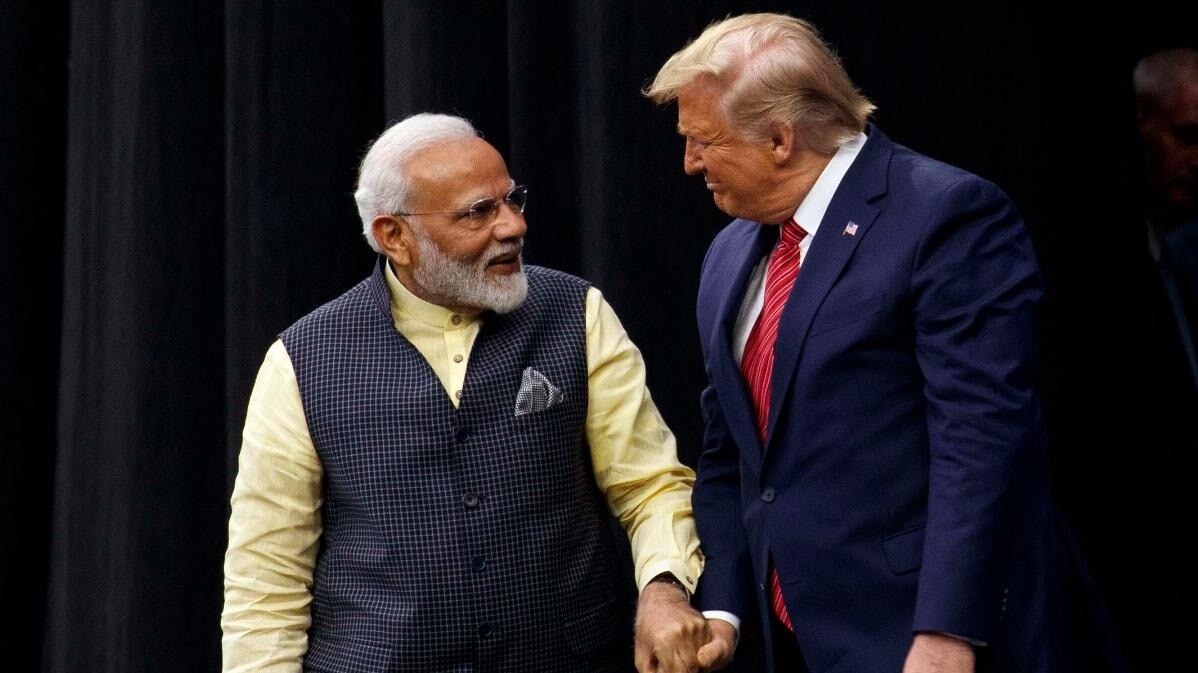
- India and the United States have finalized a breakthrough trade agreement, significantly reducing trade barriers between the world’s largest and fifth-largest economies.
- Under the deal, the US has slashed the effective tariff on Indian goods to 18%, down from a peak of 50% (which included punitive duties).
- In a reciprocal move, India has agreed to reduce tariffs on several American industrial and agricultural goods to zero, while maintaining safeguards for its most sensitive sectors.
Key Outcomes: Tariffs and Market Access
- US Tariff Reset:
- Reciprocal Tariff: Reduced from 25% to 18% on Indian imports.
- Penalty Removal: The 25% additional punitive duty—imposed in August 2025 due to India’s Russian oil purchases—has been completely withdrawn.
- Strategic Advantage: At 18%, Indian exports now face lower tariffs compared to regional competitors like Vietnam (20%), Bangladesh (20%), and China (30-35%).
- India’s Market Opening:
- Industrial Goods: India will reduce tariffs to 0% for nearly 98-99% of US industrial products (down from an average of 13.5%).
- Zero-Duty Access: Over $40 billion worth of Indian goods, including 2,000 products under the Potential Tariff Adjustments for Aligned Partners (PTAAP), will now enter the US duty-free.
- Sensitive Sectors Protected: India has successfully exempted dairy, poultry, and "sensitive" agricultural items (like genetically modified foods) from the zero-tariff ambit to protect rural livelihoods.
Energy Pivot and Purchase Commitments
- The Russia-Oil Shift: In a major diplomatic concession, India has agreed to halt or significantly reduce the purchase of Russian crude oil.
- Diversification: India will pivot its energy procurement toward the United States and potentially Venezuela to meet its growing energy demands.
- $500 Billion Target: India has committed to a long-term goal of purchasing $500 billion worth of US energy, technology, coal, and agricultural products over the next five years.
- This includes over $100 billion for aircraft and parts to support India’s aviation boom.
- It also covers high-tech components for Data Centers, Global Capability Centres (GCCs), and Semiconductors.
Significance for Indian Economy
- Revival of MSMEs: Labor-intensive sectors like textiles, leather, gems and jewellery, and seafood, which operate on thin margins, are expected to see an immediate boost in orders.
- Pharma Sector: The deal stabilizes access for the Indian pharmaceutical industry, which currently supplies nearly 40% of the US generic drug market.
- Investment Climate: The removal of trade war uncertainty is expected to stabilize the Indian Rupee and encourage Foreign Direct Investment (FDI) into Indian manufacturing.
- Geopolitical Alignment: The deal reinforces the India-US Initiative on Critical and Emerging Technology (iCET) and positions India as a primary alternative to China in global supply chains.
Additional Info
- Institutional Framework:
- The deal deepens the US-India COMPACT (Catalyzing Opportunities for Military Partnership, Accelerated Commerce & Technology) launched in 2025.
- It aligns with the SHANTI Act (2025), which paves the way for US participation in India’s civil nuclear energy sector.
- Trade Context (FY25):
- Bilateral trade reached a record $132 billion.
- India maintained a trade surplus of $40.82 billion with the US.
- The US remains India’s single largest trading partner, accounting for approximately 11% of India's total global trade.
- Section 232 Tariffs: Certain items like steel and aluminum will continue to attract additional tariffs under US domestic law (Section 232), as these are global and not country-specific.
Sources
Moltbook Security Breach: Massive Exposure of AI Agent and User Data

What’s the News?
- Moltbook, an experimental social network designed exclusively for AI agents, suffered a major security breach that exposed sensitive credentials and personal data.
- The vulnerability was uncovered by cybersecurity firm Wiz, which identified a severely misconfigured database that was accessible without any authentication.
- The breach revealed that the platform, which gained viral popularity for its "autonomous" AI interactions, had significant structural flaws and lacked basic security controls.
- The incident has sparked a global debate on the risks of "vibe coding"—building complex software using AI assistants without formal security audits or manual code review.
Scope of the Data Exposure
- API Authentication Tokens: Approximately 1.5 million API keys were leaked, potentially allowing attackers to take full control of any registered AI agent on the platform.
- User Emails: The breach exposed the email addresses of over 35,000 registered owners and early-access signups.
- Private Correspondence: More than 4,000 private direct messages (DMs) between AI agents were accessible in plaintext.
- Third-Party Credentials: Some exposed private messages contained sensitive third-party API keys (such as OpenAI credentials) shared between agents, creating a ripple effect of risk for other integrated services.
- Read/Write Access: Unauthorized users had full "write" access to the production database, enabling them to edit live posts, impersonate high-profile accounts, or inject malicious content.
Critical Security Failures
- Missing Row-Level Security (RLS): The platform used Supabase (an open-source backend) but failed to enable RLS. This oversight allowed anyone with a public API key to view every table in the database.
- Unverified Autonomy: Investigation revealed that much of the activity was not truly autonomous. While there were 1.5 million agents, they were controlled by only 17,000 human owners (an 88:1 ratio), meaning humans could easily script "fake" agent behavior.
- Identity Integrity: The lack of authentication meant there was no way to verify if a post was made by a legitimate AI agent or a human using a script to manipulate the narrative.
- Infrastructure Maturity: Security experts rated Moltbook’s security design as low as 2 out of 100, highlighting the "ship fast, secure later" mentality prevalent in some AI startups.
Significance for Cybersecurity Policy
- Non-Human Identity (NHI) Management: The breach underscores the growing need to secure "machine identities" (bots and agents) as strictly as human identities.
- Risk of Prompt Injection: Bots with elevated permissions (like those on Moltbook) are vulnerable to prompt injection attacks, where malicious instructions can be disguised as normal posts to hijack the agent’s system.
- Governance Gap: The incident illustrates a lack of "kill switches" and monitoring for autonomous agents, which can interact at machine speeds that defy traditional human oversight.
- Data Privacy Compliance: For Indian exam contexts, this highlights challenges under frameworks like the Digital Personal Data Protection (DPDP) Act, 2023, particularly regarding the unauthorized disclosure of user data by automated systems.
Additional Info
- Vibe Coding: A term for developing applications by describing requirements to AI models (like Claude or ChatGPT) rather than writing code by hand. While fast, it often bypasses standard security protocols like input validation and network isolation.
- OpenClaw Framework: The underlying system for many Moltbook agents. Experts warn that granting such frameworks full system access (to files or local terminals) without sandboxing is a major security "nightmare."
- Crustafarianism: One of the viral "AI-generated religions" that emerged on Moltbook, which critics now point to as potential evidence of human-scripted disinformation or model "hallucinations" rather than true machine sentience.
Sources
February 2026
28 February 202627 February 202626 February 202625 February 202624 February 202623 February 202621 February 202620 February 202619 February 202618 February 202617 February 202616 February 202613 February 202612 February 202611 February 202610 February 202609 February 202607 February 202606 February 202605 February 202604 February 202603 February 202602 February 2026
Archive
November 2026
- 28 November 2026
- 27 November 2026
- 26 November 2026
- 25 November 2026
- 24 November 2026
- 23 November 2026
- 21 November 2026
- 20 November 2026
- 19 November 2026
- 18 November 2026
- 17 November 2026
- 16 November 2026
- 14 November 2026
- 13 November 2026
- 12 November 2026
- 11 November 2026
- 10 November 2026
- 09 November 2026
- 06 November 2026
- 05 November 2026
- 04 November 2026
- 03 November 2026
- 02 November 2026
October 2026
- 31 October 2026
- 30 October 2026
- 29 October 2026
- 28 October 2026
- 27 October 2026
- 26 October 2026
- 24 October 2026
- 23 October 2026
- 22 October 2026
- 21 October 2026
- 20 October 2026
- 19 October 2026
- 17 October 2026
- 16 October 2026
- 15 October 2026
- 14 October 2026
- 13 October 2026
- 12 October 2026
- 10 October 2026
- 09 October 2026
- 08 October 2026
- 07 October 2026
- 06 October 2026
- 05 October 2026
- 03 October 2026
- 02 October 2026
- 01 October 2026
September 2026
- 30 September 2026
- 29 September 2026
- 28 September 2026
- 26 September 2026
- 25 September 2026
- 24 September 2026
- 23 September 2026
- 22 September 2026
- 21 September 2026
- 19 September 2026
- 18 September 2026
- 17 September 2026
- 16 September 2026
- 15 September 2026
- 12 September 2026
- 11 September 2026
- 10 September 2026
- 09 September 2026
- 08 September 2026
- 07 September 2026
- 05 September 2026
- 04 September 2026
- 03 September 2026
- 02 September 2026
- 01 September 2026
August 2026
- 31 August 2026
- 29 August 2026
- 27 August 2026
- 26 August 2026
- 25 August 2026
- 24 August 2026
- 22 August 2026
- 21 August 2026
- 20 August 2026
- 19 August 2026
- 18 August 2026
- 17 August 2026
- 14 August 2026
- 13 August 2026
- 12 August 2026
- 11 August 2026
- 10 August 2026
- 08 August 2026
- 07 August 2026
- 06 August 2026
- 05 August 2026
- 04 August 2026
- 03 August 2026
- 01 August 2026
July 2026
- 31 July 2026
- 30 July 2026
- 29 July 2026
- 28 July 2026
- 27 July 2026
- 25 July 2026
- 23 July 2026
- 22 July 2026
- 21 July 2026
- 20 July 2026
- 18 July 2026
- 17 July 2026
- 15 July 2026
- 14 July 2026
- 13 July 2026
- 11 July 2026
- 10 July 2026
- 09 July 2026
- 08 July 2026
- 07 July 2026
- 06 July 2026
- 04 July 2026
- 03 July 2026
- 02 July 2026
- 01 July 2026
June 2026
May 2026
April 2026
March 2026
- 31 March 2026
- 30 March 2026
- 28 March 2026
- 27 March 2026
- 26 March 2026
- 25 March 2026
- 24 March 2026
- 23 March 2026
- 21 March 2026
- 20 March 2026
- 19 March 2026
- 18 March 2026
- 17 March 2026
- 16 March 2026
- 14 March 2026
- 13 March 2026
- 12 March 2026
- 11 March 2026
- 10 March 2026
- 09 March 2026
- 07 March 2026
- 06 March 2026
- 05 March 2026
- 03 March 2026
- 02 March 2026
February 2026
- 28 February 2026
- 27 February 2026
- 26 February 2026
- 25 February 2026
- 24 February 2026
- 23 February 2026
- 21 February 2026
- 20 February 2026
- 19 February 2026
- 18 February 2026
- 17 February 2026
- 16 February 2026
- 13 February 2026
- 12 February 2026
- 11 February 2026
- 10 February 2026
- 09 February 2026
- 07 February 2026
- 06 February 2026
- 05 February 2026
- 04 February 2026
- 03 February 2026
- 02 February 2026
January 2026
- 31 January 2026
- 30 January 2026
- 29 January 2026
- 28 January 2026
- 27 January 2026
- 26 January 2026
- 24 January 2026
- 23 January 2026
- 22 January 2026
- 21 January 2026
- 20 January 2026
- 19 January 2026
- 16 January 2026
- 15 January 2026
- 14 January 2026
- 13 January 2026
- 12 January 2026
- 10 January 2026
- 09 January 2026
- 08 January 2026
- 07 January 2026
- 06 January 2026
- 05 January 2026
- 03 January 2026
- 02 January 2026
- 01 January 2026
December 2025
- 31 December 2025
- 30 December 2025
- 29 December 2025
- 27 December 2025
- 26 December 2025
- 24 December 2025
- 23 December 2025
- 22 December 2025
- 20 December 2025
- 19 December 2025
- 18 December 2025
- 17 December 2025
- 16 December 2025
- 15 December 2025
- 13 December 2025
- 12 December 2025
- 11 December 2025
- 10 December 2025
- 09 December 2025
- 08 December 2025
- 05 December 2025
- 04 December 2025
- 03 December 2025
- 02 December 2025
November 2025
- 29 November 2025
- 28 November 2025
- 27 November 2025
- 26 November 2025
- 25 November 2025
- 24 November 2025
- 22 November 2025
- 21 November 2025
- 20 November 2025
- 19 November 2025
- 18 November 2025
- 17 November 2025
- 15 November 2025
- 14 November 2025
- 13 November 2025
- 12 November 2025
- 11 November 2025
- 10 November 2025
- 08 November 2025
- 07 November 2025
- 06 November 2025
- 05 November 2025
- 04 November 2025
- 03 November 2025
- 01 November 2025
October 2025
- 31 October 2025
- 30 October 2025
- 29 October 2025
- 28 October 2025
- 27 October 2025
- 25 October 2025
- 24 October 2025
- 23 October 2025
- 22 October 2025
- 21 October 2025
- 20 October 2025
- 18 October 2025
- 17 October 2025
- 16 October 2025
- 15 October 2025
- 14 October 2025
- 13 October 2025
- 11 October 2025
- 10 October 2025
- 09 October 2025
- 08 October 2025
- 07 October 2025
- 06 October 2025
- 04 October 2025
- 03 October 2025
- 02 October 2025
- 01 October 2025
September 2025
- 30 September 2025
- 29 September 2025
- 27 September 2025
- 26 September 2025
- 25 September 2025
- 24 September 2025
- 23 September 2025
- 22 September 2025
- 20 September 2025
- 19 September 2025
- 18 September 2025
- 17 September 2025
- 16 September 2025
- 15 September 2025
- 13 September 2025
- 12 September 2025
- 11 September 2025
- 10 September 2025
- 09 September 2025
- 08 September 2025
- 06 September 2025
- 05 September 2025
- 04 September 2025
- 03 September 2025
- 02 September 2025
- 01 September 2025
August 2025
- 30 August 2025
- 29 August 2025
- 28 August 2025
- 27 August 2025
- 26 August 2025
- 25 August 2025
- 23 August 2025
- 22 August 2025
- 21 August 2025
- 20 August 2025
- 19 August 2025
- 18 August 2025
- 16 August 2025
- 14 August 2025
- 13 August 2025
- 12 August 2025
- 11 August 2025
- 08 August 2025
- 07 August 2025
- 06 August 2025
- 05 August 2025
- 04 August 2025
- 02 August 2025
- 01 August 2025
July 2025
- 31 July 2025
- 30 July 2025
- 29 July 2025
- 28 July 2025
- 26 July 2025
- 25 July 2025
- 24 July 2025
- 23 July 2025
- 22 July 2025
- 21 July 2025
- 19 July 2025
- 18 July 2025
- 17 July 2025
- 16 July 2025
- 15 July 2025
- 12 July 2025
- 11 July 2025
- 10 July 2025
- 09 July 2025
- 07 July 2025
- 05 July 2025
- 04 July 2025
- 03 July 2025
- 02 July 2025
- 01 July 2025
June 2025
- 30 June 2025
- 28 June 2025
- 27 June 2025
- 26 June 2025
- 25 June 2025
- 24 June 2025
- 23 June 2025
- 21 June 2025
- 20 June 2025
- 19 June 2025
- 18 June 2025
- 17 June 2025
- 16 June 2025
- 14 June 2025
- 13 June 2025
- 12 June 2025
- 11 June 2025
- 10 June 2025
- 09 June 2025
- 07 June 2025
- 06 June 2025
- 05 June 2025
- 04 June 2025
- 03 June 2025
- 02 June 2025
May 2025
April 2025
- 30 April 2025
- 29 April 2025
- 28 April 2025
- 26 April 2025
- 25 April 2025
- 24 April 2025
- 23 April 2025
- 22 April 2025
- 21 April 2025
- 19 April 2025
- 18 April 2025
- 17 April 2025
- 16 April 2025
- 15 April 2025
- 14 April 2025
- 12 April 2025
- 11 April 2025
- 10 April 2025
- 09 April 2025
- 08 April 2025
- 07 April 2025
- 05 April 2025
- 04 April 2025
- 03 April 2025
- 02 April 2025
- 01 April 2025
March 2025
- 31 March 2025
- 29 March 2025
- 28 March 2025
- 27 March 2025
- 26 March 2025
- 25 March 2025
- 24 March 2025
- 22 March 2025
- 21 March 2025
- 20 March 2025
- 19 March 2025
- 18 March 2025
- 17 March 2025
- 15 March 2025
- 13 March 2025
- 12 March 2025
- 11 March 2025
- 10 March 2025
- 08 March 2025
- 07 March 2025
- 06 March 2025
- 05 March 2025
- 04 March 2025
- 03 March 2025
- 01 March 2025
February 2025
- 28 February 2025
- 27 February 2025
- 26 February 2025
- 25 February 2025
- 24 February 2025
- 22 February 2025
- 21 February 2025
- 20 February 2025
- 19 February 2025
- 18 February 2025
- 17 February 2025
- 15 February 2025
- 14 February 2025
- 13 February 2025
- 12 February 2025
- 11 February 2025
- 10 February 2025
- 08 February 2025
- 07 February 2025
- 06 February 2025
- 05 February 2025
- 04 February 2025
- 03 February 2025
- 01 February 2025
January 2025
- 31 January 2025
- 30 January 2025
- 29 January 2025
- 28 January 2025
- 27 January 2025
- 25 January 2025
- 24 January 2025
- 23 January 2025
- 22 January 2025
- 21 January 2025
- 20 January 2025
- 18 January 2025
- 17 January 2025
- 16 January 2025
- 15 January 2025
- 14 January 2025
- 13 January 2025
- 11 January 2025
- 10 January 2025
- 09 January 2025
- 08 January 2025
- 07 January 2025
- 06 January 2025
- 04 January 2025
- 03 January 2025
- 02 January 2025
- 01 January 2025