
Current Affairs
Stay updated with the latest national and international events.
03 March 2026
MeitY Launches Indigenous 30 kW WBG-Based Integrated Drive System for EVs
What's the News?
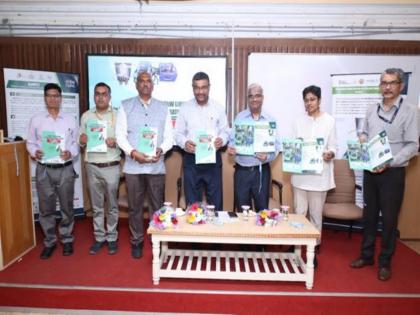
The Ministry of Electronics and Information Technology (MeitY) launched an indigenously developed 30 kW Wide Band Gap (WBG)-based Integrated Drive System (IDS) for electric vehicles at IIT Madras, Chennai. Unveiled by S. Krishnan, Secretary, MeitY, the system represents a significant advancement in India's domestic capabilities in advanced power electronics and EV powertrain technology.
30 kW Integrated Drive System?
- Overview: It is a high-efficiency power electronics unit that combines a motor controller and an electric motor into a single, compact assembly.
- Core Technology:
- Utilizes Silicon Carbide (SiC) based Wide Band Gap (WBG) semiconductor technology.
- Offers higher energy efficiency and thermal stability compared to traditional Silicon-based systems.
- Objectives:
- To provide a domestic alternative to imported drive trains for light electric vehicles.
- To improve the overall range and performance of EVs through weight reduction and better power density.
- Technical Metrics:
- Power Output: 30 kW (kilowatts).
- Efficiency: Significant reduction in energy loss during power conversion.
- Size: Reduced footprint, allowing for more flexible vehicle design and battery placement.
Development Ecosystem
- Lead Developer: Centre for Development of Advanced Computing (C-DAC), Thiruvananthapuram.
- Academic Partner: Indian Institute of Technology (IIT) Madras.
- Industry Partner: Lucas TVS (validation and commercialization support).
- Governing Mission: National Mission on Power Electronics Technology (NaMPET).
Additional Info
- National Mission on Power Electronics Technology (NaMPET):
- MeitY initiative to develop indigenous capabilities in power electronics.
- Focuses on strategic sectors including EVs, renewable energy, and industrial applications.
- Production-Linked Incentive (PLI) Schemes:
- Automobile and Auto Components: Budget outlay of ₹25,938 crore.
- Advanced Chemistry Cell (ACC) Battery Storage: ₹18,100 crore outlay.
- Targets 50 GWh battery manufacturing capacity.
- Wide Band Gap (WBG) Semiconductors:
- Materials like Silicon Carbide (SiC) and Gallium Nitride (GaN).
- Operate at higher temperatures, voltages, and frequencies than silicon.
- Enable compact, efficient power conversion systems.
Sources
India and Canada Launch CEPA Negotiations to Target $50 Billion Trade
What’s the News?
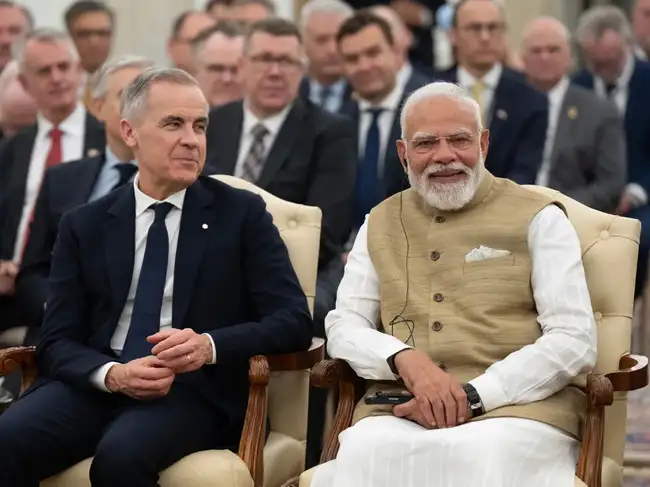
- India and Canada have formally launched negotiations for a Comprehensive Economic Partnership Agreement (CEPA) during a high-level bilateral meeting in New Delhi.
- The Terms of Reference (ToR) for the negotiations were signed by Union Commerce and Industry Minister Piyush Goyal and Canada's Minister of International Trade Maninder Sidhu.
- The ceremony took place in the presence of Prime Minister Narendra Modi and Canadian Prime Minister Mark Carney, marking a strategic reset in bilateral relations.
- Both nations have set a target to scale bilateral trade to $50 billion by 2030.
Comprehensive Economic Partnership Agreement (CEPA)?
- Overview: CEPA is a broad-based free trade agreement covering trade in goods, services, and investment, alongside intellectual property and economic cooperation.
- Objectives:
- To unlock the full potential of economic cooperation by reducing tariff and non-tariff barriers.
- To provide a predictable framework for Canadian pension funds, which have already invested over $100 billion in India.
- To enhance the mobility of professionals and students between the two democracies.
- Negotiation Framework:
- The ToR establishes the format, frequency, and roadmap for rounds, with an aim to finalize the pact by the end of 2026.
- Negotiations will encompass goods, services, and other mutually agreed policy areas.
- Current Trade Snapshot (FY 2024-25):
- Total Bilateral Trade: $8.66 billion.
- India's Exports: $4.22 billion (Key items: Pharmaceuticals, iron and steel, seafood, cotton garments).
- India's Imports: $4.44 billion (Key items: Pulses, coal, fertilizers, and crude petroleum).
Trade Profile
- Current Bilateral Trade: $8.66 billion (FY 2024-25)
- Indian exports: $4.22 billion
- Indian imports: $4.44 billion
- Key Indian Exports: Pharmaceuticals, iron and steel, seafood, cotton garments, electronic goods, chemicals.
- Key Indian Imports: Pulses, coal, fertilizer, paper, crude petroleum, pearls and semi-precious stones.
- Services Trade: Telecommunications, computer and information services, business services.
Additional Info
- What is CEPA?
- Comprehensive Economic Partnership Agreement is a type of free trade agreement.
- Covers goods, services, investment, intellectual property, and competition policy
- More comprehensive than traditional FTA (Free Trade Agreement).
- India's Existing CEPAs/FTAs:
- UAE-India CEPA (2022).
- Australia-India ECTA (Economic Cooperation and Trade Agreement, 2022).
- ASEAN-India FTA.
- SAFTA (South Asian Free Trade Area).
Sources
Odisha Issues Heatwave SOP for Educational Institutions

What’s the News?
- The Odisha Department of Higher Education (DHE) has issued a comprehensive Standard Operating Procedure (SOP) to manage the impact of rising temperatures and heatwaves.
- The guidelines are directed at all state-run universities and degree colleges to ensure the safety and well-being of students, faculty, and staff during the summer season.
- The move comes as a proactive measure following the early onset of summer and forecasts of above-normal temperatures in the region.
Heatwave Preparedness Guidelines?
- Academic Rescheduling:
- Educational institutions are advised to shift to a morning session schedule (typically 6:30 AM to 11:00 AM) to avoid peak heat hours.
- All examinations are to be conducted in rooms with proper ventilation and cooling facilities.
- Infrastructure and Amenities:
- Mandatory provision of safe and chilled drinking water through functional tube wells, water tanks, or coolers.
- Establishment of "Jala Seva Shibirs" (water kiosks) at prominent locations within campuses.
- Ensuring continuous power supply and functional fans/coolers in classrooms and hostels.
- Health and Safety Measures:
- Stocking of Oral Rehydration Salts (ORS) and essential medicines at designated first-aid centers.
- Restriction on outdoor activities, physical training, and sports between 11:00 AM and 4:00 PM.
- Coordination with local health centers for emergency medical assistance in case of heatstroke.
Additional Info
- Heatwave Context in Odisha:
- State experiences severe heatwave conditions annually, particularly in western districts (Titlagarh, Bolangir, Sambalpur, Jharsuguda).
- 2024 Heatwave: Recorded maximum temperatures exceeding 45°C in multiple locations.
- School timings historically adjusted during summer months (April-June).
- National Heatwave Framework:
- National Disaster Management Authority (NDMA) Heatwave Guidelines.
- India Meteorological Department (IMD) heatwave alerts (Yellow/Orange/Red).
- National Action Plan on Heat-Related Illnesses by Ministry of Health.
- Heatwave Definition (IMD):
- Heatwave: Temperature departure of 4.5-6.4°C from normal
- Severe Heatwave: Temperature departure >6.4°C from normal
- Criteria: Maximum temperature ≥40°C for plains, ≥30°C for hilly regions
- Health Impacts:
- Heat cramps, heat exhaustion, heat stroke.
- Vulnerable groups: Elderly, children, outdoor workers, students in non-AC environments.
- Odisha's Vulnerability:
- High heat index due to humidity from coastal proximity.
- Urban heat island effect in Bhubaneswar, Cuttack, Rourkela.
- Climate change projections indicate increasing frequency and intensity of heatwaves.
Sources
Jammu & Kashmir Clinch Maiden Ranji Trophy Title with Historic Win

What’s the News?
- Jammu & Kashmir (J&K) scripted history by winning their first-ever Ranji Trophy title for the 2025-26 season.
- The team defeated eight-time champions Karnataka in the final held at the KSCA Rajnagar Stadium in Hubballi.
- The victory was secured based on a massive first-innings lead after the five-day match ended in a draw.
- Captain Paras Dogra led the side to this landmark achievement, ending a 67-year quest for the premier domestic title.
Final Match Highlights
- First Innings Dominance: J&K posted a mammoth total of 584 runs. Key contributors included Shubham Pundir (121), Yawer Hassan (88), and Sahil Lotra (72).
- Bowling Masterclass: J&K's pace spearhead Auqib Nabi dismantled the Karnataka batting lineup with figures of 5/54, bowling them out for 293.
- Decisive Lead: J&K secured a 291-run first-innings lead. They chose not to enforce the follow-on and batted Karnataka out of the game.
- Second Innings: J&K reached 342/4 before the match was called. Qamran Iqbal (160) and Sahil Lotra (101) both struck unbeaten centuries.
- Total Lead: The match concluded with J&K leading by a staggering 633 runs.
Performance Metrics
- Auqib Nabi (Player of the Series):
- Finished the season with 60 wickets, becoming only the third pacer in Ranji history to reach this milestone.
- Achieved the rare feat of taking five-wicket hauls in the Quarter-final, Semi-final, and Final of a single season.
- Shubham Pundir (Player of the Match): Awarded for his crucial 121-run knock in the first innings that set the foundation for the win.
- Prize Money: As per the BCCI's revised pay structure, J&K will receive a prize of ₹5 crore, while runners-up Karnataka receive ₹3 crore.
Historical Context:
- Debut: J&K began competing in the Ranji Trophy in 1960.
- First Win: It took the team 22 years to record their first match victory (against Services in 1982).
- Progress: Before this title, their best performances were reaching the quarter-finals in 2013-14, 2019-20, and 2024-25.
Sources
Scientists Trace Earth's First Animals to 541 Million Years Ago
What's the News?
- MIT researchers have discovered evidence of Earth's earliest animals in rocks over 541 million years old .
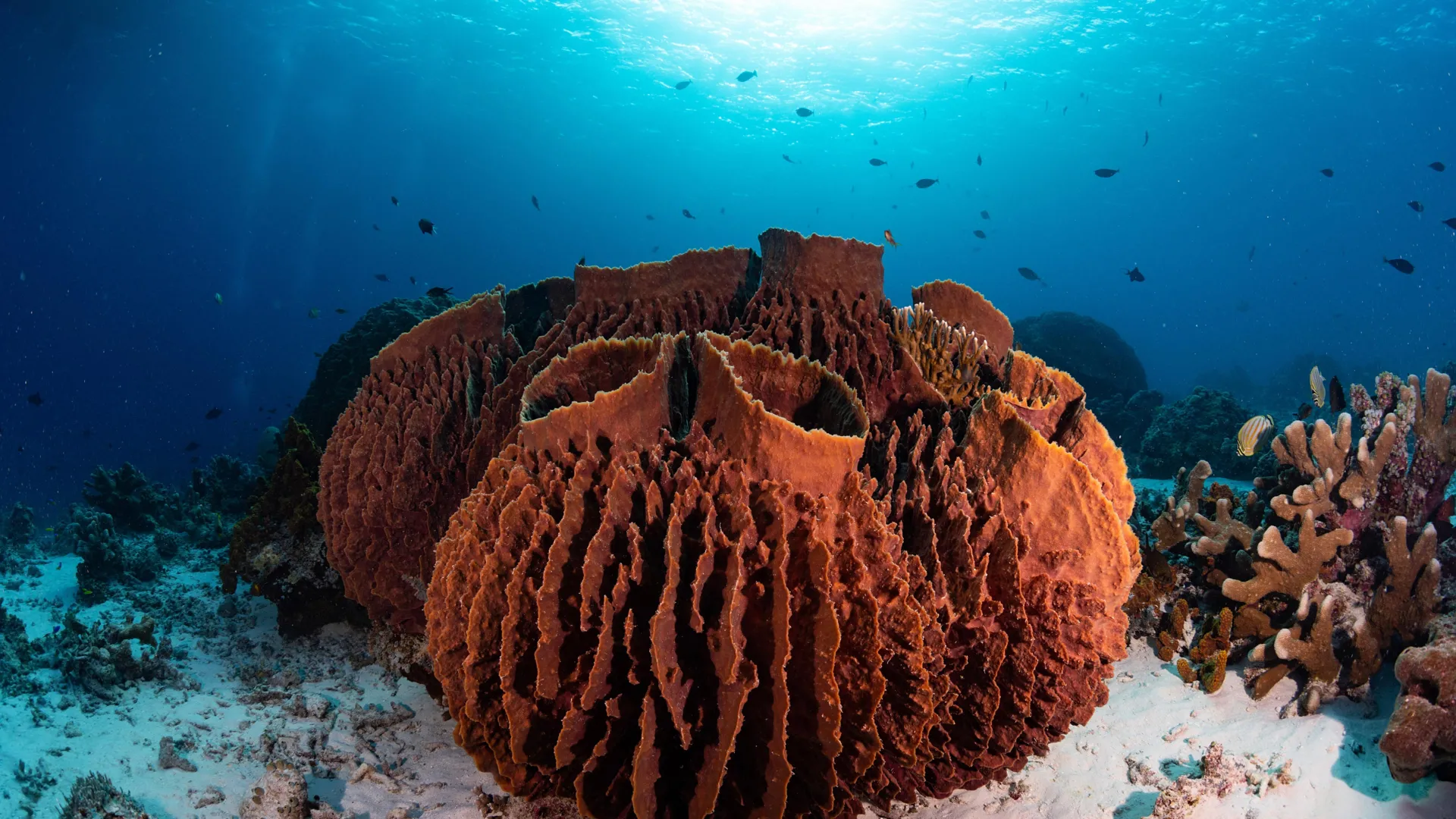
- The study identifies soft-bodied sea sponges as among the first animals to inhabit Earth's oceans .
- Scientists found chemical fossils (molecular signatures) matching compounds produced by modern demosponges .
- The discovery pushes back the timeline of animal evolution to before the Cambrian Explosion .
- Some traits of these ancient creatures are found in similar species alive today .
Research Findings
- Research Institution:
- Massachusetts Institute of Technology (MIT) led the study
- Published in February 2026
- Evidence Type:
- Chemical fossils (molecular biomarkers) preserved in ancient rocks
- 30-carbon and 31-carbon steranes matching modern demosponge compounds
- These molecular "fingerprints" indicate biological presence of sponges
- Geological Period:
- Ediacaran Period (approximately 635-541 million years ago)
- Predates the Cambrian Explosion (541-530 million years ago)
- Rocks sourced from Precambrian geological formations
Additional Info
- Geological Time Scale Context:
- Precambrian Era: 4.6 billion to 541 million years ago
- Ediacaran Period: 635-541 million years ago
- Cambrian Period: 541-485 million years ago
- Cambrian Explosion: Rapid diversification of animal life beginning 541 million years ago
- What are Steranes?
- Molecular fossils derived from steroids produced by living organisms
- 30-carbon and 31-carbon steranes specific to demosponge biology
- Remain preserved in rocks for hundreds of millions of years
- Serve as biomarkers for identifying ancient life forms
- Ediacaran Biota:
- Dickinsonia: One of earliest known complex organisms (565 million years old)
- Mistaken Point, Newfoundland: Key fossil discovery site
- Ediacara Hills, Australia: Location of first Ediacaran fossil discovery (1946)
- Related Scientific Concepts:
- Multicellularity: Evolution of organisms with multiple cells
- Metazoans: Another term for animals (multicellular eukaryotes)
- Porifera: Scientific classification for sponges
Sources
March 2026
31 March 202630 March 202628 March 202627 March 202626 March 202625 March 202624 March 202623 March 202621 March 202620 March 202619 March 202618 March 202617 March 202616 March 202614 March 202613 March 202612 March 202611 March 202610 March 202609 March 202607 March 202606 March 202605 March 202603 March 202602 March 2026
Archive
November 2026
- 28 November 2026
- 27 November 2026
- 26 November 2026
- 25 November 2026
- 24 November 2026
- 23 November 2026
- 21 November 2026
- 20 November 2026
- 19 November 2026
- 18 November 2026
- 17 November 2026
- 16 November 2026
- 14 November 2026
- 13 November 2026
- 12 November 2026
- 11 November 2026
- 10 November 2026
- 09 November 2026
- 06 November 2026
- 05 November 2026
- 04 November 2026
- 03 November 2026
- 02 November 2026
October 2026
- 31 October 2026
- 30 October 2026
- 29 October 2026
- 28 October 2026
- 27 October 2026
- 26 October 2026
- 24 October 2026
- 23 October 2026
- 22 October 2026
- 21 October 2026
- 20 October 2026
- 19 October 2026
- 17 October 2026
- 16 October 2026
- 15 October 2026
- 14 October 2026
- 13 October 2026
- 12 October 2026
- 10 October 2026
- 09 October 2026
- 08 October 2026
- 07 October 2026
- 06 October 2026
- 05 October 2026
- 03 October 2026
- 02 October 2026
- 01 October 2026
September 2026
- 30 September 2026
- 29 September 2026
- 28 September 2026
- 26 September 2026
- 25 September 2026
- 24 September 2026
- 23 September 2026
- 22 September 2026
- 21 September 2026
- 19 September 2026
- 18 September 2026
- 17 September 2026
- 16 September 2026
- 15 September 2026
- 12 September 2026
- 11 September 2026
- 10 September 2026
- 09 September 2026
- 08 September 2026
- 07 September 2026
- 05 September 2026
- 04 September 2026
- 03 September 2026
- 02 September 2026
- 01 September 2026
August 2026
- 31 August 2026
- 29 August 2026
- 27 August 2026
- 26 August 2026
- 25 August 2026
- 24 August 2026
- 22 August 2026
- 21 August 2026
- 20 August 2026
- 19 August 2026
- 18 August 2026
- 17 August 2026
- 14 August 2026
- 13 August 2026
- 12 August 2026
- 11 August 2026
- 10 August 2026
- 08 August 2026
- 07 August 2026
- 06 August 2026
- 05 August 2026
- 04 August 2026
- 03 August 2026
- 01 August 2026
July 2026
- 31 July 2026
- 30 July 2026
- 29 July 2026
- 28 July 2026
- 27 July 2026
- 25 July 2026
- 23 July 2026
- 22 July 2026
- 21 July 2026
- 20 July 2026
- 18 July 2026
- 17 July 2026
- 15 July 2026
- 14 July 2026
- 13 July 2026
- 11 July 2026
- 10 July 2026
- 09 July 2026
- 08 July 2026
- 07 July 2026
- 06 July 2026
- 04 July 2026
- 03 July 2026
- 02 July 2026
- 01 July 2026
June 2026
May 2026
April 2026
March 2026
- 31 March 2026
- 30 March 2026
- 28 March 2026
- 27 March 2026
- 26 March 2026
- 25 March 2026
- 24 March 2026
- 23 March 2026
- 21 March 2026
- 20 March 2026
- 19 March 2026
- 18 March 2026
- 17 March 2026
- 16 March 2026
- 14 March 2026
- 13 March 2026
- 12 March 2026
- 11 March 2026
- 10 March 2026
- 09 March 2026
- 07 March 2026
- 06 March 2026
- 05 March 2026
- 03 March 2026
- 02 March 2026
February 2026
- 28 February 2026
- 27 February 2026
- 26 February 2026
- 25 February 2026
- 24 February 2026
- 23 February 2026
- 21 February 2026
- 20 February 2026
- 19 February 2026
- 18 February 2026
- 17 February 2026
- 16 February 2026
- 13 February 2026
- 12 February 2026
- 11 February 2026
- 10 February 2026
- 09 February 2026
- 07 February 2026
- 06 February 2026
- 05 February 2026
- 04 February 2026
- 03 February 2026
- 02 February 2026
January 2026
- 31 January 2026
- 30 January 2026
- 29 January 2026
- 28 January 2026
- 27 January 2026
- 26 January 2026
- 24 January 2026
- 23 January 2026
- 22 January 2026
- 21 January 2026
- 20 January 2026
- 19 January 2026
- 16 January 2026
- 15 January 2026
- 14 January 2026
- 13 January 2026
- 12 January 2026
- 10 January 2026
- 09 January 2026
- 08 January 2026
- 07 January 2026
- 06 January 2026
- 05 January 2026
- 03 January 2026
- 02 January 2026
- 01 January 2026
December 2025
- 31 December 2025
- 30 December 2025
- 29 December 2025
- 27 December 2025
- 26 December 2025
- 24 December 2025
- 23 December 2025
- 22 December 2025
- 20 December 2025
- 19 December 2025
- 18 December 2025
- 17 December 2025
- 16 December 2025
- 15 December 2025
- 13 December 2025
- 12 December 2025
- 11 December 2025
- 10 December 2025
- 09 December 2025
- 08 December 2025
- 05 December 2025
- 04 December 2025
- 03 December 2025
- 02 December 2025
November 2025
- 29 November 2025
- 28 November 2025
- 27 November 2025
- 26 November 2025
- 25 November 2025
- 24 November 2025
- 22 November 2025
- 21 November 2025
- 20 November 2025
- 19 November 2025
- 18 November 2025
- 17 November 2025
- 15 November 2025
- 14 November 2025
- 13 November 2025
- 12 November 2025
- 11 November 2025
- 10 November 2025
- 08 November 2025
- 07 November 2025
- 06 November 2025
- 05 November 2025
- 04 November 2025
- 03 November 2025
- 01 November 2025
October 2025
- 31 October 2025
- 30 October 2025
- 29 October 2025
- 28 October 2025
- 27 October 2025
- 25 October 2025
- 24 October 2025
- 23 October 2025
- 22 October 2025
- 21 October 2025
- 20 October 2025
- 18 October 2025
- 17 October 2025
- 16 October 2025
- 15 October 2025
- 14 October 2025
- 13 October 2025
- 11 October 2025
- 10 October 2025
- 09 October 2025
- 08 October 2025
- 07 October 2025
- 06 October 2025
- 04 October 2025
- 03 October 2025
- 02 October 2025
- 01 October 2025
September 2025
- 30 September 2025
- 29 September 2025
- 27 September 2025
- 26 September 2025
- 25 September 2025
- 24 September 2025
- 23 September 2025
- 22 September 2025
- 20 September 2025
- 19 September 2025
- 18 September 2025
- 17 September 2025
- 16 September 2025
- 15 September 2025
- 13 September 2025
- 12 September 2025
- 11 September 2025
- 10 September 2025
- 09 September 2025
- 08 September 2025
- 06 September 2025
- 05 September 2025
- 04 September 2025
- 03 September 2025
- 02 September 2025
- 01 September 2025
August 2025
- 30 August 2025
- 29 August 2025
- 28 August 2025
- 27 August 2025
- 26 August 2025
- 25 August 2025
- 23 August 2025
- 22 August 2025
- 21 August 2025
- 20 August 2025
- 19 August 2025
- 18 August 2025
- 16 August 2025
- 14 August 2025
- 13 August 2025
- 12 August 2025
- 11 August 2025
- 08 August 2025
- 07 August 2025
- 06 August 2025
- 05 August 2025
- 04 August 2025
- 02 August 2025
- 01 August 2025
July 2025
- 31 July 2025
- 30 July 2025
- 29 July 2025
- 28 July 2025
- 26 July 2025
- 25 July 2025
- 24 July 2025
- 23 July 2025
- 22 July 2025
- 21 July 2025
- 19 July 2025
- 18 July 2025
- 17 July 2025
- 16 July 2025
- 15 July 2025
- 12 July 2025
- 11 July 2025
- 10 July 2025
- 09 July 2025
- 07 July 2025
- 05 July 2025
- 04 July 2025
- 03 July 2025
- 02 July 2025
- 01 July 2025
June 2025
- 30 June 2025
- 28 June 2025
- 27 June 2025
- 26 June 2025
- 25 June 2025
- 24 June 2025
- 23 June 2025
- 21 June 2025
- 20 June 2025
- 19 June 2025
- 18 June 2025
- 17 June 2025
- 16 June 2025
- 14 June 2025
- 13 June 2025
- 12 June 2025
- 11 June 2025
- 10 June 2025
- 09 June 2025
- 07 June 2025
- 06 June 2025
- 05 June 2025
- 04 June 2025
- 03 June 2025
- 02 June 2025
May 2025
April 2025
- 30 April 2025
- 29 April 2025
- 28 April 2025
- 26 April 2025
- 25 April 2025
- 24 April 2025
- 23 April 2025
- 22 April 2025
- 21 April 2025
- 19 April 2025
- 18 April 2025
- 17 April 2025
- 16 April 2025
- 15 April 2025
- 14 April 2025
- 12 April 2025
- 11 April 2025
- 10 April 2025
- 09 April 2025
- 08 April 2025
- 07 April 2025
- 05 April 2025
- 04 April 2025
- 03 April 2025
- 02 April 2025
- 01 April 2025
March 2025
- 31 March 2025
- 29 March 2025
- 28 March 2025
- 27 March 2025
- 26 March 2025
- 25 March 2025
- 24 March 2025
- 22 March 2025
- 21 March 2025
- 20 March 2025
- 19 March 2025
- 18 March 2025
- 17 March 2025
- 15 March 2025
- 13 March 2025
- 12 March 2025
- 11 March 2025
- 10 March 2025
- 08 March 2025
- 07 March 2025
- 06 March 2025
- 05 March 2025
- 04 March 2025
- 03 March 2025
- 01 March 2025
February 2025
- 28 February 2025
- 27 February 2025
- 26 February 2025
- 25 February 2025
- 24 February 2025
- 22 February 2025
- 21 February 2025
- 20 February 2025
- 19 February 2025
- 18 February 2025
- 17 February 2025
- 15 February 2025
- 14 February 2025
- 13 February 2025
- 12 February 2025
- 11 February 2025
- 10 February 2025
- 08 February 2025
- 07 February 2025
- 06 February 2025
- 05 February 2025
- 04 February 2025
- 03 February 2025
- 01 February 2025
January 2025
- 31 January 2025
- 30 January 2025
- 29 January 2025
- 28 January 2025
- 27 January 2025
- 25 January 2025
- 24 January 2025
- 23 January 2025
- 22 January 2025
- 21 January 2025
- 20 January 2025
- 18 January 2025
- 17 January 2025
- 16 January 2025
- 15 January 2025
- 14 January 2025
- 13 January 2025
- 11 January 2025
- 10 January 2025
- 09 January 2025
- 08 January 2025
- 07 January 2025
- 06 January 2025
- 04 January 2025
- 03 January 2025
- 02 January 2025
- 01 January 2025