
Current Affairs
Stay updated with the latest national and international events.
05 February 2026
Operation Kiya: Security Forces Neutralize Two Terrorists in J&K’s Udhampur

What’s the News?
- The Indian Army and Jammu and Kashmir Police conducted a successful joint counter-terror operation named Operation Kiya in the Udhampur district.
- The operation resulted in the elimination of two terrorists belonging to the Jaish-e-Mohammed (JeM) outfit in the Basantgarh area.
- Security forces recovered a significant cache of high-tech weaponry, including an M4 Carbine and AK-47 rifles, thwarting potential terror activities in the Jammu region.
Operation Kiya
- Joint Security Grid: Conducted by Indian Army's White Knight Corps, Counter Insurgency Force (Delta), Jammu & Kashmir Police, and CRPF.
- Execution: Based on specific intelligence inputs, forces established a tight cordon in the densely forested terrain to prevent terrorist escape.
- Duration: Over 20-hour-long operation involving intense gunfire and calibrated assault on a cave hideout where terrorists were trapped.
- Tactical Approach:
- Contact established with terrorists; continuous surveillance maintained to prevent breakout.
- Night-long vigil using drones and reinforcements (paratroopers, dog squads) deployed.
- Final assault conducted after dawn with deafening explosions reported during cave storming.
Additional Info
- Jaish-e-Mohammad (JeM):
- Pakistan-based terror outfit active in J&K, designated as a terrorist organisation under India's Unlawful Activities (Prevention) Act (UAPA).
- Founded by Masood Azhar, responsible for multiple attacks including the 2019 Pulwama attack.
- White Knight Corps:
- Indian Army formation responsible for military operations in the Jammu region.
- Headquartered at Nagrota, Jammu.
- Security Context:
- Part of intensified operations in Jammu division following recent encounters in Kathua and Kishtwar districts.
- Previous encounter in Udhampur occurred in December at Soan village where terrorists had escaped.
- The neutralised terrorists were linked to the same group involved in earlier encounters in the region.
- Constitutional & Legal Framework:
- Article 355: Imposes duty on the Centre to protect states from external aggression and internal disturbance.
- UAPA, 1967: Legal framework for banning terrorist organisations and prosecuting terror activities.
- Armed Forces (Special Powers) Act (AFSPA): Provides special powers to armed forces in disturbed areas (applicable in parts of J&K).
Sources
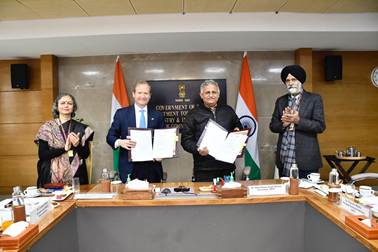
India Joins BRICS Centre for Industrial Competencies
What’s the News?
- The Department for Promotion of Industry and Internal Trade (DPIIT) announced India's formal entry into the BRICS Centre for Industrial Competencies (BCIC).
- A Trust Fund Agreement was signed between DPIIT and the United Nations Industrial Development Organization (UNIDO) to operationalize India’s participation.
- The initiative aims to provide integrated support services to manufacturing companies and Micro, Small and Medium Enterprises (MSMEs) across the BRICS nations.
- The primary focus of the center is to facilitate the adoption of Industry 4.0 technologies and enhance industrial productivity through global collaboration.
BRICS Centre for Industrial Competencies (BCIC)?
- Multilateral Platform: It serves as a "one-stop" networking and resource hub for manufacturing firms within the BRICS framework.
- Core Objective: To help industries transition into "Factories of the Future" by adopting digital innovation, smart manufacturing, and sustainable practices.
- Partnership: The center is supported by UNIDO, which provides technical expertise to bridge the productivity gap between emerging economies and developed nations.
- Services:
- Technology Transfer: Facilitating the exchange of advanced digital tools like Artificial Intelligence (AI) and Internet of Things (IoT).
- Market Intelligence: Guiding manufacturers on international expansion and accessing cross-border industrial networks.
- Capacity Building: Training the workforce in cutting-edge industrial skills and advanced manufacturing processes.
Significance for India
- MSME Boost: Enables Indian MSMEs to integrate into BRICS value chains and access new markets.
- Industrial Modernisation: Supports adoption of advanced manufacturing practices and productivity enhancement.
- Strategic Alignment: Contributes to Make in India and Atmanirbhar Bharat initiatives by fostering innovation and global competitiveness.
Additional Info
- BRICS Expansion:
- Originally BRIC (Brazil, Russia, India, China) formed in 2006; became BRICS with South Africa (2010).
- Expanded in 2024-25 to include Egypt, Ethiopia, Iran, Saudi Arabia, UAE, and Indonesia.
- Represents over 40% of world's population and acts as a counterweight to Western-led global institutions.
- National Productivity Council (NPC):
- Autonomous body under DPIIT, Ministry of Commerce & Industry.
- Established in 1958 to promote productivity culture in India.
- UNIDO:
- United Nations agency promoting industrial development; headquartered in Vienna, Austria.
- PartNIR (Partnership on New Industrial Revolution):
- BRICS initiative to promote cooperation in digitalisation, industrialisation, and innovation.
- Constitutional & Policy Context:
- DPIIT functions under Ministry of Commerce and Industry; responsible for industrial policy, FDI promotion, and internal trade.
- MSME Sector: Contributes approximately 30% to India's GDP and employs over 110 million people.
- Article 38: Directive Principle promoting welfare of people by securing social order (basis for MSME support policies).
Sources
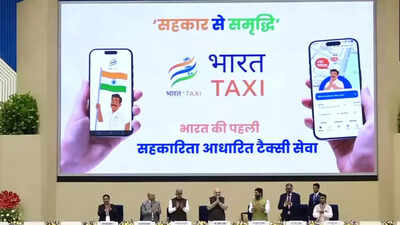
Government Launches Bharat Taxi
What's the News?
- Union Home and Cooperation Minister Amit Shah formally launched Bharat Taxi, India's first cooperative-led ride-hailing platform, marking a significant push toward driver-owned mobility under the Sahkar se Samriddhi vision.
- The platform operates on a zero-commission, surge-free model with drivers (called Sarathis) as shareholders and owners, positioning it as an indigenous alternative to private aggregators like Uber and Ola.
- Following a successful pilot in Delhi-NCR and Gujarat, Bharat Taxi aims for nationwide rollout across all states within the next two to three years.
The Platform: Key Features
- Driver-Owned Cooperative Model: Registered under the Multi-State Cooperative Societies Act, 2002 (established June 6, 2025), operating on the principle "Sarathi Hi Malik" (driver is the owner).
- Zero Commission: Unlike private platforms charging 20-30% commission, Bharat Taxi distributes full fares directly to drivers, with profits shared among cooperative members.
- Social Security Package:
- ₹5 lakh personal accident insurance
- ₹5 lakh family health insuranc
- Retirement savings and emergency support
- Non-Exclusive Model: Drivers can simultaneously work on other platforms without restrictions.
- Safety & Digital Integration: One-tap SOS linked to police control rooms, live ride tracking, emergency alerts, multilingual app interface, and integration with Delhi Metro for last-mile connectivity.
Operational Performance & Expansion
- Pilot Success (since December):
- Over 3 lakh drivers onboarded
- More than 6.7 lakh users registered
- Approximately 10,000 rides completed daily
- Around ₹10 crore distributed directly to drivers
- Women Empowerment: "Bike Didi" initiative with over 150 women drivers already enrolled.
- Future Plans: Support centres in every state, deeper integration with India's digital public infrastructure, and partnerships with public and private stakeholders.
Additional Info
- Sahakar Taxi Cooperative Limited: The operating entity backed by eight major cooperative organisations including National Cooperative Development Corporation (NCDC), Amul (GCMMF), NABARD, IFFCO, and National Dairy Development Board (NDDB).
- Market Context:
- India's taxi market projected to grow from $21.07 billion (2025) to $44.3 billion (2032) at 11.2% CAGR.
- Ride-hailing expected to account for 58.6% of market share in 2025.
- Existing driver discontent: 74% of drivers on private platforms consider incentive systems unfair; 65% report income drops compared to pre-2020 levels.
- Constitutional & Legal Framework:
- Multi-State Cooperative Societies Act, 2002: Governing legislation for Bharat Taxi's registration.
- Ministry of Cooperation: Created in 2021 to strengthen cooperative movement; headed by Union Home Minister.
- Article 19(1)(c): Fundamental right to form associations or unions (basis for cooperative societies).
- Article 43: Directive Principle promoting cooperative organisation of agriculture and industry.
- 97th Constitutional Amendment Act, 2011: Added Part IXB to Constitution, providing constitutional status to cooperative societies.
- Comparison with Namma Yatri: Bengaluru-based subscription platform facilitating ~1,90,000 rides daily, demonstrating viability of driver-centric alternatives.
Sources
India-China Bilateral Trade Hits Record $155.6 Billion in 2025
What’s the News?
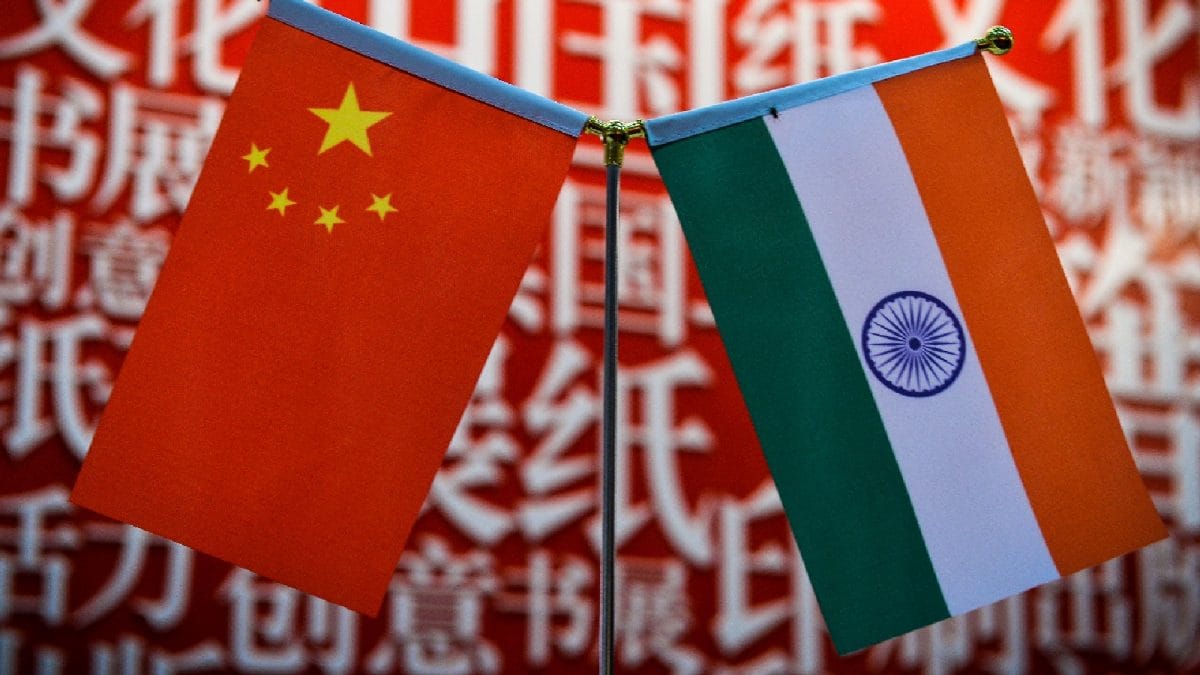
- Bilateral trade between India and China reached an all-time high of $155.62 billion in the calendar year 2025, marking a year-on-year growth of over 12%.
- Chinese Ambassador to India, Xu Feihong, highlighted that the relationship has transitioned from a "reset" to a "new level of improvement" following the high-level meeting between Prime Minister Narendra Modi and President Xi Jinping in Tianjin last August.
- While trade volumes surged, the trade deficit remains a significant concern for India, touching a record high of $116.12 billion, up from $99.21 billion in the previous year.
Trade Metrics (2025)
- Total Bilateral Trade: $155.62 billion (Record high).
- India’s Exports to China: $19.75 billion, registering a 9.7% growth. Key items include iron ore, marine products, spices, and telecom instruments.
- Chinese Exports to India: $135.87 billion, showing a 12.8% increase. This is driven primarily by industrial inputs and capital goods.
- Trade Deficit: $116.12 billion, which is India’s largest deficit with any single trading partner.
Trade Composition & Sectoral Dependency
- India’s Imports from China:
- Concentrated heavily in Electronics ($38 billion), including mobile components, integrated circuits, and laptops.
- Machinery and Capital Goods: Crucial for India’s power and industrial sectors, including transformers and industrial machinery.
- Chemicals & Plastics: Over 97% of some antibiotics (like erythromycin) and 96% of silicon wafers are sourced from China.
- Green Energy: Critical reliance on Chinese solar cells (82.7%) and lithium-ion batteries (75.2%).
- India’s Exports to China:
- Primarily raw materials and low-value-added goods like iron ore, naphtha, cotton, and seafood.
- Modest gains were recorded in agricultural products and processed minerals, though market access for Indian IT and pharmaceutical services remains a point of negotiation.
Strategic and Diplomatic Context
- Diplomatic Normalization: The trade surge coincides with the restoration of direct flights, resumed pilgrimages to the Xizang (Tibet) region, and the gradual easing of visa restrictions.
- Global Cooperation: China expressed support for India's BRICS rotating presidency and emphasized coordination within the Global South framework.
- Philosophical Alignment: The Chinese envoy drew parallels between India’s "Vasudhaiva Kutumbakam" and China’s vision of a "world of great harmony," as well as linking India's Atmanirbhar Bharat with China's self-reliance strategies.
Additional Info
- Trade Deficit History:
- The deficit has expanded significantly from $1.1 billion in 2003-04 to over $116 billion in 2025.
- It accounts for nearly 35-40% of India's total global trade imbalance.
- Government Countermeasures:
- Production Linked Incentive (PLI): Schemes for 14 sectors aim to build domestic capacity in electronics and APIs to reduce Chinese dependency.
- Anti-Dumping Duties: The Directorate General of Trade Remedies (DGTR) frequently imposes duties on Chinese chemicals and steel to protect domestic MSMEs.
Sources
Sun Fires Off Powerful X-Class Solar Flare Barrage, Raises Space Weather Concerns
What's the News?
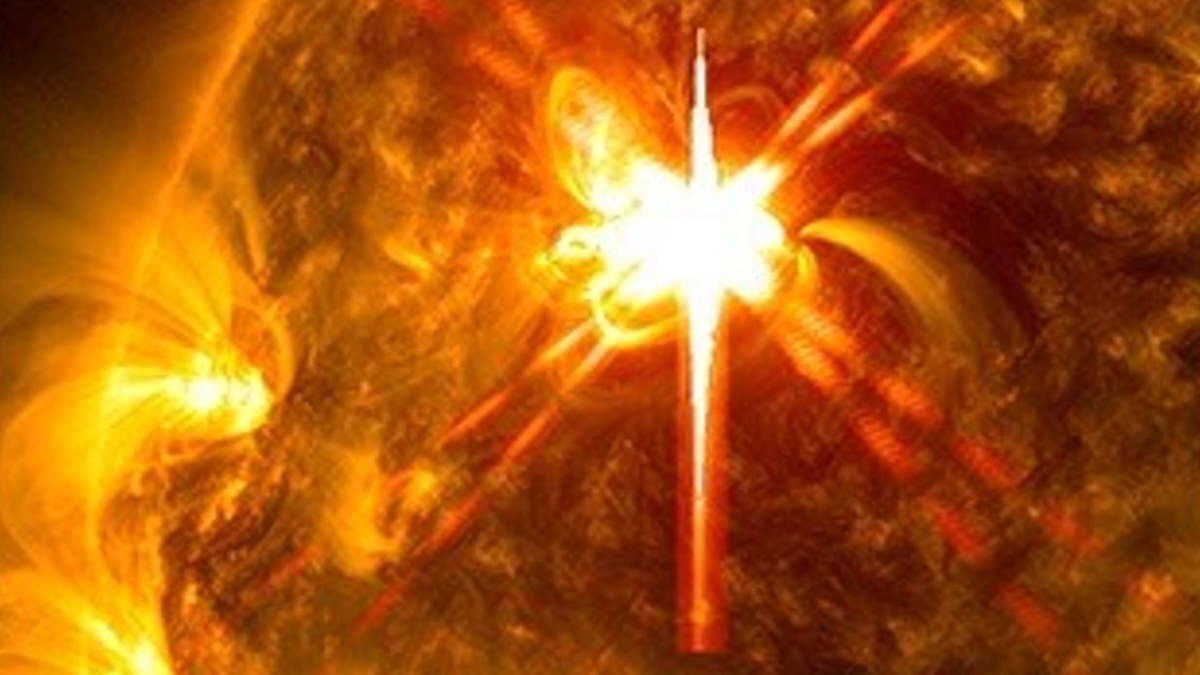
- The Sun has unleashed a series of powerful X-class solar flares, including an X8.3 event, the strongest of 2026 so far and the most intense since October 2024.
- A total of four major X-class flares were detected within 24 hours, originating from sunspot region RGN 4366 (also designated AR4366), which is now rotating toward Earth-facing position.
- Space weather agencies including NOAA's Space Weather Prediction Center and NASA are monitoring for potential coronal mass ejections (CMEs) and geomagnetic disturbances.
The Solar Activity: Key Details
- Flare Sequence:
- X1.0 flare at 12:33 UTC (Feb 1)
- X8.1/X8.3 flare at 23:37 UTC (Feb 1), strongest recorded since October 2024
- X2.8 flare at 00:36 UTC (Feb 2)
- X1.6 flare at 08:14 UTC (Feb 2)
- Additional Activity: At least 18 M-class flares also detected in the same 24-hour period.
- Source: Sunspot RGN 4366, a large, complex active region that has just begun its Earth-facing journey.
- Solar Cycle Context: The Sun recently passed the solar maximum phase of its 11-year cycle (peaked October 2024), with heightened activity expected to continue through 2026.
Potential Impacts
- Radio Blackouts: Strong X-ray flux caused communication disruptions across eastern Australia and New Zealand; high-frequency (HF) radio signals affected on sunlit side of Earth for minutes to hours.
- Aurora Potential: Early analysis suggests a CME associated with the X8.3 flare may deliver a glancing blow to Earth around early February, potentially elevating geomagnetic activity and northern lights visibility at high latitudes.
- Satellite Risk: X-class flares can damage satellites and their electronics; operators are advised to take protective measures.
- Radiation Hazard: Increased energetic particle events pose risks to astronauts in space.
Understanding Solar Flares
- Classification System: Solar flares ranked by strength: A, B, C, M, X - with each letter representing a tenfold increase in energy; X-class are the most powerful explosions the Sun can produce.
- Mechanism: Sudden eruptions of electromagnetic radiation from Sun's active regions associated with strong magnetic fields and sunspots.
- Associated Phenomena: Often precursors to Coronal Mass Ejections (CMEs); massive bursts of solar plasma and magnetic fields ejected into space.
Additional Info
- Solar Flare Classification:
- Ranked in ascending order: A, B, C, M, and X.
- Each letter represents a tenfold increase in energy output. X-class flares are the "major" events that can trigger planet-wide radio blackouts.
- Solar Cycle 25:
- The Sun operates on an 11-year cycle of activity.
- Currently, the Sun is in the Solar Maximum phase (peaking between 2024-2026), a period characterized by the highest frequency of sunspots and solar storms.
- Space Weather Scales (NOAA):
- R Scale (Radio Blackouts): Ranges from R1 (Minor) to R5 (Extreme). The recent X8.3 flare reached R3.
- G Scale (Geomagnetic Storms): Ranges from G1 (Minor) to G5 (Extreme), impacting power grids and satellite navigation.
Sources
Paradip Port Authority Wins First Prize at Swachhata Pakhwada Awards 2025
What’s the News?
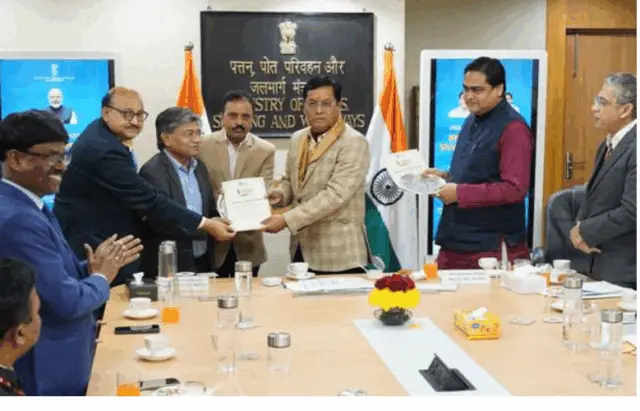
- Paradip Port Authority (PPA) has been awarded the First Prize at the Swachhata Pakhwada Awards 2025 for its exemplary performance in cleanliness, sustainability, and community participation.
- The award was presented by the Union Minister of Ports, Shipping and Waterways, Sarbananda Sonowal, during a ceremony held in New Delhi.
- The recognition highlights the port's successful implementation of large-scale sanitation drives and green initiatives under the Swachh Bharat Mission.
- Other major ports, including V.O. Chidambaranar Port Authority and Chennai Port Authority, were also recognized, jointly securing the second prize for their cleanliness efforts.
Swachhata Pakhwada Awards 2025?
- Instituting Body: The awards are an annual initiative of the Ministry of Ports, Shipping and Waterways (MoPSW) to evaluate maritime organizations and major ports across India.
- Assessment Parameters: Organizations are judged on their execution of cleanliness drives, waste management practices, advocacy, and the welfare of sanitation workers.
- Core Objectives:
- To promote a cleaner and more sustainable work environment within the maritime sector.
- To encourage Jan Bhagidari (Public Participation) in the national cleanliness mission.
- To integrate environmental stewardship into the operational framework of India's major ports.
Paradip Port's Key Pillars?
- Jan Bhagidari (Public Participation): The port organized extensive cleanliness campaigns involving schools, local communities, and heritage sites to embed a culture of hygiene.
- Ek Ped Maa Ke Naam:
- Under this green initiative, the port successfully planted 40,000 saplings at Paradip Sea Beach.
- The drive transformed previously neglected areas into "clean green zones," supporting coastal biodiversity.
- Safai Mitra Suraksha:
- Focused on the dignity, safety, and health of sanitation workers (Safai Mitras).
- Included the distribution of specialized safety gear and the organization of health check-up camps.
- Innovative Waste Management:
- Scrap to Structure: An initiative to repurpose industrial waste and scrap into functional or artistic installations.
- Waste to Wealth: Exhibitions held to demonstrate sustainable ways to reuse assets and reduce the environmental footprint of port operations.
- Anti-Plastic Drive: Conducted awareness rallies and distributed cotton bags to discourage the use of single-use plastics under the theme "End Plastic Pollution."
Additional Info
- Paradip Port Authority (PPA):
- Located in Jagatsinghpur, Odisha, it is a premier major port on the East Coast of India.
- It recently achieved a historic milestone by handling a record 14.44 MMT of cargo in a single month (January 2026).
- Swachh Bharat Mission (SBM):
- SBM-Urban 2.0: Aims to make all Indian cities "Garbage Free" through 100% source segregation and scientific processing of municipal solid waste.
- Special Campaign 5.0: A government initiative used by PPA to renovate administrative buildings and minimize office pendency while institutionalizing cleanliness.
- Constitutional & Policy Links:
- Article 51A (g): Mandates the fundamental duty of citizens to protect and improve the natural environment, including forests, lakes, and rivers.
- National Mission for a Green India (GIM): One of the eight missions under the National Action Plan on Climate Change (NAPCC), which aligns with the port's massive plantation drives.
Sources
World Bank Approves $830 Million Loan to Modernize India’s Skill Training Ecosystem
What’s the News?
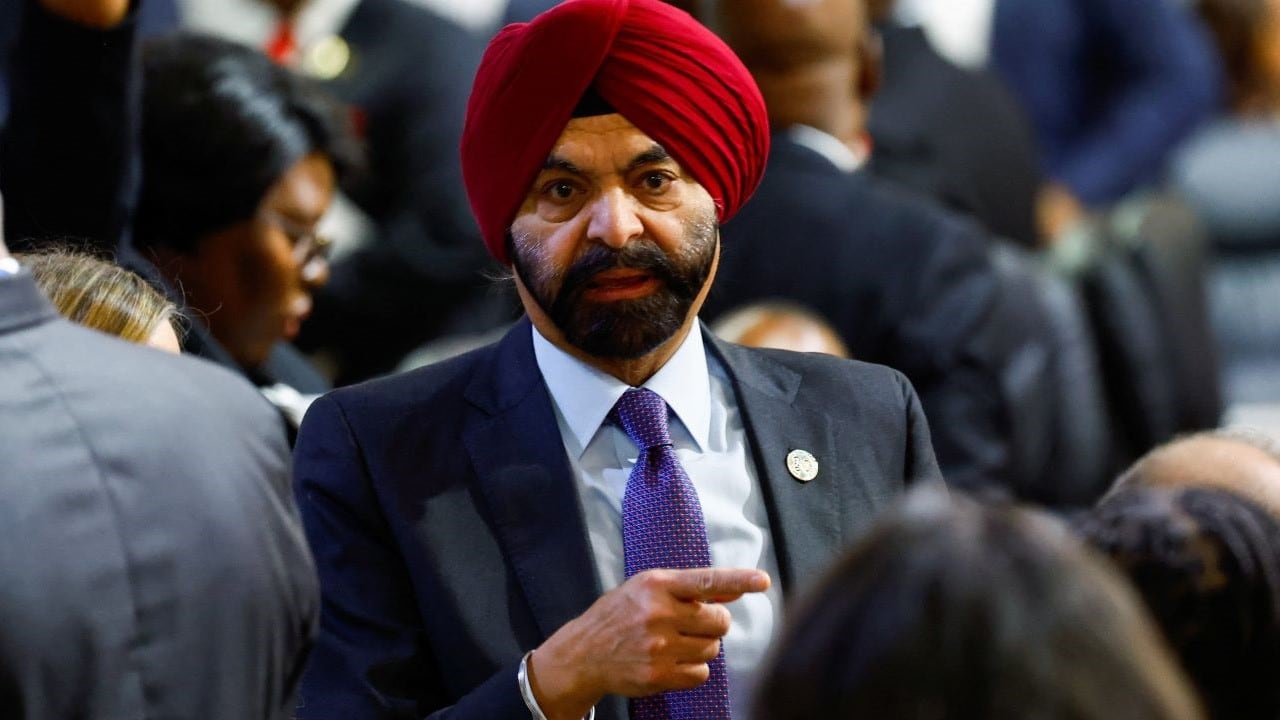
- The World Bank has approved an $830 million loan to support the Government of India’s Pradhan Mantri Skilling and Employability Transformation through Upgraded ITIs (PM-SETU) program.
- The initiative aims to overhaul India’s network of Industrial Training Institutes (ITIs) and National Skill Training Institutes (NSTIs) to align vocational training with modern labor market demands.
- The program is designed to produce more than one million better-skilled workers annually and significantly improve the job placement rate of vocational graduates, which currently stands at less than 50%.
- This project was prepared jointly with the Asian Development Bank (ADB) as part of a larger $4 billion investment plan by the Indian government to upgrade its skilling infrastructure.
The PM-SETU Program?
- Infrastructure Revamp: The program focuses on modernizing facilities, equipment, and digital systems in ITIs across the country to meet international industry standards.
- Hub-and-Spoke Model: ITIs will be transformed into specialized "Centers of Excellence" using a cluster-based approach, where main hubs provide resources and training to surrounding spoke institutes.
- Industry-Driven Curricula: Training will transition from traditional methods to a more balanced mix of consultancy, production, and high-tech training (e.g., renewable energy, electric mobility, and advanced manufacturing).
- Financial Sustainability: The program encourages ITIs to generate their own revenue through specialized training services and production functions, reducing long-term dependence on government grants.
Key Targets and Financials?
- Gender Inclusion: A primary objective is to increase female participation in traditionally male-dominated trades (like welding and mechanics), with a target to ensure at least 25% of ITI students are women within five years.
- Loan Details: The $830 million loan has a final maturity period of 19.5 years, which includes a four-year grace period.
- Private Sector Participation: The program aims to mobilize at least $680 million in private capital to bring industry expertise and investment directly into the vocational training system.
- Youth Focus: With youth accounting for roughly 72% of the unemployed in India, the program prioritizes reducing the "skills mismatch" to enhance productivity and national earnings.
Additional Info
- World Bank Country Partnership Framework (CPF):
- The loan is a key component of the new CPF for India, which envisages $8-10 billion in annual financing over the next five years.
- The framework prioritizes private sector-led job creation and human capital investment to support the Viksit Bharat 2047 vision.
- International Collaboration:
- The Asian Development Bank (ADB) is co-financing the initiative, having previously approved an $846 million loan for similar upgrades to 650 ITIs across 12 states.
- Institutional Framework:
- The program is managed by the Ministry of Skill Development and Entrepreneurship (MSDE).
- It builds upon previous successful schemes like STRIVE (Skills Strengthening for Industrial Value Enhancement) and SANKALP (Skills Acquisition and Knowledge Awareness for Livelihood Promotion).
- Data Points:
- India sees approximately 12 million people entering the labor market every year.
- The total outlay for the PM-SETU scheme is estimated at ₹60,000 crore.
Sources
February 2026
28 February 202627 February 202626 February 202625 February 202624 February 202623 February 202621 February 202620 February 202619 February 202618 February 202617 February 202616 February 202613 February 202612 February 202611 February 202610 February 202609 February 202607 February 202606 February 202605 February 202604 February 202603 February 202602 February 2026
Archive
November 2026
- 27 November 2026
- 26 November 2026
- 25 November 2026
- 24 November 2026
- 23 November 2026
- 21 November 2026
- 20 November 2026
- 19 November 2026
- 18 November 2026
- 17 November 2026
- 16 November 2026
- 14 November 2026
- 13 November 2026
- 12 November 2026
- 11 November 2026
- 10 November 2026
- 09 November 2026
- 06 November 2026
- 05 November 2026
- 04 November 2026
- 03 November 2026
- 02 November 2026
October 2026
- 31 October 2026
- 30 October 2026
- 29 October 2026
- 28 October 2026
- 27 October 2026
- 26 October 2026
- 24 October 2026
- 23 October 2026
- 22 October 2026
- 21 October 2026
- 20 October 2026
- 19 October 2026
- 17 October 2026
- 16 October 2026
- 15 October 2026
- 14 October 2026
- 13 October 2026
- 12 October 2026
- 10 October 2026
- 09 October 2026
- 08 October 2026
- 07 October 2026
- 06 October 2026
- 05 October 2026
- 03 October 2026
- 02 October 2026
- 01 October 2026
September 2026
- 30 September 2026
- 29 September 2026
- 28 September 2026
- 26 September 2026
- 25 September 2026
- 24 September 2026
- 23 September 2026
- 22 September 2026
- 21 September 2026
- 19 September 2026
- 18 September 2026
- 17 September 2026
- 16 September 2026
- 15 September 2026
- 12 September 2026
- 11 September 2026
- 10 September 2026
- 09 September 2026
- 08 September 2026
- 07 September 2026
- 05 September 2026
- 04 September 2026
- 03 September 2026
- 02 September 2026
- 01 September 2026
August 2026
- 31 August 2026
- 29 August 2026
- 27 August 2026
- 26 August 2026
- 25 August 2026
- 24 August 2026
- 22 August 2026
- 21 August 2026
- 20 August 2026
- 19 August 2026
- 18 August 2026
- 17 August 2026
- 14 August 2026
- 13 August 2026
- 12 August 2026
- 11 August 2026
- 10 August 2026
- 08 August 2026
- 07 August 2026
- 06 August 2026
- 05 August 2026
- 04 August 2026
- 03 August 2026
- 01 August 2026
July 2026
- 31 July 2026
- 30 July 2026
- 29 July 2026
- 28 July 2026
- 27 July 2026
- 25 July 2026
- 23 July 2026
- 22 July 2026
- 21 July 2026
- 20 July 2026
- 18 July 2026
- 17 July 2026
- 15 July 2026
- 14 July 2026
- 13 July 2026
- 11 July 2026
- 10 July 2026
- 09 July 2026
- 08 July 2026
- 07 July 2026
- 06 July 2026
- 04 July 2026
- 03 July 2026
- 02 July 2026
- 01 July 2026
June 2026
May 2026
April 2026
March 2026
- 31 March 2026
- 30 March 2026
- 28 March 2026
- 27 March 2026
- 26 March 2026
- 25 March 2026
- 24 March 2026
- 23 March 2026
- 21 March 2026
- 20 March 2026
- 19 March 2026
- 18 March 2026
- 17 March 2026
- 16 March 2026
- 14 March 2026
- 13 March 2026
- 12 March 2026
- 11 March 2026
- 10 March 2026
- 09 March 2026
- 07 March 2026
- 06 March 2026
- 05 March 2026
- 03 March 2026
- 02 March 2026
February 2026
- 28 February 2026
- 27 February 2026
- 26 February 2026
- 25 February 2026
- 24 February 2026
- 23 February 2026
- 21 February 2026
- 20 February 2026
- 19 February 2026
- 18 February 2026
- 17 February 2026
- 16 February 2026
- 13 February 2026
- 12 February 2026
- 11 February 2026
- 10 February 2026
- 09 February 2026
- 07 February 2026
- 06 February 2026
- 05 February 2026
- 04 February 2026
- 03 February 2026
- 02 February 2026
January 2026
- 31 January 2026
- 30 January 2026
- 29 January 2026
- 28 January 2026
- 27 January 2026
- 26 January 2026
- 24 January 2026
- 23 January 2026
- 22 January 2026
- 21 January 2026
- 20 January 2026
- 19 January 2026
- 16 January 2026
- 15 January 2026
- 14 January 2026
- 13 January 2026
- 12 January 2026
- 10 January 2026
- 09 January 2026
- 08 January 2026
- 07 January 2026
- 06 January 2026
- 05 January 2026
- 03 January 2026
- 02 January 2026
- 01 January 2026
December 2025
- 31 December 2025
- 30 December 2025
- 29 December 2025
- 27 December 2025
- 26 December 2025
- 24 December 2025
- 23 December 2025
- 22 December 2025
- 20 December 2025
- 19 December 2025
- 18 December 2025
- 17 December 2025
- 16 December 2025
- 15 December 2025
- 13 December 2025
- 12 December 2025
- 11 December 2025
- 10 December 2025
- 09 December 2025
- 08 December 2025
- 05 December 2025
- 04 December 2025
- 03 December 2025
- 02 December 2025
November 2025
- 29 November 2025
- 28 November 2025
- 27 November 2025
- 26 November 2025
- 25 November 2025
- 24 November 2025
- 22 November 2025
- 21 November 2025
- 20 November 2025
- 19 November 2025
- 18 November 2025
- 17 November 2025
- 15 November 2025
- 14 November 2025
- 13 November 2025
- 12 November 2025
- 11 November 2025
- 10 November 2025
- 08 November 2025
- 07 November 2025
- 06 November 2025
- 05 November 2025
- 04 November 2025
- 03 November 2025
- 01 November 2025
October 2025
- 31 October 2025
- 30 October 2025
- 29 October 2025
- 28 October 2025
- 27 October 2025
- 25 October 2025
- 24 October 2025
- 23 October 2025
- 22 October 2025
- 21 October 2025
- 20 October 2025
- 18 October 2025
- 17 October 2025
- 16 October 2025
- 15 October 2025
- 14 October 2025
- 13 October 2025
- 11 October 2025
- 10 October 2025
- 09 October 2025
- 08 October 2025
- 07 October 2025
- 06 October 2025
- 04 October 2025
- 03 October 2025
- 02 October 2025
- 01 October 2025
September 2025
- 30 September 2025
- 29 September 2025
- 27 September 2025
- 26 September 2025
- 25 September 2025
- 24 September 2025
- 23 September 2025
- 22 September 2025
- 20 September 2025
- 19 September 2025
- 18 September 2025
- 17 September 2025
- 16 September 2025
- 15 September 2025
- 13 September 2025
- 12 September 2025
- 11 September 2025
- 10 September 2025
- 09 September 2025
- 08 September 2025
- 06 September 2025
- 05 September 2025
- 04 September 2025
- 03 September 2025
- 02 September 2025
- 01 September 2025
August 2025
- 30 August 2025
- 29 August 2025
- 28 August 2025
- 27 August 2025
- 26 August 2025
- 25 August 2025
- 23 August 2025
- 22 August 2025
- 21 August 2025
- 20 August 2025
- 19 August 2025
- 18 August 2025
- 16 August 2025
- 14 August 2025
- 13 August 2025
- 12 August 2025
- 11 August 2025
- 08 August 2025
- 07 August 2025
- 06 August 2025
- 05 August 2025
- 04 August 2025
- 02 August 2025
- 01 August 2025
July 2025
- 31 July 2025
- 30 July 2025
- 29 July 2025
- 28 July 2025
- 26 July 2025
- 25 July 2025
- 24 July 2025
- 23 July 2025
- 22 July 2025
- 21 July 2025
- 19 July 2025
- 18 July 2025
- 17 July 2025
- 16 July 2025
- 15 July 2025
- 12 July 2025
- 11 July 2025
- 10 July 2025
- 09 July 2025
- 07 July 2025
- 05 July 2025
- 04 July 2025
- 03 July 2025
- 02 July 2025
- 01 July 2025
June 2025
- 30 June 2025
- 28 June 2025
- 27 June 2025
- 26 June 2025
- 25 June 2025
- 24 June 2025
- 23 June 2025
- 21 June 2025
- 20 June 2025
- 19 June 2025
- 18 June 2025
- 17 June 2025
- 16 June 2025
- 14 June 2025
- 13 June 2025
- 12 June 2025
- 11 June 2025
- 10 June 2025
- 09 June 2025
- 07 June 2025
- 06 June 2025
- 05 June 2025
- 04 June 2025
- 03 June 2025
- 02 June 2025
May 2025
April 2025
- 30 April 2025
- 29 April 2025
- 28 April 2025
- 26 April 2025
- 25 April 2025
- 24 April 2025
- 23 April 2025
- 22 April 2025
- 21 April 2025
- 19 April 2025
- 18 April 2025
- 17 April 2025
- 16 April 2025
- 15 April 2025
- 14 April 2025
- 12 April 2025
- 11 April 2025
- 10 April 2025
- 09 April 2025
- 08 April 2025
- 07 April 2025
- 05 April 2025
- 04 April 2025
- 03 April 2025
- 02 April 2025
- 01 April 2025
March 2025
- 31 March 2025
- 29 March 2025
- 28 March 2025
- 27 March 2025
- 26 March 2025
- 25 March 2025
- 24 March 2025
- 22 March 2025
- 21 March 2025
- 20 March 2025
- 19 March 2025
- 18 March 2025
- 17 March 2025
- 15 March 2025
- 13 March 2025
- 12 March 2025
- 11 March 2025
- 10 March 2025
- 08 March 2025
- 07 March 2025
- 06 March 2025
- 05 March 2025
- 04 March 2025
- 03 March 2025
- 01 March 2025
February 2025
- 28 February 2025
- 27 February 2025
- 26 February 2025
- 25 February 2025
- 24 February 2025
- 22 February 2025
- 21 February 2025
- 20 February 2025
- 19 February 2025
- 18 February 2025
- 17 February 2025
- 15 February 2025
- 14 February 2025
- 13 February 2025
- 12 February 2025
- 11 February 2025
- 10 February 2025
- 08 February 2025
- 07 February 2025
- 06 February 2025
- 05 February 2025
- 04 February 2025
- 03 February 2025
- 01 February 2025
January 2025
- 31 January 2025
- 30 January 2025
- 29 January 2025
- 28 January 2025
- 27 January 2025
- 25 January 2025
- 24 January 2025
- 23 January 2025
- 22 January 2025
- 21 January 2025
- 20 January 2025
- 18 January 2025
- 17 January 2025
- 16 January 2025
- 15 January 2025
- 14 January 2025
- 13 January 2025
- 11 January 2025
- 10 January 2025
- 09 January 2025
- 08 January 2025
- 07 January 2025
- 06 January 2025
- 04 January 2025
- 03 January 2025
- 02 January 2025
- 01 January 2025