
Current Affairs
Stay updated with the latest national and international events.
06 November 2026
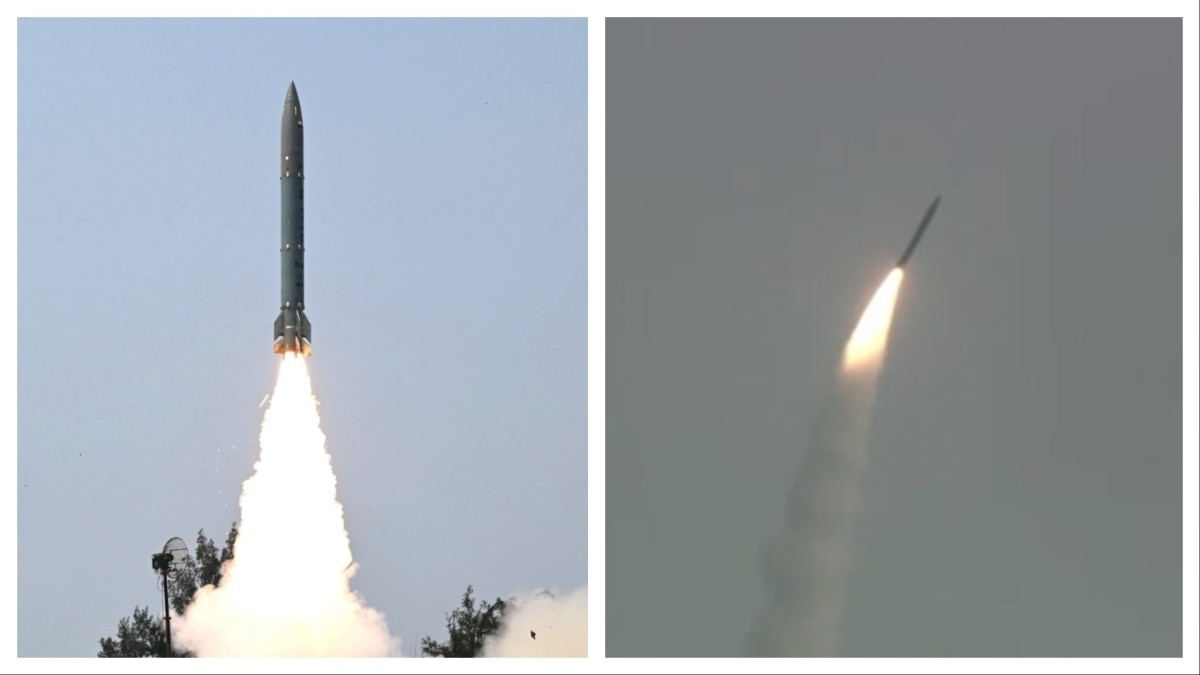
DRDO Successfully Flight-Tests Indigenous Pralay Missile off Odisha Coast
What’s the News?
- The Defence Research and Development Organisation (DRDO) successfully flight-tested the indigenously developed Pralay quasi-ballistic missile from Dr APJ Abdul Kalam Island off the Odisha coast.
- The test was conducted as part of user evaluation trials, with all objectives successfully achieved, as confirmed by the Integrated Test Range (ITR), Chandipur.
- The successful trial brings the missile closer to induction into the Indian Armed Forces, strengthening India's indigenous defence capabilities.
Pralay Missile?
- Type: Indigenous, short-range, surface-to-surface quasi-ballistic missile.
- Strike Range: 150–500 km.
- Payload Capacity: 500–1,000 kg.
- Propulsion: Solid-propellant system.
- Guidance: Advanced navigation and guidance systems for high-precision strikes.
- Warhead Capability: Can carry different types of conventional warheads.
- Trajectory: Follows a relatively low, manoeuvrable flight path, making interception more challenging.
- Development: Research Centre Imarat (RCI), Hyderabad, in collaboration with other DRDO laboratories.
- Production Partner: Bharat Dynamics Limited (BDL).
Additional Info
- Previous Trials:
- Pralay was first successfully flight-tested in December 2021.
- Integrated Test Range (ITR):
- Located at Chandipur, Odisha.
- Used for testing and evaluating missiles and other defence systems.
- Bharat Dynamics Limited (BDL):
- A Defence Public Sector Undertaking under the Ministry of Defence.
- Headquartered in Hyderabad, Telangana.
- Engaged in manufacturing guided missiles and allied defence equipment.
Sources
NPCI Launches Fourth Wholly-Owned Subsidiary NTSL, Appoints Vishal Kanvaty as MD & CEO

What’s the News?
- The National Payments Corporation of India (NPCI) has established NPCI Tech Solutions Limited (NTSL) as its fourth wholly-owned subsidiary to strengthen technology innovation and digital financial infrastructure.
- Vishal Kanvaty, Chief Technology Officer (CTO) of NPCI, has been appointed Managing Director and Chief Executive Officer (MD & CEO) of NTSL.
- The subsidiary was established with approval from the NPCI Board and Reserve Bank of India (RBI).
NPCI Tech Solutions Limited (NTSL)?
- Role: Technology and innovation arm of the NPCI Group, expanding its capabilities beyond core payment services.
- Focus Areas:
- Artificial Intelligence (AI) and blockchain technology.
- Digital Financial Infrastructure.
- Digital Public Infrastructure (DPI).
- Global Capability Centre (GCC) services.
- Technology Services:
- eKYC Setu: Supports electronic Know Your Customer (KYC) verification.
- Unified Ticketing Platform (UTP): Supports integrated digital ticketing services.
- Leadership: Vishal Kanvaty joined NPCI in 2017 and became its CTO in April 2023.
NPCI's Four Wholly-Owned Subsidiaries
| Subsidiary | Primary Function |
|---|---|
| NIPL – NPCI International Payments Limited | International expansion of UPI and RuPay |
| NBBL – NPCI Bharat BillPay Limited | Operates the Bharat BillPay ecosystem |
| NBSL – NPCI BHIM Services Limited | Manages the BHIM payments application |
| NTSL – NPCI Tech Solutions Limited | Technology innovation, AI, blockchain and digital infrastructure |
Additional Info
National Payments Corporation of India (NPCI):
- Established: 2008.
- Headquarters: Mumbai, Maharashtra.
- Promoted by: Reserve Bank of India (RBI) and Indian Banks' Association (IBA).
- Status: Not-for-profit company under Section 8 of the Companies Act, 2013.
- MD & CEO: Dilip Asbe.
- Major Payment Systems: UPI, RuPay, IMPS, NACH, AePS, NETC (FASTag) and e-RUPI.
Sources
India, Australia, Japan and US Begin Exercise Malabar 2026 in Japan
What’s the News?
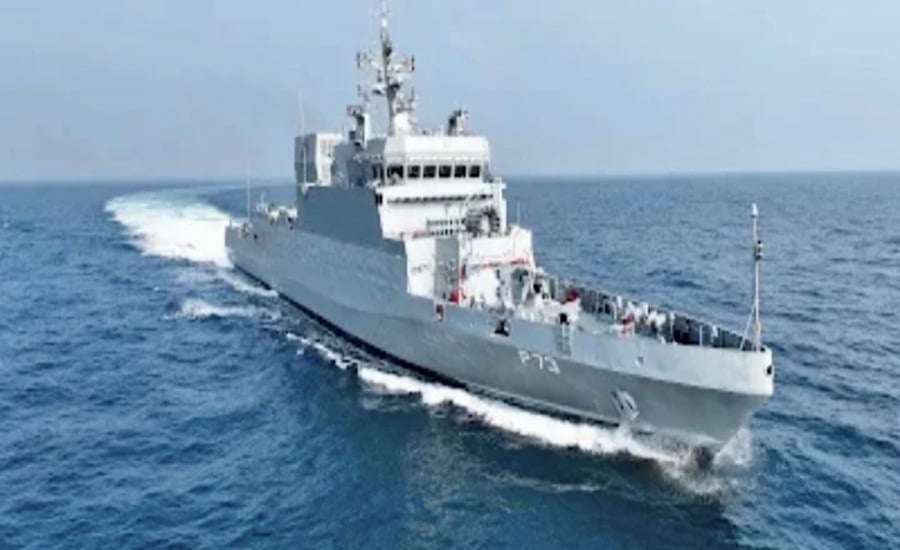
- The navies of India, Australia, Japan and the United States have commenced the multilateral naval exercise MALABAR 2026 in Japan.
- The Indian Navy's indigenously built guided-missile stealth frigate INS Sahyadri arrived at Yokosuka Naval Base, Japan, to participate in the exercise.
- The exercise aims to strengthen maritime cooperation, operational coordination and interoperability among the four navies in the Indo-Pacific region.
Exercise Malabar 2026?
- Host Country: Japan.
- Participating Countries: India, Australia, Japan and the United States.
- Indian Naval Ship: INS Sahyadri, part of the Eastern Fleet.
- Japanese Naval Force: Japan Maritime Self-Defense Force (JMSDF).
- Exercise Phases:
- Harbour Phase: Professional interactions, exchange of expertise and coordinated operational planning.
- Sea Phase: Joint maritime operations involving naval units from all four participating countries.
- Objective: Strengthen mutual trust, maritime security and operational interoperability in the Indo-Pacific region.
About Exercise Malabar
- Established: 1992 as a bilateral naval exercise between India and the United States.
- Expansion:
- 2015: Japan became a permanent participant.
- 2020: Australia rejoined, completing the current four-nation format.
- All four participating countries are members of the Quadrilateral Security Dialogue (QUAD).
Additional Info
INS Sahyadri:
- Indigenous guided-missile stealth frigate belonging to the Shivalik class (Project 17).
- Commissioned into the Indian Navy in 2012.
- Capable of surface warfare, anti-submarine operations and maritime security missions.
MAHASAGAR Vision:
- Full Form: Mutual and Holistic Advancement for Security and Growth Across Regions.
- Introduced by Prime Minister Narendra Modi in 2025.
- Focuses on maritime security, regional cooperation and sustainable development.
Sources
Bihar Government Restricts Unauthorised Entry and Social Media Reels in Government Schools

What’s the News?
- The Bihar Education Department has introduced new regulations prohibiting unauthorised outsiders from entering government schools during teaching hours.
- The department has also restricted teachers, non-teaching staff and students from making or uploading social media reels and videos during school hours without prior permission.
- Vijay Kumar Pandey, Director (Administration), Bihar Education Department, issued the directives to ensure students' privacy, school discipline and uninterrupted teaching activities.
New Regulations for Government Schools?
- Restrictions on Social Media:
- Teachers and school staff must obtain prior written permission from their controlling officers before recording or uploading videos.
- Permission is also required for recording school functions, cultural programmes, plantation drives and national celebrations.
- Political, religious and caste-based propaganda through social media is prohibited for government employees.
- Unauthorised Entry: Outsiders cannot enter government school campuses during teaching hours without official permission.
- Formal Dress Code: Teachers and non-teaching staff must wear formal attire during duty hours; casual clothing such as jeans and T-shirts is prohibited.
- Implementation: District Education Officers (DEOs) and Regional Education Deputy Directors are responsible for ensuring compliance.
- Legal Framework: The regulations refer to the Bihar Government Servant Conduct Rules, 1976, and the Bihar Government Servant Conduct (Amendment) Rules, 2026.
- Violations: Non-compliance may result in disciplinary action.
Government Schools in Bihar
- Total Government Schools: Over 76,000.
- Primary Schools: Approximately 47,000.
- Upper Primary Schools: Approximately 25,000.
- Higher Secondary Schools: Around 5,000.
- Government School Teachers: Approximately 6.6 lakh.
Additional Info
- Article 21 of the Indian Constitution:
- Guarantees the fundamental Right to Life and Personal Liberty.
- The Right to Privacy is recognised as a fundamental right under Article 21.
- Article 21A:
- Guarantees free and compulsory education for children aged 6–14 years.
- Inserted through the 86th Constitutional Amendment Act, 2002.
Sources
Punjab Records 2,787 Stubble-Burning Cases, Imposes ₹46.10 Lakh in Fines

What’s the News?
- Punjab has recorded 2,787 stubble-burning incidents during the ongoing paddy harvesting season, according to the Punjab Pollution Control Board (PPCB).
- Authorities have imposed ₹46.10 lakh in environmental compensation across 914 cases and registered 710 FIRs against violations.
- The Commission for Air Quality Management (CAQM), chaired by Rajesh Verma, has directed authorities to intensify monitoring and enforcement to curb farm fires.
Stubble-Burning Cases in Punjab?
- Total Reported Incidents: 2,787.
- Field Inspections: 2,194 locations inspected, with stubble burning confirmed at 994 sites.
- Environmental Compensation:
- Total Imposed: ₹46.10 lakh across 914 cases.
- Amount Recovered: ₹24.85 lakh.
- Enforcement Measures:
- FIRs Registered: 710 under Section 223 of the Bharatiya Nyaya Sanhita (BNS), 2023.
- Red Entries in Revenue Records: 829 cases.
- Warning/Show-Cause Notices: 786.
- Paddy Cultivation: 32.87 lakh hectares, with 87.60% of harvesting completed.
District-Wise Stubble-Burning Incidents
| District | Reported Cases |
|---|---|
| Tarn Taran (Highest) | 586 |
| Ferozepur | 361 |
| Sangrur | 240 |
| Amritsar | 221 |
| Bathinda | 216 |
| Patiala | 156 |
Additional Info
Commission for Air Quality Management (CAQM):
- Established under the Commission for Air Quality Management in National Capital Region and Adjoining Areas Act, 2021.
- Chairperson: Rajesh Verma.
- Headquarters: New Delhi.
- Responsible for coordinating air pollution control measures in Delhi-NCR and adjoining areas.
Stubble Burning:
- The practice of burning crop residues remaining after harvesting, particularly paddy and wheat.
- Releases particulate matter (PM2.5 and PM10) and harmful gases, contributing to air pollution.
- Alternatives: Happy Seeder, Super Seeder, Pusa Bio-Decomposer and biomass utilisation.
Section 223 of BNS, 2023:
- Deals with disobedience of orders lawfully promulgated by public servants.
Sources
CAQM Imposes GRAP Stage III Restrictions Across Delhi-NCR Amid Rising Air Pollution

What’s the News?
- The Commission for Air Quality Management (CAQM) has invoked Stage III of the Graded Response Action Plan (GRAP) across Delhi and the National Capital Region (NCR) amid worsening air pollution ahead of Diwali.
- Delhi's Air Quality Index (AQI) reached 391, falling in the Very Poor category, while 30 of 59 monitoring stations reported Severe air quality.
- The restrictions were imposed as a precautionary measure, even before Delhi's overall AQI crossed the Stage III threshold of 400.
- The measures aim to reduce vehicular emissions, construction dust and industrial pollution.
GRAP Stage III Restrictions?
- Vehicle Restrictions:
- Ban on BS-III petrol and BS-IV diesel four-wheelers in Delhi and specified NCR districts, including Gurugram, Faridabad, Sonipat, Ghaziabad and Gautam Buddh Nagar.
- Restrictions on older diesel goods vehicles entering Delhi.
- Construction Activities:
- Ban on non-essential dust-generating construction and demolition activities.
- Essential infrastructure projects are exempted under specified conditions.
- Restrictions on stone-crushing and mining operations.
- Schools and Workplaces:
- Hybrid learning arrangements for students up to Class V in Delhi and specified NCR districts.
- Measures to reduce physical office attendance and encourage work-from-home arrangements.
- Pollution Control: Increased mechanised road sweeping and water sprinkling to reduce dust pollution.
Graded Response Action Plan (GRAP)?
- GRAP is an emergency pollution-control framework implemented across Delhi-NCR.
- It provides progressively stricter measures based on prevailing and forecast Air Quality Index (AQI) levels.
- Implementing Authority: Commission for Air Quality Management (CAQM).
- Four Stages of GRAP:
| Stage | AQI Range | Air Quality |
|---|---|---|
| Stage I | 201–300 | Poor |
| Stage II | 301–400 | Very Poor |
| Stage III | 401–450 | Severe |
| Stage IV | Above 450 | Severe+ |
- Measures under earlier stages remain applicable when a higher stage is invoked.
Additional Info
Commission for Air Quality Management (CAQM):
- Established Under: Commission for Air Quality Management in National Capital Region and Adjoining Areas Act, 2021.
- Chairperson: Rajesh Verma.
- Headquarters: New Delhi.
- Role: Coordinates air pollution prevention, monitoring and control measures across Delhi-NCR and adjoining areas.
National Air Quality Index (NAQI):
- Launched: 2014.
- Developed by: Central Pollution Control Board (CPCB).
- Eight Pollutants: PM2.5, PM10, NO₂, SO₂, CO, O₃, NH₃ and Pb (Lead).
- AQI Categories: Good, Satisfactory, Moderate, Poor, Very Poor and Severe.
Sources
Pakistan’s External Debt Reaches $135.1 Billion in 2025: World Bank
What’s the News?
- Pakistan's total external debt increased by 4% to $135.11 billion in 2025, according to the World Bank's International Debt Report 2026.
- The country's external debt has nearly doubled from $68.67 billion in 2015 to $135.11 billion in 2025.
- China emerged as Pakistan's largest individual bilateral creditor, with outstanding loans of approximately $22.42 billion.
- The report highlights Pakistan's growing dependence on external borrowing and its high debt-servicing obligations.
Pakistan's External Debt Composition?
- Total External Debt: $135.11 billion.
- Debt Breakdown:
- Public and publicly guaranteed debt (including IMF credit and SDR allocations): $107.08 billion.
- Private non-guaranteed debt: $17.58 billion.
- Short-term debt: $10.45 billion.
- Creditor-Wise Breakdown:
- Multilateral Creditors: $56.83 billion.
- Bilateral Creditors: $42.44 billion.
- Private Creditors: $7.81 billion.
Major External Creditors
| Creditor | Outstanding Debt |
|---|---|
| China | $22.42 billion |
| World Bank (IDA) | $19.21 billion |
| Asian Development Bank (ADB) | $16.83 billion |
- China accounted for approximately 53% of Pakistan's bilateral external debt.
- China also extended the repayment maturities of $2 billion in loans during 2025.
Debt Indicators and Borrowing Costs
- External Debt-to-GNI Ratio: 34%.
- External Debt-to-Exports Ratio: 324%.
- Debt Service-to-Exports Ratio: 33%.
- Average Interest Rates on New Borrowing Commitments:
- Official Creditors: 3.6%.
- Private Creditors: 8.6%.
- Average Loan Maturity:
- Official Creditors: 16 years.
- Private Creditors: 3 years.
- IMF Assistance: $2.3 billion disbursed under the Extended Fund Facility (EFF) and Resilience and Sustainability Facility (RSF).
Additional Info
International Debt Report (IDR) 2026:
- Published by: World Bank.
- Provides statistics on external debt, borrowing costs and debt-servicing obligations of developing economies.
- Global Findings:
- External debt of low- and middle-income countries rose by 5.5% to a record $9.4 trillion in 2025.
- Total debt-service payments reached $1.4 trillion.
World Bank:
- Established: 1944 (Bretton Woods Conference).
- Headquarters: Washington, D.C., USA.
- President: Ajay Banga.
- Major Institutions: International Bank for Reconstruction and Development (IBRD) and International Development Association (IDA).
External Debt:
- Debt owed by residents of a country to non-resident creditors, repayable through principal and/or interest payments.
- Includes government borrowing, private external loans and liabilities to international financial institutions.
Sources
Bahamas Joins International Solar Alliance as 116th Member at 9th ISA Assembly

What’s the News?
- The Commonwealth of The Bahamas has become the 116th member country of the International Solar Alliance (ISA) after formally submitting its Instrument of Accession to the ISA Framework Agreement.
- The accession took place on the sidelines of the 9th Session of the ISA Assembly in New Delhi, India.
- Peter Nicholas Symonette Jr., High Commissioner of the Bahamas, handed over the accession document to P. S. Gangadhar, Joint Secretary (Economic Diplomacy) and Head of Depository.
- The membership strengthens international solar energy cooperation and expands the participation of Small Island Developing States (SIDS) in renewable energy development.
International Solar Alliance (ISA)?
- Established: 2015, jointly launched by India and France during COP21 in Paris.
- Headquarters: Gurugram, Haryana, India.
- Type: Intergovernmental organisation promoting solar energy deployment.
- Framework Agreement: Entered into force on 6 December 2017.
- Membership: 116 countries following the Bahamas' accession.
- Objectives:
- Promote affordable and sustainable solar energy.
- Mobilise investment in solar infrastructure.
- Facilitate technology transfer and capacity building.
- Support solar energy adoption in developing countries, particularly LDCs and SIDS.
9th ISA Assembly?
- Venue: New Delhi, India.
- Participating Body: Member countries of the International Solar Alliance.
- Role: The Assembly is the supreme decision-making body of ISA.
- Key Focus: Solar energy cooperation, investment, technology deployment and clean-energy access.
Additional Info
The Bahamas:
- Capital: Nassau.
- Currency: Bahamian Dollar (BSD).
- Region: Caribbean, Atlantic Ocean.
- Classification: Small Island Developing State (SIDS).
- Significance: ISA membership can support solar power expansion, energy diversification and reduced dependence on imported fossil fuels.
Instrument of Accession:
- A formal legal document through which a country agrees to become bound by an international treaty or agreement.
ISA Governance:
- President of ISA Assembly: India.
- Co-President: France.
- Director General: Ashish Khanna.
Sources
November 2026
27 November 202626 November 202625 November 202624 November 202623 November 202621 November 202620 November 202619 November 202618 November 202617 November 202616 November 202614 November 202613 November 202612 November 202611 November 202610 November 202609 November 202606 November 202605 November 202604 November 202603 November 202602 November 2026
Archive
November 2026
- 27 November 2026
- 26 November 2026
- 25 November 2026
- 24 November 2026
- 23 November 2026
- 21 November 2026
- 20 November 2026
- 19 November 2026
- 18 November 2026
- 17 November 2026
- 16 November 2026
- 14 November 2026
- 13 November 2026
- 12 November 2026
- 11 November 2026
- 10 November 2026
- 09 November 2026
- 06 November 2026
- 05 November 2026
- 04 November 2026
- 03 November 2026
- 02 November 2026
October 2026
- 31 October 2026
- 30 October 2026
- 29 October 2026
- 28 October 2026
- 27 October 2026
- 26 October 2026
- 24 October 2026
- 23 October 2026
- 22 October 2026
- 21 October 2026
- 20 October 2026
- 19 October 2026
- 17 October 2026
- 16 October 2026
- 15 October 2026
- 14 October 2026
- 13 October 2026
- 12 October 2026
- 10 October 2026
- 09 October 2026
- 08 October 2026
- 07 October 2026
- 06 October 2026
- 05 October 2026
- 03 October 2026
- 02 October 2026
- 01 October 2026
September 2026
- 30 September 2026
- 29 September 2026
- 28 September 2026
- 26 September 2026
- 25 September 2026
- 24 September 2026
- 23 September 2026
- 22 September 2026
- 21 September 2026
- 19 September 2026
- 18 September 2026
- 17 September 2026
- 16 September 2026
- 15 September 2026
- 12 September 2026
- 11 September 2026
- 10 September 2026
- 09 September 2026
- 08 September 2026
- 07 September 2026
- 05 September 2026
- 04 September 2026
- 03 September 2026
- 02 September 2026
- 01 September 2026
August 2026
- 31 August 2026
- 29 August 2026
- 27 August 2026
- 26 August 2026
- 25 August 2026
- 24 August 2026
- 22 August 2026
- 21 August 2026
- 20 August 2026
- 19 August 2026
- 18 August 2026
- 17 August 2026
- 14 August 2026
- 13 August 2026
- 12 August 2026
- 11 August 2026
- 10 August 2026
- 08 August 2026
- 07 August 2026
- 06 August 2026
- 05 August 2026
- 04 August 2026
- 03 August 2026
- 01 August 2026
July 2026
- 31 July 2026
- 30 July 2026
- 29 July 2026
- 28 July 2026
- 27 July 2026
- 25 July 2026
- 23 July 2026
- 22 July 2026
- 21 July 2026
- 20 July 2026
- 18 July 2026
- 17 July 2026
- 15 July 2026
- 14 July 2026
- 13 July 2026
- 11 July 2026
- 10 July 2026
- 09 July 2026
- 08 July 2026
- 07 July 2026
- 06 July 2026
- 04 July 2026
- 03 July 2026
- 02 July 2026
- 01 July 2026
June 2026
May 2026
April 2026
March 2026
- 31 March 2026
- 30 March 2026
- 28 March 2026
- 27 March 2026
- 26 March 2026
- 25 March 2026
- 24 March 2026
- 23 March 2026
- 21 March 2026
- 20 March 2026
- 19 March 2026
- 18 March 2026
- 17 March 2026
- 16 March 2026
- 14 March 2026
- 13 March 2026
- 12 March 2026
- 11 March 2026
- 10 March 2026
- 09 March 2026
- 07 March 2026
- 06 March 2026
- 05 March 2026
- 03 March 2026
- 02 March 2026
February 2026
- 28 February 2026
- 27 February 2026
- 26 February 2026
- 25 February 2026
- 24 February 2026
- 23 February 2026
- 21 February 2026
- 20 February 2026
- 19 February 2026
- 18 February 2026
- 17 February 2026
- 16 February 2026
- 13 February 2026
- 12 February 2026
- 11 February 2026
- 10 February 2026
- 09 February 2026
- 07 February 2026
- 06 February 2026
- 05 February 2026
- 04 February 2026
- 03 February 2026
- 02 February 2026
January 2026
- 31 January 2026
- 30 January 2026
- 29 January 2026
- 28 January 2026
- 27 January 2026
- 26 January 2026
- 24 January 2026
- 23 January 2026
- 22 January 2026
- 21 January 2026
- 20 January 2026
- 19 January 2026
- 16 January 2026
- 15 January 2026
- 14 January 2026
- 13 January 2026
- 12 January 2026
- 10 January 2026
- 09 January 2026
- 08 January 2026
- 07 January 2026
- 06 January 2026
- 05 January 2026
- 03 January 2026
- 02 January 2026
- 01 January 2026
December 2025
- 31 December 2025
- 30 December 2025
- 29 December 2025
- 27 December 2025
- 26 December 2025
- 24 December 2025
- 23 December 2025
- 22 December 2025
- 20 December 2025
- 19 December 2025
- 18 December 2025
- 17 December 2025
- 16 December 2025
- 15 December 2025
- 13 December 2025
- 12 December 2025
- 11 December 2025
- 10 December 2025
- 09 December 2025
- 08 December 2025
- 05 December 2025
- 04 December 2025
- 03 December 2025
- 02 December 2025
November 2025
- 29 November 2025
- 28 November 2025
- 27 November 2025
- 26 November 2025
- 25 November 2025
- 24 November 2025
- 22 November 2025
- 21 November 2025
- 20 November 2025
- 19 November 2025
- 18 November 2025
- 17 November 2025
- 15 November 2025
- 14 November 2025
- 13 November 2025
- 12 November 2025
- 11 November 2025
- 10 November 2025
- 08 November 2025
- 07 November 2025
- 06 November 2025
- 05 November 2025
- 04 November 2025
- 03 November 2025
- 01 November 2025
October 2025
- 31 October 2025
- 30 October 2025
- 29 October 2025
- 28 October 2025
- 27 October 2025
- 25 October 2025
- 24 October 2025
- 23 October 2025
- 22 October 2025
- 21 October 2025
- 20 October 2025
- 18 October 2025
- 17 October 2025
- 16 October 2025
- 15 October 2025
- 14 October 2025
- 13 October 2025
- 11 October 2025
- 10 October 2025
- 09 October 2025
- 08 October 2025
- 07 October 2025
- 06 October 2025
- 04 October 2025
- 03 October 2025
- 02 October 2025
- 01 October 2025
September 2025
- 30 September 2025
- 29 September 2025
- 27 September 2025
- 26 September 2025
- 25 September 2025
- 24 September 2025
- 23 September 2025
- 22 September 2025
- 20 September 2025
- 19 September 2025
- 18 September 2025
- 17 September 2025
- 16 September 2025
- 15 September 2025
- 13 September 2025
- 12 September 2025
- 11 September 2025
- 10 September 2025
- 09 September 2025
- 08 September 2025
- 06 September 2025
- 05 September 2025
- 04 September 2025
- 03 September 2025
- 02 September 2025
- 01 September 2025
August 2025
- 30 August 2025
- 29 August 2025
- 28 August 2025
- 27 August 2025
- 26 August 2025
- 25 August 2025
- 23 August 2025
- 22 August 2025
- 21 August 2025
- 20 August 2025
- 19 August 2025
- 18 August 2025
- 16 August 2025
- 14 August 2025
- 13 August 2025
- 12 August 2025
- 11 August 2025
- 08 August 2025
- 07 August 2025
- 06 August 2025
- 05 August 2025
- 04 August 2025
- 02 August 2025
- 01 August 2025
July 2025
- 31 July 2025
- 30 July 2025
- 29 July 2025
- 28 July 2025
- 26 July 2025
- 25 July 2025
- 24 July 2025
- 23 July 2025
- 22 July 2025
- 21 July 2025
- 19 July 2025
- 18 July 2025
- 17 July 2025
- 16 July 2025
- 15 July 2025
- 12 July 2025
- 11 July 2025
- 10 July 2025
- 09 July 2025
- 07 July 2025
- 05 July 2025
- 04 July 2025
- 03 July 2025
- 02 July 2025
- 01 July 2025
June 2025
- 30 June 2025
- 28 June 2025
- 27 June 2025
- 26 June 2025
- 25 June 2025
- 24 June 2025
- 23 June 2025
- 21 June 2025
- 20 June 2025
- 19 June 2025
- 18 June 2025
- 17 June 2025
- 16 June 2025
- 14 June 2025
- 13 June 2025
- 12 June 2025
- 11 June 2025
- 10 June 2025
- 09 June 2025
- 07 June 2025
- 06 June 2025
- 05 June 2025
- 04 June 2025
- 03 June 2025
- 02 June 2025
May 2025
April 2025
- 30 April 2025
- 29 April 2025
- 28 April 2025
- 26 April 2025
- 25 April 2025
- 24 April 2025
- 23 April 2025
- 22 April 2025
- 21 April 2025
- 19 April 2025
- 18 April 2025
- 17 April 2025
- 16 April 2025
- 15 April 2025
- 14 April 2025
- 12 April 2025
- 11 April 2025
- 10 April 2025
- 09 April 2025
- 08 April 2025
- 07 April 2025
- 05 April 2025
- 04 April 2025
- 03 April 2025
- 02 April 2025
- 01 April 2025
March 2025
- 31 March 2025
- 29 March 2025
- 28 March 2025
- 27 March 2025
- 26 March 2025
- 25 March 2025
- 24 March 2025
- 22 March 2025
- 21 March 2025
- 20 March 2025
- 19 March 2025
- 18 March 2025
- 17 March 2025
- 15 March 2025
- 13 March 2025
- 12 March 2025
- 11 March 2025
- 10 March 2025
- 08 March 2025
- 07 March 2025
- 06 March 2025
- 05 March 2025
- 04 March 2025
- 03 March 2025
- 01 March 2025
February 2025
- 28 February 2025
- 27 February 2025
- 26 February 2025
- 25 February 2025
- 24 February 2025
- 22 February 2025
- 21 February 2025
- 20 February 2025
- 19 February 2025
- 18 February 2025
- 17 February 2025
- 15 February 2025
- 14 February 2025
- 13 February 2025
- 12 February 2025
- 11 February 2025
- 10 February 2025
- 08 February 2025
- 07 February 2025
- 06 February 2025
- 05 February 2025
- 04 February 2025
- 03 February 2025
- 01 February 2025
January 2025
- 31 January 2025
- 30 January 2025
- 29 January 2025
- 28 January 2025
- 27 January 2025
- 25 January 2025
- 24 January 2025
- 23 January 2025
- 22 January 2025
- 21 January 2025
- 20 January 2025
- 18 January 2025
- 17 January 2025
- 16 January 2025
- 15 January 2025
- 14 January 2025
- 13 January 2025
- 11 January 2025
- 10 January 2025
- 09 January 2025
- 08 January 2025
- 07 January 2025
- 06 January 2025
- 04 January 2025
- 03 January 2025
- 02 January 2025
- 01 January 2025