
Current Affairs
Stay updated with the latest national and international events.
06 September 2025
India’s First Telecom System with Indigenous Chips Receives TEC Certification
What’s the News?
- India has achieved a milestone: a telecom system powered entirely by Made-in-India chips received TEC certification.
- Union IT Minister Ashwini Vaishnaw called it a “big leap for India’s semiconductor story.”
- TEC approval confirms strict quality and performance standards are met.

Significance & Context
TEC Approval Validates Local Capability
- Telecommunication Engineering Centre (TEC) is the nodal body under DoT that standardises telecom products and issues certification.
- TEC certification places the telecom system on par with international equipment, enabling domestic deployment and potential exports.
Strategic Focus on Mature-Node Chips
- India is focusing on manufacturing chips in the 28 nm–65 nm range, crucial for telecom, automotive, and industrial sectors.
- This aligns with the Make in India and Atmanirbhar Bharat missions, aiming to reduce reliance on imports.
Policy & Investment Underpinnings
- The India Semiconductor Mission (ISM), launched in 2021, supports this push through a ₹76,000 crore PLI scheme.
- Approved investments include:
- Tata Electronics dossier (~₹91,000 crore fab)
- Micron's packaging unit (~₹22,516 crore)
- CG Power’s OSAT pilot line (recently operational)
Market Potential
- India’s semiconductor market: approx. $38 billion (2023), projected to reach $45–50 billion (2024–25), and $100–110 billion by 2030.
- Focus on mature nodes positions India to fill critical global supply chain gaps exposed by recent chip shortages.
Additional Info
- Telecommunication Engineering Centre (TEC):
- An attached body of the Department of Telecommunications (DoT), under the Ministry of Communications.
- It is the nodal agency for mandatory testing and certification of telecom equipment in India.
- The Mandatory Testing and Certification of Telecom Equipment (MTCTE) scheme, enforced by TEC, ensures that telecom products used in India comply with national technical, safety, and security standards.
- India Semiconductor Mission (ISM):
- Launched in 2021 with a financial outlay of ₹76,000 crore.
- Its objective is to build a robust semiconductor and display manufacturing ecosystem in India.
- It operates under the Ministry of Electronics and Information Technology (MeitY).
- Key schemes under ISM include:
- Production Linked Incentive (PLI) Scheme for large-scale electronics manufacturing.
- Design Linked Incentive (DLI) Scheme to support domestic companies and startups in semiconductor design.
- Indigenous Chip Development:
- The Vikram 3201 Microprocessor, developed by ISRO's Semiconductor Laboratory (SCL), is a notable example of an indigenously made chip. It is designed to withstand extreme conditions for space applications.
- Companies like Signalchip have also developed indigenous chips for 4G/LTE and 5G NR modems.
Sources
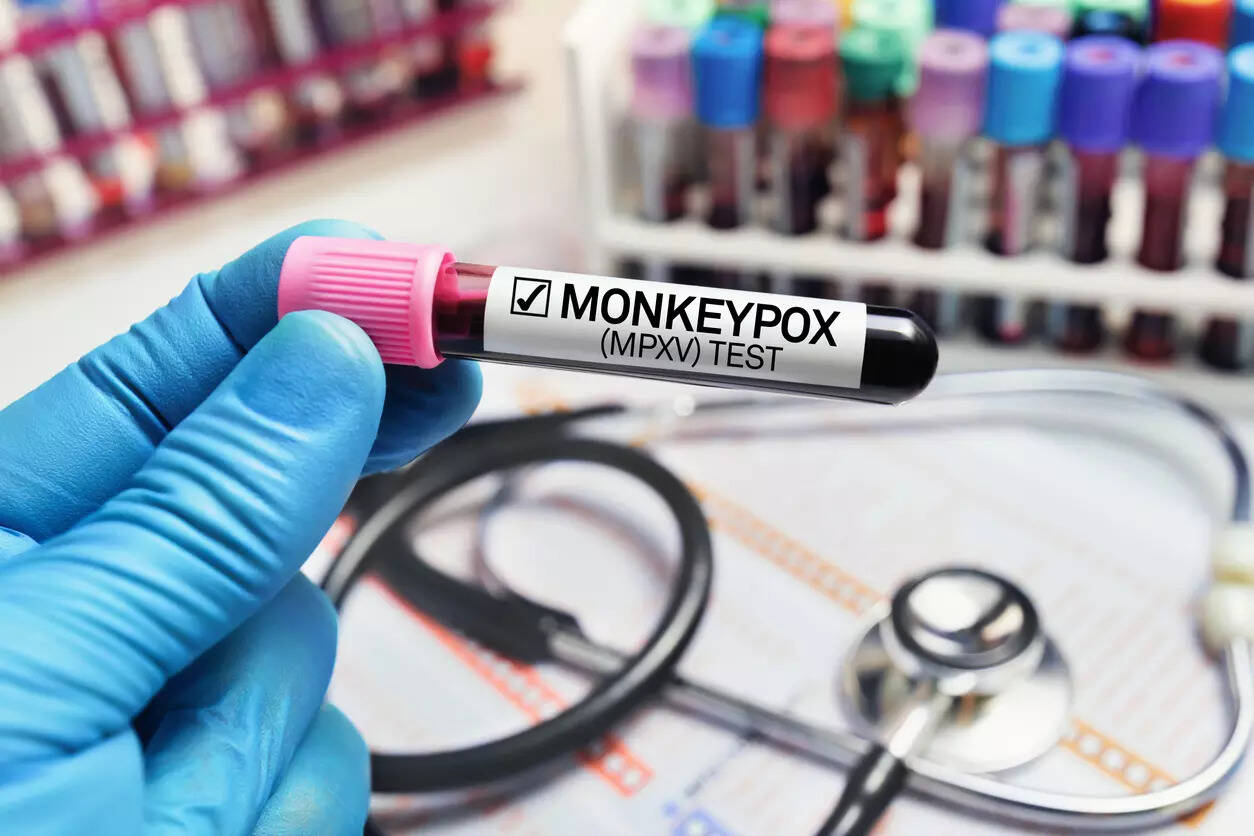
WHO Declares End to Mpox Global Health Emergency
What’s the News?
- The World Health Organization (WHO) has lifted the Public Health Emergency of International Concern (PHEIC) status for Mpox, acknowledging sustained declines in case numbers across key African countries.
- Director-General Tedros Adhanom Ghebreyesus accepted recommendations from the WHO’s Emergency Committee, which meets quarterly to assess such threats.
- He emphasized that lifting the emergency does not mark the end of the threat, nor does it signal a halt to public health responses.
Mpox Outbreak and Response
- Background:
- The outbreak, caused by a new form of clade Ib virus, emerged in early 2024 in the DRC and spread to neighboring African countries via close contact, including sexual transmission.
- It led to over 14,000 cases in Africa in 2025, with high mortality among vulnerable groups like children, pregnant women, and immunocompromised individuals.
- Global Impact:
- Travel-related cases were reported in 16 countries outside Africa, including India (10 clade Ib cases between December 2024 and March 2025), the U.S., and the UK, but without widespread community transmission.
- India’s first clade Ib case was reported in September 2024 in a traveler from Kerala, prompting enhanced surveillance and contact tracing.
- Key Factors for Downgrade:
- Decline in cases due to improved testing, surveillance, and public awareness.
- Effective containment in non-endemic countries through rapid response measures.
Additional Info
- Mpox (Monkeypox):
- A viral zoonotic disease caused by the mpox virus, which belongs to the same family of viruses as smallpox.
- Symptoms include fever, headache, body aches, swollen lymph nodes, and a widespread rash on the face and body.
- It can spread from person to person through close contact with lesions, bodily fluids, respiratory droplets, or contaminated materials.
- The new form of the disease, Clade I mpox, has a higher fatality rate and has been the focus of the recent outbreak in Africa.
- Difference between PHEIC and a Pandemic:
- A PHEIC is a legal designation under the International Health Regulations (IHR), focused on the risk of international spread and the need for a coordinated response.
- A pandemic is a more general term for a global outbreak of a new disease to which people have little or no immunity, leading to sustained human-to-human transmission across a wide geographical area. A PHEIC can, but does not always, lead to a pandemic.
Sources
IEPFA Forms Panel to Simplify Low-Value Claim Procedures
What’s the News?
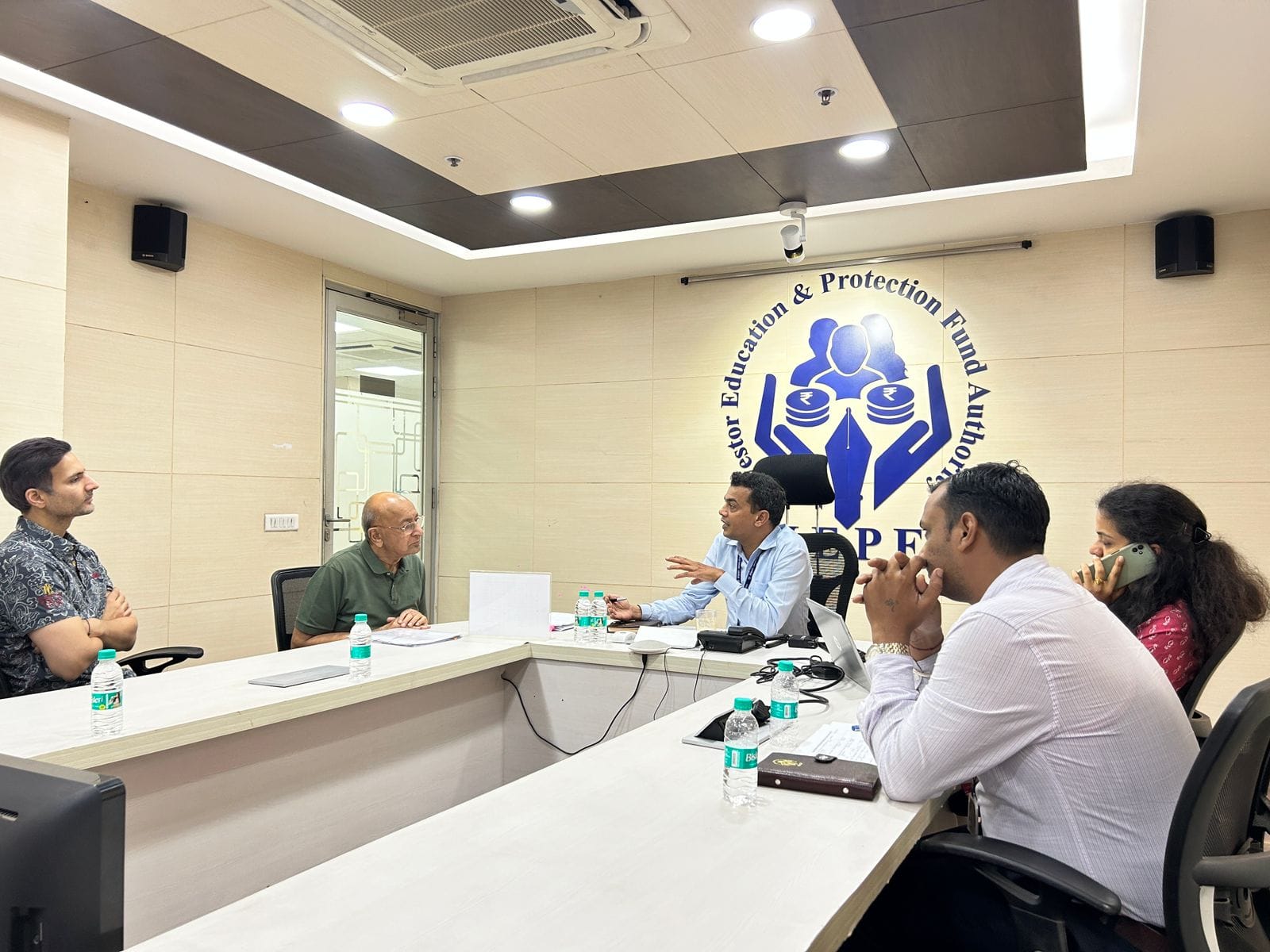
- A Committee set up by the Investor Education and Protection Fund Authority (IEPFA) under the Ministry of Corporate Affairs (MCA) has submitted recommendations to simplify the documentation process for low-value claims, aimed at faster settlement and improved transparency.
- The simplified procedure would reduce paperwork and expedite refunds without compromising regulatory objectives.
Scope of Recommendations
- Applicability thresholds proposed:
- Physical securities up to ₹5 lakh
- Dematerialized securities up to ₹15 lakh
- Dividends up to ₹10,000
- Committee membership includes representatives from:
- MCA, IEPFA, SEBI
- Professional bodies: ICAI, ICMAI, ICSI
- Industry bodies: FICCI, CII, PHDCCI, RAIN
Rationale & Significance
- Small investors often face procedural hurdles when claiming unclaimed shares, dividends, or matured deposits. The move aims to:
- Shorten processing timelines
- Reduce documentation burden
- Enhance procedural transparency
- Improve investor accessibility and trust
- The reforms align with broader investor-friendly governance and financial inclusion efforts.
Additional Info
- Investor Education and Protection Fund (IEPF):
- Established under Section 125 of the Companies Act, 2013.
- The fund collects all unclaimed or unpaid amounts from companies that have been lying dormant for seven consecutive years. These include:
- Unclaimed dividends
- Matured deposits and debentures
- Unclaimed application money for shares
- Sale proceeds of fractional shares
- The fund is used for a variety of purposes, including investor awareness programs and the protection of investor interests.
- IEPFA (Investor Education and Protection Fund Authority):
- Established by the Central Government to administer the IEPF.
- Its key functions include:
- Managing the IEPF fund.
- Making refunds of shares and unclaimed amounts to eligible investors.
- Promoting investor education, awareness, and protection.
- The IEPFA is also launching an Integrated Portal to further streamline the claim process and grievance redressal system.
- Background: The transfer of unclaimed assets to the IEPF is a mandatory legal requirement under the Companies Act. The current reforms are part of a broader government effort to enhance investor protection and foster a more secure and transparent financial ecosystem.
Sources
India’s First Port-Based Green Hydrogen Pilot Project Unveiled at VOC Port
What’s the News?
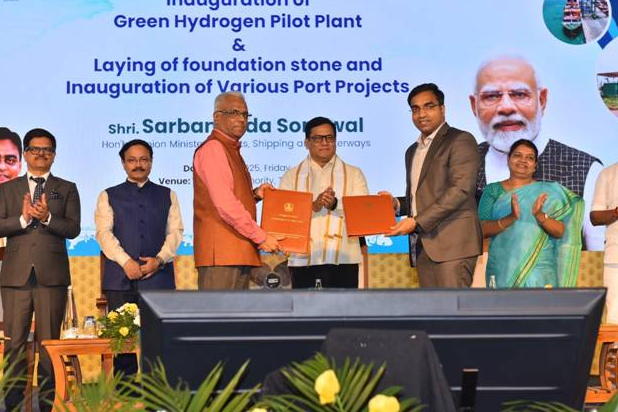
- A pilot facility producing green hydrogen was commissioned at V.O. Chidambaranar (VOC) Port, marking India’s first port-based green hydrogen production. The project supports streetlights and EV charging within the Port Colony, affirming a clean energy shift in maritime infrastructure.
Green Hydrogen Pilot Project
- Capacity & Cost: 10 Nm³/hour, developed at an estimated ₹3.87 crore.
- Powered by renewable energy, the hydrogen produced will supply street lighting and an electric vehicle charging station within the port colony.
- The project aligns with India’s broader clean energy transition and the development of the Kandla–Tuticorin Coastal Green Shipping Corridor, forming a component of both Sagarmala and Viksit Bharat 2047 initiatives.
Additional Infrastructure Roll-out
- Other Facilities Launched:
- Green methanol bunkering facility: 750 m³ at ₹35.34 crore
- 400 kW rooftop solar plant: Raised port's total rooftop solar to 1.04 MW—highest among Indian ports
- Link conveyor (Coal Jetty-I to stack yard): ₹24.5 crore
- 6 MW wind farm (foundation laid): ₹59.2 crore
- Multi-cargo berth (10 million tonnes capacity): ₹90 crore
- 4-lane road (3.37 km): ₹34.77 crore
- Tamil Nadu Maritime Heritage Museum: ₹3 crore
- MoUs Signed:
- With IPRCL for outer harbour rail connectivity
- With NTPC for green mobility solutions at the port
Additional Info
- National Green Hydrogen Mission:
- Approved by the Union Cabinet in 2023 with an initial outlay of ₹19,744 crore.
- Overarching Objective: To make India a global hub for the production, usage, and export of green hydrogen and its derivatives.
- Key Targets (by 2030):
- Develop a green hydrogen production capacity of at least 5 million metric tonnes (MMT) per annum.
- Attract over ₹8 lakh crore in investments.
- Create more than 6 lakh jobs.
- Reduce fossil fuel imports by over ₹1 lakh crore.
- Avert nearly 50 MMT of annual greenhouse gas emissions.
- V.O. Chidambaranar Port:
- Located in Tuticorin, Tamil Nadu, on the southeastern coast of India.
- It is one of India's 13 major ports and the second-largest port in Tamil Nadu.
- The port is strategically located close to the East-West International sea route and is well-protected from storms, making it a crucial hub for economic activity in southern India.
- It was declared a major port on July 11, 1974, and was renamed in 2011 to honor the freedom fighter V.O. Chidambaram Pillai, who pioneered the Swadeshi shipping movement.
Sources
UPI Transaction Limits Increased for High-Value Payments

What’s the News?
- The National Payments Corporation of India (NPCI) has significantly increased the transaction limits for Unified Payments Interface (UPI) for several high-value categories, effective from September 15, 2025.
- While the standard daily limit for person-to-person (P2P) transfers remains ₹1 lakh, the new per-transaction limit for specific merchant payments has been raised to ₹5 lakh.
- This change, in response to growing market demand, is a key step in expanding UPI's role from a platform for small-value transfers to one that can handle larger financial transactions with verified merchants.
New Transaction Limits
The enhanced limits apply only to Person-to-Merchant (P2M) payments for specific categories of transactions, with cumulative 24-hour caps varying by category.
- Per-Transaction Limit of ₹5 Lakh:
- Capital Markets (e.g., investments)
- Insurance payments
- Government e-Marketplace (GeM) and tax payments
- Travel bookings
- Collections (e.g., loan EMIs, B2B payments)
- Credit Card bill payments (with a ₹6 lakh cumulative 24-hour limit)
- Term deposits made via digital accounts
- FX-Retail use cases via the Bharat Bill Payment System (BBPS)
- Per-Transaction Limit of ₹2 Lakh:
- Jewellery purchases
- Initial funding of new digital accounts
Additional Info
- National Payments Corporation of India (NPCI):
- An umbrella organization for operating retail payments and settlement systems in India.
- It is an initiative of the Reserve Bank of India (RBI) and the Indian Banks' Association (IBA) under the provisions of the Payment and Settlement Systems Act, 2007.
- NPCI's mission is to provide an infrastructure to the entire banking system in India for physical as well as electronic payment and settlement systems.
- Other key products developed by NPCI include IMPS, RuPay, and BHIM.
- Unified Payments Interface (UPI):
- A system that powers multiple bank accounts into a single mobile application, merging several banking features, seamless fund routing, and merchant payments into one hood.
- Launched in 2016, it is a single-window mobile payment system that allows users to send and receive money instantly without entering bank details, using a unique virtual payment address (VPA) or mobile number.
- Benefits of Increased Limits:
- Convenience: Allows users to make large payments for things like insurance premiums or investments in a single, secure transaction, reducing the hassle of multiple transfers.
- Security: The increased limits are applicable only to verified merchants, which adds a layer of security and builds trust in the ecosystem for high-value transactions.
- Economic Efficiency: This move will further digitize India's financial ecosystem, bringing more high-value transactions under a secure and real-time framework.
Sources
Nepal Blocks Major Social Media Platforms Citing Non-Compliance

What’s the News?
- The Government of Nepal has blocked access to 26 major social media platforms—including Facebook, Instagram, WhatsApp, YouTube, X (formerly Twitter), and LinkedIn—for failing to register with the Ministry of Communications and Information Technology, as mandated by a Supreme Court directive.
- Platforms that complied—TikTok, Viber, WeTalk, Nimbuzz, and Poppo Live—remain operational.
- The government cited non-compliance with requirements such as establishing a local liaison office, a grievance redressal mechanism, and self-regulation frameworks.
- Critics warn the move may undermine freedom of expression, while authorities frame it as necessary to curb misinformation, cybercrime, and protect social harmony.
Justice Directive & Regulatory Trigger
- The action follows a Supreme Court order (Case No. 080-8-0012) requiring online platforms to register and comply with Nepal’s Directive on Regulating the Use of Social Media, 2080.
- The directive demands that platforms:
- Register with the Ministry
- Appoint a local contact/compliance officer
- Set up a mechanism for grievance redressal
- Platforms refusing compliance were instructed to be deactivated immediately by the Nepal Telecommunications Authority (NTA).
Additional Info
- Legal Framework in Nepal: The ban was enforced under the 'Directive on Regulating the Use of Social Media, 2080'. This directive mandates that social media companies must register, open a liaison office, and establish a local grievance redressal mechanism.
- Comparison with India's Regulatory Framework:
- Information Technology Act, 2000: India's primary law governing digital and electronic commerce. It provides the legal framework for electronic governance and recognizes electronic records and digital signatures.
- IT (Intermediary Guidelines and Digital Media Ethics Code) Rules, 2021: These rules, formulated under the IT Act, 2000, place greater due diligence obligations on social media intermediaries. Key provisions include:
- Grievance Redressal: Requiring companies to appoint a Chief Compliance Officer, a Nodal Contact Person, and a Resident Grievance Officer.
- Content Takedown: Mandating the removal of specific content within 36 hours of a court order or government directive.
- Traceability: For "significant social media intermediaries," the rules require the identification of the "first originator" of a message, a highly debated provision.
- Upcoming Digital India Act, 2023: This proposed law is set to replace the IT Act, 2000. It aims to modernize India's digital governance framework to address new-age challenges, including data privacy, cybersecurity, and the regulation of emerging technologies.
- Constitutional Aspect:
- Article 19(1)(a) of the Indian Constitution guarantees the Right to Freedom of Speech and Expression. However, Article 19(2) allows for reasonable restrictions on this right in the interest of public order, decency, morality, and other grounds.
- Similarly, Nepal’s Constitution, Article 17(2)(a), guarantees freedom of opinion and expression but also allows for similar restrictions.
Sources
September 2025
30 September 202529 September 202527 September 202526 September 202525 September 202524 September 202523 September 202522 September 202520 September 202519 September 202518 September 202517 September 202516 September 202515 September 202513 September 202512 September 202511 September 202510 September 202509 September 202508 September 202506 September 202505 September 202504 September 202503 September 202502 September 202501 September 2025
Archive
November 2026
- 28 November 2026
- 27 November 2026
- 26 November 2026
- 25 November 2026
- 24 November 2026
- 23 November 2026
- 21 November 2026
- 20 November 2026
- 19 November 2026
- 18 November 2026
- 17 November 2026
- 16 November 2026
- 14 November 2026
- 13 November 2026
- 12 November 2026
- 11 November 2026
- 10 November 2026
- 09 November 2026
- 06 November 2026
- 05 November 2026
- 04 November 2026
- 03 November 2026
- 02 November 2026
October 2026
- 31 October 2026
- 30 October 2026
- 29 October 2026
- 28 October 2026
- 27 October 2026
- 26 October 2026
- 24 October 2026
- 23 October 2026
- 22 October 2026
- 21 October 2026
- 20 October 2026
- 19 October 2026
- 17 October 2026
- 16 October 2026
- 15 October 2026
- 14 October 2026
- 13 October 2026
- 12 October 2026
- 10 October 2026
- 09 October 2026
- 08 October 2026
- 07 October 2026
- 06 October 2026
- 05 October 2026
- 03 October 2026
- 02 October 2026
- 01 October 2026
September 2026
- 30 September 2026
- 29 September 2026
- 28 September 2026
- 26 September 2026
- 25 September 2026
- 24 September 2026
- 23 September 2026
- 22 September 2026
- 21 September 2026
- 19 September 2026
- 18 September 2026
- 17 September 2026
- 16 September 2026
- 15 September 2026
- 12 September 2026
- 11 September 2026
- 10 September 2026
- 09 September 2026
- 08 September 2026
- 07 September 2026
- 05 September 2026
- 04 September 2026
- 03 September 2026
- 02 September 2026
- 01 September 2026
August 2026
- 31 August 2026
- 29 August 2026
- 27 August 2026
- 26 August 2026
- 25 August 2026
- 24 August 2026
- 22 August 2026
- 21 August 2026
- 20 August 2026
- 19 August 2026
- 18 August 2026
- 17 August 2026
- 14 August 2026
- 13 August 2026
- 12 August 2026
- 11 August 2026
- 10 August 2026
- 08 August 2026
- 07 August 2026
- 06 August 2026
- 05 August 2026
- 04 August 2026
- 03 August 2026
- 01 August 2026
July 2026
- 31 July 2026
- 30 July 2026
- 29 July 2026
- 28 July 2026
- 27 July 2026
- 25 July 2026
- 23 July 2026
- 22 July 2026
- 21 July 2026
- 20 July 2026
- 18 July 2026
- 17 July 2026
- 15 July 2026
- 14 July 2026
- 13 July 2026
- 11 July 2026
- 10 July 2026
- 09 July 2026
- 08 July 2026
- 07 July 2026
- 06 July 2026
- 04 July 2026
- 03 July 2026
- 02 July 2026
- 01 July 2026
June 2026
May 2026
April 2026
March 2026
- 31 March 2026
- 30 March 2026
- 28 March 2026
- 27 March 2026
- 26 March 2026
- 25 March 2026
- 24 March 2026
- 23 March 2026
- 21 March 2026
- 20 March 2026
- 19 March 2026
- 18 March 2026
- 17 March 2026
- 16 March 2026
- 14 March 2026
- 13 March 2026
- 12 March 2026
- 11 March 2026
- 10 March 2026
- 09 March 2026
- 07 March 2026
- 06 March 2026
- 05 March 2026
- 03 March 2026
- 02 March 2026
February 2026
- 28 February 2026
- 27 February 2026
- 26 February 2026
- 25 February 2026
- 24 February 2026
- 23 February 2026
- 21 February 2026
- 20 February 2026
- 19 February 2026
- 18 February 2026
- 17 February 2026
- 16 February 2026
- 13 February 2026
- 12 February 2026
- 11 February 2026
- 10 February 2026
- 09 February 2026
- 07 February 2026
- 06 February 2026
- 05 February 2026
- 04 February 2026
- 03 February 2026
- 02 February 2026
January 2026
- 31 January 2026
- 30 January 2026
- 29 January 2026
- 28 January 2026
- 27 January 2026
- 26 January 2026
- 24 January 2026
- 23 January 2026
- 22 January 2026
- 21 January 2026
- 20 January 2026
- 19 January 2026
- 16 January 2026
- 15 January 2026
- 14 January 2026
- 13 January 2026
- 12 January 2026
- 10 January 2026
- 09 January 2026
- 08 January 2026
- 07 January 2026
- 06 January 2026
- 05 January 2026
- 03 January 2026
- 02 January 2026
- 01 January 2026
December 2025
- 31 December 2025
- 30 December 2025
- 29 December 2025
- 27 December 2025
- 26 December 2025
- 24 December 2025
- 23 December 2025
- 22 December 2025
- 20 December 2025
- 19 December 2025
- 18 December 2025
- 17 December 2025
- 16 December 2025
- 15 December 2025
- 13 December 2025
- 12 December 2025
- 11 December 2025
- 10 December 2025
- 09 December 2025
- 08 December 2025
- 05 December 2025
- 04 December 2025
- 03 December 2025
- 02 December 2025
November 2025
- 29 November 2025
- 28 November 2025
- 27 November 2025
- 26 November 2025
- 25 November 2025
- 24 November 2025
- 22 November 2025
- 21 November 2025
- 20 November 2025
- 19 November 2025
- 18 November 2025
- 17 November 2025
- 15 November 2025
- 14 November 2025
- 13 November 2025
- 12 November 2025
- 11 November 2025
- 10 November 2025
- 08 November 2025
- 07 November 2025
- 06 November 2025
- 05 November 2025
- 04 November 2025
- 03 November 2025
- 01 November 2025
October 2025
- 31 October 2025
- 30 October 2025
- 29 October 2025
- 28 October 2025
- 27 October 2025
- 25 October 2025
- 24 October 2025
- 23 October 2025
- 22 October 2025
- 21 October 2025
- 20 October 2025
- 18 October 2025
- 17 October 2025
- 16 October 2025
- 15 October 2025
- 14 October 2025
- 13 October 2025
- 11 October 2025
- 10 October 2025
- 09 October 2025
- 08 October 2025
- 07 October 2025
- 06 October 2025
- 04 October 2025
- 03 October 2025
- 02 October 2025
- 01 October 2025
September 2025
- 30 September 2025
- 29 September 2025
- 27 September 2025
- 26 September 2025
- 25 September 2025
- 24 September 2025
- 23 September 2025
- 22 September 2025
- 20 September 2025
- 19 September 2025
- 18 September 2025
- 17 September 2025
- 16 September 2025
- 15 September 2025
- 13 September 2025
- 12 September 2025
- 11 September 2025
- 10 September 2025
- 09 September 2025
- 08 September 2025
- 06 September 2025
- 05 September 2025
- 04 September 2025
- 03 September 2025
- 02 September 2025
- 01 September 2025
August 2025
- 30 August 2025
- 29 August 2025
- 28 August 2025
- 27 August 2025
- 26 August 2025
- 25 August 2025
- 23 August 2025
- 22 August 2025
- 21 August 2025
- 20 August 2025
- 19 August 2025
- 18 August 2025
- 16 August 2025
- 14 August 2025
- 13 August 2025
- 12 August 2025
- 11 August 2025
- 08 August 2025
- 07 August 2025
- 06 August 2025
- 05 August 2025
- 04 August 2025
- 02 August 2025
- 01 August 2025
July 2025
- 31 July 2025
- 30 July 2025
- 29 July 2025
- 28 July 2025
- 26 July 2025
- 25 July 2025
- 24 July 2025
- 23 July 2025
- 22 July 2025
- 21 July 2025
- 19 July 2025
- 18 July 2025
- 17 July 2025
- 16 July 2025
- 15 July 2025
- 12 July 2025
- 11 July 2025
- 10 July 2025
- 09 July 2025
- 07 July 2025
- 05 July 2025
- 04 July 2025
- 03 July 2025
- 02 July 2025
- 01 July 2025
June 2025
- 30 June 2025
- 28 June 2025
- 27 June 2025
- 26 June 2025
- 25 June 2025
- 24 June 2025
- 23 June 2025
- 21 June 2025
- 20 June 2025
- 19 June 2025
- 18 June 2025
- 17 June 2025
- 16 June 2025
- 14 June 2025
- 13 June 2025
- 12 June 2025
- 11 June 2025
- 10 June 2025
- 09 June 2025
- 07 June 2025
- 06 June 2025
- 05 June 2025
- 04 June 2025
- 03 June 2025
- 02 June 2025
May 2025
April 2025
- 30 April 2025
- 29 April 2025
- 28 April 2025
- 26 April 2025
- 25 April 2025
- 24 April 2025
- 23 April 2025
- 22 April 2025
- 21 April 2025
- 19 April 2025
- 18 April 2025
- 17 April 2025
- 16 April 2025
- 15 April 2025
- 14 April 2025
- 12 April 2025
- 11 April 2025
- 10 April 2025
- 09 April 2025
- 08 April 2025
- 07 April 2025
- 05 April 2025
- 04 April 2025
- 03 April 2025
- 02 April 2025
- 01 April 2025
March 2025
- 31 March 2025
- 29 March 2025
- 28 March 2025
- 27 March 2025
- 26 March 2025
- 25 March 2025
- 24 March 2025
- 22 March 2025
- 21 March 2025
- 20 March 2025
- 19 March 2025
- 18 March 2025
- 17 March 2025
- 15 March 2025
- 13 March 2025
- 12 March 2025
- 11 March 2025
- 10 March 2025
- 08 March 2025
- 07 March 2025
- 06 March 2025
- 05 March 2025
- 04 March 2025
- 03 March 2025
- 01 March 2025
February 2025
- 28 February 2025
- 27 February 2025
- 26 February 2025
- 25 February 2025
- 24 February 2025
- 22 February 2025
- 21 February 2025
- 20 February 2025
- 19 February 2025
- 18 February 2025
- 17 February 2025
- 15 February 2025
- 14 February 2025
- 13 February 2025
- 12 February 2025
- 11 February 2025
- 10 February 2025
- 08 February 2025
- 07 February 2025
- 06 February 2025
- 05 February 2025
- 04 February 2025
- 03 February 2025
- 01 February 2025
January 2025
- 31 January 2025
- 30 January 2025
- 29 January 2025
- 28 January 2025
- 27 January 2025
- 25 January 2025
- 24 January 2025
- 23 January 2025
- 22 January 2025
- 21 January 2025
- 20 January 2025
- 18 January 2025
- 17 January 2025
- 16 January 2025
- 15 January 2025
- 14 January 2025
- 13 January 2025
- 11 January 2025
- 10 January 2025
- 09 January 2025
- 08 January 2025
- 07 January 2025
- 06 January 2025
- 04 January 2025
- 03 January 2025
- 02 January 2025
- 01 January 2025