
Current Affairs
Stay updated with the latest national and international events.
08 April 2026
International Election Visitors' Programme (IEVP) 2026
What's the News?
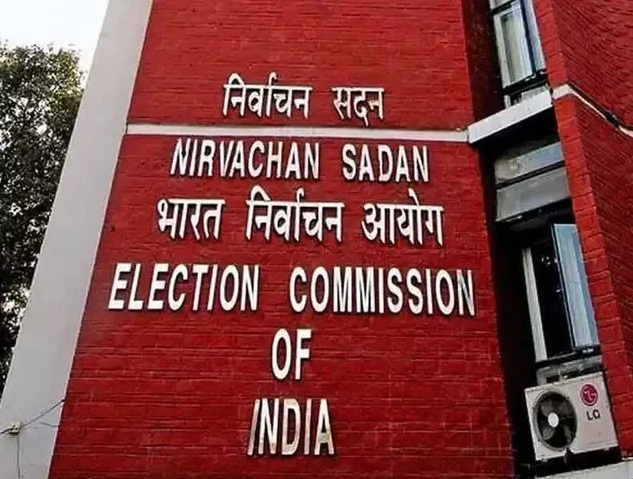
- The Election Commission of India (ECI) has commenced the International Election Visitors' Programme (IEVP), 2026, a flagship initiative to showcase India's electoral management to global delegates.
- Inaugurated by Chief Election Commissioner Gyanesh Kumar alongside Election Commissioners SS Sandhu and Vivek Joshi at the India International Institute for Democracy and Election Management (IIDEM), New Delhi.
- The programme involves 43 delegates from 23 countries, including representatives from five Foreign Missions in Delhi, who will observe the conduct of upcoming Legislative Assembly elections.
Programme Structure & Activities
- Two-Phase Field Deployment:
- Phase I: Delegates visit Assam, Kerala, and Puducherry to observe election logistics and polling.
- Phase II: Delegates visit West Bengal and Tamil Nadu for similar on-ground exposure.
- Operational Exposure:
- Technological Demonstration: Hands-on experience with Electronic Voting Machines (EVMs) and Voter Verifiable Paper Audit Trail (VVPAT) systems via mock polls.
- Administrative Visits: Inspection of dispatch centres, District Control Rooms, and Media Monitoring Centres to understand administrative safeguards.
- Stakeholder Interaction: Direct engagement with state-level Chief Electoral Officers (CEOs) and technical experts to discuss grassroots implementation.
Additional Info
- Constitutional & Institutional Framework:
- Article 324: Vests the superintendence, direction, and control of elections in the Election Commission of India.
- IIDEM: Established in 2013 as the ECI's training and research arm, focusing on capacity building for domestic and international election officials.
- Technological Interventions:
- EVM-VVPAT: Ensures verifiability and auditability of the voting process.
- cVIGIL App: A citizen-centric application for reporting Model Code of Conduct violations in real-time.
- SVEEP: Systematic Voters' Education and Electoral Participation programme aimed at enhancing informed voter turnout.
Sources
Concerns Over Groundwater Contamination in Eight Indian States
What’s the News?
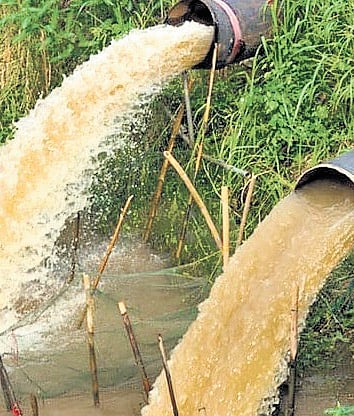
- The Parliamentary Standing Committee on Water Resources has raised serious concerns regarding the deteriorating quality of groundwater across India.
- A recent report highlights that 4,949 villages across eight states are currently affected by severe chemical contamination.
- The committee emphasized that excessive groundwater extraction has led to a sharp decline in water tables and the concentration of hazardous pollutants, necessitating urgent remedial measures under the Jal Jeevan Mission (JJM).
Groundwater Contamination in 8 States?
- Affected States: The identified states include Assam, Bihar, Kerala, Odisha, Punjab, Rajasthan, Tripura, and West Bengal.
- Regional Hotspots:
- Rajasthan: Reported to have the maximum number of affected districts, facing a dual crisis of depletion and toxicity.
- Punjab: Districts like Fazilka, Ferozepur, Moga, and Patiala are specifically flagged for high concentrations of heavy metals including Mercury, Uranium, Selenium, and Cadmium.
- Pollutant Trends: Monitoring over the past five years indicates an "alarming" increase in Electrical Conductivity (EC), Fluoride (F), and Nitrate (NO₃) levels across various partially affected districts.
Findings and Health Impacts?
- Heavy Metal Toxicity: Contamination is often location-specific, driven by local hydrogeological conditions and industrial pressures rather than uniform spread.
- Agricultural Linkages: High nitrate levels are primarily attributed to the leaching of nitrogen-based fertilizers and improper animal waste management in agrarian belts.
- Health Risks: Nitrates: Can lead to Methemoglobinemia (Blue Baby Syndrome) in infants.
- Uranium/Arsenic: Associated with increased risks of chronic kidney disease and various cancers.
- Fluoride: Prolonged consumption causes Skeletal and Dental Fluorosis.
- Water Table Depletion: The report links the rise in geogenic (natural) toxins like Arsenic and Fluoride to the over-extraction of water, which draws pollutants from deeper soil layers.
Government Initiatives and Remedial Measures?
- Habitation Recovery: Due to government interventions, Arsenic-affected habitations dropped from 14,020 (in 2019) to 314 (by Jan 2026), and Fluoride-affected habitations fell from 7,996 to 245.
- Jal Jeevan Mission (JJM): Focuses on providing functional household tap connections to ensure safe drinking water, bypassing contaminated local wells.
- Atal Bhujal Yojana (Atal Jal): A ₹6,000 crore scheme aimed at community-led sustainable groundwater management in water-stressed states.
- National Aquifer Mapping (NAQUIM): Managed by the Central Ground Water Board (CGWB) to characterize aquifers and assess water quality at the Panchayat level.
- Regulatory Action: The National Green Tribunal (NGT) and the Supreme Court have recently ordered crackdowns on illegal effluent discharge, particularly in Rajasthan’s industrial belts, invoking the "Polluter Pays Principle."
Sources
India Withdraws Candidature to Host COP33 Climate Summit in 2028
What's the News?
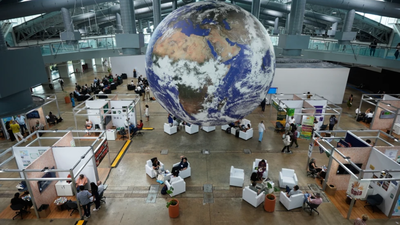
- India has formally withdrawn its bid to host the 33rd Conference of Parties (COP33) under the UNFCCC, scheduled for 2028.
- The decision was communicated via official letter to the chair of the UNFCCC Asia-Pacific Group, citing a "review of national commitments for 2028".
- The offer was originally announced by Prime Minister Narendra Modi at COP28 in Dubai, with preparatory structures like a dedicated high-level cell already established.
- Following the withdrawal, South Korea remains the only other declared contender from the Asia-Pacific region for hosting COP33.
Context: COP Hosting Mechanism & India's Preparations
- Rotational System: COP venues are decided by rotation among five UN regional groups; COP33 was allocated to the Asia-Pacific Group.
- Preparatory Steps Taken:
- Formation of an 11-member high-power coordination cell under the Ministry of Environment, Forest and Climate Change (MoEFCC).
- Endorsement from BRICS nations in a joint statement welcoming India's candidature.
- Initial logistical assessments for hosting ~75,000 delegates from nearly 200 countries over a two-week summit.
- Recent Hosting Timeline:
- COP30: Brazil | COP31: Türkiye | COP32: Ethiopia | COP33: Asia-Pacific (pending final decision).
India's Climate Commitments Remain Unchanged
- Updated Nationally Determined Contributions (NDCs) for 2031-2035:
- Reduce emissions intensity of GDP by 47% from 2005 levels.
- Achieve 60% cumulative installed electricity capacity from non-fossil fuel sources by 2035.
- Create an additional carbon sink of 3.5–4.0 billion tonnes of CO₂ equivalent through forest and tree cover.
- Long-term Goal: Achieve Net-Zero emissions by 2070, aligned with the Panchamrit strategy announced at COP26.
- Policy Continuity: Withdrawal from hosting does not alter India's participation in global climate negotiations or domestic implementation of Paris Agreement commitments.
Additional Info
- Institutional & Legal Framework:
- UNFCCC & Paris Agreement: India is a signatory; NDCs are submitted under Article 4 of the Paris Agreement.
- MoEFCC: Nodal ministry for climate policy, coordinating with NITI Aayog and sectoral ministries.
- COP History: India last hosted a climate COP in 2002 (COP8, New Delhi); has consistently advocated for Common But Differentiated Responsibilities (CBDR).
- Climate Initiatives Supporting NDCs:
- National Solar Mission: Target of 280 GW solar capacity by 2030.
- National Green Hydrogen Mission: Aims to make India a global hub for production and export.
- LiFE Mission (Lifestyle for Environment): Promotes sustainable consumption patterns globally.
- CAMPA Fund: Compensatory Afforestation Fund for enhancing forest cover and carbon sinks.
- Strategic Considerations (Exam Perspective):
- Diplomatic Balance: Withdrawal may reflect prioritisation of other multilateral engagements (e.g., G20, Quad) in 2028.
- Resource Allocation: Hosting COP requires significant logistical, financial, and administrative resources; decision may align with domestic electoral and policy cycles.
- Global South Leadership: India continues to champion climate finance and technology transfer for developing nations through forums like G77+China and International Solar Alliance.
Sources:
Centre Notifies Two Repositories Under Biological Diversity Act

What’s the News?
- The Ministry of Environment, Forest and Climate Change (MoEFCC), in consultation with the National Biodiversity Authority (NBA), has designated two premier scientific institutions as National Repositories.
- The Referral Centre Bhavasagara at CMLRE, Kochi, and the MACS Collection of Microorganisms and National Fungal Culture Collection at ARI, Pune, have been notified under the Biological Diversity Act, 2002.
- This move expands the national network of repositories to 20, aimed at strengthening the scientific conservation, documentation, and safe custody of India's biological resources.
The New National Repositories?
- Referral Centre Bhavasagara (CMLRE, Kochi):
- It is a unique national facility dedicated specifically to deep-sea biodiversity.
- The centre maintains over 3,500 taxonomically identified and geo-referenced voucher specimens.
- Its collection includes a wide range of marine organisms, such as deep-sea fishes and invertebrates, representing unexplored ocean ecosystems.
- Agharkar Research Institute (ARI, Pune):
- MACS Collection of Microorganisms: Specializes in preserving microbial cultures, with expertise in rare, anaerobic, and extremophilic species (organisms that thrive in extreme conditions).
- National Fungal Culture Collection of India (NFCCI): A leading repository for authenticated fungal cultures collected from diverse habitats across the country.
- These facilities support high-end research in agriculture, healthcare, and industrial biotechnology.
Role and Mandate of Repositories?
- Safe Custody: They are entrusted with the long-term preservation of voucher specimens—the physical evidence that verifies the existence and identity of a species.
- Mandatory Deposit: Under the law, any person discovering a new taxon (species) is required to notify a designated repository and deposit the corresponding specimens.
- Access and Benefit Sharing (ABS): The repositories support the ABS mechanism by improving the traceability of biological resources used in commercial or research applications.
- Scientific Documentation: They facilitate the creation of a systematic database for biodiversity, aiding in the prevention of biopiracy and unauthorized international patents.
Additional Info
- Statutory Framework:
- Section 39 of the Biological Diversity Act, 2002: Empowers the Central Government to designate institutions as repositories for different categories of biological resources.
- National Biodiversity Authority (NBA): A statutory body headquartered in Chennai, established in 2003 to implement the Act.
- Three-Tier Institutional Structure:
- National Level: National Biodiversity Authority (NBA).
- State Level: State Biodiversity Boards (SBBs).
- Local Level: Biodiversity Management Committees (BMCs) responsible for preparing People’s Biodiversity Registers (PBRs).
Sources
April 2026
Archive
November 2026
- 27 November 2026
- 26 November 2026
- 25 November 2026
- 24 November 2026
- 23 November 2026
- 21 November 2026
- 20 November 2026
- 19 November 2026
- 18 November 2026
- 17 November 2026
- 16 November 2026
- 14 November 2026
- 13 November 2026
- 12 November 2026
- 11 November 2026
- 10 November 2026
- 09 November 2026
- 06 November 2026
- 05 November 2026
- 04 November 2026
- 03 November 2026
- 02 November 2026
October 2026
- 31 October 2026
- 30 October 2026
- 29 October 2026
- 28 October 2026
- 27 October 2026
- 26 October 2026
- 24 October 2026
- 23 October 2026
- 22 October 2026
- 21 October 2026
- 20 October 2026
- 19 October 2026
- 17 October 2026
- 16 October 2026
- 15 October 2026
- 14 October 2026
- 13 October 2026
- 12 October 2026
- 10 October 2026
- 09 October 2026
- 08 October 2026
- 07 October 2026
- 06 October 2026
- 05 October 2026
- 03 October 2026
- 02 October 2026
- 01 October 2026
September 2026
- 30 September 2026
- 29 September 2026
- 28 September 2026
- 26 September 2026
- 25 September 2026
- 24 September 2026
- 23 September 2026
- 22 September 2026
- 21 September 2026
- 19 September 2026
- 18 September 2026
- 17 September 2026
- 16 September 2026
- 15 September 2026
- 12 September 2026
- 11 September 2026
- 10 September 2026
- 09 September 2026
- 08 September 2026
- 07 September 2026
- 05 September 2026
- 04 September 2026
- 03 September 2026
- 02 September 2026
- 01 September 2026
August 2026
- 31 August 2026
- 29 August 2026
- 27 August 2026
- 26 August 2026
- 25 August 2026
- 24 August 2026
- 22 August 2026
- 21 August 2026
- 20 August 2026
- 19 August 2026
- 18 August 2026
- 17 August 2026
- 14 August 2026
- 13 August 2026
- 12 August 2026
- 11 August 2026
- 10 August 2026
- 08 August 2026
- 07 August 2026
- 06 August 2026
- 05 August 2026
- 04 August 2026
- 03 August 2026
- 01 August 2026
July 2026
- 31 July 2026
- 30 July 2026
- 29 July 2026
- 28 July 2026
- 27 July 2026
- 25 July 2026
- 23 July 2026
- 22 July 2026
- 21 July 2026
- 20 July 2026
- 18 July 2026
- 17 July 2026
- 15 July 2026
- 14 July 2026
- 13 July 2026
- 11 July 2026
- 10 July 2026
- 09 July 2026
- 08 July 2026
- 07 July 2026
- 06 July 2026
- 04 July 2026
- 03 July 2026
- 02 July 2026
- 01 July 2026
June 2026
May 2026
April 2026
March 2026
- 31 March 2026
- 30 March 2026
- 28 March 2026
- 27 March 2026
- 26 March 2026
- 25 March 2026
- 24 March 2026
- 23 March 2026
- 21 March 2026
- 20 March 2026
- 19 March 2026
- 18 March 2026
- 17 March 2026
- 16 March 2026
- 14 March 2026
- 13 March 2026
- 12 March 2026
- 11 March 2026
- 10 March 2026
- 09 March 2026
- 07 March 2026
- 06 March 2026
- 05 March 2026
- 03 March 2026
- 02 March 2026
February 2026
- 28 February 2026
- 27 February 2026
- 26 February 2026
- 25 February 2026
- 24 February 2026
- 23 February 2026
- 21 February 2026
- 20 February 2026
- 19 February 2026
- 18 February 2026
- 17 February 2026
- 16 February 2026
- 13 February 2026
- 12 February 2026
- 11 February 2026
- 10 February 2026
- 09 February 2026
- 07 February 2026
- 06 February 2026
- 05 February 2026
- 04 February 2026
- 03 February 2026
- 02 February 2026
January 2026
- 31 January 2026
- 30 January 2026
- 29 January 2026
- 28 January 2026
- 27 January 2026
- 26 January 2026
- 24 January 2026
- 23 January 2026
- 22 January 2026
- 21 January 2026
- 20 January 2026
- 19 January 2026
- 16 January 2026
- 15 January 2026
- 14 January 2026
- 13 January 2026
- 12 January 2026
- 10 January 2026
- 09 January 2026
- 08 January 2026
- 07 January 2026
- 06 January 2026
- 05 January 2026
- 03 January 2026
- 02 January 2026
- 01 January 2026
December 2025
- 31 December 2025
- 30 December 2025
- 29 December 2025
- 27 December 2025
- 26 December 2025
- 24 December 2025
- 23 December 2025
- 22 December 2025
- 20 December 2025
- 19 December 2025
- 18 December 2025
- 17 December 2025
- 16 December 2025
- 15 December 2025
- 13 December 2025
- 12 December 2025
- 11 December 2025
- 10 December 2025
- 09 December 2025
- 08 December 2025
- 05 December 2025
- 04 December 2025
- 03 December 2025
- 02 December 2025
November 2025
- 29 November 2025
- 28 November 2025
- 27 November 2025
- 26 November 2025
- 25 November 2025
- 24 November 2025
- 22 November 2025
- 21 November 2025
- 20 November 2025
- 19 November 2025
- 18 November 2025
- 17 November 2025
- 15 November 2025
- 14 November 2025
- 13 November 2025
- 12 November 2025
- 11 November 2025
- 10 November 2025
- 08 November 2025
- 07 November 2025
- 06 November 2025
- 05 November 2025
- 04 November 2025
- 03 November 2025
- 01 November 2025
October 2025
- 31 October 2025
- 30 October 2025
- 29 October 2025
- 28 October 2025
- 27 October 2025
- 25 October 2025
- 24 October 2025
- 23 October 2025
- 22 October 2025
- 21 October 2025
- 20 October 2025
- 18 October 2025
- 17 October 2025
- 16 October 2025
- 15 October 2025
- 14 October 2025
- 13 October 2025
- 11 October 2025
- 10 October 2025
- 09 October 2025
- 08 October 2025
- 07 October 2025
- 06 October 2025
- 04 October 2025
- 03 October 2025
- 02 October 2025
- 01 October 2025
September 2025
- 30 September 2025
- 29 September 2025
- 27 September 2025
- 26 September 2025
- 25 September 2025
- 24 September 2025
- 23 September 2025
- 22 September 2025
- 20 September 2025
- 19 September 2025
- 18 September 2025
- 17 September 2025
- 16 September 2025
- 15 September 2025
- 13 September 2025
- 12 September 2025
- 11 September 2025
- 10 September 2025
- 09 September 2025
- 08 September 2025
- 06 September 2025
- 05 September 2025
- 04 September 2025
- 03 September 2025
- 02 September 2025
- 01 September 2025
August 2025
- 30 August 2025
- 29 August 2025
- 28 August 2025
- 27 August 2025
- 26 August 2025
- 25 August 2025
- 23 August 2025
- 22 August 2025
- 21 August 2025
- 20 August 2025
- 19 August 2025
- 18 August 2025
- 16 August 2025
- 14 August 2025
- 13 August 2025
- 12 August 2025
- 11 August 2025
- 08 August 2025
- 07 August 2025
- 06 August 2025
- 05 August 2025
- 04 August 2025
- 02 August 2025
- 01 August 2025
July 2025
- 31 July 2025
- 30 July 2025
- 29 July 2025
- 28 July 2025
- 26 July 2025
- 25 July 2025
- 24 July 2025
- 23 July 2025
- 22 July 2025
- 21 July 2025
- 19 July 2025
- 18 July 2025
- 17 July 2025
- 16 July 2025
- 15 July 2025
- 12 July 2025
- 11 July 2025
- 10 July 2025
- 09 July 2025
- 07 July 2025
- 05 July 2025
- 04 July 2025
- 03 July 2025
- 02 July 2025
- 01 July 2025
June 2025
- 30 June 2025
- 28 June 2025
- 27 June 2025
- 26 June 2025
- 25 June 2025
- 24 June 2025
- 23 June 2025
- 21 June 2025
- 20 June 2025
- 19 June 2025
- 18 June 2025
- 17 June 2025
- 16 June 2025
- 14 June 2025
- 13 June 2025
- 12 June 2025
- 11 June 2025
- 10 June 2025
- 09 June 2025
- 07 June 2025
- 06 June 2025
- 05 June 2025
- 04 June 2025
- 03 June 2025
- 02 June 2025
May 2025
April 2025
- 30 April 2025
- 29 April 2025
- 28 April 2025
- 26 April 2025
- 25 April 2025
- 24 April 2025
- 23 April 2025
- 22 April 2025
- 21 April 2025
- 19 April 2025
- 18 April 2025
- 17 April 2025
- 16 April 2025
- 15 April 2025
- 14 April 2025
- 12 April 2025
- 11 April 2025
- 10 April 2025
- 09 April 2025
- 08 April 2025
- 07 April 2025
- 05 April 2025
- 04 April 2025
- 03 April 2025
- 02 April 2025
- 01 April 2025
March 2025
- 31 March 2025
- 29 March 2025
- 28 March 2025
- 27 March 2025
- 26 March 2025
- 25 March 2025
- 24 March 2025
- 22 March 2025
- 21 March 2025
- 20 March 2025
- 19 March 2025
- 18 March 2025
- 17 March 2025
- 15 March 2025
- 13 March 2025
- 12 March 2025
- 11 March 2025
- 10 March 2025
- 08 March 2025
- 07 March 2025
- 06 March 2025
- 05 March 2025
- 04 March 2025
- 03 March 2025
- 01 March 2025
February 2025
- 28 February 2025
- 27 February 2025
- 26 February 2025
- 25 February 2025
- 24 February 2025
- 22 February 2025
- 21 February 2025
- 20 February 2025
- 19 February 2025
- 18 February 2025
- 17 February 2025
- 15 February 2025
- 14 February 2025
- 13 February 2025
- 12 February 2025
- 11 February 2025
- 10 February 2025
- 08 February 2025
- 07 February 2025
- 06 February 2025
- 05 February 2025
- 04 February 2025
- 03 February 2025
- 01 February 2025
January 2025
- 31 January 2025
- 30 January 2025
- 29 January 2025
- 28 January 2025
- 27 January 2025
- 25 January 2025
- 24 January 2025
- 23 January 2025
- 22 January 2025
- 21 January 2025
- 20 January 2025
- 18 January 2025
- 17 January 2025
- 16 January 2025
- 15 January 2025
- 14 January 2025
- 13 January 2025
- 11 January 2025
- 10 January 2025
- 09 January 2025
- 08 January 2025
- 07 January 2025
- 06 January 2025
- 04 January 2025
- 03 January 2025
- 02 January 2025
- 01 January 2025