
Current Affairs
Stay updated with the latest national and international events.
09 January 2026
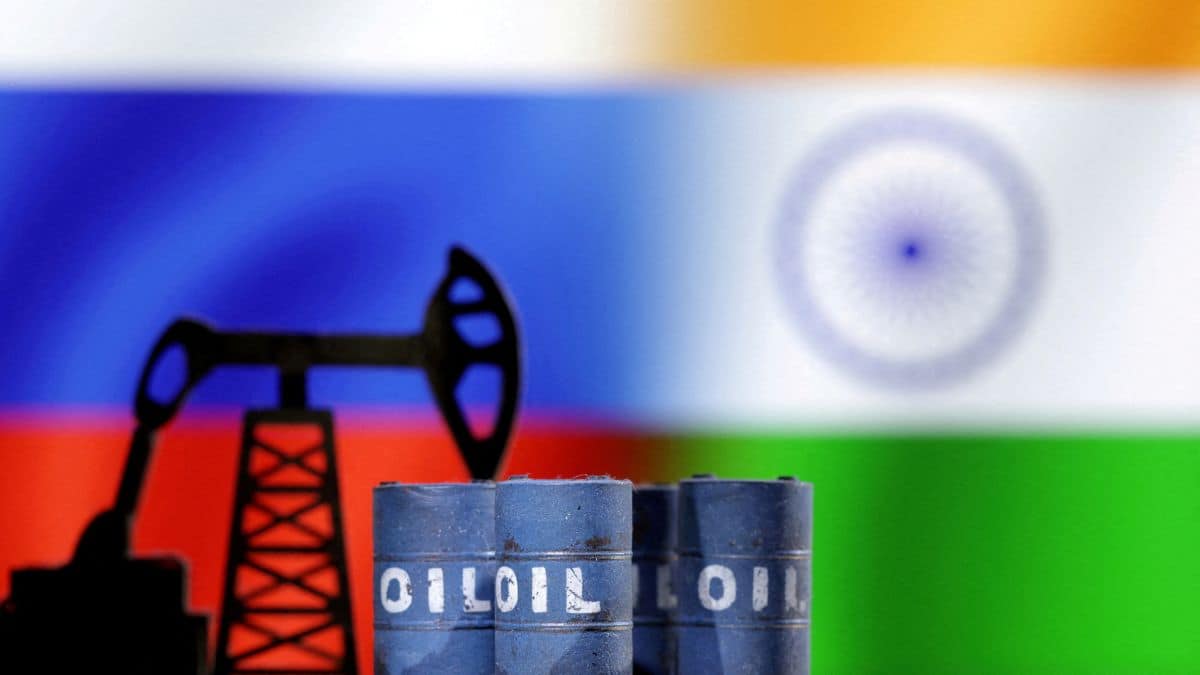
Trump Backs Bill Proposing 500% Tariffs on Nations Buying Russian Oil
What’s the News?
- US President Donald Trump has given his approval to the Sanctioning of Russia Act 2025, a bipartisan bill introduced by Senator Lindsey Graham.
- The legislation proposes imposing tariffs of up to 500% on goods and services from countries—specifically India, China, and Brazil—that continue to purchase Russian oil and energy products.
- The move aims to cut off financial lifelines to Russia amid the ongoing conflict in Ukraine, effectively pressurizing nations to stop funding "Putin's war machine."
The Sanctioning of Russia Act 2025
- Overview: The bill is designed to provide the US President with "tremendous leverage" to incentivize countries to halt Russian energy imports.
- Key Provisions:
- Mandates a 500% duty on all imports (goods and services) from nations that knowingly engage in the exchange of Russian-origin petroleum products or uranium.
- Includes a waiver clause allowing the President to suspend these tariffs for 180 days if deemed in the US national interest.
- Strategic Timing: The approval comes as Ukraine is reportedly making concessions for peace, while the US administration seeks to tighten economic screws on Russia to force a resolution.
Implications for India
- Trade and export shock: Exports worth approximately $120 billion—particularly in textiles, gems and jewellery, and engineering goods could face severe disruption; these sectors already endure 50% U.S. tariffs since mid-2025.
- Energy security dilemma: Reducing reliance on Russian oil may increase India’s annual import bill by $9–11 billion, prompting refiners like Reliance Industries to temporarily halt Russian cargoes.
- Geopolitical strain: Perceived asymmetry in enforcement with China, the largest buyer of Russian oil, facing minimal penalties raises concerns about fairness in the U.S.-led rules-based order.
- De-dollarisation push: Legal challenges to the tariff’s basis under the International Emergency Economic Powers Act (IEEPA) may accelerate adoption of non-dollar payment mechanisms with partners like Brazil and Russia.
Additional Info
- Diplomatic Friction:
- Alongside the tariff threat, the US has reportedly withdrawn from the International Solar Alliance (ISA), an initiative co-founded by India.
- The new US Ambassador to India, Sergio Gor, is expected to prioritize halting Indian imports of Russian oil upon taking charge.
- Global Context:
- Secondary Sanctions: These are penalties applied to third parties (like India) not directly involved in the conflict but doing business with the sanctioned entity (Russia).
- G7 Price Cap: Previously, the West tried to limit Russia's oil revenue via a price cap mechanism, which India navigated by buying oil below the cap or using non-western shipping insurance. The new bill signals a shift to direct punitive measures.
Sources
India to Host Global CEOs at "India AI Impact Summit 2026" in New Delhi
What’s the News?
- Prime Minister Narendra Modi will inaugurate the India AI Impact Summit 2026, scheduled to be held from February 19–20, 2026 at Bharat Mandapam, New Delhi.
- The summit will witness the gathering of over 100 global CEOs and tech leaders, including Sam Altman (OpenAI), Jensen Huang (Nvidia), and Satya Nadella (Microsoft), alongside heads of state from France, Brazil, and others.
- Organized by the IndiaAI Mission under the Ministry of Electronics and IT (MeitY), the event aims to position India as a leader in ethical AI governance and bridge the "Global AI Divide."
Summit Framework: Three Sutras & Seven Chakras
- Three Guiding Principles (“Sutras”):
- People: AI must serve human dignity and inclusivity across diverse populations.
- Planet: AI development must align with climate resilience and environmental sustainability.
- Progress: Benefits of AI must be equitably distributed to advance global development.
- Seven Thematic Pillars (“Chakras”):
- Human capital and future of work
- Inclusion for social empowerment
- Safe and trusted AI systems
- AI for scientific advancement
- Resilience, innovation, and efficiency
- Democratization of AI resources
- AI for economic development and social good.
Youth Engagement: YUVAi Initiative
- YUVAi (Youth for Unwavering AI) is a flagship programme targeting innovators aged 13–21.
- Features include:
- Global Youth Challenge: Solve real-world problems in elderly care, mental health, and sustainable agriculture using AI.
- 10-day virtual bootcamp: Training in Python, AI modelling, and design thinking.
- International Demo Day: Top 20 finalists present innovations to global leaders and investors.
- Prizes worth ₹85 lakh: Includes three top awards of ₹15 lakh each and mentorship for deployment.
Sources
District-Led Textiles Transformation (DLTT) Plan Launched to Create Global Export Hubs
What’s the News?
- The Ministry of Textiles has unveiled the District-Led Textiles Transformation (DLTT) initiative during the National Textile Ministers Conference held in Guwahati.
- This strategic plan aims to decentralize textile growth by transforming 100 high-potential districts into "Global Export Champions" and elevating 100 "Aspirational Districts" into self-reliant textile hubs.
- The initiative marks a shift from a broad sectoral approach to a focused, district-centric model tailored to local strengths, aiming to boost exports and formalize the workforce.
Key Pillars of the DLTT Plan
Data-Driven District Categorisation
- Districts were assessed and selected based on a rigorous data-driven scoring framework considering three key parameters:
- Export Performance
- MSME Ecosystem Strength
- Workforce Presence
- Based on this, districts are classified into two categories with distinct intervention strategies: Champion Districts and Aspirational Districts.
Two-Pronged Strategic Interventions
- Champion Districts (Focus: Scale & Sophistication):
- Targeted to resolve advanced bottlenecks to compete globally.
- Interventions include upgrading to Mega Common Facility Centres (CFCs), integrating Industry 4.0 technologies, and establishing direct export market linkages.
- Aspirational Districts (Focus: Foundation & Formalisation):
- Aimed at building the textile ecosystem from the ground up.
- Focuses on basic skilling and certification, setting up Raw Material Banks, and promoting micro-enterprises through Self-Help Groups (SHGs) and cooperatives.
Purvodaya Convergence
- A special emphasis is placed on the Eastern and North-Eastern regions ("Purvodaya" vision).
- Priorities include tribal belt development, improving connectivity, and securing Geographical Indication (GI) tags for unique cultural handicrafts to position them in premium global markets.
Sources
ISRO’s Dust Experiment (DEX) Confirms Frequent Cosmic Dust Impacts
What’s the News?
- The Indian Space Research Organisation (ISRO) has confirmed that an interplanetary dust particle (IDP) enters the Earth's atmosphere approximately every 16 minutes (or 1,000 seconds).
- This discovery is based on data from the Dust EXperiment (DEX), India's first indigenously developed instrument dedicated to detecting and measuring cosmic dust, which was launched aboard the POEM-3 platform of the XPoSat mission.
- The findings are critical for the safety of future crewed missions, such as Gaganyaan, and for protecting satellites from hypervelocity impacts.
Dust EXperiment (DEX)
- Developed by: Physical Research Laboratory (PRL), Ahmedabad, under ISRO.
- Mission platform: Flown on the PSLV Orbital Experimental Module (POEM) at 350 km altitude.
- Instrument specs:
- Mass: 3 kg
- Power consumption: 4.5 W
- Field of view: 140°
- Detection principle: Hypervelocity impact sensing (measures electrical signals from dust collisions).
- Operational period: January 1 – February 9, 2024.
The "DEX" Instrument Findings
- High Flux Rate: The experiment measured a dust flux rate of 6.5 × 10⁻³ particles m⁻² s⁻¹, indicating a constant bombardment of microscopic particles.
- Hypervelocity Impacts: The instrument successfully detected dust particles travelling at speeds greater than 4 km/s (hypervelocity), which release significant energy upon impact, often melting or vaporizing the particle.
- Successful Deployment: The sensor, developed by the Physical Research Laboratory (PRL), Ahmedabad, operated at an altitude of ~350 km with a 9.5° orbital inclination.
Additional Info
- POEM Platform (PSLV Orbital Experimental Module):
- ISRO innovatively uses the spent 4th stage (PS4) of the PSLV rocket as a stabilized orbital platform to conduct scientific experiments in space for a few months, rather than letting it become space debris immediately.
- Interplanetary Dust Particles (IDPs):
- These are microscopic remnants from comets, asteroids, and meteoroids.
- They form the Zodiacal Cloud, a thick cloud of dust in the solar system that scatters sunlight (visible as Zodiacal light).
Sources
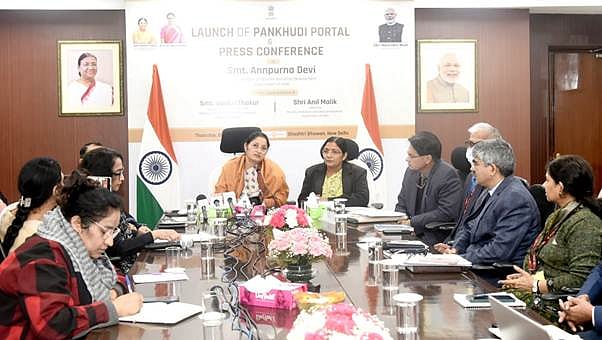
Government Launches PANKHUDI Portal to Boost CSR Partnerships for Women & Child Welfare
What’s the News?
- The Ministry of Women and Child Development (MWCD) has launched the PANKHUDI portal, a digital platform designed to streamline and enhance Corporate Social Responsibility (CSR) partnerships for women's and children's welfare.
- Union Minister Annapurna Devi unveiled the initiative, which aims to create a structured ecosystem for collaboration between the government and various stakeholders, including corporates, NGOs, and individuals.
PANKHUDI
- Single-window interface: Centralised access for stakeholders to identify, propose, and track contributions across WCD schemes.
- Non-monetary contributions only: Accepts in-kind support such as equipment, training modules, digital tools, and infrastructure upgrades; no cash donations allowed.
- End-to-end tracking: Clear workflows for proposal submission, approval, implementation, and outcome monitoring.
- Thematic focus areas:
- Nutrition and health
- Early Childhood Care and Education (ECCE)
- Child protection and rehabilitation
- Women’s safety, skilling, and empowerment.
Flagship Mission Integration
- Supports three core WCD missions:
- Mission Saksham Anganwadi & Poshan 2.0: Enhances infrastructure and services at 14 lakh+ Anganwadi Centres.
- Mission Vatsalya: Strengthens 5,000+ Child Care Institutions (CCIs) through resource partnerships.
- Mission Shakti: Bolsters 800+ One Stop Centres (OSCs), 500+ Shakhi Niwas, and 400+ Shakti Sadan for women in distress.
Sources
Wayanad Becomes India’s First Fully Paperless District Judiciary

What’s the News?
- The district judiciary of Wayanad (Kalpetta) in Kerala has become India’s first fully paperless court system, with all courts in the district transitioning to an exclusively digital mode of operation.
- The initiative was inaugurated virtually by the Chief Justice of India (CJI), Justice Surya Kant, on January 6, 2026, marking a historic shift towards "green jurisprudence."
- The project covers every stage of a case—from filing and pre-trial to evidence recording and final adjudication—eliminating the need for physical files entirely.
Key Features of the Paperless System
- End-to-end digitisation:
- All stages filing, scrutiny, evidence recording, interim orders, and final judgments are conducted electronically.
- Physical files completely phased out; digital records serve as the sole authoritative source.
- In-house AI integration:
- AI tools generate structured case summaries from electronic records.
- Judges can query case-specific details, annotate documents, and mark statutory provisions digitally.
- Voice-to-text technology ensures accurate transcription of witness depositions and judicial dictation.
- Secure authentication:
- All orders and judgments carry legally valid digital signatures, ensuring integrity and non-repudiation.
- Indigenous development:
- Entire system built internally by the Kerala High Court, avoiding reliance on external proprietary platforms.
Additional Info
- e-Courts Project:
- A Pan-India Mission Mode Project monitored by the Supreme Court e-Committee (chaired by Justice Vikram Nath) and the Department of Justice.
- Objective: To provide designated services to litigants, lawyers, and the judiciary through universal computerisation of district and subordinate courts.
- Constitutional Context:
- Article 21: The move supports the fundamental right to speedy justice.
- Article 39A: Promotes equal justice and free legal aid, facilitated here by making justice more accessible and less costly through technology.
Sources
January 2026
31 January 202630 January 202629 January 202628 January 202627 January 202626 January 202624 January 202623 January 202622 January 202621 January 202620 January 202619 January 202616 January 202615 January 202614 January 202613 January 202612 January 202610 January 202609 January 202608 January 202607 January 202606 January 202605 January 202603 January 202602 January 202601 January 2026
Archive
November 2026
- 28 November 2026
- 27 November 2026
- 26 November 2026
- 25 November 2026
- 24 November 2026
- 23 November 2026
- 21 November 2026
- 20 November 2026
- 19 November 2026
- 18 November 2026
- 17 November 2026
- 16 November 2026
- 14 November 2026
- 13 November 2026
- 12 November 2026
- 11 November 2026
- 10 November 2026
- 09 November 2026
- 06 November 2026
- 05 November 2026
- 04 November 2026
- 03 November 2026
- 02 November 2026
October 2026
- 31 October 2026
- 30 October 2026
- 29 October 2026
- 28 October 2026
- 27 October 2026
- 26 October 2026
- 24 October 2026
- 23 October 2026
- 22 October 2026
- 21 October 2026
- 20 October 2026
- 19 October 2026
- 17 October 2026
- 16 October 2026
- 15 October 2026
- 14 October 2026
- 13 October 2026
- 12 October 2026
- 10 October 2026
- 09 October 2026
- 08 October 2026
- 07 October 2026
- 06 October 2026
- 05 October 2026
- 03 October 2026
- 02 October 2026
- 01 October 2026
September 2026
- 30 September 2026
- 29 September 2026
- 28 September 2026
- 26 September 2026
- 25 September 2026
- 24 September 2026
- 23 September 2026
- 22 September 2026
- 21 September 2026
- 19 September 2026
- 18 September 2026
- 17 September 2026
- 16 September 2026
- 15 September 2026
- 12 September 2026
- 11 September 2026
- 10 September 2026
- 09 September 2026
- 08 September 2026
- 07 September 2026
- 05 September 2026
- 04 September 2026
- 03 September 2026
- 02 September 2026
- 01 September 2026
August 2026
- 31 August 2026
- 29 August 2026
- 27 August 2026
- 26 August 2026
- 25 August 2026
- 24 August 2026
- 22 August 2026
- 21 August 2026
- 20 August 2026
- 19 August 2026
- 18 August 2026
- 17 August 2026
- 14 August 2026
- 13 August 2026
- 12 August 2026
- 11 August 2026
- 10 August 2026
- 08 August 2026
- 07 August 2026
- 06 August 2026
- 05 August 2026
- 04 August 2026
- 03 August 2026
- 01 August 2026
July 2026
- 31 July 2026
- 30 July 2026
- 29 July 2026
- 28 July 2026
- 27 July 2026
- 25 July 2026
- 23 July 2026
- 22 July 2026
- 21 July 2026
- 20 July 2026
- 18 July 2026
- 17 July 2026
- 15 July 2026
- 14 July 2026
- 13 July 2026
- 11 July 2026
- 10 July 2026
- 09 July 2026
- 08 July 2026
- 07 July 2026
- 06 July 2026
- 04 July 2026
- 03 July 2026
- 02 July 2026
- 01 July 2026
June 2026
May 2026
April 2026
March 2026
- 31 March 2026
- 30 March 2026
- 28 March 2026
- 27 March 2026
- 26 March 2026
- 25 March 2026
- 24 March 2026
- 23 March 2026
- 21 March 2026
- 20 March 2026
- 19 March 2026
- 18 March 2026
- 17 March 2026
- 16 March 2026
- 14 March 2026
- 13 March 2026
- 12 March 2026
- 11 March 2026
- 10 March 2026
- 09 March 2026
- 07 March 2026
- 06 March 2026
- 05 March 2026
- 03 March 2026
- 02 March 2026
February 2026
- 28 February 2026
- 27 February 2026
- 26 February 2026
- 25 February 2026
- 24 February 2026
- 23 February 2026
- 21 February 2026
- 20 February 2026
- 19 February 2026
- 18 February 2026
- 17 February 2026
- 16 February 2026
- 13 February 2026
- 12 February 2026
- 11 February 2026
- 10 February 2026
- 09 February 2026
- 07 February 2026
- 06 February 2026
- 05 February 2026
- 04 February 2026
- 03 February 2026
- 02 February 2026
January 2026
- 31 January 2026
- 30 January 2026
- 29 January 2026
- 28 January 2026
- 27 January 2026
- 26 January 2026
- 24 January 2026
- 23 January 2026
- 22 January 2026
- 21 January 2026
- 20 January 2026
- 19 January 2026
- 16 January 2026
- 15 January 2026
- 14 January 2026
- 13 January 2026
- 12 January 2026
- 10 January 2026
- 09 January 2026
- 08 January 2026
- 07 January 2026
- 06 January 2026
- 05 January 2026
- 03 January 2026
- 02 January 2026
- 01 January 2026
December 2025
- 31 December 2025
- 30 December 2025
- 29 December 2025
- 27 December 2025
- 26 December 2025
- 24 December 2025
- 23 December 2025
- 22 December 2025
- 20 December 2025
- 19 December 2025
- 18 December 2025
- 17 December 2025
- 16 December 2025
- 15 December 2025
- 13 December 2025
- 12 December 2025
- 11 December 2025
- 10 December 2025
- 09 December 2025
- 08 December 2025
- 05 December 2025
- 04 December 2025
- 03 December 2025
- 02 December 2025
November 2025
- 29 November 2025
- 28 November 2025
- 27 November 2025
- 26 November 2025
- 25 November 2025
- 24 November 2025
- 22 November 2025
- 21 November 2025
- 20 November 2025
- 19 November 2025
- 18 November 2025
- 17 November 2025
- 15 November 2025
- 14 November 2025
- 13 November 2025
- 12 November 2025
- 11 November 2025
- 10 November 2025
- 08 November 2025
- 07 November 2025
- 06 November 2025
- 05 November 2025
- 04 November 2025
- 03 November 2025
- 01 November 2025
October 2025
- 31 October 2025
- 30 October 2025
- 29 October 2025
- 28 October 2025
- 27 October 2025
- 25 October 2025
- 24 October 2025
- 23 October 2025
- 22 October 2025
- 21 October 2025
- 20 October 2025
- 18 October 2025
- 17 October 2025
- 16 October 2025
- 15 October 2025
- 14 October 2025
- 13 October 2025
- 11 October 2025
- 10 October 2025
- 09 October 2025
- 08 October 2025
- 07 October 2025
- 06 October 2025
- 04 October 2025
- 03 October 2025
- 02 October 2025
- 01 October 2025
September 2025
- 30 September 2025
- 29 September 2025
- 27 September 2025
- 26 September 2025
- 25 September 2025
- 24 September 2025
- 23 September 2025
- 22 September 2025
- 20 September 2025
- 19 September 2025
- 18 September 2025
- 17 September 2025
- 16 September 2025
- 15 September 2025
- 13 September 2025
- 12 September 2025
- 11 September 2025
- 10 September 2025
- 09 September 2025
- 08 September 2025
- 06 September 2025
- 05 September 2025
- 04 September 2025
- 03 September 2025
- 02 September 2025
- 01 September 2025
August 2025
- 30 August 2025
- 29 August 2025
- 28 August 2025
- 27 August 2025
- 26 August 2025
- 25 August 2025
- 23 August 2025
- 22 August 2025
- 21 August 2025
- 20 August 2025
- 19 August 2025
- 18 August 2025
- 16 August 2025
- 14 August 2025
- 13 August 2025
- 12 August 2025
- 11 August 2025
- 08 August 2025
- 07 August 2025
- 06 August 2025
- 05 August 2025
- 04 August 2025
- 02 August 2025
- 01 August 2025
July 2025
- 31 July 2025
- 30 July 2025
- 29 July 2025
- 28 July 2025
- 26 July 2025
- 25 July 2025
- 24 July 2025
- 23 July 2025
- 22 July 2025
- 21 July 2025
- 19 July 2025
- 18 July 2025
- 17 July 2025
- 16 July 2025
- 15 July 2025
- 12 July 2025
- 11 July 2025
- 10 July 2025
- 09 July 2025
- 07 July 2025
- 05 July 2025
- 04 July 2025
- 03 July 2025
- 02 July 2025
- 01 July 2025
June 2025
- 30 June 2025
- 28 June 2025
- 27 June 2025
- 26 June 2025
- 25 June 2025
- 24 June 2025
- 23 June 2025
- 21 June 2025
- 20 June 2025
- 19 June 2025
- 18 June 2025
- 17 June 2025
- 16 June 2025
- 14 June 2025
- 13 June 2025
- 12 June 2025
- 11 June 2025
- 10 June 2025
- 09 June 2025
- 07 June 2025
- 06 June 2025
- 05 June 2025
- 04 June 2025
- 03 June 2025
- 02 June 2025
May 2025
April 2025
- 30 April 2025
- 29 April 2025
- 28 April 2025
- 26 April 2025
- 25 April 2025
- 24 April 2025
- 23 April 2025
- 22 April 2025
- 21 April 2025
- 19 April 2025
- 18 April 2025
- 17 April 2025
- 16 April 2025
- 15 April 2025
- 14 April 2025
- 12 April 2025
- 11 April 2025
- 10 April 2025
- 09 April 2025
- 08 April 2025
- 07 April 2025
- 05 April 2025
- 04 April 2025
- 03 April 2025
- 02 April 2025
- 01 April 2025
March 2025
- 31 March 2025
- 29 March 2025
- 28 March 2025
- 27 March 2025
- 26 March 2025
- 25 March 2025
- 24 March 2025
- 22 March 2025
- 21 March 2025
- 20 March 2025
- 19 March 2025
- 18 March 2025
- 17 March 2025
- 15 March 2025
- 13 March 2025
- 12 March 2025
- 11 March 2025
- 10 March 2025
- 08 March 2025
- 07 March 2025
- 06 March 2025
- 05 March 2025
- 04 March 2025
- 03 March 2025
- 01 March 2025
February 2025
- 28 February 2025
- 27 February 2025
- 26 February 2025
- 25 February 2025
- 24 February 2025
- 22 February 2025
- 21 February 2025
- 20 February 2025
- 19 February 2025
- 18 February 2025
- 17 February 2025
- 15 February 2025
- 14 February 2025
- 13 February 2025
- 12 February 2025
- 11 February 2025
- 10 February 2025
- 08 February 2025
- 07 February 2025
- 06 February 2025
- 05 February 2025
- 04 February 2025
- 03 February 2025
- 01 February 2025
January 2025
- 31 January 2025
- 30 January 2025
- 29 January 2025
- 28 January 2025
- 27 January 2025
- 25 January 2025
- 24 January 2025
- 23 January 2025
- 22 January 2025
- 21 January 2025
- 20 January 2025
- 18 January 2025
- 17 January 2025
- 16 January 2025
- 15 January 2025
- 14 January 2025
- 13 January 2025
- 11 January 2025
- 10 January 2025
- 09 January 2025
- 08 January 2025
- 07 January 2025
- 06 January 2025
- 04 January 2025
- 03 January 2025
- 02 January 2025
- 01 January 2025