
Current Affairs
Stay updated with the latest national and international events.
10 August 2026
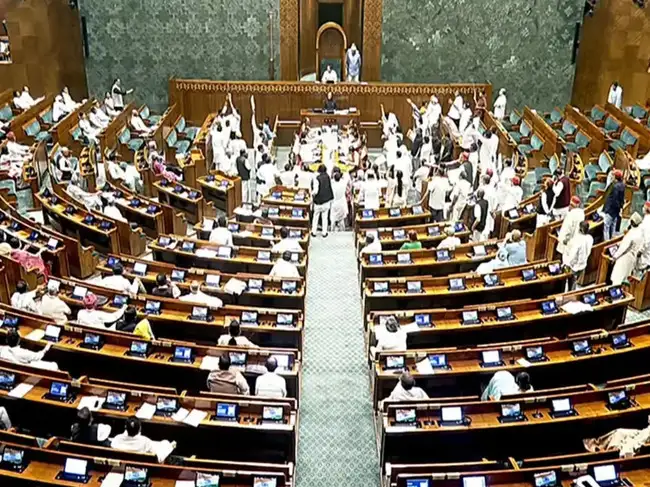
Lok Sabha Passes Tribunals Reforms Bill, 2026
What’s the News?
- The Lok Sabha has passed the Tribunals Reforms Bill, 2026, which seeks to repeal the Tribunals Reforms Act, 2021 and introduce a new framework for appointments, tenure, service conditions and administration of major tribunals.
- Its central feature is the establishment of a National Tribunals Commission (NTC) to provide institutional oversight over 16 tribunals.
- The legislation follows the Supreme Court’s ruling in Madras Bar Association v. Union of India, which struck down key provisions of the 2021 Act for violating principles of judicial independence and separation of powers and reiterated the need for an independent tribunals commission.
- Current status: The Bill has cleared the Lok Sabha but has not yet been passed by the Rajya Sabha; hence, it is not yet an Act.
National Tribunals Commission
- Headquarters: New Delhi.
- Composition: 5 members — a Chairperson, 2 Judicial Members and 2 Technical Members.
- Chairperson: A person who has been a Supreme Court judge or Chief Justice of a High Court.
- Judicial Members: Former Chief Justices/Judges of High Courts.
- Technical Members: Minimum 25 years' experience in areas such as public administration, finance, law, accountancy, banking, management or technology.
- The Central Government appoints Commission members; the Chief Justice of India must be consulted for appointment of the Chairperson and Judicial Members.
- Commission members have a 5-year tenure or until 70 years of age, whichever is earlier.
Major functions of the NTC include:
- conducting selection processes for tribunal vacancies;
- reviewing tribunal performance;
- overseeing inquiries into complaints against tribunal Chairpersons/Members; and
- developing and maintaining a National Tribunals Data Grid, containing tribunal case-related information.
The Commission will have a Secretariat headed by an officer of the rank of Secretary to the Government of India. Its accounts will be audited by the Comptroller and Auditor General of India (CAG), while its annual report and audited accounts are to be placed before Parliament.
What Changes from the 2021 Act?
| Provision | 2021 Act | 2026 Bill |
|---|---|---|
| Institutional oversight | No NTC | National Tribunals Commission |
| Tribunal tenure | 4 years | 5 years |
| Upper age | 70 years—Chairperson; 67 years—Member | Same |
| Minimum appointment age | 50 years | Minimum-age restriction removed |
| Names recommended per vacancy | Panel of 2 | 1 candidate + 1 name on waiting list |
| Government appointment timeline | Preferably within 3 months | Mandatory within 3 months |
| Accountability | Existing removal grounds | Adds incompetence/inefficiency and paid assignment as removal grounds |
The Search-cum-Selection Committees will now operate under the NTC framework and involve Commission members, retired High Court judges, a government secretary and subject experts. The Bill does not revive tribunals/appellate bodies abolished under the 2021 rationalisation exercise.
Tribunals Covered
The First Schedule covers 16 tribunals/authorities, including:
- Central and State Administrative Tribunals;
- National Green Tribunal;
- Armed Forces Tribunal;
- Securities Appellate Tribunal;
- Debts Recovery Tribunal and Debts Recovery Appellate Tribunal;
- Telecom Disputes Settlement and Appellate Tribunal;
- Appellate Tribunal for Electricity;
- National Company Law Appellate Tribunal;
- National Consumer Disputes Redressal Commission;
- Income-tax Appellate Tribunal;
- Railway Claims Tribunal; and
- Customs, Excise and Service Tax Appellate Tribunal, among others.
Financial Outlay
The proposed NTC and its Secretariat involve an estimated expenditure of ₹27.14 crore, comprising:
- ₹24.79 crore recurring expenditure; and
- ₹2.35 crore non-recurring expenditure.
The expenditure will be met from the Consolidated Fund of India. The Secretariat also envisages two additional Level-14 (Joint Secretary-level) posts.
Additional Info
- Constitutional basis of tribunals
- Tribunals are specialised quasi-judicial bodies dealing with subject-specific disputes.
- Part XIV-A of the Constitution deals with tribunals and was inserted through the 42nd Constitutional Amendment Act, 1976.
- Article 323A: Administrative tribunals, particularly for public-service matters.
- Article 323B: Tribunals for specified matters such as taxation and other areas authorised by the Constitution.
- L. Chandra Kumar v. Union of India (1997)
- The Supreme Court held that judicial review by the High Courts under Articles 226 and 227 and by the Supreme Court under Article 32 forms part of the Constitution's basic structure.
- Decisions of tribunals under Articles 323A and 323B remain subject to scrutiny by the jurisdictional High Court.
- Madras Bar Association case
- The Supreme Court invalidated important parts of the 2021 tribunal regime relating to appointment, eligibility, tenure and related service conditions.
- It regarded an independent National Tribunals Commission as a structural safeguard for independence, transparency and uniformity in tribunal administration and directed the Union to establish such a body.
Sources
E-Samudra Launched to Digitise India’s Maritime Governance
What’s the News?
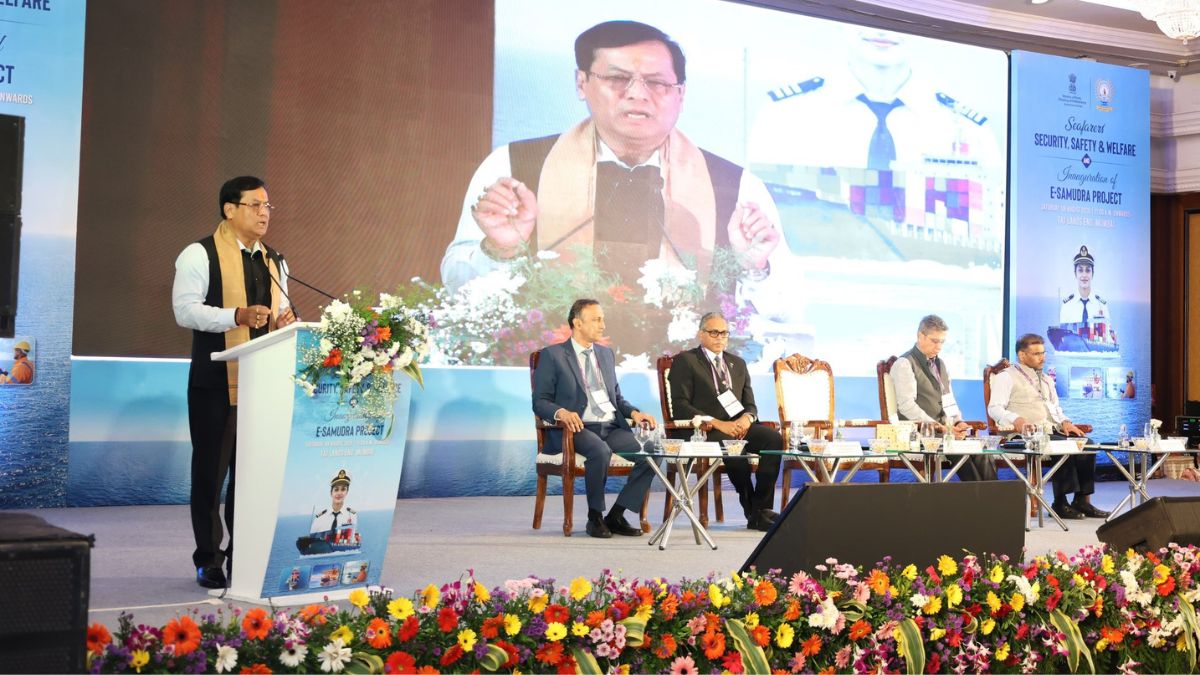
- The Ministry of Ports, Shipping and Waterways (MoPSW) has launched the full-scale E-Samudra platform to digitise maritime administration and provide integrated services to seafarers, shipowners, shipping companies, ports and other maritime stakeholders.
- The platform was inaugurated by Union Minister Sarbananda Sonowal during a national stakeholder interaction in Mumbai.
- E-Samudra seeks to shift maritime administration from a physical office-based system to “Digital First and Faceless Governance”, improving Ease of Living for seafarers and Ease of Doing Business for the maritime sector.
What is E-Samudra?
- Type: Unified digital maritime services platform.
- Nodal Ministry: Ministry of Ports, Shipping and Waterways.
- Implementing authority: Directorate General of Maritime Administration (DGMA).
- Technology partner: CMS Computers India Ltd.
- It integrates 72+ maritime services on a common platform and is designed for paperless and digitally tracked processing.
- Key stakeholders include:
- Seafarers and seamen
- Shipowners
- Charterers
- Multi-Modal Transport Operators (MTOs)
- Shipping and other maritime entities.
Features
- Single digital window: Multiple regulatory and administrative services available through one portal.
- End-to-end workflows: Applications can move digitally through the entire approval process.
- Online payments: Digital payment of applicable fees.
- Real-time tracking: Applicants can monitor status and receive notifications.
- Digital certificates: Certificates can be issued electronically.
- Paperless processing: Digital document uploads reduce dependence on physical submissions.
- Cybersecurity: Designed to comply with Government of India cybersecurity policies.
- Anywhere access: Allows seafarers aboard vessels to access government services without physically visiting government offices.
Services under E-Samudra
The platform was initially rolled out with specific maritime modules before being expanded into its full-scale form. Important services/modules include:
- Ship Registration Module — simplifies registration and flagging of vessels.
- Chartering Permissions and Licences — digitises approvals relating to vessel chartering.
- Shipbuilding Financial Assistance Scheme (SBFAS) Module — supports digital processing of financial assistance applications.
- Multi-Modal Transport Operator Module — enables digital registration and regulatory compliance of MTOs.
- Visitor Access Management System — automates access management at maritime administration offices.
Related Digital Initiatives
- e-NAVIK
- A 24×7 grievance-redressal system for Indian seafarers.
- Grievances can be raised through multiple channels, including the portal, helplines, WhatsApp and email.
- Intended to improve welfare and protection of seafarers, including those working overseas.
- Digital Seafarers Employment Agreement (d-SEA)
- Digitises seafarer employment agreements.
- Intended to improve verifiability and transparency of employment conditions and contractual rights.
- Seafarer Tracking Dashboard
- An upcoming digital system for improved tracking and support of Indian seafarers.
India’s Seafarer Workforce
- India's active seafarer workforce increased from approximately 1.03 lakh in 2013 to more than 3.23 lakh in 2025.
- India has emerged as the world’s second-largest supplier of seafarers.
- The expanding workforce has increased the need for faster digital regulation, certification, grievance redressal and welfare services.
Additional Info
- Directorate General of Maritime Administration (DGMA)
- Apex maritime authority of the Government of India.
- Functions as an attached office of MoPSW.
- The earlier Directorate General of Shipping framework is evolving into DGMA under the modern maritime governance framework, reflecting an expanded regulatory mandate.
- Major responsibilities include:
- vessel registration, survey and certification;
- seafarer employment and welfare;
- maritime education and training;
- prevention of marine pollution;
- coastal shipping;
- implementation of international maritime conventions; and
- representation of India in the International Maritime Organization (IMO).
- Merchant Shipping Act, 2025
- Forms a major legislative pillar of the new maritime governance framework.
- Recognises seafarers as “Key Workers”.
- Works alongside Maritime Amrit Kaal Vision 2047 and the principle of “Minimum Government, Maximum Governance” in shaping maritime administration.
- Seafarer Welfare Measures
- Sagar Mein Yog: Promotes physical and mental well-being of seafarers.
- Sagar Mein Samman: Promotes opportunities and support for women seafarers.
- Seafarers Welfare Fund Society (SWFS): Provides welfare support to seafarers.
Sources
Indian Navy–US Navy EOD Exercise 2026 Begins in Kochi
What’s the News?
- The Indian Navy and US Navy have begun the Explosive Ordnance Disposal (EOD) Exercise 2026 at the Southern Naval Command (SNC), Kochi, Kerala.
- The five-day bilateral exercise brings together specialist diving and EOD teams from both navies.
- It is the 8th edition of the specialised India–US Salvage and EOD training series.
- The primary objective is to improve interoperability, operational coordination and professional cooperation in specialised maritime operations.
EOD Exercise 2026
- Participants: Indian Navy and US Navy
- Venue: Southern Naval Command, Kochi
- Edition: 8th
- Nature: Bilateral specialised naval exercise
- Focus: Diving, underwater salvage and Explosive Ordnance Disposal operations.
- India and the US have conducted joint Salvage and EOD exercises since 2005.
Training Components
The exercise includes:
- Subject Matter Expert Exchanges (SMEEs)
- Exchange of technical knowledge, contemporary EOD methodologies and operational practices.
- Cross-training
- Personnel train with each other’s procedures, equipment and operational concepts.
- Equipment demonstrations
- Familiarisation with modern and emerging EOD technologies.
- Scenario-based practical exercises
- Training for realistic maritime explosive-ordnance and salvage situations.
It enables both navies to understand each other's capabilities, operational concepts, employment philosophies and best practices while refining common procedures.
What is Explosive Ordnance Disposal?
EOD is the specialised process of detecting, identifying, rendering safe, recovering and disposing of explosive hazards.
In the maritime domain, EOD personnel may deal with:
- underwater mines;
- unexploded ordnance (UXO);
- bombs and other explosive devices;
- underwater explosive threats; and
- explosive hazards encountered during salvage operations.
Additional Info
- Southern Naval Command (SNC)
- Headquarters: Kochi, Kerala.
- It is the Training Command of the Indian Navy.
- The other two principal naval commands are:
- Western Naval Command — Mumbai
- Eastern Naval Command — Visakhapatnam
- The SNC is responsible for training naval personnel from basic to advanced stages.
- India–US Salvage & EOD Cooperation
- Joint Salvage and EOD exercises have been conducted since 2005.
- The 2026 exercise is the 8th edition.
- Earlier iterations of this specialised cooperation have also been associated with the SALVEX (Salvage Exercise) series.
Sources
World Lion Day 2026 Highlights Asiatic Lion Conservation
What’s the News?
- World Lion Day 2026 was observed on 10 August to raise awareness about lion conservation, habitat protection and threats such as habitat fragmentation, poaching, human–wildlife conflict, prey depletion and disease.
- The observance is particularly significant for India as it hosts the world’s only wild population of Asiatic lions, concentrated in the Greater Gir Landscape of Gujarat.
- Theme: The provided 2026 sources do not specify an officially designated annual theme; therefore, an unverified theme should not be used for exam preparation.
World Lion Day
- Observed: 10 August every year.
- First observed: 2013.
- Objective: Build awareness and support for protecting lions, their habitats and prey base.
- Lions are apex predators and help:
- regulate herbivore populations;
- maintain predator–prey balance;
- limit excessive grazing pressure;
- support scavengers such as vultures and jackals; and
- conserve wider landscapes and biodiversity.
Asiatic Lion
- Scientific name: Panthera leo persica
- Family: Felidae
- Order: Carnivora
- Wild distribution: Restricted to Gujarat, India, particularly the Greater Gir landscape.
- Important habitats include Gir National Park and Wildlife Sanctuary, Girnar, Mitiyala, Pania and surrounding coastal/satellite habitats.
Lion Population in India
India has recorded a substantial recovery of the Asiatic lion:
- 2015: 523 lions
- 2020: 674 lions
- 2025: 891 lions
- Population increased by 32% between 2020 and 2025 and by over 70% between 2015 and 2025.
- Their distribution range has expanded by about 59%.
- Lions now occupy roughly 35,000 sq km across 11 districts of Saurashtra, Gujarat.
Project Lion
- Announced: 2020.
- Objective: Long-term conservation and ecological security of the Asiatic lion.
- Major interventions include:
- habitat restoration and management;
- conservation of wildlife corridors;
- population monitoring and scientific research;
- disease surveillance;
- use of modern monitoring technologies;
- prey-base improvement;
- human–lion conflict mitigation; and
- development of additional suitable habitats.
Barda Wildlife Sanctuary
- Location: Gujarat.
- Being developed as an additional/second habitat for Asiatic lions.
- It reduces conservation risk arising from excessive concentration of the species in one geographical landscape.
- Habitat improvement, corridor development and grassland restoration are being undertaken to facilitate natural dispersal.
Major Threats
- Habitat loss and fragmentation: Agriculture, settlements and infrastructure disrupt movement corridors.
- Human–wildlife conflict: Livestock depredation can trigger retaliatory action.
- Disease: Canine Distemper Virus (CDV) and bovine tuberculosis (bTB) are important risks, particularly for geographically concentrated populations.
- Prey depletion: Can increase dependence on livestock.
- Illegal wildlife trade and poaching.
- Climate change: Alters water availability, vegetation and prey distribution.
Additional Info
- Conservation Status
- IUCN Red List: Panthera leo — Vulnerable.
- CITES: Lion population of India — Appendix I; other lion populations are listed under Appendix II.
- Wild Life (Protection) Act, 1972: Asiatic Lion — Schedule I, providing the highest level of statutory protection.
- International Big Cat Alliance (IBCA)
- An India-led international initiative for cooperation on the conservation of seven major big cats:
- Tiger
- Lion
- Leopard
- Snow Leopard
- Cheetah
- Jaguar
- Puma
- Focuses on international cooperation, knowledge sharing, capacity building and resource mobilisation for big-cat conservation.
- An India-led international initiative for cooperation on the conservation of seven major big cats:
India’s Asiatic Lion Population Rises to 891

What’s the News?
- India’s Asiatic lion population has increased to 891 in 2025, compared with 523 in 2015, marking a rise of over 70% in a decade.
- The latest figure comes from the 16th Asiatic Lion Population Estimation, covering the Greater Gir landscape of Gujarat.
- Compared with 674 lions in 2020, the population increased by about 32% in five years.
- The figures were highlighted by Union Environment Minister Bhupender Yadav on the occasion of World Lion Day.
Lion Population Trend
| Year | Asiatic Lion Population |
|---|---|
| 2015 | 523 |
| 2020 | 674 |
| 2025 | 891 |
- 2015–2025 growth: More than 70%
- 2020–2025 growth: About 32%
16th Asiatic Lion Population Estimation
- Conducted in 2025 in Gujarat.
- Recorded 891 Asiatic lions.
- The lion range has expanded from about 30,000 sq km in 2020 to nearly 35,000 sq km.
- Lions are now spread across 11 districts in the Saurashtra region rather than remaining confined to the traditional Gir landscape.
The geographical range has therefore expanded by roughly 5,000 sq km, or about 17%, since 2020.
Expansion Beyond Gir
- Asiatic lions are increasingly occupying:
- notified forest areas;
- river corridors;
- revenue wastelands; and
- other habitats outside conventional protected areas.
- Barda Wildlife Sanctuary is being developed as a second home for Asiatic lions, reducing dependence on a single core population around Gir.
- Lions naturally returned to Barda, and its population reached 17 lions by 2025.
Project Lion
- Announced: 2020.
- Objective: Long-term conservation of the Asiatic lion through a landscape-level approach rather than protection of Gir alone.
- Major interventions include:
- habitat improvement and restoration;
- strengthening of wildlife corridors;
- disease surveillance and veterinary care;
- scientific population monitoring;
- radio telemetry and other technology-based monitoring;
- prey-base augmentation;
- biodiversity conservation; and
- community participation and benefit sharing.
Why Has the Population Increased?
Important conservation factors include:
- Strict habitat and species protection.
- Restoration of grasslands and natural prey base.
- Expansion and protection of movement corridors.
- Improved veterinary and disease-monitoring facilities.
- Community involvement in human–lion coexistence.
- Real-time monitoring through a Hi-Tech Monitoring Unit at Sasan-Gir and radio telemetry.
- More than 55,000 open wells have been secured to reduce accidental lion deaths.
Conservation Challenges
Population recovery also creates new management challenges:
- greater human–lion interaction outside protected areas;
- road and railway accidents;
- disease outbreaks because much of the global Asiatic lion population remains geographically concentrated;
- habitat fragmentation and corridor disruption; and
- livestock depredation and associated human–wildlife conflict.
Measures include speed restrictions for trains in identified hotspots, railway-track patrolling, water augmentation, elevated machans for farmers and community awareness through Vanya PraniMitras and trackers.
Additional Info
- Asiatic Lion
- Genus: Panthera
- Family: Felidae
- India contains the last surviving wild population of Asiatic lions, centred on Gujarat's Gir and Greater Gir landscape.
- Gir Wildlife Sanctuary
- Established in 1965.
- It became the core protected landscape for recovering a population that had fallen to only around 40–60 lions in the early 20th century due mainly to hunting and habitat loss.
- Notes
- 891 — Asiatic lions in 2025
- 674 — population in 2020
- 523 — population in 2015
- 35,000 sq km — current approximate lion range
- Project Lion — announced in 2020
- Barda Wildlife Sanctuary — second lion habitat
Sources
August 2026
Archive
November 2026
- 28 November 2026
- 27 November 2026
- 26 November 2026
- 25 November 2026
- 24 November 2026
- 23 November 2026
- 21 November 2026
- 20 November 2026
- 19 November 2026
- 18 November 2026
- 17 November 2026
- 16 November 2026
- 14 November 2026
- 13 November 2026
- 12 November 2026
- 11 November 2026
- 10 November 2026
- 09 November 2026
- 06 November 2026
- 05 November 2026
- 04 November 2026
- 03 November 2026
- 02 November 2026
October 2026
- 31 October 2026
- 30 October 2026
- 29 October 2026
- 28 October 2026
- 27 October 2026
- 26 October 2026
- 24 October 2026
- 23 October 2026
- 22 October 2026
- 21 October 2026
- 20 October 2026
- 19 October 2026
- 17 October 2026
- 16 October 2026
- 15 October 2026
- 14 October 2026
- 13 October 2026
- 12 October 2026
- 10 October 2026
- 09 October 2026
- 08 October 2026
- 07 October 2026
- 06 October 2026
- 05 October 2026
- 03 October 2026
- 02 October 2026
- 01 October 2026
September 2026
- 30 September 2026
- 29 September 2026
- 28 September 2026
- 26 September 2026
- 25 September 2026
- 24 September 2026
- 23 September 2026
- 22 September 2026
- 21 September 2026
- 19 September 2026
- 18 September 2026
- 17 September 2026
- 16 September 2026
- 15 September 2026
- 12 September 2026
- 11 September 2026
- 10 September 2026
- 09 September 2026
- 08 September 2026
- 07 September 2026
- 05 September 2026
- 04 September 2026
- 03 September 2026
- 02 September 2026
- 01 September 2026
August 2026
- 31 August 2026
- 29 August 2026
- 27 August 2026
- 26 August 2026
- 25 August 2026
- 24 August 2026
- 22 August 2026
- 21 August 2026
- 20 August 2026
- 19 August 2026
- 18 August 2026
- 17 August 2026
- 14 August 2026
- 13 August 2026
- 12 August 2026
- 11 August 2026
- 10 August 2026
- 08 August 2026
- 07 August 2026
- 06 August 2026
- 05 August 2026
- 04 August 2026
- 03 August 2026
- 01 August 2026
July 2026
- 31 July 2026
- 30 July 2026
- 29 July 2026
- 28 July 2026
- 27 July 2026
- 25 July 2026
- 23 July 2026
- 22 July 2026
- 21 July 2026
- 20 July 2026
- 18 July 2026
- 17 July 2026
- 15 July 2026
- 14 July 2026
- 13 July 2026
- 11 July 2026
- 10 July 2026
- 09 July 2026
- 08 July 2026
- 07 July 2026
- 06 July 2026
- 04 July 2026
- 03 July 2026
- 02 July 2026
- 01 July 2026
June 2026
May 2026
April 2026
March 2026
- 31 March 2026
- 30 March 2026
- 28 March 2026
- 27 March 2026
- 26 March 2026
- 25 March 2026
- 24 March 2026
- 23 March 2026
- 21 March 2026
- 20 March 2026
- 19 March 2026
- 18 March 2026
- 17 March 2026
- 16 March 2026
- 14 March 2026
- 13 March 2026
- 12 March 2026
- 11 March 2026
- 10 March 2026
- 09 March 2026
- 07 March 2026
- 06 March 2026
- 05 March 2026
- 03 March 2026
- 02 March 2026
February 2026
- 28 February 2026
- 27 February 2026
- 26 February 2026
- 25 February 2026
- 24 February 2026
- 23 February 2026
- 21 February 2026
- 20 February 2026
- 19 February 2026
- 18 February 2026
- 17 February 2026
- 16 February 2026
- 13 February 2026
- 12 February 2026
- 11 February 2026
- 10 February 2026
- 09 February 2026
- 07 February 2026
- 06 February 2026
- 05 February 2026
- 04 February 2026
- 03 February 2026
- 02 February 2026
January 2026
- 31 January 2026
- 30 January 2026
- 29 January 2026
- 28 January 2026
- 27 January 2026
- 26 January 2026
- 24 January 2026
- 23 January 2026
- 22 January 2026
- 21 January 2026
- 20 January 2026
- 19 January 2026
- 16 January 2026
- 15 January 2026
- 14 January 2026
- 13 January 2026
- 12 January 2026
- 10 January 2026
- 09 January 2026
- 08 January 2026
- 07 January 2026
- 06 January 2026
- 05 January 2026
- 03 January 2026
- 02 January 2026
- 01 January 2026
December 2025
- 31 December 2025
- 30 December 2025
- 29 December 2025
- 27 December 2025
- 26 December 2025
- 24 December 2025
- 23 December 2025
- 22 December 2025
- 20 December 2025
- 19 December 2025
- 18 December 2025
- 17 December 2025
- 16 December 2025
- 15 December 2025
- 13 December 2025
- 12 December 2025
- 11 December 2025
- 10 December 2025
- 09 December 2025
- 08 December 2025
- 05 December 2025
- 04 December 2025
- 03 December 2025
- 02 December 2025
November 2025
- 29 November 2025
- 28 November 2025
- 27 November 2025
- 26 November 2025
- 25 November 2025
- 24 November 2025
- 22 November 2025
- 21 November 2025
- 20 November 2025
- 19 November 2025
- 18 November 2025
- 17 November 2025
- 15 November 2025
- 14 November 2025
- 13 November 2025
- 12 November 2025
- 11 November 2025
- 10 November 2025
- 08 November 2025
- 07 November 2025
- 06 November 2025
- 05 November 2025
- 04 November 2025
- 03 November 2025
- 01 November 2025
October 2025
- 31 October 2025
- 30 October 2025
- 29 October 2025
- 28 October 2025
- 27 October 2025
- 25 October 2025
- 24 October 2025
- 23 October 2025
- 22 October 2025
- 21 October 2025
- 20 October 2025
- 18 October 2025
- 17 October 2025
- 16 October 2025
- 15 October 2025
- 14 October 2025
- 13 October 2025
- 11 October 2025
- 10 October 2025
- 09 October 2025
- 08 October 2025
- 07 October 2025
- 06 October 2025
- 04 October 2025
- 03 October 2025
- 02 October 2025
- 01 October 2025
September 2025
- 30 September 2025
- 29 September 2025
- 27 September 2025
- 26 September 2025
- 25 September 2025
- 24 September 2025
- 23 September 2025
- 22 September 2025
- 20 September 2025
- 19 September 2025
- 18 September 2025
- 17 September 2025
- 16 September 2025
- 15 September 2025
- 13 September 2025
- 12 September 2025
- 11 September 2025
- 10 September 2025
- 09 September 2025
- 08 September 2025
- 06 September 2025
- 05 September 2025
- 04 September 2025
- 03 September 2025
- 02 September 2025
- 01 September 2025
August 2025
- 30 August 2025
- 29 August 2025
- 28 August 2025
- 27 August 2025
- 26 August 2025
- 25 August 2025
- 23 August 2025
- 22 August 2025
- 21 August 2025
- 20 August 2025
- 19 August 2025
- 18 August 2025
- 16 August 2025
- 14 August 2025
- 13 August 2025
- 12 August 2025
- 11 August 2025
- 08 August 2025
- 07 August 2025
- 06 August 2025
- 05 August 2025
- 04 August 2025
- 02 August 2025
- 01 August 2025
July 2025
- 31 July 2025
- 30 July 2025
- 29 July 2025
- 28 July 2025
- 26 July 2025
- 25 July 2025
- 24 July 2025
- 23 July 2025
- 22 July 2025
- 21 July 2025
- 19 July 2025
- 18 July 2025
- 17 July 2025
- 16 July 2025
- 15 July 2025
- 12 July 2025
- 11 July 2025
- 10 July 2025
- 09 July 2025
- 07 July 2025
- 05 July 2025
- 04 July 2025
- 03 July 2025
- 02 July 2025
- 01 July 2025
June 2025
- 30 June 2025
- 28 June 2025
- 27 June 2025
- 26 June 2025
- 25 June 2025
- 24 June 2025
- 23 June 2025
- 21 June 2025
- 20 June 2025
- 19 June 2025
- 18 June 2025
- 17 June 2025
- 16 June 2025
- 14 June 2025
- 13 June 2025
- 12 June 2025
- 11 June 2025
- 10 June 2025
- 09 June 2025
- 07 June 2025
- 06 June 2025
- 05 June 2025
- 04 June 2025
- 03 June 2025
- 02 June 2025
May 2025
April 2025
- 30 April 2025
- 29 April 2025
- 28 April 2025
- 26 April 2025
- 25 April 2025
- 24 April 2025
- 23 April 2025
- 22 April 2025
- 21 April 2025
- 19 April 2025
- 18 April 2025
- 17 April 2025
- 16 April 2025
- 15 April 2025
- 14 April 2025
- 12 April 2025
- 11 April 2025
- 10 April 2025
- 09 April 2025
- 08 April 2025
- 07 April 2025
- 05 April 2025
- 04 April 2025
- 03 April 2025
- 02 April 2025
- 01 April 2025
March 2025
- 31 March 2025
- 29 March 2025
- 28 March 2025
- 27 March 2025
- 26 March 2025
- 25 March 2025
- 24 March 2025
- 22 March 2025
- 21 March 2025
- 20 March 2025
- 19 March 2025
- 18 March 2025
- 17 March 2025
- 15 March 2025
- 13 March 2025
- 12 March 2025
- 11 March 2025
- 10 March 2025
- 08 March 2025
- 07 March 2025
- 06 March 2025
- 05 March 2025
- 04 March 2025
- 03 March 2025
- 01 March 2025
February 2025
- 28 February 2025
- 27 February 2025
- 26 February 2025
- 25 February 2025
- 24 February 2025
- 22 February 2025
- 21 February 2025
- 20 February 2025
- 19 February 2025
- 18 February 2025
- 17 February 2025
- 15 February 2025
- 14 February 2025
- 13 February 2025
- 12 February 2025
- 11 February 2025
- 10 February 2025
- 08 February 2025
- 07 February 2025
- 06 February 2025
- 05 February 2025
- 04 February 2025
- 03 February 2025
- 01 February 2025
January 2025
- 31 January 2025
- 30 January 2025
- 29 January 2025
- 28 January 2025
- 27 January 2025
- 25 January 2025
- 24 January 2025
- 23 January 2025
- 22 January 2025
- 21 January 2025
- 20 January 2025
- 18 January 2025
- 17 January 2025
- 16 January 2025
- 15 January 2025
- 14 January 2025
- 13 January 2025
- 11 January 2025
- 10 January 2025
- 09 January 2025
- 08 January 2025
- 07 January 2025
- 06 January 2025
- 04 January 2025
- 03 January 2025
- 02 January 2025
- 01 January 2025