India Ranks 45th in Network Readiness Index 2025
What's the News?
- India has improved its position by four ranks to secure the 45th position globally in the Network Readiness Index (NRI) 2025, released by the Portulans Institute (Washington DC-based independent research organization).
- The country now ranks 2nd among lower-middle-income countries, demonstrating network readiness that exceeds expectations for its income level.
- India's overall NRI score improved from 53.63 (2024) to 54.43 (2025), reflecting consistent progress across technology, governance, and digital infrastructure.
- The report, launched at the World Governments Summit, evaluates 127 economies on their capacity to leverage digital networks for economic growth and development.
NRI 2025: Pillars & India's Performance
Four Pillars of Assessment
The NRI evaluates countries across four primary dimensions using 53 indicators:
- Technology: Digital infrastructure, connectivity, and emerging technologies
- People: Digital skills, usage, and human capital development
- Governance: Regulatory frameworks and policy effectiveness
- Impact: Economic and social outcomes of digital adoption
India's Global Leadership in Specific Indicators
India secured 1st rank globally in:
- Annual investment in telecommunication services
- Scientific publications on artificial intelligence
- ICT services exports
- E-commerce legislation
India secured 2nd rank globally in:
- Fibre-to-the-home (FTTH) subscriptions
- Domestic mobile broadband internet traffic
- International internet bandwidth
India secured 3rd rank globally in:
- Domestic market scale
- Income equality indicators
Digital Infrastructure Expansion
5G & Connectivity Milestones
- 5G coverage: Available across all states and UTs, covering 99.9% of districts
- 5G Base Transceiver Stations (BTSs): Over 5.08 lakh deployed across rural and urban areas
- BSNL 4G expansion: 97,068 sites built, with 93,511 operational; all 4G towers to be upgraded to 5G
- Target: Universal 4G coverage to all villages by June 2026
Digital Metrics
- Mobile subscribers: Over 120 crore (1.2 billion) users
- Data costs: Lowest in the world (as stated by Communications Minister)
- Data consumption: Highest per capita globally
Policy Drivers & Government Initiatives
National Broadband Mission 2.0
- Launched: January 2025
- Objective: Extend high-speed internet to villages, schools, healthcare centers, and essential institutions
- Alignment: Supports "Viksit Bharat 2047" vision for developed, digitally empowered nation
Department of Telecommunications (DoT) Achievements
- Rapid 5G rollout and expansion of indigenous telecom technologies
- Record levels of internet and mobile penetration in 2025
- Focus on rural and semi-urban digital inclusion
Additional Info
About Network Readiness Index (NRI)
- Established: Originally launched in 2002 with the World Economic Forum
- Redesigned: 2019 by founders Soumitra Dutta and Bruno Lanvin
- Current Publisher: Portulans Institute (since 2019)
- 2025 Theme: "AI Governance in a Global Context: Policy and Regulatory Approaches"
- Coverage: 127 economies globally
Global Top 5 (NRI 2025)
- United States
- Finland
- Singapore
- Denmark
- Sweden
India's Regional Context
- Asia-Pacific representation in Top 10: Only Singapore and Republic of Korea
- India's income group ranking: 2nd among lower-middle-income countries (after Ukraine)
- Regional peers: Thailand (44th) ranks just above India; Philippines and Vietnam follow
Sources
Form 7 Controversy: Mass Voter Deletions Trigger Electoral Integrity Debate
What's the News?
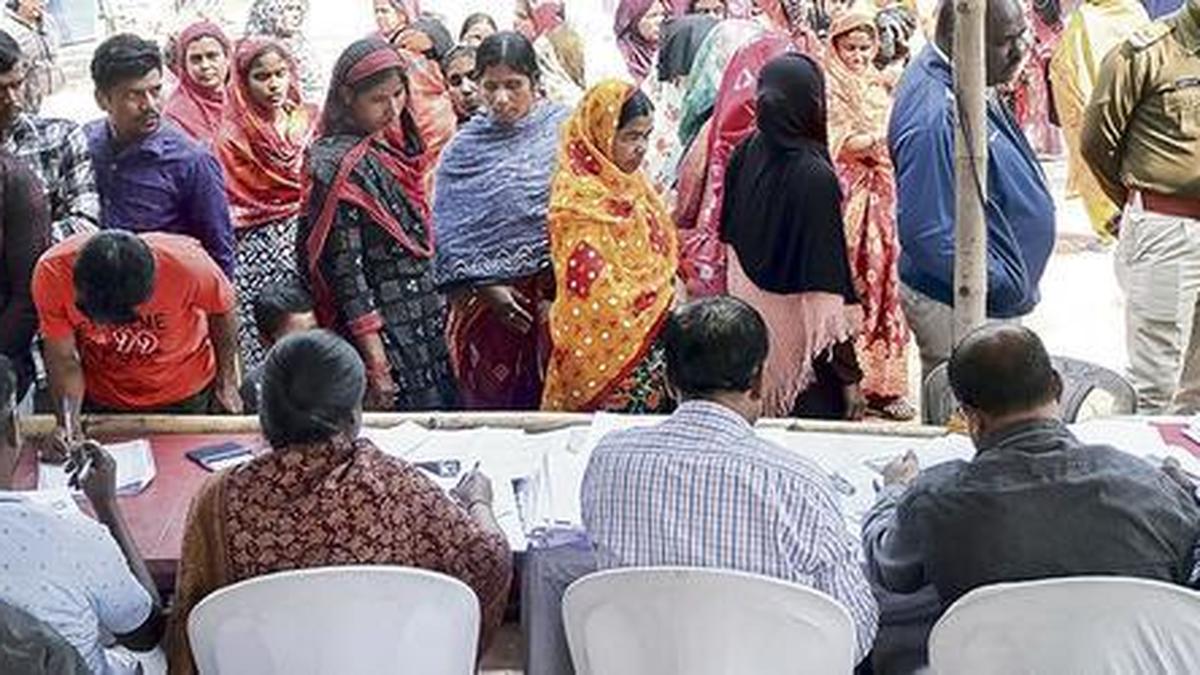
- The Election Commission of India (ECI) faces serious allegations regarding misuse of Form 7 during the ongoing Special Intensive Revision (SIR) of electoral rolls across multiple states.
- Opposition parties, led by the Congress, have accused organized actors of filing bulk Form 7 applications to systematically delete eligible voters particularly from marginalized communities without their knowledge or consent.
- The controversy has escalated to the Supreme Court, with West Bengal Chief Minister Mamata Banerjee becoming the first sitting CM to personally argue her case regarding electoral roll irregularities.
- The ECI has removed approximately 6.5 crore voters from draft rolls across nine states and three Union Territories, categorizing them as ASD (Absent, Shifted, Dead/Duplicate) raising concerns about procedural fairness and verification adequacy.
Form 7: Mechanism and Legal Framework
What is Form 7?
- Statutory Purpose: Form 7 is used to object to the inclusion of a person's name in the electoral roll on specific grounds; death, duplication, shifting of residence, ineligibility due to age, or lack of citizenship.
- Legal Basis: Governed by Rule 26 of the Registration of Electors Rules, 1960, framed under the Representation of the People Act, 1950.
- Filing Authority: Any registered voter within the same constituency can file objections (expanded from same-polling-booth restriction via 2022 amendment).
2022 Amendment: Widened Ambit, Increased Risk
- Earlier Rule: Only voters from the same polling booth could file objections.
- Current Rule: Any voter within the same constituency can object, significantly expanding the form's reach.
- Safeguard: Electoral Registration Officers (EROs) must mandatorily verify all claims if an individual files more than five objections.
Special Intensive Revision (SIR): Scale and Process
Phase II Coverage
- Total electorate covered: Approximately 51 crore voters across:
- States: Chhattisgarh, Goa, Gujarat, Kerala, Madhya Pradesh, Rajasthan, Tamil Nadu, Uttar Pradesh, West Bengal
- Union Territories: Puducherry, Andaman & Nicobar Islands, Lakshadweep
- Enumeration forms distributed: Over 50.94 crore (99.94% coverage of target electorate)
Deletion Statistics (ASD Category)
| State/UT |
Deletions |
| Uttar Pradesh |
2.89 crore |
| Tamil Nadu |
97 lakh |
| Gujarat |
74 lakh |
| Total across 9 States + 3 UTs |
6.5 crore |
- Pre-revision electorate: 51 crore
- Post-draft publication: 44.4 crore
Verification Protocol
- Booth Level Officers (BLOs) conduct physical verification at voter addresses.
- Death claims: Require confirmation from three neighbours + death certificate.
- Absence claims: Require three physical visits to confirm relocation.
- Due process: Affected voters receive 7-day notice and hearing opportunity before deletion.
- Appeal mechanism: Appeals to District Magistrate within 15 days of roll publication.
Allegations of Systemic Misuse
Congress Party's Charges
- "Systematic and coordinated abuse": Bulk pre-printed Form 7 applications allegedly submitted through a centralized mechanism.
- Targeted demographics: Specific focus on Scheduled Castes, Scheduled Tribes, minorities, and senior citizens above 60 years.
- Procedural violations: Forms allegedly contained invalid mobile numbers, illegible EPIC details, and unverifiable objector identities.
- Political weaponization: Claims that BJP booth-level agents (BLAs) and ruling party members filed objections without voter knowledge.
High-Profile Cases
- Padma Shri awardees targeted: Gujarati humorist Shahabuddin Rathod and folk musician Haji Ramakdu (Junagadh) had Form 7 applications filed against them; despite being recently announced Padma Shri 2026 recipients.
- Rajasthan: Congress State President Govind Singh Dotasra alleged 627 forms in his constituency alone, with 2,000 additional forms rejected by SDM due to forged BLO signatures.
- West Bengal: 1.67 crore initial deletions challenged and reduced to 1.37 crore, then 98 lakh after ongoing objections.
Assam Controversy
- Communal targeting allegations: Chief Minister Himanta Biswa Sarma publicly urged BJP workers to file Form 7 against "Miyas" (Bengali-speaking Muslims alleged to be Bangladeshi origin).
- Supreme Court petition: Opposition leader Debabrata Saikia sought suo motu cognizance from CJI Surya Kant, terming it an "unprecedented admission of intent to interfere with the electorate on communal lines."
Supreme Court Interventions
January 2026 Directions
A bench led by CJI Surya Kant (with Justices Dipankar Datta and Joymalya Bagchi) issued binding directives to the ECI:
- Transparency measures: Publish lists of voters issued notices for "logical discrepancies" at local administrative offices.
- Accessibility: Expand hearing venues to panchayats and block offices; mandate written receipts for all submissions.
- Voter assistance: Ensure proper intimation, adequate assistance, and meaningful opportunity to substantiate credentials.
- Core principle: Corrections permissible, but "cannot come at the cost of fairness, due process, and voter confidence."
Mamata Banerjee's Petition
- Historic appearance: First sitting Chief Minister to personally argue in Supreme Court.
- Key demands:
- Withdrawal of all prior hearing notices.
- Online publication of Form 7 recipients to prevent bulk deletions.
- Aadhaar acceptance as valid proof without additional documents.
- Empower local EROs to decide inter-state migration cases after five days.
- Remove micro-observers from verification process or bar them from hearings.
- Mandate in-person appearance for complainants filing Form 7 objections.
Legal Penalties and Accountability
Section 31, Representation of the People Act, 1950
- Offense: Filing false declarations in connection with electoral roll preparation/revision.
- Punishment: Imprisonment up to one year, or fine, or both.
- Current status: Despite legal provisions, no mass FIRs registered against fraudulent objectors; ECI accused of "looking the other way."
Additional Info
Electoral Roll Management: Constitutional & Legal Framework
- Article 324: Election Commission superintendence, direction, and control of preparation of electoral rolls for Parliament and State Legislatures.
- Representation of the People Act, 1950: Governs conduct of elections and preparation of electoral rolls.
- Registration of Electors Rules, 1960: Procedural rules for voter registration, objections, and verification.
Key Institutional Stakeholders
| Institution |
Role |
| Election Commission of India (ECI) |
Constitutional body overseeing electoral roll integrity |
| Electoral Registration Officers (EROs) |
District-level officials responsible for roll maintenance |
| Booth Level Officers (BLOs) |
Ground-level verification and field inquiries |
| Booth Level Agents (BLAs) |
Political party representatives at polling stations |
| District Election Officers (DEOs) |
Overall coordination at district level |
Booth Level Agents (BLAs): Revised Criteria (November 2025)
- Earlier requirement: BLA must be registered voter in same polling station.
- Current requirement: BLA can be from different polling booth in same Assembly constituency.
- Implication: Increased potential for non-local objections and reduced community-level accountability.
Alternative Mechanisms for Roll Purification
- National Register of Births and Deaths: Civil society demands integration with electoral rolls to prevent fraudulent death-based deletions.
- Aadhaar-EPIC linkage: Proposed for identity verification without additional document burden.
- QR code-enabled voter slips: Piloted for real-time verification.
Related Electoral Reforms
- Electoral Bonds Scheme: Struck down by Supreme Court (February 2024) for transparency in political funding.
- Linking Aadhaar with Voter ID: Electoral Laws (Amendment) Act, 2021 enabled voluntary linkage to prevent duplication.
- Remote voting for NRIs: Proposed via Electronically Transmitted Postal Ballot System (ETPBS).
Sources
ISRO Identifies Mons Mouton as Landing Site for Chandrayaan-4 Lunar Sample Return Mission
What's the News?
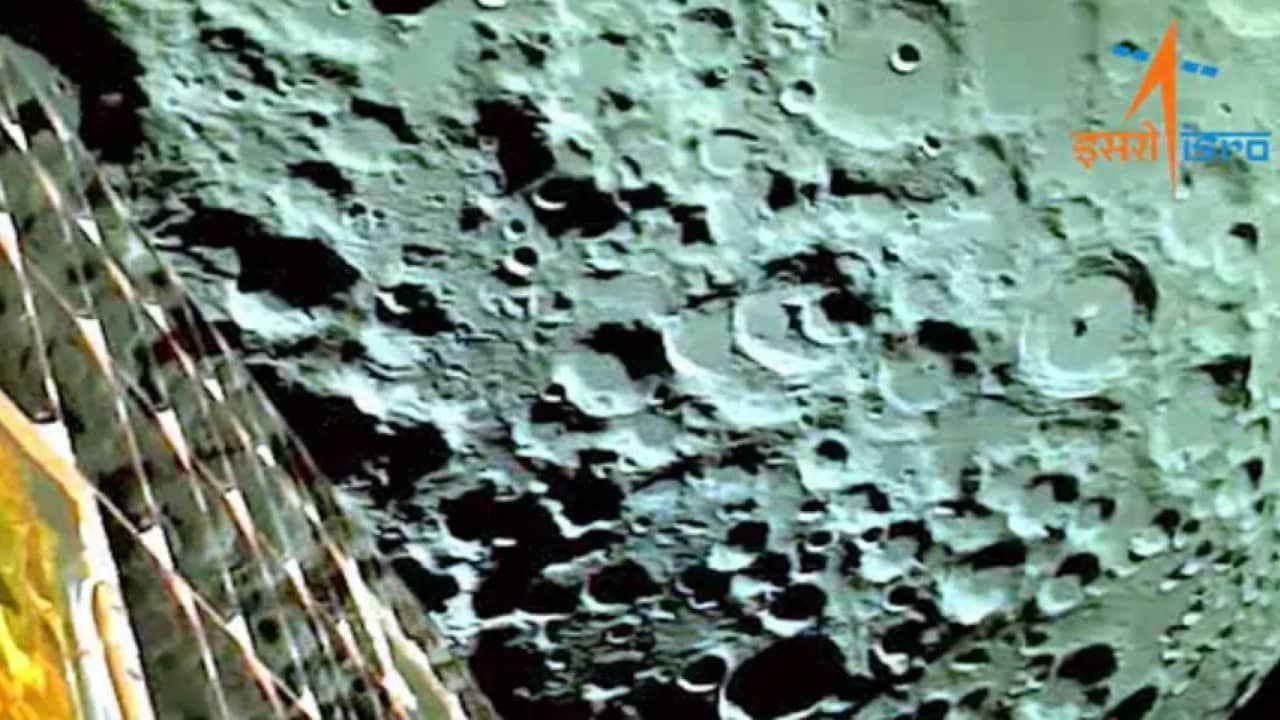
- ISRO's Space Applications Centre (SAC) has identified a safe landing patch near Mons Mouton in the lunar south polar region for Chandrayaan-4, India's first lunar sample return mission.
- The site MM-4 emerged as the optimal choice from five candidate zones evaluated using Chandrayaan-2 Orbiter High Resolution Camera (OHRC) data at 32-centimetre resolution.
- The mission, approved with a budget of ₹2,104 crore (~$250 million), is slated for 2028 launch using two upgraded LVM3 rockets with enhanced payload capacity.
- Success would place ISRO among only four space agencies globally capable of returning extraterrestrial samples joining the US, Russia, and China.
Chandrayaan-4: Mission Architecture & Objectives
Complex Multi-Module Design
The mission comprises five specialized modules launched in two separate stacks:
| Stack |
Modules |
Mass |
Launch Vehicle |
| First Launch |
Descender Module (DM) + Ascender Module (AM) |
~4,600 kg |
Upgraded LVM3 (SE2000 engine) |
| Second Launch |
Transfer Module (TM) + Re-entry Module (RM) + Propulsion Module (PM) |
~4,600 kg |
Upgraded LVM3 (SE2000 engine) |
Mission Objectives
- Sample Collection: Retrieve 2–3 kg of lunar regolith through surface scooping and sub-surface drilling up to 2 metres depth.
- Technological Demonstration: Validate in-orbit docking, lunar ascent, sample transfer in lunar orbit, and safe Earth re-entry with planetary protection protocols.
- Scientific Analysis: Enable ground-truth validation of remote sensing data and advance understanding of lunar water-ice deposits near the south pole.
- Human Spaceflight Precursor: Demonstrate critical technologies for India's planned crewed lunar landing by 2040.
Mission Sequence
- Earth Orbit Docking: Two stacks rendezvous and dock in elliptical Earth orbit within a month of respective launches.
- Lunar Transfer: Integrated stack performs trans-lunar injection using propulsion module.
- Lunar Orbit Operations: DM+AM separate from TM+RM; powered descent to landing site.
- Surface Operations: Robotic arm scoops samples; drill collects sub-surface material; sealed container transfer to ascender module.
- Lunar Ascent: AM launches from DM (used as launch pad), docks with TM+RM in lunar orbit.
- Sample Transfer: Lunar samples moved from AM to RM; TM+RM separate and return to Earth.
- Earth Re-entry: RM performs ballistic re-entry and lands on Earth with recovered samples.
Landing Site Selection: Mons Mouton Analysis
Why Mons Mouton?
- Geographic Location: Mountainous plateau near lunar south pole (between 84°–90°S latitude), offering proximity to permanently shadowed regions with potential water-ice deposits.
- Scientific Value: Access to polar volatiles and unique geological formations unavailable at equatorial landing sites.
Site Evaluation Criteria
| Parameter |
Requirement |
MM-4 Performance |
| Mean Slope |
<10° |
5.0° (optimal) |
| Hazard Level |
Minimal |
9.89% (lowest among candidates) |
| Safe Landing Grids (24m×24m) |
Maximum possible |
568 grids (highest count) |
| Illumination |
11–12 days sunlight |
Favourable, limited shadowing |
| Boulder Size |
<0.32 metres |
Compliant |
| Height Range |
Manageable |
5,274–5,386 metres |
| Coordinates |
South polar region |
84.289°S, 32.808°E |
Eliminated Sites
- One site discarded: Located in permanent shadow, preventing solar power generation for surface operations.
- MM-1 & MM-3: Hazard levels >12%, higher risk profiles.
- MM-5: Only 72 safe grids available, insufficient landing options.
Technological Upgrades & Preparatory Missions
LVM3 Enhancement
- SE2000 Semi-Cryogenic Engine: Upgraded kerolox engine replacing core stage liquid engines.
- Payload Capacity: Increased from 4,200 kg to ~5,000 kg to GTO, enabling single-launch capability for each Chandrayaan-4 stack.
- Readiness Timeline: Upgraded rocket expected flight-ready by 2027.
SPADEX Mission
- Purpose: Space Docking Experiment to validate orbital rendezvous and docking technologies critical for Chandrayaan-4.
- Status: Launched December 2024; demonstrates autonomous docking capabilities.
- Cost: $14 million investment for technology maturation.
Indigenous Technologies Under Development
- Robotic Sampling Arm: For surface scooping and sample transfer.
- Sub-surface Drill: Capable of 2-metre depth penetration for core sampling.
- Sample Sealing Mechanism: Ensures planetary protection and contamination prevention during Earth return.
India's Lunar Exploration Roadmap
| Mission |
Timeline |
Objective |
Status |
| Chandrayaan-1 |
2008 |
Orbital reconnaissance; water discovery |
Completed |
| Chandrayaan-2 |
2019 |
Orbiter + lander + rover; partial success |
Orbiter operational |
| Chandrayaan-3 |
2023 |
South polar soft-landing; in-situ studies |
Successful |
| Chandrayaan-4 |
2028 |
Sample return |
Approved; PDR phase |
| Chandrayaan-5/LUPEX |
2028–2029 |
Joint mission with JAXA; 350 kg rover |
In development |
| First Crewed Landing |
2040 |
Human lunar surface mission |
Planned |
| Lunar Base |
Post-2050 |
Sustainable human presence |
Vision document |
LUPEX (Chandrayaan-5) Collaboration
- Partner: Japan Aerospace Exploration Agency (JAXA).
- Indian Contribution: Lander, mission planning, scientific payloads.
- Japanese Contribution: H3 launch vehicle, 350 kg rover (12× heavier than Chandrayaan-3's Pragyan), specialized instruments.
- Target: 89.45°S, 222.85°E near Shackleton Crater; permanently shadowed region exploration.
- Rover Mobility: 500–1,000 metre traverse range with in-situ water-ice analysis.
Global Lunar Sample Return Context
- US (Apollo missions): 382 kg returned (1969–1972).
- Soviet Union (Luna missions): 300 grams returned (1970s).
- China (Chang'e 5 & 6): Chang'e 5 returned 1.7 kg from near side (2020); Chang'e 6 returned samples from far side (2024).
- India (Chandrayaan-4): Targeting 2–3 kg from south pole; would be first samples from polar region globally.
Sources
India, Canada Agree on Security Work Plan
What's the News?
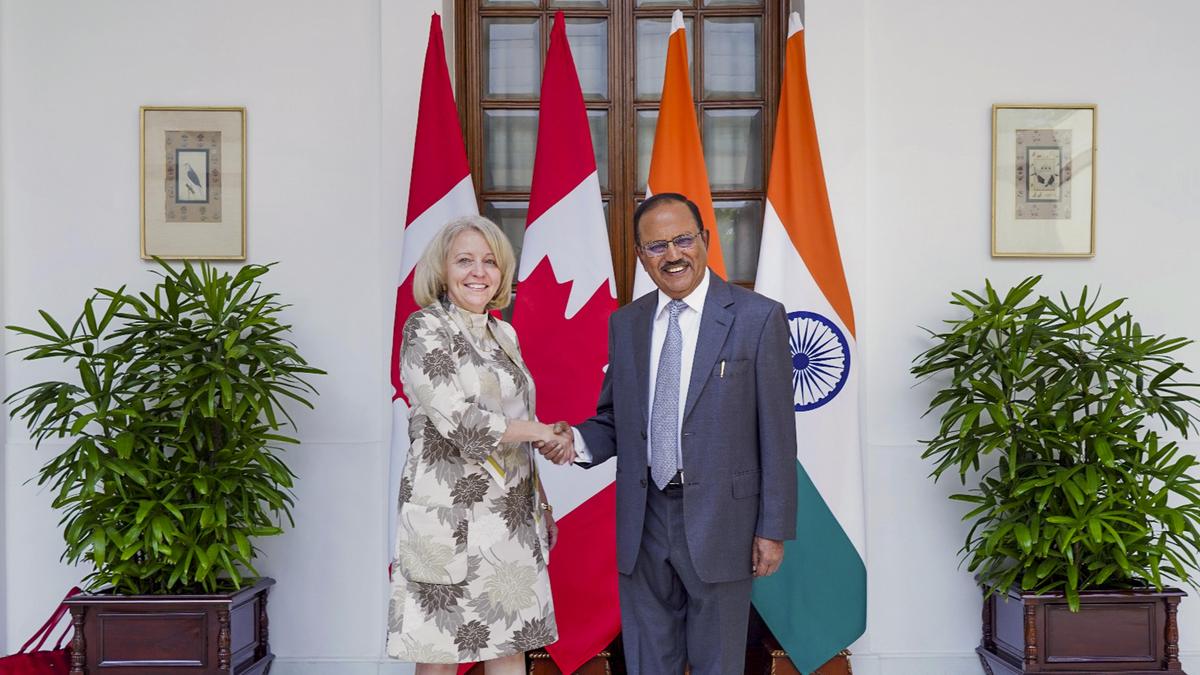
- National Security Adviser Ajit Doval conducted a two-day visit to Ottawa (February 6–7, 2026), meeting his Canadian counterpart Nathalie Drouin and Public Safety Minister Gary Anandasangaree to reset strained bilateral ties.
- Both sides agreed to a "shared work plan" for cooperation on national security, law enforcement, and cybersecurity, including establishment of security liaison officers in each country for streamlined information sharing.
- The visit; the first bilateral NSA-level engagement since the 2023 diplomatic crisis over the killing of Khalistani separatist Hardeep Singh Nijjar signals a thaw ahead of Canadian Prime Minister Mark Carney's expected visit to India in March 2026.
- Key focus areas include countering fentanyl trafficking, transnational organized crime, cybersecurity threats, and addressing Khalistani extremist activities on Canadian soil.
Shared Work Plan: Key Components
Security and Law Enforcement Cooperation
- Liaison Officer Mechanism: Each country to establish dedicated security and law-enforcement liaison officers to facilitate real-time intelligence sharing and operational coordination.
- Priority Areas:
- Illegal drug flows: Particularly fentanyl precursors- a critical concern for Canada amid North America's opioid crisis.
- Transnational organized criminal networks: Human trafficking, financial crimes, and cross-border smuggling operations.
- Fraud and immigration enforcement: Joint efforts against document fraud and illegal migration networks.
Cybersecurity Collaboration
- Formalized cooperation framework on cybersecurity policy and information sharing on cyber threats.
- Focus on critical infrastructure protection and countering state-sponsored cyber intrusions.
- Alignment with domestic laws and international obligations under UN Group of Governmental Experts (GGE) norms.
Counter-Terrorism and Extremism
- Khalistani networks: Doval strongly conveyed that violent extremist groups should not enjoy any form of support from Canadian state or non-state actors.
- Shift in Canadian stance: Canadian authorities reportedly accepted that Khalistani extremism directed at India constitutes organized crime, not protected free speech marking a significant policy evolution from previous administrations.
Diplomatic Context: From Crisis to Normalization
The 2023–2024 Diplomatic Rupture
| Event |
Date |
Impact |
| Hardeep Singh Nijjar killing |
June 2023 |
Khalistani separatist shot in Vancouver; India designated him terrorist in 2020 |
| Trudeau's Parliament statement |
September 18, 2023 |
Alleged "potential link" between Indian agents and killing; triggered crisis |
| Mutual diplomat expulsions |
September–October 2023 |
Tit-for-tat withdrawals; India suspended visa services for Canadians |
| October 2024 escalation |
October 2024 |
Canada expelled Indian High Commissioner Sanjay Kumar Verma + 5 diplomats; India retaliated with 6 expulsions |
| G7 Summit thaw |
June 2025 |
PM Modi met PM Carney at Kananaskis G7; agreed to re-engage |
Path to Normalization
- Mark Carney's premiership (April 2025): Liberal Party leader replaced Justin Trudeau, enabling diplomatic reset.
- Twin-track approach: Canada pursuing active law enforcement dialogue alongside expanded trade, technology, and energy cooperation.
- High Commissioner reappointment: Both countries have restored ambassadorial-level representation in respective capitals.
Additional Info
Legal Instruments and Mechanisms
| Agreement/Mechanism |
Year |
Purpose |
| Mutual Legal Assistance Treaty (MLAT) |
1994 (operationalized 1998) |
Legal cooperation in criminal matters |
| Canada-India Strategic Dialogue |
1997 |
Annual high-level political consultations |
| Canada-India Working Group on Counter-Terrorism |
1997 |
Operational counter-terror cooperation |
| Extradition Treaty |
1987 |
Surrender of fugitive offenders (rarely used for Khalistani cases) |
Khalistani Extremism: Historical Context
- Air India Kanishka bombing (1985): 329 fatalities - worst aviation terror attack until 9/11; perpetrated by Canada-based Khalistani militants; most accused acquitted in controversial trials.
- Talwinder Singh Parmar (1982): Canada rejected India's extradition request on Commonwealth protocol technicalities despite terrorism charges.
- Designated terrorist entities: Babbar Khalsa International (BKI) and International Sikh Youth Federation (ISYF) listed by Canada in 2003; Khalistan Tiger Force (KTF) and Sikhs for Justice (SFJ) subsequently designated.
Sources
Safer Internet Day 2026

What's the News?
- Safer Internet Day 2026 was observed globally on February 10, 2026, with India launching extensive nationwide awareness programs emphasizing safe and responsible use of Artificial Intelligence.
- The 2026 theme: "AI Aware: Safe, Smart, and in Control"; marks a strategic shift toward addressing AI-driven risks including deepfakes, algorithmic bias, misinformation, and data privacy violations.
- Indian government bodies including National Informatics Centre (NIC) and civil society organizations conducted school programs, workshops, and digital literacy campaigns targeting students, educators, and parents.
- The observance aligns with India's broader Digital India and cybersecurity policy framework, recognizing that 73% of people now use AI for educational purposes and teens require structured guidance for safe AI engagement.
AI Aware Campaign: Objectives and Focus Areas
Core Theme Components
| Element |
Focus |
Key Actions |
| AI Aware |
Understanding AI systems and their influence |
Recognizing AI-generated content, algorithmic bias, and misinformation |
| Safe |
Protecting privacy and digital identity |
Data protection, secure browsing, privacy settings management |
| Smart |
Developing critical thinking and digital literacy |
Evaluating online information, verifying sources, identifying deepfakes |
| In Control |
Empowering user agency over technology |
Managing screen time, controlling data sharing, ethical AI use |
Critical Risk Areas Addressed
- Deepfake proliferation: AI-generated synthetic media used for disinformation and harassment.
- Algorithmic addiction: Recommendation systems driving excessive screen time and behavioral manipulation.
- Data privacy violations: Unauthorized collection and profiling of user data by AI applications.
- Cyberbullying evolution: AI-enabled harassment including automated targeting and synthetic media abuse.
- Educational integrity: Maintaining authentic learning in AI-assisted academic environments.
India's Digital Safety Initiatives
Government-Led Programs
- National Informatics Centre (NIC): Organized awareness sessions across state capitals including Kohima, focusing on cyber hygiene and responsible AI usage for government employees and students.
- Ministry of Electronics and Information Technology (MeitY): Coordinated with CERT-In (Indian Computer Emergency Response Team) to issue advisories on AI application security.
- National Internet Exchange of India (NIXI): Promoted .IN domain security and DNS security awareness.
Civil Society and NGO Engagement
- School-based interventions: NGOs launched specialized programs in Delhi and metropolitan cities to facilitate peer-to-peer discussions on online harm, cyberbullying, and digital wellness.
- Parental guidance modules: Resources developed to help families establish smarter online/offline boundaries and AI literacy conversations.
- Youth-centric approach: Campaigns emphasized that young people are central stakeholders in creating safer digital ecosystems, not merely passive beneficiaries.
Global Context and Evolution
Historical Background
- Origin: Launched in 2004 as part of the EU SafeBorders project; institutionalized by the Insafe network (European network of Safer Internet Centres).
- Global expansion: By 2026, celebrated in over 180 countries and territories, coordinated by the joint Insafe-INHOPE network with European Commission support.
- US recognition: 2012; formalized through agreement between US Department of Homeland Security and European Commission.
Thematic Evolution
| Year |
Theme |
Focus Area |
| 2021 |
"Together for a Better Internet" |
General digital safety and inclusion |
| 2024 |
"Inspiring Change? Making a Difference, Managing Influence, and Navigating Change Online" |
Influence operations and digital resilience |
| 2025 |
"Inspiring Change? Making a Difference, Managing Influence, and Navigating Change Online" |
Continued focus on influence and change management |
| 2026 |
"AI Aware: Safe, Smart, and in Control" |
Artificial Intelligence safety and literacy |
Educational and Policy Implications
Digital Literacy Integration
- Curriculum alignment: AI safety modules being integrated into NCERT and state education board computer science curricula.
- Teacher training: National Council for Teacher Education (NCTE) incorporating AI awareness into B.Ed. and teacher professional development programs.
- Critical thinking frameworks: Promotion of methodologies like SIFT (Stop, Investigate the source, Find better coverage, Trace claims) for information verification.
Regulatory Context
- Digital Personal Data Protection Act, 2023: Establishes framework for consent-based data processing and user rights, relevant to AI application governance.
- Information Technology Rules, 2021 (amended): Address intermediary liability and content moderation for AI-generated harmful content.
- National Cyber Security Policy: Emphasizes protection of critical information infrastructure and cyber hygiene promotion.
- Proposed AI Regulation: MeitY developing risk-based framework for AI deployment, with focus on algorithmic transparency and bias mitigation.
Additional Info
Constitutional and Legal Framework
- Article 21 (Right to Life and Personal Liberty): Supreme Court has interpreted to include right to privacy (Puttaswamy judgment, 2017), extending to digital privacy and data protection.
- Article 19(1)(a) (Freedom of Speech and Expression): Balanced against reasonable restrictions under Article 19(2) for public order, decency, and morality; relevant to regulating harmful online content.
- Information Technology Act, 2000: Primary legislation governing cybercrime, electronic commerce, and digital governance; amended in 2008 and 2021.
Global Best Practices and Standards
- IEEE Standards Association: Developing technical standards for AI transparency, accountability, and ethical design.
- UNESCO AI Ethics Recommendation: 2021; first global normative framework on AI ethics; India endorsing principles of human rights, fairness, and transparency.
- OECD AI Principles: 2019: guidelines for responsible AI stewardship adopted by G20 (including India).
- Global Partnership on AI (GPAI): India member since 2020, focusing on responsible AI development and use.
Emerging Challenges and Policy Responses
| Challenge |
Policy/Regulatory Response |
| AI-generated deepfakes |
IT Rules 2021 amendments requiring disclosure of AI-generated content; proposed criminal penalties for malicious deepfakes |
| Child safety online |
POCSO Act, 2012 provisions for online child sexual abuse material; NCPCR guidelines for digital platforms |
| Data localization |
Digital Personal Data Protection Act, 2023: sensitive personal data storage requirements |
| Algorithmic accountability |
Draft National Data Governance Framework: principles for ethical AI and bias auditing |
Sources
International Epilepsy Day 2026
What's the News?
- International Epilepsy Day 2026 was observed on February 9, 2026 (second Monday of February), with India conducting nationwide awareness programs under the theme "#EpilepsyPledge" (also articulated as "Turning Stories into Action").
- The 2026 campaign shifts focus from awareness to actionable commitments, urging individuals, institutions, and policymakers to take one concrete step toward improving safety, inclusion, and treatment access for the 50 million people globally living with epilepsy.
- In India, where approximately 1 crore (10 million) people have epilepsy, the government utilized the District Mental Health Programme (DMHP) to conduct community-based awareness activities targeting rural and underserved populations.
- The observance aligns with WHO's Intersectoral Global Action Plan (IGAP) on Epilepsy and Other Neurological Disorders 2022–2031, to which India is committed.
Epilepsy Pledge 2026: From Awareness to Action
Campaign Framework
| Component |
Objective |
Implementation |
| Individual pledges |
Personal commitment to epilepsy understanding |
Social media engagement using #EpilepsyPledge |
| Institutional pledges |
Workplace/school safety protocols |
Seizure first-aid training, inclusive policies |
| Policy pledges |
Government action on treatment access |
Integrating epilepsy into primary healthcare |
| Community pledges |
Local support networks |
Community health worker mobilization |
Strategic Shift from 2025
- 2025 theme: "My Epilepsy Journey" focused on storytelling and identifying unmet needs through lived experiences.
- 2026 theme: "Turning Stories into Action" - emphasizes measurable improvements and concrete commitments based on previous year's insights.
India's Epilepsy Burden and Healthcare Response
Epidemiological Profile
| Indicator |
Data |
Global/Regional Context |
| Prevalence |
5.59–10 per 1,000 |
Higher than many developed nations |
| Total cases |
~1 crore (10 million) |
~20% of global burden in absolute numbers |
| Rural prevalence |
1.9% |
Significantly higher than urban (0.6%) |
| Treatment gap |
75% in low-income settings |
Majority lack access to anti-seizure medications |
| Disability prevalence |
69.7% among patients |
23.08% severe disability (Nehra et al. study) |
Government Initiatives
District Mental Health Programme (DMHP)
- Nodal agency: Ministry of Health and Family Welfare through National Mental Health Programme (NMHP).
- Community-based activities: Regular awareness camps, detection drives, and treatment facilitation in rural districts.
- Integration: Epilepsy care incorporated into primary healthcare delivery at district level.
National Programme for Prevention and Control of Non-Communicable Diseases (NP-NCD)
- NPCDCS integration: Epilepsy secondary to metabolic conditions addressed under broader non-communicable disease framework.
- Risk factor management: Focus on stroke prevention, cardiovascular health, and perinatal care to reduce epilepsy incidence.
Rights of Persons with Disabilities Act, 2016
- Recent inclusion: Chronic epilepsy added to draft disability rights bill - enables disability certificates, reservations, and social protection benefits.
- Legal recognition: Shifts epilepsy from purely medical condition to disability rights framework.
Service Delivery Models in India
| Model |
Description |
Status |
| Satellite clinics |
Apex institutions extending services to periphery |
Operational in tertiary centers |
| Camp approach |
Specialist rural camps for detection and treatment |
Periodic, stigma challenges persist |
| Primary healthcare integration |
Training Medical Officers in epilepsy management |
Scaling up under Ayushman Bharat |
| Community health workers |
Accredited Social Health Activists (ASHAs) for identification and referral |
Active in National Health Mission areas |
| Telemedicine |
Remote consultation for follow-up care |
Expanding post-COVID-19 |
Global Framework and WHO Collaboration
Intersectoral Global Action Plan (IGAP) 2022–2031
- Adopted: World Health Assembly Resolution WHA 73.10 (May 2022).
- India's commitment: One of 194 member states endorsing the 10-year action plan.
- Five strategic objectives:
- Access to care: 80% of people with epilepsy receiving treatment by 2031.
- Stigma reduction: Public awareness campaigns in 50% of countries.
- Research and innovation: Increased investment in epilepsy-specific research.
- Health system strengthening: Integration into primary healthcare.
- Surveillance and data: Improved epidemiological tracking.
WHO-ILAE-IBE Partnership
- Global Campaign Against Epilepsy: Launched 1997; 2001 elevated to highest WHO priority for non-communicable diseases.
- Out of the Shadows: Longstanding advocacy initiative to reduce stigma and improve care quality.
- International Epilepsy Day: Joint initiative of International Bureau for Epilepsy (IBE) and International League Against Epilepsy (ILAE) since 2015.
Epilepsy Prevention Strategies
Primary Prevention
- Perinatal care: Improved obstetric services to prevent birth injuries.
- Immunization: Japanese Encephalitis, measles vaccines to prevent infection-related epilepsy.
- Vector control: Malaria prevention in endemic regions.
- Food hygiene: Neurocysticercosis prevention (tapeworm infection, major cause in India).
- Injury prevention: Road safety (helmets, seatbelts), workplace safety protocols.
Secondary Prevention
- Early diagnosis: EEG and neuroimaging access in district hospitals.
- Treatment adherence: Phenobarbital and phenytoin availability in primary health centers under essential medicines list.
- Surgical intervention: Epilepsy surgery at NIMHANS, AIIMS, and SGPGI for drug-resistant cases.
Sources
World Pulses Day 2026
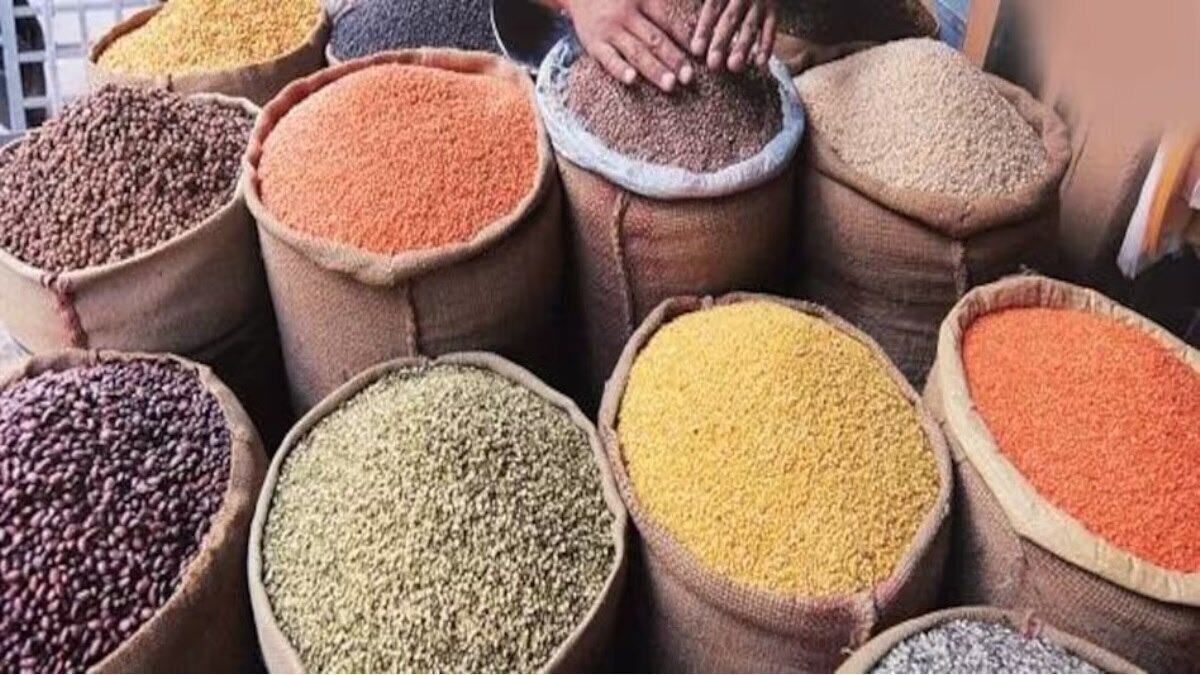
What's the News?
- World Pulses Day 2026 was observed globally on February 10, 2026, with the official FAO theme "Pulses of the World: From Modesty to Excellence" highlighting the transformation of pulses from humble traditional foods to globally recognized superfoods.
- India, the world's largest producer and consumer of pulses, leveraged the occasion to promote its Mission for Aatmanirbharta in Pulses; a ₹11,440 crore initiative launched in October 2025 to achieve self-sufficiency by December 2027.
- The 2026 global theme challenges lingering perceptions of pulses as merely "low-cost" or "rural" foods, emphasizing their nutritional excellence, culinary diversity, and environmental sustainability.
- The observance aligns with UN Sustainable Development Goals (SDGs), particularly SDG 2 (Zero Hunger) and SDG 12 (Responsible Consumption and Production), and supports India's Vision 2047 for a developed, food-secure nation.
2026 Theme: "Pulses of the World: From Modesty to Excellence"
Core Message
The theme addresses the perception gap where pulses are still associated with modest, traditional diets despite their scientifically validated benefits:
| Dimension |
"Modesty" Perception |
"Excellence" Reality |
| Nutritional status |
Basic sustenance food |
Nutrient-dense superfood: high protein, fiber, iron, folate |
| Culinary role |
Simple rural cuisine |
Global culinary innovation: plant-based meat alternatives, gourmet dishes |
| Economic value |
Low-cost commodity |
High-value crop supporting 2 crore farmers and export potential |
| Environmental impact |
Conventional agriculture |
Climate-smart crop: nitrogen-fixing, low water footprint, soil health improvement |
| Health contribution |
Filling food |
Non-communicable disease prevention: cardiovascular health, diabetes management |
Global Celebrations
- Host country: Kingdom of Spain hosted the main global event at Miguel Delibes Cultural Centre, Valladolid.
- Format: Blend of scientific discussions and culinary demonstrations showcasing pulses' versatility.
- Campaign tools: FAO's "Guide to World Pulses Day 2026" provided resources for policymakers, farmers, educators, and consumers.
India's Pulses Sector: Mission for Aatmanirbharta
Production and Import Context
| Indicator |
Data |
Significance |
| Global ranking |
#1 producer, consumer, and importer |
India produces ~25% of world pulses but consumes ~27% |
| Production (2024-25) |
252.38 lakh tonnes |
31% increase from 192.6 lakh tonnes (2013-14) |
| Imports (2023-24) |
47.38 lakh tonnes |
Import dependency despite production growth |
| Import value (2024-25) |
$5.48 billion |
Record imports highlighting supply-demand gap |
| Cultivation area |
~242 lakh hectares |
Target: 310 lakh hectares by 2030-31 |
| Target production |
350 lakh tonnes by 2030-31 |
Self-sufficiency by December 2027 |
Mission for Aatmanirbharta in Pulses (2025–2031)
Financial and Temporal Framework
- Total outlay: ₹11,440 crore over 6 years (2025-26 to 2030-31).
- Launch: October 11, 2025 by PM Narendra Modi at IARI, New Delhi.
- Cabinet approval: October 1, 2025 following Budget 2025-26 announcement.
Strategic Interventions
| Component |
Target/Scale |
Implementation Mechanism |
| Seed distribution |
126 lakh quintals certified seeds + 88 lakh free seed kits |
SATHI portal for traceability; ICAR supervision |
| Area expansion |
+35 lakh hectares (rice fallows, diversifiable lands) |
Intercropping promotion, cluster-based approach |
| Processing infrastructure |
1,000 new processing/packaging units |
₹25 lakh/unit subsidy; NITI Aayog cluster recommendations |
| Assured procurement |
100% procurement of Tur, Urad, Masoor at MSP |
NAFED and NCCF under PM-AASHA (4 years) |
| Yield improvement |
1,130 kg/ha (from 881 kg/ha) |
Climate-resilient varieties, mechanization, bio-fertilizers |
| Farmer coverage |
~2 crore farmers |
Training through KVKs, state agriculture departments |
Key Crops Prioritized
- Tur (Arhar/Pigeon Pea): Major import substitute; 100% procurement assurance.
- Urad (Black Gram): Essential for South Indian cuisine and protein security.
- Masoor (Lentil): Rabi season crop; rapid cooking variety preferred.
Operational Architecture
SATHI Portal (Seed Authentication, Traceability & Holistic Inventory)
- Developed by: Ministry of Agriculture & Farmers' Welfare + NIC.
- Function: End-to-end seed supply chain automation; from production to certification to sale.
- Traceability: Ensures quality assurance and prevents counterfeit seed circulation.
Cluster-Based Approach (NITI Aayog Recommendation)
- Coverage: 416 focused districts identified for intensive interventions.
- Rationale: Localized solutions for specific agro-climatic conditions; efficient resource allocation.
- Geographic diversification: Reduces concentration risk and optimizes logistics.
PM-AASHA Integration
- Pradhan Mantri Annadata Aay Sanrakshan Abhiyan: Price assurance mechanism.
- Price Support Scheme (PSS): Government procurement at Minimum Support Price (MSP).
- Market Intervention: Stabilizes prices during glut periods.
Nutritional and Environmental Significance
Health Benefits
- Protein contribution: Pulses provide 20–25% of total protein intake in Indian diets (per National Institute of Nutrition).
- Consumption gap: Per capita consumption (~45-50 grams/day) remains below recommended 85 grams/day.
- Non-communicable disease prevention: Low glycemic index, high fiber content supports diabetes management and cardiovascular health.
- Micronutrient security: Rich in iron, zinc, folate, and B-vitamins - critical for anemia reduction and maternal health.
Environmental Sustainability
| Benefit |
Mechanism |
Impact |
| Nitrogen fixation |
Symbiotic bacteria in root nodules convert atmospheric nitrogen to soil nitrogen |
Reduces synthetic fertilizer need by 25–40% |
| Soil health |
Increases soil organic carbon and microbial activity |
Improves fertility for subsequent crops |
| Water efficiency |
Drought-tolerant; require less water than animal protein sources |
Low water footprint compared to meat/dairy |
| Climate resilience |
Short-duration varieties; adaptability to varied agro-ecologies |
Risk mitigation for farmers |
| Biodiversity |
Diverse species (lentils, chickpeas, beans, peas) support crop rotation |
Sustainable intensification |
Historical Evolution of Pulses Policy
| Year |
Initiative |
Significance |
| 1966 |
All India Coordinated Pulse Improvement Project |
First systematic research on pulses |
| 2010–14 |
Accelerated Pulses Production Programme (A3P) |
Enhanced productivity focus |
| 2016 |
International Year of Pulses (UN-FAO) |
Global recognition of pulses' value |
| 2018 |
National Food Security Mission (NFSM) – Pulses component |
Integrated approach to production enhancement |
| 2019 |
World Pulses Day established (UNGA) |
Annual global observance (February 10) |
| 2025 |
Mission for Aatmanirbharta in Pulses launched |
Self-sufficiency target by 2027 |
Sources
