
Current Affairs
Stay updated with the latest national and international events.
10 May 2025
New Diabetes Subtype Discovery: A Boost for Precision Medicine in India
Indian and U.S. researchers have identified a new subtype of monogenic diabetes, offering hope for more precise treatments. This breakthrough comes from a collaboration between the Madras Diabetes Research Foundation (MDRF), Chennai, and the Washington University School of Medicine in St. Louis, U.S.
The discovery is particularly important for India, which has a large number of diabetes patients. It highlights the growing need for genetic testing to correctly diagnose and manage different forms of diabetes.
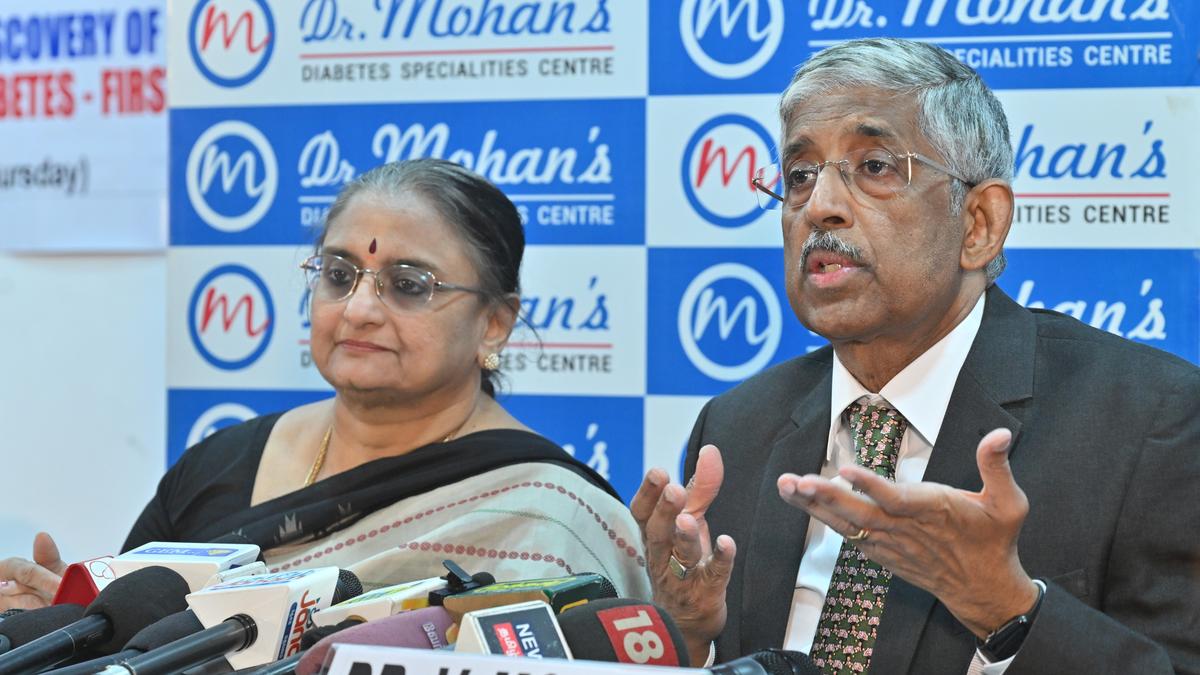 Dr. V. Mohan, Chairman, Madras Diabetes Research Foundation, along with Dr Radha Venkatesan, Head of Genomics, Madras Diabetes Research Foundation, addressing a press conference | Photo Credit: The Hindu
What is Monogenic Diabetes?
- Unlike Type 1 or Type 2 diabetes which are generally caused by multiple factors (polygenic and lifestyle), monogenic diabetes results from a mutation in a single gene.
- Maturity-Onset Diabetes of the Young (MODY) is a common form of monogenic diabetes. It usually appears in adolescents and young adults.
- Previously, 13 subtypes of MODY were known. This new discovery adds another to the list.
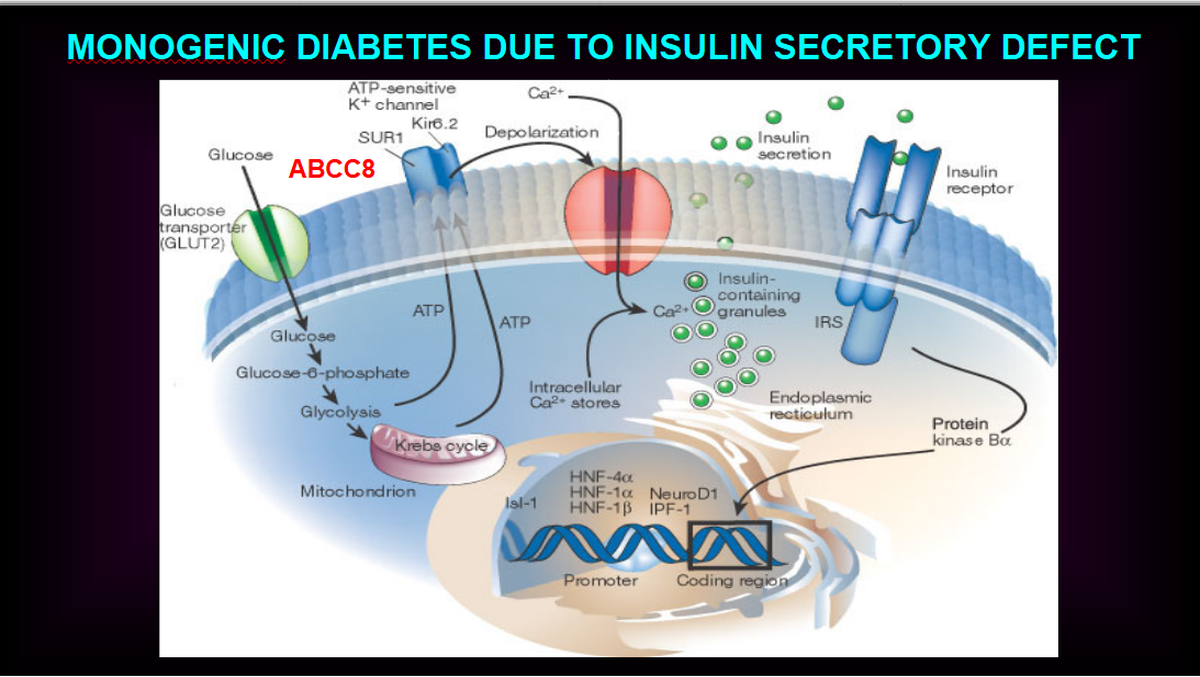 Photo Credit: Special Arrangement
The New Discovery:
- The research, published in the American Diabetes Association's journal Diabetes, identifies this new MODY subtype linked to Loss of Function (LOF) mutations in the ABCC8 gene.
- The ABCC8 gene plays a crucial role in regulating insulin release from the pancreas by controlling a potassium channel.
- Interestingly, Gain of Function (GOF) mutations in the same ABCC8 gene were previously known to cause other MODY forms and neonatal diabetes.
- This newly found LOF variant shows a unique progression: low blood sugar (hypoglycemia) in early life, followed by diabetes later on. This pattern was not previously documented for MODY.
Why is this Significant?
- Challenges Old Assumptions: It changes the understanding of how MODY can develop.
- Precision Treatment: This new subtype does not respond to conventional MODY treatments like sulphonylureas, which work for other forms. This makes correct diagnosis through genetic testing vital for choosing the right therapy.
- Need for Genetic Screening: The researchers stress the urgent need to make genetic testing more accessible and routine in diabetes care in India. Many MODY patients are currently misdiagnosed as having Type 1 or Type 2 diabetes.
- Drug Development: Understanding this new genetic mechanism could lead to the discovery of new drug targets for diabetes treatment.
Mechanism Explained Simply:
- The ABCC8 gene helps create a protein that forms part of a channel (K-ATP channel) in pancreatic beta cells (the cells that produce insulin).
- In this new subtype, the Loss of Function (LOF) mutation impairs the potassium channel's function. This disrupts normal insulin secretion, leading to the observed pattern of early hypoglycemia and later diabetes.
- Previously known MODY types linked to ABCC8 involved Gain of Function (GOF) mutations, where the channel's activity was enhanced, also leading to diabetes but through a different mechanism.
World Lupus Day 2025: Making the "Invisible Disease" Visible
World Lupus Day was observed globally on May 10, 2025, to raise awareness about Lupus, a complex and often misunderstood autoimmune disease. The theme for this year, "Let's Make Lupus Visible Together," calls for increased public understanding, support for patients, and more funding for research into this challenging condition.
This day serves as a reminder of the need for greater awareness among the public and healthcare communities, especially in countries like India where a significant number of people are affected.

What is Lupus?
- Lupus is a chronic autoimmune disease. In this condition, the body's immune system, which normally fights infections, mistakenly attacks its own healthy tissues and organs.
- This attack can cause inflammation, pain, and damage to various parts of the body, including joints, skin, kidneys, heart, lungs, and brain.
- There are different types of lupus, with Systemic Lupus Erythematosus (SLE) being the most common and serious form. Other types include cutaneous (skin) lupus, drug-induced lupus, and neonatal lupus.
Why is it called an "Invisible Disease"?
- Lupus symptoms can be vague, fluctuate over time (flare-ups and remissions), and often mimic those of other illnesses (like fever, joint pain, fatigue, skin rashes).
- This can lead to delayed diagnosis or misdiagnosis, making it an "invisible" struggle for many patients.
Key Facts and Figures:
- Global Impact: An estimated 5 million (50 lakh) people worldwide suffer from lupus, with around 68% (34 lakh) having SLE.
- Who is Affected? Lupus can affect anyone, but it is most commonly diagnosed in people aged 15 to 44 years.
- Gender Disparity: Females are more frequently affected than males. This is thought to be linked to hormones like oestrogen, which can modulate the immune system.
- Low Public Awareness: Surveys show a significant lack of public knowledge about lupus, its symptoms, and complications. For example, a 2016 global survey found many were unaware of its impact on joints or even what the disease is, with some wrongly believing it to be an STD or a bacterial infection.
Lupus in India:
- While precise nationwide data may be limited, lupus is a significant health concern in India, affecting a considerable number of people, particularly young women.
- Low awareness, delayed diagnosis, and access to specialised care remain challenges.
History of World Lupus Day:
- Established in 2004 by Lupus Canada and partner organisations from 12 other countries.
- The aim was to urge governments to increase funding for research, improve patient services, gather more data on lupus incidence, and raise public awareness.
Managing and Controlling Lupus:
- While there is no cure for lupus, its symptoms can usually be managed with early detection and careful medical attention.
- Treatment focuses on controlling symptoms, preventing flare-ups, and minimising organ damage.
- Lifestyle adjustments play a crucial role:
- Adhering to prescribed medications (often immunosuppressants, steroids, and pain relievers).
- Regular exercise.
- Avoiding smoking and excessive alcohol.
- Using sun protection (as UV light can trigger flares).
- Ensuring adequate sleep and rest.
- Managing stress.
Lucknow Gets BrahMos Missile Unit, Boosting India's Defence Self-Reliance
In a major push for India's indigenous defence manufacturing capabilities, a new BrahMos missile manufacturing unit set to inaugurate in Lucknow, Uttar Pradesh, on May 11. This facility is set to produce 80 to 100 BrahMos supersonic cruise missiles annually and is a key component of the Uttar Pradesh Defence Industrial Corridor (UPDIC).
This development marks a significant step towards achieving 'Aatmanirbhar Bharat' (self-reliant India) in the defence sector and strengthens the nation's strategic deterrence.

About the BrahMos Missile:
- Joint Venture: A product of BrahMos Aerospace, an Indo-Russian joint venture between India's Defence Research and Development Organisation (DRDO) and Russia's NPO Mashinostroyeniya. The name "BrahMos" is derived from India's Brahmaputra river and Russia's Moskva river.
- Supersonic Speed: It is one of the fastest supersonic cruise missiles in the world, capable of flying at speeds of Mach 2.8 to Mach 3.0 (nearly three times the speed of sound).
- Capabilities:
- Multi-Platform Launch: Can be launched from land, air, sea (ships and submarines).
- Range: Original range of 290 km, with newer variants having extended ranges of up to 400-500 km. Advanced versions with even longer ranges (up to 800 km) are under development. The Lucknow unit will also focus on the BrahMos-NG (Next Generation), a lighter and smaller variant with enhanced stealth and an expected range of over 300 km.
- Precision: Operates on a 'fire and forget' principle, known for its high precision and ability to hit targets with accuracy.
- Stealth Features: Designed with a low radar cross-section to evade enemy detection.
- Warhead: Carries a conventional warhead weighing 200-300 kg.
- Strategic Importance: Forms a crucial part of India’s tactical strike capabilities and acts as a significant deterrent.
The Lucknow Manufacturing Unit:
- Production Capacity: Aimed at producing 80-100 missiles per year, including the BrahMos-NG.
- Investment: The unit has been established with an investment of Rs 300 crore.
- Land Area: Approximately 80 acres have been allocated for the BrahMos unit within a larger complex.
- Employment: Expected to generate significant direct and indirect employment opportunities (around 500 direct jobs and thousands more indirectly).
Uttar Pradesh Defence Industrial Corridor (UPDIC):
- Vision: The BrahMos facility is a cornerstone of the UPDIC, announced by Prime Minister Narendra Modi in 2018 during a global investors’ summit.
- Nodal Agency: Uttar Pradesh Expressways Industrial Development Authority (UPIEDA).
- Six Nodes: The corridor spans six nodes: Lucknow, Kanpur, Aligarh, Agra, Jhansi, and Chitrakoot.
- Objectives:
- To promote indigenous defence manufacturing.
- Attract domestic and foreign investment in the defence sector.
- Reduce reliance on defence imports.
- Foster ancillary industries, including MSMEs.
- Create employment and boost regional economic development.
- Progress:
- Significant land allotment has been made across nodes, with the Lucknow, Kanpur, and Aligarh nodes seeing substantial allocation.
- Investment proposals worth over Rs 28,000 crore (some reports suggest up to Rs 34,000 crore proposed with Rs 4,000 crore already invested) have been received for various nodes.
- Major companies like Bharat Dynamics Ltd., Adani Defence Systems & Technologies, and Aerolloy Technologies are investing in the UPDIC.
- R&D Support: IIT Kanpur and IIT BHU (Varanasi) are roped in as centres of excellence for research and development needs.
Pulitzer Prizes 2025: "James" and "Purpose" Win Top Arts Awards
The 2025 Pulitzer Prizes, highly prestigious awards honouring excellence in U.S. journalism, arts, and letters, were announced on Monday, May 12, 2025. This year's winners in the arts categories include novelist Percival Everett for "James" and playwright Branden Jacobs-Jenkins for "Purpose," both works offering powerful explorations of race and heritage.
The announcement also highlighted concerns over recent funding cutbacks at the National Endowment for the Arts (NEA), an institution that has previously supported Pulitzer laureates.
About the Pulitzer Prizes:
- Established in 1917 by provisions in the will of Joseph Pulitzer, a Hungarian-American newspaper publisher.
- Administered by Columbia University, New York.
- Recognised as the highest national honour in the United States for achievements in print journalism, literary achievement, and musical composition.
- Winners receive a certificate and a cash award (currently $15,000, except for the Public Service prize in journalism, which is a gold medal).
Major Winners in Arts and Letters (2025):
- Fiction: "James" by Percival Everett.
- A radical reimagining of Mark Twain's "The Adventures of Huckleberry Finn," told from the perspective of the enslaved character, Jim.
- The Pulitzer citation called it an “accomplished reconsideration” that illustrates “the absurdity of racial supremacy and provide a new take on the search for family and freedom.”
- This novel has also won the National Book Award, the Kirkus Prize, and the Carnegie Medal for fiction in 2024. Everett's 2001 novel "Erasure" was adapted into the Oscar-nominated film "American Fiction" (2023).
- Drama: "Purpose" by Branden Jacobs-Jenkins.
- A play about an accomplished Black family grappling with internal conflicts and legacy.
- Praised as “a skillful blend of drama and comedy that probes how different generations define heritage.”
- Jacobs-Jenkins is a two-time previous Pulitzer finalist and won a Tony Award in 2024 for the revival of his play "Appropriate." "Purpose" also received six Tony Award nominations.
- History (Two Winners): Both explore themes of race in U.S. history.
- "Combee: Harriet Tubman, The Combahee River Raid, and Black Freedom During the Civil War" by Edda L. Fields-Black.
- "Native Nations: A Millennium in North America" by Kathleen DuVal.
- Biography: "Every Living Thing: The Great and Deadly Race to Know All Life" by Jason Roberts.
- General Nonfiction: "To the Success of Our Hopeless Cause: The Many Lives of the Soviet Dissident Movement" by Benjamin Nathans.
- Poetry: "New and Selected Poems" by Marie Howe.
- Music: "Sky Islands" by Susie Ibarra, an eight-piece ensemble inspired by rainforest habitats in the Philippines.
- Memoir/Autobiography: "Feeding Ghosts: A Graphic Memoir" by Tessa Hulls, a multigenerational story and her debut book.
India's Maternal Mortality Ratio Declines: A Positive Trend, But Challenges Remain
India has shown a positive trend in reducing its Maternal Mortality Ratio (MMR), which has fallen to 93 deaths per 100,000 live births in 2019-21. This is an improvement from 97 in 2018-20 and 103 in 2017-19, according to the latest data from the Office of the Registrar General and Census Commissioner of India, released through the Sample Registration System (SRS).
This decline indicates progress in maternal healthcare, but the country still faces challenges in meeting the Sustainable Development Goal (SDG) target and addressing regional disparities, including in states like Odisha.
Understanding MMR:
- Definition: MMR is the number of maternal deaths during a specific time period per 100,000 live births during the same period.
- Maternal Death (WHO Definition): The death of a woman while pregnant or within 42 days of termination of pregnancy, irrespective of the duration and site of the pregnancy, from any cause related to or aggravated by the pregnancy or its management, but not from accidental or incidental causes.
- Significance: MMR is a critical indicator of a country's reproductive health services, overall healthcare quality, and socio-economic development.
Key Findings from the Latest Data (2019-21):
- National MMR: 93 per 100,000 live births.
- Declining Trend: Shows consistent improvement from previous periods (97 in 2018-20, 103 in 2017-19, and 130 in 2014-16).
- Age Group Vulnerability: The highest MMR occurs in the 20-29 years age group, followed by the 30-34 years age group. This highlights the need for focused interventions for women in their peak reproductive years.
State-wise Disparities:
- Several states report MMR higher than the national average. These include:
- Madhya Pradesh (175)
- Assam (167)
- Uttar Pradesh (151)
- Odisha (135)
- Chhattisgarh (132)
- West Bengal (109)
- Haryana (106)
- The data indicates that eight states have already achieved the SDG target for MMR: Kerala (20), Maharashtra (38), Telangana (45), Andhra Pradesh (46), Tamil Nadu (49), Jharkhand (51), Gujarat (53), and Karnataka (63).
Global Context and SDG Target:
- SDG Target 3.1: The United Nations' Sustainable Development Goals aim to reduce the global MMR to less than 70 per 100,000 live births by 2030. India is making progress but is yet to reach this target.
- WHO Insights:
- Globally, over 700 women died every day in 2023 from preventable causes related to pregnancy and childbirth.
- The global MMR dropped by about 40% between 2000 and 2023.
- A vast majority (over 90%) of maternal deaths in 2023 occurred in low- and lower-middle-income countries.
- Access to skilled health professionals before, during, and after childbirth is crucial for saving lives.
Causes of Maternal Mortality:
- Complications during and following pregnancy and childbirth.
- Unsafe abortions.
- Key direct obstetric causes include severe bleeding (hemorrhage), infections (sepsis), high blood pressure during pregnancy (pre-eclampsia and eclampsia), and delivery-related complications.
Factors Contributing to MMR Decline in India:
- Improved access to and quality of maternal health services.
- Increase in institutional deliveries.
- Enhanced antenatal and postnatal care.
- Government initiatives like:
- Janani Suraksha Yojana (JSY): Promotes institutional deliveries.
- Pradhan Mantri Surakshit Matritva Abhiyan (PMSMA): Provides free, comprehensive, and quality antenatal care.
- Pradhan Mantri Matru Vandana Yojana (PMMVY): Provides maternity benefits.
- Surakshit Matritva Aashwasan (SUMAN): Aims for zero preventable maternal and newborn deaths.
- Strengthening of health infrastructure under the National Health Mission (NHM).
Challenges Ahead:
- Regional Disparities: Significant differences in MMR exist between states, requiring targeted interventions in high-burden states.
- Access in Rural/Remote Areas: Ensuring quality maternal healthcare reaches women in rural, remote, and underserved areas.
- Socio-economic Factors: Addressing issues like poverty, malnutrition (especially anemia), low levels of education, and early marriage.
- Quality of Care: Ensuring adherence to standard operating procedures and availability of skilled healthcare professionals at all levels.
- Awareness: Increasing awareness about available schemes and the importance of timely medical care.
CCI Tightens Rules on Predatory Pricing with New Cost Definitions
The Competition Commission of India (CCI), the country's fair-trade regulator, has notified new definitions for costs, specifically the CCI (Determination of Cost of Production) Regulations, 2025. This move aims to more effectively identify and curb predatory pricing by companies, ensuring a level playing field, especially in dynamic sectors like the digital economy.
What is Predatory Pricing?
- According to the Competition Act, 2002, predatory pricing occurs when a company (usually a dominant one) sells its goods or services below its cost of production.
- The primary intention behind this practice is to reduce competition or eliminate competitors from the market. Once competitors are out, the dominant firm can raise prices to recoup losses and exploit its market power.
- Predatory pricing is considered an abuse of dominant position under Section 4 of the Competition Act.
Key Changes in the New "Cost Regulations 2025":
- Primary Cost Benchmark: The cost of a good or service will generally be assumed to be its ‘Average Variable Cost’ (AVC).
- AVC Defined: It is calculated by dividing the total variable cost by the total output during a specific period.
- Total Variable Cost (TVC): This refers to the total cost of production minus fixed costs and fixed overheads attributable to that product. (Variable costs change with the level of output, e.g., raw materials, direct labour; Fixed costs remain constant regardless of output, e.g., rent, salaries of permanent staff).
- Sector-Agnostic Approach: The CCI will avoid using sector-specific definitions of cost. Instead, it will adopt a case-by-case assessment.
- This provides flexibility, allowing the CCI to consider the unique features and evolving dynamics of different industries, particularly the digital economy (e.g., e-commerce, quick commerce) where cost structures can be complex (involving high initial fixed costs, network effects, and cross-subsidization).
- Other Cost Concepts: While AVC is the primary benchmark (as a proxy for marginal cost), the CCI may, in specific cases and for reasons to be recorded, consider other cost concepts like Average Total Cost (ATC), Average Avoidable Cost, or Long-Run Average Incremental Cost (LRAIC), depending on the industry, market, and technology.
- Process: The final notification of these regulations follows stakeholder consultations on a draft released in February 2025, incorporating some suggested changes. These new regulations replace the earlier Cost Regulations of 2009.
Why is this Important?
- Clarity and Predictability: Provides greater clarity for businesses on how the CCI will assess pricing behaviour.
- Curbing Anti-Competitive Practices: Strengthens CCI's ability to investigate and act against dominant firms that try to drive out smaller players through unfair pricing.
- Protecting Consumer Interest: While low prices seem good for consumers initially, predatory pricing can lead to reduced choice and higher prices in the long run once competition is eliminated.
- Relevance for Digital Markets: The flexible, case-by-case approach is crucial for the digital economy, where traditional cost-plus pricing models may not always apply. It helps address challenges like deep discounting by e-commerce platforms.
- Promoting Fair Competition: Ensures a level playing field where businesses compete on merits like innovation, quality, and efficiency, rather than financial muscle to sustain losses.
Role of the Competition Commission of India (CCI):
- Established under the Competition Act, 2002.
- Mandate:
- To prevent practices having an adverse effect on competition.
- To promote and sustain competition in markets.
- To protect the interests of consumers.
- To ensure freedom of trade carried on by other participants in markets in4 India.
- The CCI investigates cases of anti-competitive agreements, abuse of dominant position, and regulates combinations (mergers and acquisitions) that could harm competition.
India Abstains on IMF Bailout for Pakistan, Cites Misuse of Funds & Terrorism Concerns
India took a significant diplomatic stance by abstaining from a vote at the International Monetary Fund (IMF) Executive Board meeting that considered a fresh bailout package for Pakistan. While abstaining, India voiced strong concerns over the efficacy of IMF programs for Pakistan given its poor track record, and more critically, flagged the possibility of misuse of debt financing funds for state-sponsored cross-border terrorism.
The IMF Board was reviewing Pakistan's existing Extended Fund Facility (EFF) of approximately $1 billion and considering a new Resilience and Sustainability Facility (RSF) of $1.3 billion. The IMF acknowledged India's statement and its decision to abstain.
India's Stated Concerns:
- Poor Track Record: India highlighted Pakistan's history as a "prolonged borrower" from the IMF with a very poor record of implementing program conditions. It pointed out that Pakistan has had four IMF programs in the last five years (since 2019), questioning the effectiveness of these programs in establishing a sound macroeconomic policy environment.
- Misuse of Funds for Terrorism: A major concern raised by India was the potential for these funds to be diverted to finance state-sponsored cross-border terrorism. India stated that "rewarding continued sponsorship of cross-border terrorism sends a dangerous message to the global community."
- Reputational Risk for Lenders: India suggested that funding a country with such a track record exposes funding agencies and donors to "reputational risks" and "makes a mockery of global values."
- Questioning IMF Program Design for Pakistan: India questioned the very design, monitoring, and implementation of IMF programs concerning Pakistan, given the repeated need for bailouts.
- Military's Role in Economy: India also reportedly flagged concerns about the Pakistani military's entrenched role in economic decision-making, which could lead to policy slippages and reversal of reforms.
IMF's Voting Mechanism:
- It's important to note that the IMF's decision-making, especially on loan approvals, often relies on consensus.
- Unlike the UN, where a direct "no" vote can be cast, the IMF board members (Executive Directors representing countries or groups of countries) typically vote "yes" or abstain. An abstention, in this context, is a way to formally record dissent or serious reservations when a "no" vote isn't a procedural option or when a country doesn't want to directly block a proposal but wants its concerns on record.
Details of the IMF Facilities for Pakistan:
- Extended Fund Facility (EFF): This facility provides financial assistance to countries facing serious medium-term balance of payments problems due to structural weaknesses that require time to address. EFF programs usually involve comprehensive reforms.
- Resilience and Sustainability Facility (RSF): The RSF provides affordable long-term financing to low-income and vulnerable middle-income countries to address longer-term structural challenges, including those related to climate change and pandemic preparedness.
Background on Pakistan and IMF:
- Pakistan has a long history of seeking financial assistance from the IMF, having approached the fund numerous times (over 20 programs) since becoming a member in 1950.
- The country has been grappling with severe economic challenges, including high external debt, low foreign exchange reserves, and a persistent balance of payments crisis.
Significance of India's Stand:
- Strong Diplomatic Messaging: India's abstention, coupled with its strong statement, sends a clear message about its security concerns and its disapproval of Pakistan's alleged use of international aid.
- Highlighting Accountability: It puts a spotlight on the accountability of both the recipient country and international financial institutions regarding the end-use of funds and the effectiveness of bailout packages.
- Neighborhood Foreign Policy: This action is a key element of India's foreign policy towards Pakistan, linking economic assistance to broader security and governance issues.
- Role in International Fora: Demonstrates India's willingness to use its voice in multilateral forums to articulate its core concerns.
10 Years of Jansuraksha: Securing Millions with Affordable Insurance and Pension
India recently marked the 10th anniversary of three flagship social security schemes – Pradhan Mantri Jeevan Jyoti Bima Yojana (PMJJBY), Pradhan Mantri Suraksha Bima Yojana (PMSBY), and Atal Pension Yojana (APY) – on May 9, 2025. Launched by Prime Minister Shri Narendra Modi on May 9, 2015, these schemes were envisioned with the principle of "Securing the Unsecured," aiming to provide affordable financial protection to all citizens, particularly the underserved and vulnerable.
Over the past decade, these Jansuraksha schemes have significantly broadened the insurance and pension landscape in India, shielding millions against life’s uncertainties.
Overall Achievements (as of April 2025):
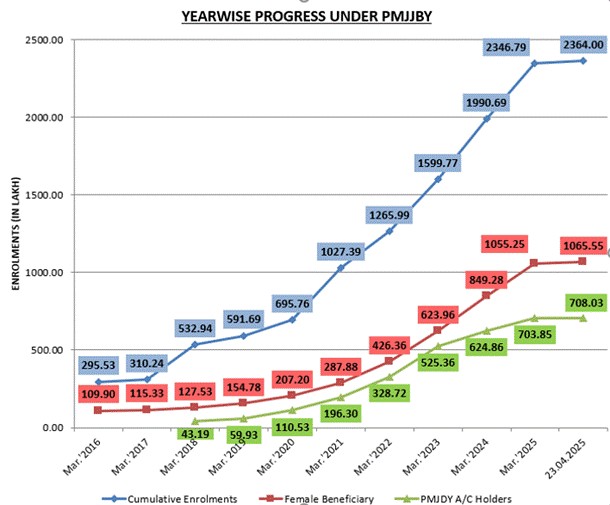
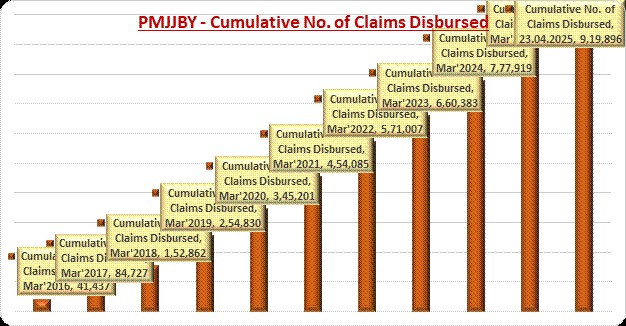
- PMJJBY: Over 23.6 crore enrolments.
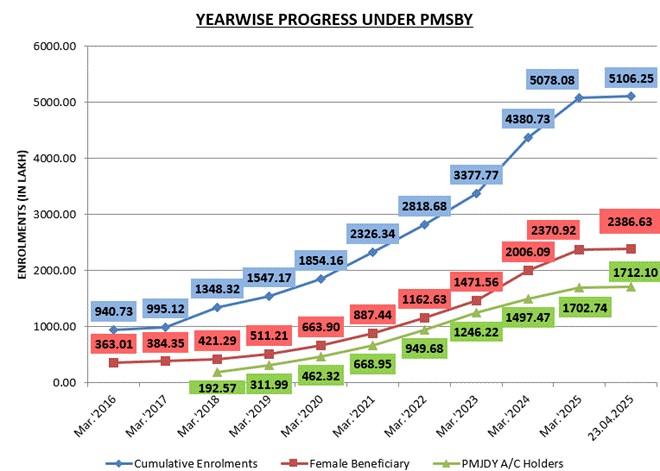
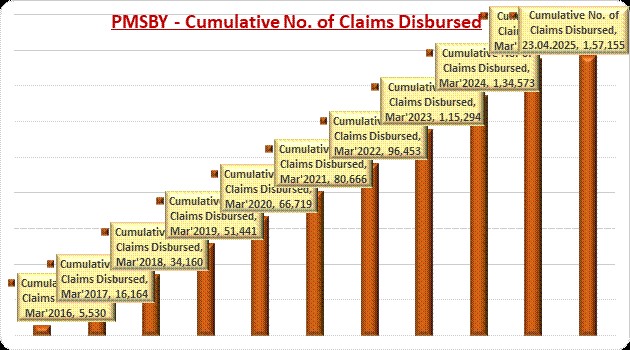
- PMSBY: Over 51 crore enrolments.
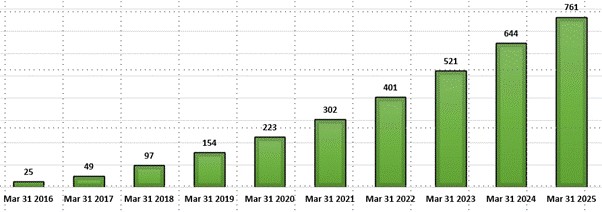
- APY: Over 7.6 crore enrolments.
- A key highlight has been the digitization and simplification of enrolment and claims processes, notably through the Jan Suraksha Portal, making these schemes more accessible.
1. Pradhan Mantri Jeevan Jyoti Bima Yojana (PMJJBY):
- Objective: Provides life insurance cover for death due to any reason.
- Eligibility: Available to individuals aged 18 to 50 years with a bank or post office account who give consent for auto-debit of premium.
- Premium: Rs. 436 per annum (less than Rs. 2 per day).
- Benefits: A sum assured of Rs. 2 lakh is payable to the nominee upon the subscriber's death.
- Cover Period: One-year cover, renewable annually from June 1st to May 31st.
- Claims Settled: Claims worth ₹18,398 crore have been paid to over 9 lakh families.
2. Pradhan Mantri Suraksha Bima Yojana (PMSBY):
- Objective: Provides insurance cover for accidental death or disability.
- Eligibility: Available to individuals aged 18 to 70 years with a bank or post office account who give consent for auto-debit.
- Premium: Very affordable at Rs. 20 per annum.
- Benefits:
- Rs. 2 lakh for accidental death or total and irrecoverable loss of both eyes/hands/feet.
- Rs. 1 lakh for total and irrecoverable loss of one eye/hand/foot.
- Claims Settled: Claims worth ₹3,121 crore have been paid to over 1.57 lakh families.
3. Atal Pension Yojana (APY):
- Objective: A pension scheme focused on workers in the unorganised sector, encouraging them to save for their retirement.
- Eligibility: Open to Indian citizens aged 18 to 40 years with a bank account.
- Benefits: Subscribers receive a guaranteed minimum monthly pension of Rs. 1,000, Rs. 2,000, Rs. 3,000, Rs. 4,000, or Rs. 5,000 after attaining the age of 60.
- Contribution: The monthly contribution amount depends on the age of joining and the chosen pension amount. The government also co-contributed 50% of the subscriber's contribution or Rs. 1,000 per annum, whichever is lower, for five years for those who joined before March 31, 2016, and were not income tax payers.
India's Sovereign Credit Rating Upgraded to 'BBB' by Morningstar DBRS
In a positive development for the Indian economy, global sovereign credit rating agency Morningstar DBRS has upgraded India’s Long-Term Foreign and Local Currency – Issuer Ratings from BBB (low) to BBB with a Stable trend. This upgrade places India more firmly in the 'investment grade' category.
Simultaneously, India’s Short-Term Foreign and Local Currency – Issuer Ratings have also been upgraded to R-2 (high) from R-2 (middle), again with a Stable trend. This indicates an improved perception of India's creditworthiness in the international market.
What is a Sovereign Credit Rating?
- A sovereign credit rating is an independent assessment of a country's creditworthiness. It reflects the rating agency's opinion on the ability and willingness of a sovereign government to meet its financial obligations in full and on time.
- These ratings are crucial as they influence investor confidence and the interest rates at which a country can borrow money in international markets. A higher rating generally leads to lower borrowing costs.
Details of the Upgrade by Morningstar DBRS:
- Long-Term Rating: Upgraded to BBB (from BBB low). A 'BBB' rating is considered the lowest rung of 'investment grade,' indicating adequate capacity to meet financial commitments, though more susceptible to adverse economic conditions.
- Short-Term Rating: Upgraded to R-2 (high) (from R-2 middle).
- Trend: Stable, suggesting that the rating is not likely to change in the near future.
- Rating Scale: Morningstar DBRS uses 'high' and 'low' suffixes within its categories, which is comparable to the '+' or '-' used by other major agencies like S&P and Fitch.
Key Drivers Behind India's Rating Upgrade:
- Structural Reforms: The agency acknowledged India's ongoing efforts in implementing structural reforms, particularly through significant infrastructure investments (e.g., highways, railways, airports) and rapid digitalisation (like Digital Public Infrastructure - DPI).
- Fiscal Consolidation: India's commitment to fiscal discipline, leading to declining public debt and fiscal deficit, was a major factor. The government is aiming to reduce the fiscal deficit as a percentage of GDP.
- Sustained High Growth & Macroeconomic Stability:
- The Indian economy has demonstrated robust growth, with the report citing an average GDP growth of 8.2% during FY22-25.
- Inflation has largely remained within the Reserve Bank of India's (RBI) tolerance band (2-6%).
- The exchange rate has been relatively stable, and the external balance (like the current account deficit) is considered sound.
- Resilient Banking System:
- Indian banks are seen as well-capitalised, with a high capital adequacy ratio (CAR) – meaning banks have a sufficient capital cushion against potential losses.
- Non-Performing Loans (NPLs), or bad loans, have fallen to a 13-year low (around 2.5% as per some reports), indicating improved asset quality in the banking sector.
Implications of the Rating Upgrade for India:
- Lower Borrowing Costs: May lead to reduced interest rates for the Indian government and Indian companies when borrowing from international markets.
- Increased Investor Confidence: A higher rating can attract more foreign direct investment (FDI) and foreign portfolio investment (FPI) by signaling a more stable and creditworthy economic environment.
- Improved Global Standing: Enhances India's image as a reliable investment destination.
Conditions for Further Upgrade:
- Morningstar DBRS indicated that further upgrades could occur if India:
- Continues to implement reforms that boost the investment rate and enhance medium-term growth prospects.
- Achieves a further material reduction in the public debt-to-GDP ratio.
Debt Sustainability:
- Despite India's public debt levels being relatively high (around 80% of GDP for general government debt), the agency believes risks to debt sustainability are limited. This is primarily because:
- Most of India's debt is denominated in the local currency (rupee).
- The debt has long maturity structures, reducing immediate repayment pressures.
About Morningstar DBRS:
- Morningstar DBRS is a global credit rating agency. While the "Big Three" global rating agencies are Standard & Poor's (S&P), Moody's Investors Service, and Fitch Ratings, Morningstar DBRS (formed after Morningstar Inc. acquired DBRS) is recognized as a significant player and is one of the few agencies recognized by the European Central Bank (ECB) as an External Credit Assessment Institution (ECAI).
May 2025
Archive
November 2026
- 28 November 2026
- 27 November 2026
- 26 November 2026
- 25 November 2026
- 24 November 2026
- 23 November 2026
- 21 November 2026
- 20 November 2026
- 19 November 2026
- 18 November 2026
- 17 November 2026
- 16 November 2026
- 14 November 2026
- 13 November 2026
- 12 November 2026
- 11 November 2026
- 10 November 2026
- 09 November 2026
- 06 November 2026
- 05 November 2026
- 04 November 2026
- 03 November 2026
- 02 November 2026
October 2026
- 31 October 2026
- 30 October 2026
- 29 October 2026
- 28 October 2026
- 27 October 2026
- 26 October 2026
- 24 October 2026
- 23 October 2026
- 22 October 2026
- 21 October 2026
- 20 October 2026
- 19 October 2026
- 17 October 2026
- 16 October 2026
- 15 October 2026
- 14 October 2026
- 13 October 2026
- 12 October 2026
- 10 October 2026
- 09 October 2026
- 08 October 2026
- 07 October 2026
- 06 October 2026
- 05 October 2026
- 03 October 2026
- 02 October 2026
- 01 October 2026
September 2026
- 30 September 2026
- 29 September 2026
- 28 September 2026
- 26 September 2026
- 25 September 2026
- 24 September 2026
- 23 September 2026
- 22 September 2026
- 21 September 2026
- 19 September 2026
- 18 September 2026
- 17 September 2026
- 16 September 2026
- 15 September 2026
- 12 September 2026
- 11 September 2026
- 10 September 2026
- 09 September 2026
- 08 September 2026
- 07 September 2026
- 05 September 2026
- 04 September 2026
- 03 September 2026
- 02 September 2026
- 01 September 2026
August 2026
- 31 August 2026
- 29 August 2026
- 27 August 2026
- 26 August 2026
- 25 August 2026
- 24 August 2026
- 22 August 2026
- 21 August 2026
- 20 August 2026
- 19 August 2026
- 18 August 2026
- 17 August 2026
- 14 August 2026
- 13 August 2026
- 12 August 2026
- 11 August 2026
- 10 August 2026
- 08 August 2026
- 07 August 2026
- 06 August 2026
- 05 August 2026
- 04 August 2026
- 03 August 2026
- 01 August 2026
July 2026
- 31 July 2026
- 30 July 2026
- 29 July 2026
- 28 July 2026
- 27 July 2026
- 25 July 2026
- 23 July 2026
- 22 July 2026
- 21 July 2026
- 20 July 2026
- 18 July 2026
- 17 July 2026
- 15 July 2026
- 14 July 2026
- 13 July 2026
- 11 July 2026
- 10 July 2026
- 09 July 2026
- 08 July 2026
- 07 July 2026
- 06 July 2026
- 04 July 2026
- 03 July 2026
- 02 July 2026
- 01 July 2026
June 2026
May 2026
April 2026
March 2026
- 31 March 2026
- 30 March 2026
- 28 March 2026
- 27 March 2026
- 26 March 2026
- 25 March 2026
- 24 March 2026
- 23 March 2026
- 21 March 2026
- 20 March 2026
- 19 March 2026
- 18 March 2026
- 17 March 2026
- 16 March 2026
- 14 March 2026
- 13 March 2026
- 12 March 2026
- 11 March 2026
- 10 March 2026
- 09 March 2026
- 07 March 2026
- 06 March 2026
- 05 March 2026
- 03 March 2026
- 02 March 2026
February 2026
- 28 February 2026
- 27 February 2026
- 26 February 2026
- 25 February 2026
- 24 February 2026
- 23 February 2026
- 21 February 2026
- 20 February 2026
- 19 February 2026
- 18 February 2026
- 17 February 2026
- 16 February 2026
- 13 February 2026
- 12 February 2026
- 11 February 2026
- 10 February 2026
- 09 February 2026
- 07 February 2026
- 06 February 2026
- 05 February 2026
- 04 February 2026
- 03 February 2026
- 02 February 2026
January 2026
- 31 January 2026
- 30 January 2026
- 29 January 2026
- 28 January 2026
- 27 January 2026
- 26 January 2026
- 24 January 2026
- 23 January 2026
- 22 January 2026
- 21 January 2026
- 20 January 2026
- 19 January 2026
- 16 January 2026
- 15 January 2026
- 14 January 2026
- 13 January 2026
- 12 January 2026
- 10 January 2026
- 09 January 2026
- 08 January 2026
- 07 January 2026
- 06 January 2026
- 05 January 2026
- 03 January 2026
- 02 January 2026
- 01 January 2026
December 2025
- 31 December 2025
- 30 December 2025
- 29 December 2025
- 27 December 2025
- 26 December 2025
- 24 December 2025
- 23 December 2025
- 22 December 2025
- 20 December 2025
- 19 December 2025
- 18 December 2025
- 17 December 2025
- 16 December 2025
- 15 December 2025
- 13 December 2025
- 12 December 2025
- 11 December 2025
- 10 December 2025
- 09 December 2025
- 08 December 2025
- 05 December 2025
- 04 December 2025
- 03 December 2025
- 02 December 2025
November 2025
- 29 November 2025
- 28 November 2025
- 27 November 2025
- 26 November 2025
- 25 November 2025
- 24 November 2025
- 22 November 2025
- 21 November 2025
- 20 November 2025
- 19 November 2025
- 18 November 2025
- 17 November 2025
- 15 November 2025
- 14 November 2025
- 13 November 2025
- 12 November 2025
- 11 November 2025
- 10 November 2025
- 08 November 2025
- 07 November 2025
- 06 November 2025
- 05 November 2025
- 04 November 2025
- 03 November 2025
- 01 November 2025
October 2025
- 31 October 2025
- 30 October 2025
- 29 October 2025
- 28 October 2025
- 27 October 2025
- 25 October 2025
- 24 October 2025
- 23 October 2025
- 22 October 2025
- 21 October 2025
- 20 October 2025
- 18 October 2025
- 17 October 2025
- 16 October 2025
- 15 October 2025
- 14 October 2025
- 13 October 2025
- 11 October 2025
- 10 October 2025
- 09 October 2025
- 08 October 2025
- 07 October 2025
- 06 October 2025
- 04 October 2025
- 03 October 2025
- 02 October 2025
- 01 October 2025
September 2025
- 30 September 2025
- 29 September 2025
- 27 September 2025
- 26 September 2025
- 25 September 2025
- 24 September 2025
- 23 September 2025
- 22 September 2025
- 20 September 2025
- 19 September 2025
- 18 September 2025
- 17 September 2025
- 16 September 2025
- 15 September 2025
- 13 September 2025
- 12 September 2025
- 11 September 2025
- 10 September 2025
- 09 September 2025
- 08 September 2025
- 06 September 2025
- 05 September 2025
- 04 September 2025
- 03 September 2025
- 02 September 2025
- 01 September 2025
August 2025
- 30 August 2025
- 29 August 2025
- 28 August 2025
- 27 August 2025
- 26 August 2025
- 25 August 2025
- 23 August 2025
- 22 August 2025
- 21 August 2025
- 20 August 2025
- 19 August 2025
- 18 August 2025
- 16 August 2025
- 14 August 2025
- 13 August 2025
- 12 August 2025
- 11 August 2025
- 08 August 2025
- 07 August 2025
- 06 August 2025
- 05 August 2025
- 04 August 2025
- 02 August 2025
- 01 August 2025
July 2025
- 31 July 2025
- 30 July 2025
- 29 July 2025
- 28 July 2025
- 26 July 2025
- 25 July 2025
- 24 July 2025
- 23 July 2025
- 22 July 2025
- 21 July 2025
- 19 July 2025
- 18 July 2025
- 17 July 2025
- 16 July 2025
- 15 July 2025
- 12 July 2025
- 11 July 2025
- 10 July 2025
- 09 July 2025
- 07 July 2025
- 05 July 2025
- 04 July 2025
- 03 July 2025
- 02 July 2025
- 01 July 2025
June 2025
- 30 June 2025
- 28 June 2025
- 27 June 2025
- 26 June 2025
- 25 June 2025
- 24 June 2025
- 23 June 2025
- 21 June 2025
- 20 June 2025
- 19 June 2025
- 18 June 2025
- 17 June 2025
- 16 June 2025
- 14 June 2025
- 13 June 2025
- 12 June 2025
- 11 June 2025
- 10 June 2025
- 09 June 2025
- 07 June 2025
- 06 June 2025
- 05 June 2025
- 04 June 2025
- 03 June 2025
- 02 June 2025
May 2025
April 2025
- 30 April 2025
- 29 April 2025
- 28 April 2025
- 26 April 2025
- 25 April 2025
- 24 April 2025
- 23 April 2025
- 22 April 2025
- 21 April 2025
- 19 April 2025
- 18 April 2025
- 17 April 2025
- 16 April 2025
- 15 April 2025
- 14 April 2025
- 12 April 2025
- 11 April 2025
- 10 April 2025
- 09 April 2025
- 08 April 2025
- 07 April 2025
- 05 April 2025
- 04 April 2025
- 03 April 2025
- 02 April 2025
- 01 April 2025
March 2025
- 31 March 2025
- 29 March 2025
- 28 March 2025
- 27 March 2025
- 26 March 2025
- 25 March 2025
- 24 March 2025
- 22 March 2025
- 21 March 2025
- 20 March 2025
- 19 March 2025
- 18 March 2025
- 17 March 2025
- 15 March 2025
- 13 March 2025
- 12 March 2025
- 11 March 2025
- 10 March 2025
- 08 March 2025
- 07 March 2025
- 06 March 2025
- 05 March 2025
- 04 March 2025
- 03 March 2025
- 01 March 2025
February 2025
- 28 February 2025
- 27 February 2025
- 26 February 2025
- 25 February 2025
- 24 February 2025
- 22 February 2025
- 21 February 2025
- 20 February 2025
- 19 February 2025
- 18 February 2025
- 17 February 2025
- 15 February 2025
- 14 February 2025
- 13 February 2025
- 12 February 2025
- 11 February 2025
- 10 February 2025
- 08 February 2025
- 07 February 2025
- 06 February 2025
- 05 February 2025
- 04 February 2025
- 03 February 2025
- 01 February 2025
January 2025
- 31 January 2025
- 30 January 2025
- 29 January 2025
- 28 January 2025
- 27 January 2025
- 25 January 2025
- 24 January 2025
- 23 January 2025
- 22 January 2025
- 21 January 2025
- 20 January 2025
- 18 January 2025
- 17 January 2025
- 16 January 2025
- 15 January 2025
- 14 January 2025
- 13 January 2025
- 11 January 2025
- 10 January 2025
- 09 January 2025
- 08 January 2025
- 07 January 2025
- 06 January 2025
- 04 January 2025
- 03 January 2025
- 02 January 2025
- 01 January 2025