
Current Affairs
Stay updated with the latest national and international events.
10 November 2026
Supreme Court Rules Commercial Cultivation on Forest Land Not Protected Under FRA, 2006

What’s the News?
- The Supreme Court of India ruled that planned commercial crop cultivation on forest land cannot, by itself, be recognised as a forest right under the Forest Rights Act (FRA), 2006.
- A Bench of Justices Vikram Nath and Sandeep Mehta made the observation while examining silk cotton cultivation in the Megamalai forest region of Tamil Nadu, within the Agasthyamalai landscape.
- The Court distinguished traditional forest-based livelihoods from commercial plantations and constituted a Special Committee headed by former Chief Justice of India B.R. Gavai to scrutinise forest rights claims.
Observations of the Supreme Court
- Commercial Cultivation: Planned or promoted cultivation of commercial crops cannot be justified as a traditional forest right merely because it has continued for decades.
- Minor Forest Produce: Under Section 3(1)(c) of the FRA, rights relating to traditionally collected minor forest produce do not automatically extend to commercially cultivated crops.
- Eligibility: Mere cultivation of forest land does not establish forest-dweller status.
- Forest Conservation: Commercial plantations that alter the natural character of forests cannot be protected solely under the FRA.
Megamalai Forest Land Dispute
According to data submitted by the Tamil Nadu government:
- Total forest land occupied: 5,072.64 hectares.
- Area under silk cotton cultivation: 3,637.83 hectares.
- Total persons involved: 4,594.
| Category of cultivators | Number |
|---|---|
| Permanent forest residents cultivating land | 1,595 |
| Temporary forest residents cultivating land | 232 |
| Persons residing outside forests but cultivating inside | 2,767 |
- The Court excluded the latter two categories from FRA consideration based solely on their cultivation activities.
- The Central Empowered Committee (CEC) was directed to examine whether silk cotton qualifies as minor forest produce.
Supreme Court's Directions
- Gram Sabhas: Tamil Nadu must constitute the remaining Gram Sabhas within 30 days.
- Claims Settlement: Complete adjudication of forest rights claims within five months of their constitution.
- Special Committee: A committee headed by former CJI B.R. Gavai will supervise and scrutinise claim decisions.
- Monitoring: The State must submit monthly progress reports.
Forest Rights Act (FRA), 2006
- Official Name: Scheduled Tribes and Other Traditional Forest Dwellers (Recognition of Forest Rights) Act, 2006.
- Objective: Address historical injustices by recognising individual and community forest rights.
- Nodal Ministry: Ministry of Tribal Affairs.
Eligible Beneficiaries:
- Forest Dwelling Scheduled Tribes (FDST): Scheduled Tribes primarily residing in forests and depending on them for livelihood.
- Other Traditional Forest Dwellers (OTFD): Communities meeting the requirement of three generations (75 years) of forest residence and livelihood dependence before 13 December 2005.
Important Provisions:
- Section 3(1)(a): Rights to habitation and self-cultivation for livelihood.
- Section 3(1)(c): Rights to ownership, collection, use and disposal of traditionally collected minor forest produce.
- Section 4(3): Recognition of rights is subject to the prescribed occupation-related cut-off.
- Section 4(5): Protection against eviction until recognition and verification of forest rights are completed.
Additional Info
Minor Forest Produce (MFP):
- Defined under Section 2(i) of the FRA.
- Includes non-timber forest produce such as bamboo, brushwood, honey, wax, medicinal plants, roots and tubers.
- Traditional collection is distinct from planned commercial crop cultivation.
Forest Rights Claim Verification:
- Gram Sabha: Initiates verification and recommends claims.
- Sub-Divisional Level Committee: Examines claims and disputes.
- District Level Committee: Makes final decisions on recognition of forest rights.
Srivilliputhur-Megamalai Tiger Reserve:
- Located in Tamil Nadu.
- Declared the state's fifth tiger reserve in 2021.
- Forms part of the ecologically significant Western Ghats landscape.
Sources
India–Oman Joint Naval Exercise Naseem Al Bahr 2026 Begins in Oman
What’s the News?
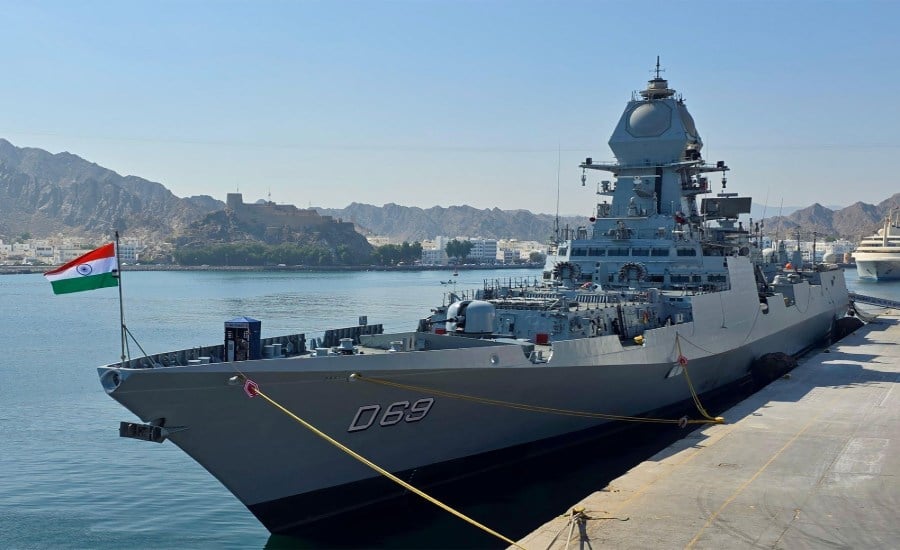
- The 15th edition of Exercise Naseem Al Bahr 2026, a bilateral naval exercise between India and Oman, commenced in the Al Batinah maritime region of Oman.
- The Indian Navy's INS Surat arrived in Muscat to participate alongside ships of the Royal Navy of Oman (RNO).
- The exercise aims to strengthen maritime cooperation, operational interoperability and regional maritime security.
- It will be followed by a Coordinated Patrol (CORPAT) between the two navies.
Exercise Naseem Al Bahr?
- Meaning: Sea Breeze.
- Edition: 15th (2026).
- Participating Countries: India and Oman.
- Participating Forces: Indian Navy and Royal Navy of Oman.
- Host Country: Oman.
- Exercise Location: Al Batinah maritime region, Oman.
- First Held: 1993.
- Frequency: Traditionally biennial (every two years).
- Previous Edition: 14th edition, held off Goa, India, in 2024.
- Significance: Oman was the first Gulf Cooperation Council (GCC) country to conduct bilateral naval exercises with India.
Activities of the Exercise
- Harbour Phase:
- Cross-deck visits, professional interactions and sporting events.
- Exchange of operational experiences and best practices.
- Sea Phase:
- Joint naval manoeuvres and tactical exercises.
- Activities to improve operational coordination and interoperability.
- Coordinated Patrol (CORPAT):
- A follow-up patrol aimed at strengthening maritime surveillance and cooperation between the two navies.
INS Surat?
- Type: Indigenous stealth guided-missile destroyer.
- Class: Visakhapatnam-class (Project 15B).
- Builder: Mazagon Dock Shipbuilders Limited (MDL), Mumbai.
- Commissioned: 2025.
- Significance: Fourth and final destroyer under Project 15B, demonstrating India's indigenous warship-building capabilities.
Additional Info
India–Oman Defence Cooperation:
- Naseem Al Bahr: Bilateral naval exercise.
- Al Najah: Bilateral Army exercise.
- Eastern Bridge: Bilateral Air Force exercise.
- Joint Military Cooperation Committee (JMCC): Bilateral defence cooperation mechanism; its 13th meeting was held in 2025.
MAHASAGAR Vision:
- Full Form: Mutual and Holistic Advancement for Security and Growth Across Regions.
- Announced by India in 2025, building on the SAGAR vision.
- Promotes maritime security, regional cooperation and shared development.
Strategic Importance of Oman:
- Located on the southeastern coast of the Arabian Peninsula.
- Borders the Arabian Sea and the Gulf of Oman, near the strategically important Strait of Hormuz.
- Capital: Muscat.
- Currency: Omani Rial.
- Regional Organisation: Member of the Gulf Cooperation Council (GCC).
Sources
Oxford University Returns Ancestral Remains of 39 Naga People to India

What’s the News?
- The University of Oxford's Pitt Rivers Museum, United Kingdom, formally handed over the ancestral remains of 39 Naga people to representatives of the Naga community after more than a century.
- The remains, primarily skulls collected during British colonial rule, were transferred to the Forum for Naga Reconciliation (FNR) and the Naga Tribe Hoho.
- The repatriation follows a six-year community-led initiative aimed at restoring ancestral dignity, preserving indigenous heritage and addressing colonial injustices.
- The remains are being returned to Nagaland, where they are planned to be laid to rest at Naga Solidarity Park, Kohima.
Repatriation of Naga Ancestral Remains?
- Total Remains: 39 ancestral human remains, primarily skulls.
- Origin: Collected during British colonial rule, mainly between 1910 and 1940.
- Collectors: British administrators and anthropologists John Henry Hutton and James Philip Mills.
- Repatriation Process: Initiated in 2020 through cooperation between the Naga community and Pitt Rivers Museum.
- Approval: Oxford University Council approved the return in 2026.
- Handover Agreement:
- Signed by Professor Laura Van Broekhoven, Director of Pitt Rivers Museum, and Rev. Dr Wati Aier of FNR.
- Witnessed by Visier Sanyü and Thejao Vihienuo.
- Significance: Recognises indigenous communities' claims to their ancestral remains and supports cultural reconciliation.
Pitt Rivers Museum?
- Location: University of Oxford, United Kingdom.
- Established: 1884.
- Founder: Augustus Pitt Rivers, a British archaeologist and ethnologist.
- Collection: Over 600,000 archaeological and ethnographic objects, including more than 6,000 Naga cultural objects.
- Display Method: Organises objects typologically, according to their function or use.
- Repatriation Initiative: Removed human remains from public display in 2020 as part of efforts to address its colonial legacy.
Additional Info
Forum for Naga Reconciliation (FNR):
- Facilitates reconciliation, peacebuilding and unity among Naga communities.
- Its Recover, Restore and Decolonise (RRaD) initiative coordinated research and community participation in the repatriation process.
Cultural Repatriation:
- Refers to the return of cultural artefacts, sacred objects or ancestral human remains to their original communities or countries.
- Seeks to address historical dispossession and support cultural restoration.
Nagaland:
- Capital: Kohima.
- Statehood: Became India's 16th state in 1963.
- Article 371A: Provides special constitutional protection concerning Naga religious and social practices, customary law and procedures, and ownership and transfer of land and its resources.
Sources
US Court Allows Summons to Ajit Doval and Former R&AW Chief in Pannun Lawsuit
What’s the News?
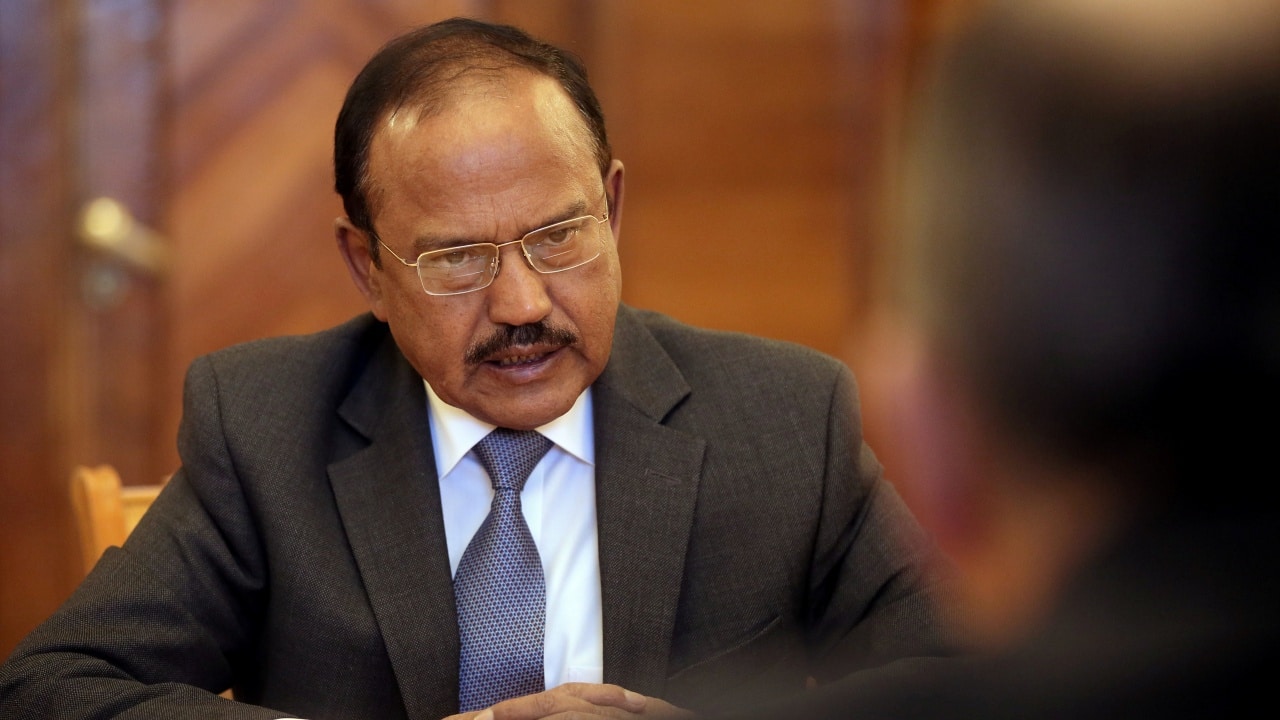
- A US federal court in New York permitted Sikh separatist Gurpatwant Singh Pannun to serve legal summons on National Security Adviser (NSA) Ajit Doval and former Research and Analysis Wing (R&AW) chief Samant Goel through Indian courts in Delhi.
- US District Judge Katherine Polk Failla of the Southern District of New York authorised the procedure in a civil lawsuit alleging a conspiracy to assassinate Pannun on American soil.
- The ruling is procedural and does not establish the allegations or determine the liability of the defendants.
- India's Ministry of External Affairs (MEA) rejected the lawsuit, describing its allegations as fabricated and malicious.
US Court's Ruling?
- Court: US District Court for the Southern District of New York.
- Presiding Judge: Katherine Polk Failla.
- Plaintiff: Gurpatwant Singh Pannun.
- Defendants: Government of India, Ajit Doval, Samant Goel and others.
- Directions:
- Permitted the transmission of summons through competent courts in Delhi.
- Directed Pannun to submit a proposed service packet for judicial approval.
- Relied on Article 19 of the Hague Service Convention and provisions of India's Code of Civil Procedure (CPC).
- Earlier attempts to serve summons through India's designated Central Authority and during Doval's US visit were unsuccessful.
Background of Pannun Lawsuit?
- Civil Lawsuit: Filed in 2024, seeking monetary damages over an alleged assassination conspiracy in New York.
- Related Criminal Case:
- US prosecutors separately accused Indian national Nikhil Gupta and former Indian government employee Vikash Yadav of involvement in an alleged murder-for-hire plot.
- Gupta pleaded guilty to conspiracy-related charges in 2026.
- The criminal proceedings are separate from Pannun's civil lawsuit.
- India's Position: India has rejected allegations of government involvement in the alleged assassination plot.
Hague Service Convention?
- Official Name: Convention on the Service Abroad of Judicial and Extrajudicial Documents in Civil or Commercial Matters.
- Adopted: 1965.
- Administered by: Hague Conference on Private International Law (HCCH).
- India's Accession: 2006.
- Objective: Facilitates service of judicial documents between countries in civil and commercial matters.
- Key Provisions:
- Article 5: Provides for service through a designated Central Authority.
- Article 19: Preserves methods of service permitted by the domestic law of the destination country.
- India's Central Authority: Ministry of Law and Justice.
Additional Info
Code of Civil Procedure (CPC), 1908:
- Section 29: Provides for service of foreign court summons through Indian courts, subject to prescribed conditions.
- Order V, Rule 21: Governs service of summons through another court.
Foreign Sovereign Immunities Act (FSIA), 1976:
- US legislation governing jurisdiction and legal proceedings against foreign states.
- Section 1608: Prescribes procedures for serving legal documents on foreign states and their agencies or instrumentalities.
- Service of summons does not itself establish jurisdiction or liability.
Sikhs for Justice (SFJ):
- A US-based organisation associated with the Khalistan separatist movement.
- Declared an unlawful association by India under the Unlawful Activities (Prevention) Act (UAPA), 1967.
- Gurpatwant Singh Pannun was designated an individual terrorist under the UAPA in 2020.
Research and Analysis Wing (R&AW):
- India's external intelligence agency.
- Established: 1968.
- Headquarters: New Delhi.
- First Chief: R. N. Kao.
- Functions under the Cabinet Secretariat.
Sources
Türkiye Hosts COP31 as Australia Leads Global Climate Negotiations
What’s the News?
- The 31st United Nations Climate Change Conference (COP31) commenced in Antalya, Türkiye, focusing on converting global climate commitments into measurable action.
- Murat Kurum, Türkiye's Minister of Environment, Urbanisation and Climate Change, serves as COP31 President, while Chris Bowen, Australia's Minister for Climate Change and Energy, leads negotiations.
- The summit, described as an "Implementation COP," prioritises climate finance, clean energy transition, adaptation and implementation of the Paris Agreement.
- Türkiye has introduced the "35-by-35" Global Electrification Pledge to accelerate global electrification.
COP31?
- Full Form: 31st Conference of the Parties to the United Nations Framework Convention on Climate Change (UNFCCC).
- Host Country: Türkiye (first time).
- Venue: Antalya EXPO Center, Antalya.
- COP President: Murat Kurum (Türkiye).
- President of Negotiations: Chris Bowen (Australia).
- Theme: Implementation of climate commitments through dialogue, consensus and action.
- World Leaders' Summit: 11–12 November 2026.
- Previous COP: COP30, Belém, Brazil (2025).
Initiatives and Priorities
1. 35-by-35 Global Electrification Pledge
- Aims to increase electricity's share of global final energy consumption to 35% by 2035, from approximately 23%.
- Focuses on electrification of transport, buildings and industries.
- Forms part of Türkiye's COP31 Action Agenda.
2. Climate Implementation Bridge (BRIDGE)
- Aims to connect climate projects with potential investors and financial institutions.
- Facilitates project preparation and access to climate finance.
- Functions as an investment-facilitation initiative rather than a dedicated fund.
3. Climate Finance
- Focuses on implementing the COP29 agreement to mobilise at least USD 300 billion annually by 2035 for developing countries, with developed countries taking the lead.
- Supports the broader goal of scaling climate finance from all sources to USD 1.3 trillion annually by 2035.
4. Other Priorities
- Accelerating the transition away from fossil fuels.
- Strengthening climate adaptation and resilience.
- Advancing the Global Goal on Adaptation and Just Transition Mechanism.
- Improving financial assistance to vulnerable countries, particularly Pacific island nations.
WMO State of the Climate Update 2026
- Released by the World Meteorological Organization (WMO) during COP31.
- 2015–2026: Projected to be the warmest 12-year period on record.
- 2023–2026: Expected to rank as the four warmest years.
- Global Temperature: January–September 2026 was approximately 1.47°C above the 1850–1900 pre-industrial average.
- Record ocean heat and sea-level rise highlight accelerating climate risks.
Additional Info
United Nations Framework Convention on Climate Change (UNFCCC):
- Adopted in 1992 at the Rio Earth Summit.
- Entered into force in 1994.
- Secretariat: Bonn, Germany.
- First COP: COP1, Berlin, Germany (1995).
Paris Agreement (2015):
- Adopted at COP21 in Paris, France.
- Aims to keep global warming well below 2°C and pursue efforts to limit it to 1.5°C above pre-industrial levels.
- Article 4: Nationally Determined Contributions (NDCs), communicated every five years.
- Article 14: Global Stocktake (GST), conducted every five years; the first concluded at COP28 (2023).
India's Climate Commitments:
- Reduce GDP emissions intensity by 45% from 2005 levels by 2030.
- Achieve approximately 50% cumulative electric power installed capacity from non-fossil fuel sources by 2030.
- Achieve net-zero emissions by 2070.
Pacific Pre-COP Meetings:
- Fiji: Hosted preparatory climate consultations.
- Tuvalu: Hosted a special leaders' event.
- Focused on climate vulnerability, adaptation finance and the concerns of Small Island Developing States (SIDS).
Sources
New COVID-19 Variant PJ.2.1 Spreads Globally, Raising Surveillance Concerns
What’s the News?
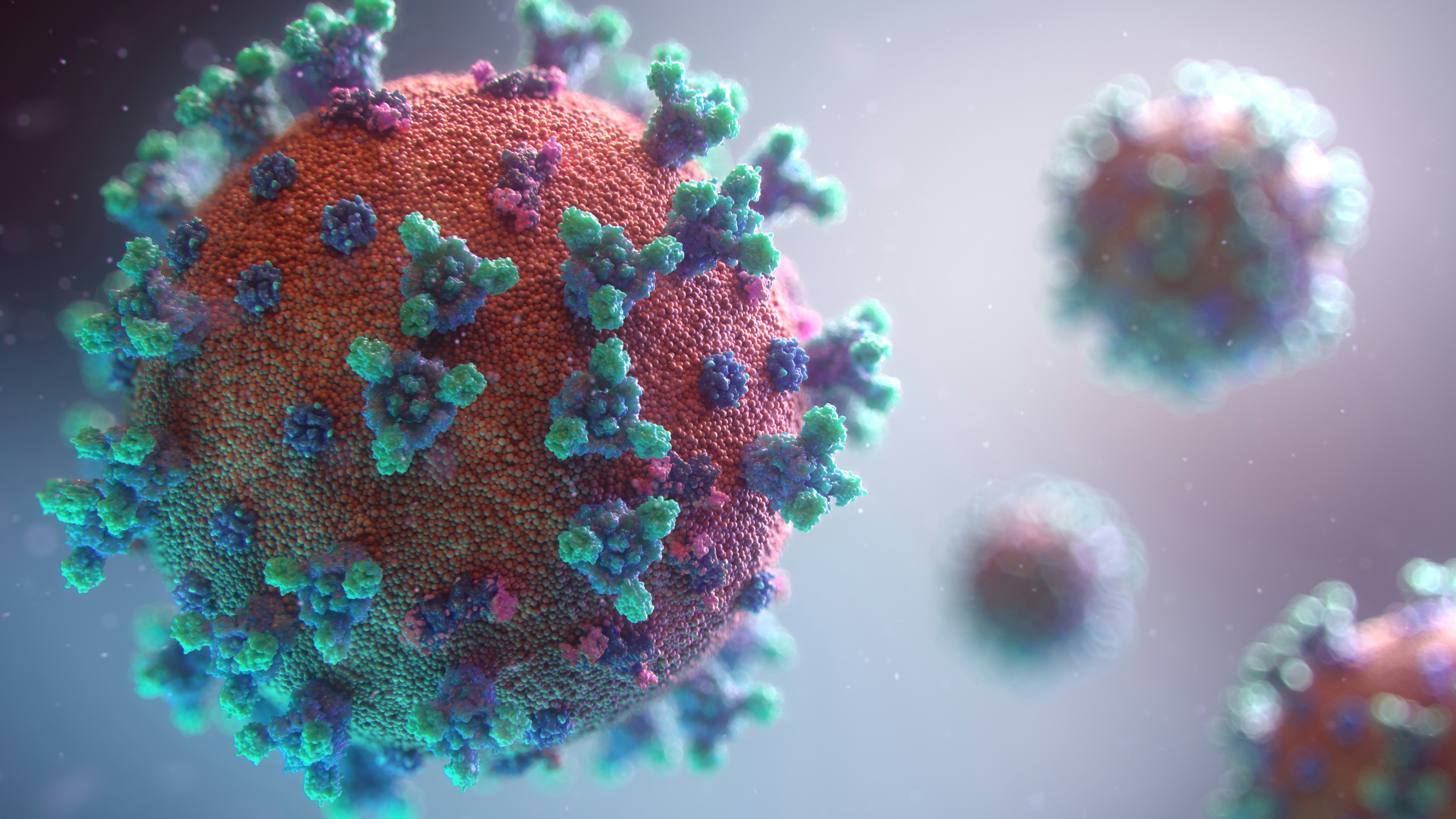
- A new SARS-CoV-2 variant, PJ.2.1, first detected in Ontario, Canada, has been identified across North America, Europe, Asia and Oceania.
- Research led by Markus Hoffmann, published in the Journal of Infection, indicates that the variant may spread through enhanced binding to human ACE2 receptors rather than significant vaccine-induced antibody evasion.
- Preliminary findings suggest that existing updated vaccines retain neutralising activity against PJ.2.1.
- The World Health Organization (WHO) has not formally designated PJ.2.1 as a Variant of Concern, and there is insufficient evidence of increased disease severity.
PJ.2.1 Variant?
- Virus: Severe Acute Respiratory Syndrome Coronavirus 2 (SARS-CoV-2).
- First Detected: Ontario, Canada (May 2026).
- Lineage: Descendant of MC.10.1.7, belonging to the JN.1 evolutionary lineage.
- Classification: Saltation variant, characterised by numerous genetic mutations appearing over a relatively short evolutionary period.
- Characteristics:
- Highly mutated spike protein.
- Increased binding efficiency to the human ACE2 receptor.
- No demonstrated substantial increase in vaccine-induced antibody evasion.
- Current Status: Not formally classified by WHO as a Variant of Interest (VOI), Variant Under Monitoring (VUM) or Variant of Concern (VOC).
Global Spread of PJ.2.1
- Canada: Ontario, Alberta, British Columbia and New Brunswick.
- United States: New York, California, Arizona and several other states.
- Europe: France and Spain, with evidence of local transmission in Spain.
- Asia: Singapore and Israel.
- Oceania: Australia and New Zealand.
Ontario Genomic Surveillance Data:
| Surveillance period | PJ.2.1 share |
|---|---|
| June–July 2026 | 1.1% |
| July–August 2026 | 3.5% |
| August–September 2026 | 16.9% |
| September–October 2026 | 25.2% |
- PJ.2.1 became the most prevalent lineage among 523 sequenced cases in Ontario's latest reported four-week surveillance period.
- These percentages represent sequenced infections, not all COVID-19 cases in the population.
Vaccine Findings and Health Risks
- ACE2 Binding: Laboratory findings suggest improved cellular entry through increased affinity for ACE2 receptors.
- Vaccine Response:
- Antibodies generated by the LP.8.1-adapted COVID-19 vaccine successfully neutralised PJ.2.1 in laboratory experiments.
- Neutralisation sensitivity was approximately 1.8-fold lower than the LP.8.1 reference variant.
- Disease Severity: No confirmed evidence of increased hospitalisation or mortality compared with other circulating variants.
- High-Risk Groups: Older adults, immunocompromised individuals and people with underlying medical conditions.
Symptoms of PJ.2.1
No distinct symptom profile has been established for PJ.2.1. Reported COVID-19 symptoms generally include:
- Fever, chills, cough and sore throat.
- Runny nose, headache and fatigue.
- Muscle aches and weakness.
- Shortness of breath.
- Altered taste or smell and gastrointestinal symptoms.
Additional Info
World Health Organization (WHO):
- Established: 1948.
- Headquarters: Geneva, Switzerland.
- Classification of SARS-CoV-2 Variants:
- VOC: Variant of Concern.
- VOI: Variant of Interest.
- VUM: Variant Under Monitoring.
Indian SARS-CoV-2 Genomics Consortium (INSACOG):
- Established: 2020.
- Nodal Department: Department of Biotechnology, Ministry of Science and Technology, in collaboration with the Ministry of Health and Family Welfare and other agencies.
- Objective: Monitor genomic variations and emerging SARS-CoV-2 variants through whole-genome sequencing.
- PJ.2.1 in India: No confirmed detection established in the available reports.
ACE2 Receptor:
- Full Form: Angiotensin-Converting Enzyme 2.
- A cell-surface protein used by SARS-CoV-2's spike protein to enter human cells.
Genomic Surveillance:
- Uses whole-genome sequencing to identify viral mutations, track emerging lineages and support public health responses.
Sources
World Science Day for Peace and Development 2026 Observed on 10 November
What’s the News?
- World Science Day for Peace and Development 2026 was observed globally on 10 November, under the theme "Common Ground Through Science Diplomacy."
- Led by the United Nations Educational, Scientific and Cultural Organization (UNESCO), the day highlights the role of science in promoting peace, sustainable development and international cooperation.
- The 2026 observance emphasised scientific collaboration to address global challenges such as climate change, biodiversity loss, public health and emerging technologies.
World Science Day 2026?
- Official Name: World Science Day for Peace and Development.
- Observed On: 10 November (annually).
- 2026 Theme: Common Ground Through Science Diplomacy.
- Organising Organisation: UNESCO.
- Proclaimed: 2001.
- First Celebrated: 2002.
- Origin: World Conference on Science, Budapest, Hungary (1999).
Objectives:
- Increase public awareness of science's role in peaceful and sustainable societies.
- Promote national and international scientific cooperation and knowledge sharing.
- Renew commitments to using science for societal welfare.
- Highlight challenges facing scientific research and encourage support for scientific endeavours.
Science Diplomacy?
- Meaning: The use of scientific cooperation, research and expertise to strengthen international relations and address shared global challenges.
- Areas:
- Climate Change: Collaborative climate research and environmental monitoring.
- Public Health: International cooperation on disease surveillance and vaccine research.
- Biodiversity: Joint conservation and ecosystem research.
- Emerging Technologies: Cooperation on artificial intelligence, biotechnology and scientific innovation.
- Significance: Promotes dialogue and mutual trust between countries, including during periods of geopolitical tension.
Additional Info
UNESCO:
- Established: 16 November 1945.
- Headquarters: Paris, France.
- UN Specialised Agency: Promotes international cooperation in education, science, culture and communication.
- Director-General: Khaled El-Enany.
World Conference on Science (1999):
- Held in Budapest, Hungary.
- Organised by UNESCO and the International Council for Science (ICSU).
- Led to the adoption of the Declaration on Science and the Use of Scientific Knowledge.
Universal Declaration of Human Rights (UDHR):
- Article 27: Recognises everyone's right to share in scientific advancement and its benefits.
November 2026
28 November 202627 November 202626 November 202625 November 202624 November 202623 November 202621 November 202620 November 202619 November 202618 November 202617 November 202616 November 202614 November 202613 November 202612 November 202611 November 202610 November 202609 November 202606 November 202605 November 202604 November 202603 November 202602 November 2026
Archive
November 2026
- 28 November 2026
- 27 November 2026
- 26 November 2026
- 25 November 2026
- 24 November 2026
- 23 November 2026
- 21 November 2026
- 20 November 2026
- 19 November 2026
- 18 November 2026
- 17 November 2026
- 16 November 2026
- 14 November 2026
- 13 November 2026
- 12 November 2026
- 11 November 2026
- 10 November 2026
- 09 November 2026
- 06 November 2026
- 05 November 2026
- 04 November 2026
- 03 November 2026
- 02 November 2026
October 2026
- 31 October 2026
- 30 October 2026
- 29 October 2026
- 28 October 2026
- 27 October 2026
- 26 October 2026
- 24 October 2026
- 23 October 2026
- 22 October 2026
- 21 October 2026
- 20 October 2026
- 19 October 2026
- 17 October 2026
- 16 October 2026
- 15 October 2026
- 14 October 2026
- 13 October 2026
- 12 October 2026
- 10 October 2026
- 09 October 2026
- 08 October 2026
- 07 October 2026
- 06 October 2026
- 05 October 2026
- 03 October 2026
- 02 October 2026
- 01 October 2026
September 2026
- 30 September 2026
- 29 September 2026
- 28 September 2026
- 26 September 2026
- 25 September 2026
- 24 September 2026
- 23 September 2026
- 22 September 2026
- 21 September 2026
- 19 September 2026
- 18 September 2026
- 17 September 2026
- 16 September 2026
- 15 September 2026
- 12 September 2026
- 11 September 2026
- 10 September 2026
- 09 September 2026
- 08 September 2026
- 07 September 2026
- 05 September 2026
- 04 September 2026
- 03 September 2026
- 02 September 2026
- 01 September 2026
August 2026
- 31 August 2026
- 29 August 2026
- 27 August 2026
- 26 August 2026
- 25 August 2026
- 24 August 2026
- 22 August 2026
- 21 August 2026
- 20 August 2026
- 19 August 2026
- 18 August 2026
- 17 August 2026
- 14 August 2026
- 13 August 2026
- 12 August 2026
- 11 August 2026
- 10 August 2026
- 08 August 2026
- 07 August 2026
- 06 August 2026
- 05 August 2026
- 04 August 2026
- 03 August 2026
- 01 August 2026
July 2026
- 31 July 2026
- 30 July 2026
- 29 July 2026
- 28 July 2026
- 27 July 2026
- 25 July 2026
- 23 July 2026
- 22 July 2026
- 21 July 2026
- 20 July 2026
- 18 July 2026
- 17 July 2026
- 15 July 2026
- 14 July 2026
- 13 July 2026
- 11 July 2026
- 10 July 2026
- 09 July 2026
- 08 July 2026
- 07 July 2026
- 06 July 2026
- 04 July 2026
- 03 July 2026
- 02 July 2026
- 01 July 2026
June 2026
May 2026
April 2026
March 2026
- 31 March 2026
- 30 March 2026
- 28 March 2026
- 27 March 2026
- 26 March 2026
- 25 March 2026
- 24 March 2026
- 23 March 2026
- 21 March 2026
- 20 March 2026
- 19 March 2026
- 18 March 2026
- 17 March 2026
- 16 March 2026
- 14 March 2026
- 13 March 2026
- 12 March 2026
- 11 March 2026
- 10 March 2026
- 09 March 2026
- 07 March 2026
- 06 March 2026
- 05 March 2026
- 03 March 2026
- 02 March 2026
February 2026
- 28 February 2026
- 27 February 2026
- 26 February 2026
- 25 February 2026
- 24 February 2026
- 23 February 2026
- 21 February 2026
- 20 February 2026
- 19 February 2026
- 18 February 2026
- 17 February 2026
- 16 February 2026
- 13 February 2026
- 12 February 2026
- 11 February 2026
- 10 February 2026
- 09 February 2026
- 07 February 2026
- 06 February 2026
- 05 February 2026
- 04 February 2026
- 03 February 2026
- 02 February 2026
January 2026
- 31 January 2026
- 30 January 2026
- 29 January 2026
- 28 January 2026
- 27 January 2026
- 26 January 2026
- 24 January 2026
- 23 January 2026
- 22 January 2026
- 21 January 2026
- 20 January 2026
- 19 January 2026
- 16 January 2026
- 15 January 2026
- 14 January 2026
- 13 January 2026
- 12 January 2026
- 10 January 2026
- 09 January 2026
- 08 January 2026
- 07 January 2026
- 06 January 2026
- 05 January 2026
- 03 January 2026
- 02 January 2026
- 01 January 2026
December 2025
- 31 December 2025
- 30 December 2025
- 29 December 2025
- 27 December 2025
- 26 December 2025
- 24 December 2025
- 23 December 2025
- 22 December 2025
- 20 December 2025
- 19 December 2025
- 18 December 2025
- 17 December 2025
- 16 December 2025
- 15 December 2025
- 13 December 2025
- 12 December 2025
- 11 December 2025
- 10 December 2025
- 09 December 2025
- 08 December 2025
- 05 December 2025
- 04 December 2025
- 03 December 2025
- 02 December 2025
November 2025
- 29 November 2025
- 28 November 2025
- 27 November 2025
- 26 November 2025
- 25 November 2025
- 24 November 2025
- 22 November 2025
- 21 November 2025
- 20 November 2025
- 19 November 2025
- 18 November 2025
- 17 November 2025
- 15 November 2025
- 14 November 2025
- 13 November 2025
- 12 November 2025
- 11 November 2025
- 10 November 2025
- 08 November 2025
- 07 November 2025
- 06 November 2025
- 05 November 2025
- 04 November 2025
- 03 November 2025
- 01 November 2025
October 2025
- 31 October 2025
- 30 October 2025
- 29 October 2025
- 28 October 2025
- 27 October 2025
- 25 October 2025
- 24 October 2025
- 23 October 2025
- 22 October 2025
- 21 October 2025
- 20 October 2025
- 18 October 2025
- 17 October 2025
- 16 October 2025
- 15 October 2025
- 14 October 2025
- 13 October 2025
- 11 October 2025
- 10 October 2025
- 09 October 2025
- 08 October 2025
- 07 October 2025
- 06 October 2025
- 04 October 2025
- 03 October 2025
- 02 October 2025
- 01 October 2025
September 2025
- 30 September 2025
- 29 September 2025
- 27 September 2025
- 26 September 2025
- 25 September 2025
- 24 September 2025
- 23 September 2025
- 22 September 2025
- 20 September 2025
- 19 September 2025
- 18 September 2025
- 17 September 2025
- 16 September 2025
- 15 September 2025
- 13 September 2025
- 12 September 2025
- 11 September 2025
- 10 September 2025
- 09 September 2025
- 08 September 2025
- 06 September 2025
- 05 September 2025
- 04 September 2025
- 03 September 2025
- 02 September 2025
- 01 September 2025
August 2025
- 30 August 2025
- 29 August 2025
- 28 August 2025
- 27 August 2025
- 26 August 2025
- 25 August 2025
- 23 August 2025
- 22 August 2025
- 21 August 2025
- 20 August 2025
- 19 August 2025
- 18 August 2025
- 16 August 2025
- 14 August 2025
- 13 August 2025
- 12 August 2025
- 11 August 2025
- 08 August 2025
- 07 August 2025
- 06 August 2025
- 05 August 2025
- 04 August 2025
- 02 August 2025
- 01 August 2025
July 2025
- 31 July 2025
- 30 July 2025
- 29 July 2025
- 28 July 2025
- 26 July 2025
- 25 July 2025
- 24 July 2025
- 23 July 2025
- 22 July 2025
- 21 July 2025
- 19 July 2025
- 18 July 2025
- 17 July 2025
- 16 July 2025
- 15 July 2025
- 12 July 2025
- 11 July 2025
- 10 July 2025
- 09 July 2025
- 07 July 2025
- 05 July 2025
- 04 July 2025
- 03 July 2025
- 02 July 2025
- 01 July 2025
June 2025
- 30 June 2025
- 28 June 2025
- 27 June 2025
- 26 June 2025
- 25 June 2025
- 24 June 2025
- 23 June 2025
- 21 June 2025
- 20 June 2025
- 19 June 2025
- 18 June 2025
- 17 June 2025
- 16 June 2025
- 14 June 2025
- 13 June 2025
- 12 June 2025
- 11 June 2025
- 10 June 2025
- 09 June 2025
- 07 June 2025
- 06 June 2025
- 05 June 2025
- 04 June 2025
- 03 June 2025
- 02 June 2025
May 2025
April 2025
- 30 April 2025
- 29 April 2025
- 28 April 2025
- 26 April 2025
- 25 April 2025
- 24 April 2025
- 23 April 2025
- 22 April 2025
- 21 April 2025
- 19 April 2025
- 18 April 2025
- 17 April 2025
- 16 April 2025
- 15 April 2025
- 14 April 2025
- 12 April 2025
- 11 April 2025
- 10 April 2025
- 09 April 2025
- 08 April 2025
- 07 April 2025
- 05 April 2025
- 04 April 2025
- 03 April 2025
- 02 April 2025
- 01 April 2025
March 2025
- 31 March 2025
- 29 March 2025
- 28 March 2025
- 27 March 2025
- 26 March 2025
- 25 March 2025
- 24 March 2025
- 22 March 2025
- 21 March 2025
- 20 March 2025
- 19 March 2025
- 18 March 2025
- 17 March 2025
- 15 March 2025
- 13 March 2025
- 12 March 2025
- 11 March 2025
- 10 March 2025
- 08 March 2025
- 07 March 2025
- 06 March 2025
- 05 March 2025
- 04 March 2025
- 03 March 2025
- 01 March 2025
February 2025
- 28 February 2025
- 27 February 2025
- 26 February 2025
- 25 February 2025
- 24 February 2025
- 22 February 2025
- 21 February 2025
- 20 February 2025
- 19 February 2025
- 18 February 2025
- 17 February 2025
- 15 February 2025
- 14 February 2025
- 13 February 2025
- 12 February 2025
- 11 February 2025
- 10 February 2025
- 08 February 2025
- 07 February 2025
- 06 February 2025
- 05 February 2025
- 04 February 2025
- 03 February 2025
- 01 February 2025
January 2025
- 31 January 2025
- 30 January 2025
- 29 January 2025
- 28 January 2025
- 27 January 2025
- 25 January 2025
- 24 January 2025
- 23 January 2025
- 22 January 2025
- 21 January 2025
- 20 January 2025
- 18 January 2025
- 17 January 2025
- 16 January 2025
- 15 January 2025
- 14 January 2025
- 13 January 2025
- 11 January 2025
- 10 January 2025
- 09 January 2025
- 08 January 2025
- 07 January 2025
- 06 January 2025
- 04 January 2025
- 03 January 2025
- 02 January 2025
- 01 January 2025