
Current Affairs
Stay updated with the latest national and international events.
11 June 2026
India Retains No. 1 Spot in ICC ODI Team Rankings
What’s the News?
- India has retained the top position in the ICC Men’s ODI Team Rankings following the latest annual rankings update by the International Cricket Council (ICC).
- India remains ahead of New Zealand and Australia, which occupy the second and third positions respectively.
- The major change in the top five rankings is South Africa overtaking Pakistan to move into fourth place.
ICC ODI Rankings Update
- India continues as the world's highest-ranked ODI team with a rating of 118 points.
- New Zealand is placed second with 113 points.
- Australia remains third with 109 points.
- South Africa climbed to fourth place with 102 points, surpassing Pakistan which slipped to fifth with 98 points.
Top 5 Teams in ICC Men's ODI Rankings
| Rank | Team | Rating Points |
|---|---|---|
| 1 | India | 118 |
| 2 | New Zealand | 113 |
| 3 | Australia | 109 |
| 4 | South Africa | 102 |
| 5 | Pakistan | 98 |
How Are ICC Team Rankings Calculated?
- The ICC rankings system evaluates teams based on their performances over a rolling period.
- In the annual update:
- Matches played in the most recent period receive 100% weightage.
- Older results within the ranking cycle receive 50% weightage.
- This methodology ensures rankings reflect both recent form and sustained performance.
Additional Info
International Cricket Council (ICC)
- Established in 1909 as the governing body of international cricket.
- Headquarters: Dubai
- Responsible for:
- Administration of international cricket.
- Conduct of ICC tournaments.
- Maintenance of team and player rankings.
ICC Team Rankings
- Separate rankings are maintained for:
- Test Cricket
- One Day Internationals (ODIs)
- Twenty20 Internationals (T20Is)
- Rankings are updated periodically based on match outcomes and series results.
Sources
India Pledges $2.5 Million to UNRWA for Palestinian Refugees

What’s the News?
- India has released $2.5 million in assistance to the United Nations Relief and Works Agency for Palestine Refugees in the Near East (UNRWA).
- The contribution is aimed at supporting education, healthcare, relief and social services for Palestinian refugees.
- The assistance reflects India's continued commitment to humanitarian support for the Palestinian people while reiterating its support for a two-state solution to the Israel-Palestine issue.
UNRWA Assistance
- The contribution will help UNRWA deliver:
- Primary healthcare services
- School education
- Relief and social welfare programmes
- Emergency humanitarian assistance for Palestinian refugees.
- India has been a consistent donor to UNRWA and has extended both bilateral developmental assistance and multilateral humanitarian support to Palestine.
India’s Support for Palestine
- India maintains a policy of:
- Supporting the Palestinian cause.
- Advocating a negotiated two-state solution.
- Providing humanitarian and developmental assistance.
- India's assistance to Palestine includes:
- Capacity-building programmes.
- Infrastructure and development projects.
- Contributions through UN agencies such as UNRWA.
- India's developmental assistance to Palestine has reached nearly $80 million over the past decade, demonstrating sustained engagement.
About UNRWA
- Full Name: United Nations Relief and Works Agency for Palestine Refugees in the Near East (UNRWA).
- Established by the UN General Assembly in 1949.
- Mandate:
- Provide assistance and protection to Palestinian refugees.
- Deliver education, healthcare, social services and emergency relief.
- Areas of operation:
- Jordan
- Lebanon
- Syria
- West Bank
- Gaza Strip
- Serves more than 5.9 million registered Palestinian refugees.
India–Palestine Relations
- India recognized the State of Palestine in 1988.
- India supports:
- Peaceful resolution of the conflict through dialogue.
- Sovereign, independent and viable Palestinian state living alongside Israel in peace and security.
- India balances its relations with both Israel and Palestine.
Sources
UNHCR Reports First Global Decline in Forced Displacement in 2025

What’s the News?
- The United Nations High Commissioner for Refugees (UNHCR) reported the first decline in global forced displacement in over a decade during 2025.
- Despite the decline, the number of forcibly displaced people worldwide remains at historically high levels, highlighting the persistence of long-term refugee crises.
- The reduction was mainly driven by improvements in some conflict situations and the return of displaced populations to their places of origin.
Global Displacement Trends
- According to UNHCR's Global Trends Report:
- Global forced displacement fell from its record peak reached in previous years.
- More refugees and internally displaced persons (IDPs) were able to return home compared to recent years.
- However, displacement levels remain significantly higher than pre-2020 levels.
- Major drivers of displacement continue to include:
- Armed conflicts
- Political instability
- Human rights violations
- Climate-related disasters
Long-Term Refugee Crisis Persists
- UNHCR highlighted that many displacement situations have become protracted crises, lasting for years or even decades.
- Large refugee populations continue to depend on international humanitarian assistance.
- Key regions contributing to global displacement include:
- Sudan
- Syria
- Afghanistan
- Ukraine
- Myanmar
- Durable solutions such as voluntary repatriation, local integration and third-country resettlement remain limited.
Findings of the UNHCR Report
- More people returned to their home countries during the year, contributing to the overall decline.
- Internal displacement continues to account for a major share of global forced displacement.
- Developing countries continue to host the majority of the world's refugees.
- Humanitarian agencies face funding shortages despite growing protection and rehabilitation needs.
About UNHCR
- Full Name: United Nations High Commissioner for Refugees (UNHCR).
- Established in 1950 by the United Nations General Assembly.
- Headquarters: Geneva, Switzerland.
- Mandate:
- Protect refugees, asylum seekers and stateless persons.
- Coordinate international action for refugee assistance.
- Support voluntary repatriation, local integration and resettlement.
- Recipient of the Nobel Peace Prize twice:
- 1954
- 1981
Additional Info
Refugee
- Defined under the 1951 Refugee Convention as a person who:
- Has crossed an international border.
- Has a well-founded fear of persecution based on race, religion, nationality, membership of a social group, or political opinion.
Internally Displaced Persons (IDPs)
- People forced to leave their homes but who remain within their country's borders.
- Protected primarily under national laws and international humanitarian law.
India's Position
- India is not a signatory to:
- 1951 Refugee Convention
- 1967 Protocol
- Refugee management in India is governed through:
- Executive and administrative measures.
- Relevant provisions of the Foreigners Act, 1946 and other domestic laws.
- India hosts refugee communities from countries such as:
- Tibet (China)
- Sri Lanka
- Myanmar
- Afghanistan
Sources
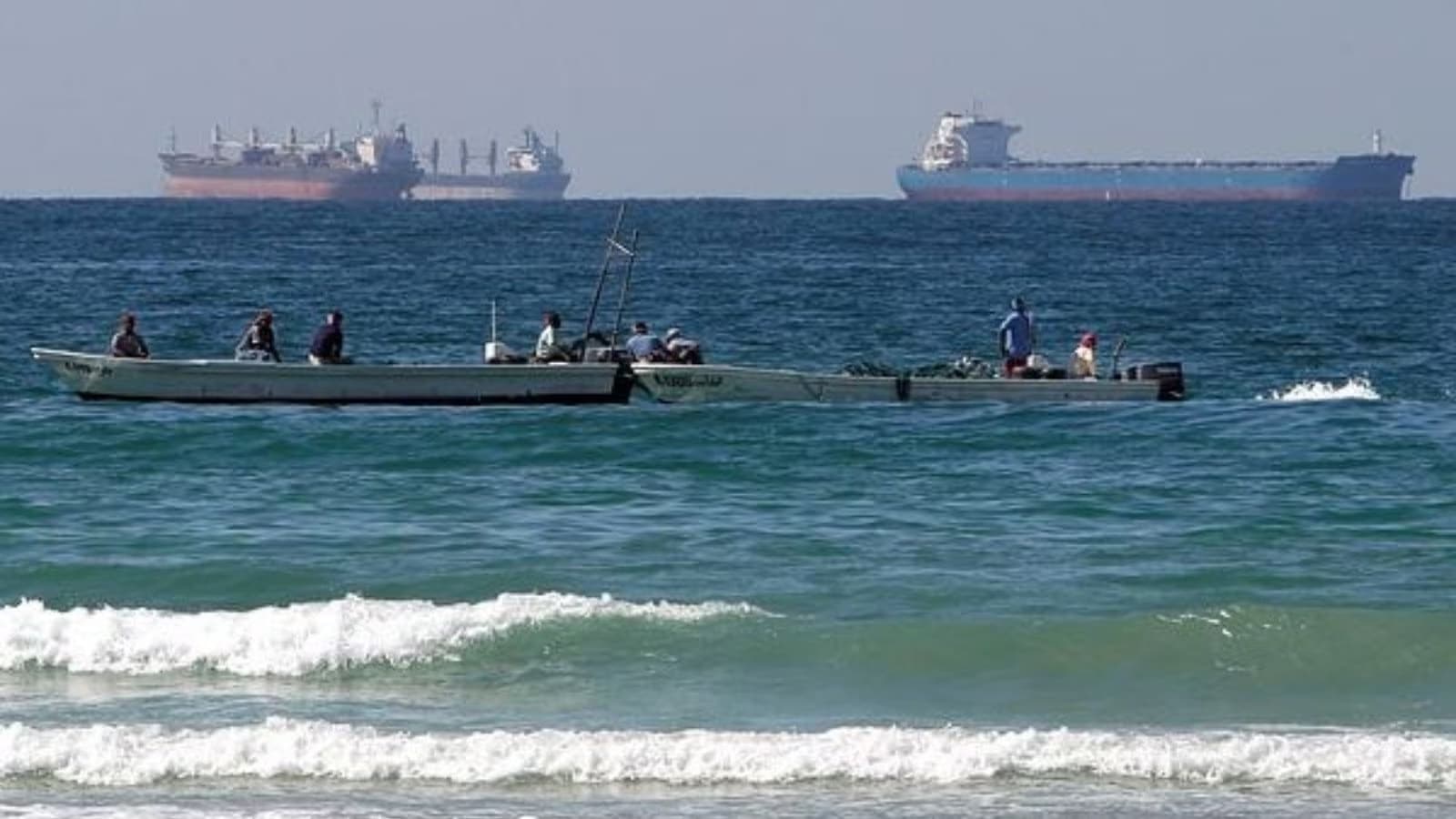
US Strike on Commercial Tanker Near Hormuz Kills Indian Seafarers
What’s the News?
- A US military strike on a commercial oil tanker near the Strait of Hormuz/Gulf of Oman resulted in the deaths of three Indian seafarers, while several other Indian crew members were rescued.
- The vessel was carrying a predominantly Indian crew when it was targeted during heightened tensions linked to the ongoing US-Iran maritime confrontation.
- India lodged a strong protest and emphasized the need to protect merchant shipping and civilian seafarers.
Incident and Casualties
- The tanker was struck by US forces after being accused of violating a maritime blockade linked to Iranian oil shipments.
- Of the Indian crew members onboard:
- 21 seafarers were rescued.
- Three Indian sailors lost their lives, including the Chief Engineer and other crew members.
- The rescue operation was supported by Omani authorities.
India's Response
- India registered a strong diplomatic protest with the United States.
- The Ministry of External Affairs reiterated:
- Safety of merchant shipping must be ensured.
- Civilian seafarers should never become casualties of geopolitical conflicts.
- Regional disputes must be resolved through dialogue and diplomacy.
- India also raised concerns over repeated attacks on merchant vessels carrying Indian crew members.
Criticism of US Actions
- The strike raises serious questions regarding the principle of proportionality under international law when civilian-crewed merchant vessels are involved.
- Even if a vessel is suspected of sanctions violations, the use of military force that results in civilian deaths is viewed by many observers as excessive and potentially avoidable.
- The incident highlights concerns regarding:
- Protection of civilian seafarers.
- Freedom and safety of international navigation.
- Risks of unilateral military enforcement measures in international waters.
- International maritime bodies have emphasized that merchant shipping and seafarers should not become targets in geopolitical conflicts.
- Such actions can:
- Escalate regional tensions.
- Increase insurance and freight costs.
- Threaten global energy security.
- Endanger nationals of third countries who have no role in the conflict.
Additional Info
Strait of Hormuz
- Width: Approximately 33 km at its narrowest point.
- Borders:
- Iran (North)
- Oman and UAE (South)
- Strategic significance:
- Vital route for crude oil and LNG exports from the Gulf region.
International Maritime Law
- Governed primarily by:
- United Nations Convention on the Law of the Sea (UNCLOS).
- International maritime safety conventions under the International Maritime Organization (IMO).
- Key principles:
- Freedom of navigation.
- Protection of civilian vessels.
- Safety of seafarers.
International Maritime Organization (IMO)
- Specialized UN agency established in 1948.
- Headquarters: London, United Kingdom.
- Objective:
- Maritime safety and security.
- Prevention of marine pollution.
- Regulation of international shipping.
Sources
June 2026
Archive
November 2026
- 28 November 2026
- 27 November 2026
- 26 November 2026
- 25 November 2026
- 24 November 2026
- 23 November 2026
- 21 November 2026
- 20 November 2026
- 19 November 2026
- 18 November 2026
- 17 November 2026
- 16 November 2026
- 14 November 2026
- 13 November 2026
- 12 November 2026
- 11 November 2026
- 10 November 2026
- 09 November 2026
- 06 November 2026
- 05 November 2026
- 04 November 2026
- 03 November 2026
- 02 November 2026
October 2026
- 31 October 2026
- 30 October 2026
- 29 October 2026
- 28 October 2026
- 27 October 2026
- 26 October 2026
- 24 October 2026
- 23 October 2026
- 22 October 2026
- 21 October 2026
- 20 October 2026
- 19 October 2026
- 17 October 2026
- 16 October 2026
- 15 October 2026
- 14 October 2026
- 13 October 2026
- 12 October 2026
- 10 October 2026
- 09 October 2026
- 08 October 2026
- 07 October 2026
- 06 October 2026
- 05 October 2026
- 03 October 2026
- 02 October 2026
- 01 October 2026
September 2026
- 30 September 2026
- 29 September 2026
- 28 September 2026
- 26 September 2026
- 25 September 2026
- 24 September 2026
- 23 September 2026
- 22 September 2026
- 21 September 2026
- 19 September 2026
- 18 September 2026
- 17 September 2026
- 16 September 2026
- 15 September 2026
- 12 September 2026
- 11 September 2026
- 10 September 2026
- 09 September 2026
- 08 September 2026
- 07 September 2026
- 05 September 2026
- 04 September 2026
- 03 September 2026
- 02 September 2026
- 01 September 2026
August 2026
- 31 August 2026
- 29 August 2026
- 27 August 2026
- 26 August 2026
- 25 August 2026
- 24 August 2026
- 22 August 2026
- 21 August 2026
- 20 August 2026
- 19 August 2026
- 18 August 2026
- 17 August 2026
- 14 August 2026
- 13 August 2026
- 12 August 2026
- 11 August 2026
- 10 August 2026
- 08 August 2026
- 07 August 2026
- 06 August 2026
- 05 August 2026
- 04 August 2026
- 03 August 2026
- 01 August 2026
July 2026
- 31 July 2026
- 30 July 2026
- 29 July 2026
- 28 July 2026
- 27 July 2026
- 25 July 2026
- 23 July 2026
- 22 July 2026
- 21 July 2026
- 20 July 2026
- 18 July 2026
- 17 July 2026
- 15 July 2026
- 14 July 2026
- 13 July 2026
- 11 July 2026
- 10 July 2026
- 09 July 2026
- 08 July 2026
- 07 July 2026
- 06 July 2026
- 04 July 2026
- 03 July 2026
- 02 July 2026
- 01 July 2026
June 2026
May 2026
April 2026
March 2026
- 31 March 2026
- 30 March 2026
- 28 March 2026
- 27 March 2026
- 26 March 2026
- 25 March 2026
- 24 March 2026
- 23 March 2026
- 21 March 2026
- 20 March 2026
- 19 March 2026
- 18 March 2026
- 17 March 2026
- 16 March 2026
- 14 March 2026
- 13 March 2026
- 12 March 2026
- 11 March 2026
- 10 March 2026
- 09 March 2026
- 07 March 2026
- 06 March 2026
- 05 March 2026
- 03 March 2026
- 02 March 2026
February 2026
- 28 February 2026
- 27 February 2026
- 26 February 2026
- 25 February 2026
- 24 February 2026
- 23 February 2026
- 21 February 2026
- 20 February 2026
- 19 February 2026
- 18 February 2026
- 17 February 2026
- 16 February 2026
- 13 February 2026
- 12 February 2026
- 11 February 2026
- 10 February 2026
- 09 February 2026
- 07 February 2026
- 06 February 2026
- 05 February 2026
- 04 February 2026
- 03 February 2026
- 02 February 2026
January 2026
- 31 January 2026
- 30 January 2026
- 29 January 2026
- 28 January 2026
- 27 January 2026
- 26 January 2026
- 24 January 2026
- 23 January 2026
- 22 January 2026
- 21 January 2026
- 20 January 2026
- 19 January 2026
- 16 January 2026
- 15 January 2026
- 14 January 2026
- 13 January 2026
- 12 January 2026
- 10 January 2026
- 09 January 2026
- 08 January 2026
- 07 January 2026
- 06 January 2026
- 05 January 2026
- 03 January 2026
- 02 January 2026
- 01 January 2026
December 2025
- 31 December 2025
- 30 December 2025
- 29 December 2025
- 27 December 2025
- 26 December 2025
- 24 December 2025
- 23 December 2025
- 22 December 2025
- 20 December 2025
- 19 December 2025
- 18 December 2025
- 17 December 2025
- 16 December 2025
- 15 December 2025
- 13 December 2025
- 12 December 2025
- 11 December 2025
- 10 December 2025
- 09 December 2025
- 08 December 2025
- 05 December 2025
- 04 December 2025
- 03 December 2025
- 02 December 2025
November 2025
- 29 November 2025
- 28 November 2025
- 27 November 2025
- 26 November 2025
- 25 November 2025
- 24 November 2025
- 22 November 2025
- 21 November 2025
- 20 November 2025
- 19 November 2025
- 18 November 2025
- 17 November 2025
- 15 November 2025
- 14 November 2025
- 13 November 2025
- 12 November 2025
- 11 November 2025
- 10 November 2025
- 08 November 2025
- 07 November 2025
- 06 November 2025
- 05 November 2025
- 04 November 2025
- 03 November 2025
- 01 November 2025
October 2025
- 31 October 2025
- 30 October 2025
- 29 October 2025
- 28 October 2025
- 27 October 2025
- 25 October 2025
- 24 October 2025
- 23 October 2025
- 22 October 2025
- 21 October 2025
- 20 October 2025
- 18 October 2025
- 17 October 2025
- 16 October 2025
- 15 October 2025
- 14 October 2025
- 13 October 2025
- 11 October 2025
- 10 October 2025
- 09 October 2025
- 08 October 2025
- 07 October 2025
- 06 October 2025
- 04 October 2025
- 03 October 2025
- 02 October 2025
- 01 October 2025
September 2025
- 30 September 2025
- 29 September 2025
- 27 September 2025
- 26 September 2025
- 25 September 2025
- 24 September 2025
- 23 September 2025
- 22 September 2025
- 20 September 2025
- 19 September 2025
- 18 September 2025
- 17 September 2025
- 16 September 2025
- 15 September 2025
- 13 September 2025
- 12 September 2025
- 11 September 2025
- 10 September 2025
- 09 September 2025
- 08 September 2025
- 06 September 2025
- 05 September 2025
- 04 September 2025
- 03 September 2025
- 02 September 2025
- 01 September 2025
August 2025
- 30 August 2025
- 29 August 2025
- 28 August 2025
- 27 August 2025
- 26 August 2025
- 25 August 2025
- 23 August 2025
- 22 August 2025
- 21 August 2025
- 20 August 2025
- 19 August 2025
- 18 August 2025
- 16 August 2025
- 14 August 2025
- 13 August 2025
- 12 August 2025
- 11 August 2025
- 08 August 2025
- 07 August 2025
- 06 August 2025
- 05 August 2025
- 04 August 2025
- 02 August 2025
- 01 August 2025
July 2025
- 31 July 2025
- 30 July 2025
- 29 July 2025
- 28 July 2025
- 26 July 2025
- 25 July 2025
- 24 July 2025
- 23 July 2025
- 22 July 2025
- 21 July 2025
- 19 July 2025
- 18 July 2025
- 17 July 2025
- 16 July 2025
- 15 July 2025
- 12 July 2025
- 11 July 2025
- 10 July 2025
- 09 July 2025
- 07 July 2025
- 05 July 2025
- 04 July 2025
- 03 July 2025
- 02 July 2025
- 01 July 2025
June 2025
- 30 June 2025
- 28 June 2025
- 27 June 2025
- 26 June 2025
- 25 June 2025
- 24 June 2025
- 23 June 2025
- 21 June 2025
- 20 June 2025
- 19 June 2025
- 18 June 2025
- 17 June 2025
- 16 June 2025
- 14 June 2025
- 13 June 2025
- 12 June 2025
- 11 June 2025
- 10 June 2025
- 09 June 2025
- 07 June 2025
- 06 June 2025
- 05 June 2025
- 04 June 2025
- 03 June 2025
- 02 June 2025
May 2025
April 2025
- 30 April 2025
- 29 April 2025
- 28 April 2025
- 26 April 2025
- 25 April 2025
- 24 April 2025
- 23 April 2025
- 22 April 2025
- 21 April 2025
- 19 April 2025
- 18 April 2025
- 17 April 2025
- 16 April 2025
- 15 April 2025
- 14 April 2025
- 12 April 2025
- 11 April 2025
- 10 April 2025
- 09 April 2025
- 08 April 2025
- 07 April 2025
- 05 April 2025
- 04 April 2025
- 03 April 2025
- 02 April 2025
- 01 April 2025
March 2025
- 31 March 2025
- 29 March 2025
- 28 March 2025
- 27 March 2025
- 26 March 2025
- 25 March 2025
- 24 March 2025
- 22 March 2025
- 21 March 2025
- 20 March 2025
- 19 March 2025
- 18 March 2025
- 17 March 2025
- 15 March 2025
- 13 March 2025
- 12 March 2025
- 11 March 2025
- 10 March 2025
- 08 March 2025
- 07 March 2025
- 06 March 2025
- 05 March 2025
- 04 March 2025
- 03 March 2025
- 01 March 2025
February 2025
- 28 February 2025
- 27 February 2025
- 26 February 2025
- 25 February 2025
- 24 February 2025
- 22 February 2025
- 21 February 2025
- 20 February 2025
- 19 February 2025
- 18 February 2025
- 17 February 2025
- 15 February 2025
- 14 February 2025
- 13 February 2025
- 12 February 2025
- 11 February 2025
- 10 February 2025
- 08 February 2025
- 07 February 2025
- 06 February 2025
- 05 February 2025
- 04 February 2025
- 03 February 2025
- 01 February 2025
January 2025
- 31 January 2025
- 30 January 2025
- 29 January 2025
- 28 January 2025
- 27 January 2025
- 25 January 2025
- 24 January 2025
- 23 January 2025
- 22 January 2025
- 21 January 2025
- 20 January 2025
- 18 January 2025
- 17 January 2025
- 16 January 2025
- 15 January 2025
- 14 January 2025
- 13 January 2025
- 11 January 2025
- 10 January 2025
- 09 January 2025
- 08 January 2025
- 07 January 2025
- 06 January 2025
- 04 January 2025
- 03 January 2025
- 02 January 2025
- 01 January 2025