
Current Affairs
Stay updated with the latest national and international events.
12 August 2026
Indian Navy Launches Next-Generation Offshore Patrol Vessel ‘Shruti’
What’s the News?
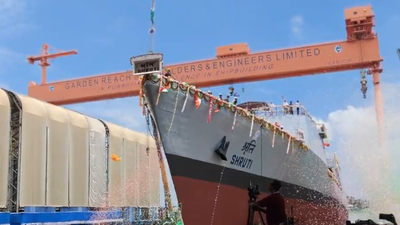
- Garden Reach Shipbuilders & Engineers Ltd (GRSE), Kolkata, has launched ‘Shruti’ (Yard 3037), a Next Generation Offshore Patrol Vessel (NGOPV) being built for the Indian Navy.
- It is the second NGOPV launched by GRSE, following Sanghmitra, under the Navy’s larger 11-ship NGOPV programme.
- Manika Sadhu formally launched the vessel in the presence of Vice Admiral Sanjay Sadhu, Controller of Warship Production & Acquisition (CWP&A), Indian Navy.
- The vessel will strengthen the Navy’s capabilities in maritime surveillance, anti-piracy operations, search and rescue, offshore asset protection and humanitarian assistance and disaster relief (HADR).
- The project supports Aatmanirbhar Bharat and Make in India through indigenous warship design and construction.
NGOPV ‘Shruti’?
- Builder: Garden Reach Shipbuilders & Engineers Ltd (GRSE), Kolkata
- Yard Number: 3037
- Type: Next Generation Offshore Patrol Vessel
- Length: ~113 metres
- Width: ~14.6 metres
- Displacement: ~3,000 tonnes
- Maximum Speed: 23 knots
- Endurance/Range: ~8,500 nautical miles at 14 knots
- Compared with earlier Offshore Patrol Vessels, the NGOPVs provide greater endurance, enhanced firepower, modern sensors and higher operational versatility.
Operational Roles
The NGOPVs are designed for multi-mission deployment, including:
- Maritime surveillance and interdiction
- Protection of coastal and offshore assets
- Anti-piracy and counter-infiltration operations
- Anti-poaching and anti-trafficking operations
- Visit, Board, Search and Seizure (VBSS)
- Search and Rescue (SAR)
- Humanitarian Assistance and Disaster Relief (HADR)
- Mine-warfare and special operations
- Non-Combatant Evacuation Operations (NEO)
- Out-of-Area Contingency Operations
- Specialised hospital, communications-intelligence and fleet-maintenance support roles.
NGOPV Programme
- The Ministry of Defence is procuring 11 Next Generation Offshore Patrol Vessels for the Indian Navy at a total contracted cost of ₹9,781 crore.
- The programme is being executed under the Buy (Indian-IDDM) procurement category.
- Goa Shipyard Limited (GSL): 7 vessels
- Garden Reach Shipbuilders & Engineers (GRSE): 4 vessels
- The vessels are to be indigenously designed, developed and manufactured.
- The programme is estimated to generate around 110 lakh man-days of employment over 7.5 years while supporting domestic shipbuilding and associated MSMEs.
Additional Info
- Buy (Indian-IDDM)
- IDDM stands for Indigenously Designed, Developed and Manufactured.
- It is a key defence-procurement category intended to prioritise indigenous design, manufacturing and domestic defence-industrial capability.
- Garden Reach Shipbuilders & Engineers (GRSE)
- Headquarters/shipbuilding facilities: Kolkata, West Bengal
- A Government of India undertaking under the Ministry of Defence.
- GRSE was accorded Navratna PSU status in 2026.
- It has supplied more than 110 warships to the Indian Navy and has built over 800 ships and platforms for domestic and overseas customers.
Sources
Centre Redefines Ganga Floodplain with Three-Tier Zoning

What’s the News?
- The Union Ministry of Jal Shakti has amended the River Ganga (Rejuvenation, Protection and Management) Authorities Order, 2016 through the Second Amendment Order, 2026.
- The amendment gives a specific definition to the “active floodplain” and divides the broader floodplain of the Ganga and its tributaries into active, regulatory and warning zones according to flood-return periods.
- It also removes the earlier principle describing the entire river bank and floodplain as a “construction-free zone”, replacing it with an obligation to reduce pollution pressures and preserve natural groundwater recharge functions.
- However, the existing prohibition on construction in the river, river banks, tributaries and active floodplain has not been deleted.
New Floodplain Zoning
The amended framework classifies flood-prone areas according to how frequently they are expected to be inundated.
- Active Floodplain
- Area inundated by a 1-in-5-year flood.
- This is the first explicit definition of “active floodplain” under the Ganga regulatory framework.
- Equivalent annual probability of such a flood: approximately 20%.
- Regulatory Zone
- Covers areas inundated between the 1-in-5-year and 1-in-25-year flood levels.
- Upper return-period probability: about 4% annually.
- Warning Zone
- Covers areas inundated between the 1-in-25-year and 1-in-100-year flood levels.
- A 1-in-100-year flood corresponds to approximately 1% annual probability.
Return period does not mean a flood occurs exactly once every 5, 25 or 100 years. It expresses the statistical probability of a flood of a specified magnitude occurring in any given year.
What Changed from the 2016 Order?
Earlier Framework
- The 2016 Order defined a floodplain broadly as an area inundated by the river's greatest flow or a flood with a frequency of once in 100 years.
- One of its governing principles stated that the bank of the Ganga and its floodplain should be a construction-free zone to:
- reduce pollution sources and pressures; and
- maintain natural groundwater recharge.
- It separately prohibited permanent or temporary structures for residential, commercial, industrial or other purposes in the Ganga, its banks, tributaries and active floodplain, subject to limited exceptions.
Revised Framework
- The general “construction-free zone” wording has been removed.
- In its place, river banks and floodplains are to be maintained through necessary measures to:
- reduce pollution sources and pressures; and
- preserve their natural groundwater recharge functions.
- The separate construction prohibition applicable to the river, banks, tributaries and active floodplain remains unchanged.
- The amendment itself does not separately specify whether construction is permitted or prohibited in the newly defined regulatory and warning zones.
Exam Caution: Removal of the phrase “construction-free zone” should not be interpreted as allowing unrestricted construction throughout the Ganga floodplain.
Why are Floodplains Important?
- Flood buffering: Provide space for excess river water during high-flow events.
- Groundwater recharge: Floodwater infiltration replenishes aquifers.
- Pollution control: Natural soils and vegetation can retain sediments and pollutants.
- Biodiversity: Support wetlands, riparian vegetation and aquatic ecosystems.
- River morphology: Allow rivers to migrate and adjust naturally instead of being permanently confined.
The revised Order specifically retains pollution reduction and groundwater recharge as core objectives of floodplain management.
Additional Info
- River Ganga Authorities Order, 2016
- Issued under the Environment (Protection) Act, 1986.
- The Central Government exercises relevant powers under Section 3 of the Act for environmental protection and establishment/empowerment of authorities.
- National Mission for Clean Ganga (NMCG)
- Statutory authority under the Ganga governance framework.
- Responsible for measures concerning rejuvenation, protection and management of the Ganga and its tributaries.
- Certain projects such as bridges, associated roads, embankments, ghats, jetties and specified hydraulic structures require prior approval under the Ganga regulatory framework.
- Constitutional Link
- Article 48A: Directive Principle requiring the State to protect and improve the environment and safeguard forests and wildlife.
- Article 51A(g): Fundamental Duty of citizens to protect and improve the natural environment, including rivers.
Sources
Sangeet Natak Akademi Announces 2024 and 2025 Awards & Fellowships
 Chairperson of the Sangeet Natak Akademi in Delhi, Dr. Sandhya Purecha. | Photo Credit: SUSHIL KUMAR VERMA
What’s the News?
- Sangeet Natak Akademi, India’s National Academy of Music, Dance and Drama, has announced its Fellowships (Akademi Ratna) and Awards (Akademi Puraskar) for 2024 and 2025.
- A total of 115 performing artists have been selected — 7 Akademi Fellows and 108 Akademi Awardees — from different States and Union Territories.
- The honours cover music, dance, theatre, folk and tribal arts, puppetry, allied theatre arts, scholarship and other areas of the performing arts.
- President Droupadi Murmu is to confer the Fellowships and Awards at a special investiture ceremony at Vigyan Bhawan, New Delhi.
- Separately, the Akademi has selected 106 young artists for the Ustad Bismillah Khan Yuva Puraskar for 2024 and 2025.
Akademi Fellowship (Akademi Ratna)
- Akademi Ratna is the highest honour conferred by Sangeet Natak Akademi.
- The Fellowship is a rare honour, with the number of Fellows restricted to 40 at any given time.
- The seven newly selected Fellows are:
- Ramlal Bareth
- A. V. Anand
- Rita Ganguly
- Puru Dadheech
- Chittaranjan Jyotishi
- Pasumarthi Rattaiah Sarma
- Sudharani Raghupathy
- Award component: ₹3 lakh, along with a Tamrapatra and Angavastram.
Akademi Puraskar
- 108 artists have been selected for the Sangeet Natak Akademi Awards (Akademi Puraskar) for the two award years.
- The awards recognise sustained individual achievement and contribution to India’s performing arts.
- Major fields include:
- Hindustani and Carnatic music
- Classical and other dance traditions
- Theatre and allied theatre arts
- Folk and tribal music and dance
- Puppetry and traditional theatre
- Instrument-making
- Scholarship and overall contribution to performing arts.
- Award component: ₹1 lakh, along with a Tamrapatra and Angavastram.
- The Akademi Awards have been conferred since 1952.
Ustad Bismillah Khan Yuva Puraskar
- 106 young artists have separately been selected for the Ustad Bismillah Khan Yuva Puraskar for 2024 and 2025.
- The award was instituted by Sangeet Natak Akademi to recognise promising young practitioners in music, dance, theatre and traditional performing arts.
- It is generally meant for outstanding practitioners up to 40 years of age.
- Award component: ₹25,000, a Tamrapatra and Angavastram.
- Unlike the Akademi Fellowship and Akademi Puraskar, which are conferred by the President of India, the Yuva Puraskar is conferred by the Chairman of Sangeet Natak Akademi.
Sangeet Natak Akademi
- It is India’s apex national body for the performing arts, covering music, dance and drama.
- It was created through a Government of India resolution in 1952 and became functional in 1953.
- It is an autonomous organisation under the Ministry of Culture and is funded by the Government of India for implementing its programmes and schemes.
- Headquarters: Rabindra Bhavan, New Delhi.
- Its management is vested in a General Council.
- Its major objective is the preservation and promotion of India’s intangible cultural heritage, particularly traditions expressed through music, dance and drama.
Sources
World Elephant Day 2026 Highlights Global Elephant Conservation
What’s the News?
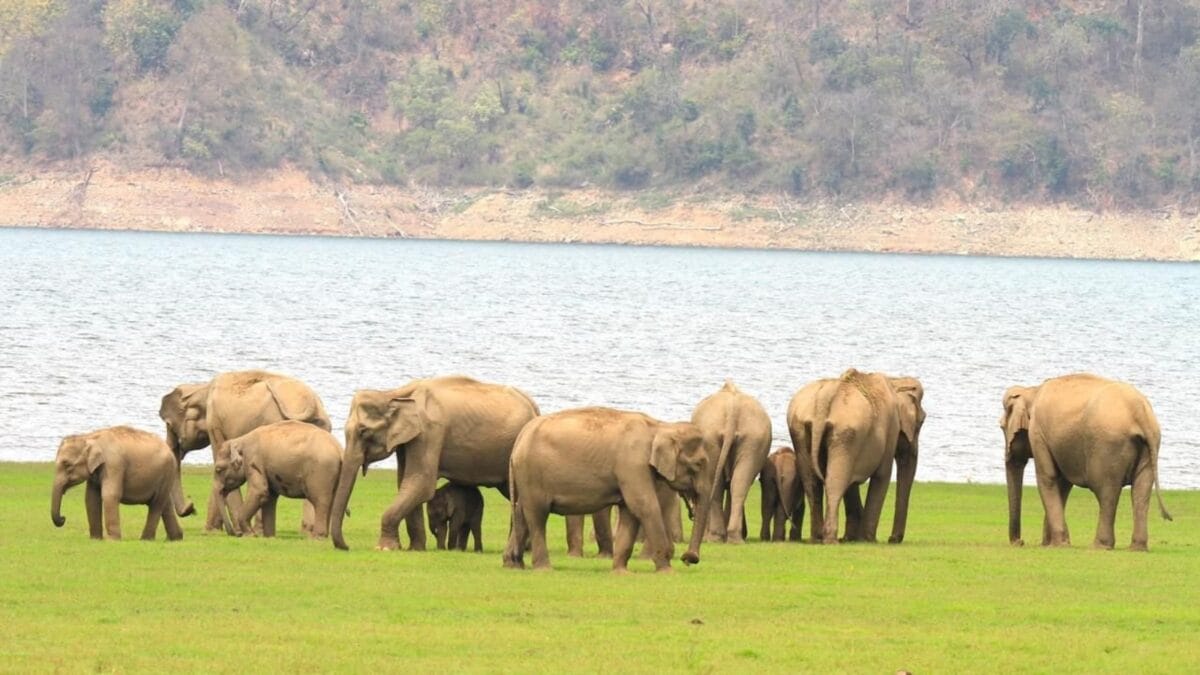
- World Elephant Day is observed annually on 12 August to raise awareness about the conservation and protection of Asian and African elephants.
- The 2026 campaign message/theme is “Bringing the world together to help elephants”, emphasising collective action by governments, conservation organisations and communities.
- The observance highlights major threats such as habitat loss and fragmentation, poaching and illegal wildlife trade, human-elephant conflict, infrastructure-related deaths and captive-elephant welfare.
- For India, the occasion is significant as the country supports nearly 60% of the world’s wild Asian elephant population.
World Elephant Day
- World Elephant Day was first launched in 2012.
- It was co-founded by:
- Patricia Sims, Canadian filmmaker and conservationist.
- Elephant Reintroduction Foundation of Thailand, an initiative associated with Queen Sirikit of Thailand.
- Its objective is to draw global attention to the threats facing elephants and promote solutions for the conservation and welfare of both wild and captive elephants.
Elephants in India
- India is home to the Asian Elephant (Elephas maximus), the country's largest terrestrial mammal.
- The Synchronous All India Population Estimation of Elephants (SAIEE) 2021–25 estimated India’s wild elephant population at 22,446.
- India currently has:
- 33 Elephant Reserves
- 150 identified elephant corridors
- Nearly 60% of the global wild Asian elephant population.
- Major elephant populations occur across:
- Southern India
- North-Eastern India
- East-Central India
- North-Western India.
Project Elephant
-
Project Elephant is the Government of India’s flagship programme for elephant conservation.
-
It was launched in 1991–92 as a Centrally Sponsored Scheme and is implemented by the Ministry of Environment, Forest and Climate Change (MoEFCC).
-
Major objectives include:
- Protecting elephants, their habitats and migratory corridors.
- Reducing human-elephant conflict.
- Supporting the welfare and management of captive elephants.
- Providing financial and technical assistance to elephant-range States and Union Territories.
-
Recent conservation measures increasingly use radio-collaring, AI-enabled monitoring, genetic databases and early-warning systems for scientific management and conflict mitigation.
Conservation Status of Asian Elephant
- Scientific Name: Elephas maximus
- IUCN Red List: Endangered
- CITES: Appendix I, providing the highest level of protection against international commercial trade.
- Convention on Migratory Species (CMS): Mainland Asian/Indian Elephant (Elephas maximus indicus) — Appendix I.
- Wild Life (Protection) Act, 1972: Receives the highest level of legal protection in India.
- The elephant has also been declared India’s National Heritage Animal.
Why are Elephants Ecologically Important?
- Elephants are often described as ecosystem engineers because their movement and feeding patterns shape forest ecosystems.
- They contribute to:
- Seed dispersal
- Nutrient cycling
- Maintenance of forest structure
- Creation of pathways and access to water used by other species
- Their large habitat requirements also make them important umbrella species — conserving elephant landscapes protects numerous other plants and animals.
Major Conservation Challenges
- Habitat fragmentation due to roads, railways, settlements and other infrastructure.
- Loss or disruption of traditional elephant corridors.
- Increasing human-elephant conflict, including crop and property damage and casualties.
- Railway collisions and electrocution.
- Poaching and illegal ivory trade.
- Climate and land-use changes affecting the availability of food and water.
India has identified sensitive railway stretches in elephant landscapes and is adopting mitigation measures such as crossing structures, improved monitoring and coordination between wildlife and railway authorities.
Sources
International Youth Day 2026 Focuses on Shared Aspirations of Young People

What’s the News?
- International Youth Day is observed annually on 12 August to highlight the role, challenges and contributions of young people in social, economic and sustainable development.
- The 2026 theme is “Different Contexts, Common Aspirations.”
- The theme recognises that young people live under widely different economic, social and political conditions but share aspirations for education, decent work, participation, peace, dignity and sustainable development.
- Special attention in 2026 is placed on young people living in Least Developed Countries (LDCs), where structural barriers can restrict access to education, employment, technology and decision-making.
2026 Theme
“Different Contexts, Common Aspirations”
- It emphasises that youth policies cannot follow a one-size-fits-all approach.
- Policies should respond to differences in:
- Economic conditions
- Geography and conflict exposure
- Gender and social inequalities
- Access to education and employment
- Digital connectivity
- At the same time, international cooperation is required to address shared youth priorities and strengthen youth participation in achieving the Sustainable Development Goals (SDGs).
International Youth Day
- The idea for an International Youth Day emerged from the World Conference of Ministers Responsible for Youth, held in Lisbon, Portugal, in 1998.
- The UN General Assembly, through Resolution 54/120, subsequently endorsed 12 August as International Youth Day.
- It has been observed internationally since 2000.
- The observance brings youth-related issues to the attention of governments and the international community while promoting young people's participation as partners in development.
Who are ‘Youth’?
- For statistical purposes, the United Nations defines youth as persons aged 15–24 years.
- However, there is no universally binding international definition, and countries may adopt different age ranges for national policies.
- In India, the National Youth Policy (NYP), 2014 defines youth as persons in the 15–29 years age group.
Youth Development in India
National Youth Policy
- National Youth Policy, 2014 provides the foundational framework for youth development in India.
- Major priority areas include:
- Education and skill development
- Employment and entrepreneurship
- Health and healthy lifestyles
- Sports
- Social participation
- Youth leadership and community engagement
- Inclusion of disadvantaged groups.
- A newer youth-policy framework has also been proposed with greater emphasis on future-ready skills, entrepreneurship, digital participation, leadership and sustainable development.
MY Bharat
- Mera Yuva Bharat (MY Bharat) was established as an autonomous “phygital” — physical + digital — platform for youth engagement.
- It targets young people aged 15–29 years and provides opportunities for:
- Volunteering and community service
- Experiential learning
- Mentorship
- Career support
- Youth participation in governance and civic activities.
- The MY Bharat platform had over 2.19 crore registered youth by June 2026.
Additional Info
- International Youth Day vs National Youth Day
- International Youth Day: 12 August; established through the United Nations framework.
- National Youth Day (India): 12 January; observed on the birth anniversary of Swami Vivekananda.
- Ministry concerned in India
- Youth-development programmes are primarily administered through the Department of Youth Affairs, Ministry of Youth Affairs and Sports.
- Major youth-related initiatives
- MY Bharat: Volunteering, experiential learning and civic participation.
- Pradhan Mantri Kaushal Vikas Yojana (PMKVY): Skill development and industry-oriented training.
- National Service Scheme (NSS): Student participation in community service.
- Nehru Yuva Kendra Sangathan (NYKS): Grassroots youth mobilisation, particularly in rural areas.
- Viksit Bharat Young Leaders Dialogue: Platform for youth participation in leadership and policy discussions.
Sources
Indian Para-Cyclists Win 12 Medals at UCI Parasport Denmark Grand Prix
What’s the News?
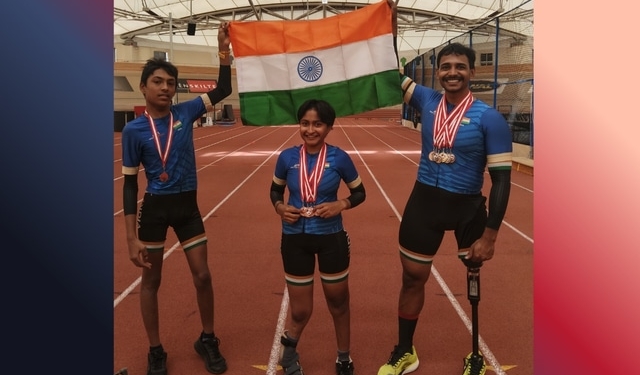
- Indian para-cyclists won 12 medals — 2 gold, 5 silver and 5 bronze — at the UCI Parasport Denmark Grand Prix held in Odense, Denmark.
- India’s medal haul came from three cyclists — Arshad Shaikh, Vishwa Vasani and Anshuman Dhumal.
- Arshad Shaikh of Andhra Pradesh was India’s most successful competitor, winning 6 medals, including both of India’s gold medals.
- The performances of 17-year-old Vishwa Vasani and 16-year-old Anshuman Dhumal also highlighted India’s emerging talent in international para-cycling.
India’s Medal Winners
Arshad Shaikh — MC2
- Total: 6 medals
- 2 Gold: Elimination-race events
- 3 Silver: Individual Time Trial, Individual Pursuit and Scratch Race
- 1 Bronze: 200m Sprint
- The Paralympian from Andhra Pradesh accounted for half of India’s total medal haul.
Vishwa Vasani — WC3
- The 17-year-old cyclist from Gujarat won 4 bronze medals in:
- 1 km Individual Time Trial
- Scratch Race
- 200m Sprint
- Elimination Race.
Anshuman Dhumal
- The 16-year-old cyclist from Maharashtra secured 2 silver medals in elimination-race events.
- The Indian contingent trained under chief coach Aditya Mehta.
UCI Parasport Denmark Grand Prix
- It is an international track para-cycling competition conducted within the Union Cycliste Internationale (UCI) framework and featured on the UCI para-cycling calendar.
- Track para-cycling competitions are conducted on a velodrome and can include:
- Individual Time Trial
- Individual Pursuit
- Scratch Race
- Elimination Race
- Sprint events.
Para-Cycling Classification
Para-cycling classifies athletes according to the type and functional impact of their impairment, allowing athletes with comparable activity limitations to compete together.
- C – Cycle: Athletes ride conventional bicycles, with adaptations where required.
- T – Tricycle: Used mainly by athletes with balance or coordination impairments.
- H – Handcycle: Used by athletes who compete using hand-powered cycles.
- B – Tandem: Used by athletes with visual impairments together with a sighted pilot.
- C1–C5 are bicycle sport classes; a lower number indicates a greater degree of activity limitation.
- MC2: Men’s C2 category
- WC3: Women’s C3 category.
Additional Info
- Union Cycliste Internationale (UCI)
- Global governing body for competitive cycling, including para-cycling.
- Headquarters: Aigle, Switzerland.
- Governs major disciplines including road, track, mountain bike, BMX and para-cycling.
- Para-cycling at Paralympics
- Para-cycling first entered the Paralympic programme with road events in 1984.
- Track para-cycling was subsequently introduced at the 1996 Atlanta Paralympic Games.
Sources
Sports Ministry Suspends Recognition of Table Tennis Federation of India

What’s the News?
- The Ministry of Youth Affairs and Sports has suspended the recognition of the Table Tennis Federation of India (TTFI) as the National Sports Federation for table tennis with immediate effect.
- The action was taken over persistent governance deficiencies, institutional failures and non-compliance with government directions.
- The Ministry has asked the Indian Olympic Association (IOA), in consultation with the International Table Tennis Federation (ITTF), to establish an interim regulatory mechanism, including an ad-hoc committee, to administer the sport until a compliant governance structure is restored.
- During the suspension, TTFI will not be entitled to government financial assistance, official patronage or other benefits linked to recognition as a National Sports Federation.
Why was TTFI Recognition Suspended?
The Sports Ministry highlighted several governance and administrative concerns:
- Failure to conduct elections within the stipulated timeframe.
- An unsatisfactory response to a show-cause notice issued by the Ministry.
- Repeated non-compliance with Ministry directions and shortcomings in transparency, accountability and democratic functioning.
- Appointment of Mahinder Pal Singh as CEO at an Annual General Meeting despite Ministry directions.
- Concerns over the procedure used to constitute TTFI's grievance/dispute-redressal committee.
- Continuing differences between TTFI President Meghna Ahlawat and Secretary General Kamlesh Mehta, which affected decision-making and institutional functioning.
Selection Policy Concerns
- The Ministry also found deficiencies in TTFI's player-selection policy and stated that it was inconsistent with its 2025 selection guidelines.
- The policy gave:
- 50% weightage to national rankings.
- 40% weightage to world rankings.
- 10% weightage to the selection committee's discretion.
- The Ministry said the system could disadvantage highly ranked players who regularly compete internationally.
- It also noted the absence of sufficiently clear criteria for major competitions such as the Olympic Games and Asian Games, whose qualification pathways differ.
- Another concern was the lack of an adequate mechanism for athletes to seek redressal of selection-related grievances.
Manika Batra Controversy
- The federation faced renewed scrutiny after leading Indian paddler Manika Batra was left out of India's main Asian Games squad and named as a reserve because of insufficient participation in domestic competitions.
- Batra criticised the process as ambiguous and unfair and sought government intervention.
- The episode intensified scrutiny of TTFI's selection and governance mechanisms.
Interim Administration
- The Indian Olympic Association has been asked to work with the ITTF to create an interim mechanism.
- An ad-hoc committee is expected to manage Indian table tennis until a duly constituted and compliant TTFI governance structure is restored.
- The suspension is not expected to directly prevent India's participation in the forthcoming Asian Games because the team-selection process has already been completed and the interim administration can oversee the contingent.
Additional Info
- Table Tennis Federation of India (TTFI)
- National governing body for table tennis in India.
- Established in 1926.
- Affiliated with the International Table Tennis Federation (ITTF).
- Currently headed by Meghna Ahlawat, its first woman president.
- National Sports Development Code of India, 2011
- Provides governance norms for recognised National Sports Federations.
- Covers areas such as elections, tenure of office-bearers, transparency, accountability, athlete representation and government recognition.
- The Ministry invoked powers under the 2011 Sports Code and other applicable regulations while suspending TTFI's recognition.
- Previous Intervention
- TTFI had also faced judicial intervention in 2022, when the Delhi High Court suspended its executive committee following concerns regarding its functioning and selection processes.
- Fresh elections subsequently restored an elected administration.
Sources
Russia Imports Gasoline from India for the First Time
What’s the News?
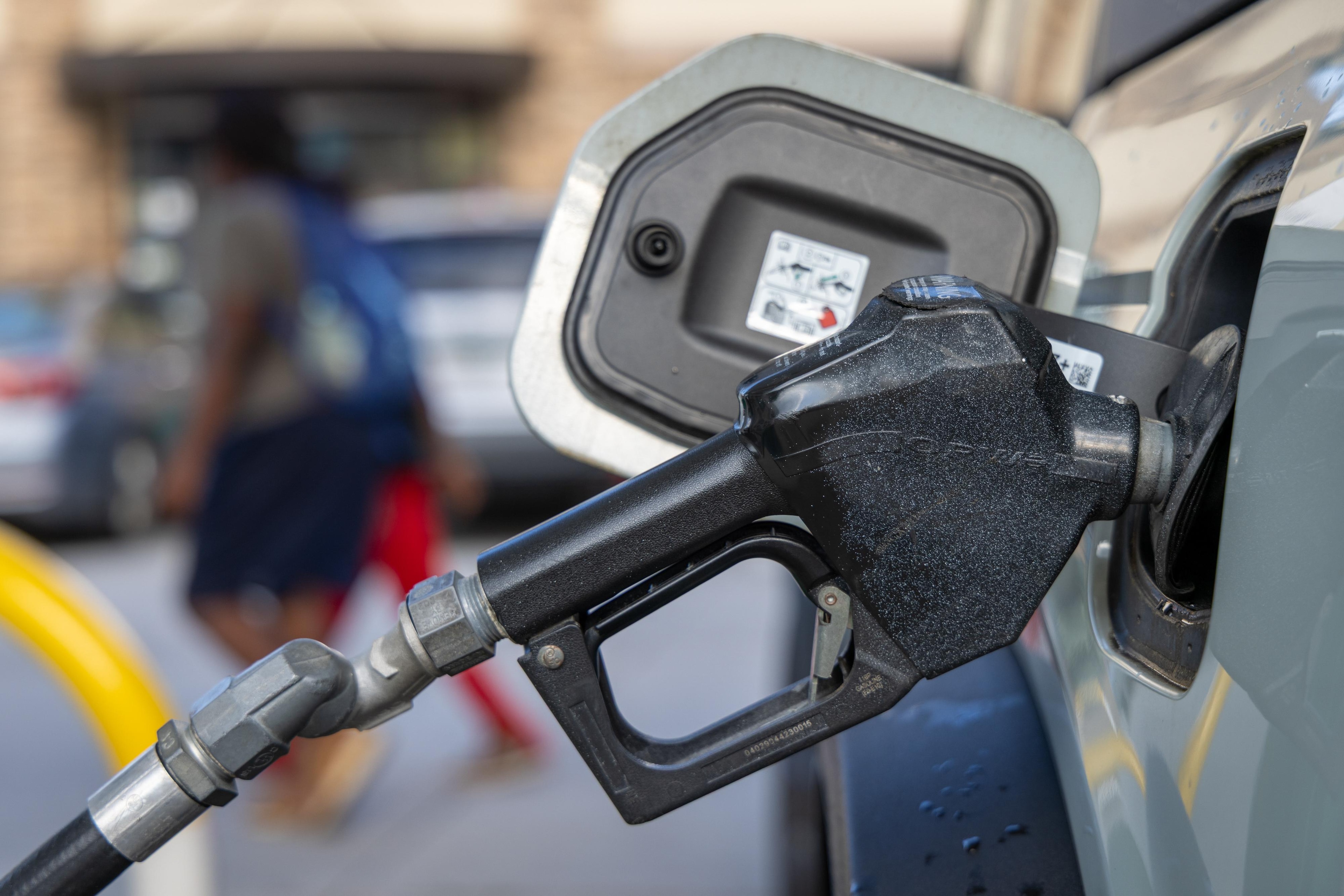
- Russia has begun importing gasoline (petrol) from India for the first time, as repeated Ukrainian attacks on Russian refineries have disrupted domestic fuel production and created shortages.
- The first physical cargo of Indian gasoline to reach Russia contained about 42,000 tonnes of fuel loaded from Nayara Energy’s Vadinar refinery in Gujarat.
- The shipment was routed through Damietta, Egypt, where it underwent a ship-to-ship (STS) transfer before proceeding to Russia.
- The development represents an unusual reversal in energy trade: India is a major buyer of Russian crude oil, while Indian-refined gasoline is now being supplied back to Russia amid its refining crisis.
Why is Russia Importing Gasoline?
- Ukrainian strikes have repeatedly damaged Russian refining infrastructure, reducing the country's ability to convert crude oil into petrol, diesel and other petroleum products.
- Russia’s crude-processing rate fell to about 3.6 million barrels per day, roughly one-third below the normal seasonal level, according to EA Analytics.
- Domestic shortages have resulted in:
- Fuel rationing in some regions
- Long queues at filling stations
- Sharp increases in gasoline prices.
- Russia, traditionally an exporter of refined fuels, has restricted gasoline and diesel exports to prioritise its domestic market.
- Russia is also sourcing gasoline from Belarus and other markets to bridge the supply gap.
India–Russia Gasoline Trade
- At least 60,000 tonnes of gasoline had been dispatched from India as Russia sought emergency supplies.
- Russia was reported to be considering imports of up to 400,000 tonnes of gasoline per month from multiple countries.
- Russian summer gasoline consumption is at least 110,000 tonnes per day, highlighting the scale of domestic demand.
- Further Indian shipments are expected:
- One tanker loaded nearly 40,000 tonnes from Vadinar.
- Other vessels have also moved Indian-origin gasoline through the Damietta STS hub.
Nayara Energy
- Nayara Energy Ltd. operates the Vadinar refinery in Gujarat, from where the gasoline cargo originated.
- The refinery has a processing capacity of around 400,000 barrels per day.
- Russian oil major Rosneft holds a 49% stake in Nayara Energy.
- Nayara has increasingly relied on traders for crude imports and refined-product exports after European Union sanctions complicated its international payments and trade relationships.
- India’s Petroleum Minister Hardeep Singh Puri stated that Indian companies were not directly selling fuel to Russia, while noting that Russia could purchase Indian-origin fuel through traders.
Shipping Route
- The initial gasoline cargo followed the broad route:
- Vadinar, Gujarat → Damietta, Egypt → Russia
- At Damietta, the cargo was transferred between tankers through a ship-to-ship transfer, in which petroleum cargo is moved directly from one vessel to another rather than being unloaded at a conventional terminal.
- Kpler data indicates that this route is emerging as a channel for moving Indian-origin gasoline into Russian import networks.
Additional Info
- Gasoline: A refined petroleum product primarily used as fuel in petrol-powered vehicles.
- Crude Oil: Unprocessed petroleum that must be refined to produce gasoline, diesel, aviation turbine fuel and other products.
- Kpler
- A global commodities and shipping-data analytics firm.
- Its tanker-tracking data was used to identify the Indian gasoline shipments to Russia.
- Vadinar
- Located in Gujarat on India's western coast.
- Hosts Nayara Energy’s large oil-refining complex.
Sources
August 2026
Archive
November 2026
- 27 November 2026
- 26 November 2026
- 25 November 2026
- 24 November 2026
- 23 November 2026
- 21 November 2026
- 20 November 2026
- 19 November 2026
- 18 November 2026
- 17 November 2026
- 16 November 2026
- 14 November 2026
- 13 November 2026
- 12 November 2026
- 11 November 2026
- 10 November 2026
- 09 November 2026
- 06 November 2026
- 05 November 2026
- 04 November 2026
- 03 November 2026
- 02 November 2026
October 2026
- 31 October 2026
- 30 October 2026
- 29 October 2026
- 28 October 2026
- 27 October 2026
- 26 October 2026
- 24 October 2026
- 23 October 2026
- 22 October 2026
- 21 October 2026
- 20 October 2026
- 19 October 2026
- 17 October 2026
- 16 October 2026
- 15 October 2026
- 14 October 2026
- 13 October 2026
- 12 October 2026
- 10 October 2026
- 09 October 2026
- 08 October 2026
- 07 October 2026
- 06 October 2026
- 05 October 2026
- 03 October 2026
- 02 October 2026
- 01 October 2026
September 2026
- 30 September 2026
- 29 September 2026
- 28 September 2026
- 26 September 2026
- 25 September 2026
- 24 September 2026
- 23 September 2026
- 22 September 2026
- 21 September 2026
- 19 September 2026
- 18 September 2026
- 17 September 2026
- 16 September 2026
- 15 September 2026
- 12 September 2026
- 11 September 2026
- 10 September 2026
- 09 September 2026
- 08 September 2026
- 07 September 2026
- 05 September 2026
- 04 September 2026
- 03 September 2026
- 02 September 2026
- 01 September 2026
August 2026
- 31 August 2026
- 29 August 2026
- 27 August 2026
- 26 August 2026
- 25 August 2026
- 24 August 2026
- 22 August 2026
- 21 August 2026
- 20 August 2026
- 19 August 2026
- 18 August 2026
- 17 August 2026
- 14 August 2026
- 13 August 2026
- 12 August 2026
- 11 August 2026
- 10 August 2026
- 08 August 2026
- 07 August 2026
- 06 August 2026
- 05 August 2026
- 04 August 2026
- 03 August 2026
- 01 August 2026
July 2026
- 31 July 2026
- 30 July 2026
- 29 July 2026
- 28 July 2026
- 27 July 2026
- 25 July 2026
- 23 July 2026
- 22 July 2026
- 21 July 2026
- 20 July 2026
- 18 July 2026
- 17 July 2026
- 15 July 2026
- 14 July 2026
- 13 July 2026
- 11 July 2026
- 10 July 2026
- 09 July 2026
- 08 July 2026
- 07 July 2026
- 06 July 2026
- 04 July 2026
- 03 July 2026
- 02 July 2026
- 01 July 2026
June 2026
May 2026
April 2026
March 2026
- 31 March 2026
- 30 March 2026
- 28 March 2026
- 27 March 2026
- 26 March 2026
- 25 March 2026
- 24 March 2026
- 23 March 2026
- 21 March 2026
- 20 March 2026
- 19 March 2026
- 18 March 2026
- 17 March 2026
- 16 March 2026
- 14 March 2026
- 13 March 2026
- 12 March 2026
- 11 March 2026
- 10 March 2026
- 09 March 2026
- 07 March 2026
- 06 March 2026
- 05 March 2026
- 03 March 2026
- 02 March 2026
February 2026
- 28 February 2026
- 27 February 2026
- 26 February 2026
- 25 February 2026
- 24 February 2026
- 23 February 2026
- 21 February 2026
- 20 February 2026
- 19 February 2026
- 18 February 2026
- 17 February 2026
- 16 February 2026
- 13 February 2026
- 12 February 2026
- 11 February 2026
- 10 February 2026
- 09 February 2026
- 07 February 2026
- 06 February 2026
- 05 February 2026
- 04 February 2026
- 03 February 2026
- 02 February 2026
January 2026
- 31 January 2026
- 30 January 2026
- 29 January 2026
- 28 January 2026
- 27 January 2026
- 26 January 2026
- 24 January 2026
- 23 January 2026
- 22 January 2026
- 21 January 2026
- 20 January 2026
- 19 January 2026
- 16 January 2026
- 15 January 2026
- 14 January 2026
- 13 January 2026
- 12 January 2026
- 10 January 2026
- 09 January 2026
- 08 January 2026
- 07 January 2026
- 06 January 2026
- 05 January 2026
- 03 January 2026
- 02 January 2026
- 01 January 2026
December 2025
- 31 December 2025
- 30 December 2025
- 29 December 2025
- 27 December 2025
- 26 December 2025
- 24 December 2025
- 23 December 2025
- 22 December 2025
- 20 December 2025
- 19 December 2025
- 18 December 2025
- 17 December 2025
- 16 December 2025
- 15 December 2025
- 13 December 2025
- 12 December 2025
- 11 December 2025
- 10 December 2025
- 09 December 2025
- 08 December 2025
- 05 December 2025
- 04 December 2025
- 03 December 2025
- 02 December 2025
November 2025
- 29 November 2025
- 28 November 2025
- 27 November 2025
- 26 November 2025
- 25 November 2025
- 24 November 2025
- 22 November 2025
- 21 November 2025
- 20 November 2025
- 19 November 2025
- 18 November 2025
- 17 November 2025
- 15 November 2025
- 14 November 2025
- 13 November 2025
- 12 November 2025
- 11 November 2025
- 10 November 2025
- 08 November 2025
- 07 November 2025
- 06 November 2025
- 05 November 2025
- 04 November 2025
- 03 November 2025
- 01 November 2025
October 2025
- 31 October 2025
- 30 October 2025
- 29 October 2025
- 28 October 2025
- 27 October 2025
- 25 October 2025
- 24 October 2025
- 23 October 2025
- 22 October 2025
- 21 October 2025
- 20 October 2025
- 18 October 2025
- 17 October 2025
- 16 October 2025
- 15 October 2025
- 14 October 2025
- 13 October 2025
- 11 October 2025
- 10 October 2025
- 09 October 2025
- 08 October 2025
- 07 October 2025
- 06 October 2025
- 04 October 2025
- 03 October 2025
- 02 October 2025
- 01 October 2025
September 2025
- 30 September 2025
- 29 September 2025
- 27 September 2025
- 26 September 2025
- 25 September 2025
- 24 September 2025
- 23 September 2025
- 22 September 2025
- 20 September 2025
- 19 September 2025
- 18 September 2025
- 17 September 2025
- 16 September 2025
- 15 September 2025
- 13 September 2025
- 12 September 2025
- 11 September 2025
- 10 September 2025
- 09 September 2025
- 08 September 2025
- 06 September 2025
- 05 September 2025
- 04 September 2025
- 03 September 2025
- 02 September 2025
- 01 September 2025
August 2025
- 30 August 2025
- 29 August 2025
- 28 August 2025
- 27 August 2025
- 26 August 2025
- 25 August 2025
- 23 August 2025
- 22 August 2025
- 21 August 2025
- 20 August 2025
- 19 August 2025
- 18 August 2025
- 16 August 2025
- 14 August 2025
- 13 August 2025
- 12 August 2025
- 11 August 2025
- 08 August 2025
- 07 August 2025
- 06 August 2025
- 05 August 2025
- 04 August 2025
- 02 August 2025
- 01 August 2025
July 2025
- 31 July 2025
- 30 July 2025
- 29 July 2025
- 28 July 2025
- 26 July 2025
- 25 July 2025
- 24 July 2025
- 23 July 2025
- 22 July 2025
- 21 July 2025
- 19 July 2025
- 18 July 2025
- 17 July 2025
- 16 July 2025
- 15 July 2025
- 12 July 2025
- 11 July 2025
- 10 July 2025
- 09 July 2025
- 07 July 2025
- 05 July 2025
- 04 July 2025
- 03 July 2025
- 02 July 2025
- 01 July 2025
June 2025
- 30 June 2025
- 28 June 2025
- 27 June 2025
- 26 June 2025
- 25 June 2025
- 24 June 2025
- 23 June 2025
- 21 June 2025
- 20 June 2025
- 19 June 2025
- 18 June 2025
- 17 June 2025
- 16 June 2025
- 14 June 2025
- 13 June 2025
- 12 June 2025
- 11 June 2025
- 10 June 2025
- 09 June 2025
- 07 June 2025
- 06 June 2025
- 05 June 2025
- 04 June 2025
- 03 June 2025
- 02 June 2025
May 2025
April 2025
- 30 April 2025
- 29 April 2025
- 28 April 2025
- 26 April 2025
- 25 April 2025
- 24 April 2025
- 23 April 2025
- 22 April 2025
- 21 April 2025
- 19 April 2025
- 18 April 2025
- 17 April 2025
- 16 April 2025
- 15 April 2025
- 14 April 2025
- 12 April 2025
- 11 April 2025
- 10 April 2025
- 09 April 2025
- 08 April 2025
- 07 April 2025
- 05 April 2025
- 04 April 2025
- 03 April 2025
- 02 April 2025
- 01 April 2025
March 2025
- 31 March 2025
- 29 March 2025
- 28 March 2025
- 27 March 2025
- 26 March 2025
- 25 March 2025
- 24 March 2025
- 22 March 2025
- 21 March 2025
- 20 March 2025
- 19 March 2025
- 18 March 2025
- 17 March 2025
- 15 March 2025
- 13 March 2025
- 12 March 2025
- 11 March 2025
- 10 March 2025
- 08 March 2025
- 07 March 2025
- 06 March 2025
- 05 March 2025
- 04 March 2025
- 03 March 2025
- 01 March 2025
February 2025
- 28 February 2025
- 27 February 2025
- 26 February 2025
- 25 February 2025
- 24 February 2025
- 22 February 2025
- 21 February 2025
- 20 February 2025
- 19 February 2025
- 18 February 2025
- 17 February 2025
- 15 February 2025
- 14 February 2025
- 13 February 2025
- 12 February 2025
- 11 February 2025
- 10 February 2025
- 08 February 2025
- 07 February 2025
- 06 February 2025
- 05 February 2025
- 04 February 2025
- 03 February 2025
- 01 February 2025
January 2025
- 31 January 2025
- 30 January 2025
- 29 January 2025
- 28 January 2025
- 27 January 2025
- 25 January 2025
- 24 January 2025
- 23 January 2025
- 22 January 2025
- 21 January 2025
- 20 January 2025
- 18 January 2025
- 17 January 2025
- 16 January 2025
- 15 January 2025
- 14 January 2025
- 13 January 2025
- 11 January 2025
- 10 January 2025
- 09 January 2025
- 08 January 2025
- 07 January 2025
- 06 January 2025
- 04 January 2025
- 03 January 2025
- 02 January 2025
- 01 January 2025