
Current Affairs
Stay updated with the latest national and international events.
12 September 2026
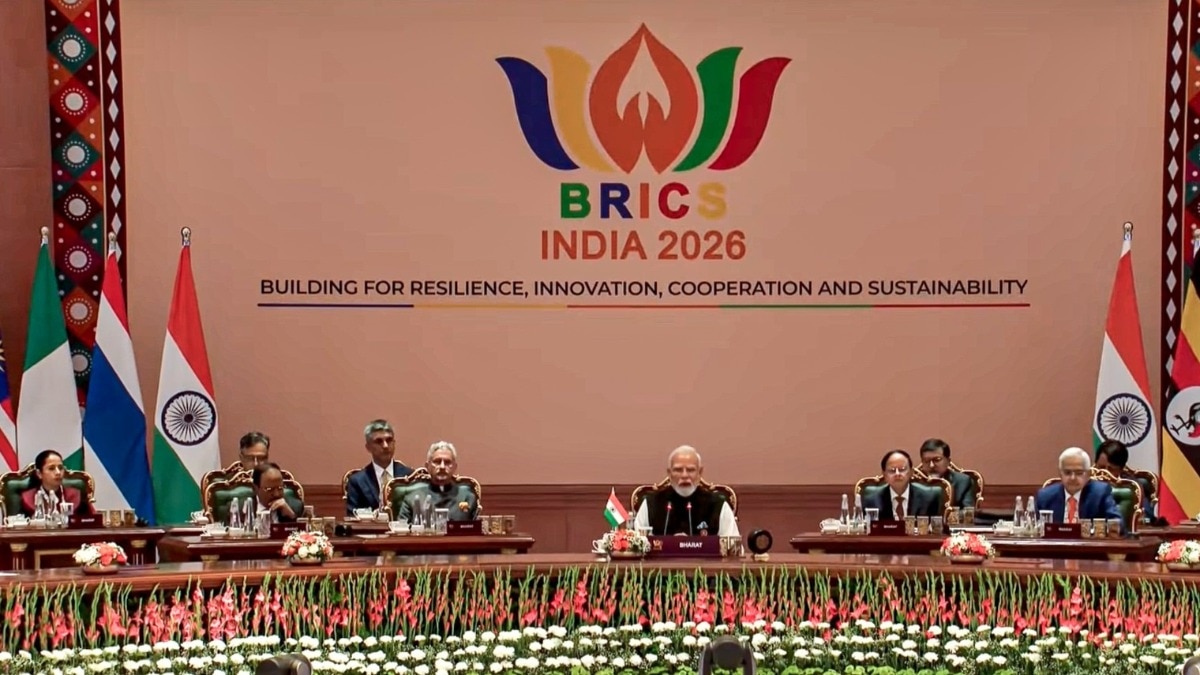
BRICS Adopts New Delhi Declaration 2026
What’s the News?
- BRICS leaders unanimously adopted the New Delhi Declaration 2026 during the 18th BRICS Summit at Bharat Mandapam, New Delhi.
- The declaration contains 140 points covering global governance, peace and security, terrorism, trade, finance, energy, technology, sustainable development and people-to-people cooperation.
- India chaired BRICS in 2026 under the theme “Building for Resilience, Innovation, Cooperation and Sustainability.”
- Prime Minister Narendra Modi stressed reform of global institutions and proposed mechanisms to improve continuity and implementation of BRICS decisions.
New Delhi Declaration
Global Governance and UN Reform
- BRICS called for comprehensive reform of the United Nations, including the UN Security Council (UNSC), to make it more representative, democratic, effective and responsive.
- It sought greater representation of developing countries from Africa, Asia and Latin America, strengthening the voice of the Global South.
- China and Russia, both permanent members of the UNSC, reiterated support for the aspirations of India and Brazil to play a greater role in the UN, including the Security Council.
- The declaration also recognised Africa's aspirations reflected in the Ezulwini Consensus and Sirte Declaration.
Terrorism and Pahalgam Attack
- BRICS condemned terrorism in all forms and manifestations, irrespective of motivation or perpetrators.
- It specifically condemned the Pahalgam terrorist attack in Jammu and Kashmir, in which 26 people were killed.
- Members called for action against:
- Cross-border movement of terrorists.
- Terror financing.
- Terrorist safe havens.
- BRICS reiterated zero tolerance for terrorism and rejected double standards in counter-terrorism.
Trade and WTO Reform
- BRICS expressed concern over the rise of unilateral tariffs and non-tariff measures that distort trade and disrupt global supply chains.
- It reaffirmed support for an open, inclusive, non-discriminatory and rules-based multilateral trading system centred on the WTO.
- Members called for restoration of a fully functioning two-tier WTO dispute-settlement mechanism, including appointment of members to the Appellate Body.
- BRICS also opposed unilateral coercive economic measures contrary to international law.
Cross-Border Payments and Local Currencies
- The BRICS Payment Task Force (BPTF) will continue exploring efficient cross-border payment mechanisms.
- Members recognised work towards:
- Interoperability of payment and financial-messaging systems.
- Faster and lower-cost cross-border payments.
- Greater use of BRICS members' local currencies for trade settlements and investments.
- The declaration clarified that such arrangements should respect national priorities rather than follow a single common model.
New Development Bank
- BRICS reaffirmed the importance of the New Development Bank (NDB) in financing infrastructure and sustainable development in emerging and developing economies.
- It supported greater:
- Local-currency financing.
- Resource mobilisation.
- Diversification of funding sources.
- Expansion of NDB membership.
- The declaration welcomed the BRICS-NDB Knowledge Portal, launched under India's chairship to share development experiences, policy innovations and lessons from NDB-financed projects.
Peace, West Asia and Nuclear Risks
- BRICS reiterated that international disputes should be resolved through dialogue, consultation and diplomacy.
- It expressed concern over escalating tensions in West Asia/Middle East, calling for restraint, protection of civilians and maintenance of global trade, supply chains and energy flows.
- Members also highlighted increasing risks associated with nuclear conflict.
- The declaration emphasised protection of seafarers and commercial shipping routes during geopolitical crises.
India’s Institutional Proposals
- BRICS Continuity and Implementation Mechanism
- Proposed by Prime Minister Modi to ensure initiatives continue despite the annually rotating BRICS chairship.
- Follow-up would be supported through the BRICS Troika, improving institutional continuity and implementation of summit decisions.
- Seafarers Emergency Support Network
- Proposed to link maritime authorities and diplomatic missions of participating countries.
- Intended to provide faster assistance to seafarers during emergencies and geopolitical disruptions.
Technology and Sustainable Development
- BRICS recognised Artificial Intelligence (AI) as an important driver of economic growth and sustainable development.
- Members supported safe, secure, inclusive and reliable AI and implementation of the BRICS Leaders’ Statement on Global Governance of Artificial Intelligence.
- The declaration acknowledged India's AI Impact Summit 2026.
- It also supported cooperation on smart grids, energy storage, disaster-risk reduction, climate-resilient infrastructure and digital public infrastructure.
Additional Info
- BRICS
- Originally emerged as BRIC — Brazil, Russia, India and China.
- South Africa's entry led to the name BRICS.
- Cooperation operates mainly through three pillars:
- Political and security cooperation.
- Economic and financial cooperation.
- Cultural and people-to-people cooperation.
- New Development Bank
- Established by BRICS countries to mobilise resources for infrastructure and sustainable-development projects.
- Headquarters: Shanghai, China.
- It is commonly referred to as the BRICS Bank.
- India’s BRICS Chairship 2026
- Theme: Building for Resilience, Innovation, Cooperation and Sustainability.
- The New Delhi Declaration marked the culmination of India's efforts to deepen BRICS cooperation while increasing representation of the Global South in international institutions.
- China will hold the BRICS Chairship in 2027 and host the 19th BRICS Summit.
Sources
India and Russia Target $100 Billion Bilateral Trade by 2030

What’s the News?
- India and Russia are working to raise annual bilateral trade to $100 billion by 2030, from around $60 billion currently.
- Union Commerce and Industry Minister Piyush Goyal called for rebalancing the heavily import-dominated trade relationship by expanding Indian exports, particularly in non-energy sectors.
- The two countries are also targeting $50 billion in two-way investments by 2030.
- India and Russia are fast-tracking negotiations for a new Bilateral Investment Treaty (BIT) and strengthening local-currency settlement mechanisms.
- India is also pursuing a Free Trade Agreement (FTA) with the Eurasian Economic Union (EAEU) to improve market access and expand trade.
$100 Billion Trade Target
- Bilateral trade currently stands at around $60 billion.
- Reaching the $100 billion target requires an additional $40 billion in trade over the next four years.
- This would require sustained double-digit annual growth.
- India is seeking to shift the relationship from predominantly energy-based trade towards broader industrial, manufacturing and technology cooperation.
Trade Imbalance
- India's imports from Russia are around $55 billion out of approximately $60 billion in bilateral trade.
- Crude oil accounts for more than 80% of India's imports from Russia.
- India is therefore seeking greater access for its products to make bilateral trade more balanced.
Export Diversification
India identified several sectors with significant potential for expanding exports to Russia:
- Pharmaceuticals.
- Engineering goods.
- Chemicals.
- Textiles.
- Auto components and automobiles.
- Tractors.
- Food and agricultural products.
- Marine products.
- Information technology and services.
Recent export trends highlighted include:
- Meat-product exports increased from about $36 million to $97 million, a rise of nearly 170%.
- Fish and aquatic-product exports increased by nearly 30%.
- Edible-vegetable exports rose by around 40%.
- Coffee, tea and spice exports increased by about 13%.
- Milling-industry exports nearly doubled.
These sectors also provide export opportunities for MSMEs and agricultural producers.
Bilateral Investment Treaty
- India and Russia are fast-tracking negotiations for a new Bilateral Investment Treaty (BIT).
- The treaty is intended to provide greater legal certainty and protection to investors from both countries.
- It is expected to support the bilateral target of $50 billion in two-way investments by 2030.
Priority Investment Projects
- The India-Russia Priority Investment Projects Mechanism is tracking 40 live projects.
- Major sectors include:
- Advanced manufacturing.
- Energy.
- Mining.
- Railways.
- Emerging technologies.
- India is seeking greater opportunities for Indian investment in Russia in:
- Pharmaceuticals.
- Information technology.
- Artificial intelligence.
- Engineering.
- Services.
- Railways.
India-EAEU Free Trade Agreement
- India and the Eurasian Economic Union (EAEU) are conducting formal negotiations for an FTA.
- The agreement is expected to:
- Reduce trade barriers.
- Improve market access.
- Facilitate Indian exports.
- Create new opportunities for MSMEs.
- Support diversification of India-Russia trade beyond energy.
Eurasian Economic Union
The EAEU has five members:
- Russia.
- Armenia.
- Belarus.
- Kazakhstan.
- Kyrgyzstan.
Local-Currency Payments
- India and Russia are strengthening national and local-currency settlement mechanisms for bilateral trade.
- The objective is to reduce transaction difficulties and dependence on conventional international payment channels.
- Payment-system constraints have emerged as an important practical barrier to expansion of bilateral commerce.
- Greater use of local currencies can facilitate smoother settlement between Indian and Russian businesses.
Trade Connectivity
India and Russia are seeking improved physical connectivity through major transport corridors.
International North-South Transport Corridor
- The International North-South Transport Corridor (INSTC) is a multimodal transport network connecting India with Russia and Eurasia through maritime, rail and road routes.
- It is intended to improve freight connectivity and reduce logistics bottlenecks between India and markets in Eurasia.
Chennai-Vladivostok Maritime Corridor
- The proposed maritime corridor connects Chennai on India's eastern coast with Vladivostok in Russia's Far East.
- It is intended to improve direct maritime connectivity and support trade in energy, minerals, manufacturing and other goods.
Industrial and Technology Cooperation
- India and Russia are seeking to expand their relationship from conventional trade towards joint manufacturing, industrial investment and technology partnerships.
- Areas being explored include:
- Railways.
- Steel value chains.
- Critical minerals.
- Advanced manufacturing.
- Civil nuclear energy.
- Pharmaceuticals.
- Information technology.
- Artificial intelligence.
- Engineering and auto components.
- Russian companies have also been encouraged to manufacture in India, including through India's industrial corridors and manufacturing infrastructure.
Additional Info
- India-Russia Economic Cooperation
- India and Russia maintain a long-standing Special and Privileged Strategic Partnership.
- Economic cooperation increasingly focuses on diversification beyond hydrocarbons and defence towards manufacturing, technology, logistics, investment and services.
- Bilateral Investment Treaty
- A BIT is an agreement between two countries that establishes rules and protections for investments made by investors of one country in the other.
- It generally addresses issues such as investor protection, treatment of investments and dispute-resolution mechanisms.
- INNOPROM
- INNOPROM is an international industrial exhibition originating in Russia.
- INNOPROM India 2026 brought together Indian and Russian government and industry representatives to promote manufacturing, investment and technology cooperation.
Sources
India-US Partner to Secure Undersea Cable Networks under TRUST Initiative
What’s the News?
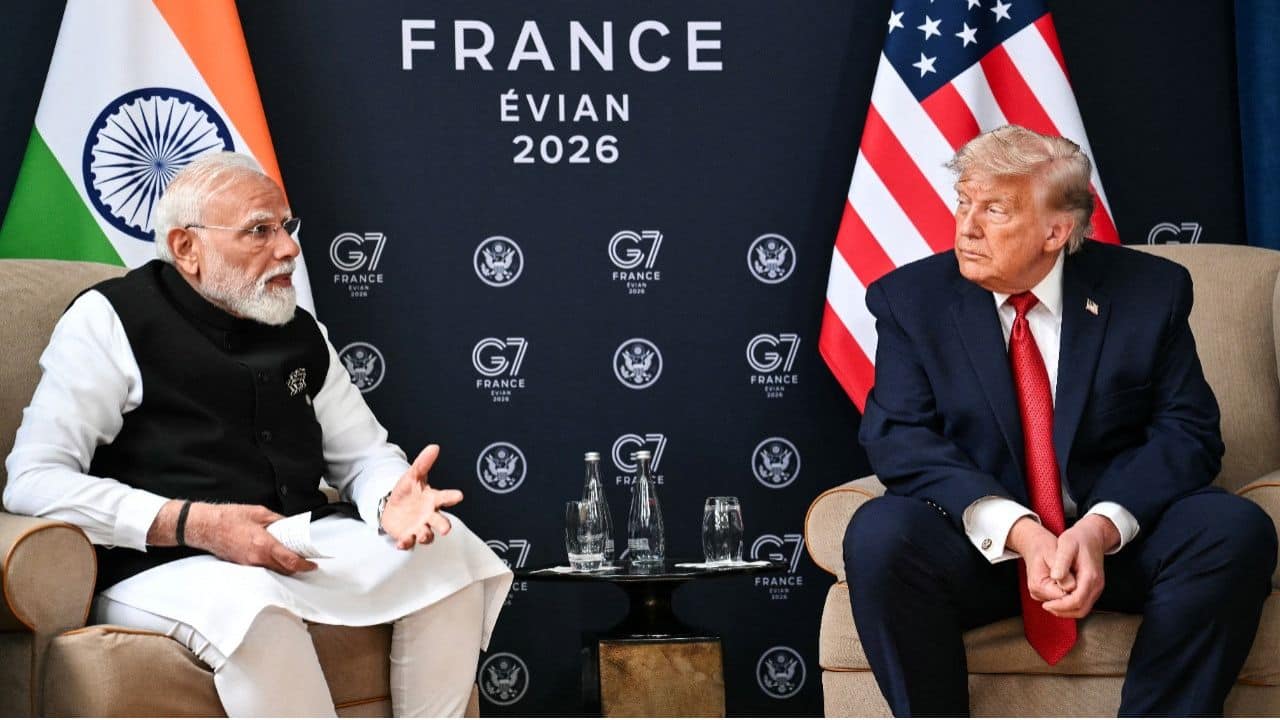
- India and the United States have expanded cooperation to strengthen the security, resilience and diversification of global undersea cable networks under the US-India TRUST Initiative.
- Government and industry experts from both countries participated in an Undersea Cables Workshop focused on protecting critical subsea communication infrastructure.
- The partnership seeks to promote trusted technology providers, diversified cable routes and multiple landing stations while strengthening India’s position as a global digital connectivity hub.
- Undersea cables carry more than 95% of global digital traffic, making their security important for internet connectivity, financial transactions, cloud computing and Artificial Intelligence (AI).
TRUST Initiative
- TRUST: Transforming the Relationship Utilising Strategic Technologies.
- It was launched by India and the US during Prime Minister Narendra Modi’s visit to Washington in 2025.
- It promotes collaboration among:
- Governments.
- Private sector.
- Academia and research institutions.
- Major areas of cooperation include:
- Artificial Intelligence.
- Semiconductors.
- Quantum technologies.
- Biotechnology.
- Energy.
- Space.
- Defence and strategic technologies.
- The framework encourages the use of verified and trusted technology vendors and protection of sensitive technologies.
Undersea Cable Networks
- Undersea or submarine cables are fibre-optic cables laid along the seabed to transmit large volumes of digital data between countries and continents.
- They support:
- International internet connectivity.
- Telecommunications.
- Banking and financial messaging.
- Cloud computing.
- Data centres.
- AI infrastructure.
- They carry over 95% of global digital traffic, making them critical infrastructure for the global digital economy.
Major Risks
Undersea cable systems face vulnerabilities from:
- Physical sabotage.
- Cyberattacks.
- Data interception.
- Accidental cable damage.
- Dependence on limited suppliers.
- Excessive concentration of cable routes.
- Failure or disruption at major cable landing stations.
India-US Cable Cooperation
The partnership focuses on:
- Use of trusted technology providers for critical cable infrastructure.
- Development of multiple and diversified cable routes.
- Establishment of more cable landing stations to reduce single points of failure.
- Greater cooperation between governments and industry for:
- Construction.
- Maintenance.
- Protection.
- Repair of submarine cables.
- Increasing network redundancy so disruption of one cable or transit point does not significantly affect connectivity.
India as a Subsea Cable Hub
India is considered strategically important for global subsea connectivity because of:
- Its location between major markets in Asia, Europe and the Indian Ocean region.
- Rapid expansion of India's digital economy.
- Rising demand for cloud services and data centres.
- Growing AI and computing requirements.
- Increasing requirement for secure international data connectivity.
Development of resilient submarine cable infrastructure could strengthen India's role as a digital and data-connectivity hub in the Indo-Pacific.
AI Infrastructure under TRUST
- AI infrastructure is another major component of the TRUST Initiative.
- India and the US are working with private industry on a roadmap for accelerating large-scale AI infrastructure in India.
- Areas include:
- Financing AI infrastructure.
- Power availability.
- Data-centre development.
- Digital connectivity.
- Access to computing resources and processors.
- Development of AI models and applications.
- Cooperation also seeks to protect sensitive technologies while reducing unnecessary regulatory barriers.
Additional Info
- Cable Landing Station
- A facility where an undersea cable reaches land and connects with domestic telecommunications networks.
- Having multiple landing stations improves resilience by reducing dependence on a single connection point.
- Network Redundancy
- Refers to maintaining alternative routes or systems capable of carrying traffic when the primary network fails.
- For undersea cables, greater route diversity reduces the impact of cable cuts, natural disasters or deliberate attacks.
- Pax Silica
- India is also participating in the US-led Pax Silica initiative.
- It focuses on creating trusted technology ecosystems and resilient supply chains in areas such as:
- Artificial Intelligence.
- Semiconductors.
- Quantum technologies.
- It complements the wider India-US focus on securing critical and emerging technology supply chains.
Sources
US Declares Largest Recorded Multistate Cyclosporiasis Outbreak Over

What’s the News?
- US health authorities declared the country’s largest recorded multistate cyclosporiasis outbreak over after a major decline in new infections.
- The outbreak was linked to processed iceberg lettuce sourced from central Mexico by Taylor Farms de Mexico.
- It resulted in 12,883 cases across 21 states, 570 hospitalisations and 2 deaths.
- The affected lettuce was recalled and is no longer available in stores or restaurants.
- The US Food and Drug Administration (FDA) continues to investigate how the parasite entered the food supply and is focusing on measures to prevent similar outbreaks.
Cyclosporiasis
- Cyclosporiasis is an intestinal infection caused by the microscopic unicellular parasite Cyclospora cayetanensis.
- The parasite infects the small intestine.
- Humans are the only known hosts of Cyclospora cayetanensis.
- Infection occurs mainly by consuming food or water contaminated with human faecal matter containing the parasite.
Transmission
- Fresh produce is an important vehicle for foodborne transmission.
- Previous outbreaks have been associated with products such as:
- Lettuce.
- Basil and cilantro.
- Berries.
- Other fresh fruits and vegetables.
- Direct person-to-person transmission is unlikely.
- Oocysts passed in the faeces of an infected person are initially non-infectious.
- They generally require about 1–2 weeks in the environment to mature and become infectious.
Symptoms and Treatment
- Symptoms generally begin around one week after infection, although the incubation period can range from about 2 days to more than 2 weeks.
- The most characteristic symptom is frequent watery diarrhoea.
Other symptoms include:
- Loss of appetite.
- Weight loss.
- Abdominal cramps.
- Bloating and increased gas.
- Nausea.
- Fatigue.
- Low-grade fever.
- Vomiting and body aches in some cases.
- Without treatment, symptoms can persist for weeks or longer and may disappear temporarily before recurring.
- The standard treatment is the antibiotic combination trimethoprim-sulfamethoxazole (TMP-SMX).
- Maintaining adequate hydration is particularly important in patients experiencing severe diarrhoea.
Scale of the US Outbreak
- 12,883 cases were specifically linked to the contaminated iceberg-lettuce outbreak.
- 570 people were hospitalised.
- 2 deaths were reported.
- Cases linked to the outbreak occurred across 21 US states.
- At its peak, the outbreak recorded more than 1,000 infections in a single day.
- By August, infections linked to the outbreak had declined to fewer than two per day on average.
- Overall, the US reported 19,595 laboratory-confirmed cyclosporiasis cases during the wider 2026 season, including cases unrelated to this particular lettuce outbreak.
- Before 2026, the largest recorded US cyclosporiasis season was in 2019, when roughly 4,700 illnesses were documented.
Source of the Outbreak
- Epidemiological and traceback investigations identified iceberg lettuce from Taylor Farms de Mexico in central Mexico as the source.
- The company recalled its affected iceberg lettuce from the US market.
- US authorities conducted:
- On-site inspections.
- Sampling at lettuce-growing farms.
- Inspection and sampling at processing facilities in Mexico.
- Although the outbreak has ended, investigation into the original route of contamination is continuing.
Prevention
Measures to reduce the risk of Cyclospora infection include:
- Washing hands before and after handling food.
- Thoroughly rinsing fresh fruits and vegetables under running water.
- Removing damaged or bruised portions of produce.
- Maintaining hygienic agricultural-water practices.
- Ensuring worker hygiene during cultivation and processing.
- Proper sanitation of buildings and food-processing equipment.
- Strengthening supplier verification for imported produce.
Washing fresh produce can reduce but may not completely eliminate Cyclospora, while adequate cooking can destroy the parasite.
Additional Info
- Centers for Disease Control and Prevention (CDC)
- United States' principal national public-health agency.
- Responsible for disease surveillance, outbreak investigation and public-health guidance.
- Food and Drug Administration (FDA)
- US federal regulatory agency responsible for areas including food safety, medicines, medical devices and related products.
- During foodborne outbreaks, it can conduct inspections, traceback investigations and coordinate product recalls.
- Oocyst
- A resistant stage in the life cycle of certain parasites.
- Cyclospora oocysts must mature outside the human body before becoming infectious, explaining why immediate person-to-person transmission is uncommon.
Sources
International Day for South-South Cooperation 2026: “Solidarity Rising”
What’s the News?
- The United Nations Day for South-South Cooperation is observed annually on 12 September.
- The 2026 theme is “Solidarity Rising: Global Alliance for Inclusive and Innovative Development.”
- The 2026 observance highlights cooperation among developing countries through the exchange of knowledge, technology, skills, resources and development solutions.
- It also marks the launch of the Global Alliance for South-South and Triangular Cooperation, a voluntary UN-facilitated platform convened by the United Nations Office for South-South Cooperation (UNOSSC).
- A high-level UN event associated with the 2026 observance was held on 11 September 2026. Thus, 11 September was the event date, while 12 September remains the official annual UN observance.
South-South Cooperation
- South-South Cooperation (SSC) refers to collaboration among developing countries of the Global South.
- Countries share:
- Knowledge and development experiences.
- Technical expertise.
- Technology and innovation.
- Skills and institutional capacities.
- Financial and other resources.
- It is based on principles such as:
- National ownership.
- Equality among partners.
- Mutual benefit.
- Respect for sovereignty.
- Non-conditionality.
- SSC is considered a complement to, rather than a replacement for, North-South cooperation.
Major Areas
South-South Cooperation increasingly covers:
- Renewable energy.
- Digital innovation.
- Public health.
- Sustainable agriculture.
- Food and energy security.
- Education.
- Disaster preparedness.
- Climate resilience.
- Public-service delivery.
- Trade and investment.
2026 Theme
“Solidarity Rising: Global Alliance for Inclusive and Innovative Development”
The theme focuses on:
- Sharing successful development solutions among developing countries.
- Scaling innovations already developed in the Global South.
- Connecting countries requiring solutions with countries possessing relevant expertise.
- Building partnerships among governments, UN agencies, financial institutions, academia, civil society and the private sector.
- Accelerating achievement of the Sustainable Development Goals (SDGs).
Global Alliance for South-South and Triangular Cooperation
- The Global Alliance for South-South and Triangular Cooperation is a voluntary platform facilitated by the United Nations.
- It is convened by UNOSSC.
- It aims to connect:
- Countries seeking development solutions.
- Countries possessing relevant knowledge and experience.
- Development institutions capable of providing technical, financial or institutional support.
- The platform seeks to convert successful local and regional solutions into scalable development programmes.
Triangular Cooperation
- Triangular Cooperation generally involves:
- Two or more developing countries undertaking a South-South initiative; and
- Support from a developed country, international organisation or multilateral institution.
- It combines:
- Experience and ownership from the Global South.
- Additional technical, financial or institutional assistance from another partner.
- It therefore complements conventional South-South Cooperation by expanding available resources and expertise.
Growing Economic Role of Global South
- South-South trade reached about $6.8 trillion in 2025.
- More than half of developing-country exports are now destined for other developing economies.
- Around three decades ago, the corresponding share was approximately 38%.
- Foreign Direct Investment flows among developing countries have increased substantially since the 1990s.
- Developing economies accounted for around 32% of global FDI during 2020–2023, compared with about 9% in the 1990s.
These trends reflect the growing role of developing countries in global trade, investment, technology and development cooperation.
Historical Background
- The institutional foundations of South-South Cooperation were strengthened through the Buenos Aires Plan of Action (BAPA).
- It was adopted on 12 September 1978 at the UN Conference on Technical Cooperation among Developing Countries in Buenos Aires, Argentina.
- BAPA established a framework for promoting Technical Cooperation among Developing Countries (TCDC).
- The UN General Assembly initially designated 19 December as the UN Day for South-South Cooperation.
- From 2012, the observance was shifted to 12 September to commemorate the adoption of BAPA.
United Nations Office for South-South Cooperation
- UNOSSC is the principal UN entity for promoting and coordinating South-South and triangular cooperation.
- Its institutional origin can be traced to a special unit established within the United Nations Development Programme (UNDP) in 1974.
- Major functions include:
- Supporting cooperation among developing countries.
- Facilitating knowledge exchange.
- Promoting partnerships.
- Coordinating South-South activities across the UN system.
- Supporting implementation of the SDGs.
India and South-South Cooperation
- India has traditionally regarded South-South Cooperation as an important part of its development partnership with other developing countries.
- India's cooperation includes:
- Capacity-building programmes.
- Lines of credit.
- Technical assistance.
- Digital and technology partnerships.
- Development projects.
- Humanitarian assistance.
India-UN Development Partnership Fund
- Established in 2017 by the Government of India in partnership with UNOSSC.
- India committed $150 million over 10 years.
- It supports Southern-owned, demand-driven sustainable-development projects.
- Its major focus includes:
- Least Developed Countries (LDCs).
- Small Island Developing States (SIDS).
- Commonwealth developing countries.
- Projects cover areas such as:
- Poverty reduction.
- Healthcare.
- Education.
- Renewable energy.
- Climate resilience.
- Water and sanitation.
- Agriculture.
- Livelihoods.
- The Fund supports initiatives linked to all 17 Sustainable Development Goals.
Additional Info
- Global South
- Broadly refers to developing and emerging economies, particularly across Asia, Africa, Latin America, the Caribbean and the Pacific.
- It is an economic and geopolitical concept rather than a strictly geographical classification.
- Buenos Aires Plan of Action (BAPA)
- Adopted in 1978.
- One of the foundational documents of modern South-South Cooperation.
- Promotes collective self-reliance and exchange of technical knowledge among developing countries.
- BAPA+40
- Refers to the Second High-level United Nations Conference on South-South Cooperation, held 40 years after BAPA.
- It reaffirmed the role of South-South and triangular cooperation in achieving sustainable development.
World First Aid Day 2026: “First Aid in Migration Contexts”
What’s the News?
- World First Aid Day 2026 was observed on 12 September, the second Saturday of September.
- The 2026 theme is “First Aid in Migration Contexts.”
- The theme highlights the importance of making lifesaving first-aid knowledge and services accessible to migrants, refugees, asylum seekers and displaced people, who often face greater health risks and barriers to medical care.
- World First Aid Day was initiated by the International Federation of Red Cross and Red Crescent Societies (IFRC) in 2000.
2026 Theme
“First Aid in Migration Contexts”
The theme focuses on the particular risks faced by people on the move and the need for inclusive first-aid services throughout different stages of migration.
Why Migration?
- An estimated 304 million people were living as international migrants worldwide by mid-2024.
- They represented about 3.7% of the global population.
- Nearly 9,000 migrants die or go missing annually while travelling on migration routes worldwide.
- More than 29,000 people have been reported dead or missing on the Central Mediterranean route since 2014.
World First Aid Day
- Observed annually on the second Saturday of September.
- Established by the IFRC in 2000.
- Its main objective is to increase public awareness of the importance of first-aid knowledge and encourage more people to acquire basic lifesaving skills.
- The IFRC and its National Red Cross and Red Crescent Societies reach more than 50 million people annually through first-aid awareness activities.
Recent Themes
- 2026: First Aid in Migration Contexts.
- 2025: First Aid and Climate Change.
- 2024: First Aid and Sports.
- 2023: First Aid in the Digital World.
- 2022: Lifelong First Aid.
First Aid
- First aid is the immediate assistance provided to a person who is injured or suddenly becomes ill before professional medical care is available.
- It is not a substitute for medical treatment.
Main Objectives
First aid aims to:
- Preserve life.
- Prevent deterioration of the person's condition.
- Promote recovery.
- Facilitate safe access or transportation to professional medical care.
Basic Approach
Four fundamental steps include:
- Safety: Ensure that the surroundings are safe for the responder and injured person.
- Assessment: Evaluate the person's condition.
- Seek Help: Contact emergency medical services when required.
- Provide First Aid: Give appropriate assistance within one's level of training.
First Aid in Migration
- First aid during migration requires more than treatment of physical injuries.
- Support may include:
- Treatment of wounds and minor illnesses.
- Management of dehydration or hypothermia.
- Psychological first aid.
- Referral to healthcare facilities.
- Assistance to survivors of violence.
- Providing health information in accessible languages.
Humanitarian Service Points
- Red Cross and Red Crescent National Societies operate more than 600 Humanitarian Service Points (HSPs) worldwide.
- These provide safe and neutral locations where migrants can access services irrespective of their legal status.
- Assistance may include:
- First aid and healthcare.
- Food and safe shelter.
- Psychological support.
- Protection services.
- Help reconnecting separated families.
- The Red Cross and Red Crescent Movement reached around 17.9 million people through migration-related activities in 2024.
Basic First-Aid Kit
A basic first-aid kit may include:
- Sterile gauze and adhesive bandages.
- Medical tape.
- Antiseptic wipes or solution.
- Disposable gloves.
- Scissors and tweezers.
- Digital thermometer.
- Cold pack.
- Triangular bandage.
- Emergency blanket.
- CPR face shield or breathing barrier.
- Emergency contact numbers.
- Necessary personal medicines, where applicable.
First-aid supplies should be checked periodically for damage and expiry dates.
Additional Info
- International Federation of Red Cross and Red Crescent Societies (IFRC)
- World's largest humanitarian network.
- Comprises 191 National Red Cross and Red Crescent Societies.
- Works in areas including disaster response, health, humanitarian assistance and community resilience.
- Indian Red Cross Society (IRCS)
- Constituted under the Indian Red Cross Society Act, 1920 (Act XV of 1920).
- President of India: President of the Society.
- Union Minister of Health and Family Welfare: Traditionally serves as Chairman of its National Managing Body.
- National Headquarters: New Delhi.
- Functions include:
- Medical and humanitarian relief.
- First-aid training.
- Blood services.
- Disaster-risk reduction.
- Emergency and community-health services.
- Modern First-Aid Training
- Civilian first-aid training developed significantly during the 19th century.
- Surgeon-Major Peter Shepherd and Colonel Francis Duncan pioneered organised civilian first-aid training in Britain in 1878, including techniques such as bandaging and splinting.
September 2026
Archive
November 2026
- 27 November 2026
- 26 November 2026
- 25 November 2026
- 24 November 2026
- 23 November 2026
- 21 November 2026
- 20 November 2026
- 19 November 2026
- 18 November 2026
- 17 November 2026
- 16 November 2026
- 14 November 2026
- 13 November 2026
- 12 November 2026
- 11 November 2026
- 10 November 2026
- 09 November 2026
- 06 November 2026
- 05 November 2026
- 04 November 2026
- 03 November 2026
- 02 November 2026
October 2026
- 31 October 2026
- 30 October 2026
- 29 October 2026
- 28 October 2026
- 27 October 2026
- 26 October 2026
- 24 October 2026
- 23 October 2026
- 22 October 2026
- 21 October 2026
- 20 October 2026
- 19 October 2026
- 17 October 2026
- 16 October 2026
- 15 October 2026
- 14 October 2026
- 13 October 2026
- 12 October 2026
- 10 October 2026
- 09 October 2026
- 08 October 2026
- 07 October 2026
- 06 October 2026
- 05 October 2026
- 03 October 2026
- 02 October 2026
- 01 October 2026
September 2026
- 30 September 2026
- 29 September 2026
- 28 September 2026
- 26 September 2026
- 25 September 2026
- 24 September 2026
- 23 September 2026
- 22 September 2026
- 21 September 2026
- 19 September 2026
- 18 September 2026
- 17 September 2026
- 16 September 2026
- 15 September 2026
- 12 September 2026
- 11 September 2026
- 10 September 2026
- 09 September 2026
- 08 September 2026
- 07 September 2026
- 05 September 2026
- 04 September 2026
- 03 September 2026
- 02 September 2026
- 01 September 2026
August 2026
- 31 August 2026
- 29 August 2026
- 27 August 2026
- 26 August 2026
- 25 August 2026
- 24 August 2026
- 22 August 2026
- 21 August 2026
- 20 August 2026
- 19 August 2026
- 18 August 2026
- 17 August 2026
- 14 August 2026
- 13 August 2026
- 12 August 2026
- 11 August 2026
- 10 August 2026
- 08 August 2026
- 07 August 2026
- 06 August 2026
- 05 August 2026
- 04 August 2026
- 03 August 2026
- 01 August 2026
July 2026
- 31 July 2026
- 30 July 2026
- 29 July 2026
- 28 July 2026
- 27 July 2026
- 25 July 2026
- 23 July 2026
- 22 July 2026
- 21 July 2026
- 20 July 2026
- 18 July 2026
- 17 July 2026
- 15 July 2026
- 14 July 2026
- 13 July 2026
- 11 July 2026
- 10 July 2026
- 09 July 2026
- 08 July 2026
- 07 July 2026
- 06 July 2026
- 04 July 2026
- 03 July 2026
- 02 July 2026
- 01 July 2026
June 2026
May 2026
April 2026
March 2026
- 31 March 2026
- 30 March 2026
- 28 March 2026
- 27 March 2026
- 26 March 2026
- 25 March 2026
- 24 March 2026
- 23 March 2026
- 21 March 2026
- 20 March 2026
- 19 March 2026
- 18 March 2026
- 17 March 2026
- 16 March 2026
- 14 March 2026
- 13 March 2026
- 12 March 2026
- 11 March 2026
- 10 March 2026
- 09 March 2026
- 07 March 2026
- 06 March 2026
- 05 March 2026
- 03 March 2026
- 02 March 2026
February 2026
- 28 February 2026
- 27 February 2026
- 26 February 2026
- 25 February 2026
- 24 February 2026
- 23 February 2026
- 21 February 2026
- 20 February 2026
- 19 February 2026
- 18 February 2026
- 17 February 2026
- 16 February 2026
- 13 February 2026
- 12 February 2026
- 11 February 2026
- 10 February 2026
- 09 February 2026
- 07 February 2026
- 06 February 2026
- 05 February 2026
- 04 February 2026
- 03 February 2026
- 02 February 2026
January 2026
- 31 January 2026
- 30 January 2026
- 29 January 2026
- 28 January 2026
- 27 January 2026
- 26 January 2026
- 24 January 2026
- 23 January 2026
- 22 January 2026
- 21 January 2026
- 20 January 2026
- 19 January 2026
- 16 January 2026
- 15 January 2026
- 14 January 2026
- 13 January 2026
- 12 January 2026
- 10 January 2026
- 09 January 2026
- 08 January 2026
- 07 January 2026
- 06 January 2026
- 05 January 2026
- 03 January 2026
- 02 January 2026
- 01 January 2026
December 2025
- 31 December 2025
- 30 December 2025
- 29 December 2025
- 27 December 2025
- 26 December 2025
- 24 December 2025
- 23 December 2025
- 22 December 2025
- 20 December 2025
- 19 December 2025
- 18 December 2025
- 17 December 2025
- 16 December 2025
- 15 December 2025
- 13 December 2025
- 12 December 2025
- 11 December 2025
- 10 December 2025
- 09 December 2025
- 08 December 2025
- 05 December 2025
- 04 December 2025
- 03 December 2025
- 02 December 2025
November 2025
- 29 November 2025
- 28 November 2025
- 27 November 2025
- 26 November 2025
- 25 November 2025
- 24 November 2025
- 22 November 2025
- 21 November 2025
- 20 November 2025
- 19 November 2025
- 18 November 2025
- 17 November 2025
- 15 November 2025
- 14 November 2025
- 13 November 2025
- 12 November 2025
- 11 November 2025
- 10 November 2025
- 08 November 2025
- 07 November 2025
- 06 November 2025
- 05 November 2025
- 04 November 2025
- 03 November 2025
- 01 November 2025
October 2025
- 31 October 2025
- 30 October 2025
- 29 October 2025
- 28 October 2025
- 27 October 2025
- 25 October 2025
- 24 October 2025
- 23 October 2025
- 22 October 2025
- 21 October 2025
- 20 October 2025
- 18 October 2025
- 17 October 2025
- 16 October 2025
- 15 October 2025
- 14 October 2025
- 13 October 2025
- 11 October 2025
- 10 October 2025
- 09 October 2025
- 08 October 2025
- 07 October 2025
- 06 October 2025
- 04 October 2025
- 03 October 2025
- 02 October 2025
- 01 October 2025
September 2025
- 30 September 2025
- 29 September 2025
- 27 September 2025
- 26 September 2025
- 25 September 2025
- 24 September 2025
- 23 September 2025
- 22 September 2025
- 20 September 2025
- 19 September 2025
- 18 September 2025
- 17 September 2025
- 16 September 2025
- 15 September 2025
- 13 September 2025
- 12 September 2025
- 11 September 2025
- 10 September 2025
- 09 September 2025
- 08 September 2025
- 06 September 2025
- 05 September 2025
- 04 September 2025
- 03 September 2025
- 02 September 2025
- 01 September 2025
August 2025
- 30 August 2025
- 29 August 2025
- 28 August 2025
- 27 August 2025
- 26 August 2025
- 25 August 2025
- 23 August 2025
- 22 August 2025
- 21 August 2025
- 20 August 2025
- 19 August 2025
- 18 August 2025
- 16 August 2025
- 14 August 2025
- 13 August 2025
- 12 August 2025
- 11 August 2025
- 08 August 2025
- 07 August 2025
- 06 August 2025
- 05 August 2025
- 04 August 2025
- 02 August 2025
- 01 August 2025
July 2025
- 31 July 2025
- 30 July 2025
- 29 July 2025
- 28 July 2025
- 26 July 2025
- 25 July 2025
- 24 July 2025
- 23 July 2025
- 22 July 2025
- 21 July 2025
- 19 July 2025
- 18 July 2025
- 17 July 2025
- 16 July 2025
- 15 July 2025
- 12 July 2025
- 11 July 2025
- 10 July 2025
- 09 July 2025
- 07 July 2025
- 05 July 2025
- 04 July 2025
- 03 July 2025
- 02 July 2025
- 01 July 2025
June 2025
- 30 June 2025
- 28 June 2025
- 27 June 2025
- 26 June 2025
- 25 June 2025
- 24 June 2025
- 23 June 2025
- 21 June 2025
- 20 June 2025
- 19 June 2025
- 18 June 2025
- 17 June 2025
- 16 June 2025
- 14 June 2025
- 13 June 2025
- 12 June 2025
- 11 June 2025
- 10 June 2025
- 09 June 2025
- 07 June 2025
- 06 June 2025
- 05 June 2025
- 04 June 2025
- 03 June 2025
- 02 June 2025
May 2025
April 2025
- 30 April 2025
- 29 April 2025
- 28 April 2025
- 26 April 2025
- 25 April 2025
- 24 April 2025
- 23 April 2025
- 22 April 2025
- 21 April 2025
- 19 April 2025
- 18 April 2025
- 17 April 2025
- 16 April 2025
- 15 April 2025
- 14 April 2025
- 12 April 2025
- 11 April 2025
- 10 April 2025
- 09 April 2025
- 08 April 2025
- 07 April 2025
- 05 April 2025
- 04 April 2025
- 03 April 2025
- 02 April 2025
- 01 April 2025
March 2025
- 31 March 2025
- 29 March 2025
- 28 March 2025
- 27 March 2025
- 26 March 2025
- 25 March 2025
- 24 March 2025
- 22 March 2025
- 21 March 2025
- 20 March 2025
- 19 March 2025
- 18 March 2025
- 17 March 2025
- 15 March 2025
- 13 March 2025
- 12 March 2025
- 11 March 2025
- 10 March 2025
- 08 March 2025
- 07 March 2025
- 06 March 2025
- 05 March 2025
- 04 March 2025
- 03 March 2025
- 01 March 2025
February 2025
- 28 February 2025
- 27 February 2025
- 26 February 2025
- 25 February 2025
- 24 February 2025
- 22 February 2025
- 21 February 2025
- 20 February 2025
- 19 February 2025
- 18 February 2025
- 17 February 2025
- 15 February 2025
- 14 February 2025
- 13 February 2025
- 12 February 2025
- 11 February 2025
- 10 February 2025
- 08 February 2025
- 07 February 2025
- 06 February 2025
- 05 February 2025
- 04 February 2025
- 03 February 2025
- 01 February 2025
January 2025
- 31 January 2025
- 30 January 2025
- 29 January 2025
- 28 January 2025
- 27 January 2025
- 25 January 2025
- 24 January 2025
- 23 January 2025
- 22 January 2025
- 21 January 2025
- 20 January 2025
- 18 January 2025
- 17 January 2025
- 16 January 2025
- 15 January 2025
- 14 January 2025
- 13 January 2025
- 11 January 2025
- 10 January 2025
- 09 January 2025
- 08 January 2025
- 07 January 2025
- 06 January 2025
- 04 January 2025
- 03 January 2025
- 02 January 2025
- 01 January 2025