
Current Affairs
Stay updated with the latest national and international events.
15 May 2025
Baloch Leaders Declare Independence, Seek UN and Indian Recognition
Prominent Baloch nationalist leaders and activists have reportedly declared independence from Pakistan, announcing the formation of a "Democratic Republic of Balochistan." This declaration, primarily disseminated through social media platforms around early to mid-May 2025, is accompanied by urgent appeals to the United Nations (UN) and specifically to India for recognition of their proclaimed sovereign state. Some groups have also requested India to facilitate the opening of a Baloch embassy in New Delhi.
This move by exiled Baloch leaders aims to draw international attention to their long-standing struggle for self-determination and to highlight allegations of human rights violations and resource exploitation in Pakistan's largest province.

Key Aspects of the Declaration:
- Proclamation of Independence: Various Baloch activists, including figures like Mir Yar Baloch, have made public declarations asserting Balochistan's independence from Pakistani rule.
- Call for International Recognition: A central demand is the formal recognition of the "Democratic Republic of Balochistan" by the international community, with a specific appeal directed towards the United Nations and the Government of India.
- Embassy Request to India: Some Baloch representatives have reportedly asked India to allow the establishment of an embassy for the "Republic of Balochistan" in New Delhi, a move that would signify strong diplomatic backing.
- Reasons Cited: The declaration stems from decades of grievances, including:
- Persistent allegations of gross human rights violations by Pakistani security forces, such as enforced disappearances, extrajudicial killings, and torture.
- The economic exploitation of Balochistan's rich natural resources (gas, minerals, coal) without proportionate benefit to the local Baloch population, leading to underdevelopment and poverty.
- A sense of political marginalization and the denial of the right to self-determination.
- Historical claims that Balochistan, particularly the Khanate of Kalat, was an independent entity before its forced annexation by Pakistan in 1948.
- Recent Context: This declaration appears to have gained fresh momentum following recent geopolitical events in the region, with Baloch groups aiming to leverage the international spotlight. Simultaneously, armed outfits like the Balochistan Liberation Army (BLA) have claimed responsibility for recent attacks on Pakistani military and infrastructure targets.
- Differing Voices: It's important to note that while the call for independence is a shared goal among many Baloch nationalist groups, there are diverse voices within the movement. For instance, the Baloch National Movement (BNM), a prominent nationalist organization, while asserting the ongoing struggle for freedom since the 1948 annexation, has also cautioned against misleading claims by obscure individuals and emphasized that no single person or entity can unilaterally speak for the entire Baloch nation.
Background of the Balochistan Conflict:
The Balochistan issue is rooted in a complex history and has significant geopolitical implications:
- Historical Context: Balochistan consists of several former princely states, with the Khanate of Kalat having declared independence on August 11, 1947, prior to its controversial accession to Pakistan in March 1948, an act many Baloch nationalists have never accepted. This has fueled several insurgencies over the decades.
- Geostrategic Importance: Balochistan is Pakistan's largest province by area and is strategically located, bordering Iran and Afghanistan, with a long coastline on the Arabian Sea. It hosts the deep-sea Gwadar Port, a key component of the China-Pakistan Economic Corridor (CPEC), which is viewed by Baloch nationalists as a project that further marginalizes them and exploits their resources.
- Human Rights Concerns: International human rights organizations have extensively documented alleged abuses in Balochistan, including enforced disappearances (the "missing persons" issue), torture, and suppression of political dissent by Pakistani authorities.
- Resource Exploitation: Despite being rich in natural resources like natural gas (Sui gas fields), minerals, and coal, Balochistan remains Pakistan's poorest and least developed province, a major grievance fueling the separatist movement.
International Law and Recognition:
- State Recognition: The recognition of a new state is primarily a political act by existing sovereign states. There is no centralized international body that "grants" statehood automatically.
- UN Membership: Admission to the UN requires a recommendation from the Security Council (where permanent members have veto power) and then a two-thirds majority vote in the General Assembly. UN membership solidifies a state's international standing.
- Montevideo Convention (1933): Often cited, it lays out criteria for statehood: a defined territory, a permanent population, a government, and the capacity to enter into relations with other states. However, fulfilling these criteria does not guarantee recognition if political will is lacking among other nations.
- Self-Determination: The right to self-determination is a recognized principle in international law, though its application, especially when it involves secession, is highly contentious and often overridden by the principle of territorial integrity of existing states.
Three LeT Terrorists Neutralised in "Operation Nader" in Tral, J&K
Three terrorists affiliated with the Lashkar-e-Taiba (LeT) outfit were neutralized by security forces in "Operation Nader" conducted in the Tral area of Pulwama district in South Kashmir on Thursday, May 15, 2025. The operation, based on specific intelligence inputs, was a coordinated effort by the Indian Army, Jammu and Kashmir Police (JKP), and the Central Reserve Police Force (CRPF).
This successful engagement marks another step in the relentless efforts of security forces to curb terrorism in the Union Territory and came as the second major encounter in the Tral-Awantipora belt within a short span, following a similar operation in Shopian earlier in the week.

Key Details of Operation Nader:
- Location: The gunfight took place in the Nader area of Tral, Awantipora, in the Pulwama district, a region that has historically been a hotbed of terrorist activity.
- Intelligence-Led: The operation was launched following precise intelligence regarding the presence of terrorists in the area.
- Joint Operation: It was a classic example of seamless synergy between the Indian Army (Chinar Corps), J&K Police, and CRPF.
- Outcome:
- Three "hardcore" LeT terrorists were killed. They were later identified as Asif Ahmed Sheikh, Amir Nazir Wani, and Yawar Ahmed Bhat.
- A significant cache of arms and ammunition was recovered from the site, including three AK-series rifles, 12 magazines, three grenades, and other war-like stores.
- Chronology: Security forces established a cordon around the suspected area. When challenged, the hiding terrorists opened heavy fire on the joint search party, leading to a fierce gunfight in which the three terrorists were eliminated.
Understanding the Context: Terrorism in Jammu and Kashmir
- Persistent Challenge: Jammu and Kashmir has been grappling with Pakistan-sponsored terrorism for decades. Terrorist groups like Lashkar-e-Taiba (LeT), Jaish-e-Mohammed (JeM), Hizbul Mujahideen (HM), and their proxy outfits like The Resistance Front (TRF) continue to pose a threat.
- Methods of Operation: Terrorist tactics include attempts at infiltration across the Line of Control (LoC), attacks on security forces and civilians, targeting of political workers and minority communities, and efforts to radicalize local youth.
- South Kashmir as a Focus Area: Regions in South Kashmir, including Pulwama (where Tral is located) and Shopian, have often been focal points of terrorist activity due to their terrain and historical factors.
India's Multi-Pronged Counter-Terrorism Strategy in J&K:
The Indian government and security forces have adopted a comprehensive approach to counter terrorism in Jammu and Kashmir, which includes:
- Proactive Security Operations: Conducting intelligence-based, targeted operations like "Operation Nader" to neutralize terrorists and dismantle their networks. This involves synergized efforts among the Army, CAPFs (like CRPF), and J&K Police.
- Strengthening the Security Grid: Enhancing surveillance along the LoC and International Border to curb infiltration, and strengthening police stations and security camps.
- Action Against Overground Workers (OGWs): Identifying and neutralizing the OGW network that provides logistical, financial, and ideological support to terrorist groups.
- Development and Outreach: Focusing on accelerated economic development, infrastructure building, employment generation, and good governance to address grievances and win the hearts and minds of the local population.
- Mainstreaming the Youth: Implementing various initiatives to engage the youth constructively and prevent them from falling prey to radicalization and terrorist propaganda.
- International Pressure: Exerting diplomatic pressure on Pakistan to stop sponsoring cross-border terrorism.
Challenges in Counter-Terrorism:
Countering terrorism in J&K presents unique challenges:
- Difficult Terrain: The rugged, mountainous, and often densely forested terrain provides cover for terrorists and makes operations difficult.
- Cross-Border Support: Continued support, training, and infiltration from across the border remain major challenges.
- Risk to Civilians: Terrorists often hide in populated areas, necessitating extreme caution by security forces to avoid collateral damage during operations.
- Propaganda and Misinformation: Adversaries actively use propaganda and social media to incite violence and mislead the youth.
India Among Top 6 Nations in 6G Patent Filings, Launches New Testing Scheme
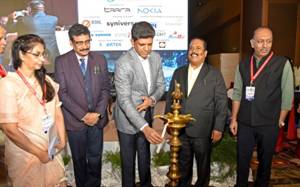
India has firmly positioned itself among the global frontrunners in the development of future communication technologies, now ranking among the top six countries in filing patents for 6G technology. This significant achievement was announced by the Union Minister of State for Communications, Dr. Chandra Sekhar Pemmasani, at the BHARAT 6G 2025 conference in New Delhi. To further bolster the indigenous telecom ecosystem, the "Bharat 6G Alliance (B6GA) Sanchar EMI & EMC Conformance Testing Scheme" for telecom products was also launched.
This progress underscores India's commitment to becoming a key player in the next generation of wireless technology, moving beyond being a consumer to a contributor and innovator. Indian entities have already filed over 350 patents related to 6G, backed by government funding of over ₹300 crore for more than 111 research projects.
Understanding the Leap: What is 6G Technology?
6G, or the sixth generation of wireless communication technology, is poised to be a monumental leap from the current 5G networks. While still in the research and development phase globally, 6G is envisioned to offer:
- Ultra-High Speeds: Potentially reaching speeds of up to 1 Terabit per second (Tbps), which is about 100 times faster than 5G.
- Extremely Low Latency: Reducing communication delays to microseconds, enabling real-time interactions like never before.
- Pervasive AI Integration: 6G networks are expected to be AI-native, meaning artificial intelligence will be deeply embedded in the network's core for optimized performance, self-healing capabilities, and intelligent resource allocation.
- New Spectrum Bands: Likely to utilize higher frequency bands, including Terahertz (THz) frequencies, to achieve massive bandwidth.
- Ubiquitous Connectivity: Aiming for seamless connectivity across diverse environments, from underwater to aerospace, creating a truly connected world.
- Advanced Applications: Enabling futuristic applications such as:
- Holographic communication and immersive extended reality (XR) experiences.
- Connected robotics and autonomous systems.
- Highly accurate digital twins for various industries.
- Advanced remote healthcare and telesurgery.
- Hyper-intelligent smart cities and infrastructure.
- The Tactile Internet, allowing for the transmission of touch and haptic sensations.
Government Initiatives Powering 6G Advancement:
- Bharat 6G Alliance (B6GA):
- Launched in July 2023, B6GA is a collaborative platform bringing together domestic industry, academia, national research institutions (like C-DOT), and standards organizations.
- Objective: To spearhead India's 6G innovation, contribute to global 6G standards, develop intellectual property, create pre-standardization frameworks, and build synergies with international 6G alliances.
- It plays a crucial role in operationalizing the "Bharat 6G Vision."
- "Bharat 6G Vision" Document:
- Released in March 2023 by the Prime Minister, this document outlines India's ambition to be a frontline contributor to the design, development, and deployment of 6G technologies by 2030.
- It is based on the principles of affordability, sustainability, and ubiquity.
- Sanchar EMI & EMC Conformance Testing Scheme:
- Launched under the B6GA, this scheme is crucial for ensuring the quality and safety of telecom products manufactured in India.
- EMI (Electromagnetic Interference): Refers to the undesirable electromagnetic energy emitted by electronic devices that can disrupt the functioning of other nearby devices.
- EMC (Electromagnetic Compatibility): Is the ability of an electronic device to function correctly in its intended electromagnetic environment without generating or being affected by excessive EMI.
- Importance of the Scheme:
- Ensures Product Quality & Safety: Verifies that telecom equipment meets prescribed EMI/EMC standards, preventing health hazards and ensuring device reliability.
- Prevents Interference: Minimizes the chances of telecom devices interfering with each other or with other critical electronic systems.
- Boosts 'Make in India': Provides domestic manufacturers with accessible and affordable conformance testing facilities, reducing their dependence on overseas labs and enhancing the global competitiveness of Indian telecom products.
- Standardization: Aligns Indian products with national and international standards.
Summit on Global Accessibility Awareness Day Pushes for Inclusive India, Digital Access for Divyangjan
Marking Global Accessibility Awareness Day (GAAD) on May 15, 2025, the Department of Empowerment of Persons with Disabilities (DEPwD), under the Union Ministry of Social Justice and Empowerment, organized the "Inclusive India Summit." Held in New Delhi in a hybrid mode, the summit aimed to promote inclusive development and enhance digital accessibility for Divyangjan (Persons with Disabilities) across the country.
The event, conducted in collaboration with partners like the SBI Foundation, National Association for the Blind (NAB), Association of People with Disability (APD), and Mission Accessibility, brought together stakeholders from government, industry, academia, and civil society. Secretary of DEPwD, Shri Rajesh Aggarwal, was the Chief Guest and emphasized that ensuring accessibility and inclusion is a collective societal duty, highlighting the transformative role of technology in the lives of Divyangjan.
Key Highlights and Outcomes of the Summit:
The summit focused on practical measures to create a barrier-free environment and equal opportunities for persons with disabilities. Significant announcements and initiatives included:
- Signing of MoUs: DEPwD signed three Memoranda of Understanding (MoUs) with different organizations to bolster accessibility efforts:
- I for Humanity Foundation: To develop an accessible built environment and transportation system, including creating an 'Accessibility Index' for auditing public buildings.
- Nipman Foundation and Young Leaders for Active Citizenship (YLAC): To promote innovation and awareness about the rights of PwDs through hackathons, national competitions, and Equal Opportunity Awards.
- Ramp my City Foundation: To focus on building barrier-free public infrastructure, including healthcare centers, tourist spots, and government buildings.
- AI-enabled Chatbot Demonstration: A voice and WhatsApp-based AI-enabled chatbot, being developed with Sarvam AI, was showcased. This chatbot aims to improve Divyangjan's access to information about disability-related schemes and initiatives.
- Accessibility Report Card: Mission Accessibility was slated to release its annual Accessibility Report Card, presenting the current status of accessibility nationwide.
- Draft Curriculum on Digital Accessibility: A draft curriculum developed by APD, aimed at integrating digital accessibility guidelines into computer science and design courses, was presented.
- Panel Discussions: Experts deliberated on practical measures to make technologies and products more inclusive and accessible for persons with disabilities.
Understanding Key Terms and Concepts:
- Global Accessibility Awareness Day (GAAD): Observed annually on the third Thursday of May (May 15th in 2025), GAAD aims to get everyone talking, thinking, and learning about digital access and inclusion for people with different disabilities.
- Divyangjan: A term coined by Prime Minister Narendra Modi for Persons with Disabilities, meaning "persons with divine ability."
- Digital Accessibility: Ensuring that websites, mobile applications, digital documents, and other online information and services are designed and developed so that people with disabilities can use them effectively. This often involves adhering to standards like the Web Content Accessibility Guidelines (WCAG).
- Inclusive Development: A process that ensures all marginalized and excluded groups (including Divyangjan) are stakeholders in development processes, leading to equitable opportunities and outcomes.
- Assistive Technology: Devices, software, or equipment that help people with disabilities perform tasks that might otherwise be difficult or impossible (e.g., screen readers, hearing aids, mobility aids).
India's Legal and Policy Framework for Divyangjan:
India has a robust legal and policy framework to protect and promote the rights of Divyangjan:
- Rights of Persons with Disabilities (RPwD) Act, 2016: This landmark legislation replaced the PwD Act, 1995.
- It expanded the number of recognized disabilities from 7 to 21, including conditions like acid attack victimhood, dwarfism, specific learning disabilities, and Parkinson's disease.
- It mandates non-discrimination and equal opportunity in education, employment, and access to public services.
- It stipulates reservations for PwDs in government jobs (not less than 4%) and higher education institutions.
- It emphasizes the creation of a barrier-free environment by making public infrastructure, transportation, and information and communication technology (ICT) accessible.
- It provides for penalties for offenses committed against persons with disabilities.
- Accessible India Campaign (Sugamya Bharat Abhiyan): Launched in 2015, this nationwide flagship campaign aims to achieve universal accessibility for PwDs by focusing on three verticals:
- Built Environment Accessibility: Making public buildings accessible.
- Transportation System Accessibility: Ensuring public transport (trains, buses, airports) is accessible.
- ICT Ecosystem Accessibility: Making websites, public documents, and TV programs accessible.
- National Policy for Persons with Disabilities: Provides an overarching framework for the empowerment of PwDs.
- Chief Commissioner for Persons with Disabilities (CCPD): A statutory body to safeguard the rights of PwDs and monitor the implementation of the RPwD Act. (An Online Case Monitoring Portal by CCPD was expected to be highlighted or launched, facilitating faster grievance redressal).
- National Informatics Centre (NIC): Plays a vital role in developing accessible government websites and digital platforms.
India & EU Launch Joint Research on Marine Pollution and Green Hydrogen, Bolstering Green Tech Partnership
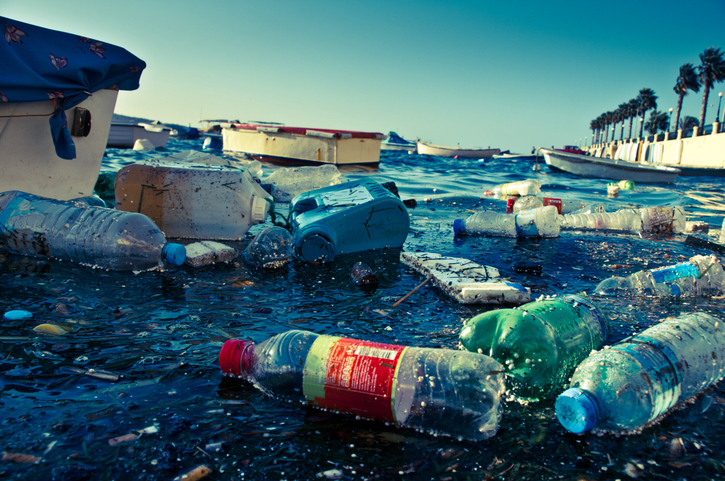
India and the European Union (EU) have launched joint research and innovation initiatives focusing on two critical environmental areas: marine pollution (specifically marine plastic litter) and waste-to-green hydrogen. Announced around March 2025, these collaborative projects, with a combined investment of approximately EUR 4.3 million (around ₹39.1 crore), aim to foster innovation and develop sustainable solutions to pressing global challenges.
This collaboration operates under the umbrella of the India-EU Trade and Technology Council (TTC), a strategic platform established in 2022 to deepen bilateral cooperation on trade, technology, and security. The projects will be co-funded by the EU's Horizon Europe research and innovation framework program and relevant ministries of the Government of India.
Focus Area 1: Combating Marine Pollution
- The Challenge: Marine pollution, particularly from plastic litter (including microplastics), industrial effluents, heavy metals, and persistent organic pollutants, poses a severe threat to marine biodiversity, ecosystems, and human health. It also impacts coastal economies reliant on healthy marine environments.
- Project Objectives:
- Develop advanced tools and methodologies to monitor, assess, and quantify the cumulative impacts of various pollutants on marine ecosystems.
- Innovate solutions for preventing and reducing marine litter, especially plastic waste.
- Contribute to the scientific understanding needed for effective policy-making and action.
- Indian Ministry Involved: The Ministry of Earth Sciences (MoES) is co-funding this initiative from the Indian side (approx. ₹90 crore / ~EUR 9.3 million).
- Alignment with Global & National Goals: This research will support international commitments like the UN Decade of Ocean Science for Sustainable Development and contribute to the objectives of the EU’s Zero Pollution Action Plan and India’s own efforts to tackle marine litter, such as the National Marine Litter Policy (if formally adopted and in force) and campaigns like "Swachh Sagar, Surakshit Sagar."
Focus Area 2: Advancing Green Hydrogen from Biogenic Wastes
- The Promise of Green Hydrogen: Green hydrogen, produced through the electrolysis of water using renewable energy sources, is a clean energy carrier with immense potential to decarbonize hard-to-abate sectors like heavy industry (steel, cement, fertilizers) and transportation. It is a key component of the global transition to a low-carbon economy.
- Project Objectives (Waste to Green Hydrogen - W2GH):
- Develop innovative and sustainable technologies for producing green hydrogen from biogenic wastes (such as agricultural residues, municipal solid waste with organic components).
- Enhance the affordability, safety, and efficiency of green hydrogen production from such waste streams.
- Expand the portfolio of technologies available for a robust green hydrogen ecosystem.
- Indian Ministry Involved: Likely to involve the Ministry of New and Renewable Energy (MNRE) and the Office of the Principal Scientific Adviser to the Government of India,2 aligning with India's ambitious National Green Hydrogen Mission.
- Alignment with National Missions: This research directly supports India's National Green Hydrogen Mission, which aims to make India a global hub for the production, utilization, and export of green hydrogen and its derivatives. It also aligns with the EU's Hydrogen Strategy.
DRDO Develops Advanced Indigenous Membrane for Seawater Desalination
The Defence Research and Development Organisation (DRDO) has successfully developed an indigenous advanced polymeric membrane for seawater desalination. This high-pressure, nanoporous multilayered membrane, specifically designed to produce potable water from seawater, is a product of DRDO's Kanpur-based laboratory, the Defence Materials and Stores Research and Development Establishment (DMSRDE).
The development, achieved in a record time of eight months, is particularly tailored to meet the operational requirements of Indian Coast Guard (ICG) ships, addressing the challenge of membrane stability when exposed to chloride ions in saline water. This innovation is a notable step under the 'Aatmanirbhar Bharat' (self-reliant India) initiative.
Key Features and Advancements:
- Indigenous Technology: The entire membrane technology is developed domestically, reducing dependence on imported desalination components.
- High-Pressure Application: Designed for high-pressure reverse osmosis (RO) processes, which are efficient for seawater desalination.
- Nanoporous Multilayered Structure: This advanced structure likely contributes to:
- Excellent salt rejection: Effectively separating dissolved salts from seawater.
- Good water flux: Allowing a high flow rate of purified water.
- Enhanced durability: Capable of withstanding harsh marine conditions and high operational pressures.
- Improved stability: Specifically designed to resist degradation from chloride ions present in saline water.
- Rapid Development: The technology was developed by DMSRDE in a remarkably short span of eight months.
- Initial Success in Trials: DMSRDE, in collaboration with the Indian Coast Guard, has successfully conducted initial technical trials of the polymeric membrane in the existing desalination plant of an Offshore Patrolling Vessel (OPV). The initial safety and performance trials were found to be "fully satisfactory."
- Operational Clearance Pending: The ICG is expected to grant final operational clearance after the membrane undergoes 500 hours of operational testing on an OPV.
Understanding Desalination and Reverse Osmosis (RO):
- Desalination: This is the process of removing dissolved salts and other minerals from saline water (like seawater or brackish water) to produce fresh, potable water suitable for drinking or irrigation.
- Reverse Osmosis (RO): A widely used and highly effective desalination method. It works by applying external pressure to the saline water, forcing it through a semi-permeable membrane. These specialized membranes allow water molecules to pass through while blocking larger salt molecules and other impurities, thus separating fresh water from the concentrated salt solution (brine). The "high-pressure" aspect of the DRDO membrane is characteristic of RO systems used for seawater, which has high salt content.
Significance of DRDO's Indigenous Development:
This technological breakthrough holds considerable importance for India:
- Aatmanirbhar Bharat in Defence & Water Security: This development is a prime example of self-reliance in a critical technology that has dual-use (defence and civilian) applications. It reduces India's dependence on foreign suppliers for essential desalination components.
- Strategic Edge for Armed Forces:
- Ensures a reliable source of potable water for naval ships, submarines, and Indian Coast Guard vessels, enhancing their operational endurance, especially during long deployments.
- Crucial for coastal defence establishments and troops operating in arid coastal regions or islands where fresh water is scarce.
- Cost-Effectiveness: Indigenous manufacturing of these advanced membranes is expected to be more cost-effective than importing similar technologies, potentially lowering the overall cost of desalination projects.
- Wider Civilian Applications & Water Security:
- With modifications, this membrane technology can be a "boon for desalination of seawater in coastal areas," helping to address drinking water scarcity faced by many Indian states.
- It can play a vital role in disaster relief operations by enabling the quick deployment of mobile desalination units to provide emergency drinking water.
- Contributes to India's overall water security by diversifying water sources beyond traditional rain-fed rivers and groundwater.
- Technological Advancement: The development showcases India's growing research and development capabilities in advanced material science, polymer chemistry, and membrane technology. DMSRDE is known for its work in non-metallic materials and related technologies for the military.
Challenges in Seawater Desalination:
While desalination is a promising solution to water scarcity, it comes with its own set of challenges:
- High Energy Consumption: RO desalination is an energy-intensive process, contributing to operational costs and carbon footprint if non-renewable energy sources are used.
- Brine Management: The disposal of the highly concentrated salt solution (brine) produced during desalination is a major environmental concern. Improper disposal can harm marine ecosystems.
- Membrane Fouling & Scaling: Over time, RO membranes can get clogged by suspended solids, microorganisms, or mineral scaling, which reduces their efficiency and lifespan, requiring regular cleaning or replacement. DRDO's focus on stability against chloride ions aims to address one aspect of membrane degradation.
- Capital Costs: The initial investment for setting up large-scale desalination plants is substantial.
India's Forests: A Story of Growth and Challenges
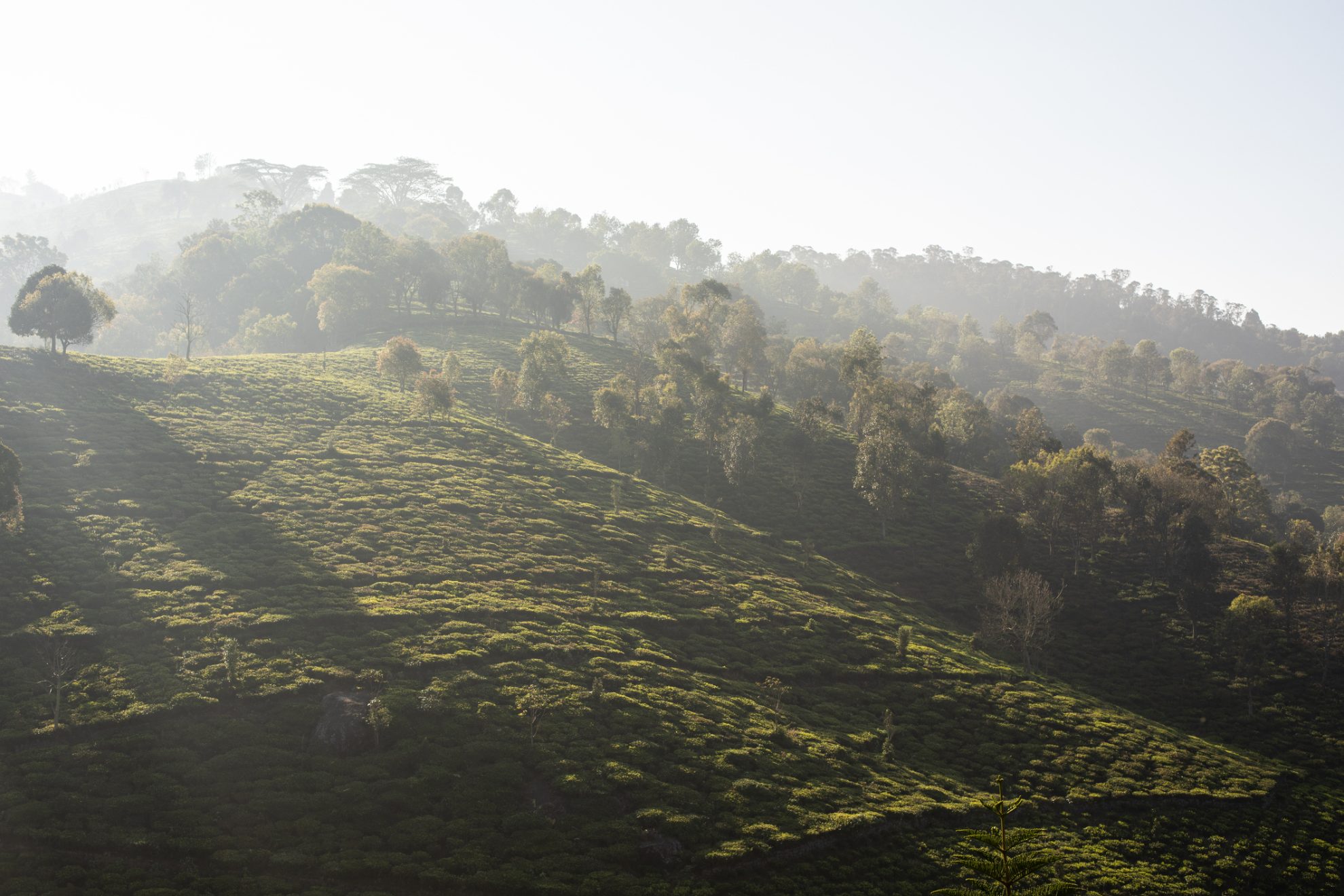
India is making positive strides in increasing its green footprint, with a recent State Bank of India (SBI) Research report highlighting the nation's position among the top 10 countries globally that have seen a rise in forest cover over the years. This development, coupled with the findings of the India State of Forest Report (ISFR) 2023, paints a picture of progress, ongoing efforts, and persistent challenges in managing India's vital forest resources.
Key Highlights from the SBI Report & ISFR 2023:
- India Among Top Performers: The SBI report notes that India has successfully increased its forest area, a significant achievement in the face of developmental pressures.
- Urbanisation and Forests - A 'U' Turn: An interesting point in the SBI report is the 'U-shaped' relationship between urbanisation and forest cover.
- Initially, as cities grow, there's a tendency for deforestation.
- However, as urbanisation matures, policies like urban greening, forest conservation programs, and sustainable land-use planning lead to a recovery and even expansion of forest areas.
- The report suggests that once urbanisation crosses the 40% mark, its impact on forest cover is expected to turn positive.
- Megacities in India now have a combined forest cover of 511.81 sq km, about 10.26% of their total geographical area. Delhi has the largest forest cover among them.
- ISFR 2023 Snapshot: The India State of Forest Report (ISFR) 2023, released by the Forest Survey of India (FSI), provides a detailed assessment:
- Total Forest and Tree Cover: India's total forest and tree cover stands at 8,27,357 square kilometres, which is 25.17% of the country's total geographical area.
- Forest Cover: This is 7,15,343 sq km (21.76% of GA). This refers to land more than 1 hectare in area with a tree canopy density of more than 10%, irrespective of ownership and legal status.
- Tree Cover: This is 1,12,014 sq km (3.41% of GA). This includes tree patches outside recorded forest areas, less than 1 hectare.
- Modest Increase: There has been an overall increase of 1,445 sq km in the total forest and tree cover compared to the ISFR 2021 assessment.
- Top Performing States (Increase in Forest & Tree Cover): Chhattisgarh, Uttar Pradesh, Odisha, and Rajasthan showed the maximum increase.
- Largest Forest Cover (Area-wise): Madhya Pradesh has the largest forest cover, followed by Arunachal Pradesh and Chhattisgarh.
- Concerns in the North-East: The North-Eastern region, known for its rich forests, has shown a decrease in forest cover. This is a significant concern due to the region's high biodiversity.
- Mangrove Cover: There has been a slight decrease of 7.43 sq km in mangrove cover nationally. Gujarat saw a notable decrease, while Andhra Pradesh recorded an increase. Mangroves are crucial coastal ecosystems.
- Bamboo Bearing Area: There's an increase in the bamboo bearing area, which is important for local economies and as a wood substitute.
- Carbon Stock: India's total carbon stock in forests is estimated to be 7,285.5 million tonnes, showing an increase. This is vital for India's Nationally Determined Contributions (NDCs) to combat climate change, aiming for an additional carbon sink of 2.5 to 3 billion tonnes of CO2 equivalent by 2030.
- Total Forest and Tree Cover: India's total forest and tree cover stands at 8,27,357 square kilometres, which is 25.17% of the country's total geographical area.
- Economic Contribution: The forestry sector contributes around 1.3-1.6% to India's Gross Value Added (GVA), supporting industries like furniture, construction, and paper.
Moon's Two Faces: New Gravity Study Unlocks Ancient Mystery
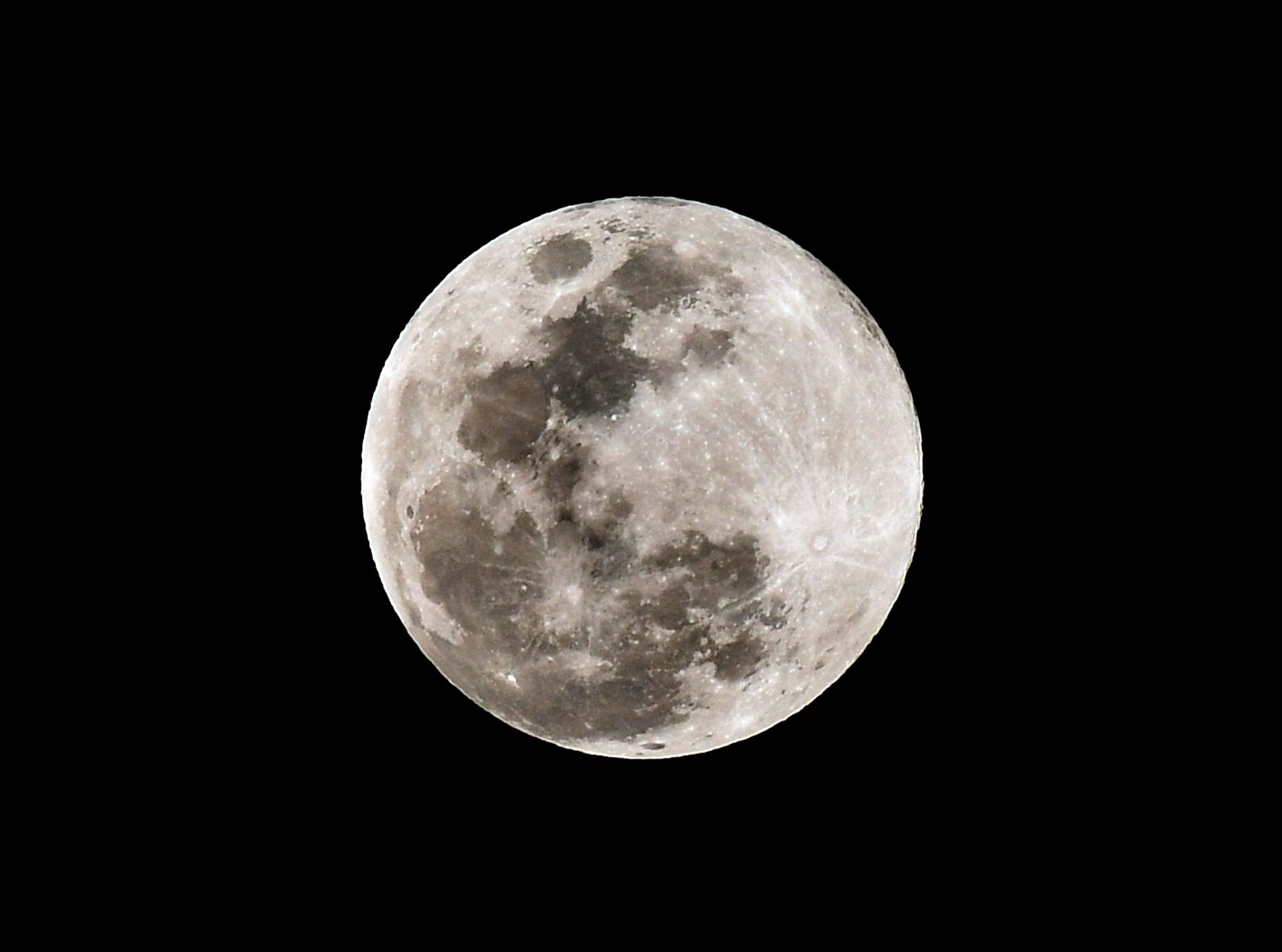
Why does the Moon show us one familiar face, while hiding a dramatically different, rugged far side? This question has puzzled scientists for decades. Now, a new gravity study using data from NASA's GRAIL mission offers fresh insights, revealing that the differences aren't just skin deep but extend deep into the Moon's interior.
The near side of the Moon, the one we always see from Earth, is characterized by vast, dark plains called 'maria' (Latin for seas). These are actually ancient volcanic lava flows. In stark contrast, the far side, first glimpsed by the Soviet Luna 3 spacecraft in 1959, is more heavily cratered, mountainous, and has a significantly thicker crust.
Key Findings from the New Gravity Study:
- Internal Heat Imbalance: The study, published in the journal Nature Geoscience, reveals that the Moon's near side is internally warmer than its far side. The mantle (the layer beneath the crust) on the near side is estimated to be 100-200 degrees Celsius hotter.
- Softer Near Side: Because it's warmer, the near side's mantle is "softer" and flexes more under Earth's gravitational pull. This flexing is known as tidal deformation. The GRAIL spacecraft meticulously mapped these subtle gravitational changes.
- Legacy of Ancient Volcanism: This temperature difference is linked to intense volcanic activity that occurred on the Moon's near side billions of years ago. This ancient volcanism helped shape the surface features we see today.
- Concentration of Heat-Producing Elements: The intense volcanism is believed to have caused radioactive, heat-producing elements – notably thorium and potassium, which are part of a geochemical signature known as KREEP (K for potassium, REE for Rare Earth Elements, P for phosphorus) – to become concentrated in the mantle beneath the near side. These elements have sustained the higher temperatures for billions of years.
- Crustal Asymmetry Explained: This long-lasting internal heat imbalance is now seen as a primary reason for the asymmetry in crustal thickness. The more active near side developed a thinner crust, allowing magma to erupt and form the maria. The cooler far side developed a thicker, more rigid crust with fewer volcanic plains.
Understanding the Moon's Dichotomy:
- Lunar Maria: These are large, dark, basaltic plains on the Moon, formed by ancient volcanic eruptions. They are predominantly found on the near side.
- Lunar Highlands: These are the older, brighter, heavily cratered parts of the Moon's surface, primarily composed of anorthositic rocks. The far side is dominated by highlands.
- Anorthositic Crust: The Moon's primary crust is believed to have formed from the crystallization and flotation of a mineral called plagioclase feldspar from a global "magma ocean" in its early history. This formed the light-colored anorthositic rock of the highlands. The far side has a thicker layer of this ancient crust.
- KREEP Terrane: This refers to areas on the Moon rich in potassium (K), rare-earth elements (REE), and phosphorus (P). These elements, particularly the radioactive ones like thorium, are associated with prolonged volcanic activity and heat production. The Procellarum KREEP Terrane on the near side is the largest such feature and coincides with extensive maria.
- South Pole-Aitken (SPA) Basin: Located on the far side, this is the largest and oldest impact basin on the Moon (and one of the largest in the Solar System). Some theories suggest this massive impact may have played a role in the Moon's overall asymmetry, possibly influencing the distribution of KREEP materials and contributing to the differences between the two sides.
Previous Theories on Lunar Asymmetry:
Scientists had proposed several theories before this new understanding:
- Giant Impact Aftermath: One idea was that after the Moon's formation (likely from a Mars-sized object hitting Earth), the Earth was still extremely hot. This intense heat kept the Moon's near side molten for longer, causing volatile elements to vaporize and re-condense on the cooler far side, making its crust thicker.
- Companion Moon Collision: Another hypothesis suggested Earth might have initially had two moons. These moons eventually collided slowly, with the smaller one plastering itself onto what is now the far side of the larger moon, creating a thicker crust.
May 2025
Archive
November 2026
- 28 November 2026
- 27 November 2026
- 26 November 2026
- 25 November 2026
- 24 November 2026
- 23 November 2026
- 21 November 2026
- 20 November 2026
- 19 November 2026
- 18 November 2026
- 17 November 2026
- 16 November 2026
- 14 November 2026
- 13 November 2026
- 12 November 2026
- 11 November 2026
- 10 November 2026
- 09 November 2026
- 06 November 2026
- 05 November 2026
- 04 November 2026
- 03 November 2026
- 02 November 2026
October 2026
- 31 October 2026
- 30 October 2026
- 29 October 2026
- 28 October 2026
- 27 October 2026
- 26 October 2026
- 24 October 2026
- 23 October 2026
- 22 October 2026
- 21 October 2026
- 20 October 2026
- 19 October 2026
- 17 October 2026
- 16 October 2026
- 15 October 2026
- 14 October 2026
- 13 October 2026
- 12 October 2026
- 10 October 2026
- 09 October 2026
- 08 October 2026
- 07 October 2026
- 06 October 2026
- 05 October 2026
- 03 October 2026
- 02 October 2026
- 01 October 2026
September 2026
- 30 September 2026
- 29 September 2026
- 28 September 2026
- 26 September 2026
- 25 September 2026
- 24 September 2026
- 23 September 2026
- 22 September 2026
- 21 September 2026
- 19 September 2026
- 18 September 2026
- 17 September 2026
- 16 September 2026
- 15 September 2026
- 12 September 2026
- 11 September 2026
- 10 September 2026
- 09 September 2026
- 08 September 2026
- 07 September 2026
- 05 September 2026
- 04 September 2026
- 03 September 2026
- 02 September 2026
- 01 September 2026
August 2026
- 31 August 2026
- 29 August 2026
- 27 August 2026
- 26 August 2026
- 25 August 2026
- 24 August 2026
- 22 August 2026
- 21 August 2026
- 20 August 2026
- 19 August 2026
- 18 August 2026
- 17 August 2026
- 14 August 2026
- 13 August 2026
- 12 August 2026
- 11 August 2026
- 10 August 2026
- 08 August 2026
- 07 August 2026
- 06 August 2026
- 05 August 2026
- 04 August 2026
- 03 August 2026
- 01 August 2026
July 2026
- 31 July 2026
- 30 July 2026
- 29 July 2026
- 28 July 2026
- 27 July 2026
- 25 July 2026
- 23 July 2026
- 22 July 2026
- 21 July 2026
- 20 July 2026
- 18 July 2026
- 17 July 2026
- 15 July 2026
- 14 July 2026
- 13 July 2026
- 11 July 2026
- 10 July 2026
- 09 July 2026
- 08 July 2026
- 07 July 2026
- 06 July 2026
- 04 July 2026
- 03 July 2026
- 02 July 2026
- 01 July 2026
June 2026
May 2026
April 2026
March 2026
- 31 March 2026
- 30 March 2026
- 28 March 2026
- 27 March 2026
- 26 March 2026
- 25 March 2026
- 24 March 2026
- 23 March 2026
- 21 March 2026
- 20 March 2026
- 19 March 2026
- 18 March 2026
- 17 March 2026
- 16 March 2026
- 14 March 2026
- 13 March 2026
- 12 March 2026
- 11 March 2026
- 10 March 2026
- 09 March 2026
- 07 March 2026
- 06 March 2026
- 05 March 2026
- 03 March 2026
- 02 March 2026
February 2026
- 28 February 2026
- 27 February 2026
- 26 February 2026
- 25 February 2026
- 24 February 2026
- 23 February 2026
- 21 February 2026
- 20 February 2026
- 19 February 2026
- 18 February 2026
- 17 February 2026
- 16 February 2026
- 13 February 2026
- 12 February 2026
- 11 February 2026
- 10 February 2026
- 09 February 2026
- 07 February 2026
- 06 February 2026
- 05 February 2026
- 04 February 2026
- 03 February 2026
- 02 February 2026
January 2026
- 31 January 2026
- 30 January 2026
- 29 January 2026
- 28 January 2026
- 27 January 2026
- 26 January 2026
- 24 January 2026
- 23 January 2026
- 22 January 2026
- 21 January 2026
- 20 January 2026
- 19 January 2026
- 16 January 2026
- 15 January 2026
- 14 January 2026
- 13 January 2026
- 12 January 2026
- 10 January 2026
- 09 January 2026
- 08 January 2026
- 07 January 2026
- 06 January 2026
- 05 January 2026
- 03 January 2026
- 02 January 2026
- 01 January 2026
December 2025
- 31 December 2025
- 30 December 2025
- 29 December 2025
- 27 December 2025
- 26 December 2025
- 24 December 2025
- 23 December 2025
- 22 December 2025
- 20 December 2025
- 19 December 2025
- 18 December 2025
- 17 December 2025
- 16 December 2025
- 15 December 2025
- 13 December 2025
- 12 December 2025
- 11 December 2025
- 10 December 2025
- 09 December 2025
- 08 December 2025
- 05 December 2025
- 04 December 2025
- 03 December 2025
- 02 December 2025
November 2025
- 29 November 2025
- 28 November 2025
- 27 November 2025
- 26 November 2025
- 25 November 2025
- 24 November 2025
- 22 November 2025
- 21 November 2025
- 20 November 2025
- 19 November 2025
- 18 November 2025
- 17 November 2025
- 15 November 2025
- 14 November 2025
- 13 November 2025
- 12 November 2025
- 11 November 2025
- 10 November 2025
- 08 November 2025
- 07 November 2025
- 06 November 2025
- 05 November 2025
- 04 November 2025
- 03 November 2025
- 01 November 2025
October 2025
- 31 October 2025
- 30 October 2025
- 29 October 2025
- 28 October 2025
- 27 October 2025
- 25 October 2025
- 24 October 2025
- 23 October 2025
- 22 October 2025
- 21 October 2025
- 20 October 2025
- 18 October 2025
- 17 October 2025
- 16 October 2025
- 15 October 2025
- 14 October 2025
- 13 October 2025
- 11 October 2025
- 10 October 2025
- 09 October 2025
- 08 October 2025
- 07 October 2025
- 06 October 2025
- 04 October 2025
- 03 October 2025
- 02 October 2025
- 01 October 2025
September 2025
- 30 September 2025
- 29 September 2025
- 27 September 2025
- 26 September 2025
- 25 September 2025
- 24 September 2025
- 23 September 2025
- 22 September 2025
- 20 September 2025
- 19 September 2025
- 18 September 2025
- 17 September 2025
- 16 September 2025
- 15 September 2025
- 13 September 2025
- 12 September 2025
- 11 September 2025
- 10 September 2025
- 09 September 2025
- 08 September 2025
- 06 September 2025
- 05 September 2025
- 04 September 2025
- 03 September 2025
- 02 September 2025
- 01 September 2025
August 2025
- 30 August 2025
- 29 August 2025
- 28 August 2025
- 27 August 2025
- 26 August 2025
- 25 August 2025
- 23 August 2025
- 22 August 2025
- 21 August 2025
- 20 August 2025
- 19 August 2025
- 18 August 2025
- 16 August 2025
- 14 August 2025
- 13 August 2025
- 12 August 2025
- 11 August 2025
- 08 August 2025
- 07 August 2025
- 06 August 2025
- 05 August 2025
- 04 August 2025
- 02 August 2025
- 01 August 2025
July 2025
- 31 July 2025
- 30 July 2025
- 29 July 2025
- 28 July 2025
- 26 July 2025
- 25 July 2025
- 24 July 2025
- 23 July 2025
- 22 July 2025
- 21 July 2025
- 19 July 2025
- 18 July 2025
- 17 July 2025
- 16 July 2025
- 15 July 2025
- 12 July 2025
- 11 July 2025
- 10 July 2025
- 09 July 2025
- 07 July 2025
- 05 July 2025
- 04 July 2025
- 03 July 2025
- 02 July 2025
- 01 July 2025
June 2025
- 30 June 2025
- 28 June 2025
- 27 June 2025
- 26 June 2025
- 25 June 2025
- 24 June 2025
- 23 June 2025
- 21 June 2025
- 20 June 2025
- 19 June 2025
- 18 June 2025
- 17 June 2025
- 16 June 2025
- 14 June 2025
- 13 June 2025
- 12 June 2025
- 11 June 2025
- 10 June 2025
- 09 June 2025
- 07 June 2025
- 06 June 2025
- 05 June 2025
- 04 June 2025
- 03 June 2025
- 02 June 2025
May 2025
April 2025
- 30 April 2025
- 29 April 2025
- 28 April 2025
- 26 April 2025
- 25 April 2025
- 24 April 2025
- 23 April 2025
- 22 April 2025
- 21 April 2025
- 19 April 2025
- 18 April 2025
- 17 April 2025
- 16 April 2025
- 15 April 2025
- 14 April 2025
- 12 April 2025
- 11 April 2025
- 10 April 2025
- 09 April 2025
- 08 April 2025
- 07 April 2025
- 05 April 2025
- 04 April 2025
- 03 April 2025
- 02 April 2025
- 01 April 2025
March 2025
- 31 March 2025
- 29 March 2025
- 28 March 2025
- 27 March 2025
- 26 March 2025
- 25 March 2025
- 24 March 2025
- 22 March 2025
- 21 March 2025
- 20 March 2025
- 19 March 2025
- 18 March 2025
- 17 March 2025
- 15 March 2025
- 13 March 2025
- 12 March 2025
- 11 March 2025
- 10 March 2025
- 08 March 2025
- 07 March 2025
- 06 March 2025
- 05 March 2025
- 04 March 2025
- 03 March 2025
- 01 March 2025
February 2025
- 28 February 2025
- 27 February 2025
- 26 February 2025
- 25 February 2025
- 24 February 2025
- 22 February 2025
- 21 February 2025
- 20 February 2025
- 19 February 2025
- 18 February 2025
- 17 February 2025
- 15 February 2025
- 14 February 2025
- 13 February 2025
- 12 February 2025
- 11 February 2025
- 10 February 2025
- 08 February 2025
- 07 February 2025
- 06 February 2025
- 05 February 2025
- 04 February 2025
- 03 February 2025
- 01 February 2025
January 2025
- 31 January 2025
- 30 January 2025
- 29 January 2025
- 28 January 2025
- 27 January 2025
- 25 January 2025
- 24 January 2025
- 23 January 2025
- 22 January 2025
- 21 January 2025
- 20 January 2025
- 18 January 2025
- 17 January 2025
- 16 January 2025
- 15 January 2025
- 14 January 2025
- 13 January 2025
- 11 January 2025
- 10 January 2025
- 09 January 2025
- 08 January 2025
- 07 January 2025
- 06 January 2025
- 04 January 2025
- 03 January 2025
- 02 January 2025
- 01 January 2025