
Current Affairs
Stay updated with the latest national and international events.
16 August 2025
Trump-Putin Summit Ends with No Ceasefire Deal
What’s the News?
- U.S. President Donald Trump and Russian President Vladimir Putin met in Alaska, reporting “some headway” but announcing no concrete agreement to end or pause Russia’s war in Ukraine.
- After their meeting, Trump said “there’s no deal until there’s a deal”. Both leaders praised each other but offered no details, ignoring media questions.
- Ukraine’s President Zelenskiy was not present; Trump suggested a future three-way meeting with Putin and Zelenskiy might be organized. Kyiv remains skeptical and demands a ceasefire first.
- In unrelated comments, Trump said he would delay tariffs on China’s purchase of Russian oil due to summit “progress”, and noted India was also targeted for tariffs.
- The summit was symbolic: the first meeting of a U.S. president with Putin since the 2022 invasion. Putin, long isolated by the West, gained diplomatic exposure.

Summit Highlights and Context
- Both leaders met at Elmendorf-Richardson Air Force Base, greeted warmly on arrival, but ultimately made no ceasefire or territory agreement. Trump had hoped to halt fighting; no such deal emerged.
- Trump declared he had “made some great progress” but gave no specifics. He pledged to update Zelenskiy and NATO leaders on talks. Putin said Ukraine and its allies should accept any outcomes, repeating Russia’s line that “root causes” of conflict must be addressed.
- Analysts note that Russia already controls ~20% of Ukraine. Zelenskiy refused to cede more land and insists on U.S. support for peace. Trump urged Ukraine to “make a deal” with Russia, a departure from Kyiv’s demand for an immediate ceasefire.
- The war has been devastating: over one million people killed or injured on both sides, including thousands of civilians. Western allies will likely maintain economic and military pressure on Russia despite the summit.
Geopolitical Significance
- The Alaska talks underscored shifting U.S. policy under Trump. Unlike his earlier stance, Trump downplayed preconditions like a ceasefire, echoing Putin that a peace treaty (not just a ceasefire) is needed.
- Putin’s meeting with a U.S. president at Red Fort’s height of power was seen as a diplomatic win for Moscow, though he made no concessions. The meeting’s publicity allows Russia to claim legitimacy for its positions.
- For Europe and India, the outcome is concerning: U.S. tariffs and talks with Russia signal realignments. India and China, as major buyers of Russian oil, may face U.S. trade pressure tied to these talks.
- The absence of a ceasefire deal means the humanitarian crisis and proxy dynamics (NATO support for Ukraine vs. Russia’s actions) continue without relief.
Additional Info:
- Historically, U.S.-Russia summits on Ukraine have been rare.
- Since Putin’s 2022 full-scale invasion, Western nations largely cut ties with Russia, making this meeting notable.
- The International Criminal Court has indicted Putin for war crimes, but this did not deter the summit, reflecting realpolitik considerations.
- U.S. Constitution’s foreign policy and international law frameworks remain challenged by such engagements.

Sources:
Two-Slab GST Reform Proposed
What’s the News?
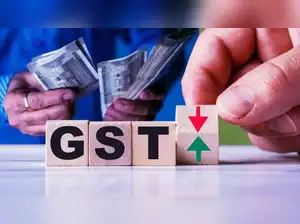
- The Centre has proposed a two-tier Goods and Services Tax (GST) system, replacing the current four tax slabs (5%, 12%, 18%, 28%) with just two: a standard slab and a merit slab.
- A Group of Ministers (GoM) is reviewing this recommendation as part of “next-generation GST reforms” promised before Diwali 2025.
- Objectives include reducing complexity, giving tax relief to the common man, and boosting small businesses. Essential goods would fall under the lower “merit” slab to enhance affordability for women, farmers, students and lower-income groups.
- The proposal retains special rates for a few select items but aims to eliminate many inverted duty structures (cases where input tax > output tax) to encourage domestic manufacturing.
- Fiscal context: With the compensation cess ended, GST collections in 2024-25 reached a record ₹22.08 lakh crore (up 9.4%). Simplifying GST is expected to maintain revenue while supporting economic growth.
GST Reform Details
- Tax Slabs: Under the plan, the standard slab would cover most goods and services, while the merit slab applies to essentials and socially important items. This dual-slab approach seeks to eliminate most special rates and confusion over classification.
- Affordability & Demand: Lower taxes on everyday items aim to boost consumption and lower costs for households. The reform targets inclusivity by reducing the tax burden on essentials, which could stimulate demand and support sectors like agriculture and basic manufacturing.
- Inverted Duty Correction: By aligning input and output tax rates, the reform would reduce the buildup of input tax credits. Manufacturers currently burdened with excess input taxes would benefit, improving cash flow and encouraging ‘Make in India’ initiatives.
- Compliance and Tech: The plan envisions tech-driven GST processes – simplified registration, pre-filled returns, faster automated refunds (especially for exporters and those affected by inverted duties). Clear, stable rates and policies are expected to cut litigation and build business confidence.
- Long-Term Outlook: The government aims to provide stable, predictable tax rates and reduce frequent rate changes. This stability, along with the broader formal economy growth, should help sustain or even increase revenue post-simplification.
Economic Significance
- Simplifying GST to two slabs will likely make compliance easier for businesses and reduce tax disputes, addressing a long-standing demand of industry. Predictable rates enhance the ease of doing business.
- The shift towards a merit slab for essentials can lower the cost of living for many citizens, aiding those on lower incomes. This could have a stimulative effect on the economy.
- Eliminating inverted duty structures supports domestic manufacturing by reducing the tax burden on inputs. This aligns with India’s push for Atmanirbhar Bharat (self-reliant economy).
- Fiscal impact: With higher tax buoyancy from formalisation, the government can afford lower rates on essentials without major revenue loss. The reform may complement other fiscal policies to sustain growth.
Additional Info:
- GST in India was introduced in 2017 (Article 279A mandates a Council).
- The original four-slab structure was criticized for complexity. Frequent updates and exceptions have led to many cases of tax credits piling up.
- A two-slab system has been recommended by various committees and is a key reform promised in the 2024 Budget.
- The GoM includes Union and state finance ministers who must agree to change GST law and rates.
Sources:
Record Deep-Sea Dives by Indian Aquanauts

What’s the News?
- Two Indian aquanauts – Commander (Retd) Jatinder Pal Singh and R Ramesh – completed record-breaking dives in the Atlantic Ocean, reaching depths of 5,002 meters and 4,025 meters respectively. This is the deepest any Indian team has ever gone underwater.
- The dives were conducted aboard the French submersible Nautile in collaboration with IFREMER (French Oceanographic Institute) and led by India’s NIOT (National Institute of Ocean Technology), Chennai. An Indian flag was unfurled at depth alongside the French flag, marking bilateral cooperation.
- These missions were part of training for India’s upcoming manned Samudrayaan Mission (Deep Ocean Mission). Samudrayaan aims to send three Indian aquanauts to 6,000 meters in an indigenously developed submersible MATSYA-6000 by 2027.
- Previous Indian dive records were much shallower (around 670 meters). The successful 9.5-hour dives provided crucial hands-on experience: aquanauts practiced vessel handling, manipulator arm operations, emergency drills, and communication procedures in an extreme environment.
Samudrayaan and Deep Ocean Capability
- Training Collaboration: France’s Nautile – one of few submersibles capable of 6,000m – gave India’s crew extensive training. This included full mission protocols, piloting and recovery operations. The experience is likened to astronaut training (e.g., Axiom-4 mission preparing Gaganyaan crew).
- Future Submersible (MATSYA-6000): India is building MATSYA-6000, a titanium submersible designed for 12-hour missions (96-hour emergency endurance) at 6,000m. It is a fourth-generation craft under development by MoES’s Deep Ocean Mission.
- Deep Ocean Mission: Launched in 2021 by the Ministry of Earth Sciences, the mission has a budget ~₹4,077 crore (2021–26). Its goals include exploring deep-sea resources, advancing the blue economy (marine minerals, biodiversity, biotech), and climate research. Samudrayaan is a flagship component of this initiative.
- Strategic Significance: Mastery of deep-sea technology reduces dependency on foreign assets in the long run. It also opens possibilities for offshore resource exploration (e.g., minerals, oil & gas), and strengthens disaster preparedness by understanding the ocean environment.
Additional Info:
- The Deep Ocean Mission lists components like deep-sea mining, manned submersible development, and ocean climate services.
- The Samudrayaan target depth (6,000m) matches roughly the average thickness of the atmosphere, highlighting the mission’s scale.
Sources:
Pradhan Mantri Viksit Bharat Rozgar Yojana (PMVBRY)
What’s the News?
- On Independence Day, PM Modi announced the Pradhan Mantri Viksit Bharat Rozgar Yojana, a ₹1 lakh-crore scheme to create over 3.5 crore jobs in 2 years. It particularly targets first-time private-sector jobseekers and businesses.
- The plan offers a one-time incentive of ₹15,000 (two installments) to youth getting their first private-sector job (salary up to ₹1 lakh/month). About 19.2 million first-time employees are expected to benefit.
- Employers will get incentives tied to new hires: up to ₹3,000 per new worker per month for 2 years (extended to 4 years for manufacturing jobs). This encourages firms to add staff beyond a baseline.
- The scheme complements the earlier Employment-Linked Incentive (ELI) scheme (Budget 2024) and is aimed at formalizing jobs (EPF registration) and boosting local manufacturing amid global trade headwinds.
Scheme Details and Objectives
- Part A (First-Time Employees): Targets youths entering the workforce. Eligible new private-sector employees (EPFO registered) receive their full one-month EPF wage (max ₹15,000) in two parts — one after 6 months of service, the second after 12 months upon completing a financial literacy course. To promote savings, part of the payment is locked in a fixed deposit account. Estimated 1.92 crore youths will be covered.
- Part B (Employer Incentive): Applies to all sectors with emphasis on manufacturing. For each additional employee (salary ≤₹1 lakh) hired and retained at least 6 months, the employer gets up to ₹3,000/month for 2 years. In manufacturing, this extends to 3rd and 4th year. Around 2.6 crore new jobs are expected from these incentives.
- Administration: All payments to employees (Part A) will be via Direct Benefit Transfer (DBT) using Aadhaar-linked payments. Employer incentives go directly to their PAN-linked bank accounts. The scheme requires EPFO registration, thereby widening social security coverage.
- Eligibility Thresholds: Only formal sector jobs count (employees on EPF rolls). Firms with ≤50 workers must hire 2 additional staff; firms >50 must add 5 staff to qualify. This prevents trivial adjustments and targets net job creation.
Economic Significance
- The scheme directly targets youth unemployment, transforming India’s demographic dividend into economic gain. By subsidizing first salaries and hiring costs, it lowers barriers to formal employment.
- It is expected to spur consumption (new workers get ₹15k windfall) and incentivize firms (especially MSMEs) to expand workforces. Manufacturing focus aligns with Aatmanirbhar Bharat (self-reliant India) drives for domestic production.
- Formalizing jobs enhances tax collection (via EPF contributions) and extends social security to millions of young workers. Over 3.5 crore formal jobs can significantly boost the organized sector and GDP growth.
- The scheme also signals government priority on jobs as a pathway from “Swatantra Bharat” (independent India) to “Samriddha Bharat” (prosperous India). It complements other labour reforms and skills initiatives.
Additional Info:
- The Economic Survey (2024) noted India needs roughly 7.85 million new non-farm jobs annually to employ its growing workforce.
- The PMVBRY aims to meet a large portion of this. The scheme builds on Budget 2024’s Employment-Linked Incentive (ELI), and on earlier labor codes (e.g. Code on Social Security 2020) that promote worker welfare. It will be monitored by the Ministry of Labour & Employment.
Sources:
Parsi New Year (Navroz) Observed
What’s the News?
- The Parsi community celebrated Navroz (Parsi New Year) on August 15, 2025. In India, Navroz falls later than in Iran due to the Parsis’ use of the Shahenshahi calendar. This year’s observance coincided with Independence Day.
- The festival theme is the “Four Fs”: Fire, Fragrance, Food, and Friendship. These elements guide the day’s rituals and feasting.
- Traditions include cleaning and decorating homes, wearing traditional attire, and visiting the fire temple (Agiary) to offer milk, fruits and incense to the sacred fire. Prayers focus on good health, prosperity, and forgiveness of past wrongs.
- Parsis prepare special meals featuring dishes like patrani macchi, dhansak, sev, lagan nu custard, etc., emphasizing community and celebration. Families and communities also exchange gifts and visit each other in the spirit of camaraderie and renewal.

History and Cultural Significance
- Navroz (literally “new day” in Persian) has its roots in Zoroastrianism, one of the world’s oldest monotheistic religions founded by Prophet Zarathushtra over 3,500 years ago. It was the official calendar New Year in ancient Persia (until the 7th century).
- When Islamic invasions swept Persia, many Zoroastrians (now called Parsis) migrated to India, carrying the Navroz tradition with them. Because the Parsi Shahenshahi calendar ignores leap years, Navroz in India shifts each year by ~5 days; hence it fell in mid-August in 2025.
- Symbolically, fire (a sacred element in Zoroastrianism) plays a central role. Parsis believe tending to the fire temple cleanses evil. Chanting of ancient prayers and acts of charity on Navroz reinforce values of renewal and community service.
- Cultural Diversity: Navroz is a national marker of India’s pluralism. Though Parsis are a small minority (~57,000 as per 2011 Census), their distinct customs (Navroz, Navjote, etc.) and contributions to Indian society (industry, arts, philanthropy) are celebrated. Government and media occasionally acknowledge Navroz in cultural segments.
Additional Info:
- Parsi New Year is sometimes confused with Iranian Nowruz (celebrated on March 21 globally). However, due to calendar differences, Parsis in India celebrate it in August.
- The Indian Constitution recognizes minority rights (Article 30), under which Zoroastrians maintain their cultural practices.
- Navroz emphasizes themes of renewal, gratitude, and harmony—common to many harvest and new-year festivals worldwide.
Sources:
Accelerating Climate Risks in the Himalayas
What’s the News?
- A recent scientific study reports that climate change has dramatically increased glacier melt in the Himalayan region, effectively doubling river flow in many areas over the past decade. This surge is visible in at least 10% of Himalayan rivers.
- Major river basins like the Indus, Yangtze, Amu Darya, and Syr Darya are experiencing unusually high discharge due to the additional glacier melt. The Western Himalayas are particularly affected, since they rely more on snow and ice melt.
- While the extra meltwater temporarily boosts water availability (benefiting agriculture and hydropower), it also carries more sediment and heightens flood risks. Experts warn that prolonged glacier shrinkage (projected loss of 29–67% of ice by 2100) will reduce water flow in the long term.

Study Findings and Implications
- River Volumes Doubling: An analysis published in AGU Advances found that rapid glacier melt in the Himalayas has doubled water discharge in many rivers over 10 years. Researchers examined the entire Himalayan range and its rivers, noting a 10% surge region-wide.
- Geographical Variation: Western Himalayan rivers (fed by glaciers and snow) saw more increase than eastern rivers (mostly monsoon-fed). This reflects climate patterns: warming accelerates ice melt in the west, while the east’s rain-dependence buffers some effects.
- Short-Term Effects: Initially, communities benefit from extra water for irrigation and power. However, the meltwater carries heavy silt—posing threats to hydroelectric turbines and clogging waterways. Ecosystems sensitive to clear, cold water are also disrupted.
- Long-Term Concerns: If current trends continue, the glaciers’ contribution to river flow will decline, endangering water security for regions like the Indo-Gangetic plains and Central Asian countries. Glacial Lake Outburst Floods (GLOFs) and landslides may increase.
- Adaptation: Scientists urge using the data for better planning. For example, dams in the western Himalayas may need redesigned spillways, and sediment traps may become common. Policies for integrated Himalayan water management are critical.
Environmental and Policy Significance
- The Himalayas are often called the “Water Tower of Asia”, feeding major rivers for 1.5+ billion people. Accelerated glacier loss directly threatens water availability in India, China, Bangladesh, Pakistan, and beyond.
- This finding aligns with other assessments (e.g. ICIMOD’s Hindu Kush Himalaya report: ~28% glacier ice lost between 1987-2015). It underscores the urgency of climate action under agreements like the Paris Accord and India’s Nationally Determined Contributions (NDCs).
- Regional cooperation (Indus Water Treaty, Brahmaputra agreements) may need revisiting in light of changing flows. Downstream nations should consider joint monitoring of glacial melt and disaster preparedness for GLOFs.
- For India, heightened Himalayan melt and extreme weather events (as seen in past disasters like 2013 Kedarnath) demand stronger disaster management and climate adaptation strategies under national missions (e.g. National Mission on Himalayan Studies). Protecting Himalayan ecosystems (forests, wetlands) also becomes more vital to mitigate risks.
Sources:
August 2025
30 August 202529 August 202528 August 202527 August 202526 August 202525 August 202523 August 202522 August 202521 August 202520 August 202519 August 202518 August 202516 August 202514 August 202513 August 202512 August 202511 August 202508 August 202507 August 202506 August 202505 August 202504 August 202502 August 202501 August 2025
Archive
November 2026
- 27 November 2026
- 26 November 2026
- 25 November 2026
- 24 November 2026
- 23 November 2026
- 21 November 2026
- 20 November 2026
- 19 November 2026
- 18 November 2026
- 17 November 2026
- 16 November 2026
- 14 November 2026
- 13 November 2026
- 12 November 2026
- 11 November 2026
- 10 November 2026
- 09 November 2026
- 06 November 2026
- 05 November 2026
- 04 November 2026
- 03 November 2026
- 02 November 2026
October 2026
- 31 October 2026
- 30 October 2026
- 29 October 2026
- 28 October 2026
- 27 October 2026
- 26 October 2026
- 24 October 2026
- 23 October 2026
- 22 October 2026
- 21 October 2026
- 20 October 2026
- 19 October 2026
- 17 October 2026
- 16 October 2026
- 15 October 2026
- 14 October 2026
- 13 October 2026
- 12 October 2026
- 10 October 2026
- 09 October 2026
- 08 October 2026
- 07 October 2026
- 06 October 2026
- 05 October 2026
- 03 October 2026
- 02 October 2026
- 01 October 2026
September 2026
- 30 September 2026
- 29 September 2026
- 28 September 2026
- 26 September 2026
- 25 September 2026
- 24 September 2026
- 23 September 2026
- 22 September 2026
- 21 September 2026
- 19 September 2026
- 18 September 2026
- 17 September 2026
- 16 September 2026
- 15 September 2026
- 12 September 2026
- 11 September 2026
- 10 September 2026
- 09 September 2026
- 08 September 2026
- 07 September 2026
- 05 September 2026
- 04 September 2026
- 03 September 2026
- 02 September 2026
- 01 September 2026
August 2026
- 31 August 2026
- 29 August 2026
- 27 August 2026
- 26 August 2026
- 25 August 2026
- 24 August 2026
- 22 August 2026
- 21 August 2026
- 20 August 2026
- 19 August 2026
- 18 August 2026
- 17 August 2026
- 14 August 2026
- 13 August 2026
- 12 August 2026
- 11 August 2026
- 10 August 2026
- 08 August 2026
- 07 August 2026
- 06 August 2026
- 05 August 2026
- 04 August 2026
- 03 August 2026
- 01 August 2026
July 2026
- 31 July 2026
- 30 July 2026
- 29 July 2026
- 28 July 2026
- 27 July 2026
- 25 July 2026
- 23 July 2026
- 22 July 2026
- 21 July 2026
- 20 July 2026
- 18 July 2026
- 17 July 2026
- 15 July 2026
- 14 July 2026
- 13 July 2026
- 11 July 2026
- 10 July 2026
- 09 July 2026
- 08 July 2026
- 07 July 2026
- 06 July 2026
- 04 July 2026
- 03 July 2026
- 02 July 2026
- 01 July 2026
June 2026
May 2026
April 2026
March 2026
- 31 March 2026
- 30 March 2026
- 28 March 2026
- 27 March 2026
- 26 March 2026
- 25 March 2026
- 24 March 2026
- 23 March 2026
- 21 March 2026
- 20 March 2026
- 19 March 2026
- 18 March 2026
- 17 March 2026
- 16 March 2026
- 14 March 2026
- 13 March 2026
- 12 March 2026
- 11 March 2026
- 10 March 2026
- 09 March 2026
- 07 March 2026
- 06 March 2026
- 05 March 2026
- 03 March 2026
- 02 March 2026
February 2026
- 28 February 2026
- 27 February 2026
- 26 February 2026
- 25 February 2026
- 24 February 2026
- 23 February 2026
- 21 February 2026
- 20 February 2026
- 19 February 2026
- 18 February 2026
- 17 February 2026
- 16 February 2026
- 13 February 2026
- 12 February 2026
- 11 February 2026
- 10 February 2026
- 09 February 2026
- 07 February 2026
- 06 February 2026
- 05 February 2026
- 04 February 2026
- 03 February 2026
- 02 February 2026
January 2026
- 31 January 2026
- 30 January 2026
- 29 January 2026
- 28 January 2026
- 27 January 2026
- 26 January 2026
- 24 January 2026
- 23 January 2026
- 22 January 2026
- 21 January 2026
- 20 January 2026
- 19 January 2026
- 16 January 2026
- 15 January 2026
- 14 January 2026
- 13 January 2026
- 12 January 2026
- 10 January 2026
- 09 January 2026
- 08 January 2026
- 07 January 2026
- 06 January 2026
- 05 January 2026
- 03 January 2026
- 02 January 2026
- 01 January 2026
December 2025
- 31 December 2025
- 30 December 2025
- 29 December 2025
- 27 December 2025
- 26 December 2025
- 24 December 2025
- 23 December 2025
- 22 December 2025
- 20 December 2025
- 19 December 2025
- 18 December 2025
- 17 December 2025
- 16 December 2025
- 15 December 2025
- 13 December 2025
- 12 December 2025
- 11 December 2025
- 10 December 2025
- 09 December 2025
- 08 December 2025
- 05 December 2025
- 04 December 2025
- 03 December 2025
- 02 December 2025
November 2025
- 29 November 2025
- 28 November 2025
- 27 November 2025
- 26 November 2025
- 25 November 2025
- 24 November 2025
- 22 November 2025
- 21 November 2025
- 20 November 2025
- 19 November 2025
- 18 November 2025
- 17 November 2025
- 15 November 2025
- 14 November 2025
- 13 November 2025
- 12 November 2025
- 11 November 2025
- 10 November 2025
- 08 November 2025
- 07 November 2025
- 06 November 2025
- 05 November 2025
- 04 November 2025
- 03 November 2025
- 01 November 2025
October 2025
- 31 October 2025
- 30 October 2025
- 29 October 2025
- 28 October 2025
- 27 October 2025
- 25 October 2025
- 24 October 2025
- 23 October 2025
- 22 October 2025
- 21 October 2025
- 20 October 2025
- 18 October 2025
- 17 October 2025
- 16 October 2025
- 15 October 2025
- 14 October 2025
- 13 October 2025
- 11 October 2025
- 10 October 2025
- 09 October 2025
- 08 October 2025
- 07 October 2025
- 06 October 2025
- 04 October 2025
- 03 October 2025
- 02 October 2025
- 01 October 2025
September 2025
- 30 September 2025
- 29 September 2025
- 27 September 2025
- 26 September 2025
- 25 September 2025
- 24 September 2025
- 23 September 2025
- 22 September 2025
- 20 September 2025
- 19 September 2025
- 18 September 2025
- 17 September 2025
- 16 September 2025
- 15 September 2025
- 13 September 2025
- 12 September 2025
- 11 September 2025
- 10 September 2025
- 09 September 2025
- 08 September 2025
- 06 September 2025
- 05 September 2025
- 04 September 2025
- 03 September 2025
- 02 September 2025
- 01 September 2025
August 2025
- 30 August 2025
- 29 August 2025
- 28 August 2025
- 27 August 2025
- 26 August 2025
- 25 August 2025
- 23 August 2025
- 22 August 2025
- 21 August 2025
- 20 August 2025
- 19 August 2025
- 18 August 2025
- 16 August 2025
- 14 August 2025
- 13 August 2025
- 12 August 2025
- 11 August 2025
- 08 August 2025
- 07 August 2025
- 06 August 2025
- 05 August 2025
- 04 August 2025
- 02 August 2025
- 01 August 2025
July 2025
- 31 July 2025
- 30 July 2025
- 29 July 2025
- 28 July 2025
- 26 July 2025
- 25 July 2025
- 24 July 2025
- 23 July 2025
- 22 July 2025
- 21 July 2025
- 19 July 2025
- 18 July 2025
- 17 July 2025
- 16 July 2025
- 15 July 2025
- 12 July 2025
- 11 July 2025
- 10 July 2025
- 09 July 2025
- 07 July 2025
- 05 July 2025
- 04 July 2025
- 03 July 2025
- 02 July 2025
- 01 July 2025
June 2025
- 30 June 2025
- 28 June 2025
- 27 June 2025
- 26 June 2025
- 25 June 2025
- 24 June 2025
- 23 June 2025
- 21 June 2025
- 20 June 2025
- 19 June 2025
- 18 June 2025
- 17 June 2025
- 16 June 2025
- 14 June 2025
- 13 June 2025
- 12 June 2025
- 11 June 2025
- 10 June 2025
- 09 June 2025
- 07 June 2025
- 06 June 2025
- 05 June 2025
- 04 June 2025
- 03 June 2025
- 02 June 2025
May 2025
April 2025
- 30 April 2025
- 29 April 2025
- 28 April 2025
- 26 April 2025
- 25 April 2025
- 24 April 2025
- 23 April 2025
- 22 April 2025
- 21 April 2025
- 19 April 2025
- 18 April 2025
- 17 April 2025
- 16 April 2025
- 15 April 2025
- 14 April 2025
- 12 April 2025
- 11 April 2025
- 10 April 2025
- 09 April 2025
- 08 April 2025
- 07 April 2025
- 05 April 2025
- 04 April 2025
- 03 April 2025
- 02 April 2025
- 01 April 2025
March 2025
- 31 March 2025
- 29 March 2025
- 28 March 2025
- 27 March 2025
- 26 March 2025
- 25 March 2025
- 24 March 2025
- 22 March 2025
- 21 March 2025
- 20 March 2025
- 19 March 2025
- 18 March 2025
- 17 March 2025
- 15 March 2025
- 13 March 2025
- 12 March 2025
- 11 March 2025
- 10 March 2025
- 08 March 2025
- 07 March 2025
- 06 March 2025
- 05 March 2025
- 04 March 2025
- 03 March 2025
- 01 March 2025
February 2025
- 28 February 2025
- 27 February 2025
- 26 February 2025
- 25 February 2025
- 24 February 2025
- 22 February 2025
- 21 February 2025
- 20 February 2025
- 19 February 2025
- 18 February 2025
- 17 February 2025
- 15 February 2025
- 14 February 2025
- 13 February 2025
- 12 February 2025
- 11 February 2025
- 10 February 2025
- 08 February 2025
- 07 February 2025
- 06 February 2025
- 05 February 2025
- 04 February 2025
- 03 February 2025
- 01 February 2025
January 2025
- 31 January 2025
- 30 January 2025
- 29 January 2025
- 28 January 2025
- 27 January 2025
- 25 January 2025
- 24 January 2025
- 23 January 2025
- 22 January 2025
- 21 January 2025
- 20 January 2025
- 18 January 2025
- 17 January 2025
- 16 January 2025
- 15 January 2025
- 14 January 2025
- 13 January 2025
- 11 January 2025
- 10 January 2025
- 09 January 2025
- 08 January 2025
- 07 January 2025
- 06 January 2025
- 04 January 2025
- 03 January 2025
- 02 January 2025
- 01 January 2025