
Current Affairs
Stay updated with the latest national and international events.
17 November 2025
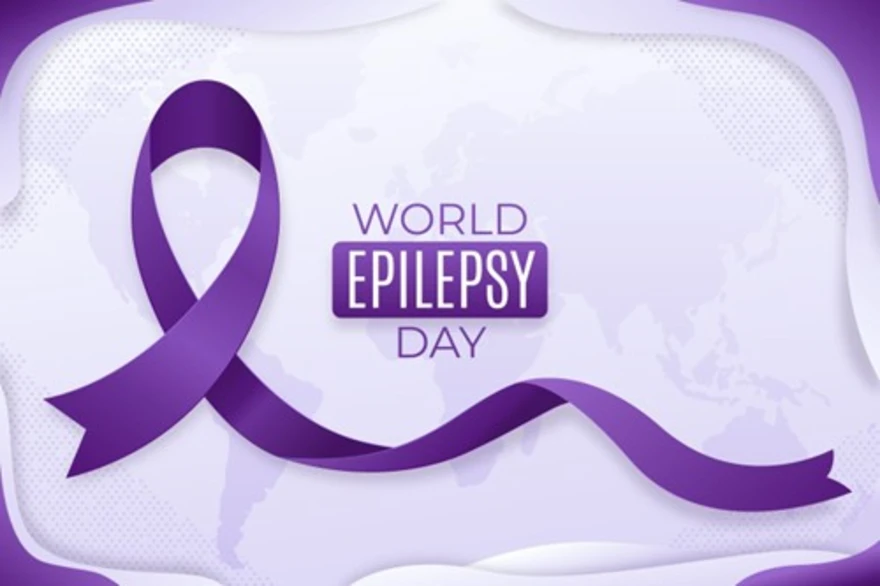
National Epilepsy Day: Raising Awareness and Reducing Stigma
What’s the News?
- National Epilepsy Day is observed in India annually on November 17.
- The day is dedicated to raising public awareness about epilepsy, a common neurological disorder.
- The main objective is to educate the public, dispel myths, and reduce the social stigma associated with the condition.
What is Epilepsy?
- Epilepsy is a chronic, non-communicable neurological disorder of the brain.
- It is characterized by recurrent, unprovoked seizures, which are brief episodes of involuntary movement that may involve a part of the body (partial) or the entire body (generalized).
- Seizures are caused by sudden, abnormal bursts of electrical activity in the brain.
- Epilepsy is not contagious and is one of the most common neurological conditions globally.
Key Statistics: Global and Indian Context
- Global Burden: According to the World Health Organization (WHO), approximately 50 million people worldwide live with epilepsy.
- Indian Burden: India has a significant caseload, with estimates suggesting around 10 to 12 million people are affected by the condition.
- The Treatment Gap: A major challenge, particularly in low- and middle-income countries like India, is the "treatment gap".
- This refers to the large percentage of people with active epilepsy who do not receive appropriate medical treatment.
- Reasons include lack of awareness, social stigma, poverty, and poor access to healthcare infrastructure.
Causes and Management
- Potential Causes: The causes of epilepsy can be varied:
- Genetic predisposition.
- Structural damage to the brain from head injuries, strokes, or tumors.
- Infections of the brain, such as cysticercosis or meningitis.
- In many cases, the exact cause remains unknown.
- Treatment and Management:
- Epilepsy is a treatable condition.
- With proper diagnosis and consistent treatment, up to 70% of people with epilepsy can live seizure-free.
- The most common treatment involves daily medication with Anti-Epileptic Drugs (AEDs).
Role of Epilepsy Foundation of India (EFI)
- Founded in 2009 by Dr. Nirmal Surya in Mumbai.
- Pioneered National Epilepsy Day to:
- Promote rights-based care and education access
- Facilitate community-based rehabilitation
- Advocate for inclusion in schools and workplaces
Sources
International Students' Day: A Commemoration of Courage and Activism
What’s the News?
- International Students' Day is observed globally every year on November 17.
- The day is not a celebration but a solemn commemoration of student courage and a platform to advocate for academic freedom and students' rights.
- It traces its origins to the 1939 Nazi-era crackdown on students in Prague, Czechoslovakia.
Historical Origins: The 1939 Prague Tragedy
- The day marks the anniversary of a brutal response by Nazi forces to student demonstrations in occupied Prague.
- Students from the University of Prague were protesting the German occupation and the earlier death of a medical student, Jan Opletal.
- On November 17, 1939, the Nazis stormed the universities, with severe consequences:
- Nine student leaders were executed without trial.
- Over 1,200 students were arrested and sent to concentration camps.
- All Czech universities and colleges were forcibly shut down.
Significance and Evolution
- First Declaration: In 1941, the International Students' Council in London, composed of student representatives and refugees from over 50 countries, declared November 17 as International Students' Day.
- Modern Focus: While rooted in this tragic act of resistance, the day has evolved. It now serves as a global observance to:
- Honour the role of students as agents of social and political change.
- Promote multiculturalism and unity among students worldwide.
- Advocate for the right to education and academic freedom without fear of discrimination or oppression.
Key Distinction: This day is different from World Students' Day, which is celebrated on October 15 to mark the birth anniversary of Dr. A.P.J. Abdul Kalam.
Sources
BHU Researchers Revive Heritage 'Adam Chini' Rice Variety
What’s the News?
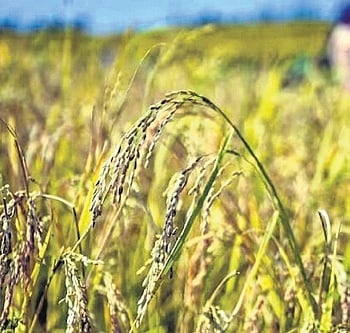
- Agricultural scientists at Banaras Hindu University (BHU) have successfully revived the 'Adam Chini' rice variety.
- This traditional, aromatic rice, which holds a Geographical Indication (GI) tag, was nearly extinct due to significant agricultural challenges.
- The research initiative has developed improved, commercially viable versions of the rice, addressing its key drawbacks while retaining its famous qualities.
About Adam Chini Rice
- Type: A traditional, short-grained, non-Basmati aromatic rice.
- Origin: Primarily cultivated in the eastern Uttar Pradesh districts of Chandauli, Mirzapur, Sonbhadra, and Varanasi, part of the Vindhya region.
- Key Features: Renowned for its sugar crystal-like grains (hence "Chini"), pleasant aroma, and superior cooking quality and taste.
- Recognition: It received the GI tag in 2023 and is also included in the 'One District One Product' (ODOP) scheme for Chandauli district.
Traditional Limitations vs. BHU’s Improvements
| Trait | Traditional Adam Chini | BHU Mutant Lines (e.g., M-14, M-19) |
|---|---|---|
| Plant Height | ~165 cm (lodging-prone) | ~105 cm (lodging-resistant) |
| Maturity Duration | 155 days | ~120 days |
| Yield | 20–23 quintals/ha | 30–35 quintals/ha |
| Grain Quality | Short, bold, highly aromatic | Retains aroma & superior cooking quality (comparable/superior to Basmati) |
Additional Info
- Constitutional & Policy Links:
- Article 371-Z (Special provision for UP): Enables state-led agro-cultural initiatives.
- Protection of Plant Varieties and Farmers’ Rights Act, 2001: Supports farmers’ rights to conserve and improve varieties like Adam Chini.
- National IPR Policy (2016): Encourages GI-based rural development.
- Related GI-tagged Rice Varieties:
- Kalanamak Rice (UP)
- Gobindobhog Rice (West Bengal)
- Chinnor Rice (Chhattisgarh)
Sources
Indian Armed Forces to Deploy Indigenous Anti-Drone Systems with Laser Weapons

What’s the News?
- The Indian Army and Indian Air Force (IAF) are strengthening their air defence capabilities by inducting 16 new indigenous anti-drone systems.
- These systems, identified as the Integrated Drone Detection and Interdiction System (IDD&IS) Mark 2, are designed for counter-drone warfare.
- A key feature of the new system is a powerful laser-based "hard kill" weapon with an effective strike range of over 2 kilometers.
Key Capabilities
- The IDD&IS provides a comprehensive solution, able to detect, track, identify, designate, and neutralise hostile drones.
- It employs two primary methods for interdiction:
- Soft Kill: Uses jamming technology to disrupt the drone's communication, video, and navigation links.
- Hard Kill: Employs a ground-based laser to physically destroy the drone's structure or electronics.
- This new batch of systems represents an upgrade over the first-generation (Mark 1) systems, which had a laser range of 1 kilometer.
Mark-1 vs Mark-2 Comparison:
| Feature | Mark-1 | Mark-2 |
|---|---|---|
| Laser Power | ~3–5 kW | 10 kW |
| Neutralisation Range | ~1 km | 2 km |
| Detection Integration | Limited sensor fusion | AI-enabled multi-sensor fusion (Radar + RF + EO/IR) |
| Deployment | Semi-static | Mobile & rapid-response |
Indigenous Development
- The counter-drone systems are developed indigenously by the Defence Research and Development Organisation (DRDO).
- The first-generation IDD&IS was co-developed by DRDO and Bharat Electronics Limited (BEL) and is already in service with the armed forces.
- The DRDO is also developing next-generation weapons to counter swarm drone attacks, including High-Power Electromagnetics (HPEM) and High-Power Microwaves (HPM) systems.
Sources
COP30 Launches Forum to Navigate Climate and Trade Tensions
What’s the News?
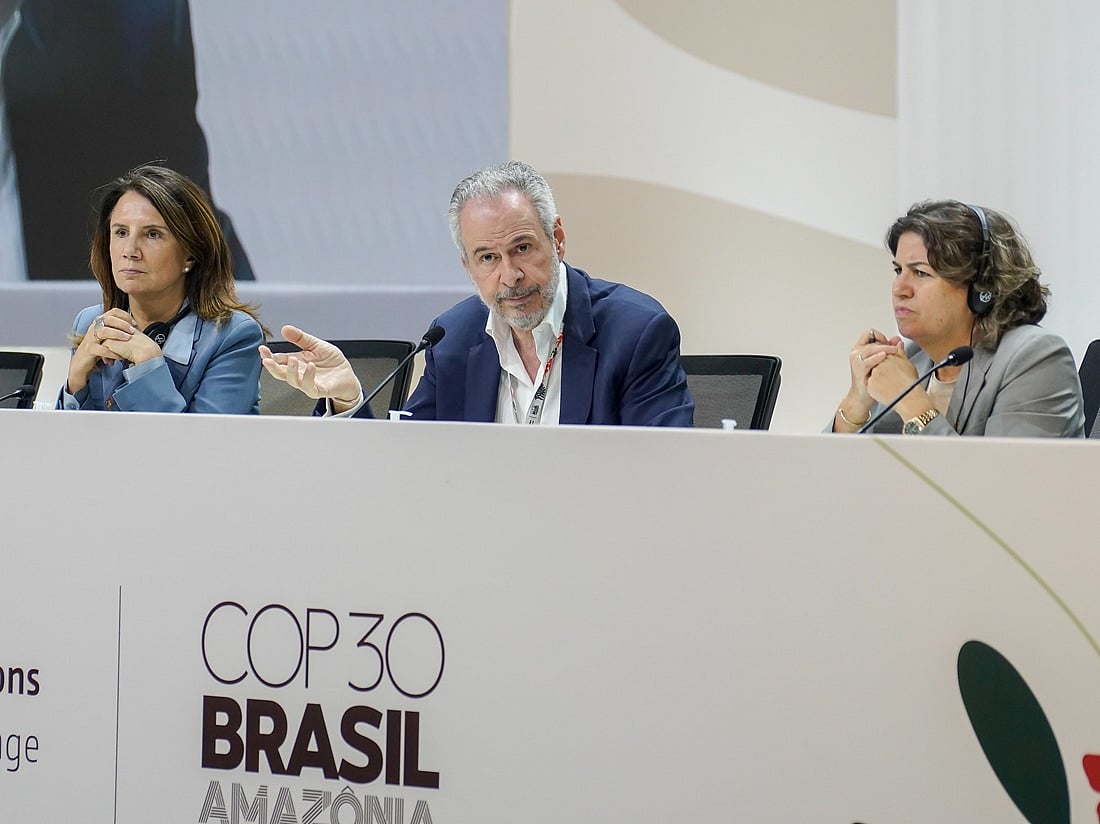
- A new high-level platform, the Integrated Forum on Climate Change and Trade (IFCCT), was launched at the 30th Conference of the Parties (COP30) in Belém, Brazil.
- The initiative is a joint effort by the World Trade Organization (WTO) and the UN Framework Convention on Climate Change (UNFCCC).
- Its primary goal is to address the growing conflicts and policy misalignment between international trade rules and global climate change objectives.
Key Features of IFCCT
- Non-negotiating & Consultative:
- No formal treaty-making or binding decisions
- Focus on open dialogue, knowledge-sharing, and consensus-building
- Open-Ended Consultation (2025–26):
- First round: Geneva, December 15–19, 2025, co-located with WTO
- Invites all countries to co-shape agenda, scope, and priorities
- High-Level Political Backing:
- Launched under COP30 Presidency, with participation from WTO, Climate Club, ICC, EU civil society, and others
- Core Focus Areas:
- Border carbon adjustments (e.g., EU CBAM)
- Green industrial policy & subsidy transparency
- Critical mineral supply chains
- Climate-resilient trade infrastructure
- Differential impacts on developing economies
Why is This Forum Needed?
- Rise of Unilateral Measures: There is a rapid increase in unilateral climate-related trade measures, such as carbon border taxes.
- A prominent example is the European Union's Carbon Border Adjustment Mechanism (CBAM).
- Fears of "Green Protectionism": Many developing countries are concerned that these measures could act as disguised trade barriers, unfairly penalising their economies and hindering their development.
- Policy Gaps: Currently, there is no single international body dedicated to resolving the tensions between trade law (under the WTO) and climate action (under the UNFCCC), creating a significant gap in global governance. The IFCCT aims to fill this role.
Sources
India Becomes World's 6th Largest Patent Filer
What’s the News?
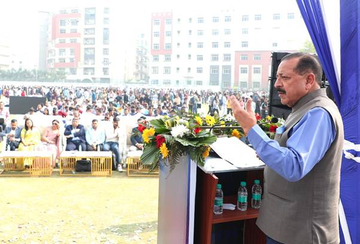
- India has emerged as the world’s 6th largest patent filer, with over 64,000 patent applications filed in the latest reporting cycle - of which more than 55% (≈35,200) were filed by resident Indian innovators.
- This marks a historic shift from dependence on foreign institutions to self-driven R&D, announced by Union Minister of State for Science & Technology, Dr. Jitendra Singh, at a tech fest in New Delhi.
Key Metrics and Trends
- Global Innovation Index (GII) Rank: Improved from 81st (2015) to 38th (2025).
- Resident vs. Non-Resident Filings: Majority now from domestic stakeholders—reversing earlier trend of foreign-led IP creation.
- Annual Growth: Consistent year-on-year rise in filings, driven by academia, startups, MSMEs, and public research labs.
Drivers of Growth
- Policy Enablers:
- National IPR Policy (2016): Simplified procedures, reduced filing fees for startups/individuals.
- Patent Facilitation Programme under DST/NITI Aayog: Fast-track examination, pro bono assistance.
- Integration with Atmanirbhar Bharat, Make in India, and Startup India missions.
- Institutional Support:
- Technology Innovation Hubs (TIHs) and Centres of Excellence under NM-ICPS.
- IP Cells in 200+ universities (e.g., IITs, NITs, Central Universities).
- Sectoral Momentum:
- Startups in health tech, agritech, clean energy, and AI/ML.
- Indigenous breakthroughs: world’s first DNA vaccine (ZyCoV-D), Chandrayaan-3 tech, novel antibiotics.
Challenges Ahead:
- Low patent-to-population ratio (~46 filings per million vs. 650 in South Korea)
- High abandonment rate (~70% of filed applications not pursued to grant)
Constitutional & Policy Linkages:
- Article 51-A(h): Fundamental Duty to develop scientific temper
- Article 253: Empowers Parliament to legislate on IP treaties (e.g., Paris Convention, TRIPS)
- Science, Technology & Innovation Policy (STIP) 2020: Aims for 3x increase in GERD (Gross Expenditure on R&D) by 2030
Sources
e-Jagriti Revolutionizes Consumer Justice in 2025: Delivering Swifter Redressal and Outperforming 2024 Benchmarks
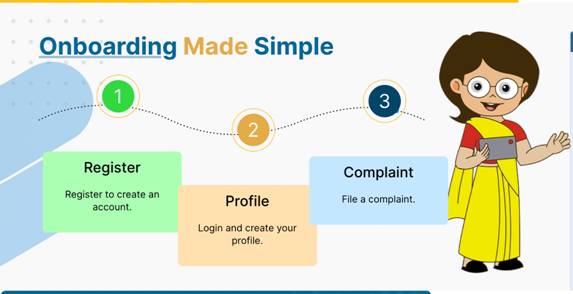
What’s the News?
- In a major boost to consumer rights, the e-Jagriti platform of the Department of Consumer Affairs has emerged as a transformative digital grievance redressal system, registering over two lakh users since its launch on January 1, 2025.
- The platform streamlines procedures for citizens by reducing paperwork, minimizing travel, and cutting down physical documentation, thereby promoting environmental sustainability.
- It also strengthens access for NRIs by removing geographical barriers and enabling them to assert their consumer rights from abroad.
- It operates under the motto "One Consumer, One Platform", aiming to create a single, seamless ecosystem for consumers.
Key Features of the e-Jagriti Platform
- Unified Integration: The platform integrates several key consumer grievance portals into one interface:
- The National Consumer Helpline (NCH).
- The e-Daakhil portal, which facilitates Online Dispute Resolution (ODR) by allowing consumers to e-file cases in the Consumer Commissions.
- The Advertising Standards Council of India (ASCI) portal for handling complaints related to misleading advertisements.
- Technology-Driven: 'e-Jagriti' leverages Artificial Intelligence (AI) and Machine Learning (ML) to enhance its services.
- AI/ML Applications: This technology will be used for:
- Smart analysis and classification of consumer complaints.
- Providing automated responses for common queries.
- Identifying emerging trends and patterns in consumer issues and product defects.
Performance & Impact
- Disposal Efficiency:
- July–Aug 2025: 27,545 cases disposed vs. 27,080 filed
- Sept–Oct 2025: 24,504 disposed vs. 21,592 filed
- 10 states + NCDRC achieved >100% disposal rates (backlog reduction)
- High-Adoption States:
- Gujarat (14,758), Uttar Pradesh (14,050), Maharashtra (12,484)
- Landmark Outcomes:
- ₹3.05 lakh awarded in 25 days for ed-tech scam (Assam)
- ₹1.67 lakh + interest for defective fridge used since 2017 (Tripura)
Sources
Odisha's Sunapur and Puri Beaches Reaffirm 'Blue Flag' Status
What’s the News?
- Two beaches in Odisha have successfully retained their prestigious 'Blue Flag' certification.
- The beaches are Sunapur Beach in Ganjam district and Puri Beach in Puri district.
- This international eco-label recognizes their high standards in cleanliness, safety, and sustainable environmental management.
About the 'Blue Flag' Certification
- The 'Blue Flag' is a renowned voluntary eco-label awarded to beaches, marinas, and sustainable boating tourism operators.
- It is granted by the Foundation for Environmental Education (FEE), a non-profit organization headquartered in Copenhagen, Denmark.
- To receive the certification, a beach must meet 33 stringent criteria under four main categories:
- Water quality (e.g., microbiological parameters, bathing water compliance)
- Environmental management (waste, biodiversity, energy use)
- Safety & services (lifeguards, first aid, accessibility)
- Environmental education & community engagement
Odisha’s Beach Profiles
| Beach | District | Certification Streak | Key Features |
|---|---|---|---|
| Sunapur | Ganjam | 3rd year | 800-metre certified stretch; river–bay confluence (Bahuda River & Bay of Bengal); community-led clean-ups; wheelchair access; zero liquid discharge system |
| Puri Golden Beach | Puri | 7th year | India’s most iconic pilgrimage-tourism beach; smart waste bins; trained lifeguards & paramedics; CCTV surveillance; dedicated eco-education kiosks |
India’s Performance (2025–26)
- 13 beaches recognised, 12 fully certified.
- States represented: Odisha (2), Tamil Nadu (2), Andhra Pradesh, Maharashtra, Gujarat, Karnataka, Kerala, Goa, West Bengal, Andaman & Nicobar.
- India now ranks among top 15 countries globally with highest number of certified beaches.
Sources
National Press Day: Celebrating the Fourth Pillar of Democracy
What’s the News?
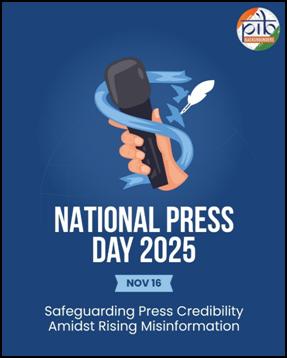
- India observes National Press Day annually on November 16.
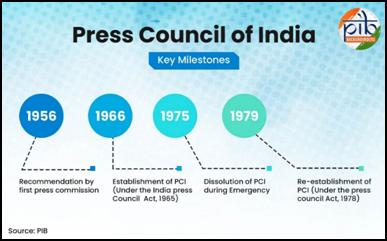
- The day commemorates the establishment of the Press Council of India (PCI), which started functioning on this day in 1966.
- It is dedicated to celebrating the role of a free and responsible press in a democracy, highlighting its importance in informing the public and holding power to account.
The Press as the "Fourth Pillar"
- The press is often referred to as the "Fourth Pillar of Democracy" (or "Fourth Estate").
- It coexists with the other three pillars: the legislature, the executive, and the judiciary.
- A free press is considered essential for a functioning democracy as it provides a platform for public discourse, shapes public opinion, and acts as a check on governmental power.
Institutional & Policy Developments (2024–25)
- Press and Registration of Periodicals Act (PRP Act), 2023:
- Replaced the colonial Press and Registration of Books Act, 1867.
- Introduced digital registration, QR-enabled certificates, and decriminalised minor procedural lapses.
- Renamed Registrar of Newspapers for India (RNI) as Press Registrar General of India (PRGI).
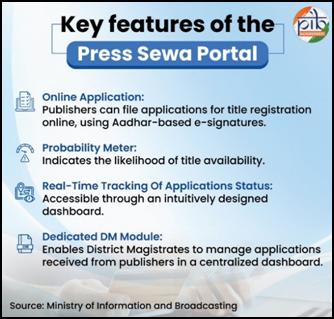
- Press Sewa Portal:
- Over 40,000 publishers and 3,000 printing presses onboarded within 6 months.
- Features: e-signature, AI chatbot grievance redressal, real-time status tracking.
- Press Council of India (PCI) Reforms:
- Revised Norms of Journalistic Conduct to counter fake news, hate speech, and unethical reporting.
- Issued guidelines for sensitive reporting (e.g., disasters, gender, LGBTQ+ issues).
- Expanded suo-motu jurisdiction to address systemic press freedom violations.
Additional Info
- Press Council of India (PCI):
- The PCI is a statutory and quasi-judicial body.
- It was established in 1966 under the Press Council Act of 1965.
- Its primary mandate is to preserve the freedom of the press and to maintain and improve the standards of newspapers and news agencies in India.
- It functions as a "watchdog of the press".
- Constitutional Provision:
- Article 19(1)(a): Freedom of speech and expression (includes press freedom, per Indian Express v. Union of India, 1985).
- Article 19(2): Permits reasonable restrictions (e.g., sovereignty, public order, decency).
- First Press Commission (1956): Recommended PCI to ensure ethical standards and autonomy.
Sources
November 2025
29 November 202528 November 202527 November 202526 November 202525 November 202524 November 202522 November 202521 November 202520 November 202519 November 202518 November 202517 November 202515 November 202514 November 202513 November 202512 November 202511 November 202510 November 202508 November 202507 November 202506 November 202505 November 202504 November 202503 November 202501 November 2025
Archive
November 2026
- 28 November 2026
- 27 November 2026
- 26 November 2026
- 25 November 2026
- 24 November 2026
- 23 November 2026
- 21 November 2026
- 20 November 2026
- 19 November 2026
- 18 November 2026
- 17 November 2026
- 16 November 2026
- 14 November 2026
- 13 November 2026
- 12 November 2026
- 11 November 2026
- 10 November 2026
- 09 November 2026
- 06 November 2026
- 05 November 2026
- 04 November 2026
- 03 November 2026
- 02 November 2026
October 2026
- 31 October 2026
- 30 October 2026
- 29 October 2026
- 28 October 2026
- 27 October 2026
- 26 October 2026
- 24 October 2026
- 23 October 2026
- 22 October 2026
- 21 October 2026
- 20 October 2026
- 19 October 2026
- 17 October 2026
- 16 October 2026
- 15 October 2026
- 14 October 2026
- 13 October 2026
- 12 October 2026
- 10 October 2026
- 09 October 2026
- 08 October 2026
- 07 October 2026
- 06 October 2026
- 05 October 2026
- 03 October 2026
- 02 October 2026
- 01 October 2026
September 2026
- 30 September 2026
- 29 September 2026
- 28 September 2026
- 26 September 2026
- 25 September 2026
- 24 September 2026
- 23 September 2026
- 22 September 2026
- 21 September 2026
- 19 September 2026
- 18 September 2026
- 17 September 2026
- 16 September 2026
- 15 September 2026
- 12 September 2026
- 11 September 2026
- 10 September 2026
- 09 September 2026
- 08 September 2026
- 07 September 2026
- 05 September 2026
- 04 September 2026
- 03 September 2026
- 02 September 2026
- 01 September 2026
August 2026
- 31 August 2026
- 29 August 2026
- 27 August 2026
- 26 August 2026
- 25 August 2026
- 24 August 2026
- 22 August 2026
- 21 August 2026
- 20 August 2026
- 19 August 2026
- 18 August 2026
- 17 August 2026
- 14 August 2026
- 13 August 2026
- 12 August 2026
- 11 August 2026
- 10 August 2026
- 08 August 2026
- 07 August 2026
- 06 August 2026
- 05 August 2026
- 04 August 2026
- 03 August 2026
- 01 August 2026
July 2026
- 31 July 2026
- 30 July 2026
- 29 July 2026
- 28 July 2026
- 27 July 2026
- 25 July 2026
- 23 July 2026
- 22 July 2026
- 21 July 2026
- 20 July 2026
- 18 July 2026
- 17 July 2026
- 15 July 2026
- 14 July 2026
- 13 July 2026
- 11 July 2026
- 10 July 2026
- 09 July 2026
- 08 July 2026
- 07 July 2026
- 06 July 2026
- 04 July 2026
- 03 July 2026
- 02 July 2026
- 01 July 2026
June 2026
May 2026
April 2026
March 2026
- 31 March 2026
- 30 March 2026
- 28 March 2026
- 27 March 2026
- 26 March 2026
- 25 March 2026
- 24 March 2026
- 23 March 2026
- 21 March 2026
- 20 March 2026
- 19 March 2026
- 18 March 2026
- 17 March 2026
- 16 March 2026
- 14 March 2026
- 13 March 2026
- 12 March 2026
- 11 March 2026
- 10 March 2026
- 09 March 2026
- 07 March 2026
- 06 March 2026
- 05 March 2026
- 03 March 2026
- 02 March 2026
February 2026
- 28 February 2026
- 27 February 2026
- 26 February 2026
- 25 February 2026
- 24 February 2026
- 23 February 2026
- 21 February 2026
- 20 February 2026
- 19 February 2026
- 18 February 2026
- 17 February 2026
- 16 February 2026
- 13 February 2026
- 12 February 2026
- 11 February 2026
- 10 February 2026
- 09 February 2026
- 07 February 2026
- 06 February 2026
- 05 February 2026
- 04 February 2026
- 03 February 2026
- 02 February 2026
January 2026
- 31 January 2026
- 30 January 2026
- 29 January 2026
- 28 January 2026
- 27 January 2026
- 26 January 2026
- 24 January 2026
- 23 January 2026
- 22 January 2026
- 21 January 2026
- 20 January 2026
- 19 January 2026
- 16 January 2026
- 15 January 2026
- 14 January 2026
- 13 January 2026
- 12 January 2026
- 10 January 2026
- 09 January 2026
- 08 January 2026
- 07 January 2026
- 06 January 2026
- 05 January 2026
- 03 January 2026
- 02 January 2026
- 01 January 2026
December 2025
- 31 December 2025
- 30 December 2025
- 29 December 2025
- 27 December 2025
- 26 December 2025
- 24 December 2025
- 23 December 2025
- 22 December 2025
- 20 December 2025
- 19 December 2025
- 18 December 2025
- 17 December 2025
- 16 December 2025
- 15 December 2025
- 13 December 2025
- 12 December 2025
- 11 December 2025
- 10 December 2025
- 09 December 2025
- 08 December 2025
- 05 December 2025
- 04 December 2025
- 03 December 2025
- 02 December 2025
November 2025
- 29 November 2025
- 28 November 2025
- 27 November 2025
- 26 November 2025
- 25 November 2025
- 24 November 2025
- 22 November 2025
- 21 November 2025
- 20 November 2025
- 19 November 2025
- 18 November 2025
- 17 November 2025
- 15 November 2025
- 14 November 2025
- 13 November 2025
- 12 November 2025
- 11 November 2025
- 10 November 2025
- 08 November 2025
- 07 November 2025
- 06 November 2025
- 05 November 2025
- 04 November 2025
- 03 November 2025
- 01 November 2025
October 2025
- 31 October 2025
- 30 October 2025
- 29 October 2025
- 28 October 2025
- 27 October 2025
- 25 October 2025
- 24 October 2025
- 23 October 2025
- 22 October 2025
- 21 October 2025
- 20 October 2025
- 18 October 2025
- 17 October 2025
- 16 October 2025
- 15 October 2025
- 14 October 2025
- 13 October 2025
- 11 October 2025
- 10 October 2025
- 09 October 2025
- 08 October 2025
- 07 October 2025
- 06 October 2025
- 04 October 2025
- 03 October 2025
- 02 October 2025
- 01 October 2025
September 2025
- 30 September 2025
- 29 September 2025
- 27 September 2025
- 26 September 2025
- 25 September 2025
- 24 September 2025
- 23 September 2025
- 22 September 2025
- 20 September 2025
- 19 September 2025
- 18 September 2025
- 17 September 2025
- 16 September 2025
- 15 September 2025
- 13 September 2025
- 12 September 2025
- 11 September 2025
- 10 September 2025
- 09 September 2025
- 08 September 2025
- 06 September 2025
- 05 September 2025
- 04 September 2025
- 03 September 2025
- 02 September 2025
- 01 September 2025
August 2025
- 30 August 2025
- 29 August 2025
- 28 August 2025
- 27 August 2025
- 26 August 2025
- 25 August 2025
- 23 August 2025
- 22 August 2025
- 21 August 2025
- 20 August 2025
- 19 August 2025
- 18 August 2025
- 16 August 2025
- 14 August 2025
- 13 August 2025
- 12 August 2025
- 11 August 2025
- 08 August 2025
- 07 August 2025
- 06 August 2025
- 05 August 2025
- 04 August 2025
- 02 August 2025
- 01 August 2025
July 2025
- 31 July 2025
- 30 July 2025
- 29 July 2025
- 28 July 2025
- 26 July 2025
- 25 July 2025
- 24 July 2025
- 23 July 2025
- 22 July 2025
- 21 July 2025
- 19 July 2025
- 18 July 2025
- 17 July 2025
- 16 July 2025
- 15 July 2025
- 12 July 2025
- 11 July 2025
- 10 July 2025
- 09 July 2025
- 07 July 2025
- 05 July 2025
- 04 July 2025
- 03 July 2025
- 02 July 2025
- 01 July 2025
June 2025
- 30 June 2025
- 28 June 2025
- 27 June 2025
- 26 June 2025
- 25 June 2025
- 24 June 2025
- 23 June 2025
- 21 June 2025
- 20 June 2025
- 19 June 2025
- 18 June 2025
- 17 June 2025
- 16 June 2025
- 14 June 2025
- 13 June 2025
- 12 June 2025
- 11 June 2025
- 10 June 2025
- 09 June 2025
- 07 June 2025
- 06 June 2025
- 05 June 2025
- 04 June 2025
- 03 June 2025
- 02 June 2025
May 2025
April 2025
- 30 April 2025
- 29 April 2025
- 28 April 2025
- 26 April 2025
- 25 April 2025
- 24 April 2025
- 23 April 2025
- 22 April 2025
- 21 April 2025
- 19 April 2025
- 18 April 2025
- 17 April 2025
- 16 April 2025
- 15 April 2025
- 14 April 2025
- 12 April 2025
- 11 April 2025
- 10 April 2025
- 09 April 2025
- 08 April 2025
- 07 April 2025
- 05 April 2025
- 04 April 2025
- 03 April 2025
- 02 April 2025
- 01 April 2025
March 2025
- 31 March 2025
- 29 March 2025
- 28 March 2025
- 27 March 2025
- 26 March 2025
- 25 March 2025
- 24 March 2025
- 22 March 2025
- 21 March 2025
- 20 March 2025
- 19 March 2025
- 18 March 2025
- 17 March 2025
- 15 March 2025
- 13 March 2025
- 12 March 2025
- 11 March 2025
- 10 March 2025
- 08 March 2025
- 07 March 2025
- 06 March 2025
- 05 March 2025
- 04 March 2025
- 03 March 2025
- 01 March 2025
February 2025
- 28 February 2025
- 27 February 2025
- 26 February 2025
- 25 February 2025
- 24 February 2025
- 22 February 2025
- 21 February 2025
- 20 February 2025
- 19 February 2025
- 18 February 2025
- 17 February 2025
- 15 February 2025
- 14 February 2025
- 13 February 2025
- 12 February 2025
- 11 February 2025
- 10 February 2025
- 08 February 2025
- 07 February 2025
- 06 February 2025
- 05 February 2025
- 04 February 2025
- 03 February 2025
- 01 February 2025
January 2025
- 31 January 2025
- 30 January 2025
- 29 January 2025
- 28 January 2025
- 27 January 2025
- 25 January 2025
- 24 January 2025
- 23 January 2025
- 22 January 2025
- 21 January 2025
- 20 January 2025
- 18 January 2025
- 17 January 2025
- 16 January 2025
- 15 January 2025
- 14 January 2025
- 13 January 2025
- 11 January 2025
- 10 January 2025
- 09 January 2025
- 08 January 2025
- 07 January 2025
- 06 January 2025
- 04 January 2025
- 03 January 2025
- 02 January 2025
- 01 January 2025