
Current Affairs
Stay updated with the latest national and international events.
17 November 2026
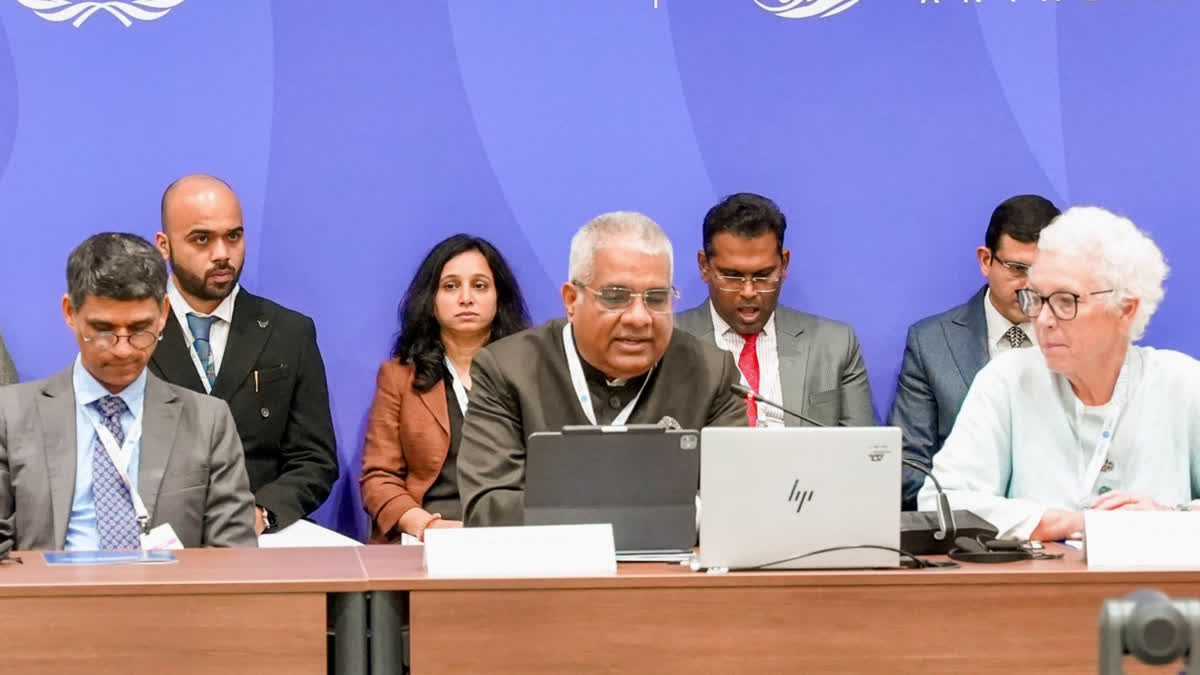
India and Sweden Launch LeadIT 3.0 at COP31
What’s the News?
- India and Sweden launched the Leadership Group for Industry Transition (LeadIT) 3.0 at the UN Climate Change Conference (COP31) in Antalya, Türkiye, to accelerate the transition towards low-carbon industries.
- Launched by: Union Environment Minister Bhupender Yadav and Sweden’s State Secretary for Climate and Enterprise, Helena Dyrssen.
- New Member: Brazil joined LeadIT as its newest country member.
- Focus: Scaling low-carbon industrial projects, mobilising climate finance and reducing emissions in energy-intensive industries.
What is LeadIT?
- Full Form: Leadership Group for Industry Transition.
- Established: 2019, at the UN Climate Action Summit in New York.
- Founding Countries: India and Sweden, with support from the World Economic Forum (WEF).
- Objective: Accelerate low-carbon transition in hard-to-abate industrial sectors.
- Membership: 20 countries and 33 companies, including newly joined Brazil.
- Sectors: Steel, cement and heavy-duty transport.
LeadIT 3.0: Priorities
The third phase, covering 2027–2030, shifts from partnership-building to large-scale project implementation through three priorities:
- Technology Development and Diffusion: Promote deployment of low-carbon technologies through industrial projects.
- Capital Mobilisation and De-risking: Attract investment and reduce financial risks associated with industrial decarbonisation.
- Capacity Building and Policy Support: Strengthen institutional capabilities, carbon markets and workforce transition.
Progress Under LeadIT 2.0
- Facilitated 11 pre-pilot projects in steel and cement under the India–Sweden Industry Transition Partnership.
- Technologies include:
- Hydrogen-based ironmaking and electrification of industrial heat.
- Carbon capture and utilisation (CCU).
- Clinker substitution and industrial circularity.
- Artificial intelligence to reduce cement demand.
- Expanded cooperation into low-carbon heavy-duty transport.
Additional Info
India’s Climate Achievements:
- Emissions Intensity: Reduced by 37.38% between 2005 and 2022.
- Non-Fossil Fuel Capacity: Achieved 50% of installed electricity capacity from non-fossil sources, five years ahead of the 2030 target.
- Carbon Sink: Additional forest carbon sink reached approximately 2.44 billion tonnes of CO₂ equivalent.
Hard-to-Abate Sectors:
- Industries where emissions are difficult to reduce due to energy-intensive processes and technological limitations.
- Examples include steel, cement and heavy transport.
Sources
INS Sahyadri and Naval Exercise JAIMEX 2026

What’s the News?
- The Indian Navy’s indigenous stealth frigate INS Sahyadri participated in the bilateral naval exercise JAIMEX 2026 with the Japan Maritime Self-Defense Force (JMSDF) in waters south of Honshu, Japan.
- Participating Warships: INS Sahyadri (India) and JS Ise (Japan).
- Objective: Enhance naval interoperability, operational coordination and maritime security cooperation.
- Significance: Strengthens the India–Japan maritime partnership and promotes a free, open and stable Indo-Pacific.
What is JAIMEX 2026?
- Full Form: Japan–India Maritime Exercise (JAIMEX).
- Type: Bilateral naval exercise between the Indian Navy and Japan Maritime Self-Defense Force (JMSDF).
- Location: South of Honshu Island, Japan.
- Activities:
- Tactical Manoeuvres: Coordinated ship movements and maritime tactics.
- Communication Drills: Improving radio communication and information exchange.
- Cross-Deck Landings: Practising helicopter operations between participating warships.
- PHOTOEX: Coordinated naval formations for photographic exercises.
About INS Sahyadri
- Pennant Number: F49.
- Class: Shivalik-class.
- Type: Guided-missile stealth frigate.
- Commissioned: 2012.
- Fleet: Eastern Fleet of the Indian Navy.
- Origin: Indigenously designed and built in India.
- Capabilities: Stealth technology, anti-surface warfare, anti-submarine warfare and air defence.
Additional Info
India–Japan Defence Cooperation:
- Strategic Partnership: India–Japan Special Strategic and Global Partnership, established in 2014.
- 2+2 Ministerial Dialogue: Involves the Foreign and Defence Ministers of both countries.
- The fourth dialogue was scheduled in Tokyo following JAIMEX 2026.
- Exercise MALABAR:
- A multilateral naval exercise involving India, Japan, the United States and Australia.
- INS Sahyadri also participated in MALABAR 2026 before JAIMEX 2026.
Sources
India Re-elected to ITU Council for 2027–2030 Term
What’s the News?
- India has been re-elected to the International Telecommunication Union (ITU) Council for the 2027–2030 term at the ITU Plenipotentiary Conference (PP-26) held in Doha, Qatar.
- Votes Secured: 151 votes, the third-highest in the Asia and Australasia region.
- Council Strength: 48 member countries.
- Regional Representation: India secured one of the 13 seats allocated to Region E (Asia and Australasia).
- Union Communications Minister Jyotiraditya M. Scindia welcomed the re-election, highlighting India's growing role in global telecommunications governance.
What is the International Telecommunication Union (ITU)?
- Established: 1865, as the International Telegraph Union.
- Headquarters: Geneva, Switzerland.
- UN Status: Became a specialised agency of the United Nations in 1947.
- Membership: 194 Member States and over 1,000 companies, universities and other organisations.
- Objective: Promote international cooperation and universal connectivity through information and communication technologies (ICTs).
Major Functions:
- Radio Spectrum: Coordinates international use of radio frequencies.
- Satellite Orbits: Coordinates satellite orbital and frequency resources.
- Technical Standards: Develops international telecommunication standards.
- Digital Connectivity: Promotes affordable and accessible communication services.
What is the ITU Council?
- Composition: 48 Member States elected for four-year terms through regional representation.
- Governing Role: Functions as ITU's governing body between Plenipotentiary Conferences.
- Responsibilities:
- Oversees ITU policies, activities and strategies.
- Prepares strategic and financial plans.
- Coordinates working groups and implementation of conference decisions.
Additional Info
ITU Plenipotentiary Conference:
- The supreme policy-making body of the ITU.
- Held every four years to determine the organisation's strategic direction, elect leadership and Council members, and revise governing instruments.
Three Main Sectors of ITU:
- ITU-R: Radiocommunication Sector.
- ITU-T: Telecommunication Standardization Sector.
- ITU-D: Telecommunication Development Sector.
ITU Leadership:
- Secretary-General: Doreen Bogdan-Martin (United States).
- First Woman Secretary-General: Doreen Bogdan-Martin, who assumed office in 2023 and was re-elected for another term.
International Students’ Day 2026 Observed on 17 November

What’s the News?
- International Students’ Day 2026 was observed on 17 November to commemorate the courage and sacrifice of Czech students who resisted Nazi occupation in 1939.
- Date: 17 November (annually).
- First Observed: 1941, in London, United Kingdom.
- Objective: Promote students’ rights, academic freedom, democracy, equality in education and international solidarity.
- The day also recognises the role of students in social change, cultural diversity and global cooperation.
History of International Students’ Day
- 28 October 1939: Czech students protested against Nazi occupation in Prague, Czechoslovakia.
- Medical student Jan Opletal was injured during the protests and died on 11 November.
- 17 November 1939: Nazi authorities launched a crackdown on Czech students.
- Executed nine student leaders and academics without trial.
- Deported over 1,200 students to concentration camps, primarily Sachsenhausen in Germany.
- Closed Czech universities and higher education institutions.
- 1941: Student representatives from 14 countries declared 17 November as International Students’ Day in London.
Additional Info
Velvet Revolution (1989):
- Began after the violent suppression of student demonstrations in Prague on 17 November 1989.
- Led to the peaceful end of communist rule in Czechoslovakia.
- Václav Havel became President of Czechoslovakia in December 1989.
Facts:
- International Students’ Day is not an officially designated United Nations observance.
- In 2004, international student organisations revived its observance during the World Social Forum in Mumbai, India.
Sources
November 2026
27 November 202626 November 202625 November 202624 November 202623 November 202621 November 202620 November 202619 November 202618 November 202617 November 202616 November 202614 November 202613 November 202612 November 202611 November 202610 November 202609 November 202606 November 202605 November 202604 November 202603 November 202602 November 2026
Archive
November 2026
- 27 November 2026
- 26 November 2026
- 25 November 2026
- 24 November 2026
- 23 November 2026
- 21 November 2026
- 20 November 2026
- 19 November 2026
- 18 November 2026
- 17 November 2026
- 16 November 2026
- 14 November 2026
- 13 November 2026
- 12 November 2026
- 11 November 2026
- 10 November 2026
- 09 November 2026
- 06 November 2026
- 05 November 2026
- 04 November 2026
- 03 November 2026
- 02 November 2026
October 2026
- 31 October 2026
- 30 October 2026
- 29 October 2026
- 28 October 2026
- 27 October 2026
- 26 October 2026
- 24 October 2026
- 23 October 2026
- 22 October 2026
- 21 October 2026
- 20 October 2026
- 19 October 2026
- 17 October 2026
- 16 October 2026
- 15 October 2026
- 14 October 2026
- 13 October 2026
- 12 October 2026
- 10 October 2026
- 09 October 2026
- 08 October 2026
- 07 October 2026
- 06 October 2026
- 05 October 2026
- 03 October 2026
- 02 October 2026
- 01 October 2026
September 2026
- 30 September 2026
- 29 September 2026
- 28 September 2026
- 26 September 2026
- 25 September 2026
- 24 September 2026
- 23 September 2026
- 22 September 2026
- 21 September 2026
- 19 September 2026
- 18 September 2026
- 17 September 2026
- 16 September 2026
- 15 September 2026
- 12 September 2026
- 11 September 2026
- 10 September 2026
- 09 September 2026
- 08 September 2026
- 07 September 2026
- 05 September 2026
- 04 September 2026
- 03 September 2026
- 02 September 2026
- 01 September 2026
August 2026
- 31 August 2026
- 29 August 2026
- 27 August 2026
- 26 August 2026
- 25 August 2026
- 24 August 2026
- 22 August 2026
- 21 August 2026
- 20 August 2026
- 19 August 2026
- 18 August 2026
- 17 August 2026
- 14 August 2026
- 13 August 2026
- 12 August 2026
- 11 August 2026
- 10 August 2026
- 08 August 2026
- 07 August 2026
- 06 August 2026
- 05 August 2026
- 04 August 2026
- 03 August 2026
- 01 August 2026
July 2026
- 31 July 2026
- 30 July 2026
- 29 July 2026
- 28 July 2026
- 27 July 2026
- 25 July 2026
- 23 July 2026
- 22 July 2026
- 21 July 2026
- 20 July 2026
- 18 July 2026
- 17 July 2026
- 15 July 2026
- 14 July 2026
- 13 July 2026
- 11 July 2026
- 10 July 2026
- 09 July 2026
- 08 July 2026
- 07 July 2026
- 06 July 2026
- 04 July 2026
- 03 July 2026
- 02 July 2026
- 01 July 2026
June 2026
May 2026
April 2026
March 2026
- 31 March 2026
- 30 March 2026
- 28 March 2026
- 27 March 2026
- 26 March 2026
- 25 March 2026
- 24 March 2026
- 23 March 2026
- 21 March 2026
- 20 March 2026
- 19 March 2026
- 18 March 2026
- 17 March 2026
- 16 March 2026
- 14 March 2026
- 13 March 2026
- 12 March 2026
- 11 March 2026
- 10 March 2026
- 09 March 2026
- 07 March 2026
- 06 March 2026
- 05 March 2026
- 03 March 2026
- 02 March 2026
February 2026
- 28 February 2026
- 27 February 2026
- 26 February 2026
- 25 February 2026
- 24 February 2026
- 23 February 2026
- 21 February 2026
- 20 February 2026
- 19 February 2026
- 18 February 2026
- 17 February 2026
- 16 February 2026
- 13 February 2026
- 12 February 2026
- 11 February 2026
- 10 February 2026
- 09 February 2026
- 07 February 2026
- 06 February 2026
- 05 February 2026
- 04 February 2026
- 03 February 2026
- 02 February 2026
January 2026
- 31 January 2026
- 30 January 2026
- 29 January 2026
- 28 January 2026
- 27 January 2026
- 26 January 2026
- 24 January 2026
- 23 January 2026
- 22 January 2026
- 21 January 2026
- 20 January 2026
- 19 January 2026
- 16 January 2026
- 15 January 2026
- 14 January 2026
- 13 January 2026
- 12 January 2026
- 10 January 2026
- 09 January 2026
- 08 January 2026
- 07 January 2026
- 06 January 2026
- 05 January 2026
- 03 January 2026
- 02 January 2026
- 01 January 2026
December 2025
- 31 December 2025
- 30 December 2025
- 29 December 2025
- 27 December 2025
- 26 December 2025
- 24 December 2025
- 23 December 2025
- 22 December 2025
- 20 December 2025
- 19 December 2025
- 18 December 2025
- 17 December 2025
- 16 December 2025
- 15 December 2025
- 13 December 2025
- 12 December 2025
- 11 December 2025
- 10 December 2025
- 09 December 2025
- 08 December 2025
- 05 December 2025
- 04 December 2025
- 03 December 2025
- 02 December 2025
November 2025
- 29 November 2025
- 28 November 2025
- 27 November 2025
- 26 November 2025
- 25 November 2025
- 24 November 2025
- 22 November 2025
- 21 November 2025
- 20 November 2025
- 19 November 2025
- 18 November 2025
- 17 November 2025
- 15 November 2025
- 14 November 2025
- 13 November 2025
- 12 November 2025
- 11 November 2025
- 10 November 2025
- 08 November 2025
- 07 November 2025
- 06 November 2025
- 05 November 2025
- 04 November 2025
- 03 November 2025
- 01 November 2025
October 2025
- 31 October 2025
- 30 October 2025
- 29 October 2025
- 28 October 2025
- 27 October 2025
- 25 October 2025
- 24 October 2025
- 23 October 2025
- 22 October 2025
- 21 October 2025
- 20 October 2025
- 18 October 2025
- 17 October 2025
- 16 October 2025
- 15 October 2025
- 14 October 2025
- 13 October 2025
- 11 October 2025
- 10 October 2025
- 09 October 2025
- 08 October 2025
- 07 October 2025
- 06 October 2025
- 04 October 2025
- 03 October 2025
- 02 October 2025
- 01 October 2025
September 2025
- 30 September 2025
- 29 September 2025
- 27 September 2025
- 26 September 2025
- 25 September 2025
- 24 September 2025
- 23 September 2025
- 22 September 2025
- 20 September 2025
- 19 September 2025
- 18 September 2025
- 17 September 2025
- 16 September 2025
- 15 September 2025
- 13 September 2025
- 12 September 2025
- 11 September 2025
- 10 September 2025
- 09 September 2025
- 08 September 2025
- 06 September 2025
- 05 September 2025
- 04 September 2025
- 03 September 2025
- 02 September 2025
- 01 September 2025
August 2025
- 30 August 2025
- 29 August 2025
- 28 August 2025
- 27 August 2025
- 26 August 2025
- 25 August 2025
- 23 August 2025
- 22 August 2025
- 21 August 2025
- 20 August 2025
- 19 August 2025
- 18 August 2025
- 16 August 2025
- 14 August 2025
- 13 August 2025
- 12 August 2025
- 11 August 2025
- 08 August 2025
- 07 August 2025
- 06 August 2025
- 05 August 2025
- 04 August 2025
- 02 August 2025
- 01 August 2025
July 2025
- 31 July 2025
- 30 July 2025
- 29 July 2025
- 28 July 2025
- 26 July 2025
- 25 July 2025
- 24 July 2025
- 23 July 2025
- 22 July 2025
- 21 July 2025
- 19 July 2025
- 18 July 2025
- 17 July 2025
- 16 July 2025
- 15 July 2025
- 12 July 2025
- 11 July 2025
- 10 July 2025
- 09 July 2025
- 07 July 2025
- 05 July 2025
- 04 July 2025
- 03 July 2025
- 02 July 2025
- 01 July 2025
June 2025
- 30 June 2025
- 28 June 2025
- 27 June 2025
- 26 June 2025
- 25 June 2025
- 24 June 2025
- 23 June 2025
- 21 June 2025
- 20 June 2025
- 19 June 2025
- 18 June 2025
- 17 June 2025
- 16 June 2025
- 14 June 2025
- 13 June 2025
- 12 June 2025
- 11 June 2025
- 10 June 2025
- 09 June 2025
- 07 June 2025
- 06 June 2025
- 05 June 2025
- 04 June 2025
- 03 June 2025
- 02 June 2025
May 2025
April 2025
- 30 April 2025
- 29 April 2025
- 28 April 2025
- 26 April 2025
- 25 April 2025
- 24 April 2025
- 23 April 2025
- 22 April 2025
- 21 April 2025
- 19 April 2025
- 18 April 2025
- 17 April 2025
- 16 April 2025
- 15 April 2025
- 14 April 2025
- 12 April 2025
- 11 April 2025
- 10 April 2025
- 09 April 2025
- 08 April 2025
- 07 April 2025
- 05 April 2025
- 04 April 2025
- 03 April 2025
- 02 April 2025
- 01 April 2025
March 2025
- 31 March 2025
- 29 March 2025
- 28 March 2025
- 27 March 2025
- 26 March 2025
- 25 March 2025
- 24 March 2025
- 22 March 2025
- 21 March 2025
- 20 March 2025
- 19 March 2025
- 18 March 2025
- 17 March 2025
- 15 March 2025
- 13 March 2025
- 12 March 2025
- 11 March 2025
- 10 March 2025
- 08 March 2025
- 07 March 2025
- 06 March 2025
- 05 March 2025
- 04 March 2025
- 03 March 2025
- 01 March 2025
February 2025
- 28 February 2025
- 27 February 2025
- 26 February 2025
- 25 February 2025
- 24 February 2025
- 22 February 2025
- 21 February 2025
- 20 February 2025
- 19 February 2025
- 18 February 2025
- 17 February 2025
- 15 February 2025
- 14 February 2025
- 13 February 2025
- 12 February 2025
- 11 February 2025
- 10 February 2025
- 08 February 2025
- 07 February 2025
- 06 February 2025
- 05 February 2025
- 04 February 2025
- 03 February 2025
- 01 February 2025
January 2025
- 31 January 2025
- 30 January 2025
- 29 January 2025
- 28 January 2025
- 27 January 2025
- 25 January 2025
- 24 January 2025
- 23 January 2025
- 22 January 2025
- 21 January 2025
- 20 January 2025
- 18 January 2025
- 17 January 2025
- 16 January 2025
- 15 January 2025
- 14 January 2025
- 13 January 2025
- 11 January 2025
- 10 January 2025
- 09 January 2025
- 08 January 2025
- 07 January 2025
- 06 January 2025
- 04 January 2025
- 03 January 2025
- 02 January 2025
- 01 January 2025