
Current Affairs
Stay updated with the latest national and international events.
19 December 2025
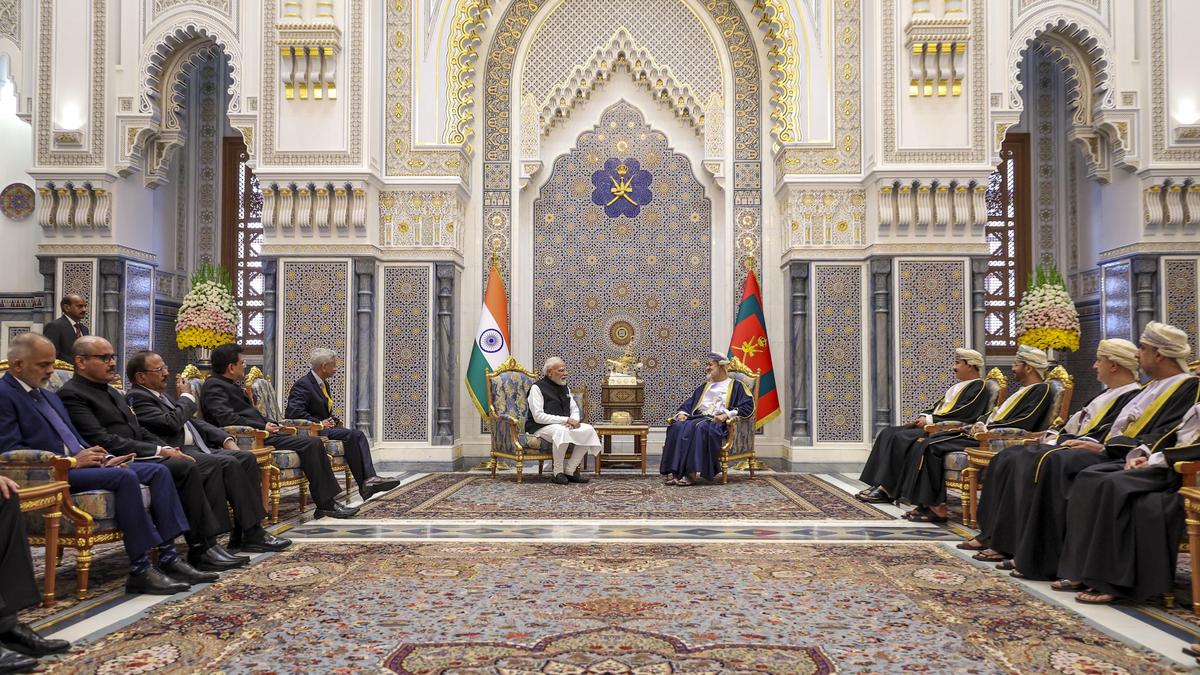
India and Oman Sign Landmark Comprehensive Economic Partnership Agreement (CEPA)
What’s the News?
- India and Oman have officially signed a Comprehensive Economic Partnership Agreement (CEPA) to significantly deepen bilateral economic engagement.
- This landmark agreement marks Oman’s first bilateral trade deal with any country since 2006 and India’s second CEPA with a Gulf Cooperation Council (GCC) member after the UAE.
- The pact aims to eliminate or reduce customs duties on the majority of goods, liberalize services trade, and enhance the mobility of professionals.
- It is expected to boost Indian exports by at least $2 billion in the near term and strengthen supply chain resilience in the Gulf region.
Provisions of the CEPA
- Tariff Liberalisation:
- Oman grants duty-free access on 98.08% of its tariff lines, covering 99.38% of India’s exports by value.
- India offers liberalised tariffs on 77.79% of its tariff lines, covering 94.81% of imports from Oman.
- Coverage of Indian Exports to Oman (2024–25):
- Total: $4.06 billion
- Top categories:
- Petroleum products: 35.1%
- Processed minerals: 9.2%
- Aircraft & parts: 4.3%
- Cosmetics & toiletries: 3.6%
- Basmati rice: 3.6%
(Top 5 categories = ~55% of exports).
- Coverage of Indian Imports from Oman (2024–25):
- Total: $6.5 billion
- Top categories:
- Crude oil & petroleum gases: 38%
- Mineral/chemical fertilisers: 16.3%
- Acyclic alcohols: 6.6%
- Ammonia: 5.8%
(Top 4 categories = ~66% of imports).
Boost to Labour-Intensive Sectors
The CEPA provides full tariff elimination for key employment-generating sectors, strengthening MSMEs, artisans, and women-led enterprises:
- Gems & jewellery
- Textiles
- Leather & footwear
- Sports goods
- Plastics & furniture
- Agricultural products
- Engineering products
- Pharmaceuticals & medical devices
- Automobiles.
India has retained safeguards for sensitive items, including:
- Dairy, tea, coffee, rubber, tobacco
- Gold & silver bullion, jewellery
- Scrap of base metals.
Services Sector Opportunities
Oman has made unprecedented commitments across 127 sub-sectors, including:
- IT & computer-related services
- Business & professional services
- Audio-visual, R&D, education
- Health & medical services.
Additional benefits:
- 100% FDI allowed for Indian companies in major services sectors via commercial presence.
- Expected to unlock high-value jobs and deepen commercial engagement.
Enhanced Mobility for Indian Professionals (Mode 4)
For the first time, Oman has offered substantial Mode 4 (movement of natural persons) commitments 35:
- Intra-Corporate Transferees (ICT) quota increased from 20% to 50%.
- Contractual Service Suppliers (CSS) stay extended from 90 days to 2 years, with potential 2-year extension.
- Liberal entry/stay for professionals in:
- Accountancy & taxation
- Architecture
- Medical & allied services.
Additional Info
- Institutional Mechanisms:
- Oman-India Joint Investment Fund (OIJIF): A 50:50 joint venture between the State Bank of India and the Oman Investment Authority, which has facilitated multi-tranche investments in Indian projects.
- OMIFCO: A flagship $969 million joint venture fertilizer plant in Oman that significantly supports India’s urea requirements.
- Diaspora and Remittances:
- Approximately 6.75 lakh Indian nationals reside in Oman, contributing nearly $2 billion in annual remittances to India.
Sources
Parliament Passes Sabka Bima Sabki Raksha (Amendment of Insurance Laws) Bill, 2025

What’s the News?
- The Parliament of India has passed the Sabka Bima Sabki Raksha (Amendment of Insurance Laws) Bill, 2025, marking a significant overhaul of the country's insurance framework.
- The legislation amends three primary acts: the Insurance Act, 1938, the Life Insurance Corporation (LIC) Act, 1956, and the Insurance Regulatory and Development Authority of India (IRDAI) Act, 1999.
- A major highlight is the increase in the Foreign Direct Investment (FDI) limit in insurance companies from 74% to 100%, allowing full foreign ownership for the first time.
- The primary objective is to achieve "Insurance for All by 2047" by attracting global capital, enhancing competition, and deepening insurance penetration in India.
Major Reforms
FDI Liberalisation
- FDI cap in insurance companies increased to 100%, with a safeguard requiring at least one top executive (Chairman/MD/CEO) to be an Indian citizen.
- Expected to attract long-term capital, global risk management practices, and technology, leading to competitive pricing and broader product offerings.
Enhanced IRDAI Powers
- IRDAI granted SEBI-like enforcement powers to recover wrongful gains and penalise violations.
- Authority to frame regulations on mergers, policyholder protection, and intermediary conduct.
- Creation of two new funds:
- Reserve Fund: 25% of IRDAI’s annual surplus to be deposited.
- Policyholders’ Education and Protection Fund: Financed through penalties, aimed at awareness and redressal.
Operational Flexibility for LIC
- LIC can now open new zonal offices without prior government approval, enabling faster expansion and decentralisation.
Streamlined Intermediary Regulation
- Introduction of one-time, perpetual registration for insurance intermediaries, replacing the existing 3-year renewal cycle.
- Aims to reduce compliance burden and improve service delivery.
Additional Info
- Institutional Framework:
- IRDAI: Established in 1999 following the Malhotra Committee recommendations to regulate and develop the insurance sector.
- Insurance Penetration: Currently stands at approximately 4% of GDP in India, significantly lower than the global average of ~7%.
- Policy Context:
- Insurance for All by 2047: A strategic goal to provide every citizen and enterprise with adequate insurance coverage by the centenary of India's independence.
- GIC Re: Currently the dominant player in India's reinsurance market; the Bill's lower NOF norms aim to introduce more private competition to this state-dominated segment.
Sources
December 2025
31 December 202530 December 202529 December 202527 December 202526 December 202524 December 202523 December 202522 December 202520 December 202519 December 202518 December 202517 December 202516 December 202515 December 202513 December 202512 December 202511 December 202510 December 202509 December 202508 December 202505 December 202504 December 202503 December 202502 December 2025
Archive
November 2026
- 28 November 2026
- 27 November 2026
- 26 November 2026
- 25 November 2026
- 24 November 2026
- 23 November 2026
- 21 November 2026
- 20 November 2026
- 19 November 2026
- 18 November 2026
- 17 November 2026
- 16 November 2026
- 14 November 2026
- 13 November 2026
- 12 November 2026
- 11 November 2026
- 10 November 2026
- 09 November 2026
- 06 November 2026
- 05 November 2026
- 04 November 2026
- 03 November 2026
- 02 November 2026
October 2026
- 31 October 2026
- 30 October 2026
- 29 October 2026
- 28 October 2026
- 27 October 2026
- 26 October 2026
- 24 October 2026
- 23 October 2026
- 22 October 2026
- 21 October 2026
- 20 October 2026
- 19 October 2026
- 17 October 2026
- 16 October 2026
- 15 October 2026
- 14 October 2026
- 13 October 2026
- 12 October 2026
- 10 October 2026
- 09 October 2026
- 08 October 2026
- 07 October 2026
- 06 October 2026
- 05 October 2026
- 03 October 2026
- 02 October 2026
- 01 October 2026
September 2026
- 30 September 2026
- 29 September 2026
- 28 September 2026
- 26 September 2026
- 25 September 2026
- 24 September 2026
- 23 September 2026
- 22 September 2026
- 21 September 2026
- 19 September 2026
- 18 September 2026
- 17 September 2026
- 16 September 2026
- 15 September 2026
- 12 September 2026
- 11 September 2026
- 10 September 2026
- 09 September 2026
- 08 September 2026
- 07 September 2026
- 05 September 2026
- 04 September 2026
- 03 September 2026
- 02 September 2026
- 01 September 2026
August 2026
- 31 August 2026
- 29 August 2026
- 27 August 2026
- 26 August 2026
- 25 August 2026
- 24 August 2026
- 22 August 2026
- 21 August 2026
- 20 August 2026
- 19 August 2026
- 18 August 2026
- 17 August 2026
- 14 August 2026
- 13 August 2026
- 12 August 2026
- 11 August 2026
- 10 August 2026
- 08 August 2026
- 07 August 2026
- 06 August 2026
- 05 August 2026
- 04 August 2026
- 03 August 2026
- 01 August 2026
July 2026
- 31 July 2026
- 30 July 2026
- 29 July 2026
- 28 July 2026
- 27 July 2026
- 25 July 2026
- 23 July 2026
- 22 July 2026
- 21 July 2026
- 20 July 2026
- 18 July 2026
- 17 July 2026
- 15 July 2026
- 14 July 2026
- 13 July 2026
- 11 July 2026
- 10 July 2026
- 09 July 2026
- 08 July 2026
- 07 July 2026
- 06 July 2026
- 04 July 2026
- 03 July 2026
- 02 July 2026
- 01 July 2026
June 2026
May 2026
April 2026
March 2026
- 31 March 2026
- 30 March 2026
- 28 March 2026
- 27 March 2026
- 26 March 2026
- 25 March 2026
- 24 March 2026
- 23 March 2026
- 21 March 2026
- 20 March 2026
- 19 March 2026
- 18 March 2026
- 17 March 2026
- 16 March 2026
- 14 March 2026
- 13 March 2026
- 12 March 2026
- 11 March 2026
- 10 March 2026
- 09 March 2026
- 07 March 2026
- 06 March 2026
- 05 March 2026
- 03 March 2026
- 02 March 2026
February 2026
- 28 February 2026
- 27 February 2026
- 26 February 2026
- 25 February 2026
- 24 February 2026
- 23 February 2026
- 21 February 2026
- 20 February 2026
- 19 February 2026
- 18 February 2026
- 17 February 2026
- 16 February 2026
- 13 February 2026
- 12 February 2026
- 11 February 2026
- 10 February 2026
- 09 February 2026
- 07 February 2026
- 06 February 2026
- 05 February 2026
- 04 February 2026
- 03 February 2026
- 02 February 2026
January 2026
- 31 January 2026
- 30 January 2026
- 29 January 2026
- 28 January 2026
- 27 January 2026
- 26 January 2026
- 24 January 2026
- 23 January 2026
- 22 January 2026
- 21 January 2026
- 20 January 2026
- 19 January 2026
- 16 January 2026
- 15 January 2026
- 14 January 2026
- 13 January 2026
- 12 January 2026
- 10 January 2026
- 09 January 2026
- 08 January 2026
- 07 January 2026
- 06 January 2026
- 05 January 2026
- 03 January 2026
- 02 January 2026
- 01 January 2026
December 2025
- 31 December 2025
- 30 December 2025
- 29 December 2025
- 27 December 2025
- 26 December 2025
- 24 December 2025
- 23 December 2025
- 22 December 2025
- 20 December 2025
- 19 December 2025
- 18 December 2025
- 17 December 2025
- 16 December 2025
- 15 December 2025
- 13 December 2025
- 12 December 2025
- 11 December 2025
- 10 December 2025
- 09 December 2025
- 08 December 2025
- 05 December 2025
- 04 December 2025
- 03 December 2025
- 02 December 2025
November 2025
- 29 November 2025
- 28 November 2025
- 27 November 2025
- 26 November 2025
- 25 November 2025
- 24 November 2025
- 22 November 2025
- 21 November 2025
- 20 November 2025
- 19 November 2025
- 18 November 2025
- 17 November 2025
- 15 November 2025
- 14 November 2025
- 13 November 2025
- 12 November 2025
- 11 November 2025
- 10 November 2025
- 08 November 2025
- 07 November 2025
- 06 November 2025
- 05 November 2025
- 04 November 2025
- 03 November 2025
- 01 November 2025
October 2025
- 31 October 2025
- 30 October 2025
- 29 October 2025
- 28 October 2025
- 27 October 2025
- 25 October 2025
- 24 October 2025
- 23 October 2025
- 22 October 2025
- 21 October 2025
- 20 October 2025
- 18 October 2025
- 17 October 2025
- 16 October 2025
- 15 October 2025
- 14 October 2025
- 13 October 2025
- 11 October 2025
- 10 October 2025
- 09 October 2025
- 08 October 2025
- 07 October 2025
- 06 October 2025
- 04 October 2025
- 03 October 2025
- 02 October 2025
- 01 October 2025
September 2025
- 30 September 2025
- 29 September 2025
- 27 September 2025
- 26 September 2025
- 25 September 2025
- 24 September 2025
- 23 September 2025
- 22 September 2025
- 20 September 2025
- 19 September 2025
- 18 September 2025
- 17 September 2025
- 16 September 2025
- 15 September 2025
- 13 September 2025
- 12 September 2025
- 11 September 2025
- 10 September 2025
- 09 September 2025
- 08 September 2025
- 06 September 2025
- 05 September 2025
- 04 September 2025
- 03 September 2025
- 02 September 2025
- 01 September 2025
August 2025
- 30 August 2025
- 29 August 2025
- 28 August 2025
- 27 August 2025
- 26 August 2025
- 25 August 2025
- 23 August 2025
- 22 August 2025
- 21 August 2025
- 20 August 2025
- 19 August 2025
- 18 August 2025
- 16 August 2025
- 14 August 2025
- 13 August 2025
- 12 August 2025
- 11 August 2025
- 08 August 2025
- 07 August 2025
- 06 August 2025
- 05 August 2025
- 04 August 2025
- 02 August 2025
- 01 August 2025
July 2025
- 31 July 2025
- 30 July 2025
- 29 July 2025
- 28 July 2025
- 26 July 2025
- 25 July 2025
- 24 July 2025
- 23 July 2025
- 22 July 2025
- 21 July 2025
- 19 July 2025
- 18 July 2025
- 17 July 2025
- 16 July 2025
- 15 July 2025
- 12 July 2025
- 11 July 2025
- 10 July 2025
- 09 July 2025
- 07 July 2025
- 05 July 2025
- 04 July 2025
- 03 July 2025
- 02 July 2025
- 01 July 2025
June 2025
- 30 June 2025
- 28 June 2025
- 27 June 2025
- 26 June 2025
- 25 June 2025
- 24 June 2025
- 23 June 2025
- 21 June 2025
- 20 June 2025
- 19 June 2025
- 18 June 2025
- 17 June 2025
- 16 June 2025
- 14 June 2025
- 13 June 2025
- 12 June 2025
- 11 June 2025
- 10 June 2025
- 09 June 2025
- 07 June 2025
- 06 June 2025
- 05 June 2025
- 04 June 2025
- 03 June 2025
- 02 June 2025
May 2025
April 2025
- 30 April 2025
- 29 April 2025
- 28 April 2025
- 26 April 2025
- 25 April 2025
- 24 April 2025
- 23 April 2025
- 22 April 2025
- 21 April 2025
- 19 April 2025
- 18 April 2025
- 17 April 2025
- 16 April 2025
- 15 April 2025
- 14 April 2025
- 12 April 2025
- 11 April 2025
- 10 April 2025
- 09 April 2025
- 08 April 2025
- 07 April 2025
- 05 April 2025
- 04 April 2025
- 03 April 2025
- 02 April 2025
- 01 April 2025
March 2025
- 31 March 2025
- 29 March 2025
- 28 March 2025
- 27 March 2025
- 26 March 2025
- 25 March 2025
- 24 March 2025
- 22 March 2025
- 21 March 2025
- 20 March 2025
- 19 March 2025
- 18 March 2025
- 17 March 2025
- 15 March 2025
- 13 March 2025
- 12 March 2025
- 11 March 2025
- 10 March 2025
- 08 March 2025
- 07 March 2025
- 06 March 2025
- 05 March 2025
- 04 March 2025
- 03 March 2025
- 01 March 2025
February 2025
- 28 February 2025
- 27 February 2025
- 26 February 2025
- 25 February 2025
- 24 February 2025
- 22 February 2025
- 21 February 2025
- 20 February 2025
- 19 February 2025
- 18 February 2025
- 17 February 2025
- 15 February 2025
- 14 February 2025
- 13 February 2025
- 12 February 2025
- 11 February 2025
- 10 February 2025
- 08 February 2025
- 07 February 2025
- 06 February 2025
- 05 February 2025
- 04 February 2025
- 03 February 2025
- 01 February 2025
January 2025
- 31 January 2025
- 30 January 2025
- 29 January 2025
- 28 January 2025
- 27 January 2025
- 25 January 2025
- 24 January 2025
- 23 January 2025
- 22 January 2025
- 21 January 2025
- 20 January 2025
- 18 January 2025
- 17 January 2025
- 16 January 2025
- 15 January 2025
- 14 January 2025
- 13 January 2025
- 11 January 2025
- 10 January 2025
- 09 January 2025
- 08 January 2025
- 07 January 2025
- 06 January 2025
- 04 January 2025
- 03 January 2025
- 02 January 2025
- 01 January 2025