
Current Affairs
Stay updated with the latest national and international events.
20 March 2026
India's Bioeconomy Reaches $195 Billion Milestone in 2025
What's the News?
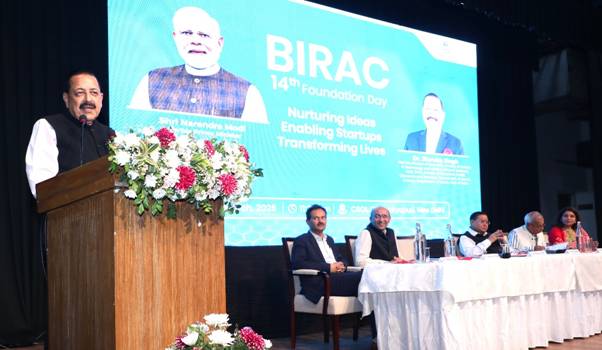
- The India BioEconomy Report (IBER) 2026 was released, revealing India's bioeconomy has reached $195.3 billion in 2025.
- The sector registered 18% annual growth, adding $29.6 billion in value during 2025.
- Dr. Jitendra Singh, Minister of State for Science and Technology, announced the report highlights India's biotechnology progress.
- India's bioeconomy now contributes approximately 4.8% to national GDP, positioning biotechnology as central to Viksit Bharat vision.
Bioeconomy Structure & Drivers
Four Core Segments:
- BioIndustrial — Nearly 50% contribution; includes bio-based manufacturing, bio-energy, and green materials
- BioPharma — Vaccines, therapeutics, and biologics
- BioServices — Research, clinical trials, and contract manufacturing
- BioAgri — Genetically modified crops, biopesticides, and sustainable agriculture
Growth Catalysts:
- BioE3 Policy (Biotechnology for Economy, Environment, and Employment) — Promotes precision biotherapeutics, smart proteins, climate-resilient agriculture, bio-based chemicals, and carbon capture technologies
- Startup Ecosystem — Over 11,800 biotech startups operational nationwide, with increasing participation from tier-2 and tier-3 cities
- BIRAC Funding — Enabled more than ₹4,200 crore in funding support across 1.5+ lakh startups, entrepreneurs, companies, and innovators
- Research, Development, and Innovation (RDI) Fund — ₹1 lakh crore outlay to support deep-tech biotechnology ventures ready for scale-up
Investment & Infrastructure Landscape
| Metric | Value |
|---|---|
| Total Bioeconomy Value (2025) | $195.3 billion |
| Year-on-Year Growth | 18% |
| Annual Growth Rate (CAGR) | 17–18% |
| GDP Contribution | ~4.8% |
| Biotech Startups | 11,800+ |
| BIRAC Funding Enabled | ₹4,200+ crore |
| Beneficiaries (Startups/Entrepreneurs) | 1.5+ lakh |
| 2025 Biotech Investments | $1.58 billion |
| Total Biotech Deals | 208 |
| Cumulative Investment (Biotech) | $4.6 billion |
Emerging Infrastructure:
- Biofoundries — Shared facilities for biomanufacturing
- Bio-AI Hubs — Integration of artificial intelligence with biotechnology research
- Advanced Biomanufacturing Platforms — Supporting indigenous production of critical biotherapeutics
Additional Info
- Biotechnology Industry Research Assistance Council (BIRAC):
- A not-for-profit Public Sector Enterprise established by the Department of Biotechnology (DBT).
- It acts as an interface agency to support and fund emerging biotech enterprises and startups.
- Department of Biotechnology (DBT):
- Functions under the Ministry of Science and Technology.
- Nodal agency responsible for promoting the development and application of biotechnology in agriculture, healthcare, and industry.
- National Biopharma Mission (NBM):
- An industry-academia collaborative mission for accelerating discovery research to early development for biopharmaceuticals.
- Bio-Manufacturing:
- A type of manufacturing that uses biological systems (such as living cells or enzymes) to produce commercially important biomolecules and materials.
Sources
World Happiness Report 2026: India Improves Ranking Amid Global Social Media Concerns

What's the News?
- The World Happiness Report 2026 was released, assessing happiness levels across 149 countries globally .
- Finland retained the top position for the ninth consecutive year, maintaining its status as the world's happiest nation .
- Afghanistan remained at the bottom position, continuing to face severe humanitarian and economic challenges .
- India improved its ranking compared to the previous year, showing positive progress in well-being indicators .
- The 2026 report specifically flagged social media risks as a significant factor affecting happiness, particularly among youth .
India's Performance & Ranking
- India's rank in World Happiness Report 2026: 105th out of 149 countries .
- India showed improvement from previous year's ranking, indicating progress in well-being metrics .
- Key factors influencing India's score include:
- Economic development and GDP per capita growth
- Social support systems and community bonds
- Health expectancy improvements
- Freedom of life choices
- India performs relatively better in social support and community connections compared to economic indicators .
Global Rankings: Top 10 Countries
- Finland: 1st position (9th consecutive year at top)
- Denmark: 2nd position
- Iceland: 3rd position
- Sweden: 4th position
- Israel: 5th position
- Netherlands: 6th position
- Norway: 7th position
- Luxembourg: 8th position
- Switzerland: 9th position
- Australia: 10th position
Key Findings: Social Media & Happiness
- 2026 Report Theme: Focus on social media impact on well-being, especially among younger populations .
- Concerns Identified:
- Excessive social media use correlates with lower happiness scores
- Mental health impacts including anxiety and depression linked to digital consumption
- Sleep disruption from nighttime social media engagement
- Social comparison leading to reduced life satisfaction
- Policy Recommendations:
- Digital wellness programs in educational institutions
- Screen time guidelines for children and adolescents
- Mental health support integrated with digital literacy
- Community-building initiatives to counter digital isolation
Report Methodology & Parameters
- Data Source: Gallup World Poll surveys conducted across 149 countries .
- Six Key Indicators used to measure happiness:
- GDP per capita: Economic output per person
- Social support: Having someone to count on in times of trouble
- Healthy life expectancy: Years of life in good health
- Freedom to make life choices: Autonomy in life decisions
- Generosity: Willingness to donate to charity
- Perceptions of corruption: Trust in government and business
- Evaluation Period: Data collected over 3-year rolling average for stability
- Life Evaluation Question: Based on Cantril Ladder Scale (0-10 rating of current life)
Additional Info
- Publishing Organization: UN Sustainable Development Solutions Network (SDSN)
- Report History:
- First World Happiness Report published in 2012
- Released annually around March 20 (International Day of Happiness)
- 2026 edition is the 15th edition of the report
- International Day of Happiness:
- Established by UN General Assembly in 2012
- Date: March 20 every year
- Recognizes happiness as a fundamental human goal
- Challenges Identified for India:
- Income inequality affecting happiness distribution
- Urban-rural divide in well-being metrics
- Mental health awareness and service accessibility
- Work-life balance in growing economy
Sources
Government Approves RELIEF Scheme to Support Exporters Amid West Asia Crisis
What's the News?
- The Union Government approved RELIEF (Resilience & Logistics Intervention for Export Facilitation) under the Export Promotion Mission (EPM) .
- The scheme has an outlay of ₹497 crore to support Indian exporters affected by West Asia logistics disruptions .
- Ministry of Commerce and Industry announced the intervention to address rising freight costs and insurance premiums .
- The scheme aims to ensure export continuity and protect exporter confidence amid geopolitical uncertainties .
- Department of Commerce will implement the scheme through DGFT (Directorate General of Foreign Trade) .
Scheme Overview & Objectives
- Full Name: Resilience & Logistics Intervention for Export Facilitation .
- Budget Outlay: ₹497 crore for the intervention period .
- Primary Objectives:
- Mitigate logistics and financial risks faced by exporters .
- Ensure continuity of export flows amid geopolitical disruptions .
- Protect exporter confidence and prevent order cancellations .
- Support exporters affected by extraordinary freight escalation .
- Address heightened insurance premia due to war-related risks .
- Target Beneficiaries: Indian exporters with consignments destined to West Asia region .
Components of RELIEF
- Three Complementary Components structure the intervention :
- Freight Cost Support: Reimbursement for escalated shipping costs due to route diversions .
- Insurance Premium Support: Coverage for heightened war-risk insurance charges .
- Logistics Disruption Relief: Compensation for delays and vessel diversions .
- Coverage Period: Shipments already dispatched during the disruption period .
- Geographic Coverage: Countries in West Asia region including United Arab Emirates and neighboring nations .
- Implementation: Time-bound intervention under Export Promotion Mission framework .
Export Promotion Mission (EPM) Context
- EPM Total Outlay: ₹25,060 crore for FY 2025-26 to FY 2030-31 .
- Mission Duration: Six years operational period .
- Nodal Ministry: Ministry of Commerce and Industry .
- Implementing Agency: Directorate General of Foreign Trade (DGFT) .
- EPM Objectives:
- Enhance export competitiveness of Indian products .
- Empower MSMEs for global export participation .
- Provide digital support for export facilitation .
- Offer interest subvention under Niryat Protsahan scheme .
- RELIEF Position: One of multiple interventions under the broader EPM framework .
Sources
National Highways Fee Rules 2026 Amended to Strengthen Toll Compliance
What's the News?
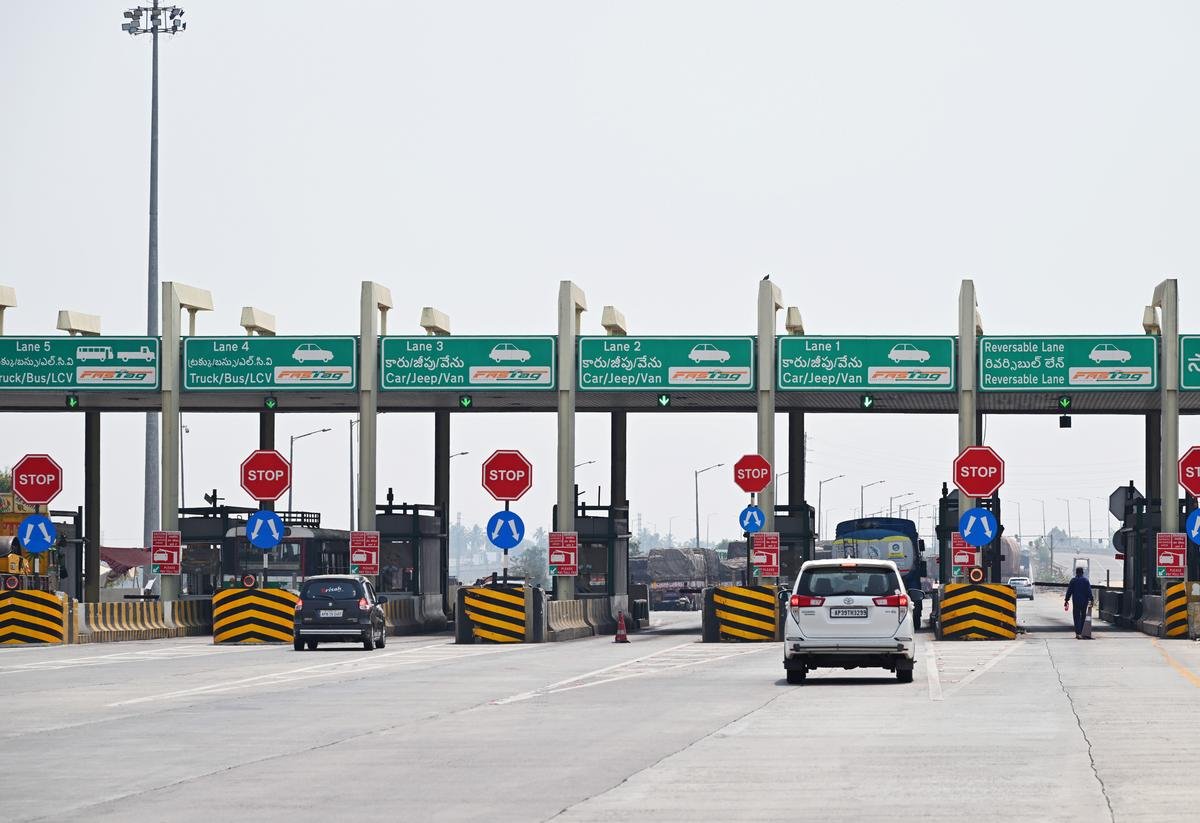
- The Government of India notified amendments to the National Highways Fee Rules, 2026 to strengthen toll compliance and digital enforcement .
- The amended rules came into effect from 17th March 2026 .
- Cash payments at National Highway toll plazas will be discontinued from 1st April 2026 .
- Only digital payment modes including FASTag and UPI will be accepted at toll plazas .
- The amendment introduces a structured definition of "unpaid user fee" and recovery mechanism .
- Over 1,150 toll plazas across National Highways will be affected by this transition .
Amendments & Provisions
- Digital-Only Payments: Cash transactions phased out; only FASTag and UPI accepted .
- Unpaid User Fee Definition: Clear legal definition introduced for toll evasion cases .
- Recovery Mechanism: Structured process for recovering unpaid toll fees established .
- Enhanced Penalties: Stricter consequences for toll payment violations .
- Digital Enforcement: Technology-driven monitoring of toll compliance .
- Implementation Timeline: Rules effective from March 2026; cash discontinuation from April 2026 .
Objectives
- Traffic Flow Improvement: Reduction in congestion at toll plazas .
- Operational Efficiency: Faster vehicle processing at toll points .
- Transparency Enhancement: Digital records reduce manual intervention .
- Revenue Protection: Minimize toll evasion and revenue leakage .
- Modernization: Align with technology-driven highway systems vision .
- User Convenience: Seamless payment experience for commuters .
Implementation Framework
- Nodal Ministry: Ministry of Road Transport and Highways (MoRTH) .
- Implementing Agency: National Highways Authority of India (NHAI) .
- Coverage: All National Highway toll plazas across India .
- Affected Infrastructure: Over 1,150 fee plazas nationwide .
- Payment Modes:
- FASTag: RFID-based electronic toll collection
- UPI: Unified Payments Interface for digital transactions
- Transition Period: February-March 2026 for stakeholder preparedness .
Additional Info
- National Highways Authority of India (NHAI):
- An autonomous statutory body under MoRTH, constituted by the NHAI Act, 1988.
- It is responsible for the development, maintenance, and management of National Highways.
- FASTag Technology:
- Utilizes Radio Frequency Identification (RFID) technology for making toll payments directly from a linked prepaid or savings account.
- Distance-Based Tolling vs. Fixed Tolling:
- Current system: Users pay a fixed fee at a plaza regardless of whether they traveled 5 km or 50 km.
- GNSS system: Ensures "pay-as-you-use," making it more equitable for short-distance commuters.
- Logistics Performance Index (LPI):
- Strengthening toll compliance and reducing transit time directly impacts India's ranking in the World Bank's LPI, which is crucial for lowering the national logistics cost (currently estimated at 13-14% of GDP).
Sources
Kalinjar Hill Declared National Geo-Heritage Site

What’s the News?
- The Geological Survey of India (GSI) has officially designated the hill region surrounding the historic Kalinjar Fort in Uttar Pradesh as a National Geo-Heritage Site.
- This recognition identifies the site as a rare geological marvel that preserves a massive timeline of Earth’s crustal evolution.
- It is the first site in Uttar Pradesh to receive this prestigious scientific status, aiming to integrate geological conservation with heritage tourism.
Kalinjar’s Geo-Heritage Significance?
- Eparchaean Unconformity: The site provides clear evidence of a rare geological phenomenon where two rock formations from vastly different periods meet.
- Geological Gap: It features 2.5-billion-year-old Bundelkhand granite (Archean age) directly overlain by 1.2-billion-year-old Kaimur sandstone (Vindhyan Supergroup).
- Chronological Record: This specific layering records a significant 1.3-billion-year gap in the Earth's geological history, offering researchers a "window" into ancient environmental shifts.
- Strategic Geography: The elevated, rocky terrain of the Vindhya Range (at approximately 1,203 feet) provided natural defensive advantages that historically made the fort nearly invincible.
Additional Info
- Kalinjar Fort: Historical & Cultural Context:
- Dynastic Rule: While its origins date back to the Gupta period, it reached its zenith under the Chandela dynasty (9th–13th century), who styled themselves as Kalanjaradhipati (Lord of Kalinjar).
- Military History: The fort famously resisted invasions by Mahmud of Ghazni, Qutb-ud-din Aibak, and Humayun; it was eventually captured by Akbar in 1569.
- Religious Significance: Home to the Neelkanth Mahadev Temple, where legend states Lord Shiva rested after consuming poison during the Samudra Manthan.
- National Geo-Heritage Sites in India:
- These are geological features or landscapes of national importance, identified and maintained by the GSI under the Ministry of Mines.
- India currently hosts over 30 such sites, including the Lonar Crater (Maharashtra) and the Tirupati Eparchaean Unconformity (Andhra Pradesh).
- Draft Geo-heritage Sites and Geo-relics Bill: Aimed at providing statutory protection to these sites to prevent illegal mining and encroachment.
GSI's Geo-Heritage Program
- Nodal Agency: Geological Survey of India under Ministry of Mines manages geo-heritage declarations.
- Total Sites: India now has 34 official National Geological Heritage Monument Sites.
- Identification Criteria: Sites must demonstrate rare, unique, or representative geological features.
- Conservation Objective: Protect geological formations from mining, construction, and environmental degradation.
- Geo-Tourism Potential: Promotes scientific tourism and public awareness of Earth's history.
Sources
Citizen Scientists Help Explain Intense Solar Flares from Active Sun Regions
What's the News?
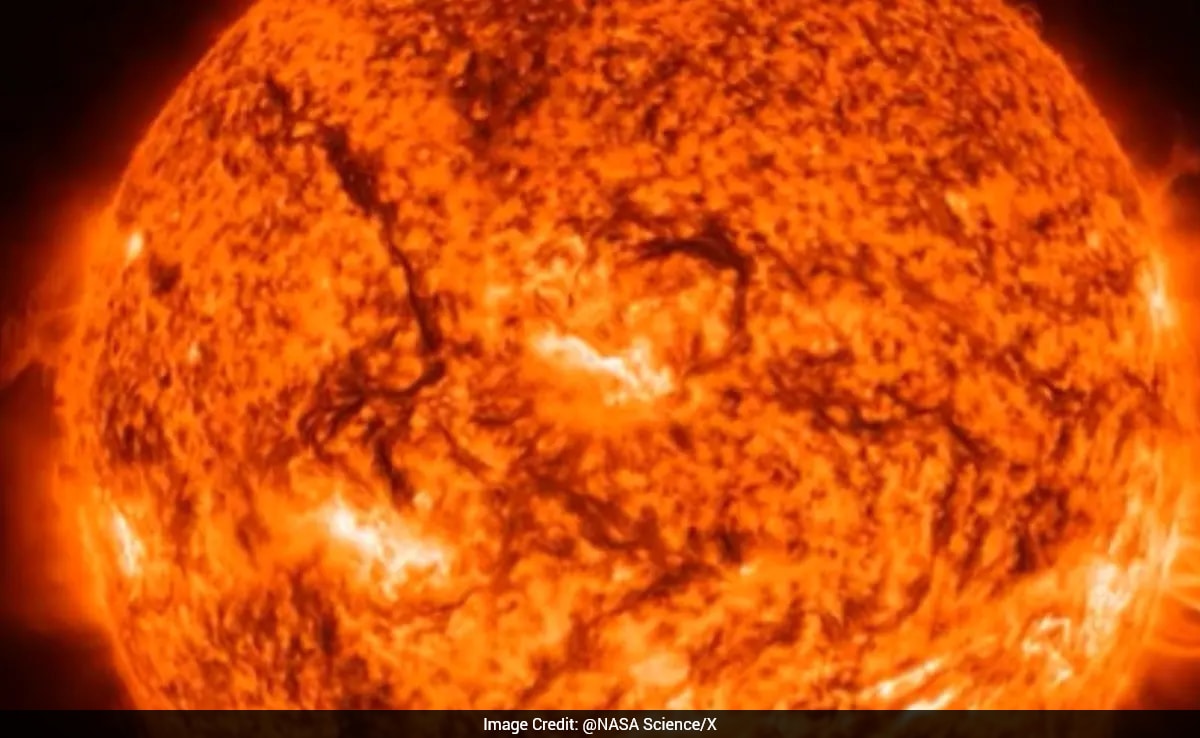
- NASA citizen science volunteers discovered that some regions on the Sun produce far more solar flares than previously expected .
- The study explains why certain active sun regions generate more intense solar flares compared to others .
- Researchers found that regions with longer periods of activity produce significantly more solar flares than short-lived active regions .
- The discovery utilized data from NASA's Solar Dynamics Observatory (SDO) reviewed by citizen scientists .
- This research helps improve understanding of the Sun's magnetic behavior and space weather forecasting .
Research Findings
- Active Region Longevity: Sun regions staying active for months produce more flares than expected .
- Flare Rate Discovery: Citizen scientists identified oddly high solar flare rates in specific active regions .
- Magnetic Field Analysis: Study examined how magnetic energy storage leads to flare eruptions .
- Prediction Improvement: Findings enable better space weather forecasting for Earth protection .
- Solar Cycle Context: Research conducted during Solar Cycle 25 activity phase .
Solar Flare Classification & Impact
- X-Class Flares: Most intense explosions the Sun can produce .
- Flare Intensity Scale: Each step up represents ten times more energy .
- Recent Activity: X8.3-class flare recorded as strongest of 2026 .
- February 2026 Events: Six solar flares erupted between February 1-4, 2026 .
- Earth Effects: Strong flares can trigger auroras and affect satellite communications .
Citizen Science Contribution
- NASA Citizen Science Program: Volunteers review solar observation data .
- Public Participation: Non-scientists contribute to solar physics research .
- Data Analysis: Volunteers examined Solar Dynamics Observatory images .
- Discovery Impact: Public involvement led to unexpected scientific findings .
- Research Collaboration: Professional scientists worked alongside citizen volunteers .
Additional Info
- NASA Missions & Instruments:
- Solar Dynamics Observatory (SDO): Primary satellite for solar observations
- Solar and Heliospheric Observatory (SOHO): Joint NASA-ESA mission
- Parker Solar Probe: Studies solar wind and corona
- Solar Terrestrial Relations Observatory (STEREO): Multi-angle solar viewing
- Solar Flare Categories:
- A-Class: Smallest flares, minimal Earth impact
- B-Class & C-Class: Minor flares, limited effects
- M-Class: Medium flares, can cause radio blackouts
- X-Class: Major flares, significant space weather events
- Space Weather Effects:
- Satellite Disruption: Communication and navigation systems affected
- Power Grid Risks: Geomagnetic storms can impact electrical infrastructure
- Astronaut Safety: Radiation exposure concerns for space missions
- Aurora Displays: Beautiful natural phenomenon from solar activity
- Indian Space Research Context:
- ISRO's Aditya-L1: India's first solar observatory mission
- Solar Study Objectives: Understand solar corona and space weather
- Solar Cycle Information:
- Solar Cycle 25: Current active cycle began in 2019
- Cycle Duration: Approximately 11 years per solar cycle
- Peak Activity: Solar maximum expected around 2025-2026
- Declining Phase: Activity may continue with occasional strong flares
Sources
March 2026
31 March 202630 March 202628 March 202627 March 202626 March 202625 March 202624 March 202623 March 202621 March 202620 March 202619 March 202618 March 202617 March 202616 March 202614 March 202613 March 202612 March 202611 March 202610 March 202609 March 202607 March 202606 March 202605 March 202603 March 202602 March 2026
Archive
November 2026
- 27 November 2026
- 26 November 2026
- 25 November 2026
- 24 November 2026
- 23 November 2026
- 21 November 2026
- 20 November 2026
- 19 November 2026
- 18 November 2026
- 17 November 2026
- 16 November 2026
- 14 November 2026
- 13 November 2026
- 12 November 2026
- 11 November 2026
- 10 November 2026
- 09 November 2026
- 06 November 2026
- 05 November 2026
- 04 November 2026
- 03 November 2026
- 02 November 2026
October 2026
- 31 October 2026
- 30 October 2026
- 29 October 2026
- 28 October 2026
- 27 October 2026
- 26 October 2026
- 24 October 2026
- 23 October 2026
- 22 October 2026
- 21 October 2026
- 20 October 2026
- 19 October 2026
- 17 October 2026
- 16 October 2026
- 15 October 2026
- 14 October 2026
- 13 October 2026
- 12 October 2026
- 10 October 2026
- 09 October 2026
- 08 October 2026
- 07 October 2026
- 06 October 2026
- 05 October 2026
- 03 October 2026
- 02 October 2026
- 01 October 2026
September 2026
- 30 September 2026
- 29 September 2026
- 28 September 2026
- 26 September 2026
- 25 September 2026
- 24 September 2026
- 23 September 2026
- 22 September 2026
- 21 September 2026
- 19 September 2026
- 18 September 2026
- 17 September 2026
- 16 September 2026
- 15 September 2026
- 12 September 2026
- 11 September 2026
- 10 September 2026
- 09 September 2026
- 08 September 2026
- 07 September 2026
- 05 September 2026
- 04 September 2026
- 03 September 2026
- 02 September 2026
- 01 September 2026
August 2026
- 31 August 2026
- 29 August 2026
- 27 August 2026
- 26 August 2026
- 25 August 2026
- 24 August 2026
- 22 August 2026
- 21 August 2026
- 20 August 2026
- 19 August 2026
- 18 August 2026
- 17 August 2026
- 14 August 2026
- 13 August 2026
- 12 August 2026
- 11 August 2026
- 10 August 2026
- 08 August 2026
- 07 August 2026
- 06 August 2026
- 05 August 2026
- 04 August 2026
- 03 August 2026
- 01 August 2026
July 2026
- 31 July 2026
- 30 July 2026
- 29 July 2026
- 28 July 2026
- 27 July 2026
- 25 July 2026
- 23 July 2026
- 22 July 2026
- 21 July 2026
- 20 July 2026
- 18 July 2026
- 17 July 2026
- 15 July 2026
- 14 July 2026
- 13 July 2026
- 11 July 2026
- 10 July 2026
- 09 July 2026
- 08 July 2026
- 07 July 2026
- 06 July 2026
- 04 July 2026
- 03 July 2026
- 02 July 2026
- 01 July 2026
June 2026
May 2026
April 2026
March 2026
- 31 March 2026
- 30 March 2026
- 28 March 2026
- 27 March 2026
- 26 March 2026
- 25 March 2026
- 24 March 2026
- 23 March 2026
- 21 March 2026
- 20 March 2026
- 19 March 2026
- 18 March 2026
- 17 March 2026
- 16 March 2026
- 14 March 2026
- 13 March 2026
- 12 March 2026
- 11 March 2026
- 10 March 2026
- 09 March 2026
- 07 March 2026
- 06 March 2026
- 05 March 2026
- 03 March 2026
- 02 March 2026
February 2026
- 28 February 2026
- 27 February 2026
- 26 February 2026
- 25 February 2026
- 24 February 2026
- 23 February 2026
- 21 February 2026
- 20 February 2026
- 19 February 2026
- 18 February 2026
- 17 February 2026
- 16 February 2026
- 13 February 2026
- 12 February 2026
- 11 February 2026
- 10 February 2026
- 09 February 2026
- 07 February 2026
- 06 February 2026
- 05 February 2026
- 04 February 2026
- 03 February 2026
- 02 February 2026
January 2026
- 31 January 2026
- 30 January 2026
- 29 January 2026
- 28 January 2026
- 27 January 2026
- 26 January 2026
- 24 January 2026
- 23 January 2026
- 22 January 2026
- 21 January 2026
- 20 January 2026
- 19 January 2026
- 16 January 2026
- 15 January 2026
- 14 January 2026
- 13 January 2026
- 12 January 2026
- 10 January 2026
- 09 January 2026
- 08 January 2026
- 07 January 2026
- 06 January 2026
- 05 January 2026
- 03 January 2026
- 02 January 2026
- 01 January 2026
December 2025
- 31 December 2025
- 30 December 2025
- 29 December 2025
- 27 December 2025
- 26 December 2025
- 24 December 2025
- 23 December 2025
- 22 December 2025
- 20 December 2025
- 19 December 2025
- 18 December 2025
- 17 December 2025
- 16 December 2025
- 15 December 2025
- 13 December 2025
- 12 December 2025
- 11 December 2025
- 10 December 2025
- 09 December 2025
- 08 December 2025
- 05 December 2025
- 04 December 2025
- 03 December 2025
- 02 December 2025
November 2025
- 29 November 2025
- 28 November 2025
- 27 November 2025
- 26 November 2025
- 25 November 2025
- 24 November 2025
- 22 November 2025
- 21 November 2025
- 20 November 2025
- 19 November 2025
- 18 November 2025
- 17 November 2025
- 15 November 2025
- 14 November 2025
- 13 November 2025
- 12 November 2025
- 11 November 2025
- 10 November 2025
- 08 November 2025
- 07 November 2025
- 06 November 2025
- 05 November 2025
- 04 November 2025
- 03 November 2025
- 01 November 2025
October 2025
- 31 October 2025
- 30 October 2025
- 29 October 2025
- 28 October 2025
- 27 October 2025
- 25 October 2025
- 24 October 2025
- 23 October 2025
- 22 October 2025
- 21 October 2025
- 20 October 2025
- 18 October 2025
- 17 October 2025
- 16 October 2025
- 15 October 2025
- 14 October 2025
- 13 October 2025
- 11 October 2025
- 10 October 2025
- 09 October 2025
- 08 October 2025
- 07 October 2025
- 06 October 2025
- 04 October 2025
- 03 October 2025
- 02 October 2025
- 01 October 2025
September 2025
- 30 September 2025
- 29 September 2025
- 27 September 2025
- 26 September 2025
- 25 September 2025
- 24 September 2025
- 23 September 2025
- 22 September 2025
- 20 September 2025
- 19 September 2025
- 18 September 2025
- 17 September 2025
- 16 September 2025
- 15 September 2025
- 13 September 2025
- 12 September 2025
- 11 September 2025
- 10 September 2025
- 09 September 2025
- 08 September 2025
- 06 September 2025
- 05 September 2025
- 04 September 2025
- 03 September 2025
- 02 September 2025
- 01 September 2025
August 2025
- 30 August 2025
- 29 August 2025
- 28 August 2025
- 27 August 2025
- 26 August 2025
- 25 August 2025
- 23 August 2025
- 22 August 2025
- 21 August 2025
- 20 August 2025
- 19 August 2025
- 18 August 2025
- 16 August 2025
- 14 August 2025
- 13 August 2025
- 12 August 2025
- 11 August 2025
- 08 August 2025
- 07 August 2025
- 06 August 2025
- 05 August 2025
- 04 August 2025
- 02 August 2025
- 01 August 2025
July 2025
- 31 July 2025
- 30 July 2025
- 29 July 2025
- 28 July 2025
- 26 July 2025
- 25 July 2025
- 24 July 2025
- 23 July 2025
- 22 July 2025
- 21 July 2025
- 19 July 2025
- 18 July 2025
- 17 July 2025
- 16 July 2025
- 15 July 2025
- 12 July 2025
- 11 July 2025
- 10 July 2025
- 09 July 2025
- 07 July 2025
- 05 July 2025
- 04 July 2025
- 03 July 2025
- 02 July 2025
- 01 July 2025
June 2025
- 30 June 2025
- 28 June 2025
- 27 June 2025
- 26 June 2025
- 25 June 2025
- 24 June 2025
- 23 June 2025
- 21 June 2025
- 20 June 2025
- 19 June 2025
- 18 June 2025
- 17 June 2025
- 16 June 2025
- 14 June 2025
- 13 June 2025
- 12 June 2025
- 11 June 2025
- 10 June 2025
- 09 June 2025
- 07 June 2025
- 06 June 2025
- 05 June 2025
- 04 June 2025
- 03 June 2025
- 02 June 2025
May 2025
April 2025
- 30 April 2025
- 29 April 2025
- 28 April 2025
- 26 April 2025
- 25 April 2025
- 24 April 2025
- 23 April 2025
- 22 April 2025
- 21 April 2025
- 19 April 2025
- 18 April 2025
- 17 April 2025
- 16 April 2025
- 15 April 2025
- 14 April 2025
- 12 April 2025
- 11 April 2025
- 10 April 2025
- 09 April 2025
- 08 April 2025
- 07 April 2025
- 05 April 2025
- 04 April 2025
- 03 April 2025
- 02 April 2025
- 01 April 2025
March 2025
- 31 March 2025
- 29 March 2025
- 28 March 2025
- 27 March 2025
- 26 March 2025
- 25 March 2025
- 24 March 2025
- 22 March 2025
- 21 March 2025
- 20 March 2025
- 19 March 2025
- 18 March 2025
- 17 March 2025
- 15 March 2025
- 13 March 2025
- 12 March 2025
- 11 March 2025
- 10 March 2025
- 08 March 2025
- 07 March 2025
- 06 March 2025
- 05 March 2025
- 04 March 2025
- 03 March 2025
- 01 March 2025
February 2025
- 28 February 2025
- 27 February 2025
- 26 February 2025
- 25 February 2025
- 24 February 2025
- 22 February 2025
- 21 February 2025
- 20 February 2025
- 19 February 2025
- 18 February 2025
- 17 February 2025
- 15 February 2025
- 14 February 2025
- 13 February 2025
- 12 February 2025
- 11 February 2025
- 10 February 2025
- 08 February 2025
- 07 February 2025
- 06 February 2025
- 05 February 2025
- 04 February 2025
- 03 February 2025
- 01 February 2025
January 2025
- 31 January 2025
- 30 January 2025
- 29 January 2025
- 28 January 2025
- 27 January 2025
- 25 January 2025
- 24 January 2025
- 23 January 2025
- 22 January 2025
- 21 January 2025
- 20 January 2025
- 18 January 2025
- 17 January 2025
- 16 January 2025
- 15 January 2025
- 14 January 2025
- 13 January 2025
- 11 January 2025
- 10 January 2025
- 09 January 2025
- 08 January 2025
- 07 January 2025
- 06 January 2025
- 04 January 2025
- 03 January 2025
- 02 January 2025
- 01 January 2025