
Current Affairs
Stay updated with the latest national and international events.
21 May 2025
MGNREGS: Report Highlights Gaps Between Scheme's Reach and Actual Employment Delivery
A recent report has brought to light significant concerns regarding the implementation of the Mahatma Gandhi National Rural Employment Guarantee Scheme (MGNREGS), revealing a mismatch between the scheme's extensive coverage and its actual delivery of employment and wages to rural households. The findings, likely from civil society organizations such as LibTech India or People’s Action for Employment Guarantee (PAEG) which actively track the scheme, underscore ongoing challenges despite the program's critical role as a rural safety net.
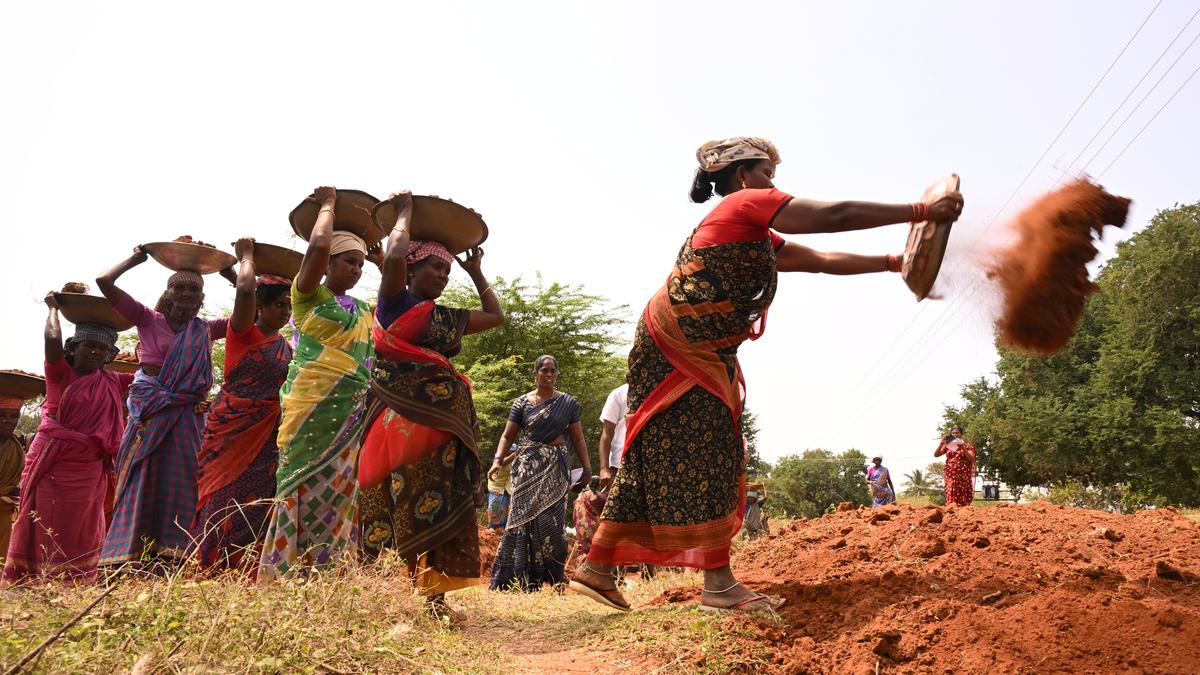
Key Concerns Highlighted in Recent Analyses:
Recent reports and analyses, including those for the financial year 2024-25, have pointed to several critical issues:
- Decline in Employment Provided:
- Despite an increase in the number of registered households under MGNREGS (some reports indicate an 8.6% rise in FY 2024-25), the actual person-days of employment generated have reportedly fallen (e.g., by around 7.1% in FY 2024-25).
- The average days of employment provided per household have also decreased (e.g., from 52.42 days in FY 2023-24 to 50.18 days in FY 2024-25).
- A very small percentage of households (around 7%) that demanded work actually completed the guaranteed 100 days of employment.
- Regional Disparities: There are significant variations in the scheme's performance across states. States like Odisha (a reported decline of 34.8% in person-days), Tamil Nadu (–25.1%), and Rajasthan (–15.9%) have seen sharp drops in employment days, while a few like Maharashtra (+39.7%) and Bihar (+13.3%) registered increases.
- Delayed Wage Payments: This remains a persistent and critical issue. Delays in wage payments undermine the fundamental right to timely compensation guaranteed under the MGNREGA (which mandates payment within 15 days of work completion) and act as a major disincentive for workers.
- Inadequate Budget Allocation:
- Civil society groups like PAEG have consistently argued that budgetary allocations for MGNREGS are insufficient to meet the actual demand for work. For instance, while PAEG recommended ₹2.64 lakh crore for FY 2022-23, the Union government allocated ₹86,000 crore for FY 2024-25.
- Underfunding can lead to rationing of work, suppression of demand, and accumulation of wage arrears.
- Issues with Technological Interventions:
- Aadhaar Based Payment System (ABPS): While intended to streamline payments and reduce leakages, the mandatory implementation of ABPS has reportedly led to exclusion errors. A significant percentage of workers (around 27.5% of all workers and 1.5% of active workers as of April 2025, according to a LibTech India report) were still found ineligible for ABPS, potentially denying them work or wages.
- National Mobile Monitoring System (NMMS): The app-based attendance system, requiring geo-tagged photos, has faced criticism for issues related to poor internet connectivity in rural areas, non-availability of smartphones, app glitches, and difficulties faced by workers, sometimes leading to non-registration of attendance and wage loss. Parliamentary committees have also raised concerns about these technical glitches.
- Job Card Deletions: While in FY 2024-25 additions to job cards reportedly exceeded deletions for the first time in a few years (2.22 crore new additions vs. 99 lakh deletions), massive deletions in previous years (e.g., 7.8 crore between 2022-24) due to reasons like ABPS non-compliance or minor errors have raised concerns about workers being unfairly excluded.
About MGNREGS: A Lifeline for Rural India
- Legal Guarantee: The Mahatma Gandhi National Rural Employment Guarantee Act (MGNREGA), 2005, provides a legal guarantee for at least 100 days of wage employment in a financial year to every rural household whose adult members volunteer to do unskilled manual work.
- Demand-Driven: It is a demand-driven scheme, meaning employment must be provided when a registered household demands work. An unemployment allowance is payable if work is not provided within 15 days of demand.
- Key Objectives:
- Enhance livelihood security in rural areas.
- Create durable community assets (like roads, ponds, irrigation facilities).
- Empower rural poor, especially women (who consistently form over 50% of the workforce), Scheduled Castes (SCs), and Scheduled Tribes (STs).
- Strengthen Panchayati Raj Institutions (PRIs) by involving them in planning and implementation.
- Reduce distress migration.
- Funding: The Central Government bears 100% of the cost of unskilled manual labour and 75% of the material cost. State governments contribute 25% of the material cost and the unemployment allowance.
SC Orders States/UTs to Reclaim Reserved Forests Illegally Allotted to Private Parties
In a landmark judgment with far-reaching implications for forest conservation in India, the Supreme Court on May 15-16, 2025, has directed all States and Union Territories (UTs) to identify and reclaim reserved forest lands that were illegally allotted to private individuals or institutions for non-forestry purposes. The apex court has mandated the constitution of Special Investigation Teams (SITs) by Chief Secretaries of all States and Administrators of UTs to examine such allotments and ensure the possession of these lands is handed back to the respective Forest Departments within one year.
This crucial ruling, delivered by a bench headed by Chief Justice of India B.R. Gavai and comprising Justices Augustine George Masih and K. Vinod Chandran, underscores the judiciary's unwavering commitment to protecting India's forests and upholding the public trust doctrine.
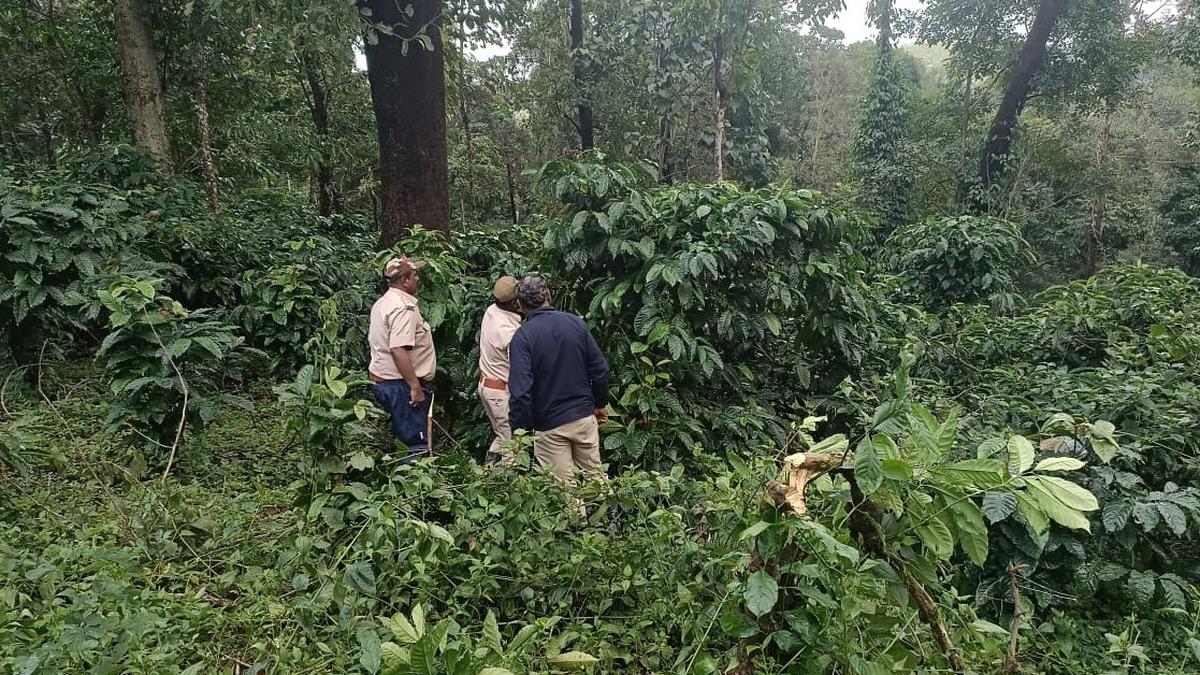
Key Directives from the Supreme Court:
- Formation of SITs: Chief Secretaries/Administrators are to constitute SITs to examine if any reserved forest land, particularly those in possession of Revenue Departments, has been improperly allotted to private entities.
- Reclamation of Forest Land: States and UTs must take concrete steps to take back possession of such illegally allotted lands and transfer them to the Forest Department.
- Timeline for Action: The entire exercise of identifying, reclaiming, and transferring these lands to the Forest Department must be completed within one year from the date of the judgment.
- Cost Recovery if Reclamation Not Feasible: In exceptional cases where taking back possession of the land is deemed not to be in the larger public interest (e.g., due to irreversible developments), the State Governments/UTs are directed to recover the cost of the said land from the allottees. This recovered amount must then be utilized for the development of forests and afforestation on alternative land parcels.
- Future Use Restricted to Afforestation: The Court explicitly stated that any land reclaimed or for which costs are recovered under this order must hereinafter be used only for the purpose of afforestation.
- Case Origin: The directions came while deciding a case involving the illegal allotment of 11.89 hectares of reserved forest land in Kondhwa Budruk, Pune (Maharashtra). This land was originally allotted for agricultural purposes in 1998 and subsequently sold to a private housing society, Richie Rich Cooperative Housing Society Limited (RRCHS), in 1999. The Court found this allotment "totally illegal" and a "classic example" of a nexus between politicians, bureaucrats, and builders.
Rationale Behind the SC's Strong Stance:
The Supreme Court's judgment is rooted in several critical legal and environmental principles:
- Violation of Forest (Conservation) Act, 1980: The Court emphasized that Section 2 of the Forest (Conservation) Act, 1980 (FC Act) places an absolute restriction on the de-reservation of forests or the use of forest land for any non-forest purpose without the prior approval of the Central Government. Any allotment made after the FC Act came into force (October 25, 1980), or particularly after the Supreme Court's landmark orders in the T.N. Godavarman Thirumulpad case (December 12, 1996) which reinforced the FC Act's provisions, without Central Government approval, is illegal.
- Public Trust Doctrine: The Court strongly invoked the Public Trust Doctrine, which posits that natural resources like forests are held by the State in trust for the benefit of the public and cannot be alienated for private profit at the expense of ecological integrity. The judgment noted that officials involved in the Pune land allotment had acted in "total breach of public trust."
- Definition of "Forest": The judgment implicitly reinforces the broad definition of "forest" as established in the Godavarman case, which includes not only lands notified as forests but also those recorded as forests in government records, irrespective of ownership.
- Nexus and Misuse: The Court highlighted the "unholy nexus" between politicians, bureaucrats, and builders leading to the conversion of precious forest land for commercial purposes, often under dubious pretexts.
Understanding "Reserved Forests":
- Highest Protection: Under the Indian Forest Act, 1927, Reserved Forests are the most protected category of forests.
- Restricted Rights: In Reserved Forests, most activities like grazing, hunting, or felling of trees are prohibited unless specific permission is granted by forest officials. The aim is to conserve biodiversity, protect watersheds, and maintain ecological balance.
- Notification Process: Lands are declared as Reserved Forests through a formal notification process by the State Government, after settling any existing rights.
Legal Framework for Forest Protection in India:
- Indian Forest Act, 1927: Provides the basic framework for the protection and management of forests, and classification into Reserved, Protected, and Village Forests.
- Forest (Conservation) Act, 1980: The cornerstone of forest protection in India, enacted to check indiscriminate deforestation and diversion of forest land for non-forest uses. It mandates prior approval from the Central Government for any such diversion.
- Wildlife (Protection) Act, 1972: Provides for the protection of wild animals, birds, and plants, and for matters connected therewith, including the establishment of National Parks and Sanctuaries, many of which encompass forest areas.
- Constitutional Provisions:
- Article 48A (Directive Principles of State Policy): States that "The State shall endeavour to protect and improve the environment and to safeguard the forests and wild life of the country."
- Article 51A(g) (Fundamental Duties): Makes it a fundamental duty of every citizen "to protect and improve the natural environment including forests, lakes, rivers and wild life, and to have compassion for living creatures."
Dawn of Data-Rich Barcodes: Global Shift to New-Generation Codes by 2027
Get ready for a significant change in how product information is accessed and managed globally. By 2027, the world is set to embrace new-generation barcodes, such as QR codes powered by GS1 and GS1 DataMatrix codes, capable of holding vastly more information than the traditional linear barcodes we see on products today. This global transition, spearheaded by the international standards organization GS1 under its "Sunrise 2027" initiative, aims to enhance consumer experience, improve supply chain efficiency, and bolster product safety and traceability.
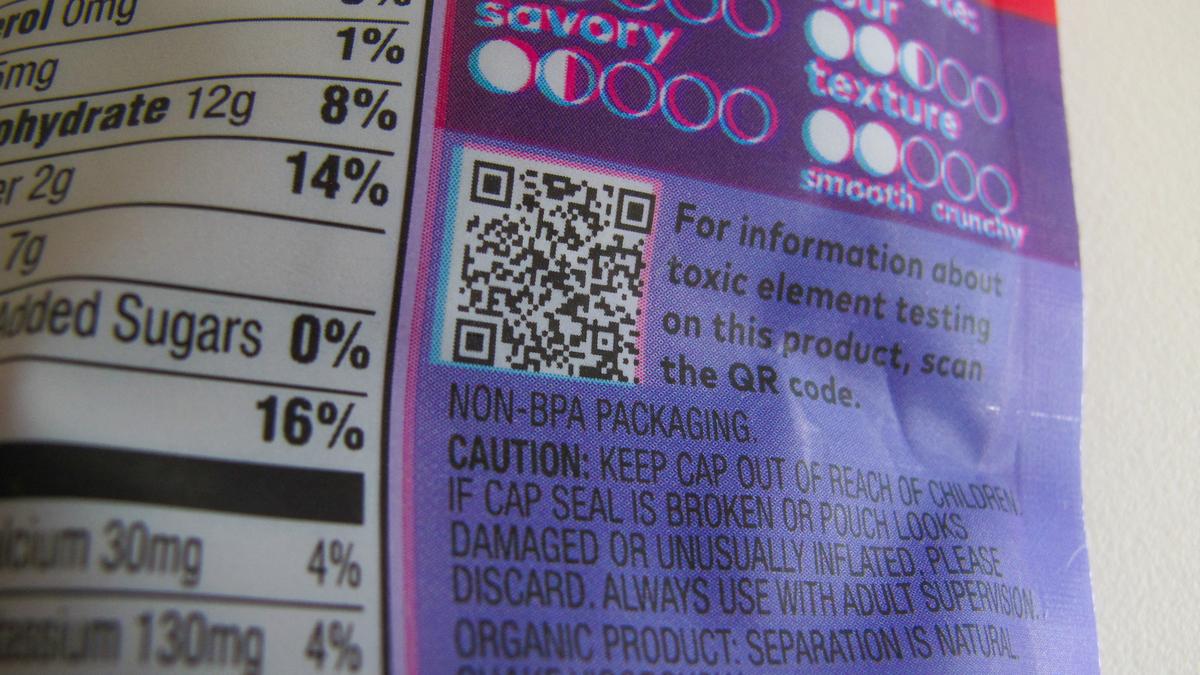
From Simple Lines to Smart Squares: The Barcode Evolution
- Traditional Barcodes (1D/Linear):
- For the past 50 years, the familiar linear barcodes (like EAN/UPC), consisting of vertical lines and spaces, have been a retail staple.
- Their primary function is to carry a Global Trade Item Number (GTIN), which identifies the product at the point of sale for price lookup.
- Limitation: They can only hold a small amount of data.
- New-Generation Barcodes (2D):
- These are typically square-shaped codes (like QR codes and GS1 DataMatrix) composed of small individual squares or dots.
- Massive Data Capacity: They can store significantly more information beyond just the GTIN. This includes:
- Expiry dates
- Batch/lot numbers
- Serial numbers
- Sourcing data/Origin information
- Sustainability details (e.g., recycling instructions)
- Allergen information
- Links to websites (URLs) for richer content (via GS1 Digital Link)
- Recall notices
- Accessibility: Many 2D codes, especially QR codes, can be easily scanned by consumers using their smartphones, providing instant access to this wealth of information.
The "Sunrise 2027" Initiative by GS1:
- GS1 (Global Standards 1) is a neutral, not-for-profit global organization that develops and maintains the most widely used supply chain standards, including barcodes. GS1 operates in 118 countries, supporting over 2 million businesses, with its barcodes scanned more than 10 billion times daily.
- The "Sunrise 2027" initiative is a global push by GS1 aiming for retailers worldwide to be capable of scanning and processing 2D barcodes at point-of-sale (POS) systems by the end of 2027.
- Coexistence, Not Immediate Replacement: This initiative doesn't mean traditional 1D barcodes will disappear overnight. For a transition period (at least through 2027), many products will likely feature dual labelling – both the old linear barcode and the new 2D code. The goal is to ensure POS systems can read the GTIN from 2D codes, eventually also processing additional data like expiry dates and batch numbers encoded within them using GS1 application identifiers.
- Global Effort: Pilots and preparations for this transition are already underway in numerous countries, representing a significant portion of global GDP. GS1 India is actively working with the government and private sector to facilitate this shift in India.
Benefits of Transitioning to New-Generation Barcodes:
This shift promises a multitude of advantages for various stakeholders:
- For Consumers:
- Enhanced Transparency: Access to detailed product information, including origin, ingredients, nutritional facts, allergens, sustainability practices, and certifications, enabling more informed purchasing decisions.
- Improved Safety: Easy access to recall information, expiry dates, and authenticity verification.
- Interactive Experience: Links to how-to guides, promotions, brand stories, and other engaging digital content.
- For Retailers:
- Improved Inventory Management: Better tracking of products, including expiry dates (crucial for reducing food waste – some studies show up to 40% reduction) and batch/lot numbers for efficient recalls.
- Enhanced Point-of-Sale Efficiency: Ability to capture more data with a single scan.
- Reduced Shrinkage and Fraud: Better traceability can help combat counterfeiting and manage returns more effectively.
- For Brands and Manufacturers:
- Enhanced Supply Chain Visibility: End-to-end traceability from raw materials to the consumer.
- Better Product Recall Management: Quick identification and tracking of affected batches.
- Direct Consumer Engagement: Opportunity to connect directly with consumers through QR codes linking to brand websites and value-added information.
- Regulatory Compliance: Easier adherence to growing regulatory demands for product information and traceability (e.g., in pharmaceuticals, food).
- For the Environment:
- Reduced Food Waste: Better management of perishable goods by tracking expiry dates.
- Sustainable Practices Information: Consumers can access information on a product's environmental impact and recycling instructions.
Additional Information:
- GS1 Digital Link: A standard that allows a single 2D barcode (like a QR code) to act as a gateway to multiple online resources. Depending on who scans it (consumer, retailer, regulator) and with what device, the code can direct them to different information (e.g., consumer to a product webpage, cashier to price information, supply chain partner to traceability data).
- Types of 2D Barcodes:
- QR Code (Quick Response Code): Widely recognizable and easily scanned by smartphones. Ideal for consumer engagement due to its ability to link to web content.
- GS1 DataMatrix: A type of 2D matrix barcode that is very compact and can store a large amount of data. It's often used in healthcare and industrial applications for marking small items and for its robustness.
- Integration with Emerging Technologies: New-generation barcodes are structured to support integration with technologies like Artificial Intelligence and Blockchain, especially for applications requiring secure and multi-party data sharing.
Remembering Sacrifices, Reinforcing Resolve: India Observes National Anti-Terrorism Day
India observed National Anti-Terrorism Day on May 21, 2025, reaffirming its unwavering commitment to combating terrorism in all its forms and manifestations. The day serves as a solemn occasion to remember the victims of terror attacks and to honour the sacrifices made by security personnel in the line of duty. It also aims to spread awareness about the dangers of terrorism and violence, promoting peace, harmony, and national unity.

Why May 21? The Historical Context
- Commemorating Rajiv Gandhi: National Anti-Terrorism Day is observed annually on May 21 to mark the death anniversary of former Indian Prime Minister Rajiv Gandhi. He was assassinated on this day in 1991 in Sriperumbudur, Tamil Nadu, by a suicide bomber from the Liberation Tigers of Tamil Eelam (LTTE) during an election campaign.
- Official Declaration: Following this tragic event, the V.P. Singh government officially declared May 21 as National Anti-Terrorism Day. The day is dedicated to honouring Rajiv Gandhi's memory and, more broadly, to raising awareness about the devastating impact of terrorism.
Significance and Objectives of the Day:
The observance of National Anti-Terrorism Day is multi-faceted:
- Spreading Awareness: To educate people, especially the youth, about the grave threats posed by terrorism and violence, and their detrimental impact on individuals, society, and the nation at large.
- Promoting Peace and Unity: To foster a spirit of peace, harmony, humanity, and national integration among citizens, encouraging them to stand united against divisive and violent ideologies.
- Paying Homage to Victims: To remember and honour all those who have lost their lives in terrorist attacks and to express solidarity with their families. This includes civilians as well as security personnel who have made the ultimate sacrifice.
- Reaffirming National Resolve: To reiterate India's strong commitment and determination to fight terrorism and to support governmental and global initiatives aimed at eliminating this menace.
- Encouraging Vigilance: To promote a culture of vigilance among citizens and highlight the crucial role of law enforcement agencies, intelligence services, and armed forces in maintaining internal security.
India's Unwavering Stance Against Terrorism:
India has been a long-standing victim of terrorism, particularly cross-border terrorism, and has adopted a "zero-tolerance" policy towards it.
- Legislative Framework:
- Unlawful Activities (Prevention) Act, 1967 (UAPA): This is the primary anti-terror law in India. It provides for more effective prevention of certain unlawful activities of individuals and associations and for dealing with terrorist activities. It has been amended several times (e.g., in 2004, 2008, 2012, 2019) to strengthen its provisions, including the power to designate individuals as terrorists.
- Institutional Mechanisms:
- National Investigation Agency (NIA): Established in 2008 (after the 26/11 Mumbai attacks) as a central agency to investigate and prosecute offences related to terrorism and other scheduled offences affecting national security.
- Multi-Agency Centre (MAC): For real-time collation and sharing of intelligence among various central and state agencies.
- National Intelligence Grid (NATGRID): An integrated intelligence framework.
- National Security Guard (NSG): An elite federal contingency force for counter-terrorism and anti-hijacking operations.
- International Cooperation: India actively engages with the international community to strengthen global counter-terrorism efforts, advocates for a Comprehensive Convention on International Terrorism (CCIT) at the UN, and is part of various bilateral and multilateral forums to combat terror financing and cross-border terrorism. Recent reports also indicate a proactive diplomatic outreach, such as sending all-party delegations abroad to reaffirm India's stance.
- Evolving Doctrine: Recent statements from high-level government officials suggest a hardening of India's counter-terrorism doctrine, with any significant terror attack on Indian soil potentially being treated as an "act of war," invoking the right to self-defence.
Gujarat Roars Louder: Asiatic Lion Population Surges to 891, Territory Expands
In a remarkable conservation success story, the population of Asiatic lions (Panthera leo persica) in Gujarat has surged to 891, according to the 16th Asiatic Lion Population Estimation (Census) 2025, results of which were recently announced. This marks a significant 32.2% increase from the 674 lions recorded in the 2020 estimation (15th census). The census, conducted by the Gujarat Forest Department between May 10 and 13, 2025, also revealed that the lions have expanded their territory to approximately 35,000 square kilometres across 11 districts in the Saurashtra region.

Key Findings of the 16th Asiatic Lion Census 2025:
- Total Population: 891 Asiatic lions were recorded.
- This includes 196 adult males, 330 adult females, 140 sub-adults, and 225 cubs. The notable increase in adult females (from 260 in 2020 to 330 in 2025) indicates a healthy breeding population and potential for further growth.
- Population Growth: A substantial increase of 217 lions (32.2%) compared to the 674 lions recorded in 2020. Over the past decade (since 2015, when the population was 523), the lion population has grown by over 70%.
- Habitat Expansion:
- The lions' territory has expanded from around 30,000 sq km in 2020 to approximately 35,000 sq km in 2025 (a 16.67% increase).
- Lions are now found across 11 districts in the Saurashtra region: Junagadh, Gir Somnath, Amreli, Bhavnagar, Rajkot, Botad, Porbandar, Jamnagar, Surendranagar, Morbi, and Devbhoomi Dwarka.
- Amreli district reported the highest lion population outside the core Gir forest, with 339 lions.
- Lions Outside Protected Areas: A significant portion of the lion population, 507 lions (nearly 57%), now resides outside the traditional protected areas of Gir National Park and Wildlife Sanctuary. Only 384 lions were recorded within the core protected forest areas. This underscores the lions' adaptability and the need for landscape-level conservation.
- New Territories: For the first time, the census officially recorded lion populations in new satellite areas, including Barda Wildlife Sanctuary (near Porbandar, now home to 17 lions, marking their return after 1879), Jetpur, and Babra-Jasdan areas, indicating the establishment of new corridors.
- Census Methodology:
- The estimation used the Direct Beat Verification method (Block Count method), considered more scientific and statistically robust. The entire census area was divided into regions, zones, sub-zones, and beats.
- Approximately 3,000 personnel, including forest officials, experts, and volunteers, participated in the exercise.
- Advanced technologies such as GIS mapping, camera traps, GPS-enabled radio collars, and the e-GujForest app for real-time data entry were utilized to enhance accuracy.
Asiatic Lions: India's Pride
- Scientific Name: Panthera leo persica.
- Unique Subspecies: The Asiatic lion is a subspecies of lion that is genetically distinct from the African lion. Key distinguishing features include a longitudinal fold of skin along their belly and a sparser mane in males compared to their African counterparts.
- Last Wild Abode: Gujarat's Gir forest and the greater Saurashtra landscape is the only place in the world where Asiatic lions are found in the wild.
- Conservation Status:
- IUCN Red List: Vulnerable (recently reclassified from Endangered, reflecting population recovery, though still facing threats).
- Wildlife (Protection) Act, 1972 (India): Schedule I (highest level of legal protection).
- CITES (Convention on International Trade in Endangered Species of Wild Fauna and Flora): Appendix I.
- Ecological Role: As an apex predator, the Asiatic lion plays a crucial role in maintaining the health and balance of the Gir ecosystem.
Additional Information:
- Gir National Park and Wildlife Sanctuary: Located in Gujarat, it is the prime habitat of the Asiatic lion. It's a dry deciduous forest ecosystem. Other sanctuaries like Pania, Mitiyala, and Girnar are part of the larger Gir landscape.
- "Poonam Avlokan": An in-house population estimation exercise often conducted by the Gujarat Forest Department on full moon nights, typically between the five-yearly official censuses, to monitor lion population trends. The 2020 figure of 674 was also based on such an exercise due to the COVID-19 pandemic preventing a full-fledged census that year. The 2025 exercise was a full-fledged census.
Mizoram Scripts History: Declared India's First Fully Literate State at 98.2%
Mizoram has achieved a historic milestone by being officially declared India's first "fully literate state," boasting an impressive literacy rate of 98.20%. This significant accomplishment was announced by Mizoram Chief Minister Shri Lalduhoma on May 20, 2025, during a special ceremony in Aizawl, attended by Union Minister of State for Education, Shri Jayant Chaudhary. This achievement, realized under the ULLAS – Nav Bharat Saaksharta Karyakram (New India Literacy Programme), surpasses the Ministry of Education's benchmark of 95% literacy for a state to be considered fully literate.
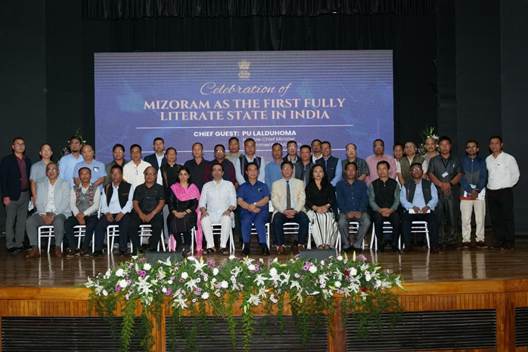
Journey to Full Literacy: Key Factors and Strategies
Mizoram's success is not an overnight phenomenon but the culmination of sustained efforts and unique societal strengths:
- High Baseline Literacy: Mizoram has consistently ranked among the top states in literacy. As per the 2011 Census, it recorded a literacy rate of 91.33%, the third-highest in India. This provided a strong foundation for the final push towards full literacy.
- ULLAS – Nav Bharat Saaksharta Karyakram (New India Literacy Programme):
- This centrally sponsored scheme, being implemented from 2022 to 2027, is aligned with the National Education Policy (NEP) 2020.
- It targets adults aged 15 years and above who missed the opportunity for formal schooling.
- The scheme has five key components: Foundational Literacy and Numeracy, Critical Life Skills, Basic Education, Vocational Skills, and Continuing Education.
- The vision of ULLAS is to make "Bharat - Jan Jan Saakshar" (India - Every Person Literate) and is driven by the spirit of "Kartavya Bodh" (sense of duty) through volunteerism.
- Targeted Identification and Engagement:
- A door-to-door survey conducted by Cluster Resource Centre Coordinators (CRCCs) across Mizoram in August-September 2023 identified 3,026 non-literate individuals.
- Out of these, 1,692 learners were actively engaged in teaching-learning activities.
- Volunteerism at its Core: A remarkable 292 volunteer teachers – including students, educators, resource persons, and CRCCs themselves – played a crucial role. Their dedication, guided by a sense of duty and the Mizo cultural value of 'Tlawmngaihna' (a philosophy of selfless service, altruism, and community spirit), was pivotal.
- Community Participation:
- The success story of Mizoram's literacy drive is deeply intertwined with the active involvement of its vibrant civil society.
- Organizations like the Young Mizo Association (YMA), various church bodies, and women's groups have historically played a significant role in promoting education and adult literacy as a part of everyday community life.
- Government and Administrative Support:
- Concerted efforts by the Mizoram School Education Department, particularly through Samagra Shiksha and the New India Literacy Programme, were instrumental.
- The State Literacy Mission Authority, with the State Centre for Literacy (SCL) under SCERT, supported the mission by developing learning materials in Mizo and English.
- Data Corroboration: The literacy rate of 98.20% is as per the Periodic Labour Force Survey (PLFS) for 2023-24, confirming that Mizoram crossed the 95% threshold set by the Ministry of Education.
Defining Literacy in India:
- For census and survey purposes in India, a person aged seven years and above who can both read and write with understanding in any language is treated as literate.
- A person who can only read but cannot write is not considered literate.
- The ULLAS initiative also emphasizes "functional literacy," which includes critical life skills, digital literacy, and financial literacy, aligning with a more holistic understanding of education.
Beyond Basic Literacy: The Next Frontiers
Chief Minister Lalduhoma emphasized that this achievement is "not the end, but a new beginning." Mizoram now aims to advance further by focusing on:
- Digital Literacy
- Financial Literacy
- Entrepreneurial Skills
- Continuing Education and Lifelong Learning
This holistic approach seeks to ensure that literacy translates into tangible improvements in the quality of life and economic prospects for all citizens.
May 2025
Archive
November 2026
- 28 November 2026
- 27 November 2026
- 26 November 2026
- 25 November 2026
- 24 November 2026
- 23 November 2026
- 21 November 2026
- 20 November 2026
- 19 November 2026
- 18 November 2026
- 17 November 2026
- 16 November 2026
- 14 November 2026
- 13 November 2026
- 12 November 2026
- 11 November 2026
- 10 November 2026
- 09 November 2026
- 06 November 2026
- 05 November 2026
- 04 November 2026
- 03 November 2026
- 02 November 2026
October 2026
- 31 October 2026
- 30 October 2026
- 29 October 2026
- 28 October 2026
- 27 October 2026
- 26 October 2026
- 24 October 2026
- 23 October 2026
- 22 October 2026
- 21 October 2026
- 20 October 2026
- 19 October 2026
- 17 October 2026
- 16 October 2026
- 15 October 2026
- 14 October 2026
- 13 October 2026
- 12 October 2026
- 10 October 2026
- 09 October 2026
- 08 October 2026
- 07 October 2026
- 06 October 2026
- 05 October 2026
- 03 October 2026
- 02 October 2026
- 01 October 2026
September 2026
- 30 September 2026
- 29 September 2026
- 28 September 2026
- 26 September 2026
- 25 September 2026
- 24 September 2026
- 23 September 2026
- 22 September 2026
- 21 September 2026
- 19 September 2026
- 18 September 2026
- 17 September 2026
- 16 September 2026
- 15 September 2026
- 12 September 2026
- 11 September 2026
- 10 September 2026
- 09 September 2026
- 08 September 2026
- 07 September 2026
- 05 September 2026
- 04 September 2026
- 03 September 2026
- 02 September 2026
- 01 September 2026
August 2026
- 31 August 2026
- 29 August 2026
- 27 August 2026
- 26 August 2026
- 25 August 2026
- 24 August 2026
- 22 August 2026
- 21 August 2026
- 20 August 2026
- 19 August 2026
- 18 August 2026
- 17 August 2026
- 14 August 2026
- 13 August 2026
- 12 August 2026
- 11 August 2026
- 10 August 2026
- 08 August 2026
- 07 August 2026
- 06 August 2026
- 05 August 2026
- 04 August 2026
- 03 August 2026
- 01 August 2026
July 2026
- 31 July 2026
- 30 July 2026
- 29 July 2026
- 28 July 2026
- 27 July 2026
- 25 July 2026
- 23 July 2026
- 22 July 2026
- 21 July 2026
- 20 July 2026
- 18 July 2026
- 17 July 2026
- 15 July 2026
- 14 July 2026
- 13 July 2026
- 11 July 2026
- 10 July 2026
- 09 July 2026
- 08 July 2026
- 07 July 2026
- 06 July 2026
- 04 July 2026
- 03 July 2026
- 02 July 2026
- 01 July 2026
June 2026
May 2026
April 2026
March 2026
- 31 March 2026
- 30 March 2026
- 28 March 2026
- 27 March 2026
- 26 March 2026
- 25 March 2026
- 24 March 2026
- 23 March 2026
- 21 March 2026
- 20 March 2026
- 19 March 2026
- 18 March 2026
- 17 March 2026
- 16 March 2026
- 14 March 2026
- 13 March 2026
- 12 March 2026
- 11 March 2026
- 10 March 2026
- 09 March 2026
- 07 March 2026
- 06 March 2026
- 05 March 2026
- 03 March 2026
- 02 March 2026
February 2026
- 28 February 2026
- 27 February 2026
- 26 February 2026
- 25 February 2026
- 24 February 2026
- 23 February 2026
- 21 February 2026
- 20 February 2026
- 19 February 2026
- 18 February 2026
- 17 February 2026
- 16 February 2026
- 13 February 2026
- 12 February 2026
- 11 February 2026
- 10 February 2026
- 09 February 2026
- 07 February 2026
- 06 February 2026
- 05 February 2026
- 04 February 2026
- 03 February 2026
- 02 February 2026
January 2026
- 31 January 2026
- 30 January 2026
- 29 January 2026
- 28 January 2026
- 27 January 2026
- 26 January 2026
- 24 January 2026
- 23 January 2026
- 22 January 2026
- 21 January 2026
- 20 January 2026
- 19 January 2026
- 16 January 2026
- 15 January 2026
- 14 January 2026
- 13 January 2026
- 12 January 2026
- 10 January 2026
- 09 January 2026
- 08 January 2026
- 07 January 2026
- 06 January 2026
- 05 January 2026
- 03 January 2026
- 02 January 2026
- 01 January 2026
December 2025
- 31 December 2025
- 30 December 2025
- 29 December 2025
- 27 December 2025
- 26 December 2025
- 24 December 2025
- 23 December 2025
- 22 December 2025
- 20 December 2025
- 19 December 2025
- 18 December 2025
- 17 December 2025
- 16 December 2025
- 15 December 2025
- 13 December 2025
- 12 December 2025
- 11 December 2025
- 10 December 2025
- 09 December 2025
- 08 December 2025
- 05 December 2025
- 04 December 2025
- 03 December 2025
- 02 December 2025
November 2025
- 29 November 2025
- 28 November 2025
- 27 November 2025
- 26 November 2025
- 25 November 2025
- 24 November 2025
- 22 November 2025
- 21 November 2025
- 20 November 2025
- 19 November 2025
- 18 November 2025
- 17 November 2025
- 15 November 2025
- 14 November 2025
- 13 November 2025
- 12 November 2025
- 11 November 2025
- 10 November 2025
- 08 November 2025
- 07 November 2025
- 06 November 2025
- 05 November 2025
- 04 November 2025
- 03 November 2025
- 01 November 2025
October 2025
- 31 October 2025
- 30 October 2025
- 29 October 2025
- 28 October 2025
- 27 October 2025
- 25 October 2025
- 24 October 2025
- 23 October 2025
- 22 October 2025
- 21 October 2025
- 20 October 2025
- 18 October 2025
- 17 October 2025
- 16 October 2025
- 15 October 2025
- 14 October 2025
- 13 October 2025
- 11 October 2025
- 10 October 2025
- 09 October 2025
- 08 October 2025
- 07 October 2025
- 06 October 2025
- 04 October 2025
- 03 October 2025
- 02 October 2025
- 01 October 2025
September 2025
- 30 September 2025
- 29 September 2025
- 27 September 2025
- 26 September 2025
- 25 September 2025
- 24 September 2025
- 23 September 2025
- 22 September 2025
- 20 September 2025
- 19 September 2025
- 18 September 2025
- 17 September 2025
- 16 September 2025
- 15 September 2025
- 13 September 2025
- 12 September 2025
- 11 September 2025
- 10 September 2025
- 09 September 2025
- 08 September 2025
- 06 September 2025
- 05 September 2025
- 04 September 2025
- 03 September 2025
- 02 September 2025
- 01 September 2025
August 2025
- 30 August 2025
- 29 August 2025
- 28 August 2025
- 27 August 2025
- 26 August 2025
- 25 August 2025
- 23 August 2025
- 22 August 2025
- 21 August 2025
- 20 August 2025
- 19 August 2025
- 18 August 2025
- 16 August 2025
- 14 August 2025
- 13 August 2025
- 12 August 2025
- 11 August 2025
- 08 August 2025
- 07 August 2025
- 06 August 2025
- 05 August 2025
- 04 August 2025
- 02 August 2025
- 01 August 2025
July 2025
- 31 July 2025
- 30 July 2025
- 29 July 2025
- 28 July 2025
- 26 July 2025
- 25 July 2025
- 24 July 2025
- 23 July 2025
- 22 July 2025
- 21 July 2025
- 19 July 2025
- 18 July 2025
- 17 July 2025
- 16 July 2025
- 15 July 2025
- 12 July 2025
- 11 July 2025
- 10 July 2025
- 09 July 2025
- 07 July 2025
- 05 July 2025
- 04 July 2025
- 03 July 2025
- 02 July 2025
- 01 July 2025
June 2025
- 30 June 2025
- 28 June 2025
- 27 June 2025
- 26 June 2025
- 25 June 2025
- 24 June 2025
- 23 June 2025
- 21 June 2025
- 20 June 2025
- 19 June 2025
- 18 June 2025
- 17 June 2025
- 16 June 2025
- 14 June 2025
- 13 June 2025
- 12 June 2025
- 11 June 2025
- 10 June 2025
- 09 June 2025
- 07 June 2025
- 06 June 2025
- 05 June 2025
- 04 June 2025
- 03 June 2025
- 02 June 2025
May 2025
April 2025
- 30 April 2025
- 29 April 2025
- 28 April 2025
- 26 April 2025
- 25 April 2025
- 24 April 2025
- 23 April 2025
- 22 April 2025
- 21 April 2025
- 19 April 2025
- 18 April 2025
- 17 April 2025
- 16 April 2025
- 15 April 2025
- 14 April 2025
- 12 April 2025
- 11 April 2025
- 10 April 2025
- 09 April 2025
- 08 April 2025
- 07 April 2025
- 05 April 2025
- 04 April 2025
- 03 April 2025
- 02 April 2025
- 01 April 2025
March 2025
- 31 March 2025
- 29 March 2025
- 28 March 2025
- 27 March 2025
- 26 March 2025
- 25 March 2025
- 24 March 2025
- 22 March 2025
- 21 March 2025
- 20 March 2025
- 19 March 2025
- 18 March 2025
- 17 March 2025
- 15 March 2025
- 13 March 2025
- 12 March 2025
- 11 March 2025
- 10 March 2025
- 08 March 2025
- 07 March 2025
- 06 March 2025
- 05 March 2025
- 04 March 2025
- 03 March 2025
- 01 March 2025
February 2025
- 28 February 2025
- 27 February 2025
- 26 February 2025
- 25 February 2025
- 24 February 2025
- 22 February 2025
- 21 February 2025
- 20 February 2025
- 19 February 2025
- 18 February 2025
- 17 February 2025
- 15 February 2025
- 14 February 2025
- 13 February 2025
- 12 February 2025
- 11 February 2025
- 10 February 2025
- 08 February 2025
- 07 February 2025
- 06 February 2025
- 05 February 2025
- 04 February 2025
- 03 February 2025
- 01 February 2025
January 2025
- 31 January 2025
- 30 January 2025
- 29 January 2025
- 28 January 2025
- 27 January 2025
- 25 January 2025
- 24 January 2025
- 23 January 2025
- 22 January 2025
- 21 January 2025
- 20 January 2025
- 18 January 2025
- 17 January 2025
- 16 January 2025
- 15 January 2025
- 14 January 2025
- 13 January 2025
- 11 January 2025
- 10 January 2025
- 09 January 2025
- 08 January 2025
- 07 January 2025
- 06 January 2025
- 04 January 2025
- 03 January 2025
- 02 January 2025
- 01 January 2025