
Current Affairs
Stay updated with the latest national and international events.
22 May 2025
iGOT Karmayogi Hits Milestone: Over 1 Crore Civil Servants on Digital Learning Platform
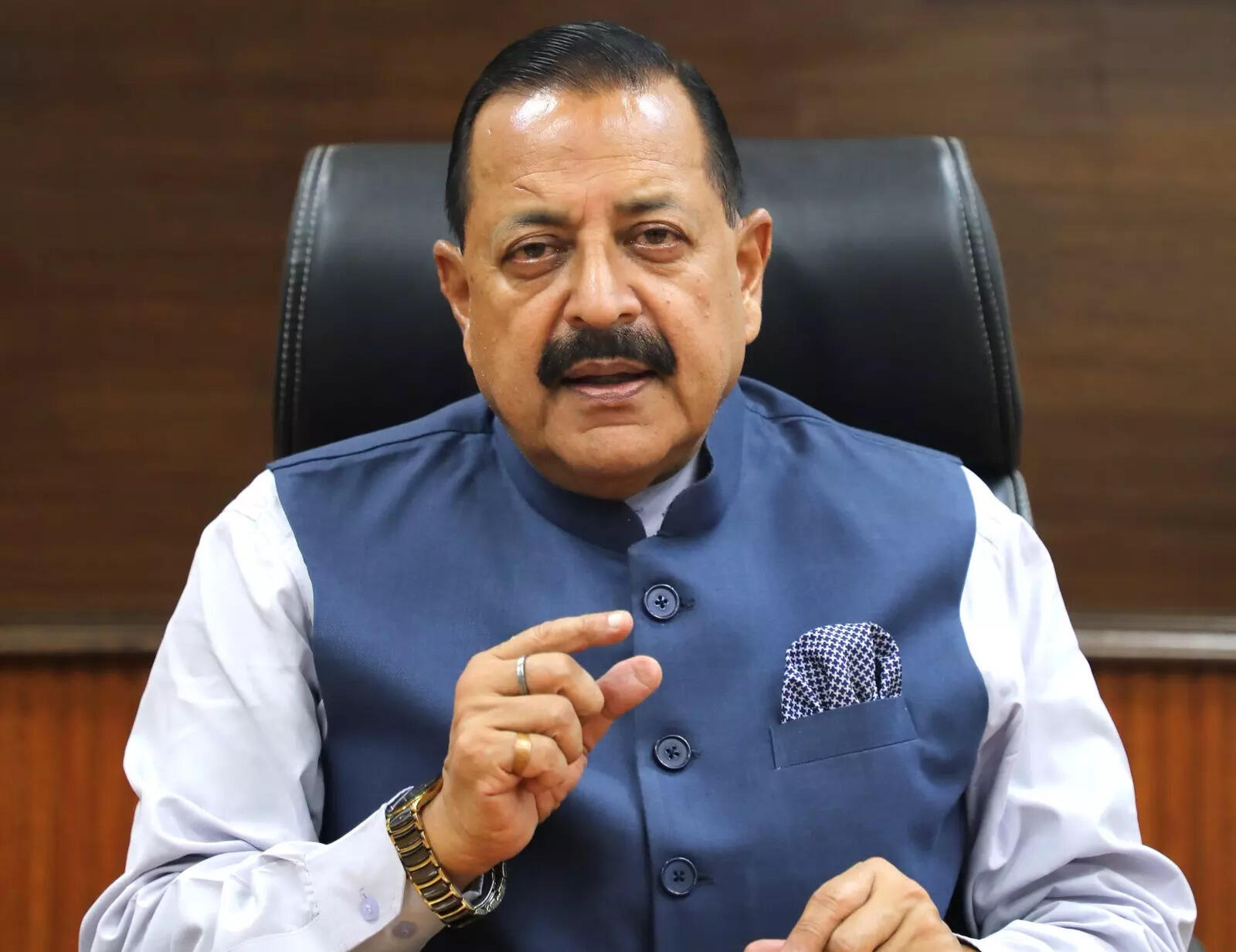
India's ambitious digital capacity-building platform for government employees, iGOT Karmayogi, has crossed a significant milestone by registering over 1 crore (10 million) users. This achievement marks a major leap in the government's efforts to create a skilled, efficient, and future-ready civil service through continuous online learning. The platform is a cornerstone of the Mission Karmayogi – the National Programme for Civil Services Capacity Building (NPCSCB).
What is iGOT Karmayogi?
- Integrated Government Online Training: iGOT Karmayogi is a comprehensive online learning platform designed to provide continuous, competency-based learning opportunities to all government officials across various levels and departments.
- Anytime, Anywhere Learning: It offers a "learn on the go" experience, allowing civil servants to access courses and learning materials at their convenience, on any device.
- Democratized Learning: The platform aims to democratize learning by providing equitable access to capacity-building resources for officials irrespective of their posting or seniority.
- Rich Content Library: As of early 2025, the platform hosts over 850 courses covering a wide range of subjects relevant to governance and public service delivery. Users have collectively completed over 37.3 lakh courses, clocking more than 5.9 crore learning hours.
- Diverse User Base: The 1 crore registered users encompass officials from Central Government ministries, State Governments, Union Territories, and Local Government bodies, indicating its wide adoption.
The Driving Force: Mission Karmayogi (NPCSCB)
The iGOT Karmayogi platform is an integral part of Mission Karmayogi (National Programme for Civil Services Capacity Building), which was launched in September 2020. Mission Karmayogi aims to bring about a fundamental shift in civil services capacity building by:
- Moving from Rule-based to Role-based HR Management: Focusing on the specific competencies required for different government roles.
- Citizen-Centricity: Developing a civil service that is more responsive and accountable to the needs of citizens.
- Future-Readiness: Equipping officials with the skills, knowledge, and attitudes (ASK) to handle complex challenges and leverage emerging technologies.
- Continuous Learning: Fostering a culture of lifelong learning within the government.
Key Pillars of Mission Karmayogi:
- Policy Framework: Guiding the overall approach to capacity building.
- Institutional Framework:
- Capacity Building Commission (CBC): Acts as the apex body to guide reforms, harmonize training standards, create shared faculty and resources, and make recommendations.
- Karmayogi Bharat SPV (Special Purpose Vehicle): A not-for-profit company responsible for owning, managing, and operating the iGOT Karmayogi digital platform and its content.
- Competency Framework (FRAC): The Framework of Roles, Activities, and Competencies maps out the specific competencies required for every government position. Courses on iGOT Karmayogi are aligned with these competencies.
- Digital Ecosystem (iGOT Karmayogi): The online learning platform itself.
- Monitoring and Evaluation Framework: To assess the impact and effectiveness of capacity-building efforts.
How iGOT Karmayogi Works:
- Competency-Based Learning: Courses are tagged to specific competencies identified under the FRAC framework.
- Curated Content: Offers a diverse range of courses from various content providers, including government training institutions, universities, and subject matter experts.
- Personalized Learning Paths: The platform can potentially offer personalized learning recommendations based on an official's role, current competencies, and career development goals.
- Assessments and Certification: Many courses include assessments and provide certificates upon completion.
VP Dhankhar Calls for Revisit of SC Judgment on Prior Sanction to Prosecute Judges
Vice President Jagdeep Dhankhar has ignited a significant debate on judicial accountability by stating that the "time has come to revisit" the 1991 Supreme Court judgment in the K. Veeraswami vs. Union of India case. This landmark verdict mandated that prior sanction from the competent authority (like the Chief Justice of India) is required before initiating an investigation or prosecution against serving judges of the Supreme Court and High Courts for offences under the Prevention of Corruption Act.
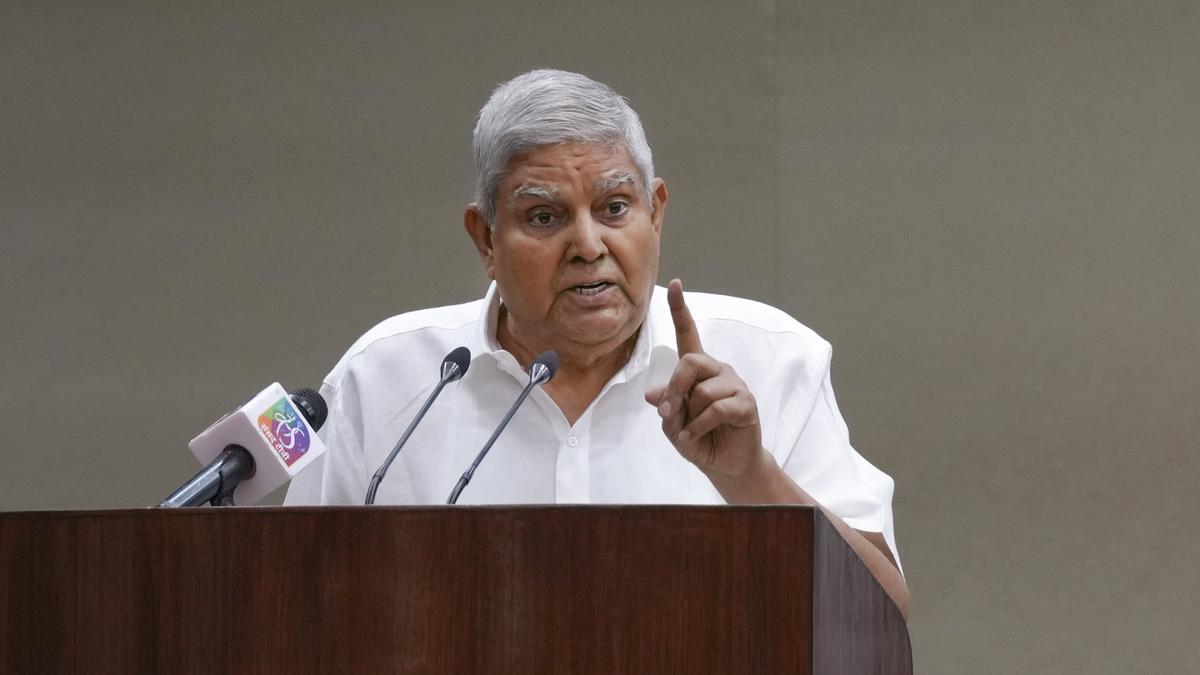
Speaking at the 26th Justice Sunanda Bhandare Memorial Lecture in New Delhi on May 19, 2025, the Vice President argued that this judgment had "erected scaffolding of impunity" around the judiciary, potentially hindering accountability.
The K. Veeraswami Judgment (1991): A Protective Shield?
The K. Veeraswami vs. Union of India case is a pivotal judgment in India's legal history concerning the prosecution of judges of the higher judiciary.
- Background: The case involved Justice K. Veeraswami, former Chief Justice of the Madras High Court, who was accused of possessing assets disproportionate to his known sources of income. An FIR was filed against him by the CBI under the Prevention of Corruption Act, 1947.
- Supreme Court's Ruling (3:2 Majority):
- The Supreme Court held that a judge of a High Court or the Supreme Court is a "public servant" within the meaning of the Prevention of Corruption Act.
- However, to protect judicial independence from frivolous or motivated prosecutions, the Court ruled that no criminal case shall be registered against a sitting judge of a High Court or the Supreme Court under the Act without the prior consent/sanction of the Chief Justice of India (CJI).
- If the allegations are against the CJI, the President of India would be the sanctioning authority, required to consult other judges of the Supreme Court.
- Rationale at the Time: The judgment aimed to safeguard the independence of the judiciary by ensuring that judges could perform their duties without fear of harassment through vexatious litigation initiated by disgruntled litigants or other entities, including the executive.
Vice President Dhankhar's Call for Reconsideration:
The Vice President's remarks suggest a need to re-evaluate this protective mechanism in the interest of greater accountability and transparency.
- Concerns Raised:
- Potential for Impunity: The prior sanction rule, while intended to protect judicial independence, might inadvertently create a perception or reality of immunity, making it difficult to hold errant judges accountable under anti-corruption laws.
- Equality Before the Law: The principle that all individuals, irrespective of their position, should be equally subject to the law.
- Strengthening Anti-Corruption Framework: The Vice President implied that such safeguards could hinder the effective investigation and prosecution of corruption if it exists within the higher judiciary.
- Public Trust: Enhancing accountability mechanisms is seen as crucial for maintaining and bolstering public trust in the judiciary.
- Context of Remarks: The Vice President often speaks about the accountability of all constitutional functionaries and the need for every institution to be subject to scrutiny under the rule of law. His comments were made in the broader context of ensuring transparency and probity in public life. He also referred to a recent case involving allegations of cash recovery from a High Court judge's residence, questioning the delay in lodging an FIR and the efficacy of the current in-house mechanisms.
Balancing Judicial Independence and Accountability:
This issue lies at the heart of a critical debate in any democracy:
- Arguments for Prior Sanction (Upholding Judicial Independence):
- Protects judges from unwarranted pressure and harassment, allowing them to adjudicate fearlessly.
- Prevents frivolous complaints aimed at tarnishing the judiciary's reputation or influencing judicial outcomes.
- Ensures that allegations against judges are vetted at the highest judicial level before formal criminal proceedings begin.
- Arguments Against Prior Sanction (Seeking Greater Accountability):
- Can be perceived as a special privilege that places judges above the ordinary law applicable to other public servants.
- May lead to delays or even the scuttling of genuine investigations if sanction is withheld without transparent reasons.
- The process of obtaining sanction itself can be non-transparent.
India Takes Helm of Asian Productivity Organisation for 2025-26
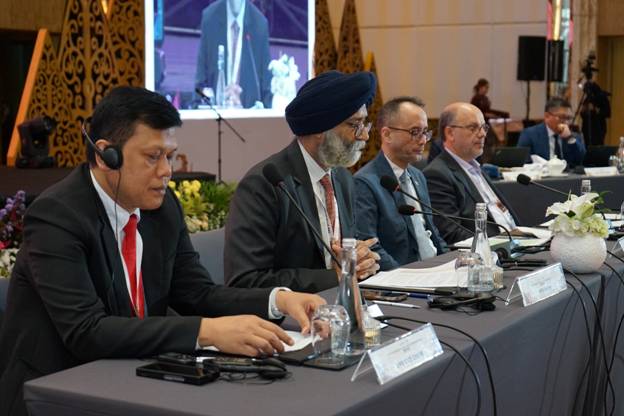
India has officially assumed the Chairmanship of the Asian Productivity Organisation (APO) for the term 2025-26. The transition took place during the 67th Session of the APO Governing Body Meeting (GBM) held in Jakarta, Indonesia, from May 20 to 22, 2025. The Indian delegation was led by Shri Amardeep Singh Bhatia, IAS, Secretary of the Department for Promotion of Industry and Internal Trade (DPIIT), Ministry of Commerce and Industry, who is also the APO Director for India. Shri Bhatia will now steer APO's strategic agenda on behalf of India.
What is the Asian Productivity Organisation (APO)?
- Inter-governmental Body: The APO is a regional inter-governmental organization established on May 11, 1961. It is non-political, non-profit, and non-discriminatory.
- Mission: To contribute to the sustainable socio-economic development of Asia and the Pacific through enhancing productivity.
- Focus Areas: APO undertakes initiatives in industry, agriculture, services, and the public sector by promoting productivity enhancement tools, techniques, and technologies.
- Membership: It currently comprises 21 member economies, including Bangladesh, Cambodia, Republic of China (Taiwan), Fiji, Hong Kong, India, Indonesia, Iran, Japan, Republic of Korea, Lao PDR, Malaysia, Mongolia, Nepal, Pakistan, Philippines, Singapore, Sri Lanka, Thailand, Turkiye, and Vietnam.
- Secretariat: Its headquarters is located in Tokyo, Japan.
- Governing Body (GBM): This is the supreme decision-making body of the APO. It meets annually to decide on policy matters concerning APO's programs, budget, finances, and membership.
India and the APO: A Long-standing Partnership
- Founding Member: India is one of the founding members of the APO and has played a pivotal role in shaping its vision and initiatives over the decades.
- Nodal Agency in India: The National Productivity Council (NPC), an autonomous organization under the DPIIT, Ministry of Commerce and Industry, is the nodal government agency in India for APO matters. NPC implements APO programs in the country and nominates Indian participants for APO's capacity-building initiatives abroad.
- Active Participation: Each year, over 100 Indian professionals participate in APO-led capacity-building programs, contributing significantly to productivity improvements in India's industrial, services, and agricultural sectors. India has also implemented several demonstration projects focusing on areas like Green Productivity and Industry 4.0 applications for MSMEs.
India's Vision as APO Chair (2025-26):
As Chair of the APO, India has reiterated its commitment to:
- Advancing APO Vision 2030: This vision aims to foster inclusive, innovation-led productivity growth and sustainable economic development in the Asia-Pacific region.
- Expanding Green Productivity 2.0 Framework: Strengthening this critical initiative that integrates environmental sustainability with productivity enhancement. This includes focusing on areas like resource efficiency, environmental management systems, and climate change mitigation.
- Driving Regional Collaboration: Emphasizing the importance of cooperation among member economies to tackle evolving productivity and development challenges through:
- Digital Transformation: Leveraging digital technologies to boost productivity.
- Innovation: Fostering a culture of innovation across sectors.
- Sustainability: Promoting environmentally sustainable productivity practices.
- Entrepreneurship: Encouraging new ventures and business growth.
- Inclusive and Results-Driven Programs: Contributing to APO programs that are responsive to the evolving needs of member countries and deliver tangible results.
National Productivity Council (NPC) of India:
- Establishment: NPC was established in 1958 as an autonomous body under the Ministry of Commerce and Industry (now under DPIIT).
- Mandate: To promote a productivity culture in India by providing training, consultancy, and undertaking research in productivity-related areas across various sectors of the economy.
- Key Roles:
- Acts as a think tank and catalyst for productivity enhancement.
- Provides specialized services to improve organizational efficiency.
- Implements APO programs in India and facilitates Indian participation in overseas APO projects.
DoT Launches "Financial Fraud Risk Indicator" to Shield Digital Payments
In a significant move to bolster cybersecurity in India's rapidly expanding digital payments ecosystem, the Department of Telecommunications (DoT), under the Ministry of Communications, has launched the "Financial Fraud Risk Indicator" (FFRI). This new analytical tool, developed as part of the DoT's Digital Intelligence Platform (DIP), aims to provide an early warning system to banks, UPI platforms, and other financial institutions by flagging mobile numbers suspected of being used for financial fraud.

How the Financial Fraud Risk Indicator (FFRI) Works:
The FFRI is a risk-based metric designed to proactively identify and classify mobile numbers based on their likelihood of involvement in financial fraud.
- Risk Classification: Mobile numbers will be categorized into three risk levels: Medium, High, or Very High.
- Data Sources for Risk Assessment: The classification is derived from a comprehensive, multi-dimensional analysis of inputs obtained from various stakeholders, including:
- The Indian Cybercrime Coordination Centre's (I4C) National Cybercrime Reporting Portal (NCRP).
- DoT's Chakshu platform (part of the Sanchar Saathi portal, where citizens can report suspected fraud communications).
- Intelligence shared by banks, Non-Banking Financial Companies (NBFCs), and Unified Payments Interface (UPI) service providers.
- Real-time Intelligence Sharing: Once a mobile number is flagged and its risk level assessed by the DIP system, this information is immediately shared with all stakeholders (banks, financial institutions, UPI platforms, Telecom Service Providers - TSPs) through the DIP.
- Pre-emptive Action: This advance notification enables these institutions to take timely protective measures, such as:
- Implementing additional validation checks for transactions involving flagged numbers.
- Warning users before they make payments to high-risk numbers.
- Potentially delaying or blocking transactions to "Very High" risk numbers.
- Enhancing due diligence when such numbers are used for opening new accounts.
Context: The Rise of Digital Payments and Associated Frauds
India has witnessed exponential growth in digital payments, with UPI emerging as the most preferred mode for millions of citizens. While this has brought convenience and efficiency, it has also led to a surge in sophisticated financial cyber frauds. Common methods include:
- Phishing/Vishing/Smishing: Tricking users into revealing sensitive information.
- UPI Frauds: Using various tactics like fake payment requests, remote screen access, or QR code scams.
- Identity Theft and Impersonation: Using stolen credentials to access accounts.
- SIM Swap/Cloning Frauds: Gaining unauthorized access to a user's mobile number.
- Mule Accounts/SIMs: Fraudsters often use SIM cards and bank accounts obtained using anothers' credentials for short periods to commit fraud and quickly siphon off funds, making them difficult to trace.
The FFRI aims to address the challenge posed by the short lifespan of such fraudulent mobile numbers by providing an advance risk assessment even before full verification processes might conclude.
DoT's Broader Efforts to Combat Telecom-Related Frauds:
The FFRI is part of a larger suite of tools and initiatives by the DoT to curb the misuse of telecom resources for fraudulent activities:
- Sanchar Saathi Portal: A citizen-centric portal offering services like:
- Chakshu: For reporting suspected fraud communications (calls, SMS, WhatsApp).
- Know Your Mobile Connections: To check mobile connections registered in one's name.
- Block Your Lost/Stolen Mobile: To block and trace lost or stolen mobile devices.
- Digital Intelligence Platform (DIP): A secure, integrated platform for real-time intelligence sharing and coordination among TSPs, LEAs, banks, financial institutions, social media platforms, and identity document issuers. The DIP acts as a backend system for citizen requests submitted through the Sanchar Saathi portal.
- Mobile Number Revocation List (MNRL): DoT's Digital Intelligence Unit (DIU) regularly shares this list with stakeholders, detailing mobile numbers disconnected due to involvement in cybercrime, failed re-verification, or exceeding prescribed usage limits. The FFRI adds a predictive layer to this.
- ASTR (Artificial Intelligence and Facial Recognition powered Solution for Telecom SIM Subscriber Verification): An AI tool used to detect and block fraudulent mobile connections obtained using fake or forged documents.
Crisis in Conservation: Biodiversity Funds Bypass Local Guardians
A recent report has highlighted a serious concern: biodiversity funds are often not reaching the Indigenous Peoples and Local Communities (IPLCs), especially women, who are at the forefront of protecting our planet's nature and wildlife. This is a significant issue for India, a country rich in biodiversity and with a large population of indigenous communities.
What the Report Says: Key Findings
The report reveals some disturbing facts about how global funds meant for protecting biodiversity are distributed:
- Funds Not Reaching the Ground: Despite their critical role, most IPLCs receive very little or no direct financial support. They are often listed as indirect beneficiaries, meaning the money passes through several layers before any potential, often diluted, benefits reach them.
- Women Overlooked: Shockingly, no IPLC women's organisations were found to be direct recipients of support in the countries studied. This is a major gap, as women in these communities often play a central role in managing natural resources.
- Issues with Major Funding Channels: The Global Environment Facility (GEF), a major source of biodiversity funding, struggles with gender equality in its main funding streams. While a percentage of GEF funding is targeted at local actors, the actual flow to them is problematic.
Why Are the Funds Not Reaching the Right Hands?
Several reasons contribute to this gap:
- Role of Intermediaries: The GEF often relies on large international agencies, development banks, and national government offices to distribute funds. These intermediaries may make decisions without adequately involving the very communities the funds are intended for.
- Complex Processes: Many indigenous organizations find it difficult to understand and navigate the complex procedures for accessing GEF funding.
- Lack of Tracking: There's often no strict requirement to track how much money directly reaches women's organisations.
- Delays and Confusion: The overall funding process can be plagued by confusion and delays, further hindering access for local groups.
A Silver Lining: The GEF Small Grants Programme (SGP)
The report does point to a more successful model: the GEF Small Grants Programme (SGP).
- This programme has been more effective in reaching indigenous and local actors directly.
- It offers them more flexibility and ownership over their projects, leading to better outcomes.
Additional Information
-
Biodiversity:
- Refers to the variety of life on Earth at all its levels, from genes to ecosystems.
- It includes the diversity within species, between species, and of ecosystems.
- India is one of the 17 mega-diverse countries in the world, holding a significant portion of global biodiversity.
- Key threats to biodiversity include habitat loss, climate change, pollution, over-exploitation of resources, and invasive species.
- Convention on Biological Diversity (CBD): An international legally binding treaty with three main goals: conservation of biodiversity; sustainable use of biodiversity; and fair and equitable sharing of benefits arising from the use of genetic resources. India is a party to the CBD.
-
Global Environment Facility (GEF):
- Established in October 1991, the GEF is a family of funds dedicated to confronting biodiversity loss, climate change, pollution, and strains on land and ocean health.
- It provides financial assistance to developing countries for projects that benefit the global environment and promote sustainable livelihoods.
- The GEF serves as a financial mechanism for several international environmental conventions, including the CBD, United Nations Framework Convention on Climate Change (UNFCCC), Stockholm Convention on Persistent Organic Pollutants (POPs), UN Convention to Combat Desertification (UNCCD), and Minamata Convention on Mercury.
- India is a founding member of GEF and is both a donor and a recipient of GEF funds.
-
Importance of Indigenous Peoples and Local Communities (IPLCs) in Conservation:
- IPLCs are often the traditional custodians of biodiversity and possess invaluable traditional knowledge about sustainable resource management.
- Their territories are estimated to hold 80% of the world's biodiversity.
- Recognizing their rights, empowering them, and involving them in conservation efforts is crucial for achieving global biodiversity goals.
- In India, laws like the Forest Rights Act, 2006, aim to recognize and vest the forest rights and occupation in forest-dwelling Scheduled Tribes and Other Traditional Forest Dwellers.
AI in Banking: Only a Quarter of Banks Truly Gaining an Edge, Says BCG Report
A recent report by the Boston Consulting Group (BCG), titled "The AI Reckoning in Banking," has revealed a significant gap in how banks worldwide are adopting Artificial Intelligence (AI). While AI, especially new forms like Generative AI and agentic AI, is set to fundamentally change the banking sector, only one out of four banks is currently using these tools effectively to gain a real competitive advantage. The remaining three-quarters are merely "experimenting on the margins," often without a clear strategy or path to making these technologies a core part of their operations.

Key Highlights from the BCG Report (May 2025):
- A Widening Divide: There's a growing gap between banks leading the AI transformation and those falling behind. The leaders are strategically investing in AI to improve efficiency, customer experience, and create new services.
- Experimentation vs. Strategy: Most banks (75%) are still in the experimental phase. Their AI initiatives often lack:
- Strategic alignment with overall business goals.
- Clear Return on Investment (ROI) metrics.
- A concrete plan to scale up successful pilot projects.
- AI Reshaping Banking: AI is challenging traditional banking advantages.
- Tools like Generative AI are making it easier for customers to compare services and switch providers.
- Pricing transparency is increasing, potentially reducing profit margins.
- Customer interactions are shifting more towards digital platforms.
- Pressure on Profit Models: AI-driven services like automated loan underwriting, real-time credit risk assessment, and embedded finance (financial services integrated into non-banking platforms) are changing how banks earn money, particularly affecting fee-based income.
Why Are Most Banks Struggling to Keep Pace?
The report points to several challenges:
- Outdated Infrastructure: Many banks operate on legacy IT systems and have fragmented data. This makes it difficult to implement and scale real-time, integrated AI applications. Upgrading this requires significant investment and strong leadership.
- Talent Shortage: Two-thirds of banks report difficulties in hiring skilled AI talent. Moreover, existing bank leaders often need training to understand, interpret, and challenge AI-driven outputs.
- Governance and Regulation: Uncertainty around AI regulations is slowing down adoption, even though there's pressure to act quickly.
- Lack of Measurement: A surprising 60% of banks have not yet defined clear financial performance indicators to track the impact of their AI investments.
Additional Information
- Artificial Intelligence (AI): Refers to the simulation of human intelligence in machines that are programmed to think like humans and mimic their actions. Key types include:
- Machine Learning (ML): AI systems that can learn from data without being explicitly programmed.
- Deep Learning: A subset of ML that uses neural networks with many layers.
- Generative AI: AI that can create new content, like text, images, or code (e.g., ChatGPT).
- Agentic AI: AI systems that can proactively take actions and make decisions to achieve goals.
- Boston Consulting Group (BCG): A global management consulting firm, one of the largest in the world. It provides advisory services to businesses, governments, and non-profits.
- Reserve Bank of India (RBI): India's central bank and regulatory body responsible for the regulation of the Indian banking system.
- It plays a key role in promoting technology adoption and innovation in banking.
- Initiatives include setting up regulatory sandboxes (for testing new financial technologies), issuing guidelines for digital payments, cybersecurity, and data management.
- The RBI's Financial Stability Report often discusses technological advancements and associated risks in the banking sector.
- NITI Aayog (National Institution for Transforming India): India's premier policy think tank.
- It has been instrumental in formulating India's national strategy for AI.
- Its "Responsible AI for All" approach emphasizes leveraging AI for inclusive growth while addressing ethical concerns.
- IndiaAI Mission: A significant government initiative (approved with an outlay of over ₹10,000 crore) to boost India's AI ecosystem. It focuses on building AI computing infrastructure, supporting AI research and startups, developing AI skills, and promoting responsible AI.
- Key Banking Terms:
- KYC (Know Your Customer): The process of verifying the identity of customers.
- ROI (Return on Investment): A performance measure used to evaluate the efficiency or profitability of an investment.
- Embedded Finance: Integration of financial services (like lending or payments) into non-financial businesses' websites or apps.
May 2025
Archive
November 2026
- 27 November 2026
- 26 November 2026
- 25 November 2026
- 24 November 2026
- 23 November 2026
- 21 November 2026
- 20 November 2026
- 19 November 2026
- 18 November 2026
- 17 November 2026
- 16 November 2026
- 14 November 2026
- 13 November 2026
- 12 November 2026
- 11 November 2026
- 10 November 2026
- 09 November 2026
- 06 November 2026
- 05 November 2026
- 04 November 2026
- 03 November 2026
- 02 November 2026
October 2026
- 31 October 2026
- 30 October 2026
- 29 October 2026
- 28 October 2026
- 27 October 2026
- 26 October 2026
- 24 October 2026
- 23 October 2026
- 22 October 2026
- 21 October 2026
- 20 October 2026
- 19 October 2026
- 17 October 2026
- 16 October 2026
- 15 October 2026
- 14 October 2026
- 13 October 2026
- 12 October 2026
- 10 October 2026
- 09 October 2026
- 08 October 2026
- 07 October 2026
- 06 October 2026
- 05 October 2026
- 03 October 2026
- 02 October 2026
- 01 October 2026
September 2026
- 30 September 2026
- 29 September 2026
- 28 September 2026
- 26 September 2026
- 25 September 2026
- 24 September 2026
- 23 September 2026
- 22 September 2026
- 21 September 2026
- 19 September 2026
- 18 September 2026
- 17 September 2026
- 16 September 2026
- 15 September 2026
- 12 September 2026
- 11 September 2026
- 10 September 2026
- 09 September 2026
- 08 September 2026
- 07 September 2026
- 05 September 2026
- 04 September 2026
- 03 September 2026
- 02 September 2026
- 01 September 2026
August 2026
- 31 August 2026
- 29 August 2026
- 27 August 2026
- 26 August 2026
- 25 August 2026
- 24 August 2026
- 22 August 2026
- 21 August 2026
- 20 August 2026
- 19 August 2026
- 18 August 2026
- 17 August 2026
- 14 August 2026
- 13 August 2026
- 12 August 2026
- 11 August 2026
- 10 August 2026
- 08 August 2026
- 07 August 2026
- 06 August 2026
- 05 August 2026
- 04 August 2026
- 03 August 2026
- 01 August 2026
July 2026
- 31 July 2026
- 30 July 2026
- 29 July 2026
- 28 July 2026
- 27 July 2026
- 25 July 2026
- 23 July 2026
- 22 July 2026
- 21 July 2026
- 20 July 2026
- 18 July 2026
- 17 July 2026
- 15 July 2026
- 14 July 2026
- 13 July 2026
- 11 July 2026
- 10 July 2026
- 09 July 2026
- 08 July 2026
- 07 July 2026
- 06 July 2026
- 04 July 2026
- 03 July 2026
- 02 July 2026
- 01 July 2026
June 2026
May 2026
April 2026
March 2026
- 31 March 2026
- 30 March 2026
- 28 March 2026
- 27 March 2026
- 26 March 2026
- 25 March 2026
- 24 March 2026
- 23 March 2026
- 21 March 2026
- 20 March 2026
- 19 March 2026
- 18 March 2026
- 17 March 2026
- 16 March 2026
- 14 March 2026
- 13 March 2026
- 12 March 2026
- 11 March 2026
- 10 March 2026
- 09 March 2026
- 07 March 2026
- 06 March 2026
- 05 March 2026
- 03 March 2026
- 02 March 2026
February 2026
- 28 February 2026
- 27 February 2026
- 26 February 2026
- 25 February 2026
- 24 February 2026
- 23 February 2026
- 21 February 2026
- 20 February 2026
- 19 February 2026
- 18 February 2026
- 17 February 2026
- 16 February 2026
- 13 February 2026
- 12 February 2026
- 11 February 2026
- 10 February 2026
- 09 February 2026
- 07 February 2026
- 06 February 2026
- 05 February 2026
- 04 February 2026
- 03 February 2026
- 02 February 2026
January 2026
- 31 January 2026
- 30 January 2026
- 29 January 2026
- 28 January 2026
- 27 January 2026
- 26 January 2026
- 24 January 2026
- 23 January 2026
- 22 January 2026
- 21 January 2026
- 20 January 2026
- 19 January 2026
- 16 January 2026
- 15 January 2026
- 14 January 2026
- 13 January 2026
- 12 January 2026
- 10 January 2026
- 09 January 2026
- 08 January 2026
- 07 January 2026
- 06 January 2026
- 05 January 2026
- 03 January 2026
- 02 January 2026
- 01 January 2026
December 2025
- 31 December 2025
- 30 December 2025
- 29 December 2025
- 27 December 2025
- 26 December 2025
- 24 December 2025
- 23 December 2025
- 22 December 2025
- 20 December 2025
- 19 December 2025
- 18 December 2025
- 17 December 2025
- 16 December 2025
- 15 December 2025
- 13 December 2025
- 12 December 2025
- 11 December 2025
- 10 December 2025
- 09 December 2025
- 08 December 2025
- 05 December 2025
- 04 December 2025
- 03 December 2025
- 02 December 2025
November 2025
- 29 November 2025
- 28 November 2025
- 27 November 2025
- 26 November 2025
- 25 November 2025
- 24 November 2025
- 22 November 2025
- 21 November 2025
- 20 November 2025
- 19 November 2025
- 18 November 2025
- 17 November 2025
- 15 November 2025
- 14 November 2025
- 13 November 2025
- 12 November 2025
- 11 November 2025
- 10 November 2025
- 08 November 2025
- 07 November 2025
- 06 November 2025
- 05 November 2025
- 04 November 2025
- 03 November 2025
- 01 November 2025
October 2025
- 31 October 2025
- 30 October 2025
- 29 October 2025
- 28 October 2025
- 27 October 2025
- 25 October 2025
- 24 October 2025
- 23 October 2025
- 22 October 2025
- 21 October 2025
- 20 October 2025
- 18 October 2025
- 17 October 2025
- 16 October 2025
- 15 October 2025
- 14 October 2025
- 13 October 2025
- 11 October 2025
- 10 October 2025
- 09 October 2025
- 08 October 2025
- 07 October 2025
- 06 October 2025
- 04 October 2025
- 03 October 2025
- 02 October 2025
- 01 October 2025
September 2025
- 30 September 2025
- 29 September 2025
- 27 September 2025
- 26 September 2025
- 25 September 2025
- 24 September 2025
- 23 September 2025
- 22 September 2025
- 20 September 2025
- 19 September 2025
- 18 September 2025
- 17 September 2025
- 16 September 2025
- 15 September 2025
- 13 September 2025
- 12 September 2025
- 11 September 2025
- 10 September 2025
- 09 September 2025
- 08 September 2025
- 06 September 2025
- 05 September 2025
- 04 September 2025
- 03 September 2025
- 02 September 2025
- 01 September 2025
August 2025
- 30 August 2025
- 29 August 2025
- 28 August 2025
- 27 August 2025
- 26 August 2025
- 25 August 2025
- 23 August 2025
- 22 August 2025
- 21 August 2025
- 20 August 2025
- 19 August 2025
- 18 August 2025
- 16 August 2025
- 14 August 2025
- 13 August 2025
- 12 August 2025
- 11 August 2025
- 08 August 2025
- 07 August 2025
- 06 August 2025
- 05 August 2025
- 04 August 2025
- 02 August 2025
- 01 August 2025
July 2025
- 31 July 2025
- 30 July 2025
- 29 July 2025
- 28 July 2025
- 26 July 2025
- 25 July 2025
- 24 July 2025
- 23 July 2025
- 22 July 2025
- 21 July 2025
- 19 July 2025
- 18 July 2025
- 17 July 2025
- 16 July 2025
- 15 July 2025
- 12 July 2025
- 11 July 2025
- 10 July 2025
- 09 July 2025
- 07 July 2025
- 05 July 2025
- 04 July 2025
- 03 July 2025
- 02 July 2025
- 01 July 2025
June 2025
- 30 June 2025
- 28 June 2025
- 27 June 2025
- 26 June 2025
- 25 June 2025
- 24 June 2025
- 23 June 2025
- 21 June 2025
- 20 June 2025
- 19 June 2025
- 18 June 2025
- 17 June 2025
- 16 June 2025
- 14 June 2025
- 13 June 2025
- 12 June 2025
- 11 June 2025
- 10 June 2025
- 09 June 2025
- 07 June 2025
- 06 June 2025
- 05 June 2025
- 04 June 2025
- 03 June 2025
- 02 June 2025
May 2025
April 2025
- 30 April 2025
- 29 April 2025
- 28 April 2025
- 26 April 2025
- 25 April 2025
- 24 April 2025
- 23 April 2025
- 22 April 2025
- 21 April 2025
- 19 April 2025
- 18 April 2025
- 17 April 2025
- 16 April 2025
- 15 April 2025
- 14 April 2025
- 12 April 2025
- 11 April 2025
- 10 April 2025
- 09 April 2025
- 08 April 2025
- 07 April 2025
- 05 April 2025
- 04 April 2025
- 03 April 2025
- 02 April 2025
- 01 April 2025
March 2025
- 31 March 2025
- 29 March 2025
- 28 March 2025
- 27 March 2025
- 26 March 2025
- 25 March 2025
- 24 March 2025
- 22 March 2025
- 21 March 2025
- 20 March 2025
- 19 March 2025
- 18 March 2025
- 17 March 2025
- 15 March 2025
- 13 March 2025
- 12 March 2025
- 11 March 2025
- 10 March 2025
- 08 March 2025
- 07 March 2025
- 06 March 2025
- 05 March 2025
- 04 March 2025
- 03 March 2025
- 01 March 2025
February 2025
- 28 February 2025
- 27 February 2025
- 26 February 2025
- 25 February 2025
- 24 February 2025
- 22 February 2025
- 21 February 2025
- 20 February 2025
- 19 February 2025
- 18 February 2025
- 17 February 2025
- 15 February 2025
- 14 February 2025
- 13 February 2025
- 12 February 2025
- 11 February 2025
- 10 February 2025
- 08 February 2025
- 07 February 2025
- 06 February 2025
- 05 February 2025
- 04 February 2025
- 03 February 2025
- 01 February 2025
January 2025
- 31 January 2025
- 30 January 2025
- 29 January 2025
- 28 January 2025
- 27 January 2025
- 25 January 2025
- 24 January 2025
- 23 January 2025
- 22 January 2025
- 21 January 2025
- 20 January 2025
- 18 January 2025
- 17 January 2025
- 16 January 2025
- 15 January 2025
- 14 January 2025
- 13 January 2025
- 11 January 2025
- 10 January 2025
- 09 January 2025
- 08 January 2025
- 07 January 2025
- 06 January 2025
- 04 January 2025
- 03 January 2025
- 02 January 2025
- 01 January 2025