
Current Affairs
Stay updated with the latest national and international events.
22 May 2026
Operation RAGEPILL: India's First-Ever Captagon Seizure

What's the News?
- The Narcotics Control Bureau (NCB) under Operation RAGEPILL has seized approximately 227.7 kg of Captagon (tablets and powder), marking India's first-ever interception of this synthetic psychotropic substance.
- Estimated illicit market value: ₹182 crore in destination markets across the Gulf and Middle East.
- One Syrian national linked to the international syndicate arrested for visa overstay and drug trafficking.
- Seizures executed at two strategic locations: New Delhi (concealed in a commercial chapati-cutting machine) and Mundra Port, Gujarat (hidden in a wool consignment from Syria).
- The consignment was destined for transshipment to Saudi Arabia and neighbouring Middle Eastern countries.
Operation RAGEPILL
- Overview: Multi-agency, intelligence-led operation coordinated by NCB under the Ministry of Home Affairs.
- Trigger: Intelligence inputs from a foreign drug law enforcement agency indicating India's use as a transit route for Captagon trafficking.
- Methodology: Combined human intelligence, electronic surveillance, and customs coordination at ports/airports.
- Significance: Exposes attempts by transnational syndicates to exploit India's commercial cargo routes for synthetic drug trafficking; reinforces India's role in global counter-narcotics cooperation.
About Captagon
- Composition: Synthetic stimulant primarily containing Fenetylline and Amphetamine, classified as psychotropic substances under the NDPS Act, 1985.
- Effects: Prolongs wakefulness, reduces fatigue, increases alertness; reported to trigger aggressive behaviour.
- Strategic Label: Often termed "Jihadi drug" or "war drug" due to reported misuse in conflict zones and by extremist networks in West Asia/Middle East.
- Market Dynamics: High demand in Gulf countries has made it a lucrative commodity for international trafficking networks.
Additional Info
- Legal Framework:
- Narcotic Drugs and Psychotropic Substances (NDPS) Act, 1985: Primary legislation governing production, possession, transport, sale, and consumption of prohibited substances in India.
- Psychotropic substances like Fenetylline and Amphetamine are listed under Schedules of the NDPS Act, attracting stringent penalties.
- Institutional Mechanism:
- Narcotics Control Bureau (NCB): Apex federal agency for drug law enforcement; coordinates with Customs, State Police, and international counterparts.
- MANAS Helpline (1933): Toll-free citizen reporting mechanism for narcotics-related intelligence; informant identity protected.
- Strategic Context:
- Recent parallel seizure: 349 kg of cocaine from Ecuador intercepted in Mumbai, indicating growing misuse of containerized trade routes by drug cartels.
- India's geographic position makes it a potential transit corridor between West Asia, South Asia, and Southeast Asia for synthetic drug trafficking.
- Emphasizes need for enhanced international intelligence sharing, mutual legal assistance, and port security protocols.
Sources
India Records 97 of World's 100 Hottest Cities Amid Severe Heatwave

What's the News?
- 97 of the world's 100 hottest cities were located in India, as per real-time global weather tracking data (AQI.in), with temperatures exceeding 45°C across northern, central, and eastern regions.
- Balangir (Odisha) and Sasaram (Bihar) recorded the highest temperature at 48°C, followed by Varanasi (Uttar Pradesh) at 47°C.
- Low humidity levels (6-8%) in several cities intensified heat stress, elevating risks of dehydration, heat exhaustion, and heatstroke.
- Andhra Pradesh reported over 325 suspected heatstroke cases between March and mid-May; hospitals across multiple states witnessed surges in heat-related illnesses.
- India Meteorological Department (IMD) issued Red and Orange alerts for heatwave to severe heatwave conditions persisting across the Indo-Gangetic plains.
Heat Dome Phenomenon: Causes & Mechanism
- Overview: A stagnant, high-pressure atmospheric system—termed a "heat dome"—is trapping hot air over the Indian subcontinent, preventing heat dissipation and cooler air inflow.
- Key Drivers:
- Delayed Western Disturbances: Absence of pre-monsoon moisture-bearing systems from the Mediterranean has eliminated natural cooling breaks.
- Dry Northwesterly Winds: Blistering winds from arid western borders continuously feed the heat dome with hot, dry air.
- Urban Heat Island Effect: Concrete infrastructure, reduced green cover, and low soil moisture in cities like Banda (UP) and Balangir amplify local temperatures by retaining thermal energy.
- Climate Change Link: Asia is warming faster than the global average; rising baseline temperatures increase frequency and intensity of extreme heat events.
Health, Infrastructure & Socio-Economic Impacts
- Public Health:
- Heatstroke is a medical emergency; vulnerable groups include outdoor workers, elderly, children, and persons with chronic illnesses.
- States advised restricting outdoor activities between 11 AM–4 PM, promoting hydration, and establishing heat-health surveillance.
- Power & Water Stress:
- Peak power demand crossed 270 GW, straining grids due to continuous cooling appliance usage.
- Water shortages reported in Gujarat and parts of Rajasthan, impacting agriculture and domestic supply.
- Economic Productivity:
- Extreme heat reduces labour productivity, especially in construction, agriculture, and informal sectors—critical for India's GDP growth and livelihood security.
Additional Info
- Institutional Framework:
- India Meteorological Department (IMD): Nodal agency for weather forecasting; classifies heatwaves based on temperature thresholds and departure from normal.
- National Disaster Management Authority (NDMA): Issued Heat Action Plan (HAP) Guidelines for states, emphasizing early warning, capacity building, and inter-agency coordination.
- Policy & Governance:
- State-Level Heat Action Plans: Over 23 states have adopted HAPs; focus areas include public awareness, healthcare preparedness, and urban planning interventions.
- National Mission on Sustainable Habitat (under NAPCC): Promotes urban resilience through green buildings, water management, and heat-resistant infrastructure.
- Constitutional & Legal Context:
- Article 21 (Right to Life): Judicial interpretations include protection from extreme weather as part of the right to a healthy environment.
- Disaster Management Act, 2005: Provides legal basis for heatwave response as a notified disaster in some states.
- Key Metrics:
- Heatwave declaration criteria (plains): Temperature ≥40°C AND departure from normal ≥4.5°C to 6.4°C (heatwave) or >6.4°C (severe heatwave).
- Heat Index: Combines temperature and humidity; values >40°C indicate "extreme caution" to "danger" levels for human exposure.
Sources
Odisha Mandates Electric Vehicles for Government Use
What's the News?
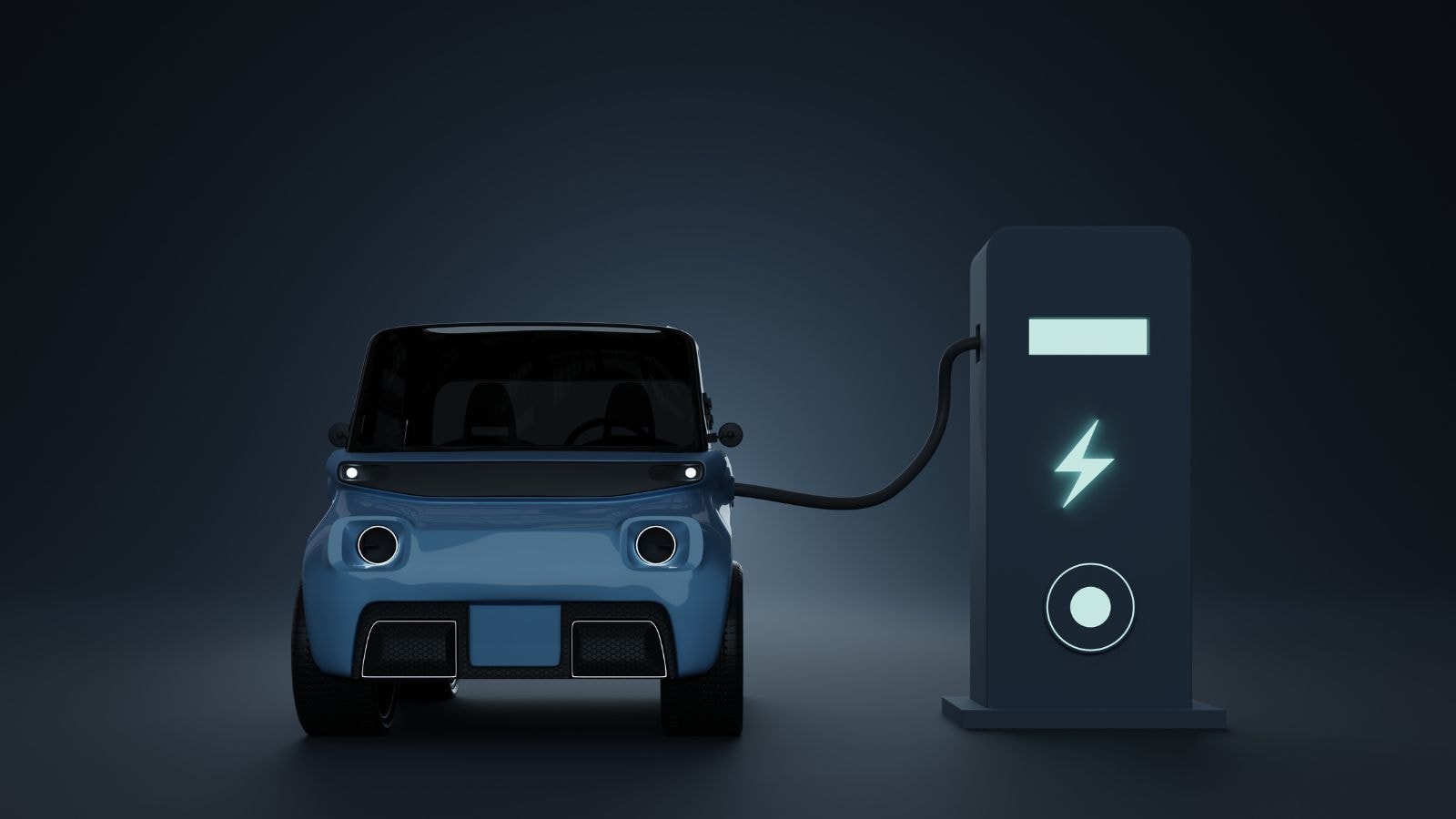
- Odisha government has mandated compulsory procurement of electric vehicles (EVs) for all state departments effective June 1, as part of an eight-point austerity plan to reduce fuel consumption amid global crude oil volatility.
- The directive applies to all new two-wheelers and four-wheelers purchased for official use; rented four-wheelers must also be EVs unless special exemptions are granted.
- Virtual governance institutionalised: All official meetings, reviews, and training programmes to be conducted online unless physical presence is essential.
- Senior officials allotted government vehicles must carpool, with fuel allocation reduced by 50%; all departments directed to cut monthly petrol/diesel consumption by at least 10%.
- Finance Department tasked with framing guidelines within 15 days on vehicle eligibility and use of privately-owned EVs for official work.
Policy Provisions & Implementation Framework
- Scope: Covers all government departments, public sector undertakings, autonomous institutions, universities, and societies under the state government.
- Procurement Rules:
- Mandatory EV purchase for new government two-wheelers/four-wheelers.
- Petrol/diesel vehicles permitted only under documented special requirements.
- Hiring of EVs for official four-wheeler needs made compulsory.
- Operational Measures:
- Preference for public transport (buses, trains) for long-distance official travel.
- Introduction of electric bus/minibus services for employee commuting in urban clusters.
- Strict monitoring of fuel usage with 10% reduction target as baseline metric.
- Governance Shift: Emphasis on digital administration to minimise travel-related emissions and operational costs.
Additional Info
- Central Schemes & Policies:
- FAME India Scheme (Faster Adoption and Manufacturing of Electric Vehicles): Provides demand incentives for EV adoption; Phase-II focuses on public transport and fleet electrification.
- National Electric Mobility Mission Plan (NEMMP) 2020: Aims for 30% EV penetration in new vehicle sales by 2030.
- Production Linked Incentive (PLI) Scheme for Advanced Chemistry Cell (ACC) Battery Storage: Supports domestic battery manufacturing to reduce EV costs.
- Constitutional & Legal Context:
- Article 48A (Directive Principle): State shall endeavour to protect and improve the environment.
- Article 51A(g) (Fundamental Duty): Citizens to protect and improve the natural environment.
- Disaster Management Act, 2005: Energy security and climate resilience increasingly integrated into state disaster planning.
- Global Frameworks:
- SDG 11 (Sustainable Cities and Communities) & SDG 13 (Climate Action): EV adoption in public fleets directly advances low-carbon urban mobility targets.
- COP28 Outcomes: Global pledge to transition away from fossil fuels in transport sectors.
Sources
International Day for Biological Diversity 2026: "Acting Locally for Global Impact"
What's the News?
- International Day for Biological Diversity (IDB) observed annually on May 22 under the Convention on Biological Diversity (CBD).
- 2026 Theme: "Acting locally for global impact"—emphasising that community-level conservation efforts create cumulative global outcomes for halting biodiversity loss.
- Coordinated globally by the Secretariat of the CBD, with participation encouraged from governments, civil society, educational institutions, and citizens.
- Campaign structured around three pillars: Look and Learn (explore local biodiversity), Connect and Act (join collective efforts), and Share (amplify actions via #BiodiversityDay).
- Aligned with the Kunming-Montreal Global Biodiversity Framework (KMGBF) and its 23 action-oriented targets for 2030.
Why Biodiversity Matters: Governance & Development Linkages
- Ecosystem Services: Biodiversity underpins clean water, food security, medicinal resources, climate regulation, pollination, and soil fertility—critical for sustainable development.
- India's Stake: Home to 4 of 36 global biodiversity hotspots; supports ~7-8% of recorded species despite having 2.4% of world's land area.
- Livelihood Dependency: Over 70% of India's rural population relies directly on natural resources for subsistence, making conservation a socio-economic imperative.
- Climate Resilience: Diverse ecosystems enhance adaptive capacity to extreme weather; biodiversity loss amplifies vulnerability to climate shocks.
India's Local Actions with Global Relevance
- Community Seed Banks: Tribal communities in Odisha's Eastern Ghats (Kondh, Paraja) preserve indigenous millet, paddy, and pulse varieties through women-led seed custodianship—safeguarding agro-biodiversity and climate-resilient crops.
- Millet Revival: Traditional small-seeded cereals (finger millet, pearl millet, sorghum) require less water, suit rainfed agriculture, and support nutritional security; aligned with International Year of Millets 2023 legacy.
- Institutional Support:
- DIVERSIFARM-India (Fridtjof Nansen Institute + M.S. Swaminathan Research Foundation): Strengthens community seed systems for smallholder livelihoods.
- WASSAN & Shree Anna Abhiyan: Conducted 253 participatory varietal trials across 30 Odisha districts (2018-2024) to scale climate-adapted seeds.
- Policy Integration: Biodiversity conservation embedded in National Biodiversity Action Plan (NBAP), Mission LiFE, and state-level Biodiversity Management Committees (BMCs) under the Biological Diversity Act, 2002.
Additional Info
- Legal & Institutional Framework:
- Biological Diversity Act, 2002: Implements CBD obligations; establishes National Biodiversity Authority (NBA), State Biodiversity Boards, and BMCs for access-and-benefit-sharing (ABS) mechanisms.
- Environment (Protection) Act, 1986: Provides overarching legal basis for ecosystem conservation.
- Constitutional Provisions: Article 48A (State duty to protect environment) and Article 51A(g) (Citizen duty) reinforce biodiversity governance.
- Global Commitments:
- Kunming-Montreal Global Biodiversity Framework (2022): Landmark agreement with 4 goals and 23 targets, including "30x30" (protect 30% of land/oceans by 2030).
- SDG 14 (Life Below Water) & SDG 15 (Life on Land): Directly link biodiversity conservation to sustainable development metrics.
- Paris Agreement Synergy: Nature-based solutions (NbS) recognised as critical for climate mitigation and adaptation.
- Important Metrics:
- Aichi Targets (2011-2020): 20 global biodiversity goals; only 6 partially achieved—underscoring need for accelerated action under KMGBF.
- India's Biodiversity Coverage: ~24% of geographical area under forest/tree cover (ISFR 2023); 18 Biosphere Reserves, 106 National Parks, 573 Wildlife Sanctuaries.
- Access and Benefit Sharing (ABS): Over ₹10 crore disbursed to local communities via NBA for traditional knowledge utilisation (as of 2025).
Should the Rupee Be Left to Depreciate? Policy Debate & Economic Implications

What's the News?
- Intensifying debate on whether the Reserve Bank of India (RBI) should intervene to stabilise the Indian Rupee (INR) or allow market forces to determine its value amid global volatility.
- Proponents of non-intervention (including economists like Gita Gopinath) argue that a market-determined exchange rate enables automatic correction of current account deficits through improved export competitiveness and reduced import demand.
- Critics warn that unchecked depreciation—especially when driven by speculative capital outflows—can trigger imported inflation, hurt household purchasing power, and destabilise financial markets without delivering immediate export gains.
- RBI's calibrated approach: Active but selective intervention using forex reserves, forward markets, and monetary tools to curb excessive volatility while allowing gradual market adjustment.
Arguments for Limited Intervention (Market-Led Approach)
- External Sector Adjustment: A weaker rupee makes Indian exports cheaper and imports costlier, theoretically narrowing the trade deficit over time.
- Reserve Conservation: Reduced intervention preserves foreign exchange reserves (~$650 billion as of recent data) for genuine emergencies.
- Market Efficiency: Freely floating rates reflect underlying economic fundamentals, reducing distortions from artificial price signals.
- Export Competitiveness: Moderate, sustained depreciation can boost sectors like textiles, IT services, and pharmaceuticals in global markets.
Arguments for Active Intervention (Stability-First Approach)
- Imported Inflation Risk: India imports ~85% of its crude oil; a falling rupee raises fuel prices, feeding into transport, food, and core inflation—disproportionately affecting low-income households.
- Weak vs. Falling Rupee Distinction:
- A structurally weak rupee (stable at lower value) can aid exports.
- A rapidly falling rupee (volatile decline) triggers panic import front-loading and delays export orders as buyers await further price drops.
- Speculative Capital Dominance: Short-term Foreign Institutional Investor (FII) flows—driven by global interest rate differentials or risk sentiment—can decouple currency movements from real economic fundamentals.
- Financial Stability: Disorderly depreciation can erode investor confidence, increase external debt servicing costs, and trigger capital flight.
RBI's Toolkit for Currency Management
- Spot Market Operations: Direct sale of USD from forex reserves to absorb excess rupee liquidity during sharp intraday volatility.
- Forward & Swap Interventions: Managing future dollar liquidity expectations without immediate reserve depletion.
- Moral Suasion: Advising public sector banks and large importers to hedge foreign exchange exposures promptly.
- Monetary Policy Coordination: Monetary Policy Committee (MPC) may adjust repo rates to influence capital flows and inflation expectations.
- Fiscal-Monetary Synergy: Coordination with Finance Ministry on measures like adjusting import duties on non-essential goods (e.g., gold) to moderate dollar outflows.
Additional Info
- Legal & Institutional Framework:
- RBI Act, 1934: Empowers RBI to manage foreign exchange reserves and intervene in forex markets under Section 40.
- Foreign Exchange Management Act (FEMA), 1999: Governs external sector transactions; facilitates current account convertibility while regulating capital flows.
- Constitutional Context: Article 246 (Union List Entry 36) empowers Parliament on currency and foreign exchange; Article 284 governs custody of public funds including reserves.
- Macroeconomic Indicators for Exams:
- Current Account Deficit (CAD): Widening CAD increases pressure on INR; sustainable threshold often cited at ~2.5% of GDP.
- Forex Reserves Coverage: India's reserves cover ~10 months of imports (well above IMF's 3-month benchmark).
- Real Effective Exchange Rate (REER): RBI monitors REER (trade-weighted, inflation-adjusted) to assess rupee's true competitiveness.
- Global Precedents:
- Japan (2024): Finance Ministry signalled "decisive action" to curb excessive yen depreciation.
- Emerging Markets: Most adopt "managed float" regimes—allowing market determination while intervening against disorderly moves.
- Policy Linkages:
- PLI Schemes: Boost domestic manufacturing to reduce import dependence and strengthen export capacity—structural solution to external vulnerability.
- Mission LiFE & Energy Transition: Reducing fossil fuel imports via renewables enhances rupee stability long-term.
- SDG 8 (Decent Work) & SDG 12 (Responsible Consumption): Import rationalisation aligns with sustainable production-consumption goals.
Sources:
Electrification Emerges as Core Priority for COP31 Climate Summit
What's the News?
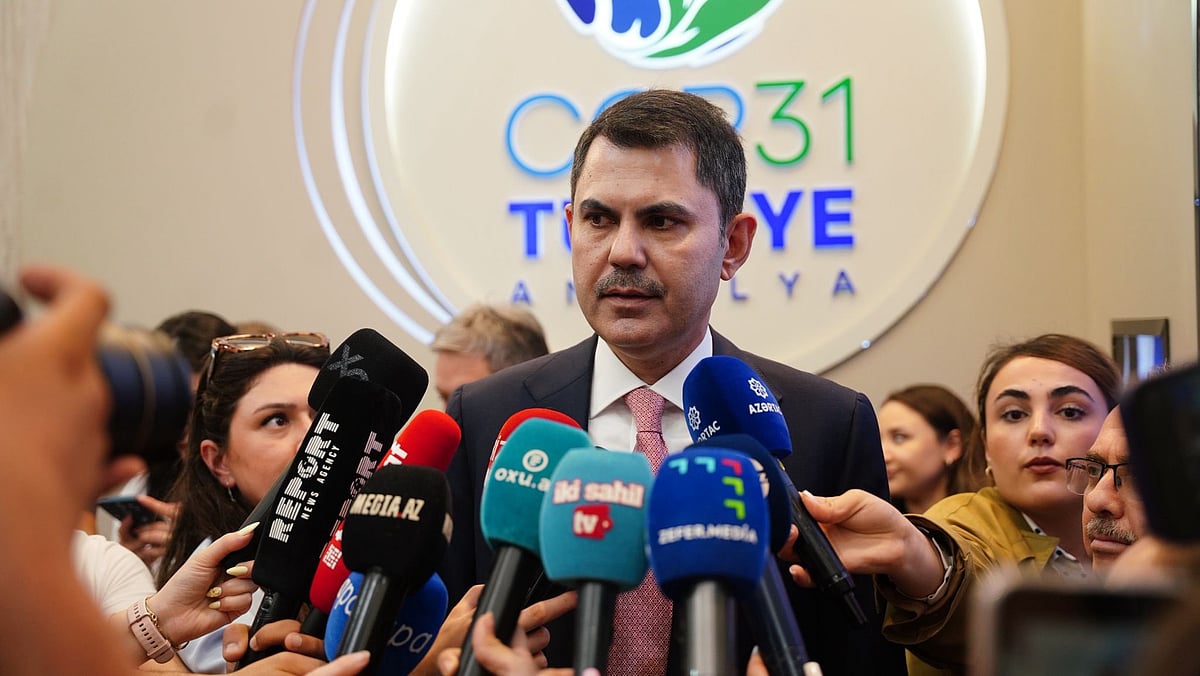
- Ahead of COP31 in Antalya, Türkiye (co-host with Australia) has elevated economy-wide electrification as a central pillar of global climate action.
- COP31 President-Designate Murat Kurum called for accelerating electrification across transport, buildings, and industry to replace direct fossil fuel use—not just decarbonising power generation.
- International Renewable Energy Agency (IRENA) proposes increasing electricity's share of global final energy consumption from current ~20% to 35% by 2035, and 50% by 2050, to stay on a 1.5°C pathway.
- Electrification framed as dual solution: enhances energy security against fossil fuel volatility while enabling deep decarbonisation of "hard-to-abate" sectors.
- Key challenge identified: Global power grid investment must double from $0.5 trillion/year (2025) to $1 trillion/year until 2035 to support this transition.
The "35 by 35" Electrification Target: Scope & Rationale
- Overview: Metric tracks electricity's share in final energy consumption (end-use), distinct from generation mix.
- Sectoral Focus:
- Transport: Scale-up of electric vehicles (EVs), rail electrification, and charging infrastructure.
- Buildings: Shift to electric heat pumps, induction cooking, and smart energy management.
- Industry: Electrification of low/medium-temperature processes; green hydrogen for high-heat applications.
- Strategic Logic:
- Emissions Reduction: Direct fossil fuel combustion accounts for ~75% of global GHG emissions; electrification + clean grids cuts this at source.
- Energy Security: Reduces exposure to geopolitical oil/gas supply shocks; leverages domestically generated renewables.
- Co-benefits: Improves urban air quality, reduces health burdens, and creates green jobs in manufacturing and grid services.
India's Position: Opportunities & Preparedness
- Current Status:
- Peak power demand recently crossed 270 GW, with renewables (including hydro) contributing ~34% during peak hours.
- Electricity share in final energy: Estimated at ~22-24% (slightly above global average), with significant headroom for growth.
- Policy Enablers:
- National Green Hydrogen Mission: Supports electrification of industry and heavy transport via clean fuel integration.
- FAME-II & PLI Schemes: Accelerate EV adoption and domestic battery manufacturing.
- Green Energy Corridres: Strengthen interstate transmission for renewable integration.
- Implementation Gaps:
- Distribution Company (DISCOM) Finances: Weak financial health of state DISCOMs constrains grid modernisation investments.
- Equity Concerns: Rural/low-income households need targeted subsidies for appliance electrification (e.g., heat pumps, EVs) to avoid energy poverty.
Additional Info
- Global Governance Framework:
- UNFCCC & Paris Agreement: Provide legal basis for nationally determined contributions (NDCs); electrification targets can be integrated into updated NDCs.
- COP28 Outcomes: "Transitioning away from fossil fuels" pledge creates momentum for COP31 electrification focus.
- SDG 7 (Affordable & Clean Energy) & SDG 13 (Climate Action): Electrification with renewables directly advances both goals.
- India's Legal & Institutional Architecture:
- Electricity Act, 2003: Mandates promotion of renewables, open access, and consumer choice—foundational for electrification transition.
- Energy Conservation Act, 2001 (amended 2022): Empowers Bureau of Energy Efficiency (BEE) to set standards for appliances, buildings, and industries.
- Constitutional Provisions: Article 48A (environment protection) and Article 51A(g) (citizen duty) support climate-resilient energy policy.
- Financing Mechanisms:
- Green Climate Fund (GCF) & Adaptation Fund: Potential sources for concessional finance for grid upgrades in developing countries.
- Sovereign Green Bonds: India issued ₹16,000 crore in 2023-24; proceeds allocated to renewable and grid projects.
- Blended Finance Models: Public capital to de-risk private investment in distribution infrastructure and EV charging networks.
Sources:
May 2026
Archive
November 2026
- 28 November 2026
- 27 November 2026
- 26 November 2026
- 25 November 2026
- 24 November 2026
- 23 November 2026
- 21 November 2026
- 20 November 2026
- 19 November 2026
- 18 November 2026
- 17 November 2026
- 16 November 2026
- 14 November 2026
- 13 November 2026
- 12 November 2026
- 11 November 2026
- 10 November 2026
- 09 November 2026
- 06 November 2026
- 05 November 2026
- 04 November 2026
- 03 November 2026
- 02 November 2026
October 2026
- 31 October 2026
- 30 October 2026
- 29 October 2026
- 28 October 2026
- 27 October 2026
- 26 October 2026
- 24 October 2026
- 23 October 2026
- 22 October 2026
- 21 October 2026
- 20 October 2026
- 19 October 2026
- 17 October 2026
- 16 October 2026
- 15 October 2026
- 14 October 2026
- 13 October 2026
- 12 October 2026
- 10 October 2026
- 09 October 2026
- 08 October 2026
- 07 October 2026
- 06 October 2026
- 05 October 2026
- 03 October 2026
- 02 October 2026
- 01 October 2026
September 2026
- 30 September 2026
- 29 September 2026
- 28 September 2026
- 26 September 2026
- 25 September 2026
- 24 September 2026
- 23 September 2026
- 22 September 2026
- 21 September 2026
- 19 September 2026
- 18 September 2026
- 17 September 2026
- 16 September 2026
- 15 September 2026
- 12 September 2026
- 11 September 2026
- 10 September 2026
- 09 September 2026
- 08 September 2026
- 07 September 2026
- 05 September 2026
- 04 September 2026
- 03 September 2026
- 02 September 2026
- 01 September 2026
August 2026
- 31 August 2026
- 29 August 2026
- 27 August 2026
- 26 August 2026
- 25 August 2026
- 24 August 2026
- 22 August 2026
- 21 August 2026
- 20 August 2026
- 19 August 2026
- 18 August 2026
- 17 August 2026
- 14 August 2026
- 13 August 2026
- 12 August 2026
- 11 August 2026
- 10 August 2026
- 08 August 2026
- 07 August 2026
- 06 August 2026
- 05 August 2026
- 04 August 2026
- 03 August 2026
- 01 August 2026
July 2026
- 31 July 2026
- 30 July 2026
- 29 July 2026
- 28 July 2026
- 27 July 2026
- 25 July 2026
- 23 July 2026
- 22 July 2026
- 21 July 2026
- 20 July 2026
- 18 July 2026
- 17 July 2026
- 15 July 2026
- 14 July 2026
- 13 July 2026
- 11 July 2026
- 10 July 2026
- 09 July 2026
- 08 July 2026
- 07 July 2026
- 06 July 2026
- 04 July 2026
- 03 July 2026
- 02 July 2026
- 01 July 2026
June 2026
May 2026
April 2026
March 2026
- 31 March 2026
- 30 March 2026
- 28 March 2026
- 27 March 2026
- 26 March 2026
- 25 March 2026
- 24 March 2026
- 23 March 2026
- 21 March 2026
- 20 March 2026
- 19 March 2026
- 18 March 2026
- 17 March 2026
- 16 March 2026
- 14 March 2026
- 13 March 2026
- 12 March 2026
- 11 March 2026
- 10 March 2026
- 09 March 2026
- 07 March 2026
- 06 March 2026
- 05 March 2026
- 03 March 2026
- 02 March 2026
February 2026
- 28 February 2026
- 27 February 2026
- 26 February 2026
- 25 February 2026
- 24 February 2026
- 23 February 2026
- 21 February 2026
- 20 February 2026
- 19 February 2026
- 18 February 2026
- 17 February 2026
- 16 February 2026
- 13 February 2026
- 12 February 2026
- 11 February 2026
- 10 February 2026
- 09 February 2026
- 07 February 2026
- 06 February 2026
- 05 February 2026
- 04 February 2026
- 03 February 2026
- 02 February 2026
January 2026
- 31 January 2026
- 30 January 2026
- 29 January 2026
- 28 January 2026
- 27 January 2026
- 26 January 2026
- 24 January 2026
- 23 January 2026
- 22 January 2026
- 21 January 2026
- 20 January 2026
- 19 January 2026
- 16 January 2026
- 15 January 2026
- 14 January 2026
- 13 January 2026
- 12 January 2026
- 10 January 2026
- 09 January 2026
- 08 January 2026
- 07 January 2026
- 06 January 2026
- 05 January 2026
- 03 January 2026
- 02 January 2026
- 01 January 2026
December 2025
- 31 December 2025
- 30 December 2025
- 29 December 2025
- 27 December 2025
- 26 December 2025
- 24 December 2025
- 23 December 2025
- 22 December 2025
- 20 December 2025
- 19 December 2025
- 18 December 2025
- 17 December 2025
- 16 December 2025
- 15 December 2025
- 13 December 2025
- 12 December 2025
- 11 December 2025
- 10 December 2025
- 09 December 2025
- 08 December 2025
- 05 December 2025
- 04 December 2025
- 03 December 2025
- 02 December 2025
November 2025
- 29 November 2025
- 28 November 2025
- 27 November 2025
- 26 November 2025
- 25 November 2025
- 24 November 2025
- 22 November 2025
- 21 November 2025
- 20 November 2025
- 19 November 2025
- 18 November 2025
- 17 November 2025
- 15 November 2025
- 14 November 2025
- 13 November 2025
- 12 November 2025
- 11 November 2025
- 10 November 2025
- 08 November 2025
- 07 November 2025
- 06 November 2025
- 05 November 2025
- 04 November 2025
- 03 November 2025
- 01 November 2025
October 2025
- 31 October 2025
- 30 October 2025
- 29 October 2025
- 28 October 2025
- 27 October 2025
- 25 October 2025
- 24 October 2025
- 23 October 2025
- 22 October 2025
- 21 October 2025
- 20 October 2025
- 18 October 2025
- 17 October 2025
- 16 October 2025
- 15 October 2025
- 14 October 2025
- 13 October 2025
- 11 October 2025
- 10 October 2025
- 09 October 2025
- 08 October 2025
- 07 October 2025
- 06 October 2025
- 04 October 2025
- 03 October 2025
- 02 October 2025
- 01 October 2025
September 2025
- 30 September 2025
- 29 September 2025
- 27 September 2025
- 26 September 2025
- 25 September 2025
- 24 September 2025
- 23 September 2025
- 22 September 2025
- 20 September 2025
- 19 September 2025
- 18 September 2025
- 17 September 2025
- 16 September 2025
- 15 September 2025
- 13 September 2025
- 12 September 2025
- 11 September 2025
- 10 September 2025
- 09 September 2025
- 08 September 2025
- 06 September 2025
- 05 September 2025
- 04 September 2025
- 03 September 2025
- 02 September 2025
- 01 September 2025
August 2025
- 30 August 2025
- 29 August 2025
- 28 August 2025
- 27 August 2025
- 26 August 2025
- 25 August 2025
- 23 August 2025
- 22 August 2025
- 21 August 2025
- 20 August 2025
- 19 August 2025
- 18 August 2025
- 16 August 2025
- 14 August 2025
- 13 August 2025
- 12 August 2025
- 11 August 2025
- 08 August 2025
- 07 August 2025
- 06 August 2025
- 05 August 2025
- 04 August 2025
- 02 August 2025
- 01 August 2025
July 2025
- 31 July 2025
- 30 July 2025
- 29 July 2025
- 28 July 2025
- 26 July 2025
- 25 July 2025
- 24 July 2025
- 23 July 2025
- 22 July 2025
- 21 July 2025
- 19 July 2025
- 18 July 2025
- 17 July 2025
- 16 July 2025
- 15 July 2025
- 12 July 2025
- 11 July 2025
- 10 July 2025
- 09 July 2025
- 07 July 2025
- 05 July 2025
- 04 July 2025
- 03 July 2025
- 02 July 2025
- 01 July 2025
June 2025
- 30 June 2025
- 28 June 2025
- 27 June 2025
- 26 June 2025
- 25 June 2025
- 24 June 2025
- 23 June 2025
- 21 June 2025
- 20 June 2025
- 19 June 2025
- 18 June 2025
- 17 June 2025
- 16 June 2025
- 14 June 2025
- 13 June 2025
- 12 June 2025
- 11 June 2025
- 10 June 2025
- 09 June 2025
- 07 June 2025
- 06 June 2025
- 05 June 2025
- 04 June 2025
- 03 June 2025
- 02 June 2025
May 2025
April 2025
- 30 April 2025
- 29 April 2025
- 28 April 2025
- 26 April 2025
- 25 April 2025
- 24 April 2025
- 23 April 2025
- 22 April 2025
- 21 April 2025
- 19 April 2025
- 18 April 2025
- 17 April 2025
- 16 April 2025
- 15 April 2025
- 14 April 2025
- 12 April 2025
- 11 April 2025
- 10 April 2025
- 09 April 2025
- 08 April 2025
- 07 April 2025
- 05 April 2025
- 04 April 2025
- 03 April 2025
- 02 April 2025
- 01 April 2025
March 2025
- 31 March 2025
- 29 March 2025
- 28 March 2025
- 27 March 2025
- 26 March 2025
- 25 March 2025
- 24 March 2025
- 22 March 2025
- 21 March 2025
- 20 March 2025
- 19 March 2025
- 18 March 2025
- 17 March 2025
- 15 March 2025
- 13 March 2025
- 12 March 2025
- 11 March 2025
- 10 March 2025
- 08 March 2025
- 07 March 2025
- 06 March 2025
- 05 March 2025
- 04 March 2025
- 03 March 2025
- 01 March 2025
February 2025
- 28 February 2025
- 27 February 2025
- 26 February 2025
- 25 February 2025
- 24 February 2025
- 22 February 2025
- 21 February 2025
- 20 February 2025
- 19 February 2025
- 18 February 2025
- 17 February 2025
- 15 February 2025
- 14 February 2025
- 13 February 2025
- 12 February 2025
- 11 February 2025
- 10 February 2025
- 08 February 2025
- 07 February 2025
- 06 February 2025
- 05 February 2025
- 04 February 2025
- 03 February 2025
- 01 February 2025
January 2025
- 31 January 2025
- 30 January 2025
- 29 January 2025
- 28 January 2025
- 27 January 2025
- 25 January 2025
- 24 January 2025
- 23 January 2025
- 22 January 2025
- 21 January 2025
- 20 January 2025
- 18 January 2025
- 17 January 2025
- 16 January 2025
- 15 January 2025
- 14 January 2025
- 13 January 2025
- 11 January 2025
- 10 January 2025
- 09 January 2025
- 08 January 2025
- 07 January 2025
- 06 January 2025
- 04 January 2025
- 03 January 2025
- 02 January 2025
- 01 January 2025