
Current Affairs
Stay updated with the latest national and international events.
23 July 2026
India Mandates Local Storage of Telecom-Network Data

What’s the News?
- The Union Government has prohibited authorised communication-infrastructure providers from routing, sharing or making copies of telecom-network data, logs and related information available outside India.
- The data-localisation requirement is part of the Telecommunications (Authorisation for Telecommunication Network) Rules, 2026, administered by the Department of Telecommunications.
- It covers infrastructure such as cloud-hosted telecom networks, mobile towers, internet exchange points and satellite earth-station gateways. Providers using overseas storage or network-management systems may consequently need to localise their data architecture.
Telecom-Network Authorisation Framework
The framework replaces the earlier licence- and registration-oriented system with authorisations under the Telecommunications Act, 2023.
It provides six categories of authorisation:
- Infrastructure provider
- Digital connectivity infrastructure provider
- Internet exchange point provider
- Satellite earth-station gateway provider
- Cloud-hosted telecommunication network provider
- Mobile number portability provider
The first five operate over the national area, while mobile-number-portability authorisation is granted for specified zones. An authorisation may remain valid for a maximum of 20 years, subject to applicable conditions.
Data Localisation and Remote Access
- All telecom-network systems and associated data, logs and information must be stored within India.
- No copy may be routed, shared or made available outside India.
- Remote access from abroad requires prior Central Government permission and is limited to approved locations, persons, purposes and duration.
- Such access cannot provide entry to lawful-interception systems, call-detail records, message content or other notified sensitive data.
- A complete audit trail of overseas remote-access activity must be retained in India for six months.
Inspection and Compliance
- The Central Government may inspect sites containing telecom equipment, including installations located on a user’s premises.
- It may audit the systems and processes of authorised entities through a designated agency.
- Prior notice may be dispensed with when immediate action is considered necessary in the public interest.
- Delays in receiving Right of Way permission cannot be used as grounds for non-compliance with authorisation obligations.
- A breach may result in civil penalties or the suspension, curtailment or revocation of authorisation under Section 32 of the Telecommunications Act, 2023.
Authorisation Fees
- Processing fee: ₹10,000 for each category.
- Entry fee:
- Infrastructure provider: Nil
- Internet exchange point provider: Nil
- Digital connectivity infrastructure provider: ₹10 lakh
- Satellite earth-station gateway provider: ₹10 lakh
- Cloud-hosted telecom-network provider: ₹10 lakh
- Mobile number portability provider: ₹50 lakh
- Mobile-number-portability providers must also furnish an initial guarantee of ₹40 lakh.
Additional Info
- Department of Telecommunications
- Functions under the Ministry of Communications.
- Formulates telecom policy and administers authorisations, spectrum and network-security requirements.
- Telecommunications Act, 2023
- Section 3: Requires Central Government authorisation for providing telecom services, establishing or operating telecom networks, and possessing specified radio equipment.
- Section 19: Empowers the Centre to notify standards for telecom equipment, networks, cybersecurity, encryption and data processing.
- Section 32: Provides for civil penalties and recommendations concerning suspension or revocation for breach of authorisation conditions.
Sources
Cabinet Clears Tougher Anti-Paper Leak Bill

What’s the News?
- The Union Cabinet has approved a draft Bill to strengthen the legal framework against question-paper leaks and organised examination fraud.
- The Bill reportedly proposes a minimum imprisonment of five years, extendable to 10 years, along with a maximum fine of ₹10 crore for serious and organised offences.
- It also proposes fast-track courts for faster disposal of paper-leak cases.
- Cabinet approval does not make the proposal a law. The Bill must be passed by both Houses of Parliament and receive Presidential assent.
Proposed Stricter Penalties
| Provision | Existing 2024 Act | Reported Proposal |
|---|---|---|
| General offences involving unfair means | 3–5 years’ imprisonment and fine up to ₹10 lakh | Minimum imprisonment increased to 5 years; maximum up to 10 years |
| Organised examination crime | 5–10 years’ imprisonment and minimum fine of ₹1 crore | Maximum fine of up to ₹10 crore |
| Trial process | Regular criminal-justice process | Fast-track courts proposed |
The exact applicability of the enhanced penalties will be confirmed when the Bill’s official text is introduced in Parliament.
Public Examinations Act, 2024
The Public Examinations (Prevention of Unfair Means) Act, 2024 is the existing central legislation against organised cheating and examination fraud.
- It identifies 15 forms of unfair means, including:
- Leakage of question papers or answer keys.
- Unauthorised possession of examination material.
- Tampering with OMR sheets, assessment records or computer systems.
- Manipulation of examination centres, shifts or seating arrangements.
- Creation of fake examination websites, admit cards or offer letters.
- Offences are cognizable, non-bailable and non-compoundable.
- Investigation must be conducted by an officer not below the rank of Deputy Superintendent of Police or Assistant Commissioner of Police.
- Property of an institution involved in organised crime may be attached and forfeited.
Examinations Covered
The Act covers examinations conducted by:
- Union Public Service Commission — UPSC.
- Staff Selection Commission — SSC.
- Railway Recruitment Boards — RRBs.
- Institute of Banking Personnel Selection — IBPS.
- Central ministries, departments and their subordinate offices.
- National Testing Agency — NTA.
- Any other authority notified by the Central Government.
Additional Info
- Protection of candidates
- The central law primarily targets organised groups, institutions, service providers and persons facilitating examination fraud.
- Candidates’ individual misconduct continues to be dealt with under the administrative rules of the concerned examination authority.
- Constitutional provisions
- Article 315: Provides for the UPSC and State Public Service Commissions.
- Article 107: Deals with the introduction and passage of Bills in Parliament.
- Article 111: Provides for Presidential assent to Bills.
- Bill versus Act
- A Bill is proposed legislation.
- It becomes an Act only after parliamentary passage and Presidential assent.
- Therefore, the enhanced punishments are proposed measures and are not yet enforceable.
Sources
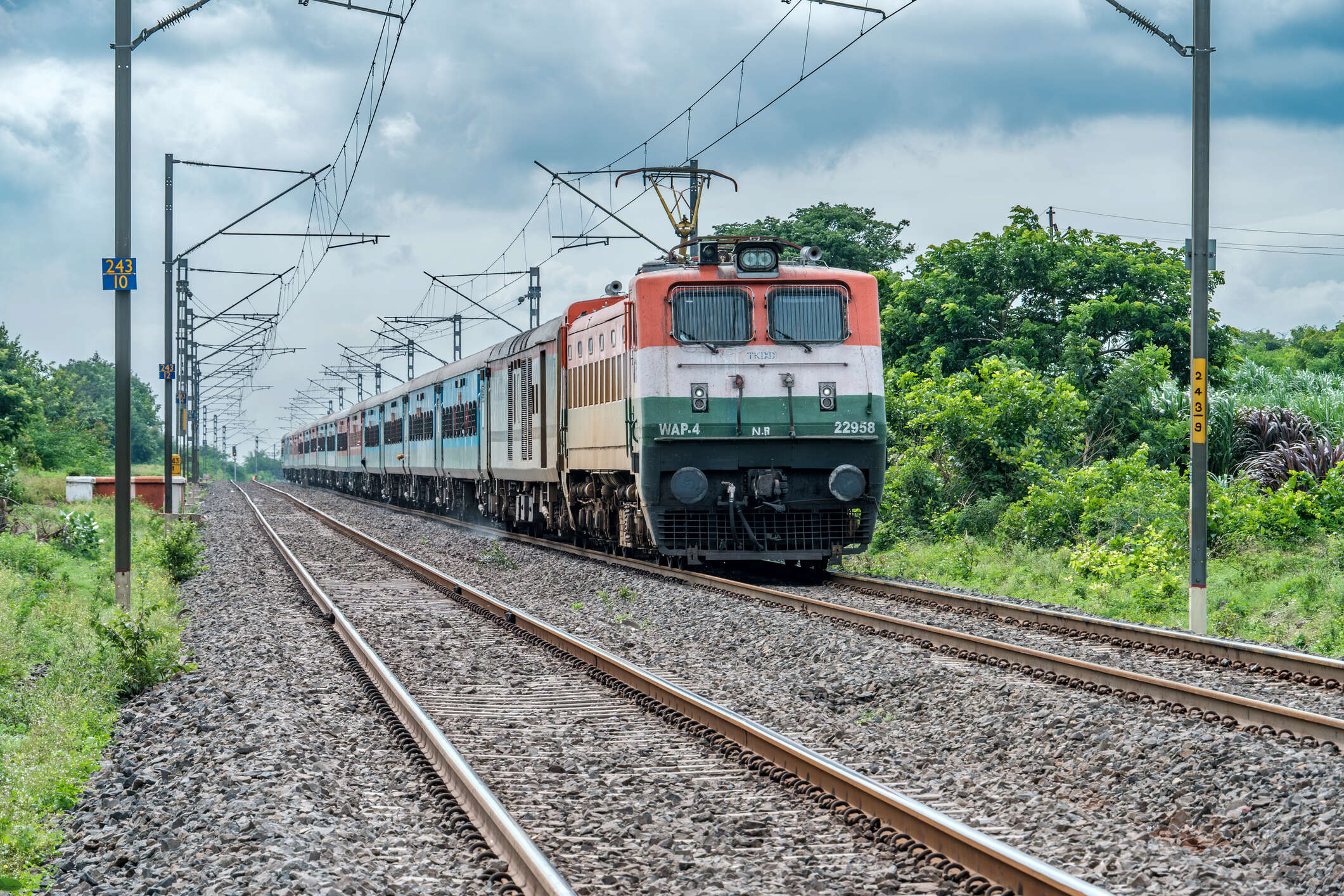
Indian Railways Becomes World’s Second-Most Electrified Major Rail Network
What’s the News?
- Indian Railways has electrified 99.6% of its Broad Gauge network, giving India the second-highest electrification share among major railway systems after Switzerland.
- Railway Minister Ashwini Vaishnaw informed the Lok Sabha that the remaining Broad Gauge routes have been taken up for electrification.
- The programme aims to reduce diesel dependence, improve operational efficiency, lower emissions and support greater use of renewable electricity.
Electrification Milestone
- 48,072 route kilometres (RKM) were electrified during 2014–26.
- In comparison, 21,801 RKM were electrified during approximately six decades before 2014.
- All new railway-line and multi-tracking projects are now sanctioned and constructed with electrification.
Global Comparison
| Country | Railway-network electrification |
|---|---|
| Switzerland | 100% |
| India | 99.6% |
| China | 82% |
| Spain | 67% |
| Japan | 64% |
| France | 60% |
| United Kingdom | 39% |
The comparison is based on an International Union of Railways, or UIC, report. India’s figure specifically relates to its Broad Gauge network.
Operational and Economic Impact
- Electric locomotives provide higher haulage capacity and can support higher speeds, improving freight and passenger operations.
- Reduced dependence on diesel lowers exposure to imported petroleum and saves foreign exchange.
- Diesel consumption for railway traction declined from 293 crore litres in 2015–16 to 108 crore litres in 2024–25.
- This represents a reduction of 185 crore litres, or approximately 63%.
Environmental Impact
For transporting one tonne of freight over one kilometre:
- Road transport: 101 grams of CO₂.
- Rail transport: 11.5 grams of CO₂.
- Rail therefore emits approximately 89% less CO₂ than road-based freight transport.
Shifting freight from roads to electrified railways can consequently reduce transport-sector emissions, congestion and fossil-fuel consumption.
Renewable-Energy Integration
Indian Railways is progressively integrating renewable power into its electric-traction system.
- Solar capacity commissioned: approximately 1,161 MW.
- Wind-power capacity commissioned: approximately 103 MW.
- Combined commissioned solar and wind capacity: approximately 1,264 MW.
Electrification permits traction energy to be sourced from solar, wind and hybrid systems. However, complete decarbonisation also depends on the share of clean energy in the electricity supplied to the railway network.
Remaining Work
- 15 of the 19 railway zones have achieved complete electrification.
- Electrification levels in the remaining zones include:
- North Western Railway: 99.8%
- Northeast Frontier Railway: 98.7%
- Southern Railway: 98.7%
- South Western Railway: 96.1%
- A Project Monitoring Group portal, assured funding and enhanced financial powers for field units are being used to resolve implementation bottlenecks.
Additional Info
- Broad Gauge
- India’s principal railway gauge.
- The distance between the two rails is 1,676 millimetres.
- Route Kilometre
- Measures the length of a railway route, irrespective of whether it has single, double or multiple tracks.
- It differs from track kilometres, which count each parallel track separately.
- International Union of Railways
- Commonly known by its French abbreviation, UIC.
- A global railway-sector organisation headquartered in Paris.
- Facilitates technical cooperation, standards and exchange of railway data.
- Mission 100% Electrification
- Seeks to electrify the complete Broad Gauge railway network.
- Supports Indian Railways’ objective of becoming a net-zero carbon emitter by 2030.
- Electrification alone does not ensure zero emissions; the electricity must increasingly come from non-fossil sources.
Sources
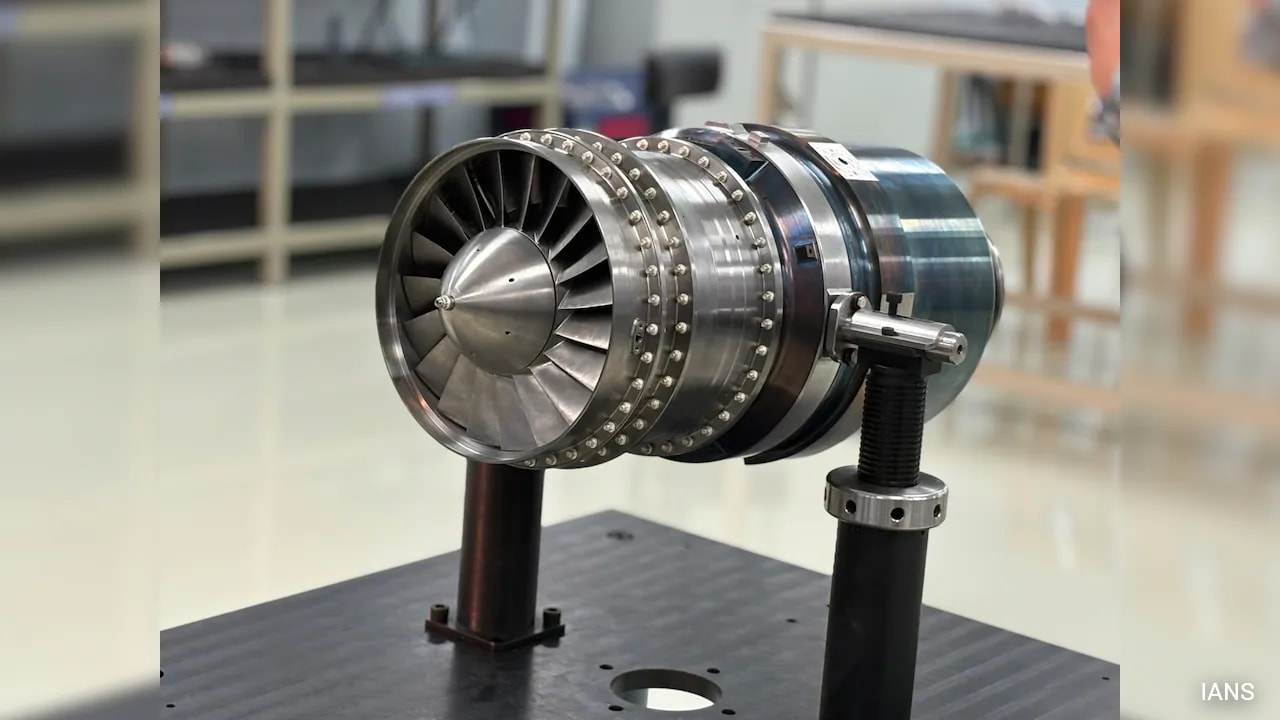
India Develops First Indigenous Expendable Turbojet Engine
What’s the News?
- India has successfully developed its first indigenous expendable turbojet engine in the 350-kg thrust class.
- The engine was designed by the Gas Turbine Research Establishment (GTRE), a laboratory of the Defence Research and Development Organisation.
- Hyderabad-based Azad Engineering was selected as the industry partner for its manufacturing and assembly.
- The engine has been realised and delivered to GTRE, demonstrating cooperation between India’s defence research establishment and private industry.
Expendable Turbojet Engine
A turbojet is an air-breathing gas-turbine engine that produces thrust through the following process:
- Air enters through the intake.
- A compressor raises the air pressure.
- Fuel is mixed with the compressed air and burned.
- Hot gases rotate a turbine.
- High-speed exhaust exits through a nozzle to generate thrust.
An expendable engine is designed primarily for single-use or limited-use platforms, such as missiles, aerial targets and certain unmanned systems.
350-kg Thrust Class
- The figure refers to the engine’s thrust output, not its physical weight.
- 350 kilogram-force is approximately equal to 3.43 kilonewtons.
- Engines in this class can provide propulsion for compact, high-speed unmanned or missile-based platforms.
- The indigenous engine was reportedly realised in about 24 months.
Defence Applications
Reported potential applications include:
- Naval anti-ship and cruise missiles.
- Unmanned aerial vehicles.
- Medium-range anti-drone systems.
- Air-to-air missiles.
- Air-to-surface missiles.
- High-speed expendable aerial targets.
Turbojet propulsion is suited to such platforms because it can provide sustained thrust during powered flight. The final deployment of the engine on a specific weapon system has not yet been officially announced.
GTRE–Industry Partnership
- Design authority: Gas Turbine Research Establishment.
- Manufacturing and assembly partner: Azad Engineering, Hyderabad.
- DRDO officials receiving the engine:
- Dr K. Rajalakshmi Menon, Director General, Aeronautical Systems.
- Dr S. V. Ramanamurty, Director, GTRE.
- Industry representative: Rakesh Chopdar, Chief Executive Officer of Azad Engineering.
The partnership allowed DRDO’s design to be converted into a production-grade physical engine through domestic precision manufacturing.
Additional Info
- Gas Turbine Research Establishment
- Located in Bengaluru, Karnataka.
- Functions under DRDO’s Aeronautical Systems cluster.
- Works on aero-gas-turbine engines and related propulsion technologies.
- Defence Research and Development Organisation
- Functions under the Ministry of Defence.
- Develops defence technologies for aeronautics, missiles, electronics, combat vehicles, naval systems and life sciences.
- Turbojet versus Turbofan
- Turbojet: Most thrust comes from high-speed exhaust gases.
- Turbofan: A significant part of the thrust is generated by air moved by a large fan.
- Turbojets are compact and suitable for certain high-speed applications, while turbofans generally provide better fuel efficiency.
Sources
DRDO Successfully Tests Indigenous Kusha Long-Range Air-Defence Missile
What’s the News?
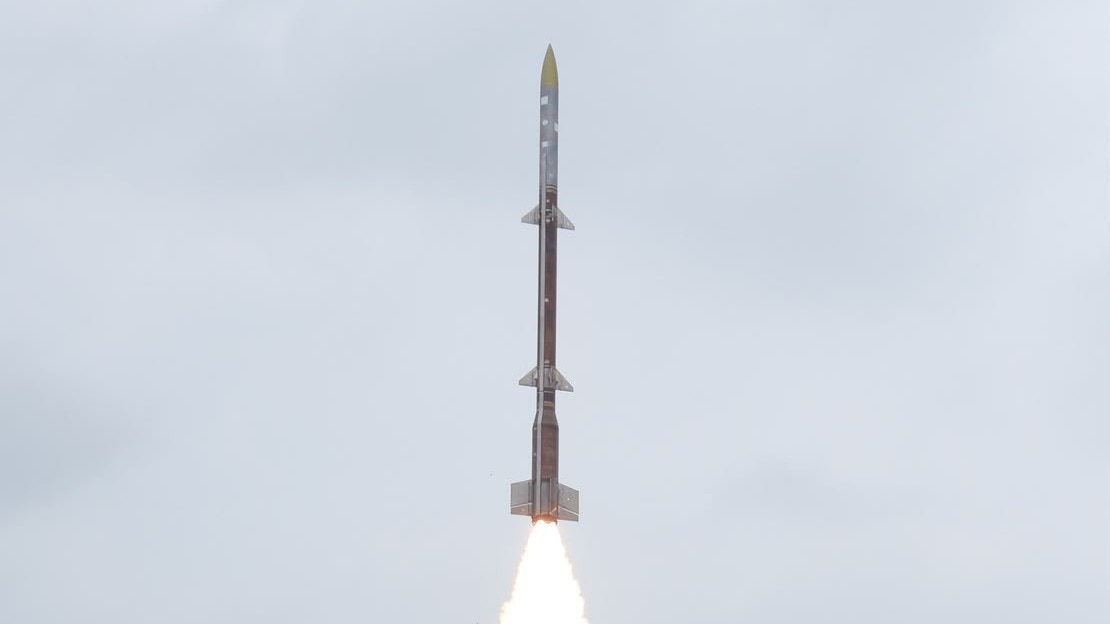
- The Defence Research and Development Organisation conducted the maiden flight test of the indigenous Kusha Long-Range Surface-to-Air Missile, or LRSAM.
- The missile was launched from Dr APJ Abdul Kalam Island off the Odisha coast.
- It successfully intercepted an electronic target simulating a high-speed, high-altitude aerial threat.
- The test marks an important developmental milestone; further trials are required before operational induction.
Kusha Missile System
Kusha is an indigenous long-range air-defence system being developed to protect strategic assets and large geographical areas from multiple aerial threats.
It is designed to engage:
- Fighter aircraft.
- Cruise and other aerial missiles.
- Unmanned aerial vehicles.
- Large airborne platforms.
- High-speed threats operating at different altitudes.
The system is intended to provide a layered interception capability rather than relying on a single missile for every target and range.
Test Details
- Type of test: Maiden developmental flight test.
- Launch site: Dr APJ Abdul Kalam Island, Odisha.
- Target: Electronic target simulating a high-speed and high-altitude aerial threat.
- Result: The simulated threat was successfully intercepted.
- Purpose: To validate the missile’s flight performance, guidance, control and interception capability under representative conditions.
A successful maiden test demonstrates the viability of the design. It does not mean that the complete system has entered service.
Planned Range Architecture
Reports describe Kusha as a multi-tier system with three planned interceptor classes:
| Interceptor | Reported engagement range |
|---|---|
| M1 | Around 150 km |
| M2 | Around 250 km |
| M3 | Around 350–400 km |
The official announcement of the maiden test did not identify the interceptor variant tested or state its demonstrated range. These range figures therefore represent the programme’s reported planned configuration, not the verified performance of the particular test.
Indigenous Weapon-System Elements
Major components of the Kusha system have been developed by different DRDO laboratories with Indian industry partners. These include:
- Interceptor missiles.
- Surveillance and engagement radars.
- Command-and-control centre.
- Launch and associated support systems.
- Target-tracking and fire-control mechanisms.
An integrated air-defence system requires sensors to detect a threat, command systems to assess and assign the target, and an interceptor missile to neutralise it.
Strategic Significance
- Import substitution: Reduces dependence on imported long-range air-defence systems.
- Layered defence: Supplements India’s existing short-, medium- and long-range air-defence capabilities.
- Multiple-target capability: Intended to address aircraft, drones and missile threats across different ranges and altitudes.
- Domestic ecosystem: Strengthens Indian capabilities in missile propulsion, seekers, radar technology, guidance and command-and-control systems.
- Critical infrastructure protection: Can eventually support the defence of military bases, population centres and other strategic installations.
The Defence Minister described indigenous development of a long-range surface-to-air missile system as a capability possessed by only a limited number of countries.
Additional Info
- Surface-to-Air Missile
- Launched from the ground to intercept an airborne target.
- Differs from a surface-to-surface missile, which attacks a target located on land or at sea.
- Layered Air Defence
- Uses different sensors and interceptors for short-, medium- and long-range threats.
- Provides multiple opportunities to engage an incoming threat.
- DRDO
- Functions under the Department of Defence Research and Development, Ministry of Defence.
- Develops missiles, radars, electronic-warfare systems, aeronautical platforms and other defence technologies.
- Dr APJ Abdul Kalam Island
- Located off the Odisha coast.
- Used for developmental testing of Indian missile systems.
- Named after former President and aerospace scientist Dr A.P.J. Abdul Kalam.
Sources
India Observes 167th Income Tax Day

What’s the News?
- India observed Income Tax Day, or Aaykar Diwas, on 24 July 2026, commemorating the introduction of income tax in the country in 1860.
- The 2026 observance was officially described as the 167th Income Tax Day, although 166 years have elapsed since income tax was introduced.
- At the national celebration, Finance Minister Nirmala Sitharaman called for a fair, transparent and taxpayer-centric administration based on the 5Rs of Responsive Tax Governance.
- The observance also highlighted the implementation of the Income-tax Act, 2025, technological modernisation and reduction of tax litigation.
Income Tax Day
- Observed on: 24 July every year.
- Also known as: Aaykar Diwas.
- First officially celebrated: 2010, marking 150 years of income tax in India.
- Purpose:
- Recognise the contribution of taxpayers.
- Promote voluntary tax compliance.
- Increase awareness of taxpayers’ rights and responsibilities.
- Highlight reforms in direct-tax administration.
- No separate nationwide theme was officially announced for 2026; the central policy focus was responsive and taxpayer-centric governance.
5Rs of Responsive Tax Governance
The Finance Minister outlined five principles for improving taxpayer services:
- Recognise: Promptly acknowledge taxpayers’ concerns.
- Respond: Communicate with clarity, courtesy and empathy.
- Redress: Resolve grievances effectively and within reasonable timelines.
- Reflect: Identify recurring problems and their systemic causes.
- Reform: Modify laws, procedures and technology to prevent repetition of problems.
The framework seeks to distinguish bona fide errors from deliberate tax evasion and shift the department from grievance disposal to grievance prevention.
Evolution of India’s Income-Tax System
| Milestone | Development |
|---|---|
| 1860 | Income tax introduced by Sir James Wilson, Finance Member of the Governor-General’s Council, following the financial strain caused by the Revolt of 1857 |
| 1886 | A more structured income-tax law was introduced |
| 1922 | Income-tax Act, 1922 reorganised direct-tax administration |
| 1924 | Central Board of Revenue constituted |
| 1961–62 | Income-tax Act, 1961 replaced the 1922 legislation |
| 1963 | Central Board of Revenue bifurcated, creating the Central Board of Direct Taxes |
| 1970s onward | Permanent Account Number and specialised tax-administration institutions developed |
| 2000s | E-filing, Centralised Processing Centre and online refund processing introduced |
| 2019 onward | Faceless assessment and appeal mechanisms expanded |
| 2025–26 | Income-tax Act, 2025 replaced the six-decade-old 1961 Act with a simplified framework |
Income-tax Act, 2025
- Came into force from 1 April 2026, replacing the Income-tax Act, 1961.
- Seeks to make direct-tax law simpler, clearer and more taxpayer-friendly.
- Uses streamlined provisions, rules and forms to reduce ambiguity and compliance costs.
- Supports greater tax certainty, voluntary compliance and ease of doing business.
- The Income Tax Department is implementing the law through digital systems and taxpayer-awareness programmes.
Digital Tax Administration
Major initiatives highlighted during the 2026 celebration include:
- PAN 2.0: Technology-driven modernisation of PAN and TAN services.
- ITBA 2.0: Upgradation of the Income Tax Business Application.
- IEC 3.0: Improved taxpayer communication and information systems.
- SAKSHAM NUDGE: Data-based behavioural nudges to encourage voluntary compliance.
- Faceless Assessment: Reduces physical interaction between taxpayers and assessing officers.
- Centralised Processing Centre: Enables large-scale electronic processing of returns and refunds.
Additional Info
- Central Board of Direct Taxes
- Statutory authority under the Central Boards of Revenue Act, 1963.
- Functions under the Department of Revenue, Ministry of Finance.
- Administers personal income tax, corporate tax and other direct taxes.
- Constitutional provisions
- Article 265: No tax can be levied or collected except by authority of law.
- Union List, Entry 82: Parliament can impose taxes on income other than agricultural income.
- State List, Entry 46: State legislatures can impose taxes on agricultural income.
- Direct tax
- The liability is imposed directly on the person or entity earning the income.
- Its burden normally cannot be transferred to another person.
- Examples include personal income tax and corporate tax.
Sources
France and Spain Wildfires Trigger Mass Evacuations and EU Response
What’s the News?
- Severe wildfires across southwestern France and central Spain forced large-scale evacuations, damaged homes and strained national firefighting capacity.
- Initial reports placed evacuations at about 92,000. As evacuation orders expanded, subsequent updates raised the combined figure to over 200,000.
- France evacuated the Cap Ferret peninsula by road and sea, while Spain declared an emergency of national interest in Madrid and Ávila.
- Both countries sought assistance through the European Union’s disaster-response framework.
Major Affected Areas
France
- The principal fire affected Gironde, particularly the Cap Ferret peninsula, an Atlantic-coast tourist area around 60 km from Bordeaux.
- More than 14,000 hectares were affected and over 100 homes were reported destroyed as the fire intensified.
- A separate fire affected the neighbouring Landes department, including areas around Biscarrosse.
- Later updates reported approximately 110,000 evacuations in Gironde and 31,000 in Landes.
Spain
- Major fires affected the Madrid region and the neighbouring province of Ávila in Castilla y León.
- Multiple fire fronts west of Madrid merged, complicating containment operations.
- Spain’s evacuation figure subsequently rose to about 60,000, while additional residents were ordered to remain indoors.
- The central government declared a Level 3 civil-protection emergency, permitting national coordination and deployment of additional resources.
EU Firefighting Assistance
France received or expected:
- Two Canadair firefighting aircraft from Croatia.
- Two Air Tractor aircraft from Portugal.
- Heavy-lift Black Hawk helicopters from the Czech Republic and Slovakia.
Spain received four Canadair water-bombing aircraft—two each from Italy and Greece. Other European countries also supplied personnel and equipment as the emergency expanded.
EU Civil Protection Mechanism
The Union Civil Protection Mechanism, or UCPM, coordinates assistance when a disaster exceeds a country’s domestic response capacity.
- Affected countries may request aircraft, helicopters, equipment and specialised teams.
- Coordination is undertaken through the Emergency Response Coordination Centre, which operates continuously.
- The EU may co-finance the transport and operational costs of deployed assistance.
- rescEU maintains a reserve of firefighting aircraft and other emergency-response assets.
For the 2026 wildfire season, the EU had pre-positioned 777 firefighters from 14 countries and placed 22 aircraft and five helicopters on standby for high-risk states, including France and Spain.
Why Did the Fires Intensify?
The rapid spread was associated with:
- Temperatures approaching or exceeding 39°C.
- Prolonged dry conditions and reduced soil moisture.
- Low humidity and highly combustible vegetation.
- Strong and shifting winds.
- Hilly terrain and dense settlements near forested areas.
Climate change does not necessarily ignite individual fires, but rising temperatures and more intense droughts create conditions in which fires can spread faster and become harder to control. Europe’s burned area in 2026 was already above the 2006–2025 average.
Additional Info
- Convective wildfire
- A highly intense fire that releases enough heat to influence local atmospheric circulation.
- It can generate its own winds, accelerate rapidly and abruptly change direction.
- European Forest Fire Information System
- Commonly known as EFFIS.
- Functions under the Copernicus Emergency Management Service.
- Implemented by the European Commission’s Joint Research Centre.
- Provides satellite-based fire-risk forecasts, active-fire information and burned-area assessments.
- Spain’s emergency of national interest
- Based on the country’s National Civil Protection System.
- Used when an emergency affects multiple autonomous communities or requires resources beyond regional capacity.
- Enables stronger central-government coordination of civilian, military and emergency agencies.
Sources
July 2026
Archive
November 2026
- 27 November 2026
- 26 November 2026
- 25 November 2026
- 24 November 2026
- 23 November 2026
- 21 November 2026
- 20 November 2026
- 19 November 2026
- 18 November 2026
- 17 November 2026
- 16 November 2026
- 14 November 2026
- 13 November 2026
- 12 November 2026
- 11 November 2026
- 10 November 2026
- 09 November 2026
- 06 November 2026
- 05 November 2026
- 04 November 2026
- 03 November 2026
- 02 November 2026
October 2026
- 31 October 2026
- 30 October 2026
- 29 October 2026
- 28 October 2026
- 27 October 2026
- 26 October 2026
- 24 October 2026
- 23 October 2026
- 22 October 2026
- 21 October 2026
- 20 October 2026
- 19 October 2026
- 17 October 2026
- 16 October 2026
- 15 October 2026
- 14 October 2026
- 13 October 2026
- 12 October 2026
- 10 October 2026
- 09 October 2026
- 08 October 2026
- 07 October 2026
- 06 October 2026
- 05 October 2026
- 03 October 2026
- 02 October 2026
- 01 October 2026
September 2026
- 30 September 2026
- 29 September 2026
- 28 September 2026
- 26 September 2026
- 25 September 2026
- 24 September 2026
- 23 September 2026
- 22 September 2026
- 21 September 2026
- 19 September 2026
- 18 September 2026
- 17 September 2026
- 16 September 2026
- 15 September 2026
- 12 September 2026
- 11 September 2026
- 10 September 2026
- 09 September 2026
- 08 September 2026
- 07 September 2026
- 05 September 2026
- 04 September 2026
- 03 September 2026
- 02 September 2026
- 01 September 2026
August 2026
- 31 August 2026
- 29 August 2026
- 27 August 2026
- 26 August 2026
- 25 August 2026
- 24 August 2026
- 22 August 2026
- 21 August 2026
- 20 August 2026
- 19 August 2026
- 18 August 2026
- 17 August 2026
- 14 August 2026
- 13 August 2026
- 12 August 2026
- 11 August 2026
- 10 August 2026
- 08 August 2026
- 07 August 2026
- 06 August 2026
- 05 August 2026
- 04 August 2026
- 03 August 2026
- 01 August 2026
July 2026
- 31 July 2026
- 30 July 2026
- 29 July 2026
- 28 July 2026
- 27 July 2026
- 25 July 2026
- 23 July 2026
- 22 July 2026
- 21 July 2026
- 20 July 2026
- 18 July 2026
- 17 July 2026
- 15 July 2026
- 14 July 2026
- 13 July 2026
- 11 July 2026
- 10 July 2026
- 09 July 2026
- 08 July 2026
- 07 July 2026
- 06 July 2026
- 04 July 2026
- 03 July 2026
- 02 July 2026
- 01 July 2026
June 2026
May 2026
April 2026
March 2026
- 31 March 2026
- 30 March 2026
- 28 March 2026
- 27 March 2026
- 26 March 2026
- 25 March 2026
- 24 March 2026
- 23 March 2026
- 21 March 2026
- 20 March 2026
- 19 March 2026
- 18 March 2026
- 17 March 2026
- 16 March 2026
- 14 March 2026
- 13 March 2026
- 12 March 2026
- 11 March 2026
- 10 March 2026
- 09 March 2026
- 07 March 2026
- 06 March 2026
- 05 March 2026
- 03 March 2026
- 02 March 2026
February 2026
- 28 February 2026
- 27 February 2026
- 26 February 2026
- 25 February 2026
- 24 February 2026
- 23 February 2026
- 21 February 2026
- 20 February 2026
- 19 February 2026
- 18 February 2026
- 17 February 2026
- 16 February 2026
- 13 February 2026
- 12 February 2026
- 11 February 2026
- 10 February 2026
- 09 February 2026
- 07 February 2026
- 06 February 2026
- 05 February 2026
- 04 February 2026
- 03 February 2026
- 02 February 2026
January 2026
- 31 January 2026
- 30 January 2026
- 29 January 2026
- 28 January 2026
- 27 January 2026
- 26 January 2026
- 24 January 2026
- 23 January 2026
- 22 January 2026
- 21 January 2026
- 20 January 2026
- 19 January 2026
- 16 January 2026
- 15 January 2026
- 14 January 2026
- 13 January 2026
- 12 January 2026
- 10 January 2026
- 09 January 2026
- 08 January 2026
- 07 January 2026
- 06 January 2026
- 05 January 2026
- 03 January 2026
- 02 January 2026
- 01 January 2026
December 2025
- 31 December 2025
- 30 December 2025
- 29 December 2025
- 27 December 2025
- 26 December 2025
- 24 December 2025
- 23 December 2025
- 22 December 2025
- 20 December 2025
- 19 December 2025
- 18 December 2025
- 17 December 2025
- 16 December 2025
- 15 December 2025
- 13 December 2025
- 12 December 2025
- 11 December 2025
- 10 December 2025
- 09 December 2025
- 08 December 2025
- 05 December 2025
- 04 December 2025
- 03 December 2025
- 02 December 2025
November 2025
- 29 November 2025
- 28 November 2025
- 27 November 2025
- 26 November 2025
- 25 November 2025
- 24 November 2025
- 22 November 2025
- 21 November 2025
- 20 November 2025
- 19 November 2025
- 18 November 2025
- 17 November 2025
- 15 November 2025
- 14 November 2025
- 13 November 2025
- 12 November 2025
- 11 November 2025
- 10 November 2025
- 08 November 2025
- 07 November 2025
- 06 November 2025
- 05 November 2025
- 04 November 2025
- 03 November 2025
- 01 November 2025
October 2025
- 31 October 2025
- 30 October 2025
- 29 October 2025
- 28 October 2025
- 27 October 2025
- 25 October 2025
- 24 October 2025
- 23 October 2025
- 22 October 2025
- 21 October 2025
- 20 October 2025
- 18 October 2025
- 17 October 2025
- 16 October 2025
- 15 October 2025
- 14 October 2025
- 13 October 2025
- 11 October 2025
- 10 October 2025
- 09 October 2025
- 08 October 2025
- 07 October 2025
- 06 October 2025
- 04 October 2025
- 03 October 2025
- 02 October 2025
- 01 October 2025
September 2025
- 30 September 2025
- 29 September 2025
- 27 September 2025
- 26 September 2025
- 25 September 2025
- 24 September 2025
- 23 September 2025
- 22 September 2025
- 20 September 2025
- 19 September 2025
- 18 September 2025
- 17 September 2025
- 16 September 2025
- 15 September 2025
- 13 September 2025
- 12 September 2025
- 11 September 2025
- 10 September 2025
- 09 September 2025
- 08 September 2025
- 06 September 2025
- 05 September 2025
- 04 September 2025
- 03 September 2025
- 02 September 2025
- 01 September 2025
August 2025
- 30 August 2025
- 29 August 2025
- 28 August 2025
- 27 August 2025
- 26 August 2025
- 25 August 2025
- 23 August 2025
- 22 August 2025
- 21 August 2025
- 20 August 2025
- 19 August 2025
- 18 August 2025
- 16 August 2025
- 14 August 2025
- 13 August 2025
- 12 August 2025
- 11 August 2025
- 08 August 2025
- 07 August 2025
- 06 August 2025
- 05 August 2025
- 04 August 2025
- 02 August 2025
- 01 August 2025
July 2025
- 31 July 2025
- 30 July 2025
- 29 July 2025
- 28 July 2025
- 26 July 2025
- 25 July 2025
- 24 July 2025
- 23 July 2025
- 22 July 2025
- 21 July 2025
- 19 July 2025
- 18 July 2025
- 17 July 2025
- 16 July 2025
- 15 July 2025
- 12 July 2025
- 11 July 2025
- 10 July 2025
- 09 July 2025
- 07 July 2025
- 05 July 2025
- 04 July 2025
- 03 July 2025
- 02 July 2025
- 01 July 2025
June 2025
- 30 June 2025
- 28 June 2025
- 27 June 2025
- 26 June 2025
- 25 June 2025
- 24 June 2025
- 23 June 2025
- 21 June 2025
- 20 June 2025
- 19 June 2025
- 18 June 2025
- 17 June 2025
- 16 June 2025
- 14 June 2025
- 13 June 2025
- 12 June 2025
- 11 June 2025
- 10 June 2025
- 09 June 2025
- 07 June 2025
- 06 June 2025
- 05 June 2025
- 04 June 2025
- 03 June 2025
- 02 June 2025
May 2025
April 2025
- 30 April 2025
- 29 April 2025
- 28 April 2025
- 26 April 2025
- 25 April 2025
- 24 April 2025
- 23 April 2025
- 22 April 2025
- 21 April 2025
- 19 April 2025
- 18 April 2025
- 17 April 2025
- 16 April 2025
- 15 April 2025
- 14 April 2025
- 12 April 2025
- 11 April 2025
- 10 April 2025
- 09 April 2025
- 08 April 2025
- 07 April 2025
- 05 April 2025
- 04 April 2025
- 03 April 2025
- 02 April 2025
- 01 April 2025
March 2025
- 31 March 2025
- 29 March 2025
- 28 March 2025
- 27 March 2025
- 26 March 2025
- 25 March 2025
- 24 March 2025
- 22 March 2025
- 21 March 2025
- 20 March 2025
- 19 March 2025
- 18 March 2025
- 17 March 2025
- 15 March 2025
- 13 March 2025
- 12 March 2025
- 11 March 2025
- 10 March 2025
- 08 March 2025
- 07 March 2025
- 06 March 2025
- 05 March 2025
- 04 March 2025
- 03 March 2025
- 01 March 2025
February 2025
- 28 February 2025
- 27 February 2025
- 26 February 2025
- 25 February 2025
- 24 February 2025
- 22 February 2025
- 21 February 2025
- 20 February 2025
- 19 February 2025
- 18 February 2025
- 17 February 2025
- 15 February 2025
- 14 February 2025
- 13 February 2025
- 12 February 2025
- 11 February 2025
- 10 February 2025
- 08 February 2025
- 07 February 2025
- 06 February 2025
- 05 February 2025
- 04 February 2025
- 03 February 2025
- 01 February 2025
January 2025
- 31 January 2025
- 30 January 2025
- 29 January 2025
- 28 January 2025
- 27 January 2025
- 25 January 2025
- 24 January 2025
- 23 January 2025
- 22 January 2025
- 21 January 2025
- 20 January 2025
- 18 January 2025
- 17 January 2025
- 16 January 2025
- 15 January 2025
- 14 January 2025
- 13 January 2025
- 11 January 2025
- 10 January 2025
- 09 January 2025
- 08 January 2025
- 07 January 2025
- 06 January 2025
- 04 January 2025
- 03 January 2025
- 02 January 2025
- 01 January 2025