
Current Affairs
Stay updated with the latest national and international events.
23 May 2026
India's Demographic Shift

Fertility Rate Falls Below Replacement Level, Infant Mortality Declines
What's the News?
- India's Total Fertility Rate (TFR) has declined to 1.9, falling below the replacement level of 2.1, as per the latest Sample Registration System (SRS) 2024 bulletin .
- Infant Mortality Rate (IMR) has dropped to 24 deaths per 1,000 live births in 2024, down from 30 in 2019, reflecting improved maternal and child healthcare access .
- Crude Birth Rate declined from 21 per 1,000 population in 2014 to 18.3 in 2024, while Crude Death Rate marginally reduced to 6.4 .
- Significant inter-state disparities persist, with southern and western states achieving lower fertility and mortality rates compared to several northern and eastern states .
Fertility Trends: Below Replacement Level
- National TFR at 1.9: India now joins the group of countries with below-replacement fertility, indicating a long-term demographic transition .
- State-wise variation:
- Only six states (including Bihar at 2.9 and Uttar Pradesh) remain above replacement level .
- Delhi records the lowest TFR at 1.2, followed by other southern states like Kerala and Tamil Nadu.
- Working-age population: Now constitutes 66.4% of India's population, presenting a potential demographic dividend if coupled with skill development and employment generation.
- Population ageing: States like Kerala report over 15% of population above 60 years, signaling emerging challenges in elderly care and social security.
Infant Mortality: Progress with Persistent Gaps
- IMR decline: National IMR fell from 39 (2014) to 24 (2024), with rural areas showing sharper improvement (36% decline) than urban (35%) .
- State-level disparities:
- Lowest IMR: Kerala (8), Himachal Pradesh, Tamil Nadu, Delhi (11 each).
- Highest IMR: Chhattisgarh (36), Uttar Pradesh and Madhya Pradesh (35 each).
- Neo-natal mortality: Accounts for ~73% of infant deaths, highlighting the critical importance of care during the first 28 days of life.
- Institutional deliveries: Increased from <83% (2019) to >95% (2024), a key driver behind IMR reduction.
Additional Info
- Sample Registration System (SRS):
- India's largest demographic survey, conducted by the Office of the Registrar General & Census Commissioner.
- Provides annual, reliable estimates of birth rate, death rate, fertility, and infant mortality at national and sub-national levels.
- Constitutional & Policy Framework:
- Entry 6, List III (Concurrent List): Empowers both Centre and States to legislate on population control and family planning.
- National Population Policy 2000: Aims for stable population by 2045 through voluntary, targeted interventions.
- Challenges:
- Gender disparity in IMR: States like Bihar show higher female infant mortality (25 vs. 21 for males), reflecting socio-cultural biases.
- Neo-natal care gaps: High proportion of infant deaths in first 28 days necessitates strengthened Newborn Care Corners and Special Newborn Care Units (SNCUs).
- Data-driven planning: SRS findings should inform state-specific health action plans under NHM.
Sources
JEEVAN App & SHATAYU Dashboard
What's the News?
- The Ministry of Social Justice and Empowerment has launched the JEEVAN mobile app and SHATAYU dashboard to strengthen India's elder care ecosystem through technology .
- JEEVAN (Joint Elderly Empowerment & Virtual Assistance Network) is a citizen-facing app providing single-window access to welfare schemes, emergency support, and healthcare information for senior citizens .
- SHATAYU (Senior Holistic Care Assistance and Training For Your Utility) is a national dashboard to map, certify, and deploy verified geriatric caregivers across districts .
- The initiative aims to formalize the unorganized elderly care sector, improve service accessibility, and support India's growing senior population through a structured care economy framework .
JEEVAN App: Features & Accessibility
- Unified Welfare Gateway: Aggregates information on Central/State pension schemes, healthcare entitlements, and social benefits for seniors in one interface .
- SOS Emergency Matrix: One-touch panic button linking users to local emergency services, medical networks, and the National Elder Helpline (14567) .
- Institutional Home Locator: Geo-tagged directory of government-supported senior citizen homes and day-care facilities .
- Elder-Centric Design: Large fonts, voice-assisted navigation, and simplified UI tailored for elderly users with sensory or digital literacy constraints.
- Target Reach: Designed for India's 149 million senior citizens (aged 60+), projected to rise to 347 million by 2050 (UN estimates).
SHATAYU Dashboard: Formalizing Geriatric Care
- District-Level Micro-Mapping: Real-time visibility of verified caregiver availability, enabling families to locate trained support within their locality .
- Standardized Training Tracker: Monitors certification benchmarks and skill modules for caregivers, aligning with National Skill Development Corporation (NSDC) frameworks.
- Verified Service Directory: Backend validation of caregiver credentials, background checks, and legal compliance to ensure user safety .
- Care-Economy Integration: Aggregates data from NGOs, medical councils, and state agencies to balance caregiver supply-demand gaps, especially in rural/underserved regions .
- Policy Impact: Supports transition of eldercare from informal domestic work to a regulated, skill-based employment sector under the Care Economy Mission framework.
Additional Info
- Constitutional & Legal Framework:
- Article 41 (DPSP): Directs State to secure public assistance in old age.
- Entry 24, List III (Concurrent List): Enables joint Centre-State legislation on welfare of elderly.
- Maintenance and Welfare of Parents and Senior Citizens Act, 2007: Provides legal basis for elder protection; JEEVAN app aids implementation via grievance redressal integration.
- Related Schemes & Initiatives:
- Indira Gandhi National Old Age Pension Scheme (IGNOAPS): Provides monthly pension to BPL seniors; JEEVAN app simplifies application tracking.
- Rashtriya Vayoshri Yojana: Supplies assisted living devices; app enables beneficiary registration and delivery monitoring.
- National Programme for Health Care of Elderly (NPHCE): Focuses on geriatric healthcare infrastructure; SHATAYU complements by strengthening human resource pipeline.
- Organizations:
- Department of Social Justice and Empowerment: Nodal agency for both platforms.
- National Institute of Social Defence (NISD): Provides training modules integrated into SHATAYU certification.
- International Longevity Centre - India (ILC-India): Technical partner for caregiver standards development.
Sources
India Blocks China's WTO Panel Request on Solar & IT Trade Measures
What's the News?
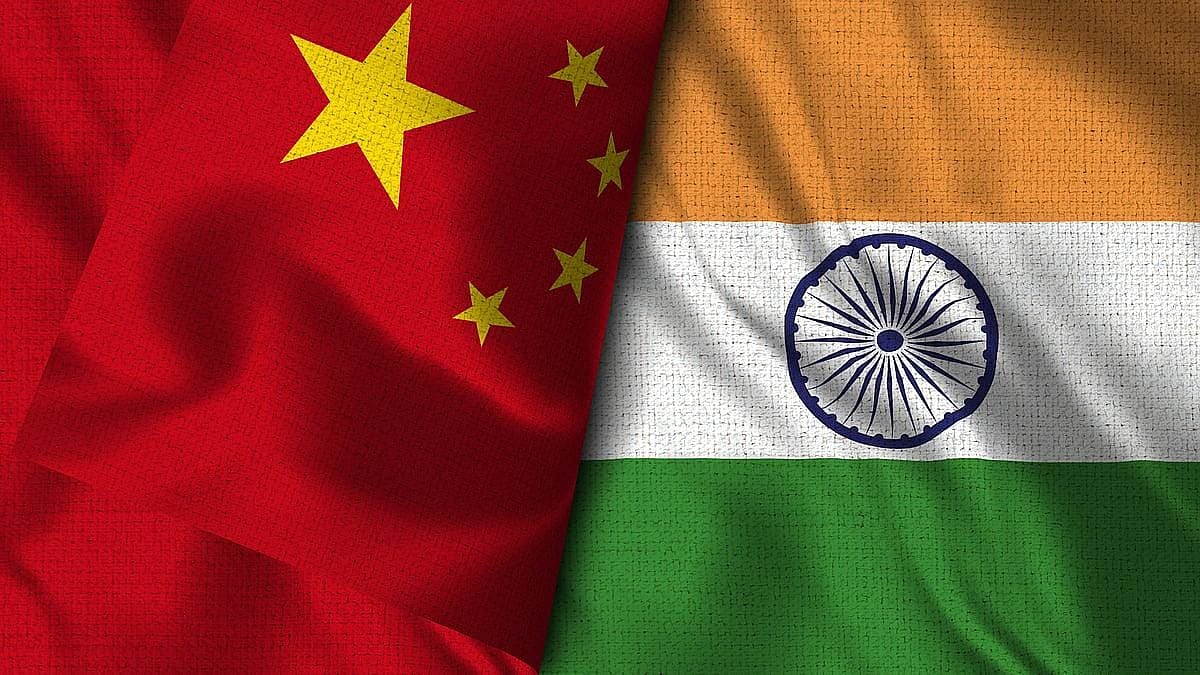
- India has blocked China's first request at the World Trade Organization (WTO) Dispute Settlement Body (DSB) to establish a panel over India's tariffs on IT products and incentives for solar manufacturing .
- China alleges India's customs duties on ~12 imported IT goods exceed WTO bound tariff rates, and that India's Production Linked Incentive (PLI) scheme for solar modules discriminates against imports by requiring minimum local value addition .
- India maintains its measures are fully consistent with WTO multilateral rules, emphasizing the need for diversified global supply chains and legitimate industrial growth in developing economies .
- Under WTO procedure, China can renew its panel request at the next DSB meeting; a second request typically leads to automatic panel establishment unless there is consensus against it .
Core Dispute: IT Tariffs & Solar PLI Measures
- IT Products Challenge:
- China claims India imposes duties (including Agriculture Infrastructure and Development Cess/AIDC) on smartphones, semiconductors, wafers, and display manufacturing equipment beyond committed WTO tariff ceilings.
- India's defense: Tariff structures are within policy space for development objectives and technological self-reliance.
- Solar Manufacturing Incentives:
- China objects to India's PLI for High-Efficiency Solar PV Modules, arguing cash grants linked to domestic content violate the Agreement on Subsidies and Countervailing Measures (SCM Agreement).
- India counters that promoting domestic solar manufacturing aligns with climate goals and reduces over-dependence on a single global supplier.
- Strategic Context:
- China controls >80% of global solar module value chain; India views domestic capacity building as essential for energy security and strategic autonomy.
- Bilateral trade reached $151.1 billion in 2025-26, with India's trade deficit with China widening to $112.16 billion, underscoring urgency for import substitution in critical sectors.
WTO Dispute Mechanism: Process & Current Challenges
- Panel Establishment Rules:
- First panel request can be blocked by respondent; second request leads to automatic establishment unless DSB consensus opposes (unlikely as complainant won't agree).
- Panel (typically 3 independent experts) examines claims, hears both sides, and issues a report adopted by DSB.
- Appellate Body Impasse:
- WTO's Appellate Body has been non-functional since 2017 due to US blocking judge appointments, leaving disputes in limbo post-panel ruling.
- Members increasingly resort to interim appeal arbitration or bilateral solutions amid institutional paralysis.
- Broader Trade Tensions:
- China has filed a separate WTO case against India on automotive and renewable energy measures (January 2026), indicating escalating trade friction.
Additional Info
- WTO Agreements Involved:
- GATT 1994: Governs tariff bindings and non-discrimination (Most Favoured Nation principle).
- SCM Agreement: Regulates subsidies; prohibits those contingent on export performance or domestic content.
- TRIMS Agreement: Prohibits trade-related investment measures that restrict imports or mandate local sourcing.
- India's Relevant Policy Framework:
- National Solar Mission: Targets 100 GW solar capacity; ALMM (Approved List of Models and Manufacturers) mandates use of domestically produced modules in government projects.
- Scheme for Promotion of Manufacturing of Electronic Components and Semiconductors (SPECS): Complements PLI for IT hardware ecosystem development.
- Foreign Trade Policy 2023: Emphasizes export competitiveness while safeguarding policy space for strategic industries.
- Constitutional & Institutional Context:
- Entry 41, List I (Union List): Empowers Centre to regulate international trade and commerce.
- Department of Commerce (Ministry of Commerce & Industry): Nodal agency for WTO disputes; coordinates with Ministry of New and Renewable Energy (MNRE) and MeitY on sectoral defenses.
Sources
India Successfully Test-Fires Agni-1 Short-Range Ballistic Missile

What's the News?
- India successfully test-fired the Agni-1 short-range ballistic missile from the Integrated Test Range (ITR) at Chandipur, Odisha, under the aegis of the Strategic Forces Command (SFC) .
- The trial validated all operational and technical parameters of the missile system, reaffirming India's strategic deterrence readiness and indigenous defence capabilities .
- The test follows India's recent successful flight-trial of an advanced Agni missile with MIRV (Multiple Independently Targetable Re-entry Vehicle) technology, underscoring continuous modernization of the strategic arsenal .
Agni-1: Technical Specifications & Capabilities
- Classification: Short-Range Ballistic Missile (SRBM) under India's Integrated Guided Missile Development Programme (IGMDP).
- Range: 700–900 km, designed for tactical and theatre-level strike roles.
- Propulsion: Single-stage, solid-fuelled motor enabling quick launch readiness and enhanced mobility.
- Payload Capacity: Up to 1,000 kg, capable of delivering both conventional and nuclear warheads.
- Mobility: Road-mobile launcher system for rapid deployment and survivability.
- Guidance: Advanced inertial navigation system ensuring high accuracy for precision strikes.
Strategic & Policy Significance
- Nuclear Doctrine Alignment: Agni-1 supports India's No First Use (NFU) policy by providing credible, survivable second-strike capability at regional level.
- Deterrence Posture: Regular user trials maintain operational readiness of the nuclear triad (land, air, sea-based delivery systems).
- Indigenous Defence Push: Developed by DRDO, the test reinforces Atmanirbhar Bharat in critical defence technologies, reducing import dependence.
- Regional Security Context: Enhances deterrence against conventional threats within South Asia, complementing longer-range Agni variants for strategic depth.
- Technology Validation: Successful trials feed data into next-gen systems like Agni-P (Prime) and MIRV-equipped platforms, advancing India's missile modernization roadmap.
Additional Info
- Key Organizations:
- Defence Research and Development Organisation (DRDO): Primary developer of Agni series; oversees R&D, testing, and technology transfer.
- Strategic Forces Command (SFC): Tri-service command managing India's nuclear arsenal; conducts operational trials and maintains readiness.
- Integrated Test Range (ITR), Chandipur: Premier missile testing facility in Odisha; supports trials of surface-to-surface, air defence, and naval missile systems.
- Agni Missile Family Overview:
- Agni-P (Prime): New-generation, canister-launched SRBM (1,000–2,000 km range) with improved accuracy and mobility.
- Agni-III: Intermediate-range ballistic missile (3,000–3,500 km); part of operational deterrent.
- Agni-V: Intercontinental ballistic missile (5,000+ km); MIRV-capable, enhances strategic reach.
- Constitutional & Policy Framework:
- Entry 7, List I (Union List): Empowers Parliament to legislate on defence and armed forces.
- Defence Acquisition Procedure (DAP) 2020: Prioritizes indigenous design, development, and manufacturing under 'Buy (Indian-IDDM)' category.
- Innovations for Defence Excellence (iDEX): Supports start-ups and MSMEs in defence tech innovation, complementing DRDO's strategic projects.
Sources
Odisha Launches Bomkai Weaving Revival Drive to Preserve GI-Tagged Handloom Heritage
What's the News?
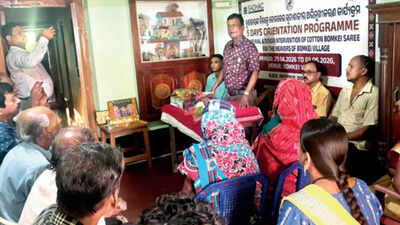
- Odisha's Handlooms, Textiles and Handicrafts Department has launched the "Revival of Languishing Products (Cotton Bomkai Saree)" initiative to preserve the original Bomkai weaving tradition in Ganjam district .
- The project focuses on documenting traditional designs, motifs, and colour specifications while training a new generation of artisans in authentic weaving techniques .
- Only two weaving families currently practice the original Bomkai craft in Bomkai village, highlighting urgent need for intervention to prevent cultural erosion.
- A five-day orientation programme was conducted with the State Agency for Development of Handloom Clusters to assess challenges faced by existing weavers and collect design databases.
Bomkai Weaving: Heritage & GI Status
- Origin & Identity: Bomkai is a traditional handwoven cotton saree linked to Bomkai village in Ganjam district, with Subarnapur as another recognised weaving centre.
- Geographical Indication (GI) Tag: Registered under the Geographical Indications of Goods Act, 1999, protecting its unique identity and preventing unauthorised commercial use.
- Distinctive Features:
- Intricate ikat-inspired motifs and traditional colour combinations rooted in Odia cultural aesthetics.
- Handloom weaving technique passed down through generations, requiring specialised skill and patience.
- Current Challenge: Growing market demand has led to design modifications and mechanised adaptations, diluting the original craft's authenticity.
Revival Strategy: Documentation & Skill Development
- Documentation Drive:
- Systematic recording of original motifs, patterns, and dye specifications from surviving master weavers.
- Creation of a digital reference database to guide future artisans and ensure design fidelity.
- Training & Capacity Building:
- Orientation programmes for new artisans from Bomkai and surrounding villages in Ganjam district.
- Focus on inter-generational knowledge transfer to address youth migration and artisan shortage.
- Cluster-Based Approach:
- Leveraging State Agency for Development of Handloom Clusters for infrastructure support and market linkages.
- Integration with Odisha's Handloom Policy to enhance livelihood opportunities for rural weavers.
Additional Info
- Key Organizations:
- Odisha Handlooms, Textiles & Handicrafts Department: Nodal agency for implementation.
- State Agency for Development of Handloom Clusters: Provides technical support and cluster infrastructure.
- Office of the Registrar of Geographical Indications: Administers GI registration and enforcement.
- Related Schemes & Initiatives:
- National Handloom Development Programme (NHDP): Provides financial assistance for raw materials, equipment, and skill upgradation.
- Crafts Mark & Handloom Mark: Certification schemes to authenticate genuine handloom products and protect consumer interests.
- PM Vishwakarma Scheme: Supports traditional artisans with skill training, toolkit incentives, and digital empowerment.
- Constitutional & Legal Framework:
- Entry 33, List III (Concurrent List): Enables joint Centre-State legislation on trade and commerce in handicrafts.
- Geographical Indications of Goods Act, 1999: Provides legal protection to region-specific products; violation attracts penalties.
Sources
May 2026
Archive
November 2026
- 27 November 2026
- 26 November 2026
- 25 November 2026
- 24 November 2026
- 23 November 2026
- 21 November 2026
- 20 November 2026
- 19 November 2026
- 18 November 2026
- 17 November 2026
- 16 November 2026
- 14 November 2026
- 13 November 2026
- 12 November 2026
- 11 November 2026
- 10 November 2026
- 09 November 2026
- 06 November 2026
- 05 November 2026
- 04 November 2026
- 03 November 2026
- 02 November 2026
October 2026
- 31 October 2026
- 30 October 2026
- 29 October 2026
- 28 October 2026
- 27 October 2026
- 26 October 2026
- 24 October 2026
- 23 October 2026
- 22 October 2026
- 21 October 2026
- 20 October 2026
- 19 October 2026
- 17 October 2026
- 16 October 2026
- 15 October 2026
- 14 October 2026
- 13 October 2026
- 12 October 2026
- 10 October 2026
- 09 October 2026
- 08 October 2026
- 07 October 2026
- 06 October 2026
- 05 October 2026
- 03 October 2026
- 02 October 2026
- 01 October 2026
September 2026
- 30 September 2026
- 29 September 2026
- 28 September 2026
- 26 September 2026
- 25 September 2026
- 24 September 2026
- 23 September 2026
- 22 September 2026
- 21 September 2026
- 19 September 2026
- 18 September 2026
- 17 September 2026
- 16 September 2026
- 15 September 2026
- 12 September 2026
- 11 September 2026
- 10 September 2026
- 09 September 2026
- 08 September 2026
- 07 September 2026
- 05 September 2026
- 04 September 2026
- 03 September 2026
- 02 September 2026
- 01 September 2026
August 2026
- 31 August 2026
- 29 August 2026
- 27 August 2026
- 26 August 2026
- 25 August 2026
- 24 August 2026
- 22 August 2026
- 21 August 2026
- 20 August 2026
- 19 August 2026
- 18 August 2026
- 17 August 2026
- 14 August 2026
- 13 August 2026
- 12 August 2026
- 11 August 2026
- 10 August 2026
- 08 August 2026
- 07 August 2026
- 06 August 2026
- 05 August 2026
- 04 August 2026
- 03 August 2026
- 01 August 2026
July 2026
- 31 July 2026
- 30 July 2026
- 29 July 2026
- 28 July 2026
- 27 July 2026
- 25 July 2026
- 23 July 2026
- 22 July 2026
- 21 July 2026
- 20 July 2026
- 18 July 2026
- 17 July 2026
- 15 July 2026
- 14 July 2026
- 13 July 2026
- 11 July 2026
- 10 July 2026
- 09 July 2026
- 08 July 2026
- 07 July 2026
- 06 July 2026
- 04 July 2026
- 03 July 2026
- 02 July 2026
- 01 July 2026
June 2026
May 2026
April 2026
March 2026
- 31 March 2026
- 30 March 2026
- 28 March 2026
- 27 March 2026
- 26 March 2026
- 25 March 2026
- 24 March 2026
- 23 March 2026
- 21 March 2026
- 20 March 2026
- 19 March 2026
- 18 March 2026
- 17 March 2026
- 16 March 2026
- 14 March 2026
- 13 March 2026
- 12 March 2026
- 11 March 2026
- 10 March 2026
- 09 March 2026
- 07 March 2026
- 06 March 2026
- 05 March 2026
- 03 March 2026
- 02 March 2026
February 2026
- 28 February 2026
- 27 February 2026
- 26 February 2026
- 25 February 2026
- 24 February 2026
- 23 February 2026
- 21 February 2026
- 20 February 2026
- 19 February 2026
- 18 February 2026
- 17 February 2026
- 16 February 2026
- 13 February 2026
- 12 February 2026
- 11 February 2026
- 10 February 2026
- 09 February 2026
- 07 February 2026
- 06 February 2026
- 05 February 2026
- 04 February 2026
- 03 February 2026
- 02 February 2026
January 2026
- 31 January 2026
- 30 January 2026
- 29 January 2026
- 28 January 2026
- 27 January 2026
- 26 January 2026
- 24 January 2026
- 23 January 2026
- 22 January 2026
- 21 January 2026
- 20 January 2026
- 19 January 2026
- 16 January 2026
- 15 January 2026
- 14 January 2026
- 13 January 2026
- 12 January 2026
- 10 January 2026
- 09 January 2026
- 08 January 2026
- 07 January 2026
- 06 January 2026
- 05 January 2026
- 03 January 2026
- 02 January 2026
- 01 January 2026
December 2025
- 31 December 2025
- 30 December 2025
- 29 December 2025
- 27 December 2025
- 26 December 2025
- 24 December 2025
- 23 December 2025
- 22 December 2025
- 20 December 2025
- 19 December 2025
- 18 December 2025
- 17 December 2025
- 16 December 2025
- 15 December 2025
- 13 December 2025
- 12 December 2025
- 11 December 2025
- 10 December 2025
- 09 December 2025
- 08 December 2025
- 05 December 2025
- 04 December 2025
- 03 December 2025
- 02 December 2025
November 2025
- 29 November 2025
- 28 November 2025
- 27 November 2025
- 26 November 2025
- 25 November 2025
- 24 November 2025
- 22 November 2025
- 21 November 2025
- 20 November 2025
- 19 November 2025
- 18 November 2025
- 17 November 2025
- 15 November 2025
- 14 November 2025
- 13 November 2025
- 12 November 2025
- 11 November 2025
- 10 November 2025
- 08 November 2025
- 07 November 2025
- 06 November 2025
- 05 November 2025
- 04 November 2025
- 03 November 2025
- 01 November 2025
October 2025
- 31 October 2025
- 30 October 2025
- 29 October 2025
- 28 October 2025
- 27 October 2025
- 25 October 2025
- 24 October 2025
- 23 October 2025
- 22 October 2025
- 21 October 2025
- 20 October 2025
- 18 October 2025
- 17 October 2025
- 16 October 2025
- 15 October 2025
- 14 October 2025
- 13 October 2025
- 11 October 2025
- 10 October 2025
- 09 October 2025
- 08 October 2025
- 07 October 2025
- 06 October 2025
- 04 October 2025
- 03 October 2025
- 02 October 2025
- 01 October 2025
September 2025
- 30 September 2025
- 29 September 2025
- 27 September 2025
- 26 September 2025
- 25 September 2025
- 24 September 2025
- 23 September 2025
- 22 September 2025
- 20 September 2025
- 19 September 2025
- 18 September 2025
- 17 September 2025
- 16 September 2025
- 15 September 2025
- 13 September 2025
- 12 September 2025
- 11 September 2025
- 10 September 2025
- 09 September 2025
- 08 September 2025
- 06 September 2025
- 05 September 2025
- 04 September 2025
- 03 September 2025
- 02 September 2025
- 01 September 2025
August 2025
- 30 August 2025
- 29 August 2025
- 28 August 2025
- 27 August 2025
- 26 August 2025
- 25 August 2025
- 23 August 2025
- 22 August 2025
- 21 August 2025
- 20 August 2025
- 19 August 2025
- 18 August 2025
- 16 August 2025
- 14 August 2025
- 13 August 2025
- 12 August 2025
- 11 August 2025
- 08 August 2025
- 07 August 2025
- 06 August 2025
- 05 August 2025
- 04 August 2025
- 02 August 2025
- 01 August 2025
July 2025
- 31 July 2025
- 30 July 2025
- 29 July 2025
- 28 July 2025
- 26 July 2025
- 25 July 2025
- 24 July 2025
- 23 July 2025
- 22 July 2025
- 21 July 2025
- 19 July 2025
- 18 July 2025
- 17 July 2025
- 16 July 2025
- 15 July 2025
- 12 July 2025
- 11 July 2025
- 10 July 2025
- 09 July 2025
- 07 July 2025
- 05 July 2025
- 04 July 2025
- 03 July 2025
- 02 July 2025
- 01 July 2025
June 2025
- 30 June 2025
- 28 June 2025
- 27 June 2025
- 26 June 2025
- 25 June 2025
- 24 June 2025
- 23 June 2025
- 21 June 2025
- 20 June 2025
- 19 June 2025
- 18 June 2025
- 17 June 2025
- 16 June 2025
- 14 June 2025
- 13 June 2025
- 12 June 2025
- 11 June 2025
- 10 June 2025
- 09 June 2025
- 07 June 2025
- 06 June 2025
- 05 June 2025
- 04 June 2025
- 03 June 2025
- 02 June 2025
May 2025
April 2025
- 30 April 2025
- 29 April 2025
- 28 April 2025
- 26 April 2025
- 25 April 2025
- 24 April 2025
- 23 April 2025
- 22 April 2025
- 21 April 2025
- 19 April 2025
- 18 April 2025
- 17 April 2025
- 16 April 2025
- 15 April 2025
- 14 April 2025
- 12 April 2025
- 11 April 2025
- 10 April 2025
- 09 April 2025
- 08 April 2025
- 07 April 2025
- 05 April 2025
- 04 April 2025
- 03 April 2025
- 02 April 2025
- 01 April 2025
March 2025
- 31 March 2025
- 29 March 2025
- 28 March 2025
- 27 March 2025
- 26 March 2025
- 25 March 2025
- 24 March 2025
- 22 March 2025
- 21 March 2025
- 20 March 2025
- 19 March 2025
- 18 March 2025
- 17 March 2025
- 15 March 2025
- 13 March 2025
- 12 March 2025
- 11 March 2025
- 10 March 2025
- 08 March 2025
- 07 March 2025
- 06 March 2025
- 05 March 2025
- 04 March 2025
- 03 March 2025
- 01 March 2025
February 2025
- 28 February 2025
- 27 February 2025
- 26 February 2025
- 25 February 2025
- 24 February 2025
- 22 February 2025
- 21 February 2025
- 20 February 2025
- 19 February 2025
- 18 February 2025
- 17 February 2025
- 15 February 2025
- 14 February 2025
- 13 February 2025
- 12 February 2025
- 11 February 2025
- 10 February 2025
- 08 February 2025
- 07 February 2025
- 06 February 2025
- 05 February 2025
- 04 February 2025
- 03 February 2025
- 01 February 2025
January 2025
- 31 January 2025
- 30 January 2025
- 29 January 2025
- 28 January 2025
- 27 January 2025
- 25 January 2025
- 24 January 2025
- 23 January 2025
- 22 January 2025
- 21 January 2025
- 20 January 2025
- 18 January 2025
- 17 January 2025
- 16 January 2025
- 15 January 2025
- 14 January 2025
- 13 January 2025
- 11 January 2025
- 10 January 2025
- 09 January 2025
- 08 January 2025
- 07 January 2025
- 06 January 2025
- 04 January 2025
- 03 January 2025
- 02 January 2025
- 01 January 2025