
Current Affairs
Stay updated with the latest national and international events.
24 July 2025
Income Tax Day 2025: Digital Reforms Powering Taxpayer Participation

What’s New?
- India commemorates the 166th Income Tax Day on 24 July 2025, marking the introduction of income tax during British rule in 1860 by Sir James Wilson.
- Record ITR filings: A total of 9.19 crore returns filed in FY 2024–25, up 36% from 6.72 crore in FY 2020–21.
- Gross direct tax collections surged from ₹12.31 lakh crore in FY 2020–21 to ₹27.02 lakh crore by FY 2024–25 (provisional).
- The Income Tax Bill, 2025, aims to revamp the archaic 1961 Act into a concise, user-friendly legal framework, currently under Select Committee review.
- CBDT announced AI‑driven crackdown on tax evasion, using data analytics in anticipation of the new law rollout.
- In Kochi, the I‑T Department organized an observance event featuring Chief Guest Mohanlal, launching a new department website, cultural performances, and messaging from CBDT officials.
Why It Matters: Background & Key Developments
Evolution of Tax Administration
- Income Tax Day, observed since 2010, commemorates tax’s evolution from colonial imposition to India's digitally driven compliance system.
- Milestones include the Income-tax Act 1922, erection of the CBDT (1924), and tech advances: computerization (1981) → CPC Bengaluru (2009) → e‑filing, TRACES, TIN 2.0.
Key Digital Tools for Taxpayers
- Project Insight integrates PAN, GSTN, banking, and property records to detect discrepancies proactively.
- Pre‑filled ITR forms, AIS & TIS statements, and e‑Verification streamline filing and refunds.
- Initiatives like NUDGE campaigns promote voluntary compliance via behavioural prompts rather than punitive measures.
Budget 2025–26 Reforms
- Under the new tax regime, income up to ₹12 lakh is tax‑free, and including ₹75,000 standard deduction, income up to ₹12.75 lakh is fully exempt.
- TDS/TCS thresholds raised, extended filing window from 2 to 4 years, and exemptions for NSS withdrawals post-August 2024.
- The New Income Tax Bill proposes enhanced powers for transparency—including access to taxpayers’ digital data (emails, social media, trading info)—raising privacy concerns.
Simplified Summary
- Income Tax Day marks both history (since 1860) and India’s journey to digital tax compliance.
- Filings surged 36%, touching 9.19 crore ITRs in FY 2024–25.
- Direct tax revenue doubled over five years to ₹27 lakh crore.
- Reforms simplify filing: pre-filled forms, extended deadlines, NUDGE approaches.
- Budget 2025 brought tax-exemption thresholds, easier compliance, and new legislative changes underway.
- Upcoming Income Tax Bill may enable broad digital data access for tax probes.
Exam Focus Points
- Definition: Income Tax Day is celebrated on 24 July each year to commemorate the introduction of income tax in India in 1860 by Sir James Wilson.
- ITR Growth: From 6.72 crore returns in FY21 to 9.19 crore in FY25 (36% rise).
- Revenue Trends: Gross direct tax collections doubled from ₹12.31 lakh crore (FY21) to ₹27.02 lakh crore (FY25 provisional).
- Tech Tools: Project Insight, AIS, TIS, e-verification, NUDGE campaigns—all key to modern compliance.
- Budget Reforms: New tax regime exemption up to ₹12.75 lakh, higher TDS thresholds, extended return filing window.
- Legislative Shift: The Income Tax Bill, 2025 aims to overhaul the 1961 Act. Select Committee examining; concerns over digital privacy from proposed provisions.
- Exam Utility: Important for questions on tax reform, governance, digitalisation, public finance, and rights.
34th WMCC Meeting: India–China Border Talks Signal Calibrated Stability

What’s New?
- India and China held the 34th Meeting of the Working Mechanism for Consultation & Coordination (WMCC) on border affairs in New Delhi on 23 July 2025, reviewing the situation along the Line of Actual Control (LAC) and planning the next round of Special Representatives (SR) talks to be hosted in India later this year.
- The Indian delegation was led by Gourangalal Das (Joint Secretary, East Asia), while the Chinese side was headed by Hong Liang (Director-General, Boundary & Oceanic Affairs, Chinese MFA).
- Both sides acknowledged general peace and tranquillity prevailing along the border and affirmed plans to maintain regular diplomatic and military-level contact through established mechanisms.
- Discussions built on outcomes from the 23rd SR talks and the 33rd WMCC meeting, focusing on effective border management and ways to prevent friction at sensitive points.
Context & Significance
- The WMCC is an institutional dialogue platform established in January 2012 to facilitate structured coordination on border affairs between India and China, led by mid‑level officials from both countries, without addressing boundary resolution directly.
- Its 34th iteration underscores a continued commitment to managing tensions, after the 2020–21 border clashes, especially around friction zones in eastern Ladakh like Demchok and Depsang.
- India and China reached a Border Patrol Agreement in October 2024 to restore pre‑2020 patrolling rights in disputed sectors, helping ease tensions significantly.
- The upcoming SR talks, likely between India’s NSA Ajit Doval and China’s Wang Yi, will aim for a framework for long-term engagement and de-escalation.
Broader Developments & Diplomatic Signals
- Alongside the WMCC meeting, India announced the resumption of tourist visas for Chinese citizens from 24 July 2025—a move Beijing welcomed as “positive,” highlighting increased people-to-people exchanges as mutually beneficial.
- The discussions reflect a gradual thaw in bilateral ties, marked earlier by the resumption of direct flights in January 2025 and PM Modi’s upcoming SCO visit to China, signalling cautious but deliberate diplomatic engagement.
Additional Info
- Working Mechanism for Consultation & Coordination (WMCC):
- Created in 2012 for structured dialogue on border management, not boundary resolution.
- Held so far 34 rounds; involves both diplomatic and military officials at joint-secretary and director-general levels.
- Special Representatives (SR) Mechanism:
- Higher-level platform for boundary discussion, headed on Indian side by NSA Ajit Doval, and on Chinese side by Foreign Minister Wang Yi.
- Line of Actual Control (LAC):
- Undemarcated boundary stretching over sectors in Ladakh, Uttarakhand, Sikkim, Arunachal Pradesh; historically contested since the 1962 war.
- 2024 Border Patrol Agreement:
- Agreed in October 2024 to restore patrolling rights prior to 2020, easing friction and enabling limited disengagement from sensitive zones.
Simplified Summary
- The 34th WMCC meeting took place on 23 July 2025 in Delhi.
- Both sides reviewed the peaceful situation along the LAC and reaffirmed existing dialogue mechanisms at the military and diplomatic levels.
- Preparation underway for the next SR talks in India.
- India resumed tourist visas for Chinese nationals, marking positive progress in bilateral relations.
- Talks build on prior agreements like the 2024 Border Patrol Agreement and earlier WMCC/SR rounds.
Exam Focus Points
- WMCC: Institutional consultative mechanism set up in 2012 for India–China border coordination.
- SR Talks: High-level political dialogue on the boundary question, with India’s representative being Ajit Doval and China's Wang Yi.
- Key agreements:
- 2024 Border Patrol Agreement (restores pre-2020 patrolling in friction areas).
- Recent outcomes:
- Agreement to maintain peace and tranquillity along the LAC.
- Plan to host next SR talk in India later in 2025.
- Resumption of tourist visas enhancing people-to-people contact.
- Strategic angle: Reflects India’s calibrated diplomacy—maintaining stability while retaining strength; part of broader foreign policy balancing across QUAD, BRICS, SCO, and G20 frameworks.
PMKVY 4.0: Over 20 Lakh Youth Trained in FY 2024‑25

What’s New?
- The Ministry of Skill Development & Entrepreneurship (MSDE) reported that over 20 lakh youth were trained under PMKVY 4.0 in the 2024–25 financial year.
- Top-performing states: Uttar Pradesh trained 4.63 lakh, Rajasthan 2.79 lakh, and Madhya Pradesh 2.58 lakh candidates.
- Placement tracking under earlier phases (PMKVY 1.0–3.0) showed a 43% placement rate among certified candidates.
- Independent evaluations revealed:
- RPL-certified trainees earned ~19% higher monthly income
- STT participants earned ~15% more than non-participants.
- The Skill India Digital Hub (SIDH) has been launched to connect skilling, employment, education, and entrepreneurship domains, including organizing Rozgar Melas.
Background & Key Developments
- PMKVY, flagship under Skill India Mission, began in 2015–16. With phases 1.0, 2.0, 3.0, it has skill‑certified over 1.6 crore individuals so far.
- As of July 11, 2025, over 25 lakh trainees have been trained under PMKVY 4.0.
- Scheme has expanded from core industries like manufacturing and IT to new-age sectors — AI, robotics, drones, IoT, and more.
- Inclusivity is high: nearly 45% female participation and strong representation of SC/ST/OBC communities.
Additional Info
- Pradhan Mantri Kaushal Vikas Yojana (PMKVY):
- Launched 15/16 July 2015, aims to certify youth via Short Term Training (STT) and Recognition of Prior Learning (RPL).
- Skill India Mission (SIM):
- Launched 15 July 2015 by PM Modi; goal to train 30–40 crore people by 2022.
- National Skill Development Corporation (NSDC):
- Set up in 2008 as a public‑private partnership, coordinated via MSDE to support training infrastructure and quality assurance.
- Skill India Digital Hub (SIDH):
- A central digital ecosystem linking skilling, jobs, education, entrepreneurship and hosting Rozgar Melas for employer‑jobseeker interaction.
Simplified Summary
- PMKVY trained 20+ lakh youth in FY 2024–25, led by UP, Rajasthan, and MP.
- Evaluations show substantial income gains for trained youth (~15–19%).
- PMKVY 4.0 builds on earlier phases to reach 1.6+ crore trained overall, with 25 lakh trained under the current phase.
- Training now includes emerging technologies, ensuring relevance for future job markets.
- Digital ecosystem (SIDH) and Rozgar Melas enhance employment linkages.
Exam Focus Points
- Goal: To enable youth employability through Short Term Training (STT) and Recognition of Prior Learning (RPL).
- Achievements FY 2024–25: Over 20 lakh trained, with top states being Uttar Pradesh (4.63L), Rajasthan (2.79L), Madhya Pradesh (2.58L).
- Income impact: RPL-certified individuals earned ~19% more; STT-trained ~15% more than peers.
- Placement rate (PMKVY 1.0–3.0): ~43% of certified trainees secured jobs.
- Digital integration: Skill India Digital Hub (SIDH) allows job matching, data tracking, and support via Rozgar Melas.
- Inclusivity: ~45% women; proactive outreach to SC/ST/OBC, tribal groups, artisans, prison inmates.
- Complementary Schemes: PM Vishwakarma Yojana, DDU‑GKY, and Skill Hub Integration under NEP 2020 enhance PMKVY's ecosystem.
DHRUVA Launch: India’s Leap to Geo‑Coded Addressing with DIGIPIN

What’s New?
- The Department of Posts, under the Ministry of Communications, has released the DHRUVA policy framework (Digital Hub for Reference & Unique Virtual Address) in May 2025, aimed at establishing a national digital public infrastructure (DPI) for addressing.
- At the core of DHRUVA is DIGIPIN (Digital Postal Index Number), launched officially on 27 May 2025, a 10-character, open‑source geo‑coded code that uniquely identifies every 4 m × 4 m grid across India, including maritime areas.
- DIGIPIN development was collaboratively done with IIT Hyderabad and ISRO’s National Remote Sensing Centre (NRSC), following an open-source model accessible to all stakeholders.
- DHRUVA introduces the concept of "Address‑as‑a‑Service (AaaS)", offering secure, consent-based sharing of address information for seamless public–private sector integration.
- The policy includes provisions under the Post Office Act, 2023 for governance, grievance redressal, user consent, and standard-setting.
Why This Matters: Context & Strategic Implications
- Indian addresses are often inconsistent—pin‑codes cover large areas (~170 km²), and descriptions rely on landmarks, causing delivery and service inefficiencies; annual losses estimated at ₹83,000–₹1.16 lakh crore (~0.5% of GDP).
- DHRUVA positions address management as a foundational public infrastructure, comparable to Aadhaar, UPI, and Ayushman Bharat Digital Mission, thus enhancing governance, logistics, emergency response, and inclusion.
- DIGIPIN, with its precise grid-based structure, is especially suited for rural areas, informal settlements, and institutions that lack formal street addresses.
- Firms like Genesys International are integrating DIGIPIN into 2D/3D mapping platforms, enabling smart-city pilots, real-time address lookup, and AI-driven service delivery.
Additional Info
- DHRUVA:
- Launched May 2025 by the Department of Posts.
- Aims to create interoperable, geocoded address infrastructure with user consent mechanisms.
- Builds a governance entity, sets standards, and ensures legal backing through the Post Office Act, 2023.
- DIGIPIN:
- Introduced on 27 May 2025.
- A 10-character alphanumeric code representing a 4 m × 4 m grid cell.
- Covers India's entire geography including maritime zones, with grid structure based on latitude (2.5°–38.5° N) and longitude (63.5°–99.5° E).
- Open-source, created in collaboration with IIT Hyderabad and ISRO–NRSC.
- Address-as-a-Service (AaaS):
- A structured protocol for secure, consent-based sharing of DIGIPIN address information across sectors, enabling logistics, e-commerce, emergency services, financial inclusion, etc..
- Policy & Privacy:
- Consent-driven data sharing model.
- Address data is not linked to personally identifiable information, nor retained centrally beyond permissioned use.
- Designed with a federated architecture to ensure user privacy and security.
Simplified Summary
- India launched DHRUVA, a digital address framework, in May 2025.
- Introduced DIGIPIN, a 10-character code for every tiny 4 m grid across India.
- Aims to replace vague, informal addresses with precise, shareable digital addresses.
- Enables Address-as-a-Service, securely integrating address data across government and private platforms.
- Built as an open-source, privacy-first infrastructure for inclusive digital governance.
- Integration with mapping firms (e.g. Genesys) demonstrates potential across smart cities, logistics, emergency services.
Exam Focus Points
- DHRUVA: Digital Hub for Reference & Unique Virtual Address; policy launched May 2025 by Department of Posts.
- DIGIPIN: Digital Postal Index Number; a 10‑char identifier per 4 m × 4 m grid, enabling precise geo‑location.
- AaaS (Address-as-a-Service): Secure, consent-based system for sharing address data across platforms.
- Collaborators: Department of Posts, IIT Hyderabad, ISRO–NRSC; system is open-source.
- Legal basis: Framework grounded in Post Office Act, 2023 with governance, user consent, and grievance mechanisms.
- Applications: Logistics, e-commerce, financial inclusion, emergency services, smart cities.
- Rationale: Resolves inefficiencies from traditional addressing; aligns with National Geospatial Policy, 2022.
- Privacy safeguards: No central retention of user data; operates on federated consent architecture.
Silent Crisis: Student Suicides in India Hold at 7.6% of Total in 2022
What’s New?
- According to NCRB’s Accidental Deaths & Suicides in India (ADSI) 2022 report, student suicides accounted for 7.6% of all suicide cases in India—a slight dip from 8.0% in 2021 and 8.2% in 2020.
- The figure equates to one in 13 suicides in India involving students, underscoring persistent mental health concerns.
- States such as Maharashtra, Tamil Nadu, and Madhya Pradesh collectively contributed nearly one-third of student suicide cases, indicating regional concentration of the crisis.
- The Education Minister of State, in response to a Lok Sabha query, called for multi-pronged measures, including psychological support systems for students, their families, and educators.

India’s Response: Initiatives & Institutional Actions
- Manodarpan, the Education Ministry’s flagship mental health programme, has reached lakhs of students through counselling helplines, webinars, and interactive sessions.
- District Mental Health Programme (DMHP)—under the Health Ministry—now covers 767 districts, offering suicide-preventive services along with life‑skills training in schools and colleges.
- Anti-drug campaigns have been intensified in recognition of substance abuse as a key risk factor among youth.
- The University Grants Commission (UGC) has directed institutions to emphasise physical fitness, emotional well‑being, and student welfare in campus policies.
- IIT Madras, IIT Delhi, IIT Guwahati, under the Malaviya Mission Teacher Training Programme, initiated stress‑management and resilience-building workshops for students and educators.
Additional Information
- NCRB & ADSI Report:
- Provides annual data on accidental deaths and suicides, including breakdown by profession, age, and occupation.
- Student suicides reported as 7.6% of total in 2022.
- Mental Health Care Act, 2017:
- Decriminalised suicide attempts (IPC Section 309).
- Mandates free mental health services and rehabilitation for survivors.
- National Suicide Prevention Strategy (Nov 2022):
- Multi-sectoral roadmap targeting a 10% reduction in suicide mortality by 2030, aligned with SDG 3.4.2.
- Education sector identified as key stakeholder for school-based awareness and gatekeeper training.
- Youth Suicide Rates:
- Individuals aged 15–24 face the highest suicide risk; they account for 35% of total suicides.
- Maharashtra, Tamil Nadu, and Madhya Pradesh frequently report higher student suicide counts, underlining geographic disparities.
Simplified Summary
- 7.6% of suicides in India in 2022 involved students, translating to 1 out of 13 suicide cases.
- While marginally lower than past years, the data underscores a deepening mental health crisis among young learners.
- The government has launched Manodarpan, expanded DMHP, pushed for anti-drug campaigns, and encouraged stress resilience workshops in higher education institutions.
- A broader national strategy promotes decriminalisation of suicide, policy coherence under the Mental Health Care Act, 2017, and aims for multi-sector convergence.
Exam Focus Points
- Key statistic: Student suicides = 7.6% of total suicides in 2022 (vs 8.0% in 2021).
- Government programmes:
- Manodarpan (education sector mental health outreach).
- DMHP (suicide prevention and life skills across 767 districts).
- UGC advisories for student welfare, fitness, and emotional support.
- Institutional role: Key IITs engaging educators and students in stress resilience initiatives.
- Legislative backbone:
- Mental Health Care Act, 2017 (decriminalised suicide, mandated care).
- National Suicide Prevention Strategy 2022 (cross-ministry approach, SDG‑aligned).
- Age and geography dynamics:
- The 15–24 age group accounts for 35% of suicides in India.
- States like Maharashtra, Tamil Nadu, Madhya Pradesh have higher student suicide rates.
- Policy dimensions: Integration of mental health into NEP 2020, campus safety protocols, and regulatory reforms under HECI implementation efforts.
Landmark India–UK Free Trade Agreement Signed
What’s New?
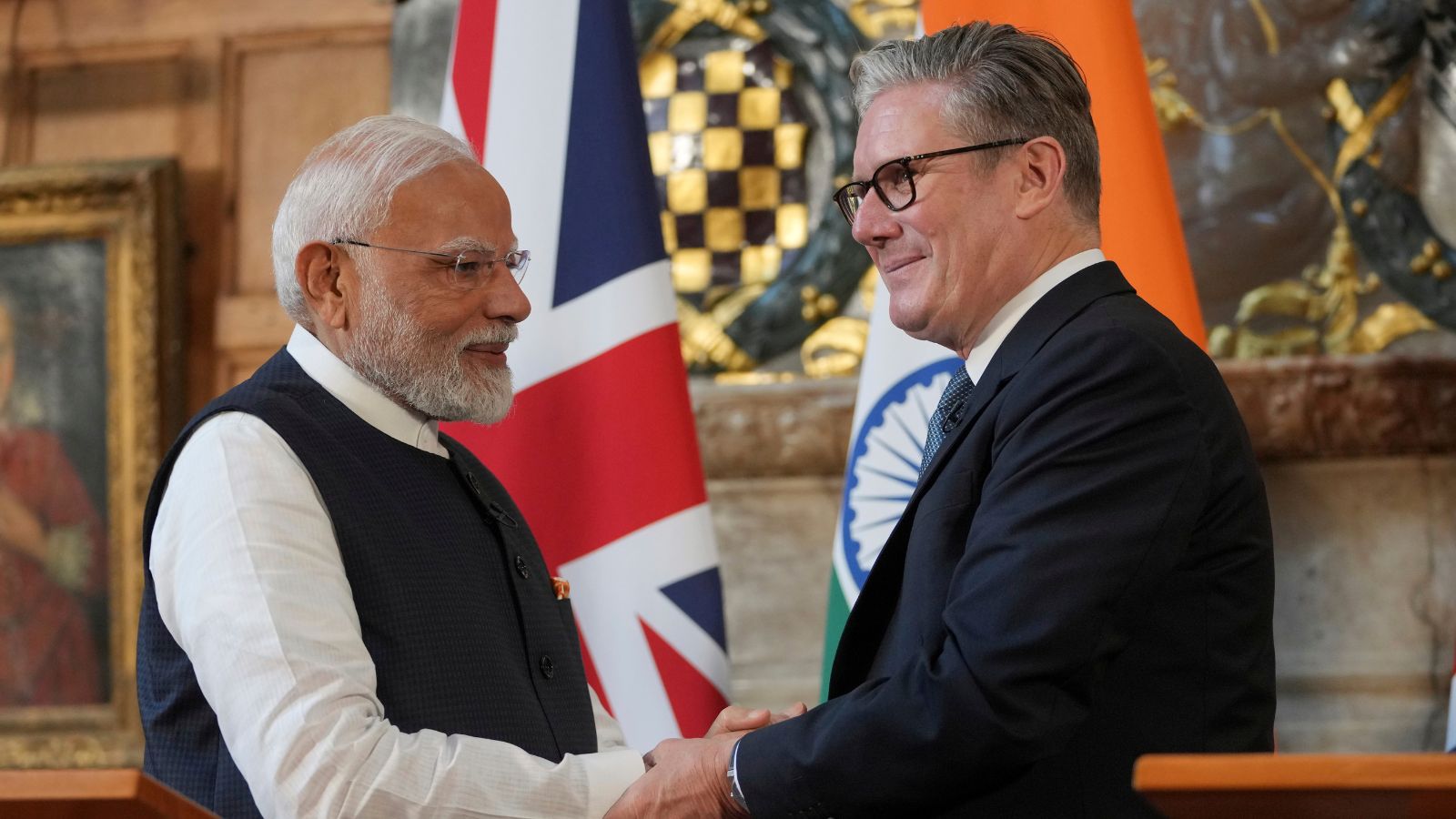
- On 24 July 2025, Prime Ministers Narendra Modi and Keir Starmer formally signed the India–UK Free Trade Agreement (FTA) at Chequers, marking a historic milestone in bilateral trade relations.
- Negotiations between the two countries began in January 2022, and an “agreement in principle” was reached on 6 May 2025.
- The deal is expected to boost bilateral trade by £25.5 billion annually by 2040, with a goal to double trade to US $120 billion by 2030.
- The agreement will slash average Indian tariffs on UK goods from ~15% to ~3%, and eliminate duties on 99% of Indian exports to the UK, covering ~100% of trade value.
Key Provisions
- Whisky & Alcohol: Duties on British Scotch whisky will fall from 150% to 75% immediately, reaching 40% within 10 years; similar phased cuts on gin, rum, brandy.
- Automobiles: India will phase down import duties on UK cars (including luxury vehicles) to 10% within 5–15 years, under quota restrictions (10,000 units rising to 19,000 by year five). Only select models qualify to preserve domestic IR competitiveness.
- Exports from India: Duty-free access to sectors like textiles, apparel, gems, jewelry, leather, machinery, pharma, processed foods, and marine products.
- Trade Facilitation & Services:
- Customs simplification: electronic authentication, clearance within 48 hours, periodic duty payments.
- Social security exemption for Indian workers posted in the UK (up to three years), including yoga instructors, chefs, musicians.
- Covers trade in goods, services, digital trade, professional mobility, SPS standards, etc..
Additional Info
- India–UK FTA (CETA):
- Officially titled India – United Kingdom Comprehensive Economic and Trade Agreement, signed 24 July 2025.
- Covers chapters on goods, services, IPR, digital trade, labour, environment, and dispute settlement.
- Trade Context:
- Bilateral trade in FY 2024–25: US $23.16 billion, with India enjoying a surplus of ~US $5.94 billion.
- UK is India’s sixth-largest investor; India is one of the UK’s top FDI sources.
Simplified Summary
- Historic FTA signed after ~3½ years of talks.
- Significant tariff cuts: average from 15% → 3% on UK goods; 99% of Indian exports duty-free to UK.
- Whisky tariff halved, auto duties slashed under quota, benefits capped for selected models.
- Big gains for textiles, gems, pharma, processed foods, machinery.
- Includes trade facilitation, digital and services cooperation, ease of temporary workforce movement.
- Projected annual trade uplift of £25.5 billion by 2040; aims to reach US $120 billion by 2030.
Exam Focus Points
- Significance: India’s first FTA in over a decade; UK’s fourth since Brexit.
- Tariff reductions: Whisky (150% → 75% → 40%), cars (to 10% under a quota), duty-free for most Indian exports.
- Covered sectors: Key for employment-intensive industries like textiles, leather, gems, marine, pharma.
- Trade facilitation: Includes digital customs, speedy clearance, social security exemption for temporary personnel.
- Strategic context: Diversifies India’s trade partnerships beyond the EU and US; strengthens UK’s global trade links.
- Challenges: Concerns over labour rights, environmental safeguards, and market access limits (e.g. car quotas).
- Implementation: Will require ratification by both parliaments; expected to be in force within a year.
Henley Passport Index 2025: India Makes Its Biggest Leap Yet
What’s New?
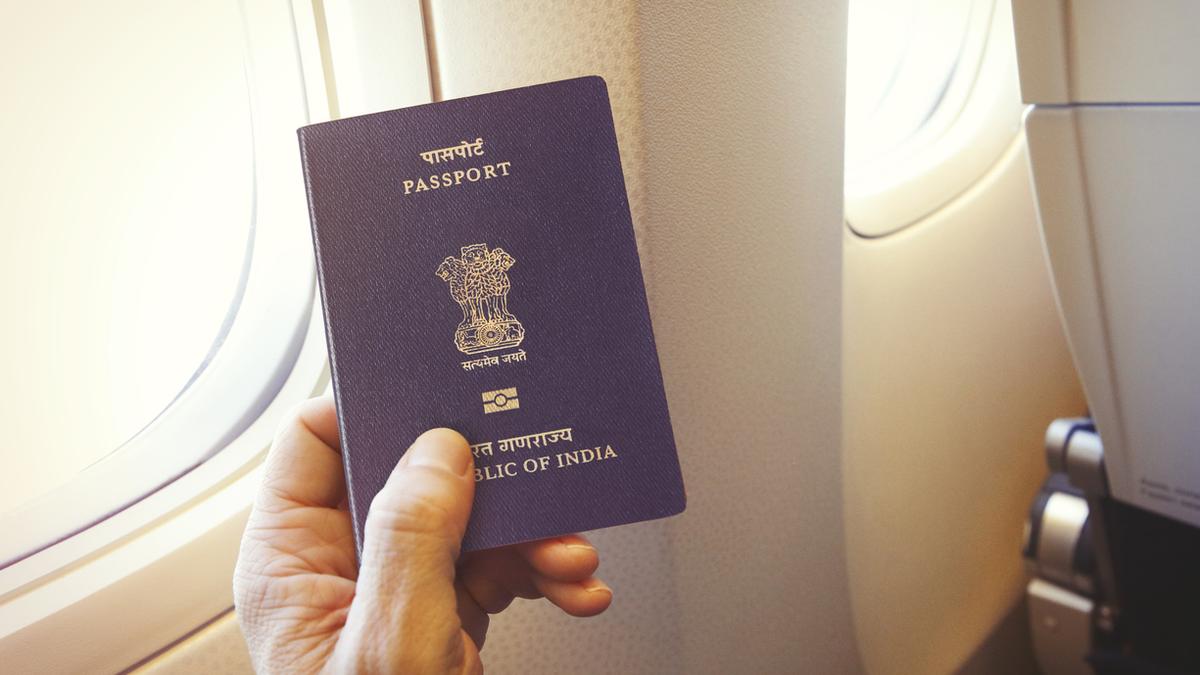
- India climbed 8 spots in the 2025 Henley Passport Index, moving from 85th to 77th position—the largest single jump ever for India.
- Indian passport holders can now travel visa-free or with visa-on-arrival access to 59 destinations, up from 57 last year.
- However, the country still trails behind celebrity passports—Singapore retains the top spot with access to 193 destinations, followed by Japan and South Korea at 190.
Why It Matters
- Despite adding only two new countries (the Philippines and Sri Lanka), India achieved its most significant ranking improvement in a single update, suggesting strong diplomatic efforts and new visa waiver agreements.
- The surge signals improved global mobility for Indian citizens, enhancing opportunities in tourism, education, business, and employment overseas.
- Yet, visas to only 59 destinations highlight persisting visa restrictions, especially when compared to nations in the top 10 list that offer access to 190+ destinations.
Additional Information
- The Henley Passport Index ranks passports based on the number of destinations accessible without a prior visa, using exclusive data from the International Air Transport Association (IATA).
- Top-ranked passports include:
- Singapore: 193 destinations
- Japan & South Korea: 190
- Several European countries: 189–188.
- Global trends include:
- UAE and China have improved sharply (UAE up to 8th, China to 60th) over the past decade through aggressive visa diplomacy.
- United States has dropped to its lowest-ever spot (10th), tied with Iceland and Lithuania, accessing only 182 destinations.
- Neighboring countries:
- India (77th) now ranks ahead of Pakistan (96th) and Bangladesh (94th).
Simplified Summary
- India recorded its largest-ever single drop in ranking—jumping 8 places to 77th on the Henley list.
- Visa-free access expanded modestly to 59 countries, including the Philippines and Sri Lanka.
- Singapore still leads at 193 visa-free countries, followed by Japan and South Korea.
- The US and UK are dropping—US now at 10th, UK at 6th—underscoring shifting diplomatic dynamics.
- Fast-rising mobility powers like UAE and China reflect the impact of targeted bilateral agreements and open policies.
Exam Focus Points
- What is it? The Henley Passport Index evaluates global passport strength based on visa-free or visa-on-arrival access.
- India’s position in 2025:
- Rank: 77th, up from 85th.
- Access to 59 destinations.
- Two new visa-free countries added: Philippines and Sri Lanka.
- Significance:
- India's leap reflects strategic diplomacy, though overall mobility remains limited.
- Global passport power often mirrors international clout, GDP level, and reciprocal visa policies.
- Top passports: Singapore #1 (193 countries), Japan & South Korea tied at #2 (190 countries).
- Decliners on the index: The United States (10th) and United Kingdom (6th) declined, indicating shifting travel openness globally.
- Mobility gap: Afghanistan remains last (~25 visa-free destinations), highlighting the gulf between nations’ travel access levels.
- Regional benchmark: India now ahead of Pakistan and Bangladesh; suggests diplomatic progress within South Asia.
July 2025
31 July 202530 July 202529 July 202528 July 202526 July 202525 July 202524 July 202523 July 202522 July 202521 July 202519 July 202518 July 202517 July 202516 July 202515 July 202512 July 202511 July 202510 July 202509 July 202507 July 202505 July 202504 July 202503 July 202502 July 202501 July 2025
Archive
November 2026
- 28 November 2026
- 27 November 2026
- 26 November 2026
- 25 November 2026
- 24 November 2026
- 23 November 2026
- 21 November 2026
- 20 November 2026
- 19 November 2026
- 18 November 2026
- 17 November 2026
- 16 November 2026
- 14 November 2026
- 13 November 2026
- 12 November 2026
- 11 November 2026
- 10 November 2026
- 09 November 2026
- 06 November 2026
- 05 November 2026
- 04 November 2026
- 03 November 2026
- 02 November 2026
October 2026
- 31 October 2026
- 30 October 2026
- 29 October 2026
- 28 October 2026
- 27 October 2026
- 26 October 2026
- 24 October 2026
- 23 October 2026
- 22 October 2026
- 21 October 2026
- 20 October 2026
- 19 October 2026
- 17 October 2026
- 16 October 2026
- 15 October 2026
- 14 October 2026
- 13 October 2026
- 12 October 2026
- 10 October 2026
- 09 October 2026
- 08 October 2026
- 07 October 2026
- 06 October 2026
- 05 October 2026
- 03 October 2026
- 02 October 2026
- 01 October 2026
September 2026
- 30 September 2026
- 29 September 2026
- 28 September 2026
- 26 September 2026
- 25 September 2026
- 24 September 2026
- 23 September 2026
- 22 September 2026
- 21 September 2026
- 19 September 2026
- 18 September 2026
- 17 September 2026
- 16 September 2026
- 15 September 2026
- 12 September 2026
- 11 September 2026
- 10 September 2026
- 09 September 2026
- 08 September 2026
- 07 September 2026
- 05 September 2026
- 04 September 2026
- 03 September 2026
- 02 September 2026
- 01 September 2026
August 2026
- 31 August 2026
- 29 August 2026
- 27 August 2026
- 26 August 2026
- 25 August 2026
- 24 August 2026
- 22 August 2026
- 21 August 2026
- 20 August 2026
- 19 August 2026
- 18 August 2026
- 17 August 2026
- 14 August 2026
- 13 August 2026
- 12 August 2026
- 11 August 2026
- 10 August 2026
- 08 August 2026
- 07 August 2026
- 06 August 2026
- 05 August 2026
- 04 August 2026
- 03 August 2026
- 01 August 2026
July 2026
- 31 July 2026
- 30 July 2026
- 29 July 2026
- 28 July 2026
- 27 July 2026
- 25 July 2026
- 23 July 2026
- 22 July 2026
- 21 July 2026
- 20 July 2026
- 18 July 2026
- 17 July 2026
- 15 July 2026
- 14 July 2026
- 13 July 2026
- 11 July 2026
- 10 July 2026
- 09 July 2026
- 08 July 2026
- 07 July 2026
- 06 July 2026
- 04 July 2026
- 03 July 2026
- 02 July 2026
- 01 July 2026
June 2026
May 2026
April 2026
March 2026
- 31 March 2026
- 30 March 2026
- 28 March 2026
- 27 March 2026
- 26 March 2026
- 25 March 2026
- 24 March 2026
- 23 March 2026
- 21 March 2026
- 20 March 2026
- 19 March 2026
- 18 March 2026
- 17 March 2026
- 16 March 2026
- 14 March 2026
- 13 March 2026
- 12 March 2026
- 11 March 2026
- 10 March 2026
- 09 March 2026
- 07 March 2026
- 06 March 2026
- 05 March 2026
- 03 March 2026
- 02 March 2026
February 2026
- 28 February 2026
- 27 February 2026
- 26 February 2026
- 25 February 2026
- 24 February 2026
- 23 February 2026
- 21 February 2026
- 20 February 2026
- 19 February 2026
- 18 February 2026
- 17 February 2026
- 16 February 2026
- 13 February 2026
- 12 February 2026
- 11 February 2026
- 10 February 2026
- 09 February 2026
- 07 February 2026
- 06 February 2026
- 05 February 2026
- 04 February 2026
- 03 February 2026
- 02 February 2026
January 2026
- 31 January 2026
- 30 January 2026
- 29 January 2026
- 28 January 2026
- 27 January 2026
- 26 January 2026
- 24 January 2026
- 23 January 2026
- 22 January 2026
- 21 January 2026
- 20 January 2026
- 19 January 2026
- 16 January 2026
- 15 January 2026
- 14 January 2026
- 13 January 2026
- 12 January 2026
- 10 January 2026
- 09 January 2026
- 08 January 2026
- 07 January 2026
- 06 January 2026
- 05 January 2026
- 03 January 2026
- 02 January 2026
- 01 January 2026
December 2025
- 31 December 2025
- 30 December 2025
- 29 December 2025
- 27 December 2025
- 26 December 2025
- 24 December 2025
- 23 December 2025
- 22 December 2025
- 20 December 2025
- 19 December 2025
- 18 December 2025
- 17 December 2025
- 16 December 2025
- 15 December 2025
- 13 December 2025
- 12 December 2025
- 11 December 2025
- 10 December 2025
- 09 December 2025
- 08 December 2025
- 05 December 2025
- 04 December 2025
- 03 December 2025
- 02 December 2025
November 2025
- 29 November 2025
- 28 November 2025
- 27 November 2025
- 26 November 2025
- 25 November 2025
- 24 November 2025
- 22 November 2025
- 21 November 2025
- 20 November 2025
- 19 November 2025
- 18 November 2025
- 17 November 2025
- 15 November 2025
- 14 November 2025
- 13 November 2025
- 12 November 2025
- 11 November 2025
- 10 November 2025
- 08 November 2025
- 07 November 2025
- 06 November 2025
- 05 November 2025
- 04 November 2025
- 03 November 2025
- 01 November 2025
October 2025
- 31 October 2025
- 30 October 2025
- 29 October 2025
- 28 October 2025
- 27 October 2025
- 25 October 2025
- 24 October 2025
- 23 October 2025
- 22 October 2025
- 21 October 2025
- 20 October 2025
- 18 October 2025
- 17 October 2025
- 16 October 2025
- 15 October 2025
- 14 October 2025
- 13 October 2025
- 11 October 2025
- 10 October 2025
- 09 October 2025
- 08 October 2025
- 07 October 2025
- 06 October 2025
- 04 October 2025
- 03 October 2025
- 02 October 2025
- 01 October 2025
September 2025
- 30 September 2025
- 29 September 2025
- 27 September 2025
- 26 September 2025
- 25 September 2025
- 24 September 2025
- 23 September 2025
- 22 September 2025
- 20 September 2025
- 19 September 2025
- 18 September 2025
- 17 September 2025
- 16 September 2025
- 15 September 2025
- 13 September 2025
- 12 September 2025
- 11 September 2025
- 10 September 2025
- 09 September 2025
- 08 September 2025
- 06 September 2025
- 05 September 2025
- 04 September 2025
- 03 September 2025
- 02 September 2025
- 01 September 2025
August 2025
- 30 August 2025
- 29 August 2025
- 28 August 2025
- 27 August 2025
- 26 August 2025
- 25 August 2025
- 23 August 2025
- 22 August 2025
- 21 August 2025
- 20 August 2025
- 19 August 2025
- 18 August 2025
- 16 August 2025
- 14 August 2025
- 13 August 2025
- 12 August 2025
- 11 August 2025
- 08 August 2025
- 07 August 2025
- 06 August 2025
- 05 August 2025
- 04 August 2025
- 02 August 2025
- 01 August 2025
July 2025
- 31 July 2025
- 30 July 2025
- 29 July 2025
- 28 July 2025
- 26 July 2025
- 25 July 2025
- 24 July 2025
- 23 July 2025
- 22 July 2025
- 21 July 2025
- 19 July 2025
- 18 July 2025
- 17 July 2025
- 16 July 2025
- 15 July 2025
- 12 July 2025
- 11 July 2025
- 10 July 2025
- 09 July 2025
- 07 July 2025
- 05 July 2025
- 04 July 2025
- 03 July 2025
- 02 July 2025
- 01 July 2025
June 2025
- 30 June 2025
- 28 June 2025
- 27 June 2025
- 26 June 2025
- 25 June 2025
- 24 June 2025
- 23 June 2025
- 21 June 2025
- 20 June 2025
- 19 June 2025
- 18 June 2025
- 17 June 2025
- 16 June 2025
- 14 June 2025
- 13 June 2025
- 12 June 2025
- 11 June 2025
- 10 June 2025
- 09 June 2025
- 07 June 2025
- 06 June 2025
- 05 June 2025
- 04 June 2025
- 03 June 2025
- 02 June 2025
May 2025
April 2025
- 30 April 2025
- 29 April 2025
- 28 April 2025
- 26 April 2025
- 25 April 2025
- 24 April 2025
- 23 April 2025
- 22 April 2025
- 21 April 2025
- 19 April 2025
- 18 April 2025
- 17 April 2025
- 16 April 2025
- 15 April 2025
- 14 April 2025
- 12 April 2025
- 11 April 2025
- 10 April 2025
- 09 April 2025
- 08 April 2025
- 07 April 2025
- 05 April 2025
- 04 April 2025
- 03 April 2025
- 02 April 2025
- 01 April 2025
March 2025
- 31 March 2025
- 29 March 2025
- 28 March 2025
- 27 March 2025
- 26 March 2025
- 25 March 2025
- 24 March 2025
- 22 March 2025
- 21 March 2025
- 20 March 2025
- 19 March 2025
- 18 March 2025
- 17 March 2025
- 15 March 2025
- 13 March 2025
- 12 March 2025
- 11 March 2025
- 10 March 2025
- 08 March 2025
- 07 March 2025
- 06 March 2025
- 05 March 2025
- 04 March 2025
- 03 March 2025
- 01 March 2025
February 2025
- 28 February 2025
- 27 February 2025
- 26 February 2025
- 25 February 2025
- 24 February 2025
- 22 February 2025
- 21 February 2025
- 20 February 2025
- 19 February 2025
- 18 February 2025
- 17 February 2025
- 15 February 2025
- 14 February 2025
- 13 February 2025
- 12 February 2025
- 11 February 2025
- 10 February 2025
- 08 February 2025
- 07 February 2025
- 06 February 2025
- 05 February 2025
- 04 February 2025
- 03 February 2025
- 01 February 2025
January 2025
- 31 January 2025
- 30 January 2025
- 29 January 2025
- 28 January 2025
- 27 January 2025
- 25 January 2025
- 24 January 2025
- 23 January 2025
- 22 January 2025
- 21 January 2025
- 20 January 2025
- 18 January 2025
- 17 January 2025
- 16 January 2025
- 15 January 2025
- 14 January 2025
- 13 January 2025
- 11 January 2025
- 10 January 2025
- 09 January 2025
- 08 January 2025
- 07 January 2025
- 06 January 2025
- 04 January 2025
- 03 January 2025
- 02 January 2025
- 01 January 2025