
Current Affairs
Stay updated with the latest national and international events.
25 July 2025
Boosting Jobs: PM Viksit Bharat Rozgar Yojana
What’s New?
- The Labour Ministry announced the PM Viksit Bharat Rozgar Yojana (PM-VBRY), an employment-linked incentive scheme, effective from August 1, 2025, aiming to create over 3.5 crore jobs in two years.
- Approved by the Union Cabinet, the scheme has an outlay of Rs 99,446 crore and targets first-time employees and employers with financial incentives.
- Focuses on formal job creation, especially in the manufacturing sector, with benefits for jobs created between August 1, 2025, and July 31, 2027.
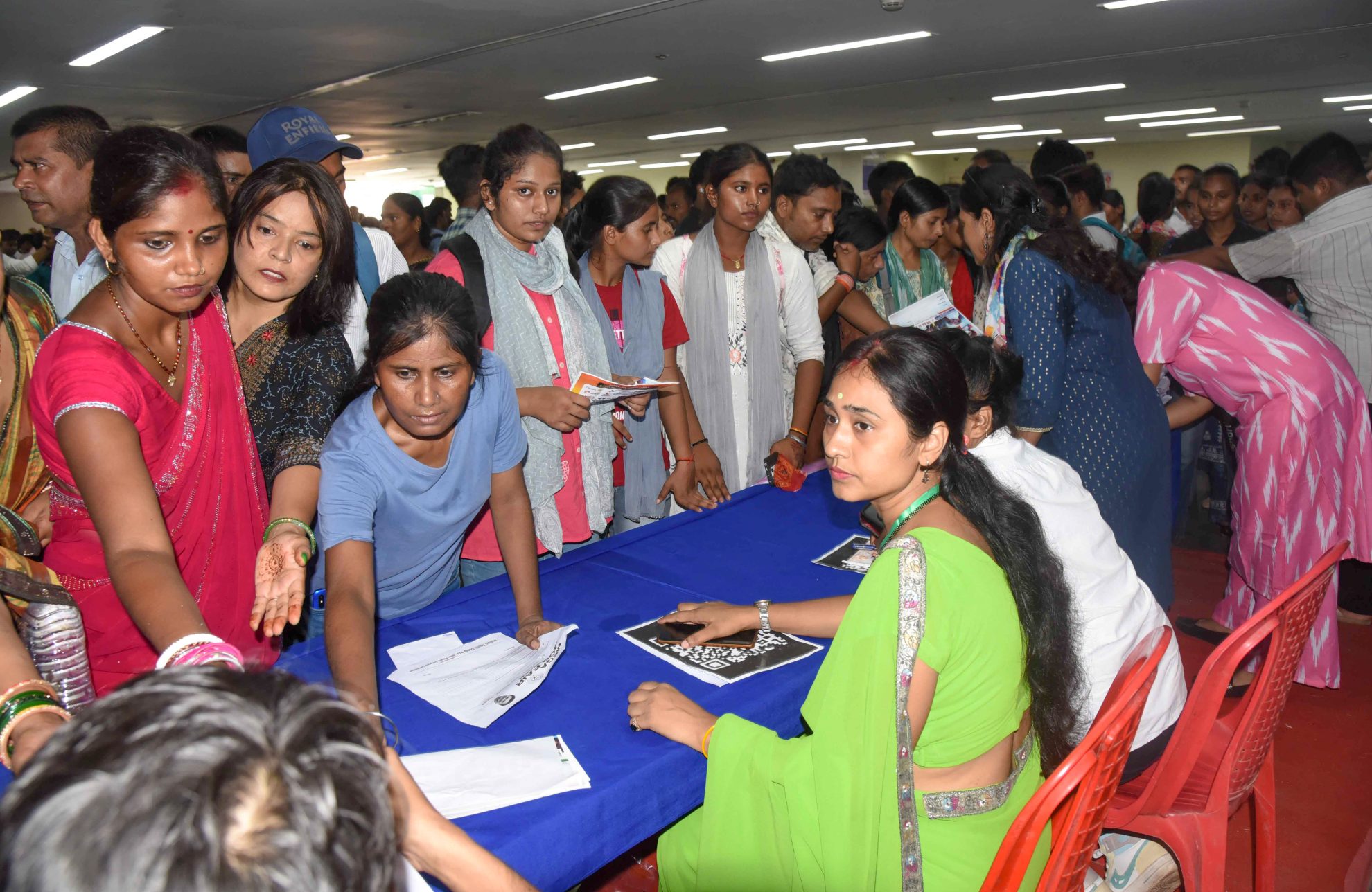
What is the PM Viksit Bharat Rozgar Yojana?
- A government initiative under the Viksit Bharat vision to promote formal employment and social security across sectors.
- Part A (First-time Employees): Offers one-month EPF wage (up to Rs 15,000) in two instalments to employees earning up to Rs 1 lakh monthly, registered with EPFO. The first instalment is paid after 6 months of service, and the second after 12 months upon completing a financial literacy programme. A portion is saved in a deposit account to encourage savings.
- Part B (Employers): Provides up to Rs 3,000 per month for two years per additional employee hired, with extended incentives (up to four years) for manufacturing sector employers. Small firms (up to 50 employees) need to hire at least two additional workers, while larger firms (50+ employees) need five.
- Payments are processed via Direct Benefit Transfer (DBT) using the Aadhaar Bridge Payment System.
Implementation and Monitoring
- The Ministry of Labour and Employment oversees the scheme, with the Ministry of Corporate Affairs identifying eligible firms.
- AI-driven technologies and foolproof systems will monitor hiring to prevent misuse, ensuring only genuine new hires qualify.
- The scheme is part of a broader Rs 2 lakh crore package for employment and skilling, targeting opportunities for 4.1 crore youth.
Additional Info
- Employees’ Provident Fund Organisation (EPFO): A statutory body under the Ministry of Labour and Employment, managing provident fund, pension, and insurance schemes for formal sector employees. It ensures social security through mandatory contributions from employees and employers.
- Viksit Bharat Initiative: A government vision for a developed India by 2047, focusing on economic growth, sustainability, and inclusive development, with employment as a key pillar.
- Ministry of Labour and Employment: Responsible for labour welfare, social security, and employment generation policies. It administers schemes like Atmanirbhar Bharat Rozgar Yojana (ABRY), a predecessor to PM-VBRY.
- Manufacturing Sector: Contributes ~17% to India’s GDP and is a priority for job creation due to its potential for large-scale employment and economic growth.
Simplified Summary
- Objective: Create 3.5 crore formal jobs in two years, with 1.92 crore for first-time workers.
- Incentives: Up to Rs 15,000 for new employees and Rs 3,000/month for employers, with a focus on manufacturing.
- Mechanism: Payments via DBT, monitored by AI to ensure transparency.
- Impact: Supports formalization of jobs, encourages savings, and boosts economic growth through employment.
Exam Focus Points
- Definition: A scheme to incentivize formal job creation with financial benefits for employees and employers.
- Key Features: Rs 99,446 crore outlay, 3.5 crore jobs, EPFO registration, DBT payments, and AI monitoring.
- Target Groups: First-time employees (up to Rs 1 lakh salary) and employers, especially in manufacturing.
- Static Linkages: Role of EPFO, Ministry of Labour, and Viksit Bharat vision.
- Challenges: Ensuring genuine hiring, preventing misuse, and sustaining jobs post-incentive period.
GST Burden and RBI Liquidity Injection: Key Updates

What’s New?
- A study reveals India’s Goods and Services Tax (GST) is moderately progressive, but the bottom 50% consumers face a similar tax burden as the middle 30%, while the top 20% pay 10% of their consumption as GST.
- The Reserve Bank of India (RBI) conducted a two-day variable rate repo (VRR) auction on July 23, 2025, injecting Rs 50,000 crore to manage liquidity deficits after the weighted average call rate (WACR) surged to 5.73%, exceeding the repo rate (5.50%) and Marginal Standing Facility (MSF) rate (5.75%).
Understanding GST and Its Impact
- GST is a unified indirect tax introduced in 2017 to replace multiple taxes, aiming for a single market and simplified tax structure.
- Study findings:
- Bottom 50% (poorest consumers) spend 7% of consumption on GST, similar to the middle 30%.
- Top 20% bear a higher burden at 10%, indicating moderate progressivity.
- Post-tax consumption inequality has decreased, showing redistributive effects.
- Challenges:
- Complex tax slabs (e.g., 5%, 12%, 18% for popcorn variants) create confusion and compliance burdens.
- Lower-income groups face disproportionate impact from tax on essentials.
RBI’s Liquidity Management
- Variable Rate Repo (VRR) Auction:
- Conducted to inject short-term liquidity when WACR exceeded the Liquidity Adjustment Facility (LAF) corridor.
- Received bids of Rs 71,902 crore against Rs 50,000 crore notified, with a cut-off rate of 5.53% and weighted average rate of 5.58%.
- Context:
- Tax outflows (e.g., GST, advance tax) reduced system liquidity from Rs 4.25 lakh crore (July 4) to Rs 2.42 lakh crore (July 22).
- High call rates (up to 5.85%) and tri-party repo rates (TREPs) (5.72%) prompted RBI action to align rates with the repo rate.
- Purpose: Ensure monetary policy transmission and maintain rates within the LAF corridor (repo rate to MSF rate).
Additional Info
- Goods and Services Tax Council: A constitutional body under Article 279A, chaired by the Union Finance Minister, with state finance ministers as members. It decides tax rates, exemptions, and slab structures.
- Reserve Bank of India (RBI): India’s central bank, responsible for monetary policy, liquidity management, and financial stability. Key tools include repo rate (5.50%), reverse repo rate, MSF (5.75%), and Cash Reserve Ratio (CRR).
- Liquidity Adjustment Facility (LAF): RBI’s framework to manage short-term liquidity through repo (lending) and reverse repo (absorbing) operations.
- Economic Context: India’s post-pandemic recovery is K-shaped, benefiting the wealthy while challenging the poor, increasing focus on equitable tax systems and liquidity management.
Simplified Summary
- GST Study: The tax is moderately progressive, but bottom 50% pay similar GST as middle 30%; top 20% pay more. Complex slabs burden lower-income groups.
- RBI Action: Injected Rs 50,000 crore via VRR auction to manage liquidity deficit caused by tax outflows, stabilizing call rates within the LAF corridor.
- Impact: GST affects consumption patterns; RBI ensures monetary stability for economic growth.
Exam Focus Points
- GST Definition: Unified indirect tax replacing multiple taxes, managed by the GST Council.
- Study Insight: Moderate progressivity, but bottom 50% face high burden; slab complexity needs reform.
- RBI’s Role: Uses VRR auctions to manage liquidity and align WACR with repo rate.
- Static Linkages: GST Council, RBI, LAF, and monetary policy tools like CRR and MSF.
- Challenges: GST slab rationalization, ensuring equitable taxation, and managing liquidity deficits during tax outflows.
India Shines at Ramsar COP15: Wetland Conservation Leadership
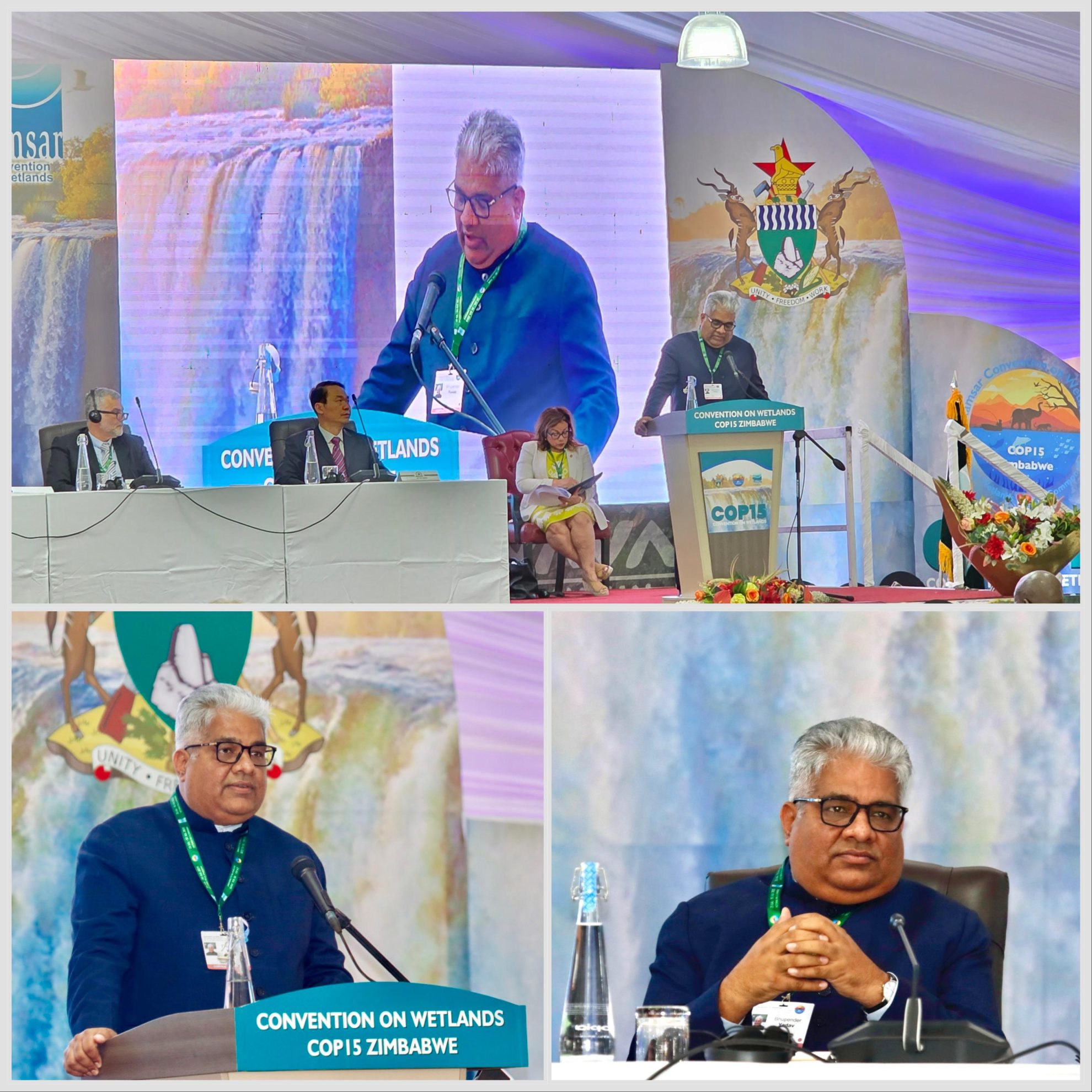
What’s New?
- India showcased its wetland conservation efforts at the 15th Conference of the Parties (COP15) to the Ramsar Convention, held in Victoria Falls, Zimbabwe, from July 23–31, 2025.
- Union Minister Bhupender Yadav led the Indian delegation, highlighting a 250% increase in Ramsar Sites over the past decade, with India now hosting 91 sites (1.36 million hectares), the largest network in Asia and third globally.
- Udaipur and Indore received the Wetland City Accreditation, a first for Indian cities, recognizing their efforts in urban wetland conservation.
What is the Ramsar Convention?
- An international treaty signed in 1971 in Ramsar, Iran, aimed at the conservation and sustainable use of wetlands.
- Objectives:
- Promote wise use of wetlands to maintain their ecological character.
- Designate Wetlands of International Importance (Ramsar Sites) based on biodiversity, water conservation, and migratory bird habitats.
- Foster international cooperation for wetland protection.
- COP15 focuses on the Strategic Plan 2025–2034, Victoria Falls Declaration, and resolutions on wetland restoration, climate resilience, and urban wetland management.
India’s Wetland Conservation Efforts
- Growth: From 26 Ramsar Sites in 2014 to 91 in 2025, covering 1.36 million hectares, including wetlands like Sundarbans, Chilika Lake, and Keoladeo National Park.
- Initiatives:
- Mission LiFE (Lifestyle for Environment): Promotes sustainable lifestyles globally.
- Ek Ped Maa Ke Naam: Encourages tree planting for environmental conservation.
- Mission Sahbhagita: Engages over 2 million citizens in wetland protection.
- Save Wetlands Campaign: Enhances community-driven conservation.
- Bilateral talks: India discussed knowledge sharing and wetland restoration with Zimbabwe, CITES, CMS, and Ramsar Secretariat during COP15.
Additional Info
- Ramsar Convention: Governed by 172 Contracting Parties, with the Secretariat in Gland, Switzerland. India joined in 1982.
- Wetland City Accreditation: Recognizes cities promoting urban wetland conservation. Globally, 31 cities from 16 countries, including Indore and Udaipur, were accredited at COP15.
- Zimbabwe’s Role: Hosts 7 Ramsar Sites (e.g., Victoria Falls, Mana Pools National Park) and assumed the Ramsar Presidency in 2025. Its Wetlands Management Act aligns with Ramsar principles.
- Related Treaties:
- CITES (1973): Regulates trade in endangered species.
- CMS (1979): Protects migratory species reliant on wetlands.
- India’s Global Initiatives: International Big Cat Alliance (IBCA), International Solar Alliance (ISA), and Coalition for Disaster Resilient Infrastructure (CDRI) promote biodiversity and climate resilience.
Simplified Summary
- India’s Achievement: Expanded to 91 Ramsar Sites, with Udaipur and Indore as Wetland Cities.
- COP15: Held in Zimbabwe, focusing on wetland restoration, climate policies, and Strategic Plan 2025–2034.
- India’s Role: Promotes community participation (e.g., Mission Sahbhagita) and global cooperation through Mission LiFE and Ek Ped Maa Ke Naam.
- Global Context: Wetlands are critical for biodiversity, water security, and climate mitigation, but face a 35% global decline since 1970.
Exam Focus Points
- Ramsar Convention: Treaty for wetland conservation, signed in 1971, with India as a member since 1982.
- India’s Progress: 91 Ramsar Sites, 250% growth in a decade, and Wetland City Accreditation for Indore and Udaipur.
- Key Initiatives: Mission LiFE, Mission Sahbhagita, Ek Ped Maa Ke Naam, and Save Wetlands Campaign.
- COP15 Outcomes: Victoria Falls Declaration, Strategic Plan 2025–2034, and focus on urban wetlands and climate resilience.
- Challenges: Wetland degradation, integrating wetlands into national climate policies, and ensuring community involvement.
First International Day for Judicial Wellbeing

What’s New?
- The United Nations General Assembly declared July 25 as the International Day for Judicial Wellbeing on March 4, 2025, marking its first observance on July 25, 2025.
- The day commemorates the Nauru Declaration on Judicial Wellbeing, adopted on July 25, 2024, at a Regional Judicial Conference in Nauru, highlighting the mental, physical, and emotional health of judges as critical to judicial integrity and the rule of law.
- A 2021 Global Judicial Integrity Network survey revealed that 69% of judges found discussing mental health taboo, 83% reported insufficient support, and 89% knew colleagues experiencing stress, sadness, or anxiety.
What is Judicial Wellbeing?
- Judicial wellbeing refers to the mental, physical, and emotional health of judges, essential for maintaining judicial independence, integrity, and efficiency in delivering justice.
- Key challenges:
- High workloads, complex cases, and tight schedules lead to burnout and secondary trauma.
- Technological advancements (e.g., social media, AI) and socio-political pressures increase stress.
- Stigma around seeking support hinders judges from addressing mental health issues.
- The Nauru Declaration outlines seven principles:
- Destigmatize judicial stress.
- Promote shared responsibility among judges, courts, and institutions.
- Foster a supportive judicial culture with holistic strategies (awareness, prevention, intervention).
Global Context and Initiatives
- The UN Resolution A/RES/79/266, initiated by Justice Rangajeeva Wimalasena (Nauru Court of Appeal) and supported by the UN Office on Drugs and Crime (UNODC), was adopted with near-unanimous support (160+ countries, 1 against, 3 abstentions).
- The International Conference on Judicial Integrity and Wellbeing in Port Moresby, Papua New Guinea (August 20–22, 2025), aims to develop tools and strategies for integrating wellbeing into court systems.
- Judicial Support Network (JSN), founded by Judge Kalyani Kaul KC (England and Wales), contributed to the Nauru Declaration, fostering global collaboration among judges.
Additional Info
- United Nations Office on Drugs and Crime (UNODC): A UN agency combating illicit drugs, crime, and corruption, supporting judicial integrity through initiatives like the Global Judicial Integrity Network.
- United Nations Convention Against Corruption (UNCAC): Adopted in 2003, its Article 11 emphasizes judicial integrity to prevent corruption and ensure access to justice.
- Bangalore Principles of Judicial Conduct (2002): A global framework for judicial ethics, emphasizing independence, impartiality, and wellbeing (Paragraph 194).
- Nauru: A small Pacific island nation, with a judiciary led by the Court of Appeal, playing a pivotal role in global judicial wellbeing advocacy.
- Global Judicial Integrity Network: Launched by UNODC, it connects judges worldwide to share best practices on judicial ethics and wellbeing.
Simplified Summary
- New Observance: July 25 is the International Day for Judicial Wellbeing, recognizing judges’ mental health as vital to justice systems.
- Nauru Declaration: Adopted in 2024, it promotes destigmatizing stress and fostering supportive judicial cultures.
- Challenges: Judges face burnout, stigma, and external pressures (e.g., social media, political issues).
- Global Efforts: UNODC, JSN, and conferences like Port Moresby 2025 aim to integrate wellbeing strategies into judiciaries.
Exam Focus Points
- Definition: Judicial wellbeing ensures judges’ health supports independence, integrity, and justice delivery.
- Key Event: UN Resolution A/RES/79/266 (March 2025) established July 25 as International Day for Judicial Wellbeing.
- Nauru Declaration: Outlines principles for destigmatizing stress and promoting holistic support for judges.
- Static Linkages: UNODC, UNCAC (Article 11), Bangalore Principles, and Global Judicial Integrity Network.
- Challenges: Addressing stigma, managing workload, and integrating wellbeing into diverse judicial systems.
World Drowning Prevention Day 2025: Saving Lives Through Stories
What’s New?
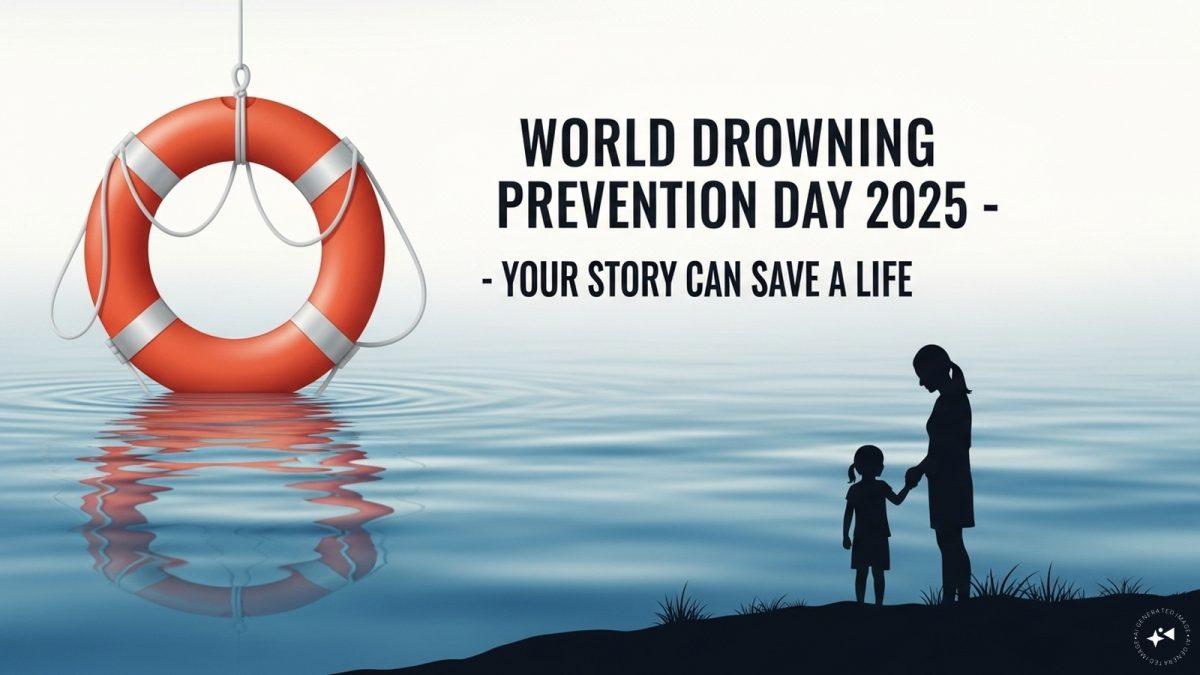
- World Drowning Prevention Day 2025, observed on July 25, adopted the theme “Your Story Can Save a Life – Drowning Prevention Through Shared Experiences”, emphasizing personal stories to raise awareness and promote water safety.
- The World Health Organization (WHO) reported over 3 million drowning deaths in the past decade, with 300,000 annual deaths, including 80,000 in South-East Asia, making it a leading cause of death for children aged 1–14.
- The 76th World Health Assembly (May 2023) adopted a resolution titled “Accelerating Action on Global Drowning Prevention”, proposed by Bangladesh and Ireland, urging action through 2029.
Understanding Drowning and Its Impact
- Drowning is defined by the WHO as “the process of experiencing respiratory impairment from submersion or immersion in liquid,” causing 7% of injury-related deaths globally.
- Risk factors:
- Children (5–14 years): Account for 23.4% of drowning deaths in the Eastern Mediterranean, with boys at twice the risk.
- Rural areas and migrants: Lack access to safety measures and face higher exposure to unsafe water bodies (e.g., ponds, rivers).
- Other factors: Flash floods, overcrowded boats, alcohol use, and lack of supervision increase risks.
- Global trends: Drowning deaths have decreased since 2000, but low-income countries have rates 3.2 times higher than high-income ones.
Prevention Strategies and Success Stories
- WHO’s six evidence-based interventions:
- Install barriers to restrict access to hazardous water bodies.
- Provide safe childcare spaces (e.g., crèches) for preschool children.
- Teach swimming and rescue skills to children and communities.
- Train bystanders in safe rescue and resuscitation.
- Enforce safe boating and ferry regulations.
- Improve flood risk management.
- Success stories:
- Bangladesh: The Anchal day-care model protects 1–5-year-olds, and SwimSafe trained over 700,000 children in water safety.
- Thailand: The Merit Maker program reduced child drowning deaths by 57% (from 1,500 to under 700 annually) through CPR training and public campaigns.
- Australia: 30 years of water safety education aims to halve drownings by 2030.
Additional Info
- World Health Organization (WHO): A UN agency coordinating global health efforts, leading drowning prevention through reports like the Global Status Report on Drowning Prevention 2024 and advocacy materials.
- UN General Assembly Resolution A/RES/75/273 (April 2021): Established World Drowning Prevention Day on July 25, inviting WHO to lead global efforts.
- Bangladesh and Ireland: Key proponents of drowning prevention, with Bangladesh’s high drowning rates (due to rivers and ponds) and Ireland’s focus on water safety education.
- Eastern Mediterranean Region: Has the second-highest drowning rate globally, with 35,000 deaths in 2021, especially among children under 4.
Simplified Summary
- Theme: “Your Story Can Save a Life” encourages sharing drowning experiences to raise awareness and promote prevention.
- Impact: Over 300,000 drown annually, mostly children and in low-income countries, but deaths are preventable.
- Solutions: Barriers, swimming lessons, life jackets, supervision, and national plans reduce risks.
- Successes: Bangladesh, Thailand, and Australia show effective community-based and policy-driven interventions.
Exam Focus Points
- Definition: Drowning is respiratory impairment from water submersion, a major public health issue.
- Key Event: World Drowning Prevention Day (July 25), established by UNGA Resolution A/RES/75/273 (2021).
- Theme 2025: “Your Story Can Save a Life”, focusing on personal narratives for awareness.
- Static Linkages: WHO, UNGA, Bangladesh, Ireland, and Eastern Mediterranean Region.
- Challenges: High risks in rural areas, low-income countries, and among children; need for multisectoral action and data collection.
India’s Breakthrough in Drone Warfare: ULPGM-V3 Test
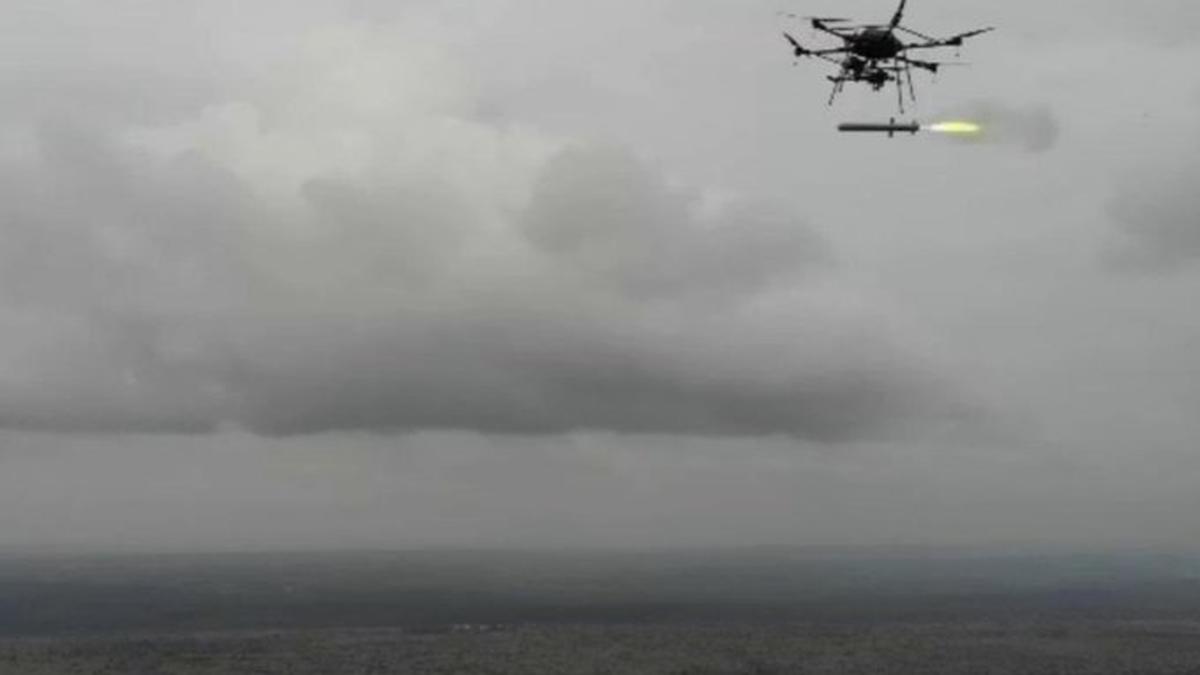
What’s New?
- On July 25, 2025, the Defence Research and Development Organisation (DRDO) successfully conducted flight trials of the UAV-Launched Precision Guided Missile (ULPGM)-V3 at the National Open Area Range (NOAR) in Kurnool, Andhra Pradesh.
- The ULPGM-V3, an extended-range variant (also called ULM-ER), enhances India’s drone warfare capabilities with a 10 km range, imaging infrared (IIR) seeker, and dual-thrust propulsion for day and night operations.
- Defence Minister Rajnath Singh praised the DRDO, Adani Defence, Bharat Dynamics Limited (BDL), and MSMEs for advancing Aatmanirbhar Bharat (self-reliant India).
What is the ULPGM-V3?
- The UAV-Launched Precision Guided Missile (ULPGM)-V3 is a 12.5 kg fire-and-forget missile designed for unmanned aerial vehicles (UAVs) to strike static and moving targets with high accuracy.
- Key features:
- Range: 10 km (day: 4 km, night: 2.5 km for earlier variants, extended in V3).
- Guidance: Imaging infrared (IIR) seeker and radio frequency (RF) for precision targeting.
- Propulsion: Dual-thrust solid propulsion for enhanced range and speed.
- Warheads: Multiple configurations to engage diverse targets, including armoured vehicles and fortifications.
- Developed from ULPGM-V2 by DRDO’s Terminal Ballistics Research Laboratory (TBRL), showcased at Aero India 2025.
Strategic Importance
- Modern warfare: UAV-launched missiles are cost-effective compared to ground-based or fighter jet-launched systems, ideal for inaccessible terrains along the Line of Control (LoC) with Pakistan and Line of Actual Control (LAC) with China.
- Recent context: India’s use of drones in Operation Sindoor and plans to acquire 31 Predator drones from the US highlight the growing role of unmanned systems in defence.
- Testing facility: Conducted at NOAR, a 2,200-acre advanced range in Kurnool, also used for directed-energy weapons trials, showcasing India’s high-tech testing infrastructure.-shebang
Additional Info
- Defence Research and Development Organisation (DRDO): India’s premier defence R&D agency, responsible for developing indigenous defence technologies like missiles, aircraft, and radar systems.
- National Open Area Range (NOAR): Located in Kurnool, Andhra Pradesh, managed by Defence Electronics Research Laboratory (DLRL), a key facility for testing advanced defence systems.
- Aatmanirbhar Bharat: India’s policy for self-reliance in defence manufacturing, involving private industries (e.g., Adani Defence, BDL) and MSMEs.
- Global Context: UAV-launched missiles are critical in modern warfare, with countries like the US (Predator drones) and Israel leading in such technologies.
Simplified Summary
- Achievement: Successful test of ULPGM-V3, a 10 km range UAV-launched missile in Kurnool.
- Features: IIR seeker, dual-thrust propulsion, and multiple warheads for precision strikes.
- Significance: Enhances drone warfare, supports Aatmanirbhar Bharat, and strengthens strategic flexibility in conflict zones.
- Collaboration: Involves DRDO, Adani Defence, BDL, and MSMEs, showcasing India’s indigenous capabilities.
Exam Focus Points
- Definition: ULPGM-V3 is a UAV-launched, precision-guided missile for modern warfare.
- Key Features: 10 km range, IIR and RF guidance, dual-thrust propulsion, and multiple warheads.
- Strategic Role: Cost-effective strikes in inaccessible terrains (e.g., LoC, LAC).
- Static Linkages: DRDO, NOAR, Aatmanirbhar Bharat, and defence industry collaboration.
- Challenges: Developing lightweight munitions, ensuring cybersecurity for UAVs, and competing with global leaders like the US and Israel.
Vice Presidential Election 2025: ECI Prepares for Polls
What’s New?
- The Election Commission of India (ECI) appointed the Rajya Sabha Secretary General, PC Mody, as the Returning Officer for the Vice Presidential Election 2025 on July 25, 2025, following the resignation of Jagdeep Dhankhar on July 21, 2025, citing health reasons.
- Garima Jain (Joint Secretary, Rajya Sabha Secretariat) and Vijay Kumar (Director, Rajya Sabha Secretariat) were named Assistant Returning Officers to assist in conducting the election.
- The election, necessitated during the Monsoon Session of Parliament, will follow a gazette notification to be issued soon, with the poll schedule to be announced shortly.

Vice Presidential Election Process
- Governed by the Presidential and Vice-Presidential Elections Act, 1952, and Rules, 1974, the election is conducted by the ECI under Article 324 of the Constitution.
- Electoral College: Comprises 790 Members of Parliament (MPs) from both Lok Sabha (543 elected, 2 nominated) and Rajya Sabha (233 elected, 12 nominated), using proportional representation via single transferable vote and secret ballot.
- Nomination Process:
- Candidates require at least 20 proposers and 20 seconders (all MPs).
- A security deposit of Rs 15,000 is mandatory.
- Candidates must be Indian citizens, over 35 years old, and qualified for Rajya Sabha membership, without holding any office of profit.
- Timeline: The election must be held “as soon as possible” per Article 68, with a 30-day period from notification to polling.
Political Context
- The National Democratic Alliance (NDA) holds a strong position with 426 MPs (293 in Lok Sabha, 133 in Rajya Sabha), exceeding the simple majority of 396 votes in the 790-member Electoral College.
- The Deputy Chairman of Rajya Sabha will discharge the Vice President’s duties (as ex-officio Chairman of Rajya Sabha) until the new Vice President is elected.
- The Returning Officer role rotates between the Lok Sabha and Rajya Sabha Secretary General; the Lok Sabha Secretary General served in the last election.
Additional Info
- Election Commission of India (ECI): An autonomous body under Article 324, responsible for conducting elections to the President, Vice President, Parliament, and State Legislatures. It is headed by the Chief Election Commissioner and two Election Commissioners.
- Presidential and Vice-Presidential Elections Act, 1952: Provides the legal framework for electing India’s President and Vice President, with the Returning Officer appointed under Section 3 in consultation with the Central Government.
- Rajya Sabha Secretariat: Supports the functioning of the Council of States, led by the Secretary General, who also serves administrative roles like Returning Officer for elections.
- Vice President’s Role: The second-highest constitutional office, acting as the ex-officio Chairman of Rajya Sabha and stepping in as Acting President when needed.
Simplified Summary
- Election Trigger: Jagdeep Dhankhar’s resignation on July 21, 2025, necessitates a new Vice Presidential Election.
- Appointments: PC Mody (Rajya Sabha Secretary General) as Returning Officer, with Garima Jain and Vijay Kumar as Assistant Returning Officers.
- Process: Conducted by ECI, with 790 MPs voting via proportional representation and secret ballot.
- Political Edge: NDA’s majority (426 MPs) ensures a strong position in the Electoral College.
Exam Focus Points
- Definition: Vice Presidential Election involves 790 MPs voting under proportional representation to elect the second-highest constitutional officer.
- Recent Development: ECI appointed PC Mody as Returning Officer after Dhankhar’s resignation.
- Legal Framework: Article 324, Presidential and Vice-Presidential Elections Act, 1952, and Rules, 1974.
- Static Linkages: ECI, Rajya Sabha Secretariat, Electoral College, and Vice President’s role.
- Challenges: Ensuring timely elections, maintaining impartiality, and managing political dynamics in a majority-driven poll.
July 2025
31 July 202530 July 202529 July 202528 July 202526 July 202525 July 202524 July 202523 July 202522 July 202521 July 202519 July 202518 July 202517 July 202516 July 202515 July 202512 July 202511 July 202510 July 202509 July 202507 July 202505 July 202504 July 202503 July 202502 July 202501 July 2025
Archive
November 2026
- 27 November 2026
- 26 November 2026
- 25 November 2026
- 24 November 2026
- 23 November 2026
- 21 November 2026
- 20 November 2026
- 19 November 2026
- 18 November 2026
- 17 November 2026
- 16 November 2026
- 14 November 2026
- 13 November 2026
- 12 November 2026
- 11 November 2026
- 10 November 2026
- 09 November 2026
- 06 November 2026
- 05 November 2026
- 04 November 2026
- 03 November 2026
- 02 November 2026
October 2026
- 31 October 2026
- 30 October 2026
- 29 October 2026
- 28 October 2026
- 27 October 2026
- 26 October 2026
- 24 October 2026
- 23 October 2026
- 22 October 2026
- 21 October 2026
- 20 October 2026
- 19 October 2026
- 17 October 2026
- 16 October 2026
- 15 October 2026
- 14 October 2026
- 13 October 2026
- 12 October 2026
- 10 October 2026
- 09 October 2026
- 08 October 2026
- 07 October 2026
- 06 October 2026
- 05 October 2026
- 03 October 2026
- 02 October 2026
- 01 October 2026
September 2026
- 30 September 2026
- 29 September 2026
- 28 September 2026
- 26 September 2026
- 25 September 2026
- 24 September 2026
- 23 September 2026
- 22 September 2026
- 21 September 2026
- 19 September 2026
- 18 September 2026
- 17 September 2026
- 16 September 2026
- 15 September 2026
- 12 September 2026
- 11 September 2026
- 10 September 2026
- 09 September 2026
- 08 September 2026
- 07 September 2026
- 05 September 2026
- 04 September 2026
- 03 September 2026
- 02 September 2026
- 01 September 2026
August 2026
- 31 August 2026
- 29 August 2026
- 27 August 2026
- 26 August 2026
- 25 August 2026
- 24 August 2026
- 22 August 2026
- 21 August 2026
- 20 August 2026
- 19 August 2026
- 18 August 2026
- 17 August 2026
- 14 August 2026
- 13 August 2026
- 12 August 2026
- 11 August 2026
- 10 August 2026
- 08 August 2026
- 07 August 2026
- 06 August 2026
- 05 August 2026
- 04 August 2026
- 03 August 2026
- 01 August 2026
July 2026
- 31 July 2026
- 30 July 2026
- 29 July 2026
- 28 July 2026
- 27 July 2026
- 25 July 2026
- 23 July 2026
- 22 July 2026
- 21 July 2026
- 20 July 2026
- 18 July 2026
- 17 July 2026
- 15 July 2026
- 14 July 2026
- 13 July 2026
- 11 July 2026
- 10 July 2026
- 09 July 2026
- 08 July 2026
- 07 July 2026
- 06 July 2026
- 04 July 2026
- 03 July 2026
- 02 July 2026
- 01 July 2026
June 2026
May 2026
April 2026
March 2026
- 31 March 2026
- 30 March 2026
- 28 March 2026
- 27 March 2026
- 26 March 2026
- 25 March 2026
- 24 March 2026
- 23 March 2026
- 21 March 2026
- 20 March 2026
- 19 March 2026
- 18 March 2026
- 17 March 2026
- 16 March 2026
- 14 March 2026
- 13 March 2026
- 12 March 2026
- 11 March 2026
- 10 March 2026
- 09 March 2026
- 07 March 2026
- 06 March 2026
- 05 March 2026
- 03 March 2026
- 02 March 2026
February 2026
- 28 February 2026
- 27 February 2026
- 26 February 2026
- 25 February 2026
- 24 February 2026
- 23 February 2026
- 21 February 2026
- 20 February 2026
- 19 February 2026
- 18 February 2026
- 17 February 2026
- 16 February 2026
- 13 February 2026
- 12 February 2026
- 11 February 2026
- 10 February 2026
- 09 February 2026
- 07 February 2026
- 06 February 2026
- 05 February 2026
- 04 February 2026
- 03 February 2026
- 02 February 2026
January 2026
- 31 January 2026
- 30 January 2026
- 29 January 2026
- 28 January 2026
- 27 January 2026
- 26 January 2026
- 24 January 2026
- 23 January 2026
- 22 January 2026
- 21 January 2026
- 20 January 2026
- 19 January 2026
- 16 January 2026
- 15 January 2026
- 14 January 2026
- 13 January 2026
- 12 January 2026
- 10 January 2026
- 09 January 2026
- 08 January 2026
- 07 January 2026
- 06 January 2026
- 05 January 2026
- 03 January 2026
- 02 January 2026
- 01 January 2026
December 2025
- 31 December 2025
- 30 December 2025
- 29 December 2025
- 27 December 2025
- 26 December 2025
- 24 December 2025
- 23 December 2025
- 22 December 2025
- 20 December 2025
- 19 December 2025
- 18 December 2025
- 17 December 2025
- 16 December 2025
- 15 December 2025
- 13 December 2025
- 12 December 2025
- 11 December 2025
- 10 December 2025
- 09 December 2025
- 08 December 2025
- 05 December 2025
- 04 December 2025
- 03 December 2025
- 02 December 2025
November 2025
- 29 November 2025
- 28 November 2025
- 27 November 2025
- 26 November 2025
- 25 November 2025
- 24 November 2025
- 22 November 2025
- 21 November 2025
- 20 November 2025
- 19 November 2025
- 18 November 2025
- 17 November 2025
- 15 November 2025
- 14 November 2025
- 13 November 2025
- 12 November 2025
- 11 November 2025
- 10 November 2025
- 08 November 2025
- 07 November 2025
- 06 November 2025
- 05 November 2025
- 04 November 2025
- 03 November 2025
- 01 November 2025
October 2025
- 31 October 2025
- 30 October 2025
- 29 October 2025
- 28 October 2025
- 27 October 2025
- 25 October 2025
- 24 October 2025
- 23 October 2025
- 22 October 2025
- 21 October 2025
- 20 October 2025
- 18 October 2025
- 17 October 2025
- 16 October 2025
- 15 October 2025
- 14 October 2025
- 13 October 2025
- 11 October 2025
- 10 October 2025
- 09 October 2025
- 08 October 2025
- 07 October 2025
- 06 October 2025
- 04 October 2025
- 03 October 2025
- 02 October 2025
- 01 October 2025
September 2025
- 30 September 2025
- 29 September 2025
- 27 September 2025
- 26 September 2025
- 25 September 2025
- 24 September 2025
- 23 September 2025
- 22 September 2025
- 20 September 2025
- 19 September 2025
- 18 September 2025
- 17 September 2025
- 16 September 2025
- 15 September 2025
- 13 September 2025
- 12 September 2025
- 11 September 2025
- 10 September 2025
- 09 September 2025
- 08 September 2025
- 06 September 2025
- 05 September 2025
- 04 September 2025
- 03 September 2025
- 02 September 2025
- 01 September 2025
August 2025
- 30 August 2025
- 29 August 2025
- 28 August 2025
- 27 August 2025
- 26 August 2025
- 25 August 2025
- 23 August 2025
- 22 August 2025
- 21 August 2025
- 20 August 2025
- 19 August 2025
- 18 August 2025
- 16 August 2025
- 14 August 2025
- 13 August 2025
- 12 August 2025
- 11 August 2025
- 08 August 2025
- 07 August 2025
- 06 August 2025
- 05 August 2025
- 04 August 2025
- 02 August 2025
- 01 August 2025
July 2025
- 31 July 2025
- 30 July 2025
- 29 July 2025
- 28 July 2025
- 26 July 2025
- 25 July 2025
- 24 July 2025
- 23 July 2025
- 22 July 2025
- 21 July 2025
- 19 July 2025
- 18 July 2025
- 17 July 2025
- 16 July 2025
- 15 July 2025
- 12 July 2025
- 11 July 2025
- 10 July 2025
- 09 July 2025
- 07 July 2025
- 05 July 2025
- 04 July 2025
- 03 July 2025
- 02 July 2025
- 01 July 2025
June 2025
- 30 June 2025
- 28 June 2025
- 27 June 2025
- 26 June 2025
- 25 June 2025
- 24 June 2025
- 23 June 2025
- 21 June 2025
- 20 June 2025
- 19 June 2025
- 18 June 2025
- 17 June 2025
- 16 June 2025
- 14 June 2025
- 13 June 2025
- 12 June 2025
- 11 June 2025
- 10 June 2025
- 09 June 2025
- 07 June 2025
- 06 June 2025
- 05 June 2025
- 04 June 2025
- 03 June 2025
- 02 June 2025
May 2025
April 2025
- 30 April 2025
- 29 April 2025
- 28 April 2025
- 26 April 2025
- 25 April 2025
- 24 April 2025
- 23 April 2025
- 22 April 2025
- 21 April 2025
- 19 April 2025
- 18 April 2025
- 17 April 2025
- 16 April 2025
- 15 April 2025
- 14 April 2025
- 12 April 2025
- 11 April 2025
- 10 April 2025
- 09 April 2025
- 08 April 2025
- 07 April 2025
- 05 April 2025
- 04 April 2025
- 03 April 2025
- 02 April 2025
- 01 April 2025
March 2025
- 31 March 2025
- 29 March 2025
- 28 March 2025
- 27 March 2025
- 26 March 2025
- 25 March 2025
- 24 March 2025
- 22 March 2025
- 21 March 2025
- 20 March 2025
- 19 March 2025
- 18 March 2025
- 17 March 2025
- 15 March 2025
- 13 March 2025
- 12 March 2025
- 11 March 2025
- 10 March 2025
- 08 March 2025
- 07 March 2025
- 06 March 2025
- 05 March 2025
- 04 March 2025
- 03 March 2025
- 01 March 2025
February 2025
- 28 February 2025
- 27 February 2025
- 26 February 2025
- 25 February 2025
- 24 February 2025
- 22 February 2025
- 21 February 2025
- 20 February 2025
- 19 February 2025
- 18 February 2025
- 17 February 2025
- 15 February 2025
- 14 February 2025
- 13 February 2025
- 12 February 2025
- 11 February 2025
- 10 February 2025
- 08 February 2025
- 07 February 2025
- 06 February 2025
- 05 February 2025
- 04 February 2025
- 03 February 2025
- 01 February 2025
January 2025
- 31 January 2025
- 30 January 2025
- 29 January 2025
- 28 January 2025
- 27 January 2025
- 25 January 2025
- 24 January 2025
- 23 January 2025
- 22 January 2025
- 21 January 2025
- 20 January 2025
- 18 January 2025
- 17 January 2025
- 16 January 2025
- 15 January 2025
- 14 January 2025
- 13 January 2025
- 11 January 2025
- 10 January 2025
- 09 January 2025
- 08 January 2025
- 07 January 2025
- 06 January 2025
- 04 January 2025
- 03 January 2025
- 02 January 2025
- 01 January 2025