
Current Affairs
Stay updated with the latest national and international events.
26 March 2025
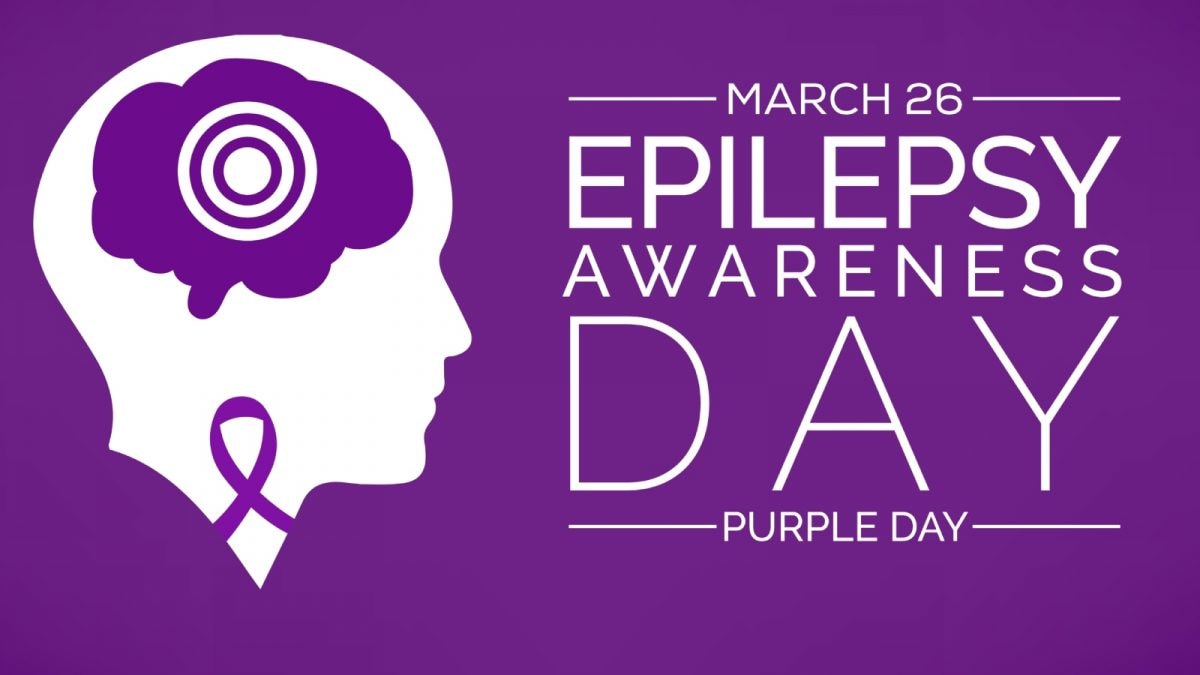
Purple Day 2025: Raising Epilepsy Awareness
- Purple Day is observed annually on March 26th to raise awareness about epilepsy worldwide.
- In 2025, this day marks an important opportunity to educate the public, dispel myths, and show support for individuals living with this neurological condition.
- The initiative encourages people to wear purple, the internationally recognized color for epilepsy awareness.
History and Significance:
-
Purple Day was founded in 2008 by a young girl named Cassidy Megan from Nova Scotia, Canada.
-
Cassidy, who herself lives with epilepsy, wanted to let people with epilepsy know that they are not alone and to encourage others to talk about the condition openly.
-
The Epilepsy Association of Nova Scotia officially launched the first Purple Day.
-
In 2009, the Anita Kaufmann Foundation in the United States joined forces with Cassidy Megan and the Epilepsy Association of Nova Scotia to take Purple Day to the global stage.
-
The significance of Purple Day lies in its aim to:
- Increase public awareness about epilepsy, its causes, and its impact on individuals and families.
- Reduce stigma associated with epilepsy, which often leads to discrimination and social isolation.
- Encourage open conversations about epilepsy and provide support to those affected.
- Educate people on how to respond appropriately if someone is having a seizure.
Key Facts about Epilepsy:
-
Epilepsy is a chronic neurological disorder characterized by recurrent, unprovoked seizures.
-
Seizures are brief episodes of abnormal electrical activity in the brain, which can cause a variety of symptoms, from brief staring spells to loss of consciousness and convulsions.
-
Epilepsy can affect people of all ages, genders, races, and socioeconomic backgrounds.
-
The causes of epilepsy are diverse and can include genetic factors, brain injury, stroke, infections, and developmental disorders. In many cases, the cause is unknown.
-
It is estimated that around 50 million people worldwide have epilepsy, making it one of the most common neurological disorders globally.
-
While there is currently no cure for epilepsy, it can often be managed effectively with medication, surgery, and lifestyle adjustments.
-
Early diagnosis and treatment are crucial for improving the quality of life for people with epilepsy.
National Epilepsy Day (India):
In India, National Epilepsy Day is observed on November 17th every year. This day is organized by the Epilepsy Foundation of India to raise awareness about epilepsy within the country. While Purple Day is a global initiative, National Epilepsy Day focuses specifically on the Indian context and the challenges faced by people with epilepsy in India. The observance aims to:
-
Increase awareness among the general public about epilepsy.
-
Educate people about the importance of early diagnosis and treatment.
-
Reduce the social stigma associated with epilepsy in Indian society.
-
Provide support and resources to individuals and families affected by epilepsy in India.
Supreme Court Forms Task Force to Address Student Suicides
- The Supreme Court of India has established a National Task Force (NTF) to tackle the alarming rise in student suicides across higher educational institutions.
- This decision comes in response to the increasing number of suicides, which have now surpassed those of farmers, highlighting the urgent need for intervention2.
 Photo Credit: The Hindu
Key Objectives of the Task Force:
Mental Health Focus:
-
Address mental health concerns of students and create a supportive academic environment.
-
Identify predominant causes of suicides, such as academic pressure, ragging, caste-based discrimination, and financial burdens.
Policy Review:
-
Assess the effectiveness of existing laws and institutional frameworks.
-
Recommend measures to strengthen protections and inclusivity on campuses.
Preventive Measures:
-
Propose strategies to reduce stigma around mental health and ensure timely support for students in distress.
Contributing Factors to Student Suicides:
-
Academic Pressure: The relentless focus on scores and competition for limited seats in premier institutions.
-
Discrimination: Reports of caste-based discrimination and harassment in educational institutions.
-
Lack of Institutional Support: Inadequate mechanisms to address mental health issues and provide counselling.
National Crime Records Bureau (NCRB) Data:
The National Crime Records Bureau (NCRB), under the Ministry of Home Affairs, Government of India, collects and publishes data on various types of crimes and suicides in India. Their reports provide crucial insights into the trends and patterns of suicides across different demographics, including students and farmers. The NCRB data highlights the severity of the student suicide issue and the need for effective interventions.
Ministry of Education Initiatives:
The Ministry of Education, Government of India, also plays a crucial role in addressing student mental health. Some initiatives by the ministry include:
-
Manodarpan: An initiative launched to provide psychosocial support to students, teachers, and families for their mental health and well-being during the COVID-19 pandemic and beyond. It includes a national toll-free helpline, a website, and handbooks.
-
Guidelines for Mental Health and Well-being of School Students and Teachers during COVID-19: These guidelines provide a framework for schools and educators to address the mental health needs of students.
-
The ministry also emphasizes the importance of integrating mental health and well-being into the curriculum and promoting a supportive school environment.
Disaster Management Bill 2024: Strengthening India's Preparedness
- The Disaster Management (Amendment) Bill 2024 was recently debated in the Rajya Sabha, aiming to enhance India's disaster response and preparedness mechanisms.
- Union Home Minister Amit Shah emphasized the bill's focus on improving transparency, accountability, and efficiency in disaster management across all levels of governance.

Key Features of the Bill:
-
Strengthening Local Institutions: Empowers District Disaster Management Authorities (DDMAs) under state control to ensure better coordination during disasters.
-
Zero Casualty Approach: Shifts focus from minimizing casualties to achieving zero casualties during disasters.
-
Financial Support: Increased allocation through the National Disaster Response Fund (NDRF) to states for disaster relief and recovery.
Opposition Concerns:
-
Centralization of Power: Critics argue that the bill may lead to excessive centralization, potentially undermining the federal structure.
-
PM CARES Fund Transparency: Questions raised about the lack of clarity on the utilization of funds for disaster management.
The Disaster Management Act, 2005:
The Disaster Management Act, 2005, is the principal legislation governing disaster management in India. Key features of this act include:
-
Establishment of the National Disaster Management Authority (NDMA), headed by the Prime Minister, as the apex body for disaster management in India.
-
Creation of the State Disaster Management Authorities (SDMAs), headed by the Chief Ministers, at the state level.
-
Constitution of the District Disaster Management Authorities (DDMAs) at the district level.
-
Provisions for the preparation of national, state, and district disaster management plans.
-
Establishment of the National Disaster Response Force (NDRF) and the State Disaster Response Forces (SDRFs) for specialized response to disasters.
-
Legal framework for financial mechanisms, including the National Disaster Response Fund (NDRF) and the State Disaster Response Funds (SDRFs).
Boilers Bill 2024: Modernizing Boiler Safety and Business Practices
- The Boilers Bill 2024 was introduced in the Lok Sabha to replace the century-old Boilers Act of 1923, aiming to enhance safety standards and promote ease of doing business.
- The bill was presented by Union Commerce Minister Piyush Goyal, emphasizing the need to align boiler regulations with modern industry practices.

Key Features of the Bill:
Decriminalization of Minor Offences:
- Out of seven offences, three have been decriminalized, converting fines into fiscal penalties.
- Serious offences that risk life and property retain criminal penalties.
Ease of Doing Business:
- Simplifies compliance processes, especially benefiting MSMEs.
- Consolidates provisions into six chapters for better clarity and accessibility.
Enhanced Safety Measures:
- Mandates that boiler repairs be conducted by qualified and competent personnel.
- Introduces specific provisions to ensure worker safety inside boilers.
Boilers and their Importance:
- Boilers are closed vessels in which water or other fluid is heated under pressure to generate steam or hot water for various industrial and commercial applications.
- They are widely used in power plants, manufacturing industries (like textiles, chemicals, and food processing), and for heating purposes.
- Ensuring the safe and efficient operation of boilers is critical due to the potential hazards associated with high pressure and temperature.
The Boilers Act, 1923:
- The Boilers Act, 1923, is the existing legislation that governs the manufacture, import, use, and sale of boilers in India.
- Over time, this act has been considered to be outdated and not fully aligned with the advancements in technology and the evolving needs of the industry.
- The Boilers Bill 2024 is intended to replace this older act with a more contemporary and effective regulatory framework.
Central Boilers Board:
- The Central Boilers Board (CBB) was constituted under the Boilers Act, 1923.
- It is responsible for framing rules and regulations related to boilers in India, setting standards for their design and construction, and overseeing their inspection and certification.
- It is likely that the Boilers Bill 2024 will also address the structure and functions of this important regulatory body.
Ambitious Climate Action: A Boost to Global Economy by 2040
- A recent study by the Organisation for Economic Co-operation and Development (OECD) and United Nations Development Programme (UNDP) reveals that accelerated climate action could increase global GDP by 0.2% by 2040, compared to current policies.
- The findings emphasize that well-designed climate policies not only reduce emissions but also enhance efficiency, productivity, and innovation.

Key Insights from the Study:
Economic Benefits:
- Investing in clean energy and efficiency drives productivity and innovation, offsetting the economic impact of policy-driven price changes.
- Reinvesting carbon revenues could further boost GDP and build public support for climate action.
Policy Certainty:
- Clear and ambitious Nationally Determined Contributions (NDCs) provide markets with confidence to mobilize resources toward sustainable growth.
- Unclear policies could delay private investment and reduce GDP by 0.75% as early as 2030.
Organisation for Economic Co-operation and Development (OECD):
- The OECD is an international organisation that works to build better policies for better lives.
- Its goal is to shape policies that foster prosperity, equality, opportunity and well-being for all.
- The OECD provides a forum where governments can work together to share experiences and seek solutions to common problems.
- It works with over 100 countries worldwide, covering issues from economic growth and employment to trade, education, development and science.
- The OECD's studies and reports provide valuable insights and recommendations for policymakers on a wide range of global issues, including climate change.
Baalpan ki Kavita Initiative: Reviving Indian Rhymes for Young Learners
- The Ministry of Education, through the Department of School Education & Literacy (DoSE&L), has launched the Baalpan ki Kavita initiative to restore and promote traditional Indian rhymes and poems for young children.
- This initiative aligns with the National Education Policy (NEP) 2020, which emphasizes multilingualism, early childhood education, and the inclusion of mother tongues in primary education.
Key Features of the Initiative:
Compendium of Rhymes:
- Aims to compile nursery rhymes and poems in all Indian languages (Bhartiya Bhasha) and English.
- Focuses on culturally relevant and joyful content to enhance foundational learning.
Community Participation:
- Invites contributions from educators, parents, and cultural enthusiasts through a nationwide competition.
- Submissions can include traditional rhymes from folklore or newly composed poems.
Age Categories:
- Pre-primary (ages 3-6)
- Grade 1 (ages 6-7)
- Grade 2 (ages 7-8)
Objectives:
- Cultural Preservation: Promotes regional literature and connects children with their cultural roots.
- Joyful Learning: Makes foundational education engaging and relatable through rhymes in the mother tongue.
- Multilingual Education: Encourages the use of diverse languages, fostering inclusivity and linguistic pride.
India’s First Indigenous MRI Machine: A Milestone in Medical Technology
- India has developed its first indigenous MRI machine, set to be installed at AIIMS Delhi by October 2025 for clinical trials.
- Spearheaded by the Ministry of Electronics and Information Technology (MeitY), this initiative aims to reduce dependency on imported medical devices and lower the cost of MRI scans by 50%.

Key Features of the Indigenous MRI Machine:
- Cost Reduction: Expected to make MRI scans more affordable and accessible, especially in rural areas.
- Self-Reliance: Promotes the Atmanirbhar Bharat initiative by reducing reliance on foreign imports.
- Advanced Technology: Developed with cutting-edge technology by SAMEER, an autonomous R&D organization under MeitY.
Society for Applied Microwave Electronics Engineering and Research (SAMEER):
- Established: Under the Department of Electronics, Government of India.
- Role:
- Focuses on research and development in microwave electronics and medical technology.
- Collaborated with AIIMS Delhi for the installation and evaluation of the indigenous MRI machine.
India-Singapore Green and Digital Shipping Corridor: A Step Towards Sustainable Maritime Operations
- India and Singapore have signed a Letter of Intent (LoI) to establish a Green and Digital Shipping Corridor (GDSC), focusing on maritime digitalization and decarbonization.
- The agreement was formalized during the Singapore Maritime Week 2025, attended by Union Minister Sarbananda Sonowal and Singapore's Senior Minister of State Amy Khor.

Key Features of the Corridor:
Decarbonization Efforts:
- Promotes the adoption of zero or near-zero greenhouse gas (GHG) emission technologies.
- Encourages the use of green marine fuels to reduce the carbon footprint of maritime operations.
Digital Integration:
- Enhances efficiency through digital solutions in shipping and port operations.
- Aims to streamline logistics and improve connectivity between ports.
Collaborative Framework:
- Identifies stakeholders from both nations to contribute to the corridor's development.
- Plans to formalize the partnership through a Memorandum of Understanding (MoU).
Green Shipping:
- Green shipping refers to efforts to reduce the environmental impact of maritime transport.
- The International Maritime Organization (IMO) has set targets to reduce greenhouse gas emissions from shipping by at least 50% by 2050 compared to 2008 levels, with a vision to phase them out entirely as soon as possible this century.
- Key strategies for green shipping include using alternative fuels, improving energy efficiency, and adopting cleaner technologies.
India Shines at Sepak Takraw World Cup 2025

- Indian Men's Team won the gold medal by defeating Japan in the final of the ISTAF Sepak Takraw World Cup held at Patliputra Sports Complex, Patna.
- The Women's Team secured a bronze medal after losing to Vietnam in the semi-finals.
- Thailand's Women's Team clinched the gold, while Vietnam took the silver in the women's category.
- The Indian men's team showcased a remarkable journey, defeating Iran in the semi-finals.
- This edition marked a significant improvement for India, with a total of seven medals, compared to five in the previous World Cup.
- The event was hosted in Bihar for the first time, with medals presented by Deputy Chief Minister Samrat Choudhary and Sports Minister Surendra Mehta
March 2025
Archive
November 2026
- 27 November 2026
- 26 November 2026
- 25 November 2026
- 24 November 2026
- 23 November 2026
- 21 November 2026
- 20 November 2026
- 19 November 2026
- 18 November 2026
- 17 November 2026
- 16 November 2026
- 14 November 2026
- 13 November 2026
- 12 November 2026
- 11 November 2026
- 10 November 2026
- 09 November 2026
- 06 November 2026
- 05 November 2026
- 04 November 2026
- 03 November 2026
- 02 November 2026
October 2026
- 31 October 2026
- 30 October 2026
- 29 October 2026
- 28 October 2026
- 27 October 2026
- 26 October 2026
- 24 October 2026
- 23 October 2026
- 22 October 2026
- 21 October 2026
- 20 October 2026
- 19 October 2026
- 17 October 2026
- 16 October 2026
- 15 October 2026
- 14 October 2026
- 13 October 2026
- 12 October 2026
- 10 October 2026
- 09 October 2026
- 08 October 2026
- 07 October 2026
- 06 October 2026
- 05 October 2026
- 03 October 2026
- 02 October 2026
- 01 October 2026
September 2026
- 30 September 2026
- 29 September 2026
- 28 September 2026
- 26 September 2026
- 25 September 2026
- 24 September 2026
- 23 September 2026
- 22 September 2026
- 21 September 2026
- 19 September 2026
- 18 September 2026
- 17 September 2026
- 16 September 2026
- 15 September 2026
- 12 September 2026
- 11 September 2026
- 10 September 2026
- 09 September 2026
- 08 September 2026
- 07 September 2026
- 05 September 2026
- 04 September 2026
- 03 September 2026
- 02 September 2026
- 01 September 2026
August 2026
- 31 August 2026
- 29 August 2026
- 27 August 2026
- 26 August 2026
- 25 August 2026
- 24 August 2026
- 22 August 2026
- 21 August 2026
- 20 August 2026
- 19 August 2026
- 18 August 2026
- 17 August 2026
- 14 August 2026
- 13 August 2026
- 12 August 2026
- 11 August 2026
- 10 August 2026
- 08 August 2026
- 07 August 2026
- 06 August 2026
- 05 August 2026
- 04 August 2026
- 03 August 2026
- 01 August 2026
July 2026
- 31 July 2026
- 30 July 2026
- 29 July 2026
- 28 July 2026
- 27 July 2026
- 25 July 2026
- 23 July 2026
- 22 July 2026
- 21 July 2026
- 20 July 2026
- 18 July 2026
- 17 July 2026
- 15 July 2026
- 14 July 2026
- 13 July 2026
- 11 July 2026
- 10 July 2026
- 09 July 2026
- 08 July 2026
- 07 July 2026
- 06 July 2026
- 04 July 2026
- 03 July 2026
- 02 July 2026
- 01 July 2026
June 2026
May 2026
April 2026
March 2026
- 31 March 2026
- 30 March 2026
- 28 March 2026
- 27 March 2026
- 26 March 2026
- 25 March 2026
- 24 March 2026
- 23 March 2026
- 21 March 2026
- 20 March 2026
- 19 March 2026
- 18 March 2026
- 17 March 2026
- 16 March 2026
- 14 March 2026
- 13 March 2026
- 12 March 2026
- 11 March 2026
- 10 March 2026
- 09 March 2026
- 07 March 2026
- 06 March 2026
- 05 March 2026
- 03 March 2026
- 02 March 2026
February 2026
- 28 February 2026
- 27 February 2026
- 26 February 2026
- 25 February 2026
- 24 February 2026
- 23 February 2026
- 21 February 2026
- 20 February 2026
- 19 February 2026
- 18 February 2026
- 17 February 2026
- 16 February 2026
- 13 February 2026
- 12 February 2026
- 11 February 2026
- 10 February 2026
- 09 February 2026
- 07 February 2026
- 06 February 2026
- 05 February 2026
- 04 February 2026
- 03 February 2026
- 02 February 2026
January 2026
- 31 January 2026
- 30 January 2026
- 29 January 2026
- 28 January 2026
- 27 January 2026
- 26 January 2026
- 24 January 2026
- 23 January 2026
- 22 January 2026
- 21 January 2026
- 20 January 2026
- 19 January 2026
- 16 January 2026
- 15 January 2026
- 14 January 2026
- 13 January 2026
- 12 January 2026
- 10 January 2026
- 09 January 2026
- 08 January 2026
- 07 January 2026
- 06 January 2026
- 05 January 2026
- 03 January 2026
- 02 January 2026
- 01 January 2026
December 2025
- 31 December 2025
- 30 December 2025
- 29 December 2025
- 27 December 2025
- 26 December 2025
- 24 December 2025
- 23 December 2025
- 22 December 2025
- 20 December 2025
- 19 December 2025
- 18 December 2025
- 17 December 2025
- 16 December 2025
- 15 December 2025
- 13 December 2025
- 12 December 2025
- 11 December 2025
- 10 December 2025
- 09 December 2025
- 08 December 2025
- 05 December 2025
- 04 December 2025
- 03 December 2025
- 02 December 2025
November 2025
- 29 November 2025
- 28 November 2025
- 27 November 2025
- 26 November 2025
- 25 November 2025
- 24 November 2025
- 22 November 2025
- 21 November 2025
- 20 November 2025
- 19 November 2025
- 18 November 2025
- 17 November 2025
- 15 November 2025
- 14 November 2025
- 13 November 2025
- 12 November 2025
- 11 November 2025
- 10 November 2025
- 08 November 2025
- 07 November 2025
- 06 November 2025
- 05 November 2025
- 04 November 2025
- 03 November 2025
- 01 November 2025
October 2025
- 31 October 2025
- 30 October 2025
- 29 October 2025
- 28 October 2025
- 27 October 2025
- 25 October 2025
- 24 October 2025
- 23 October 2025
- 22 October 2025
- 21 October 2025
- 20 October 2025
- 18 October 2025
- 17 October 2025
- 16 October 2025
- 15 October 2025
- 14 October 2025
- 13 October 2025
- 11 October 2025
- 10 October 2025
- 09 October 2025
- 08 October 2025
- 07 October 2025
- 06 October 2025
- 04 October 2025
- 03 October 2025
- 02 October 2025
- 01 October 2025
September 2025
- 30 September 2025
- 29 September 2025
- 27 September 2025
- 26 September 2025
- 25 September 2025
- 24 September 2025
- 23 September 2025
- 22 September 2025
- 20 September 2025
- 19 September 2025
- 18 September 2025
- 17 September 2025
- 16 September 2025
- 15 September 2025
- 13 September 2025
- 12 September 2025
- 11 September 2025
- 10 September 2025
- 09 September 2025
- 08 September 2025
- 06 September 2025
- 05 September 2025
- 04 September 2025
- 03 September 2025
- 02 September 2025
- 01 September 2025
August 2025
- 30 August 2025
- 29 August 2025
- 28 August 2025
- 27 August 2025
- 26 August 2025
- 25 August 2025
- 23 August 2025
- 22 August 2025
- 21 August 2025
- 20 August 2025
- 19 August 2025
- 18 August 2025
- 16 August 2025
- 14 August 2025
- 13 August 2025
- 12 August 2025
- 11 August 2025
- 08 August 2025
- 07 August 2025
- 06 August 2025
- 05 August 2025
- 04 August 2025
- 02 August 2025
- 01 August 2025
July 2025
- 31 July 2025
- 30 July 2025
- 29 July 2025
- 28 July 2025
- 26 July 2025
- 25 July 2025
- 24 July 2025
- 23 July 2025
- 22 July 2025
- 21 July 2025
- 19 July 2025
- 18 July 2025
- 17 July 2025
- 16 July 2025
- 15 July 2025
- 12 July 2025
- 11 July 2025
- 10 July 2025
- 09 July 2025
- 07 July 2025
- 05 July 2025
- 04 July 2025
- 03 July 2025
- 02 July 2025
- 01 July 2025
June 2025
- 30 June 2025
- 28 June 2025
- 27 June 2025
- 26 June 2025
- 25 June 2025
- 24 June 2025
- 23 June 2025
- 21 June 2025
- 20 June 2025
- 19 June 2025
- 18 June 2025
- 17 June 2025
- 16 June 2025
- 14 June 2025
- 13 June 2025
- 12 June 2025
- 11 June 2025
- 10 June 2025
- 09 June 2025
- 07 June 2025
- 06 June 2025
- 05 June 2025
- 04 June 2025
- 03 June 2025
- 02 June 2025
May 2025
April 2025
- 30 April 2025
- 29 April 2025
- 28 April 2025
- 26 April 2025
- 25 April 2025
- 24 April 2025
- 23 April 2025
- 22 April 2025
- 21 April 2025
- 19 April 2025
- 18 April 2025
- 17 April 2025
- 16 April 2025
- 15 April 2025
- 14 April 2025
- 12 April 2025
- 11 April 2025
- 10 April 2025
- 09 April 2025
- 08 April 2025
- 07 April 2025
- 05 April 2025
- 04 April 2025
- 03 April 2025
- 02 April 2025
- 01 April 2025
March 2025
- 31 March 2025
- 29 March 2025
- 28 March 2025
- 27 March 2025
- 26 March 2025
- 25 March 2025
- 24 March 2025
- 22 March 2025
- 21 March 2025
- 20 March 2025
- 19 March 2025
- 18 March 2025
- 17 March 2025
- 15 March 2025
- 13 March 2025
- 12 March 2025
- 11 March 2025
- 10 March 2025
- 08 March 2025
- 07 March 2025
- 06 March 2025
- 05 March 2025
- 04 March 2025
- 03 March 2025
- 01 March 2025
February 2025
- 28 February 2025
- 27 February 2025
- 26 February 2025
- 25 February 2025
- 24 February 2025
- 22 February 2025
- 21 February 2025
- 20 February 2025
- 19 February 2025
- 18 February 2025
- 17 February 2025
- 15 February 2025
- 14 February 2025
- 13 February 2025
- 12 February 2025
- 11 February 2025
- 10 February 2025
- 08 February 2025
- 07 February 2025
- 06 February 2025
- 05 February 2025
- 04 February 2025
- 03 February 2025
- 01 February 2025
January 2025
- 31 January 2025
- 30 January 2025
- 29 January 2025
- 28 January 2025
- 27 January 2025
- 25 January 2025
- 24 January 2025
- 23 January 2025
- 22 January 2025
- 21 January 2025
- 20 January 2025
- 18 January 2025
- 17 January 2025
- 16 January 2025
- 15 January 2025
- 14 January 2025
- 13 January 2025
- 11 January 2025
- 10 January 2025
- 09 January 2025
- 08 January 2025
- 07 January 2025
- 06 January 2025
- 04 January 2025
- 03 January 2025
- 02 January 2025
- 01 January 2025