
Current Affairs
Stay updated with the latest national and international events.
26 November 2025
Constitution Day 2025: India Celebrates ‘Hamara Samvidhan Hamara Swabhimaan’ & 75 Years of Adoption

What’s the News?
- India observed Constitution Day (Samvidhan Diwas) on November 26, marking the 76th anniversary of the adoption of the Constitution of India.
- The celebrations coincided with the culmination of the year-long 75th-year commemoration of the Constitution’s adoption (1949–2024).
- The President of India, Droupadi Murmu, led the nation in reading the Preamble from the Central Hall of Samvidhan Sadan, emphasizing the core values of Justice, Liberty, Equality, and Fraternity.
‘Hamara Samvidhan Hamara Swabhimaan’ Campaign
- Objective: Launched to reignite national pride in the Constitution and deepen the understanding of its principles among citizens.
- Key Activities:
- Preamble Reading: A nationwide drive encouraging citizens to read the Preamble online via the MyGov portal and receive a certificate.
- Digital Releases: The Constitution was released in 9 languages (including Sanskrit, Maithili, and Dogri) to enhance accessibility.
- Competitions: Online quizzes, essay writing, and debates were organized to engage the youth in constitutional discourse.
- Significance: The campaign serves as a reminder that the Constitution is not just a legal document but the "vehicle of life" for the nation's democracy.
Historical Significance & Evolution
- Why November 26?: On this day in 1949, the Constituent Assembly of India formally adopted the Constitution. However, it came into force on January 26, 1950 (Republic Day).
- From Law Day to Constitution Day:
- Prior to 2015, this day was observed as National Law Day.
- In 2015, the Ministry of Social Justice and Empowerment notified November 26 as Constitution Day to honor the 125th birth anniversary of Dr. B.R. Ambedkar, the Chairman of the Drafting Committee.
- Purpose: To promote constitutional values (Constitutional Morality) and acknowledge the contribution of the founding fathers.
Additional Info
- Making of the Constitution:
- Time Taken: The Constituent Assembly took 2 years, 11 months, and 18 days to draft the final document.
- Composition: The Assembly had 299 members (after partition), and the Drafting Committee was chaired by Dr. B.R. Ambedkar.
- Original Text: It was handwritten and calligraphed (not printed) in both English and Hindi.
- Key Constitutional Concepts:
- Preamble: It declares India as a Sovereign, Socialist, Secular, Democratic, Republic (Socialist, Secular, and Integrity were added by the 42nd Amendment, 1976).
- Fundamental Duties (Article 51A): Often highlighted on this day, these were added in 1976 on the recommendation of the Swaran Singh Committee to remind citizens that rights come with responsibilities.
- Article 394: This specific article came into force on November 26, 1949, bringing 15 other articles (related to citizenship, elections, etc.) into immediate effect, while the rest came into force on January 26, 1950.
Sources
IMF Reclassifies India’s Forex Regime as ‘Crawl-like Arrangement’
What’s the News?
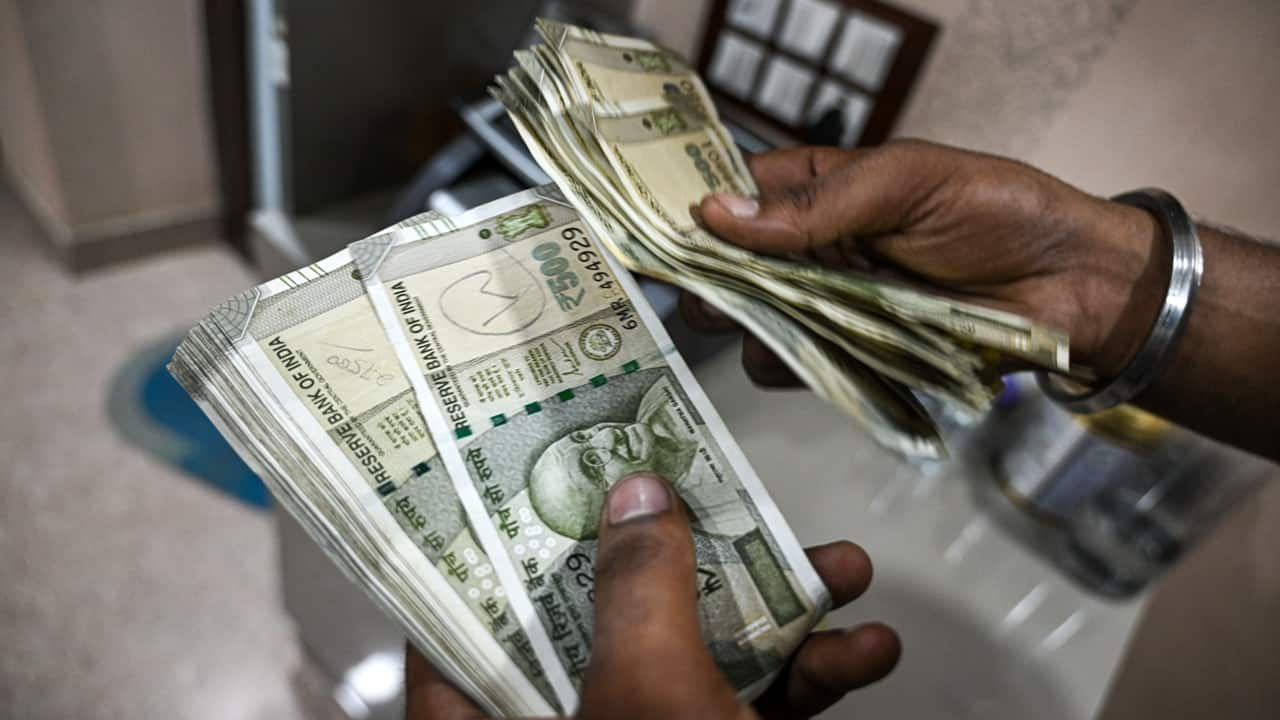
- The International Monetary Fund (IMF) has reclassified India’s de facto exchange-rate regime from a “stabilised arrangement” to a “crawl-like arrangement” in its 2025 Article IV country report.
- This change reflects the Indian Rupee’s (INR) increased flexibility and two-way movement against the US Dollar over the past year, particularly under the tenure of RBI Governor Sanjay Malhotra.
- The reclassification comes as the rupee has witnessed a depreciation of approximately 4% in 2025, influenced by global factors including US trade tariffs.
Understanding the Reclassification
From "Stabilised" to "Crawl-like"
- Previous Status: In 2023, the IMF classified India as a "stabilised arrangement," implying that the Reserve Bank of India (RBI) intervened heavily to keep the currency within a very narrow band, effectively treating it as a peg.
- New Status: The "crawl-like" tag indicates that the exchange rate now adjusts in small, gradual steps (like a crawl) rather than being fixed. These adjustments often reflect the inflation differentials between India and its trading partners.
- Trigger: The shift was driven by a statistical review showing the rupee stayed within a 2% margin relative to a trend for six months or more, but with enough flexibility to no longer be considered "stabilised".
Exchange Rate Classifications: Key Concepts
The IMF uses a tiered classification based on actual market behavior, not official declarations:
- Crawling peg:
- Involves small, periodic adjustments to a central parity.
- Often guided by inflation differentials with trading partners.
- Balances flexibility with some monetary policy constrain.
- Stabilized arrangement:
- Currency is managed through active intervention to reduce volatility, without a formal peg.
- Managed float:
- Central bank intervenes discretionarily to smooth short-term swings, with no preannounced path. India’s de jure (official) classification remains “free floating”, but de facto behavior has shifted toward crawl-like operations.
RBI’s Stance & Market Implications
- RBI's Position: The central bank has consistently maintained that it does not target a specific exchange rate level. Its stated objective remains to intervene only to curb "excessive volatility" and ensure orderly market conditions.
- Policy Shift: Reports suggest a higher tolerance for volatility under the current RBI leadership, allowing the currency to act as a shock absorber against external economic shifts.
- Benefits: The IMF noted that greater flexibility would help India absorb external shocks, reduce the need for costly reserve accumulation, and support the development of the forex market.
Additional Info
- IMF Article IV Consultation:
- A mandatory annual review where IMF economists visit member countries to assess economic health.
- The classification is based on "de facto" (actual) behavior of the currency, not the "de jure" (official) policy stated by the country (which for India is "floating").
- Exchange Rate Regimes:
- Floating: Value determined solely by market supply and demand (e.g., USD, Euro).
- Stabilised: Spot market exchange rate remains within a margin of 2% for six months or more (heavily managed).
- Crawl-like: Exchange rate appreciates or depreciates in small increments (crawling peg) in response to market fundamentals like inflation.
- Current Economic Outlook: Despite the currency adjustments, the IMF projects India’s growth at 6.6% for FY26, citing resilience in the face of global trade fragmentation.
Sources
INS Mahe Commissioned: India’s First Indigenous Anti-Submarine Shallow Water Craft
What’s the News?
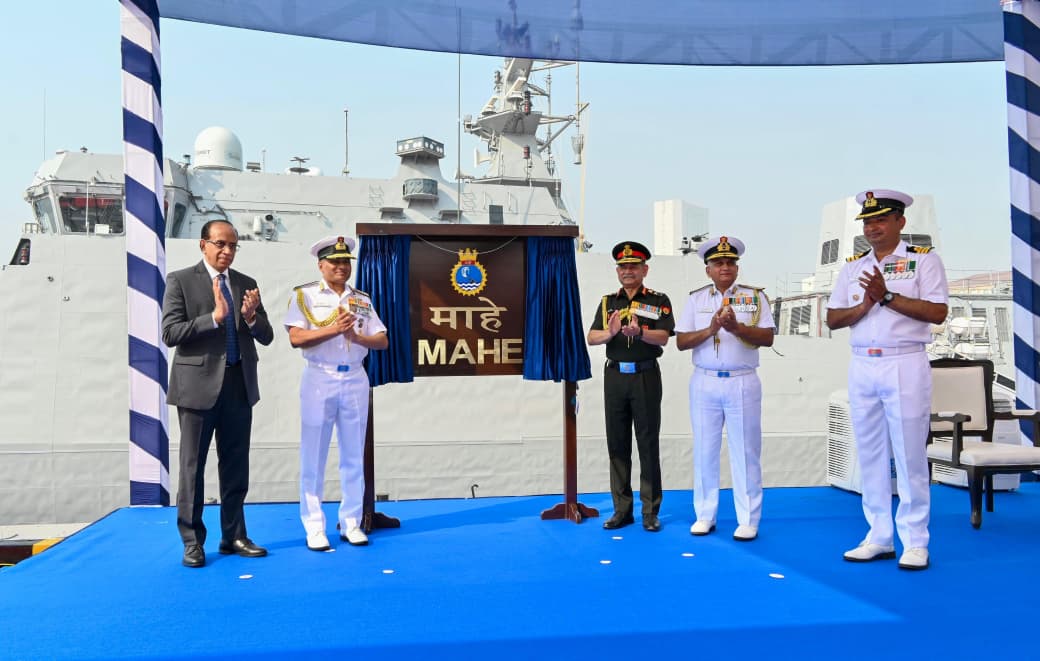
- The Indian Navy has commissioned INS Mahe, the first of the eight indigenously built Mahe-class Anti-Submarine Warfare Shallow Water Craft (ASW-SWC), at the Naval Dockyard, Mumbai.
- The ceremony was presided over by the Chief of Army Staff, General Upendra Dwivedi, marking a significant display of tri-service synergy and jointness.
- Built by Cochin Shipyard Limited (CSL), the vessel is a key milestone in the Aatmanirbhar Bharat initiative, boasting over 80% indigenous content.
Strategic Capabilities & Features
"Silent Hunters" of the Coast
- Motto & Mascot: The ship’s motto is "Silent Hunters", reflecting its stealth capabilities, and its mascot is the Cheetah, symbolizing agility and speed.
- Shallow Water Specialist: Designed specifically for operations in littoral waters (close to shore) where larger destroyers and frigates cannot maneuver effectively. It features a unique diesel engine and waterjet propulsion system, making it the largest waterjet-powered vessel in the Indian Navy.
- Key Specifications:
- Length: ~78 meters
- Displacement: ~1,100 tonnes
- Speed: 25 knots
- Range: 1,800 nautical miles.
Indigenous Weaponry & Sensors
- The vessel is equipped with a Hull-Mounted Sonar and a Low-Frequency Variable Depth Sonar to detect enemy submarines in shallow, noisy waters.
- Armament includes:
- Lightweight anti-submarine torpedoes
- ASW rockets
- Mine-laying rails (capable of laying mines to protect harbor approaches)
- Remote-controlled 30mm naval gun for surface threats.
Symbolism & Doctrine
- Name: After historic port-town Mahe (Malabar Coast), reflecting maritime heritage.
- Crest: Urumi (flexible sword of Kalaripayattu)—symbolising agility, precision, lethal grace.
- Motto: “Silent Hunters”—emphasising stealth and readiness.
- Mascot: Cheetah—signifying speed and focus.
Additional Info
- Historical Legacy:
- The Name: Named after the historic town of Mahe (Puducherry) on the Malabar Coast.
- The Crest: Features the Urumi (a flexible sword from Kalaripayattu) rising from blue waves, symbolizing lethal agility.
- The Predecessor: The name was previously held by a Soviet-built minesweeper (INS Mahe) that served the Indian Navy from 1983 to 2006.
- Synergy in Defence:
- The commissioning by the Army Chief (instead of a Navy official) highlights the push for Integrated Theatre Commands and greater interoperability among the three services (Army, Navy, Air Force).
- Mahe Class Project:
- The contract involves 8 vessels built by CSL. A parallel project for 8 Arnala-class ASW-SWCs is being executed by Garden Reach Shipbuilders & Engineers (GRSE).
Sources
HAL Terms Tejas Crash in Dubai an 'Isolated Occurrence'; Confirms Deliveries on Track
What’s the News?
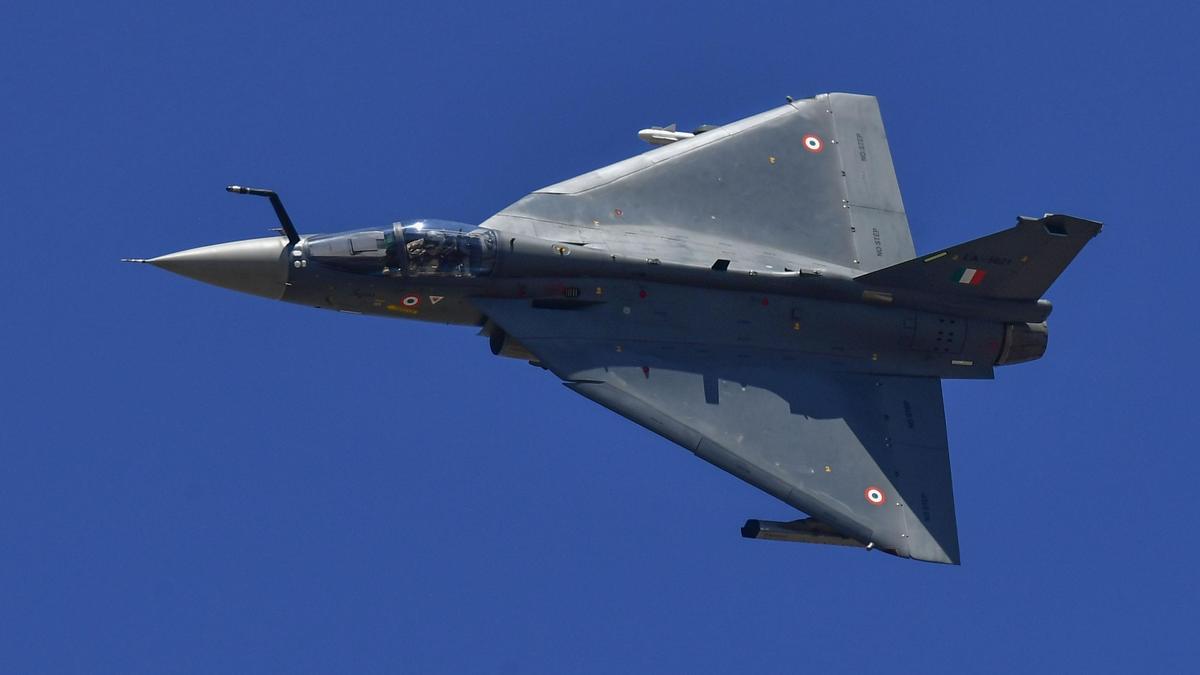
- Hindustan Aeronautics Limited (HAL) has termed the recent crash of a Tejas Light Combat Aircraft (LCA) during the Dubai Air Show as an "isolated occurrence" arising out of "exceptional circumstances".
- The incident, which occurred during an aerial display, resulted in the tragic death of Indian Air Force (IAF) pilot Wing Commander Namansh Syal.
- In a filing to the stock exchanges, HAL assured stakeholders that the accident would have no impact on the company's business operations, financial performance, or future deliveries of the fighter jets.
HAL’s Reassurance & Market Reaction
- Official Stance: HAL emphasized that the crash does not reflect a structural flaw in the aircraft, which has otherwise maintained a high safety record. The company is extending full support to the Court of Inquiry constituted by the IAF to investigate the cause.
- Market Impact: Following the news, HAL shares witnessed a sharp decline of nearly 8-9% in early trade but recovered partially later.
- Delivery Schedule: The company reiterated its commitment to the delivery schedule of the 83 Tejas Mk-1A jets ordered by the IAF, with the first deliveries expected in the coming months.
Program Context & Background
- Second Incident: This is the second crash involving the indigenous Tejas fighter in 20 months. The previous incident occurred in March 2024 near Jaisalmer, Rajasthan, where the pilot ejected safely.
- Strategic Importance: The crash at a high-profile international event like the Dubai Air Show attracted scrutiny, as India is actively pitching the Tejas for export to nations in the Middle East and Africa.
- Operational Fleet: The IAF currently operates two squadrons of the Tejas Mk-1 (No. 45 "Flying Daggers" and No. 18 "Flying Bullets").
Additional Info
- Tejas LCA:
- A 4.5 generation, single-engine, multi-role fighter aircraft designed by the Aeronautical Development Agency (ADA) and manufactured by HAL.
- Features a delta wing design and is capable of air combat, reconnaissance, and anti-ship missions.
- Dubai Air Show: A biennial event considered one of the largest aerospace exhibitions in the world, often used by nations to showcase military hardware for potential buyers.
- Future Orders: The Defence Acquisition Council (DAC) had recently cleared the procurement of an additional 97 Tejas Mk-1A jets, signaling continued government confidence in the platform despite the incident.
Sources
UN Report: A Woman or Girl Killed Every 10 Minutes by Partner or Family in 2024

What’s the News?
- A new report by the United Nations Office on Drugs and Crime (UNODC) and UN Women reveals that approximately 50,000 women and girls worldwide were killed by intimate partners or family members in 2024.
- This statistic equates to one woman or girl being killed every 10 minutes, or an average of 137 victims every day, solely within their own homes or families.
- The report, titled "Femicides in 2024: Global estimates of intimate partner/family member femicides," was released to mark the International Day for the Elimination of Violence against Women (November 25).
Key Findings of the Report
The "Private" Sphere is the Most Dangerous
- Disproportionate Risk: While 83,000 women and girls were intentionally killed globally in 2024, nearly 60% (50,000) of these killings were committed by intimate partners or family members.
- Gender Contrast: In stark contrast, only 11% of male homicides were perpetrated by partners or family members, highlighting that the home is a uniquely dangerous place for women.
- Intimate Partners: Current and former intimate partners are the most likely perpetrators, accounting for an average of 60% of all family-related killings.
Regional Data
- Africa: Recorded the highest absolute number of victims (22,600) and the highest rate of femicide relative to population (3 per 100,000 women).
- Americas & Oceania: Followed with rates of 1.5 and 1.4 per 100,000 respectively.
- Asia & Europe: Reported lower rates at 0.7 and 0.5 per 100,000 respectively, though Asia recorded at least 17,400 victims in absolute numbers.
Growing Threat: Digital Violence
- The report and the accompanying 16 Days of Activism campaign (Nov 25 – Dec 10) highlight digital violence as a rapidly evolving threat.
- Forms of Abuse: Includes cyberstalking, non-consensual sharing of intimate images, deepfakes, and doxxing.
- Link to Femicide: The UN warned that online violence often does not stay online; it can escalate into offline physical violence and lethal harm.
Additional Info
- International Day for the Elimination of Violence against Women (Nov 25):
- History: Designated by the UN General Assembly in 1999 to honor the Mirabal sisters, political activists from the Dominican Republic murdered in 1960.
- 2025 Theme: The campaign theme for the 16 Days of Activism is "UNiTE to End Digital Violence against All Women and Girls".
- Femicide: Defined by the UN as an intentional killing with a gender-related motivation, driven by unequal power relations, gender stereotypes, and harmful social norms.
- Data Gaps: The report notes that the true scale of femicide is likely much higher, as roughly 4 out of 10 murders of women cannot be classified due to insufficient national data.
Sources
World Bank Report: AI Can Transform Agriculture in Developing Nations; Cites Telangana’s ‘Saagu Baagu’ Success

What’s the News?
- The World Bank released a new report titled "Harnessing Artificial Intelligence for Agricultural Transformation", highlighting the potential of AI to address global food security challenges.
- The report provides a roadmap for Low- and Middle-Income Countries (LMICs) to responsibly deploy AI to boost agricultural productivity, sustainability, and inclusivity, while warning of risks like the digital divide and data bias.
- It specifically cites successful case studies, including India’s ‘Saagu Baagu’ project in Telangana, to demonstrate how AI can practically benefit smallholder farmers.
Key Findings & Recommendations
Transformative Potential
- Productivity & Efficiency: AI tools (e.g., precision farming, pest detection) can increase yields by 20–30% and reduce chemical use by up to 95% in some cases.
- Climate Resilience: AI helps breed climate-resilient seeds, model weather risks, and optimize resource use for water-scarce regions.
- Financial Inclusion: AI-driven alternative credit scoring can help unbanked farmers access loans and microinsurance.
Strategic Roadmap for Policymakers
- National Strategies: Countries should adopt national AI strategies that explicitly include agriculture, linking them to food security and climate goals.
- Digital Public Infrastructure (DPI): The report urges investment in DPI (like digital IDs and payment systems) and Agricultural Data Exchange Nodes (ADENs) to create shared, interoperable data ecosystems.
- "Small AI": A shift towards lightweight AI models that can run on basic smartphones or offline devices to reach farmers in low-connectivity areas.
Indian Context: The ‘Saagu Baagu’ Success Story
- Project Overview: ‘Saagu Baagu’ (meaning "Agricultural Advancement") is a partnership between the Government of Telangana, the World Economic Forum (WEF), and the Bill & Melinda Gates Foundation.
- Implementation: Implemented by Digital Green and agritech startups (e.g., AgNext, Krishi Tantra), it deployed AI tools for soil testing, quality assaying, and crop advisories to 7,000 chili farmers in Khammam district.
- Impact Metrics:
- 21% increase in chili yields.
- 9% reduction in pesticide use.
- 5% reduction in fertilizer use.
- Doubling of income for some participating farmers.
- Expansion: The project is now scaling to Phase 2, targeting 500,000 farmers across 10 districts.
Additional Info
- AgriStack & ADeX:
- AgriStack: A national-level Digital Public Infrastructure (DPI) built by the Union Government. It includes three core registries: Farmer Registry, Crop Sown Registry, and Geo-referenced Village Maps.
- UFSI (Unified Farmer Service Interface): The "UPI for Agriculture"—an open API layer within AgriStack that allows interoperability between various agritech apps and government data.
- ADeX (Agricultural Data Exchange): Launched by the Telangana Government with IISc and WEF, this open-source platform aligns with the World Bank’s recommendation for ADENs and serves as a model for secure data exchange.
- Related World Bank Projects in India:
- UP AGREES: The World Bank is funding this project in Uttar Pradesh to modernize agriculture and enhance export capability.
- AI Pragya: A related initiative in UP to train youth and farmers in AI and digital skills.
Sources
November 2025
29 November 202528 November 202527 November 202526 November 202525 November 202524 November 202522 November 202521 November 202520 November 202519 November 202518 November 202517 November 202515 November 202514 November 202513 November 202512 November 202511 November 202510 November 202508 November 202507 November 202506 November 202505 November 202504 November 202503 November 202501 November 2025
Archive
November 2026
- 28 November 2026
- 27 November 2026
- 26 November 2026
- 25 November 2026
- 24 November 2026
- 23 November 2026
- 21 November 2026
- 20 November 2026
- 19 November 2026
- 18 November 2026
- 17 November 2026
- 16 November 2026
- 14 November 2026
- 13 November 2026
- 12 November 2026
- 11 November 2026
- 10 November 2026
- 09 November 2026
- 06 November 2026
- 05 November 2026
- 04 November 2026
- 03 November 2026
- 02 November 2026
October 2026
- 31 October 2026
- 30 October 2026
- 29 October 2026
- 28 October 2026
- 27 October 2026
- 26 October 2026
- 24 October 2026
- 23 October 2026
- 22 October 2026
- 21 October 2026
- 20 October 2026
- 19 October 2026
- 17 October 2026
- 16 October 2026
- 15 October 2026
- 14 October 2026
- 13 October 2026
- 12 October 2026
- 10 October 2026
- 09 October 2026
- 08 October 2026
- 07 October 2026
- 06 October 2026
- 05 October 2026
- 03 October 2026
- 02 October 2026
- 01 October 2026
September 2026
- 30 September 2026
- 29 September 2026
- 28 September 2026
- 26 September 2026
- 25 September 2026
- 24 September 2026
- 23 September 2026
- 22 September 2026
- 21 September 2026
- 19 September 2026
- 18 September 2026
- 17 September 2026
- 16 September 2026
- 15 September 2026
- 12 September 2026
- 11 September 2026
- 10 September 2026
- 09 September 2026
- 08 September 2026
- 07 September 2026
- 05 September 2026
- 04 September 2026
- 03 September 2026
- 02 September 2026
- 01 September 2026
August 2026
- 31 August 2026
- 29 August 2026
- 27 August 2026
- 26 August 2026
- 25 August 2026
- 24 August 2026
- 22 August 2026
- 21 August 2026
- 20 August 2026
- 19 August 2026
- 18 August 2026
- 17 August 2026
- 14 August 2026
- 13 August 2026
- 12 August 2026
- 11 August 2026
- 10 August 2026
- 08 August 2026
- 07 August 2026
- 06 August 2026
- 05 August 2026
- 04 August 2026
- 03 August 2026
- 01 August 2026
July 2026
- 31 July 2026
- 30 July 2026
- 29 July 2026
- 28 July 2026
- 27 July 2026
- 25 July 2026
- 23 July 2026
- 22 July 2026
- 21 July 2026
- 20 July 2026
- 18 July 2026
- 17 July 2026
- 15 July 2026
- 14 July 2026
- 13 July 2026
- 11 July 2026
- 10 July 2026
- 09 July 2026
- 08 July 2026
- 07 July 2026
- 06 July 2026
- 04 July 2026
- 03 July 2026
- 02 July 2026
- 01 July 2026
June 2026
May 2026
April 2026
March 2026
- 31 March 2026
- 30 March 2026
- 28 March 2026
- 27 March 2026
- 26 March 2026
- 25 March 2026
- 24 March 2026
- 23 March 2026
- 21 March 2026
- 20 March 2026
- 19 March 2026
- 18 March 2026
- 17 March 2026
- 16 March 2026
- 14 March 2026
- 13 March 2026
- 12 March 2026
- 11 March 2026
- 10 March 2026
- 09 March 2026
- 07 March 2026
- 06 March 2026
- 05 March 2026
- 03 March 2026
- 02 March 2026
February 2026
- 28 February 2026
- 27 February 2026
- 26 February 2026
- 25 February 2026
- 24 February 2026
- 23 February 2026
- 21 February 2026
- 20 February 2026
- 19 February 2026
- 18 February 2026
- 17 February 2026
- 16 February 2026
- 13 February 2026
- 12 February 2026
- 11 February 2026
- 10 February 2026
- 09 February 2026
- 07 February 2026
- 06 February 2026
- 05 February 2026
- 04 February 2026
- 03 February 2026
- 02 February 2026
January 2026
- 31 January 2026
- 30 January 2026
- 29 January 2026
- 28 January 2026
- 27 January 2026
- 26 January 2026
- 24 January 2026
- 23 January 2026
- 22 January 2026
- 21 January 2026
- 20 January 2026
- 19 January 2026
- 16 January 2026
- 15 January 2026
- 14 January 2026
- 13 January 2026
- 12 January 2026
- 10 January 2026
- 09 January 2026
- 08 January 2026
- 07 January 2026
- 06 January 2026
- 05 January 2026
- 03 January 2026
- 02 January 2026
- 01 January 2026
December 2025
- 31 December 2025
- 30 December 2025
- 29 December 2025
- 27 December 2025
- 26 December 2025
- 24 December 2025
- 23 December 2025
- 22 December 2025
- 20 December 2025
- 19 December 2025
- 18 December 2025
- 17 December 2025
- 16 December 2025
- 15 December 2025
- 13 December 2025
- 12 December 2025
- 11 December 2025
- 10 December 2025
- 09 December 2025
- 08 December 2025
- 05 December 2025
- 04 December 2025
- 03 December 2025
- 02 December 2025
November 2025
- 29 November 2025
- 28 November 2025
- 27 November 2025
- 26 November 2025
- 25 November 2025
- 24 November 2025
- 22 November 2025
- 21 November 2025
- 20 November 2025
- 19 November 2025
- 18 November 2025
- 17 November 2025
- 15 November 2025
- 14 November 2025
- 13 November 2025
- 12 November 2025
- 11 November 2025
- 10 November 2025
- 08 November 2025
- 07 November 2025
- 06 November 2025
- 05 November 2025
- 04 November 2025
- 03 November 2025
- 01 November 2025
October 2025
- 31 October 2025
- 30 October 2025
- 29 October 2025
- 28 October 2025
- 27 October 2025
- 25 October 2025
- 24 October 2025
- 23 October 2025
- 22 October 2025
- 21 October 2025
- 20 October 2025
- 18 October 2025
- 17 October 2025
- 16 October 2025
- 15 October 2025
- 14 October 2025
- 13 October 2025
- 11 October 2025
- 10 October 2025
- 09 October 2025
- 08 October 2025
- 07 October 2025
- 06 October 2025
- 04 October 2025
- 03 October 2025
- 02 October 2025
- 01 October 2025
September 2025
- 30 September 2025
- 29 September 2025
- 27 September 2025
- 26 September 2025
- 25 September 2025
- 24 September 2025
- 23 September 2025
- 22 September 2025
- 20 September 2025
- 19 September 2025
- 18 September 2025
- 17 September 2025
- 16 September 2025
- 15 September 2025
- 13 September 2025
- 12 September 2025
- 11 September 2025
- 10 September 2025
- 09 September 2025
- 08 September 2025
- 06 September 2025
- 05 September 2025
- 04 September 2025
- 03 September 2025
- 02 September 2025
- 01 September 2025
August 2025
- 30 August 2025
- 29 August 2025
- 28 August 2025
- 27 August 2025
- 26 August 2025
- 25 August 2025
- 23 August 2025
- 22 August 2025
- 21 August 2025
- 20 August 2025
- 19 August 2025
- 18 August 2025
- 16 August 2025
- 14 August 2025
- 13 August 2025
- 12 August 2025
- 11 August 2025
- 08 August 2025
- 07 August 2025
- 06 August 2025
- 05 August 2025
- 04 August 2025
- 02 August 2025
- 01 August 2025
July 2025
- 31 July 2025
- 30 July 2025
- 29 July 2025
- 28 July 2025
- 26 July 2025
- 25 July 2025
- 24 July 2025
- 23 July 2025
- 22 July 2025
- 21 July 2025
- 19 July 2025
- 18 July 2025
- 17 July 2025
- 16 July 2025
- 15 July 2025
- 12 July 2025
- 11 July 2025
- 10 July 2025
- 09 July 2025
- 07 July 2025
- 05 July 2025
- 04 July 2025
- 03 July 2025
- 02 July 2025
- 01 July 2025
June 2025
- 30 June 2025
- 28 June 2025
- 27 June 2025
- 26 June 2025
- 25 June 2025
- 24 June 2025
- 23 June 2025
- 21 June 2025
- 20 June 2025
- 19 June 2025
- 18 June 2025
- 17 June 2025
- 16 June 2025
- 14 June 2025
- 13 June 2025
- 12 June 2025
- 11 June 2025
- 10 June 2025
- 09 June 2025
- 07 June 2025
- 06 June 2025
- 05 June 2025
- 04 June 2025
- 03 June 2025
- 02 June 2025
May 2025
April 2025
- 30 April 2025
- 29 April 2025
- 28 April 2025
- 26 April 2025
- 25 April 2025
- 24 April 2025
- 23 April 2025
- 22 April 2025
- 21 April 2025
- 19 April 2025
- 18 April 2025
- 17 April 2025
- 16 April 2025
- 15 April 2025
- 14 April 2025
- 12 April 2025
- 11 April 2025
- 10 April 2025
- 09 April 2025
- 08 April 2025
- 07 April 2025
- 05 April 2025
- 04 April 2025
- 03 April 2025
- 02 April 2025
- 01 April 2025
March 2025
- 31 March 2025
- 29 March 2025
- 28 March 2025
- 27 March 2025
- 26 March 2025
- 25 March 2025
- 24 March 2025
- 22 March 2025
- 21 March 2025
- 20 March 2025
- 19 March 2025
- 18 March 2025
- 17 March 2025
- 15 March 2025
- 13 March 2025
- 12 March 2025
- 11 March 2025
- 10 March 2025
- 08 March 2025
- 07 March 2025
- 06 March 2025
- 05 March 2025
- 04 March 2025
- 03 March 2025
- 01 March 2025
February 2025
- 28 February 2025
- 27 February 2025
- 26 February 2025
- 25 February 2025
- 24 February 2025
- 22 February 2025
- 21 February 2025
- 20 February 2025
- 19 February 2025
- 18 February 2025
- 17 February 2025
- 15 February 2025
- 14 February 2025
- 13 February 2025
- 12 February 2025
- 11 February 2025
- 10 February 2025
- 08 February 2025
- 07 February 2025
- 06 February 2025
- 05 February 2025
- 04 February 2025
- 03 February 2025
- 01 February 2025
January 2025
- 31 January 2025
- 30 January 2025
- 29 January 2025
- 28 January 2025
- 27 January 2025
- 25 January 2025
- 24 January 2025
- 23 January 2025
- 22 January 2025
- 21 January 2025
- 20 January 2025
- 18 January 2025
- 17 January 2025
- 16 January 2025
- 15 January 2025
- 14 January 2025
- 13 January 2025
- 11 January 2025
- 10 January 2025
- 09 January 2025
- 08 January 2025
- 07 January 2025
- 06 January 2025
- 04 January 2025
- 03 January 2025
- 02 January 2025
- 01 January 2025