
Current Affairs
Stay updated with the latest national and international events.
26 September 2026
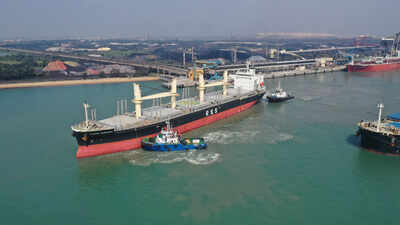
Centre Notifies Paradip as a Mega Port
What’s the News?
- The Central Government has notified Paradip Port in Odisha as a “Mega Port” under Section 73 of the Indian Ports Act, 2025.
- Deendayal Port (Kandla), Jawaharlal Nehru Port (Nhava Sheva), Paradip Port and Mundra Port have been notified as Mega Ports after meeting the prescribed cargo-throughput criteria.
- Paradip is the only Mega Port on India’s eastern coast among the ports notified.
- Of the four, Mundra is a port other than a major port, while the other three are Major Ports.
Mega Port Classification
Under Section 73 of the Indian Ports Act, 2025, the Central Government may prescribe criteria and notify qualifying ports as Mega Ports.
A port is eligible if, in the preceding financial year, it handles:
- Bulk port: at least 150 Million Metric Tonnes (MMT) of cargo.
- Container port: at least 7.5 million TEUs (Twenty-Foot Equivalent Units).
- For ports handling both bulk and container cargo, container traffic is converted into MMT using the port’s standard conversion methodology.
- Once notified, Mega Port status remains valid for five years, even if throughput subsequently falls below the threshold; the status is reviewed thereafter.
Paradip Port Performance
- Paradip Port handled a record 156.45 MMT of cargo in FY2025-26, exceeding the 150-MMT Mega Port threshold.
- This represented 4.02% year-on-year growth and was its highest-ever annual cargo throughput.
- It ranked as the second-highest cargo-handling Major Port in India during FY2025-26.
- Its berth productivity was about 35,100 tonnes per berth-day, nearly twice the national average.
- Coastal cargo: 65.81 MMT.
- Major commodities handled include coal, iron ore, fertilisers, crude oil/POL, steel and other bulk cargo.
Paradip Port
- Location: Odisha, on the Bay of Bengal.
- Administration: Paradip Port Authority under the Ministry of Ports, Shipping and Waterways.
- It is an important maritime gateway serving the mineral- and industry-intensive hinterland of eastern and central India.
- The port can handle large Capesize vessels; its infrastructure supports vessels with drafts of around 16.5 metres.
Indian Ports Act, 2025
- The Act provides the statutory framework for administration, development, safety and regulation of ports in India.
- Section 73: Deals specifically with notification of Mega Ports.
- Section 73(1): Central Government, in consultation with State Governments, may prescribe Mega Port criteria.
- Section 73(2): Centre may notify a qualifying Major Port as a Mega Port.
- Section 73(3): A qualifying port other than a Major Port may be notified after consultation with the concerned State Government.
- Section 73(4): Mega Port designation does not change a port’s underlying status as a Major Port or a port other than a Major Port; the applicable legal framework continues to govern it.
Additional Info
- Major Ports: Come under the Union Government and are principally governed by the Major Port Authorities Act, 2021.
- Ports other than Major Ports: Generally fall within the jurisdiction of State Governments/State Maritime Boards.
- The new Mega Port classification therefore functions as an additional statutory category based principally on cargo scale; it does not replace the Major Port/non-Major Port distinction.
- Among the newly notified Mega Ports:
- Paradip Port — Odisha
- Deendayal Port (Kandla) — Gujarat
- Jawaharlal Nehru Port (Nhava Sheva) — Maharashtra
- Mundra Port — Gujarat
Sources
Centre Orders Captive Coal Plants to Maximise Power Output

What’s the News?
- The Ministry of Power has directed more than 100 captive coal-based power plants to maximise electricity generation during the October–December quarter amid high power demand.
- The direction, issued under Section 11 of the Electricity Act, 2003, applies to captive plants with an installed capacity of 50 MW or more.
- The order covers 112 plants, including units operated by companies such as Vedanta, Tata Steel, Hindalco Industries, JSW Steel, UltraTech Cement, Reliance Industries and Indian Oil.
- Generators have been directed to offer surplus electricity through power exchanges after meeting captive requirements.
Directions
- Plants must generate electricity to the maximum extent of their available capacity.
- They must maintain adequate coal stocks to support sustained generation.
- Surplus electricity is to be sold through power exchanges and other permitted avenues.
- Each plant must submit weekly reports to the Central Electricity Authority (CEA) covering:
- Electricity generation
- Captive consumption
- Surplus power sales
- Available generating capacity
- Coal-stock position
- The government has also extended the emergency direction requiring Tata Power's 4,000-MW Mundra imported-coal plant in Gujarat to operate at full capacity through the year-end.
Why Was the Order Issued?
- India's electricity consumption rose by over 14% during September, driven largely by cooling and irrigation demand.
- Peak power demand crossed the projected 271 GW, an unusually high level for this period.
- Nearly 40% of coal-fired plants were reported to have critically low fuel stocks.
- In the high-price segment of the Indian Energy Exchange (IEX), day-ahead electricity prices during some non-solar hours touched the ceiling of ₹20 per unit.
- Maximising captive generation is expected to increase electricity available in the short-term power market and help distribution utilities procure additional supply.
Captive Power Plant
Under the Electricity Act, 2003, a captive generating plant is a power plant established primarily to generate electricity for the owner's own use. It can also include plants established by cooperative societies or associations of persons primarily for their members.
Under Rule 3 of the Electricity Rules, 2005, a plant generally qualifies for captive status when:
- Captive users hold at least 26% ownership; and
- At least 51% of the electricity generated annually is consumed for captive use.
Captive power plants are particularly common in electricity-intensive industries such as aluminium, steel, cement and petroleum refining.
Section 11 of the Electricity Act, 2003
- Section 11(1): The appropriate government can direct a generating company to operate and maintain a generating station according to government directions during extraordinary circumstances.
- Such circumstances include:
- Threat to security of the State
- Public-order situations
- Natural calamities
- Other circumstances arising in the public interest
- Section 11(2): The appropriate electricity regulatory commission may offset any adverse financial impact arising from such government directions.
- The present intervention marks the first invocation of Section 11 specifically for captive coal-based power plants.
Central Electricity Authority
- The Central Electricity Authority (CEA) is a statutory body constituted under Section 70 of the Electricity Act, 2003.
- It functions under the Ministry of Power.
- It performs technical, planning and advisory functions relating to India's electricity system.
- Under the present direction, the CEA will receive weekly operational and coal-stock data from the affected captive plants.
Additional Info
- Electricity Act, 2003
- Provides the principal statutory framework for generation, transmission, distribution, trading and use of electricity in India.
- Section 2(8): Defines a captive generating plant.
- Section 11: Government directions to generating companies in extraordinary circumstances.
- Section 70: Constitution of the Central Electricity Authority.
- Power Exchanges
- Electronic platforms for market-based electricity trading.
- They allow generators with surplus power and electricity buyers such as distribution companies to transact electricity in short-term markets.
- Thermal power
- Coal-based stations remain important for meeting high demand, particularly during non-solar hours, when solar generation falls but electricity demand may remain elevated.
Sources
AFSPA Extended in Parts of Manipur, Nagaland and Arunachal Pradesh
What’s the News?
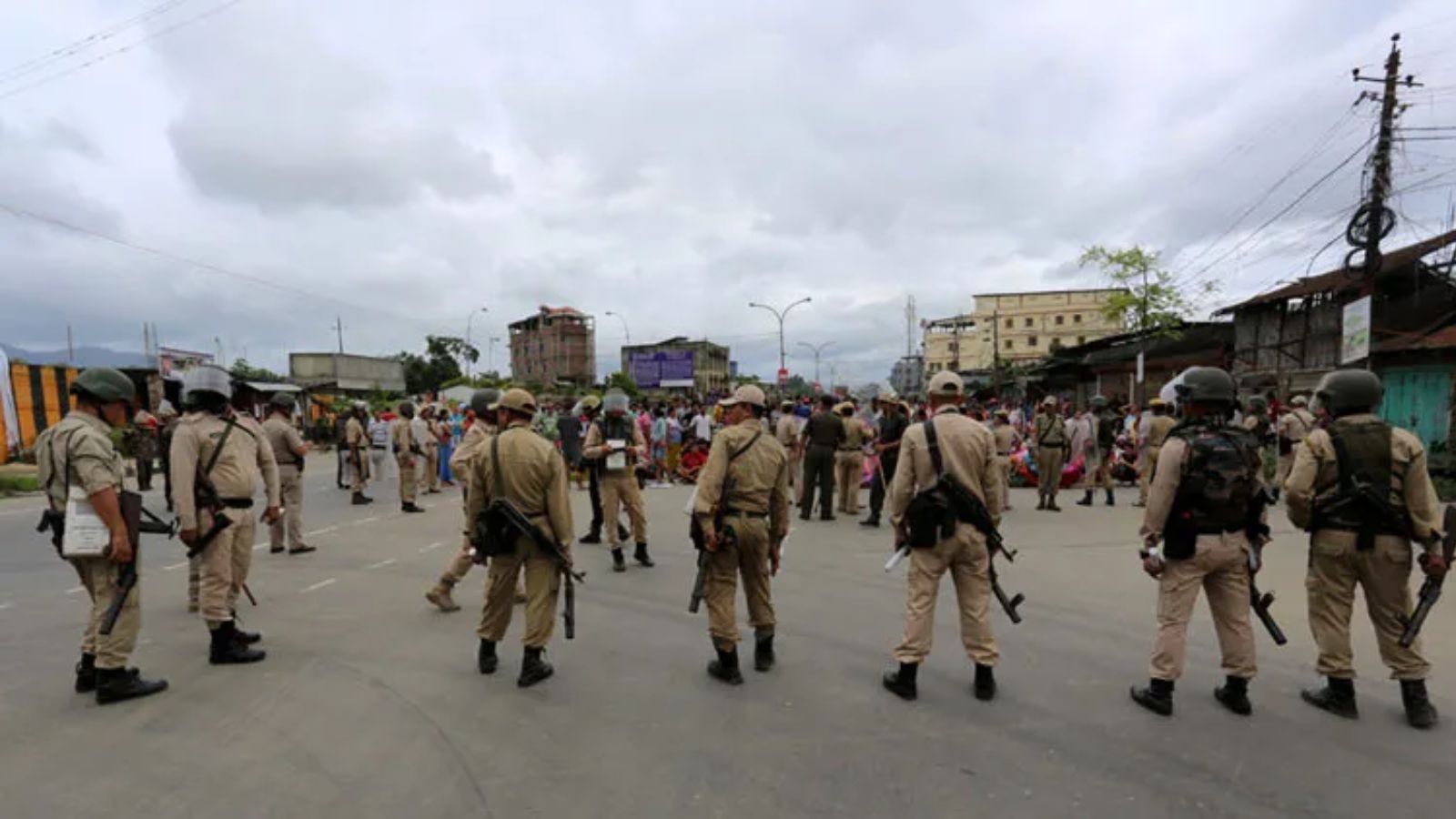
- The Ministry of Home Affairs (MHA) has extended the Armed Forces (Special Powers) Act, 1958 (AFSPA) for another six months in specified areas of Manipur, Nagaland and Arunachal Pradesh, after reviewing the law-and-order situation.
- The notified areas are declared “disturbed areas” under Section 3 of AFSPA.
- The latest order broadly continues the existing geographical coverage of the Act in the three States.
Where Has AFSPA Been Extended?
Manipur
- AFSPA applies to the entire State except areas under 13 police stations in five districts.
- Excluded police stations:
- Imphal West: Imphal, Lamphel, City, Singjamei, Patsoi and Wangoi
- Imphal East: Porompat, Heingang and Irilbung
- Thoubal: Thoubal
- Bishnupur: Bishnupur and Nambol
- Kakching: Kakching
Nagaland
- AFSPA continues in nine entire districts:
- Dimapur
- Niuland
- Chümoukedima
- Mon
- Kiphire
- Noklak
- Phek
- Peren
- Meluri
- It also applies to areas under 21 police stations in five other districts — Kohima, Mokokchung, Longleng, Wokha and Zunheboto.
Arunachal Pradesh
- AFSPA continues in:
- Tirap
- Changlang
- Longding
- It also covers areas under Namsai, Mahadevpur and Chowkham police stations in Namsai district bordering Assam.
What is AFSPA?
- The Armed Forces (Special Powers) Act, 1958 provides special powers to members of the armed forces deployed in an area formally declared a “disturbed area.”
- It was originally enacted in the context of security disturbances in parts of the Northeast.
- Section 3: The Central Government, State Governor or Union Territory Administrator may declare the whole or part of a State/UT a disturbed area when the use of armed forces in aid of civil power is considered necessary.
Powers under AFSPA
Under Section 4, specified armed-forces personnel in a disturbed area may, subject to the conditions laid down in the Act:
- Use force, including force that may cause death, in specified circumstances after due warning.
- Arrest without warrant on reasonable suspicion concerning a cognizable offence.
- Enter and search premises without warrant for specified purposes.
- Destroy arms dumps, fortified positions, shelters or structures used by armed groups where statutory conditions are met.
Under Section 5:
- A person arrested must be handed over to the nearest police station with the least possible delay.
Under Section 6:
- Previous sanction of the Central Government is required before prosecution, suit or other legal proceedings can be instituted for acts done or purported to be done in exercise of powers under AFSPA.
Disturbed Area
- A disturbed-area declaration is a prerequisite for applying AFSPA.
- Such a declaration does not transfer ordinary civil administration to the armed forces; the armed forces operate in aid of civil power.
- The current declarations in the three States are valid for six months unless withdrawn earlier.
Additional Info
- Constitutional position
- Deployment of the Union armed forces in a State in aid of civil power is covered by Entry 2A of the Union List (List I), Seventh Schedule.
- Public order is primarily a State subject under Entry 1 of the State List (List II).
- Naga People’s Movement of Human Rights v. Union of India (1997)
- A Constitution Bench of the Supreme Court upheld the constitutional validity of AFSPA.
- It held that armed forces deployed under the Act assist, rather than replace, the civil administration.
- It also required compliance with safeguards and operational “Do’s and Don’ts”; allegations of misuse must be properly investigated.
- Extra Judicial Execution Victim Families Association (EEVFAM) v. Union of India
- The Supreme Court held that AFSPA does not provide blanket immunity for excessive or retaliatory use of force and allegations of unlawful killings require investigation.
Sources
India Signs UN Convention Against Cybercrime

What’s the News?
- External Affairs Minister S. Jaishankar signed the United Nations Convention against Cybercrime on behalf of India on the sidelines of the 81st UN General Assembly (UNGA) in New York.
- The Convention is the first comprehensive global UN treaty on cybercrime, aimed at strengthening international cooperation against offences involving information and communication technologies and improving cross-border sharing of electronic evidence.
- India became a signatory while the Convention remains open for signature until the end of 2026.
UN Convention against Cybercrime
- Formally titled the United Nations Convention against Cybercrime; Strengthening International Cooperation for Combating Certain Crimes Committed by Means of Information and Communications Technology Systems and for the Sharing of Evidence in Electronic Form of Serious Crimes.
- Adopted by the UN General Assembly through Resolution 79/243 in 2024.
- It is also commonly referred to as the Hanoi Convention, after its opening-for-signature ceremony in Hanoi, Vietnam.
- UN Office on Drugs and Crime (UNODC) serves as the secretariat for the Convention's Conference of States Parties.
Provisions
The Convention creates a common international framework covering:
- Cybercrime offences
- Illegal access to ICT systems
- Illegal interception of electronic data
- Data and system interference
- Misuse of devices
- ICT-related forgery
- ICT-related theft and fraud
- Online child sexual abuse or exploitation material
- Non-consensual dissemination of intimate images
- Electronic Evidence
- Provides procedures for obtaining and preserving electronic evidence relevant to cybercrime and other serious crimes.
- Particularly important where offenders, victims, servers or digital evidence are located in different jurisdictions.
- International Cooperation
- Provides mechanisms for mutual legal assistance, extradition and cross-border investigations.
- Requires States Parties to establish a 24×7 contact point for urgent assistance relating to cyber investigations and electronic evidence.
Human Rights Safeguards
- Article 6 requires implementation of the Convention to be consistent with States' obligations under international human rights law.
- It states that the Convention cannot be interpreted as permitting suppression of fundamental freedoms such as:
- Freedom of expression
- Freedom of opinion
- Freedom of conscience and religion
- Peaceful assembly and association.
Signature vs Ratification
- Signing a treaty indicates a State's intention to consider becoming legally bound by it.
- India has signed, but the Convention has not yet entered into force globally.
- It will enter into force 90 days after the 40th instrument of ratification, acceptance, approval or accession is deposited.
- At present, the UN Treaty Collection records 95 signatories and 3 parties; India is listed as a signatory.
Relevance for India
- Cybercrime frequently involves cross-border digital infrastructure, financial transactions and electronic evidence, making international cooperation important for investigation and prosecution.
- The Convention can provide an additional multilateral framework for obtaining electronic evidence and coordinating investigations across jurisdictions.
- India is not a party to the Council of Europe's Budapest Convention on Cybercrime, making the UN Convention particularly significant as a global cybercrime framework in which India directly participated.
Additional Info
- Information Technology Act, 2000
- India's principal legislation dealing specifically with electronic records and several categories of cyber offences.
- Important provisions include:
- Section 66C: Identity theft
- Section 66D: Cheating by personation using computer resources
- Section 67: Publishing/transmitting obscene electronic material
- Section 67B: Electronic material depicting children in sexually explicit acts
- Section 67C: Preservation and retention of information by intermediaries.
- Indian Cyber Crime Coordination Centre (I4C)
- Functions under the Ministry of Home Affairs as India's nodal mechanism for coordinated action against cybercrime.
- Became an attached office of MHA in 2024.
- Major components include:
- National Cybercrime Reporting Portal
- National Cybercrime Threat Analytics Unit
- National Cybercrime Training Centre
- National Digital Investigation Support Centre
- Cybercrime research and innovation mechanisms.
- Helpline 1930 facilitates reporting of financial cyber frauds.
Sources
India Reserves Third-Party Rights in Russia–EU CBAM Dispute at WTO
What’s the News?
- India has reserved its third-party rights in a World Trade Organization (WTO) dispute filed by Russia against the European Union (EU) over the EU’s Carbon Border Adjustment Mechanism (CBAM).
- The WTO Dispute Settlement Body (DSB) has agreed to establish a panel to examine the dispute, registered as DS639: European Union and its Member States — Carbon Border Adjustment Mechanism.
- India is among 18 WTO members that reserved third-party rights, along with countries such as China, Japan, Brazil, Canada, Saudi Arabia, South Korea, the UK and the US.
- India’s participation allows it to follow the proceedings and make submissions on WTO legal issues, without becoming either the complainant or respondent in the dispute.
What is EU’s CBAM?
- Carbon Border Adjustment Mechanism (CBAM) is the EU’s carbon-pricing system for certain carbon-intensive goods imported into the European Union.
- It seeks to place a carbon cost on imported goods broadly corresponding to the carbon price faced by EU producers under the EU Emissions Trading System (EU ETS).
- Its stated objective is to prevent carbon leakage — relocation of carbon-intensive production to countries with less stringent climate policies.
- CBAM currently covers six sectors:
- Iron and steel
- Aluminium
- Cement
- Fertilisers
- Electricity
- Hydrogen.
- After a transitional reporting phase, the definitive CBAM regime began in 2026. Importers above the applicable threshold must meet CBAM compliance requirements and purchase certificates reflecting embedded carbon emissions.
Russia–EU WTO Dispute
- Russia initiated WTO consultations over the CBAM measures and an alleged export subsidy linked to the EU ETS.
- Russia contends that elements of CBAM create discriminatory or restrictive trade conditions and has cited provisions of:
- GATT 1994
- Agreement on Import Licensing Procedures
- Agreement on Subsidies and Countervailing Measures (SCM Agreement).
- Russia has alleged violations including those concerning:
- Most-Favoured-Nation treatment — GATT Article I
- Tariff commitments — GATT Article II
- National Treatment — GATT Article III
- Restrictions on trade — GATT Article XI.
- The EU disputes Russia’s claims and maintains that CBAM and the EU ETS are compatible with WTO rules. The WTO panel will examine the legal claims; establishment of a panel itself does not determine whether either side’s arguments are valid.
Why is India Participating?
- Indian exporters of products such as iron, steel and aluminium are directly exposed to CBAM compliance and carbon-cost requirements in the EU market.
- Third-party participation gives India access to the dispute proceedings and an opportunity to present its interpretation of relevant WTO provisions.
- The eventual panel findings could clarify how climate-related border measures interact with WTO obligations, an issue relevant to India and other developing-country exporters.
- Reserving third-party rights does not mean India has joined Russia as a complainant or formally endorsed Russia’s claims.
Third-Party Rights at WTO
- Under the WTO dispute-settlement framework, a member having a substantial interest in a matter before a panel may participate as a third party.
- A third party can generally:
- Make written and oral submissions to the panel.
- Present its interpretation of WTO provisions involved in the dispute.
- Receive specified submissions made during the proceedings.
- It remains distinct from the complainant and respondent and does not itself become a principal party to the dispute.
CBAM Certificates
- The price of CBAM certificates is linked to the price of allowances under the EU ETS.
- For 2026, the European Commission calculates the certificate price on a quarterly basis using the weighted average auction price of EU ETS allowances.
- Published prices were:
- Q1 2026: €75.36 per certificate
- Q2 2026: €75.28 per certificate.
- A carbon price already effectively paid in the country of origin can be taken into account under the CBAM framework, subject to applicable EU rules.
Additional Info
- WTO
- Established: 1995
- Headquarters: Geneva, Switzerland
- Deals with international rules governing trade among member economies.
- Dispute Settlement Body
- Comprises representatives of all WTO members.
- Establishes dispute-settlement panels and formally handles panel and appellate/arbitration outcomes under WTO procedures.
- The Russia–EU CBAM dispute is designated DS639.
- EU Emissions Trading System
- A cap-and-trade system for greenhouse-gas emissions.
- Covered installations must surrender allowances corresponding to their emissions.
- CBAM is designed by the EU to progressively extend a comparable carbon-price signal to covered imports.
- Carbon Leakage
- Refers to the risk that emission-intensive production shifts from a jurisdiction with stringent carbon constraints to one with weaker constraints, potentially reducing the environmental effectiveness of domestic climate policy.
Sources
Oxford Global Cities Index 2026: Delhi Ranks 268th, Highest in India
What’s the News?
- Delhi ranked 268th among 1,000 cities in the Oxford Economics Global Cities Index 2026, making it the highest-ranked Indian city.
- Delhi improved from 273rd position in 2025.
- Around 100 Indian cities feature among the 1,000 cities assessed globally.
- New York retained the top position, followed by London and Paris.
- Bengaluru, ranked 311th, was identified as one of the index’s “Cities to Watch.”
Global Cities Index
- Published by Oxford Economics, a global economic forecasting and advisory organisation.
- The index evaluates the 1,000 major urban economies covered by Oxford Economics' Global Cities Forecasting Service.
- Cities are assessed across five categories:
- Economics: economic size, structure and growth potential.
- Human Capital: education, skills, labour-force strength and ability to attract talent.
- Quality of Life: income, housing, health, safety and access to amenities.
- Environment: air quality, green space, emissions, climate risks and resilience.
- Governance: institutional stability, regulatory quality, rule of law and government effectiveness.
- Each category receives a 0–100 score, which contributes to the city's overall score.
- The index combines current indicators with economic forecasts, making it partly forward-looking.
India’s Rankings
| Indian City | Global Rank |
|---|---|
| Delhi | 268 |
| Bengaluru | 311 |
| Mumbai | 330 |
| Chennai | 381 |
| Hyderabad | 421 |
| Pune | 427 |
| Thrissur | 477 |
| Kochi | 489 |
| Kolkata | 496 |
| Kozhikode | 499 |
- No Indian city entered the global top 250.
- 55 Indian cities feature among the world's 100 fastest-growing city economies, highlighting India's increasing contribution to global urban economic growth.
Delhi’s Performance
Delhi received an overall score of 57.6.
| Category | Delhi’s Global Rank |
|---|---|
| Human Capital | 13 |
| Economics | 116 |
| Governance | 415 |
| Quality of Life | 781 |
| Environment | 915 |
- Human Capital is Delhi's strongest component, reflecting its large skilled workforce, educational base and labour-market scale.
- Its relatively low Quality of Life and Environment rankings considerably reduce its overall position.
- Delhi is currently estimated to be the 63rd-largest city economy globally and is projected to rise to around 14th by 2050, with economic output exceeding $2 trillion.
Top Global Cities
| Rank | City | Country |
|---|---|---|
| 1 | New York | United States |
| 2 | London | United Kingdom |
| 3 | Paris | France |
| 4 | Seattle | United States |
| 5 | San Francisco | United States |
| 6 | Dublin | Ireland |
| 7 | Boston | United States |
| 8 | San Jose | United States |
| 9 | Tokyo | Japan |
| 10 | Zurich | Switzerland |
- European and North American cities dominate the higher positions; they account for 78 of the top 100 cities.
Bengaluru: “City to Watch”
- Bengaluru ranked 311th globally, improving by 20 positions.
- It recorded an overall index score of 53.2.
- Category scores include:
- Economics: 55.5
- Human Capital: 61.8
- Quality of Life: 41.3
- Environment: 62.8
- Governance: 57.4
- Oxford Economics included Bengaluru in its new “Cities to Watch” category, highlighting cities expected to gain economic and global significance.
- Bengaluru’s real GDP is projected to grow by about 9.2% annually during 2026–30, placing it among the fastest-growing major urban economies.
Additional Info
- Oxford Economics
- Established as an economic forecasting organisation associated originally with Oxford University’s business community.
- Provides economic forecasts, modelling and city-level analysis covering economies worldwide.
- It is separate from the University of Oxford.
- Urban Growth Outlook
- Oxford Economics expects Indian and Chinese cities to account for an increasingly large share of global urban economic growth toward 2050.
- Large Indian cities combine strong population growth, workforce expansion and productivity gains, but face constraints relating to infrastructure, environment and urban liveability.
- Do not confuse the index with:
- Kearney Global Cities Index — published by Kearney.
- Global Financial Centres Index (GFCI) — published by Z/Yen Group in partnership with the China Development Institute.
- Oxford Economics Global Cities Index — evaluates 1,000 cities across Economics, Human Capital, Quality of Life, Environment and Governance.
Sources
World Tourism Day 2026: Digital Agenda and AI to Redesign Tourism
What’s the News?
- World Tourism Day 2026 is observed on 27 September with the theme “Digital Agenda and Artificial Intelligence to Redesign Tourism.”
- El Salvador is hosting the official global celebrations.
- The theme focuses on using AI, digital platforms and data-driven systems to improve travel experiences, destination management, sustainability and inclusion.
- In India, the observance also highlights the expanding role of tourism in economic growth, employment and digital transformation.
World Tourism Day
- World Tourism Day is observed annually on 27 September.
- The date commemorates the adoption of the Statutes of the World Tourism Organization on 27 September 1970.
- The observance was instituted in 1979 and celebrated for the first time in 1980.
- It is led by UN Tourism, formerly known as the United Nations World Tourism Organization (UNWTO).
India’s Tourism Sector
Key indicators highlight tourism's economic importance:
| Indicator | Latest Figure |
|---|---|
| Tourism contribution to GDP | 5.22% |
| Tourism-supported jobs, 2023-24 | 8.46 crore |
| Domestic Tourist Visits, 2025 | 428.55 crore |
| Foreign Tourist Visits, 2025 | 2.53 crore |
| Foreign Exchange Earnings from tourism, 2025 | ₹2,76,831 crore |
- Tourism employment increased from 6.94 crore in 2019-20 to 8.46 crore in 2023-24.
- Domestic Tourist Visits increased substantially from 67.7 crore in 2021 to 428.55 crore in 2025.
Digital Transformation of Tourism
India is developing a more technology-enabled tourism ecosystem through:
- e-Visa
- Introduced initially for nationals of 43 countries.
- Expanded to nationals of 172 countries.
- Entry through e-Visa is available at 88 international ports.
- Incredible India Digital Platform
- Provides digital information and services for tourists.
- Supports destination discovery and travel planning.
- NIDHI+
- National Integrated Database of Hospitality Industry.
- Creates a digital database of accommodation establishments and tourism-service providers.
- Artificial Intelligence
- Personalised travel recommendations.
- Multilingual assistance and translation.
- Visitor-flow and crowd management.
- Data-based destination planning.
- Improved accessibility and customer services.
New Tourism Initiatives
- National Digital Tourism Stack
- Designed as digital public infrastructure for the tourism sector.
- Intended to make tourism services and destinations more discoverable, accessible and trustworthy.
- Dekho Apna Desh 2.0
- Focuses on promoting lesser-known and tourism-ready destinations.
- Seeks to distribute tourist footfall more evenly across destinations.
Additional Info
- UN Tourism
- Former name: UN World Tourism Organization (UNWTO).
- UN specialised agency responsible for promoting responsible, sustainable and accessible tourism.
- Headquarters: Madrid, Spain.
- Tourism Satellite Account (TSA)
- Statistical framework used to measure tourism's direct and indirect contribution to GDP and employment.
- India’s estimated 5.22% tourism contribution to GDP is based on TSA calculations.
- Related Indian initiatives
- Swadesh Darshan 2.0: Development of sustainable and responsible tourism destinations.
- PRASHAD: Pilgrimage Rejuvenation and Spiritual Heritage Augmentation Drive for developing pilgrimage and spiritual tourism destinations.
- UDAN: Improves regional air connectivity, including access to tourism destinations.
Sources
CSIR Marks 85th Foundation Day; Five Regional-Language Science Magazines Launched
What’s the News?
- The Council of Scientific and Industrial Research (CSIR) observed its 85th Foundation Day on 26 September 2026.
- Union Minister of State (Independent Charge) for Science & Technology Dr Jitendra Singh launched five popular-science magazines in Indian languages, published by CSIR-NIScPR.
- The CSIR@85 celebrations also saw the unveiling of CIRA — CSIR’s Innovation and Research Ambassador, a CSIR@85 special postal stamp, an Industry Connect video and a Technology Compendium.
Five New Science Magazines
| Language | Magazine |
|---|---|
| Assamese | Bigyan Lahar |
| Bengali | Bigyan Brittanto |
| Marathi | Vidnyan Kshitij |
| Tamil | Ariviyal Arikkaiyalar |
| Telugu | Vigyan Velugu |
- The magazines include both translated scientific material and original articles written in the respective languages.
- The initiative aims to widen access to scientific knowledge and strengthen science writing in Indian languages.
Council of Scientific and Industrial Research
- Established: 26 September 1942
- Headquarters: Anusandhan Bhawan, New Delhi
- Administrative Ministry: Ministry of Science & Technology
- Department: Department of Scientific and Industrial Research (DSIR)
- CSIR functions as an autonomous research organisation with a pan-India network of 37 national laboratories.
- Its research covers areas including aerospace, biotechnology, chemicals, drugs, genomics, oceanography, geophysics, mining, metallurgy, environment, energy and information technology.
CSIR Organisation
- President: Prime Minister of India
- Vice-President: Union Minister for Science & Technology
- Director General: Dr N. Kalaiselvi, who also serves as Secretary, DSIR.
- CSIR@85 highlighted a network of 37 laboratories and more than 10,000 personnel.
CSIR-NIScPR
- CSIR-National Institute of Science Communication and Policy Research (NIScPR) is based in New Delhi.
- It was created in 2021 through the merger of:
- CSIR-NISCAIR: National Institute of Science Communication and Information Resources.
- CSIR-NISTADS: National Institute of Science, Technology and Development Studies.
- It works primarily in science communication, science-policy research, information dissemination and public understanding of science.
- The five new publications expand its popular-science communication into Assamese, Bengali, Marathi, Tamil and Telugu.
Additional Info
- Dr Shanti Swarup Bhatnagar
- Founder Director of CSIR.
- The Shanti Swarup Bhatnagar Prize for Science and Technology is named after him.
- The prize recognises notable Indian research in scientific disciplines, and recipients are traditionally announced on 26 September, CSIR Foundation Day.
- CIRA
- Full form: CSIR’s Innovation and Research Ambassador.
- Introduced as CSIR’s new mascot during the CSIR@85 celebrations.
- The Foundation Day programme emphasised technological sovereignty, faster translation of research from discovery to deployment, indigenous technology development and greater industry participation in R&D.
September 2026
Archive
November 2026
- 28 November 2026
- 27 November 2026
- 26 November 2026
- 25 November 2026
- 24 November 2026
- 23 November 2026
- 21 November 2026
- 20 November 2026
- 19 November 2026
- 18 November 2026
- 17 November 2026
- 16 November 2026
- 14 November 2026
- 13 November 2026
- 12 November 2026
- 11 November 2026
- 10 November 2026
- 09 November 2026
- 06 November 2026
- 05 November 2026
- 04 November 2026
- 03 November 2026
- 02 November 2026
October 2026
- 31 October 2026
- 30 October 2026
- 29 October 2026
- 28 October 2026
- 27 October 2026
- 26 October 2026
- 24 October 2026
- 23 October 2026
- 22 October 2026
- 21 October 2026
- 20 October 2026
- 19 October 2026
- 17 October 2026
- 16 October 2026
- 15 October 2026
- 14 October 2026
- 13 October 2026
- 12 October 2026
- 10 October 2026
- 09 October 2026
- 08 October 2026
- 07 October 2026
- 06 October 2026
- 05 October 2026
- 03 October 2026
- 02 October 2026
- 01 October 2026
September 2026
- 30 September 2026
- 29 September 2026
- 28 September 2026
- 26 September 2026
- 25 September 2026
- 24 September 2026
- 23 September 2026
- 22 September 2026
- 21 September 2026
- 19 September 2026
- 18 September 2026
- 17 September 2026
- 16 September 2026
- 15 September 2026
- 12 September 2026
- 11 September 2026
- 10 September 2026
- 09 September 2026
- 08 September 2026
- 07 September 2026
- 05 September 2026
- 04 September 2026
- 03 September 2026
- 02 September 2026
- 01 September 2026
August 2026
- 31 August 2026
- 29 August 2026
- 27 August 2026
- 26 August 2026
- 25 August 2026
- 24 August 2026
- 22 August 2026
- 21 August 2026
- 20 August 2026
- 19 August 2026
- 18 August 2026
- 17 August 2026
- 14 August 2026
- 13 August 2026
- 12 August 2026
- 11 August 2026
- 10 August 2026
- 08 August 2026
- 07 August 2026
- 06 August 2026
- 05 August 2026
- 04 August 2026
- 03 August 2026
- 01 August 2026
July 2026
- 31 July 2026
- 30 July 2026
- 29 July 2026
- 28 July 2026
- 27 July 2026
- 25 July 2026
- 23 July 2026
- 22 July 2026
- 21 July 2026
- 20 July 2026
- 18 July 2026
- 17 July 2026
- 15 July 2026
- 14 July 2026
- 13 July 2026
- 11 July 2026
- 10 July 2026
- 09 July 2026
- 08 July 2026
- 07 July 2026
- 06 July 2026
- 04 July 2026
- 03 July 2026
- 02 July 2026
- 01 July 2026
June 2026
May 2026
April 2026
March 2026
- 31 March 2026
- 30 March 2026
- 28 March 2026
- 27 March 2026
- 26 March 2026
- 25 March 2026
- 24 March 2026
- 23 March 2026
- 21 March 2026
- 20 March 2026
- 19 March 2026
- 18 March 2026
- 17 March 2026
- 16 March 2026
- 14 March 2026
- 13 March 2026
- 12 March 2026
- 11 March 2026
- 10 March 2026
- 09 March 2026
- 07 March 2026
- 06 March 2026
- 05 March 2026
- 03 March 2026
- 02 March 2026
February 2026
- 28 February 2026
- 27 February 2026
- 26 February 2026
- 25 February 2026
- 24 February 2026
- 23 February 2026
- 21 February 2026
- 20 February 2026
- 19 February 2026
- 18 February 2026
- 17 February 2026
- 16 February 2026
- 13 February 2026
- 12 February 2026
- 11 February 2026
- 10 February 2026
- 09 February 2026
- 07 February 2026
- 06 February 2026
- 05 February 2026
- 04 February 2026
- 03 February 2026
- 02 February 2026
January 2026
- 31 January 2026
- 30 January 2026
- 29 January 2026
- 28 January 2026
- 27 January 2026
- 26 January 2026
- 24 January 2026
- 23 January 2026
- 22 January 2026
- 21 January 2026
- 20 January 2026
- 19 January 2026
- 16 January 2026
- 15 January 2026
- 14 January 2026
- 13 January 2026
- 12 January 2026
- 10 January 2026
- 09 January 2026
- 08 January 2026
- 07 January 2026
- 06 January 2026
- 05 January 2026
- 03 January 2026
- 02 January 2026
- 01 January 2026
December 2025
- 31 December 2025
- 30 December 2025
- 29 December 2025
- 27 December 2025
- 26 December 2025
- 24 December 2025
- 23 December 2025
- 22 December 2025
- 20 December 2025
- 19 December 2025
- 18 December 2025
- 17 December 2025
- 16 December 2025
- 15 December 2025
- 13 December 2025
- 12 December 2025
- 11 December 2025
- 10 December 2025
- 09 December 2025
- 08 December 2025
- 05 December 2025
- 04 December 2025
- 03 December 2025
- 02 December 2025
November 2025
- 29 November 2025
- 28 November 2025
- 27 November 2025
- 26 November 2025
- 25 November 2025
- 24 November 2025
- 22 November 2025
- 21 November 2025
- 20 November 2025
- 19 November 2025
- 18 November 2025
- 17 November 2025
- 15 November 2025
- 14 November 2025
- 13 November 2025
- 12 November 2025
- 11 November 2025
- 10 November 2025
- 08 November 2025
- 07 November 2025
- 06 November 2025
- 05 November 2025
- 04 November 2025
- 03 November 2025
- 01 November 2025
October 2025
- 31 October 2025
- 30 October 2025
- 29 October 2025
- 28 October 2025
- 27 October 2025
- 25 October 2025
- 24 October 2025
- 23 October 2025
- 22 October 2025
- 21 October 2025
- 20 October 2025
- 18 October 2025
- 17 October 2025
- 16 October 2025
- 15 October 2025
- 14 October 2025
- 13 October 2025
- 11 October 2025
- 10 October 2025
- 09 October 2025
- 08 October 2025
- 07 October 2025
- 06 October 2025
- 04 October 2025
- 03 October 2025
- 02 October 2025
- 01 October 2025
September 2025
- 30 September 2025
- 29 September 2025
- 27 September 2025
- 26 September 2025
- 25 September 2025
- 24 September 2025
- 23 September 2025
- 22 September 2025
- 20 September 2025
- 19 September 2025
- 18 September 2025
- 17 September 2025
- 16 September 2025
- 15 September 2025
- 13 September 2025
- 12 September 2025
- 11 September 2025
- 10 September 2025
- 09 September 2025
- 08 September 2025
- 06 September 2025
- 05 September 2025
- 04 September 2025
- 03 September 2025
- 02 September 2025
- 01 September 2025
August 2025
- 30 August 2025
- 29 August 2025
- 28 August 2025
- 27 August 2025
- 26 August 2025
- 25 August 2025
- 23 August 2025
- 22 August 2025
- 21 August 2025
- 20 August 2025
- 19 August 2025
- 18 August 2025
- 16 August 2025
- 14 August 2025
- 13 August 2025
- 12 August 2025
- 11 August 2025
- 08 August 2025
- 07 August 2025
- 06 August 2025
- 05 August 2025
- 04 August 2025
- 02 August 2025
- 01 August 2025
July 2025
- 31 July 2025
- 30 July 2025
- 29 July 2025
- 28 July 2025
- 26 July 2025
- 25 July 2025
- 24 July 2025
- 23 July 2025
- 22 July 2025
- 21 July 2025
- 19 July 2025
- 18 July 2025
- 17 July 2025
- 16 July 2025
- 15 July 2025
- 12 July 2025
- 11 July 2025
- 10 July 2025
- 09 July 2025
- 07 July 2025
- 05 July 2025
- 04 July 2025
- 03 July 2025
- 02 July 2025
- 01 July 2025
June 2025
- 30 June 2025
- 28 June 2025
- 27 June 2025
- 26 June 2025
- 25 June 2025
- 24 June 2025
- 23 June 2025
- 21 June 2025
- 20 June 2025
- 19 June 2025
- 18 June 2025
- 17 June 2025
- 16 June 2025
- 14 June 2025
- 13 June 2025
- 12 June 2025
- 11 June 2025
- 10 June 2025
- 09 June 2025
- 07 June 2025
- 06 June 2025
- 05 June 2025
- 04 June 2025
- 03 June 2025
- 02 June 2025
May 2025
April 2025
- 30 April 2025
- 29 April 2025
- 28 April 2025
- 26 April 2025
- 25 April 2025
- 24 April 2025
- 23 April 2025
- 22 April 2025
- 21 April 2025
- 19 April 2025
- 18 April 2025
- 17 April 2025
- 16 April 2025
- 15 April 2025
- 14 April 2025
- 12 April 2025
- 11 April 2025
- 10 April 2025
- 09 April 2025
- 08 April 2025
- 07 April 2025
- 05 April 2025
- 04 April 2025
- 03 April 2025
- 02 April 2025
- 01 April 2025
March 2025
- 31 March 2025
- 29 March 2025
- 28 March 2025
- 27 March 2025
- 26 March 2025
- 25 March 2025
- 24 March 2025
- 22 March 2025
- 21 March 2025
- 20 March 2025
- 19 March 2025
- 18 March 2025
- 17 March 2025
- 15 March 2025
- 13 March 2025
- 12 March 2025
- 11 March 2025
- 10 March 2025
- 08 March 2025
- 07 March 2025
- 06 March 2025
- 05 March 2025
- 04 March 2025
- 03 March 2025
- 01 March 2025
February 2025
- 28 February 2025
- 27 February 2025
- 26 February 2025
- 25 February 2025
- 24 February 2025
- 22 February 2025
- 21 February 2025
- 20 February 2025
- 19 February 2025
- 18 February 2025
- 17 February 2025
- 15 February 2025
- 14 February 2025
- 13 February 2025
- 12 February 2025
- 11 February 2025
- 10 February 2025
- 08 February 2025
- 07 February 2025
- 06 February 2025
- 05 February 2025
- 04 February 2025
- 03 February 2025
- 01 February 2025
January 2025
- 31 January 2025
- 30 January 2025
- 29 January 2025
- 28 January 2025
- 27 January 2025
- 25 January 2025
- 24 January 2025
- 23 January 2025
- 22 January 2025
- 21 January 2025
- 20 January 2025
- 18 January 2025
- 17 January 2025
- 16 January 2025
- 15 January 2025
- 14 January 2025
- 13 January 2025
- 11 January 2025
- 10 January 2025
- 09 January 2025
- 08 January 2025
- 07 January 2025
- 06 January 2025
- 04 January 2025
- 03 January 2025
- 02 January 2025
- 01 January 2025