
Current Affairs
Stay updated with the latest national and international events.
27 November 2025
CJI Surya Kant Proposes National Judicial Policy to Unify Legal Interpretations

What’s the News?
- Chief Justice of India (CJI) Surya Kant has proposed the formulation of a Uniform National Judicial Policy during the Constitution Day celebrations.
- The policy aims to address the issue of divergent legal interpretations across different benches of the Supreme Court and High Courts, ensuring predictability and consistency in the law.
- The event also highlighted concerns raised by President Droupadi Murmu regarding the "culture of adjournments" and the high stress faced by litigants, which she termed "Black Coat Syndrome."
Why a National Judicial Policy?
- Current Challenge:
- Inconsistent rulings on seminal legal questions due to jurisdictional fragmentation.
- Over 25 High Courts and multiple Supreme Court benches often produce conflicting interpretations on similar facts or laws.
- Proposed Solution:
- A national judicial policy as an institutional framework to guide courts toward coherence, clarity, and consistency.
- Not a binding code, but a guiding “constitutional score” for harmonizing judicial reasoning.
Access to Justice: The Core Concern
The CJI identified four systemic barriers limiting justice access:
- Cost: Exorbitant litigation expenses
- Language: Non-availability of vernacular legal support
- Distance: Physical remoteness of courts
- Delay: Pendency and procedural inefficiencies
He stressed that these barriers disproportionately affect marginalized communities and “magnify existing inequalities”.
Key Enablers Highlighted
- Judicial Infrastructure:
- Includes not only courtrooms but also technological, administrative, and human resource systems.
- Mediation & ADR:
- Described as “cost-effective, participatory, and deeply humane”.
- CJI cited the “Mediation for the Nation” drive and a 40+ hour online training module to scale capacity.
- Emphasis on well-designed centres, trained professionals, and digital platforms to democratize dispute resolution.
- Technology:
- e-Filing, virtual hearings, multilingual platforms, and case-management tools are already improving access — but must be deployed with equity to avoid digital exclusion.
Constitutional Anchors
- Article 32: Right to constitutional remedies as a pillar of justice access.
- Article 39A: Directive Principle mandating “equal justice and free legal aid”.
- CJI noted: “A Constitution which proclaims rights without avenues to enforce them may not be a true testament of Justice”.
Sources
UN ESCAP Report 2025: Asia’s Megacities Face Deadly Heat & Economic Risks
What’s the News?
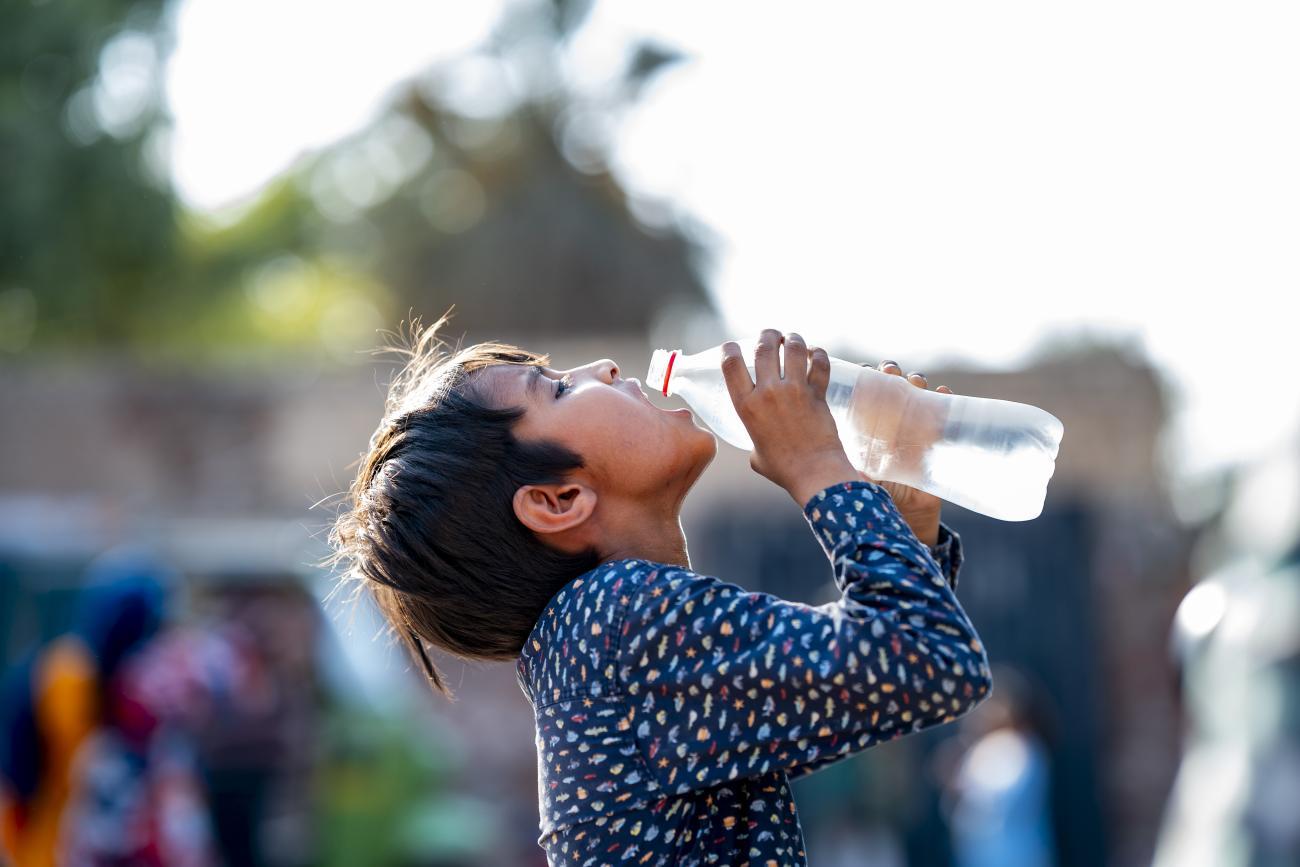
- The UN Economic and Social Commission for Asia and the Pacific (ESCAP) released the Asia-Pacific Disaster Report 2025, titled "Rising Heat, Rising Risk"
- The report identifies extreme heat as the "fastest-growing climate threat" in the region, surpassing traditional disasters like cyclones and floods in frequency and impact.
- It warns that without urgent intervention, heatwaves will become a "chronic humanitarian crisis", severely impacting public health, agriculture, and labor productivity.
Urban Heat Island (UHI) Amplification
- UHI occurs when concrete, reduced green cover, and anthropogenic heat trap warmth in cities, raising local temperatures significantly above surrounding rural areas.
- Key cities at high risk include:
- Delhi, Dhaka, Karachi: projected +4 to +7°C
- Manila, Jakarta, Kathmandu, Lahore: +3 to +6°C
- Even temperate cities like Seoul and Tokyo face +2 to +4°C spikes.
- In Pakistan, heat is shifting from episodic to chronic, with Karachi identified as a hotspot.
Socio-Economic & Health Impacts
- Labour productivity:
- Heat-related working-hour losses in Asia projected to rise from 75 billion hours in 2020 to over 115 billion hours by 2050.
- Under high-heat scenarios, productivity loss could reach up to 27% in vulnerable sectors like agriculture and construction.
- Health systems:
- Rising heatstroke, cardiovascular stress, and kidney disease burdens, especially among outdoor workers, elderly, and informal settlements.
- Mortality risks spike during prolonged heatwaves, particularly where cooling infrastructure is absent.
- Economic costs:
- Regional disaster losses could surge from US$418 billion (current) to over US$1 trillion annually by 2100 without adaptation.
- Crop failures (e.g., China’s drought-induced losses), infrastructure damage, and healthcare strain contribute significantly.
Vulnerability & Equity Dimensions
- Informal settlements, lacking ventilation, greenery, or electricity for cooling, experience heat exposure 2–3 times higher than planned urban zones.
- Outdoor workers, women, elderly, and low-income communities bear disproportionate risk — deepening existing inequalities.
Additional Info
- Urban Heat Island (UHI) Effect: A phenomenon where urban areas become significantly warmer than their rural surroundings due to human activities and infrastructure (concrete/asphalt) that trap heat.
- Heat Index: A measure that combines air temperature and relative humidity to determine the "feels-like" temperature. High humidity reduces the body's ability to cool down via sweating.
- Constitutional & Legal Context:
- Article 21: The Supreme Court has interpreted the Right to Life to include the right to a healthy environment and protection from climate change adverse effects (M.K. Ranjitsinh vs Union of India, 2024).
- Disaster Management Act, 2005: Provides the statutory framework for the National Disaster Management Authority (NDMA) to issue guidelines on heatwave management.
Sources
Cabinet Approves ₹7,280 Crore Scheme to Boost Rare Earth Permanent Magnet Manufacturing

What’s the News?
- The Union Cabinet has approved the "Scheme to Promote Manufacturing of Sintered Rare Earth Permanent Magnets (REPM)" with a total financial outlay of ₹7,280 crore.
- The initiative aims to establish a domestic production capacity of 6,000 Metric Tonnes Per Annum (MTPA) of these critical magnets to reduce India's heavy reliance on imports, particularly from China.
- This is a first-of-its-kind scheme designed to build an integrated ecosystem—from converting rare earth oxides to metals, then to alloys, and finally to finished magnets.
Why REPMs Matter
- REPMs (e.g., Neodymium-Iron-Boron magnets) are the strongest class of permanent magnets, essential for high-efficiency applications:
- Electric vehicles (EVs): traction motors
- Renewable energy: wind turbine generators
- Defence & aerospace: guidance systems, actuators
- Electronics & medical devices: MRI machines, sensors
- India holds the 5th-largest global reserves of rare earth elements but imports ~900 tonnes annually of finished REPMs — nearly 100% of domestic demand.
Scheme Design & Financial Architecture
- Target capacity: 6,000 metric tonnes per annum (MTPA)
- Beneficiaries: 5 selected via global competitive bidding; each allotted up to 1,200 MTPA
- Incentive structure:
- ₹6,450 crore as sales-linked incentives (SLI) over 5 years
- ₹750 crore as capital subsidy for facility setup
- Duration: 7 years (2-year gestation + 5-year incentive period).
Sources
SC Panel Recommends Phased Creation of Goa Tiger Reserve
What’s the News?
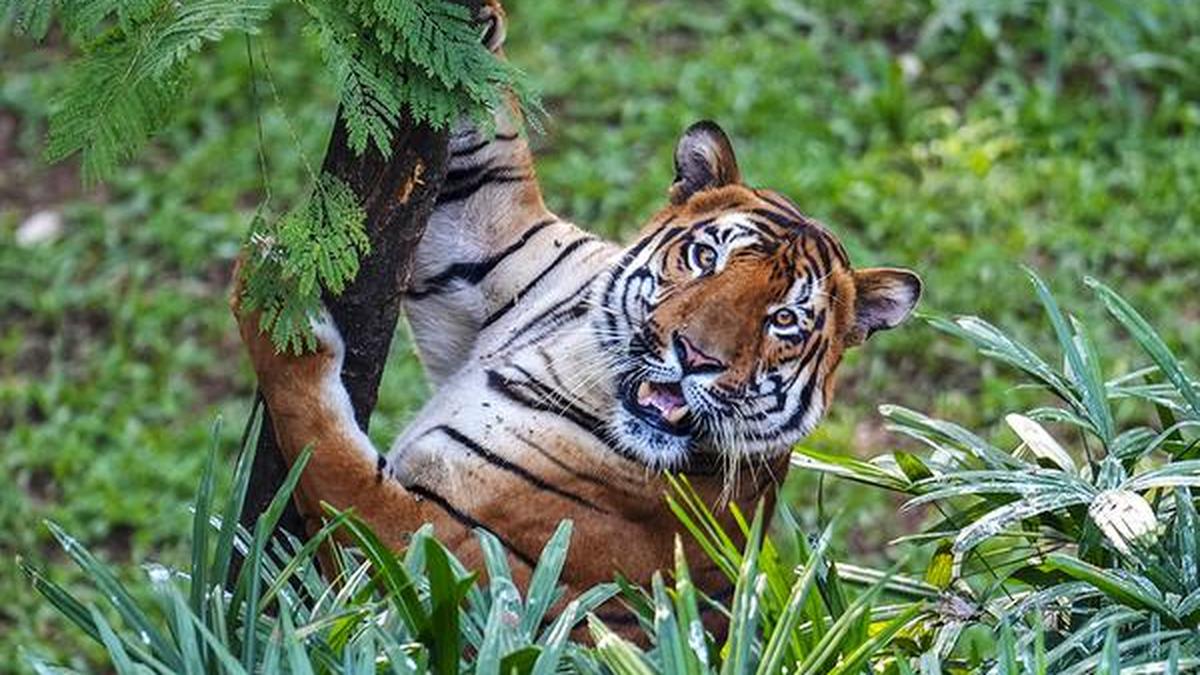
- A Supreme Court-appointed committee has recommended the creation of a Tiger Reserve in Goa, specifically suggesting a "phased approach" to the notification process.
- The committee proposed that areas with low or no human habitation should be notified first to minimize conflict, while other areas can be included gradually.
- The Goa government, represented by Forest Minister Vishwajit Rane, stated that it will file its submissions before the Supreme Court regarding this recommendation, highlighting local concerns.
Key Recommendations & Phased Approach
- Phase 1 (Immediate): Notification of areas with low human presence and high ecological value:
- Core Areas:
- Netravali Wildlife Sanctuary
- Cotigao Wildlife Sanctuary
- Buffer Areas:
- Bhagwan Mahavir National Park
- Northern portion of Bhagwan Mahavir Wildlife Sanctuary
- Core Areas:
- Phase 2 (Deferred): Potential inclusion of Mhadei Wildlife Sanctuary, pending further assessment of socio-ecological impact.
Ecological Rationale
- Connectivity with Kali Tiger Reserve (Karnataka):
- Goa’s forests form a critical corridor to the Kali TR, home to a breeding tiger population.
- Enables natural dispersal, genetic exchange, and long-term recovery of tiger numbers in Goa.
- Western Ghats Significance:
- Region identified as a UNESCO World Heritage Site and global biodiversity hotspot.
- Already hosts documented (though low-density) tiger presence, supported by camera-trap and pugmark evidence.
Governance & Conservation Strategy
- Minimizing Human Conflict:
- Phase 1 areas selected for having very few households, reducing displacement and livelihood disruption.
- Aligns with NTCA Guidelines (2023) emphasizing “people-centric tiger conservation”.
- Legal Backing:
- Notification to be made under Section 38V of the Wildlife (Protection) Act, 1972, enabling creation of Tiger Reserves.
- CEC’s role as a fact-finding & advisory body under Supreme Court supervision ensures technical legitimacy.
Additional Info
- Institutional Context:
- National Tiger Conservation Authority (NTCA): Statutory body under MoEFCC for tiger reserve management.
- Project Tiger (1973): 54 tiger reserves as of 2025; Goa would become the 55th, and first in the state.
- Tiger Population Trends (India):
- 3,682 tigers (2022 census) → projected to cross 4,000 by 2026 under ‘Tx2’ (double tiger numbers by 2022, achieved ahead of schedule).
- Goa’s inclusion vital for achieving landscape-level connectivity in the Central-Western Ghats corridor.
- State-Level Developments:
- Goa CM Pramod Sawant announced preparations to submit compliance report to the Supreme Court.
- State has previously opposed notification citing impacts on Mhadei water dispute and local tribal communities — hence CEC’s phased, evidence-based approach.
Sources
BHIM Launches "UPI Circle": Digital Payments for Dependents Without Bank Accounts

What’s the News?
- Bharat Interface for Money (BHIM), operated by the National Payments Corporation of India (NPCI), has launched a new feature called "UPI Circle" offering "Full Delegation" capabilities.
- This feature allows a primary user to authorize a secondary user (such as senior citizens, spouses, or children) to make UPI transactions independently using the primary user's bank account.
- The initiative aims to enhance digital financial inclusion by enabling individuals who may not have their own bank accounts or are not tech-savvy to use digital payments.
Key Features & Safeguards
- Spending Limit: Up to ₹15,000/month per delegate.
- Validity Duration: Configurable from 1 month to 5 years.
- Transaction Control:
- Primary user retains full visibility and control over all transactions.
- No real-time approvals needed (unlike Partial Delegation, introduced in 2024, which required per-transaction consent).
- Onboarding:
- Secondary user identified via mobile number + UPI ID/QR.
- Identity verified using Aadhaar or other KYC-compliant documents.
- Activation requires primary user’s UPI PIN authentication.
Target Beneficiaries & Use Cases
- Senior citizens: Enable independent payments (e.g., groceries, medicines) via trusted family help.
- Students/young adults: Manage daily or education-related expenses under parental oversight.
- Small enterprises: Staff can pay for tolls, fuel, or supplies without cash handling.
- Persons with limited digital literacy: Dependents can transact safely within guardrails.
Additional Info
- BHIM (Bharat Interface for Money):
- Launched in 2016, it is an Indian mobile payment app developed by NPCI based on the Unified Payments Interface (UPI).
- It was named after B. R. Ambedkar.
- National Payments Corporation of India (NPCI):
- An initiative of the Reserve Bank of India (RBI) and Indian Banks’ Association (IBA).
- It serves as the umbrella organization for operating retail payments and settlement systems in India (e.g., RuPay, FASTag, IMPS).
- UPI Context:
- UPI is an instant real-time payment system allowing inter-bank peer-to-peer (P2P) and person-to-merchant (P2M) transactions.
Sources
Study Detects Uranium in Breast Milk in Bihar: Concerns and Expert Validity

What’s the News?
- A joint study by Mahavir Cancer Sansthan (Patna), AIIMS (New Delhi), and Lovely Professional University has detected Uranium contamination in the breast milk of lactating mothers in Bihar.
- The study, published in the journal Scientific Reports, analyzed samples from 40 mothers across 6 districts (Bhojpur, Samastipur, Begusarai, Khagaria, Katihar, and Nalanda) and found traces of uranium in 100% of the samples.
- While the findings have raised alarm about groundwater contamination entering the food chain, experts have cautioned against panic, questioning the study's validity regarding immediate health risks and urging mothers to continue breastfeeding.
Key Findings & Health Risks
- Concentration Levels:
- Uranium concentrations in the samples ranged up to 5.25 micrograms per liter (µg/L).
- Katihar district recorded the highest individual concentration, while Khagaria had the highest average contamination.
- Infant Risk:
- The researchers concluded that 70% of infants in the study were at risk of non-carcinogenic health effects.
- Primary Health Risks: The study highlighted potential nephrotoxicity (kidney damage) and neurodevelopmental delays (affecting IQ and cognitive function) due to uranium's chemical toxicity.
- Source: The contamination is attributed to the mother's ingestion of uranium-contaminated groundwater and food, a known issue in Bihar's Gangetic plains.
Expert Analysis: Validity & "Alarmism"
- Comparison to Safe Limits:
- Experts like Dr. Dinesh K. Aswal (ex-BARC) noted that the detected levels (max 5.25 µg/L) are well below the WHO permissible limit for drinking water (30 µg/L).
- Critique: Since there is no specific global standard for uranium in breast milk, comparing it to water limits suggests the immediate toxicity risk may be overstated.
- Sample Size Limitations:
- Critics point out that the sample size of 40 women is too small to draw state-wide generalizations or definitive public health conclusions without a larger control group.
- Breastfeeding Consensus:
- Despite the findings, medical bodies (including the Breastfeeding Promotion Network of India) and the study authors themselves assert that the nutritional and immunological benefits of breastfeeding far outweigh the theoretical risks of these trace uranium levels.
Additional Info
- Uranium Toxicity:
- Uranium is a heavy metal and a naturally occurring radioactive element.
- Its chemical toxicity (damaging kidneys) is generally considered a greater risk than its radiological toxicity (cancer) in natural consumption scenarios.
- Government Initiatives:
- Jal Jeevan Mission: Aims to provide safe and adequate drinking water through tap connections, treating contaminants like Arsenic and Uranium in affected regions.
- Bureau of Indian Standards (BIS): Sets the acceptable limit for Uranium in drinking water at 30 ppb (parts per billion) or µg/L (IS 10500:2012).
- Constitutional Context:
- Article 47: Directive Principle of State Policy that directs the State to raise the level of nutrition and the standard of living and to improve public health.
- Article 21: Right to Life includes the right to pollution-free water and a healthy environment.
Sources
November 2025
29 November 202528 November 202527 November 202526 November 202525 November 202524 November 202522 November 202521 November 202520 November 202519 November 202518 November 202517 November 202515 November 202514 November 202513 November 202512 November 202511 November 202510 November 202508 November 202507 November 202506 November 202505 November 202504 November 202503 November 202501 November 2025
Archive
November 2026
- 27 November 2026
- 26 November 2026
- 25 November 2026
- 24 November 2026
- 23 November 2026
- 21 November 2026
- 20 November 2026
- 19 November 2026
- 18 November 2026
- 17 November 2026
- 16 November 2026
- 14 November 2026
- 13 November 2026
- 12 November 2026
- 11 November 2026
- 10 November 2026
- 09 November 2026
- 06 November 2026
- 05 November 2026
- 04 November 2026
- 03 November 2026
- 02 November 2026
October 2026
- 31 October 2026
- 30 October 2026
- 29 October 2026
- 28 October 2026
- 27 October 2026
- 26 October 2026
- 24 October 2026
- 23 October 2026
- 22 October 2026
- 21 October 2026
- 20 October 2026
- 19 October 2026
- 17 October 2026
- 16 October 2026
- 15 October 2026
- 14 October 2026
- 13 October 2026
- 12 October 2026
- 10 October 2026
- 09 October 2026
- 08 October 2026
- 07 October 2026
- 06 October 2026
- 05 October 2026
- 03 October 2026
- 02 October 2026
- 01 October 2026
September 2026
- 30 September 2026
- 29 September 2026
- 28 September 2026
- 26 September 2026
- 25 September 2026
- 24 September 2026
- 23 September 2026
- 22 September 2026
- 21 September 2026
- 19 September 2026
- 18 September 2026
- 17 September 2026
- 16 September 2026
- 15 September 2026
- 12 September 2026
- 11 September 2026
- 10 September 2026
- 09 September 2026
- 08 September 2026
- 07 September 2026
- 05 September 2026
- 04 September 2026
- 03 September 2026
- 02 September 2026
- 01 September 2026
August 2026
- 31 August 2026
- 29 August 2026
- 27 August 2026
- 26 August 2026
- 25 August 2026
- 24 August 2026
- 22 August 2026
- 21 August 2026
- 20 August 2026
- 19 August 2026
- 18 August 2026
- 17 August 2026
- 14 August 2026
- 13 August 2026
- 12 August 2026
- 11 August 2026
- 10 August 2026
- 08 August 2026
- 07 August 2026
- 06 August 2026
- 05 August 2026
- 04 August 2026
- 03 August 2026
- 01 August 2026
July 2026
- 31 July 2026
- 30 July 2026
- 29 July 2026
- 28 July 2026
- 27 July 2026
- 25 July 2026
- 23 July 2026
- 22 July 2026
- 21 July 2026
- 20 July 2026
- 18 July 2026
- 17 July 2026
- 15 July 2026
- 14 July 2026
- 13 July 2026
- 11 July 2026
- 10 July 2026
- 09 July 2026
- 08 July 2026
- 07 July 2026
- 06 July 2026
- 04 July 2026
- 03 July 2026
- 02 July 2026
- 01 July 2026
June 2026
May 2026
April 2026
March 2026
- 31 March 2026
- 30 March 2026
- 28 March 2026
- 27 March 2026
- 26 March 2026
- 25 March 2026
- 24 March 2026
- 23 March 2026
- 21 March 2026
- 20 March 2026
- 19 March 2026
- 18 March 2026
- 17 March 2026
- 16 March 2026
- 14 March 2026
- 13 March 2026
- 12 March 2026
- 11 March 2026
- 10 March 2026
- 09 March 2026
- 07 March 2026
- 06 March 2026
- 05 March 2026
- 03 March 2026
- 02 March 2026
February 2026
- 28 February 2026
- 27 February 2026
- 26 February 2026
- 25 February 2026
- 24 February 2026
- 23 February 2026
- 21 February 2026
- 20 February 2026
- 19 February 2026
- 18 February 2026
- 17 February 2026
- 16 February 2026
- 13 February 2026
- 12 February 2026
- 11 February 2026
- 10 February 2026
- 09 February 2026
- 07 February 2026
- 06 February 2026
- 05 February 2026
- 04 February 2026
- 03 February 2026
- 02 February 2026
January 2026
- 31 January 2026
- 30 January 2026
- 29 January 2026
- 28 January 2026
- 27 January 2026
- 26 January 2026
- 24 January 2026
- 23 January 2026
- 22 January 2026
- 21 January 2026
- 20 January 2026
- 19 January 2026
- 16 January 2026
- 15 January 2026
- 14 January 2026
- 13 January 2026
- 12 January 2026
- 10 January 2026
- 09 January 2026
- 08 January 2026
- 07 January 2026
- 06 January 2026
- 05 January 2026
- 03 January 2026
- 02 January 2026
- 01 January 2026
December 2025
- 31 December 2025
- 30 December 2025
- 29 December 2025
- 27 December 2025
- 26 December 2025
- 24 December 2025
- 23 December 2025
- 22 December 2025
- 20 December 2025
- 19 December 2025
- 18 December 2025
- 17 December 2025
- 16 December 2025
- 15 December 2025
- 13 December 2025
- 12 December 2025
- 11 December 2025
- 10 December 2025
- 09 December 2025
- 08 December 2025
- 05 December 2025
- 04 December 2025
- 03 December 2025
- 02 December 2025
November 2025
- 29 November 2025
- 28 November 2025
- 27 November 2025
- 26 November 2025
- 25 November 2025
- 24 November 2025
- 22 November 2025
- 21 November 2025
- 20 November 2025
- 19 November 2025
- 18 November 2025
- 17 November 2025
- 15 November 2025
- 14 November 2025
- 13 November 2025
- 12 November 2025
- 11 November 2025
- 10 November 2025
- 08 November 2025
- 07 November 2025
- 06 November 2025
- 05 November 2025
- 04 November 2025
- 03 November 2025
- 01 November 2025
October 2025
- 31 October 2025
- 30 October 2025
- 29 October 2025
- 28 October 2025
- 27 October 2025
- 25 October 2025
- 24 October 2025
- 23 October 2025
- 22 October 2025
- 21 October 2025
- 20 October 2025
- 18 October 2025
- 17 October 2025
- 16 October 2025
- 15 October 2025
- 14 October 2025
- 13 October 2025
- 11 October 2025
- 10 October 2025
- 09 October 2025
- 08 October 2025
- 07 October 2025
- 06 October 2025
- 04 October 2025
- 03 October 2025
- 02 October 2025
- 01 October 2025
September 2025
- 30 September 2025
- 29 September 2025
- 27 September 2025
- 26 September 2025
- 25 September 2025
- 24 September 2025
- 23 September 2025
- 22 September 2025
- 20 September 2025
- 19 September 2025
- 18 September 2025
- 17 September 2025
- 16 September 2025
- 15 September 2025
- 13 September 2025
- 12 September 2025
- 11 September 2025
- 10 September 2025
- 09 September 2025
- 08 September 2025
- 06 September 2025
- 05 September 2025
- 04 September 2025
- 03 September 2025
- 02 September 2025
- 01 September 2025
August 2025
- 30 August 2025
- 29 August 2025
- 28 August 2025
- 27 August 2025
- 26 August 2025
- 25 August 2025
- 23 August 2025
- 22 August 2025
- 21 August 2025
- 20 August 2025
- 19 August 2025
- 18 August 2025
- 16 August 2025
- 14 August 2025
- 13 August 2025
- 12 August 2025
- 11 August 2025
- 08 August 2025
- 07 August 2025
- 06 August 2025
- 05 August 2025
- 04 August 2025
- 02 August 2025
- 01 August 2025
July 2025
- 31 July 2025
- 30 July 2025
- 29 July 2025
- 28 July 2025
- 26 July 2025
- 25 July 2025
- 24 July 2025
- 23 July 2025
- 22 July 2025
- 21 July 2025
- 19 July 2025
- 18 July 2025
- 17 July 2025
- 16 July 2025
- 15 July 2025
- 12 July 2025
- 11 July 2025
- 10 July 2025
- 09 July 2025
- 07 July 2025
- 05 July 2025
- 04 July 2025
- 03 July 2025
- 02 July 2025
- 01 July 2025
June 2025
- 30 June 2025
- 28 June 2025
- 27 June 2025
- 26 June 2025
- 25 June 2025
- 24 June 2025
- 23 June 2025
- 21 June 2025
- 20 June 2025
- 19 June 2025
- 18 June 2025
- 17 June 2025
- 16 June 2025
- 14 June 2025
- 13 June 2025
- 12 June 2025
- 11 June 2025
- 10 June 2025
- 09 June 2025
- 07 June 2025
- 06 June 2025
- 05 June 2025
- 04 June 2025
- 03 June 2025
- 02 June 2025
May 2025
April 2025
- 30 April 2025
- 29 April 2025
- 28 April 2025
- 26 April 2025
- 25 April 2025
- 24 April 2025
- 23 April 2025
- 22 April 2025
- 21 April 2025
- 19 April 2025
- 18 April 2025
- 17 April 2025
- 16 April 2025
- 15 April 2025
- 14 April 2025
- 12 April 2025
- 11 April 2025
- 10 April 2025
- 09 April 2025
- 08 April 2025
- 07 April 2025
- 05 April 2025
- 04 April 2025
- 03 April 2025
- 02 April 2025
- 01 April 2025
March 2025
- 31 March 2025
- 29 March 2025
- 28 March 2025
- 27 March 2025
- 26 March 2025
- 25 March 2025
- 24 March 2025
- 22 March 2025
- 21 March 2025
- 20 March 2025
- 19 March 2025
- 18 March 2025
- 17 March 2025
- 15 March 2025
- 13 March 2025
- 12 March 2025
- 11 March 2025
- 10 March 2025
- 08 March 2025
- 07 March 2025
- 06 March 2025
- 05 March 2025
- 04 March 2025
- 03 March 2025
- 01 March 2025
February 2025
- 28 February 2025
- 27 February 2025
- 26 February 2025
- 25 February 2025
- 24 February 2025
- 22 February 2025
- 21 February 2025
- 20 February 2025
- 19 February 2025
- 18 February 2025
- 17 February 2025
- 15 February 2025
- 14 February 2025
- 13 February 2025
- 12 February 2025
- 11 February 2025
- 10 February 2025
- 08 February 2025
- 07 February 2025
- 06 February 2025
- 05 February 2025
- 04 February 2025
- 03 February 2025
- 01 February 2025
January 2025
- 31 January 2025
- 30 January 2025
- 29 January 2025
- 28 January 2025
- 27 January 2025
- 25 January 2025
- 24 January 2025
- 23 January 2025
- 22 January 2025
- 21 January 2025
- 20 January 2025
- 18 January 2025
- 17 January 2025
- 16 January 2025
- 15 January 2025
- 14 January 2025
- 13 January 2025
- 11 January 2025
- 10 January 2025
- 09 January 2025
- 08 January 2025
- 07 January 2025
- 06 January 2025
- 04 January 2025
- 03 January 2025
- 02 January 2025
- 01 January 2025