
Current Affairs
Stay updated with the latest national and international events.
28 May 2025
CBSE Schools to Set Up "Sugar Boards" to Tackle Rising Sugar Intake Among Students
The Central Board of Secondary Education (CBSE) has issued a directive to all its affiliated schools across India to establish "Sugar Boards" on their campuses. This initiative aims to raise awareness among students, parents, and school staff about the harmful effects of excessive sugar consumption and to promote healthier dietary choices. The move comes in response to growing concerns over the rising incidence of childhood obesity, Type 2 diabetes, and other lifestyle-related diseases among school-going children.

What are "Sugar Boards"?
"Sugar Boards" are essentially educational display panels that will be prominently placed within school premises, such as canteens, corridors, and near entry points. These boards will feature:
- Information on Recommended Daily Sugar Intake: Clear guidelines on how much sugar is considered healthy for different age groups of children, often referencing World Health Organization (WHO) recommendations.
- Sugar Content in Common Foods: Visual and easy-to-understand information about the amount of sugar present in commonly consumed packaged foods and beverages, especially items popular among children like soft drinks, packaged juices, chocolates, cookies, and even some so-called "healthy" breakfast cereals. This will help students identify "hidden sugars."
- Health Risks of High Sugar Intake: Details about the adverse health consequences of consuming too much sugar, including obesity, Type 2 diabetes, dental cavities, and potential impacts on cognitive function and behavior.
- Healthier Dietary Alternatives: Suggestions for nutritious and low-sugar snacks and drink options.
- Interactive Content: Schools are encouraged to make the content age-appropriate, visually engaging, and possibly interactive, using infographics, comparison charts, and weekly updates.
Why this Initiative? Concerns Over Student Health
CBSE has highlighted several pressing reasons for launching this initiative:
- Alarming Rise in Lifestyle Diseases: There has been a significant increase in Type 2 diabetes among children over the past decade, a condition once almost exclusively seen in adults. Childhood obesity and other metabolic disorders are also on the rise.
- Excessive Sugar Consumption: Data indicates that Indian children are consuming sugar far beyond recommended limits. Studies cited by CBSE show that sugar constitutes about 13% of the daily calorie intake for children aged 4-10 years and nearly 15% for those aged 11-18 years. This is substantially higher than the WHO's recommendation of limiting free sugar intake to less than 10% of total energy intake, and ideally below 5% for additional health benefits.
- Easy Availability of Unhealthy Options: The "proliferation of sugary snacks, beverages, and processed foods, often readily available in school environments," has been identified as a major contributor to this excessive intake.
- Impact on Overall Well-being: High sugar intake can adversely affect children's long-term health, academic performance, physical fitness, and emotional well-being.
CBSE's Vision: Promoting Healthy Habits and Health Literacy
The "Sugar Board" initiative is part of CBSE's broader goal to:
- Foster Health-Positive Environments: Create school campuses that actively promote well-being and healthy lifestyles.
- Integrate Health Literacy: Embed health consciousness and nutritional awareness into everyday school culture.
- Empower Students: Provide students with the knowledge and tools to make informed dietary choices for themselves.
- Involve Parents and Community: Encourage parents and the wider community to support healthy eating habits. The National Commission for Protection of Child Rights (NCPCR) also supports such measures and plans to involve parents through Parent-Teacher Meetings.
Implementation and Expected Impact:
- CBSE has directed schools to set up these "Sugar Boards" and also to organize awareness seminars and workshops on nutrition and health.
- Schools are required to submit a concise report on their activities, along with photographs, by a stipulated deadline (e.g., July 15, 2025).
- Health experts have lauded this initiative as a timely and essential public health measure that aligns with global nutrition goals. Prime Minister Narendra Modi also praised the initiative in his 'Mann Ki Baat' address.
- The potential impact is significant, given that CBSE has over 24,000 affiliated schools across India, reaching nearly two crore students and their families.
- While some experts believe this is a good first step, they also emphasize the need for more comprehensive measures, including stricter regulations on the sale of High Fat, Salt, and Sugar (HFSS) foods in and around schools and clear front-of-pack labelling on food products.
Additional Information
- CBSE (Central Board of Secondary Education):
- A national-level board of education in India for public and private schools, controlled and managed by the Government of India.
- Key functions include affiliating schools, prescribing curricula, conducting examinations (like Class 10 and 12 Board exams), and promoting educational innovations.
- Importance of Nutrition for School Children:
- Crucial for physical growth and development, cognitive function, concentration, and academic performance.
- Adequate nutrition helps build immunity and prevent infections.
- Establishes lifelong healthy eating habits.
- Health Risks of High Sugar Consumption in Children:
- Obesity: Excess sugar provides empty calories leading to weight gain.
- Type 2 Diabetes: Increased risk due to insulin resistance.
- Dental Caries (Tooth Decay): Sugar feeds harmful bacteria in the mouth.
- Nutritional Deficiencies: Sugary foods often displace more nutritious options.
- Behavioral and Cognitive Effects: Can affect mood, focus, and energy levels.
- Increased risk of heart disease later in life.
- Role of Schools in Promoting Health and Wellness:
- Schools play a vital role as they have significant contact time with children during their formative years.
- They can impart health education, provide a healthy canteen environment, encourage physical activity, and conduct health screenings.
- Related Government Initiatives:
- Eat Right India Movement: An initiative by the Food Safety and Standards Authority of India (FSSAI) to promote safe and healthy food.
- Fit India Movement: A nationwide movement to encourage people to remain healthy and fit by including physical activities and sports in their daily lives.
- National Health Policy (e.g., 2017): Aims to achieve universal health coverage and deliver quality healthcare services. Often includes focus on preventive and promotive health.
- Ayushman Bharat - School Health Programme: Aims to strengthen health promotion and disease prevention interventions for schoolchildren.
- POSHAN Abhiyaan (National Nutrition Mission): A flagship programme to improve nutritional outcomes for children, pregnant women, and lactating mothers.
- Food Safety and Standards Authority of India (FSSAI):
- An autonomous statutory body established under the Food Safety and Standards Act, 2006.
- Responsible for protecting and promoting public health through the regulation and supervision of food safety.
- FSSAI has been working on guidelines for High Fat, Salt, and Sugar (HFSS) foods, including those available in schools.
Justice Oka Bids Adieu to SC: Calls for Less "CJI-Centric" Court, Upholding Liberties
In a candid and thought-provoking farewell address, Supreme Court Justice Abhay S. Oka on his last working day emphasized his profound hope that the apex court will continue to be a champion of constitutional liberties. He also made significant observations about the functioning of the Supreme Court, stating it is currently too "Chief Justice-centric" and suggested a need for a more democratic approach in its administration, similar to High Courts. His remarks have sparked discussions on judicial reforms and the operational dynamics of India's highest court.
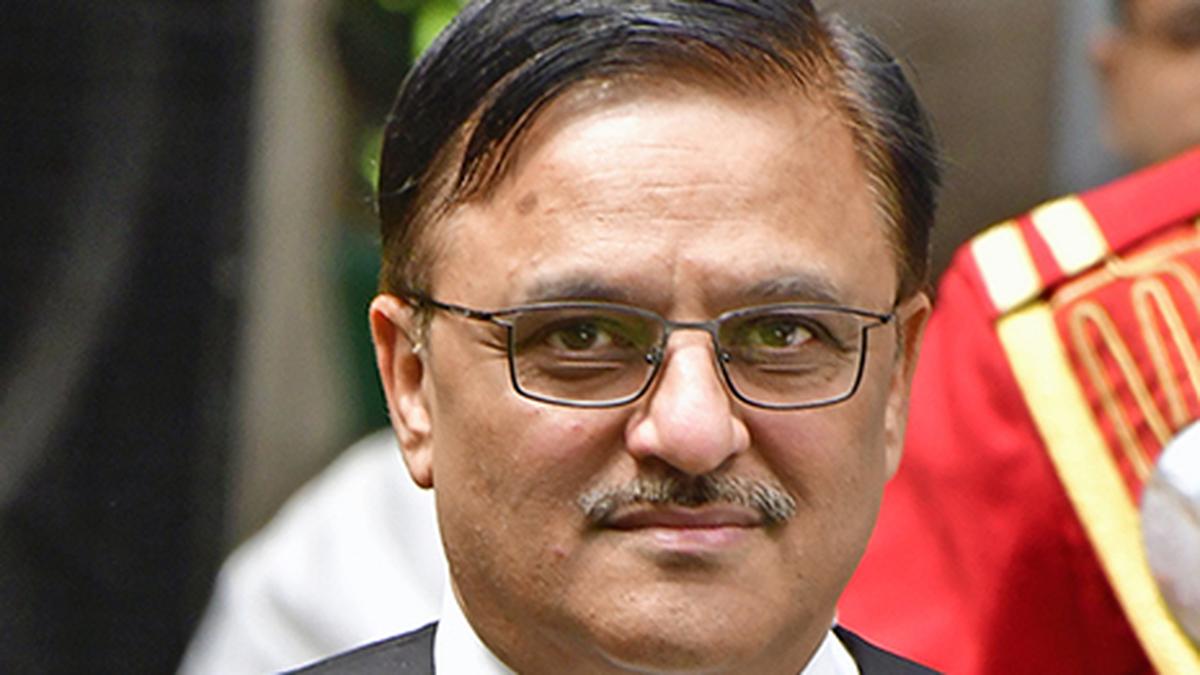
A Staunch Defender of Constitutional Liberties:
Throughout his address, Justice Oka, known for his unwavering commitment to fundamental rights and environmental protection during his tenure, reiterated the Supreme Court's crucial role as a guardian of the Constitution.
- He stated, "I believe this is one court which can uphold constitutional liberties. And that has been my humble endeavour."
- He expressed confidence that "with the collective efforts of so many giants who are sitting here, this court will continue to uphold liberty because that was the dream of the framers of the Constitution."
- His judicial career, spanning over two decades including his time in the Bombay and Karnataka High Courts before his elevation to the Supreme Court in August 2021, has been marked by several landmark judgments upholding civil liberties, freedom of expression, and environmental protection.
Critique of "Chief Justice-Centric" Supreme Court:
Justice Oka offered a significant critique of the administrative functioning of the Supreme Court, drawing comparisons with the High Courts:
- He observed, "One difference I felt between the High Courts and Supreme Court is – High Courts work more democratically through committees, while the Supreme Court is centered around the Chief Justice. This needs to change."
- He emphasized that the Supreme Court is a court of 34 judges from diverse backgrounds across India, and its functioning should reflect this collective nature rather than being overly reliant on the Chief Justice.
- He expressed hope that this approach might see a transformation under the new Chief Justice of India, B.R. Gavai.
Call for Reforms in Case Listing and Judicial Administration:
A key area Justice Oka highlighted for reform was the listing of cases in the Supreme Court:
- He pointed out public concerns: "People complain when some cases get listed quickly while others wait for weeks."
- He advocated for reducing manual intervention in the case listing process and leveraging technology, including Artificial Intelligence (AI), to make the system more "rational" and transparent.
- He recalled his experience in the Karnataka High Court, where an auto-listing system was successfully implemented during the pandemic.
- He stressed that the Supreme Court is not just a Constitutional Court but also an appellate court, and appeals from common people deserve timely attention. A fair and transparent listing system is crucial for this.
- He also urged greater attention towards trial and district courts, calling them the "backbone of the judiciary" and stating they should not be referred to as "subordinate courts," as this is against constitutional values.
Additional Information
- The Supreme Court of India:
- The highest judicial court under the Constitution of India, established on January 28, 1950.
- It is the final court of appeal and has powers of judicial review.
- Comprises the Chief Justice of India (CJI) and not more than 33 other judges (total strength 34).
- Guardian of the Constitution and protector of Fundamental Rights.
- The Chief Justice of India (CJI):
- The head of the judiciary in India.
- Acts as the 'Master of the Roster', having the administrative power to allocate cases and constitute benches. This power has sometimes been a subject of debate regarding transparency and concentration of power.
- Heads the Supreme Court Collegium for judicial appointments.
- Constitutional Liberties/Fundamental Rights:
- Enshrined in Part III (Articles 12-35) of the Indian Constitution.
- Include rights such as the Right to Equality (Art. 14), Right to Freedom (Art. 19, covering freedom of speech and expression, assembly, association, movement, residence, and profession), Protection of Life and Personal Liberty (Art.19 21), Right against Exploitation, Right to Freedom of Religion, Cultural and Educational Rights, and Right to Constitutional Remedies (Art. 32).
- The Supreme Court (under Art. 32) and High Courts (under Art. 226) can issue writs for the enforcement of these rights.
- Judicial Independence:
- A cornerstone of the Indian Constitution, ensuring that the judiciary can perform its functions without fear or favour from the executive or legislature.
- Secured through provisions like security of tenure for judges, fixed service conditions, and the power to punish for contempt.
- Collegium System:
- The system by which appointments and elevations of judges to the Supreme Court and High Courts are decided by a forum of the CJI and the four senior-most judges of the Supreme Court. It has evolved through Supreme Court judgments (the "Three Judges Cases").
- Issues in the Indian Judiciary:
- Pendency of Cases: A massive backlog of cases at all levels leading to delays in justice.
- Judicial Vacancies: Delays in filling up vacancies of judges.
- Judicial Accountability and Transparency: Debates around mechanisms for ensuring accountability without compromising judicial independence. Issues like transparency in the Collegium's functioning and administrative decisions (like case allocation) are often discussed.
- Need for Infrastructure and Modernization: Improving court infrastructure and adopting technology for better case management.
- "Constitutional Courts": Courts that are primarily entrusted with the interpretation and application of the Constitution and upholding its values, especially fundamental rights. The Supreme Court of India is a prime example.
Two Indian Peacekeepers to Be Honoured Posthumously by UN on Peacekeepers Day
The United Nations will posthumously honour two Indian peacekeepers, Brigadier General Amitabh Jha and Havildar Sanjay Singh, on Thursday, May 29, 2025, the International Day of UN Peacekeepers. They are among 57 military, police, and civilian peacekeepers from around the world who lost their lives serving under the UN flag in 2024 and will be awarded the prestigious Dag Hammarskjöld Medal at a solemn ceremony at the UN Headquarters in New York.
The Honoured Indian Heroes:
The two Indian peacekeepers who made the ultimate sacrifice in the line of duty are:
- Brigadier General Amitabh Jha: He served with the United Nations Disengagement Observer Force (UNDOF), which operates in the Golan Heights, monitoring the ceasefire between Israel and Syria.
- Havildar Sanjay Singh: He was deployed with the United Nations Stabilisation Mission in the Democratic Republic of Congo (MONUSCO), one of the UN's largest and most complex peacekeeping operations, tasked with protecting civilians and supporting peace consolidation efforts.
UN Secretary-General António Guterres will preside over the ceremony and lay a wreath at the Peacekeepers Memorial in honour of all fallen peacekeepers. He will also award the Dag Hammarskjöld Medals to the permanent representatives of the concerned member states.
International Day of UN Peacekeepers 2025: "The Future of Peacekeeping"
Observed annually on May 29th, the International Day of UN Peacekeepers serves two primary purposes:
- To pay tribute to the professionalism, dedication, and courage of all men and women serving in UN peacekeeping operations.
- To honour the memory of those who have lost their lives in the cause of peace.
- The theme for this year's (2025) observance is "The Future of Peacekeeping." This theme emphasizes the need to adapt peacekeeping missions to the evolving nature of global conflicts and security challenges, aligning with initiatives like the UN Secretary-General's "Pact for the Future."
The Dag Hammarskjöld Medal: A Solemn Tribute
- The Dag Hammarskjöld Medal was established in December 2000 by the UN Security Council.
- It is a posthumous award presented to military personnel, police, or civilians who lose their lives while serving in UN peacekeeping operations.
- The medal is named after Dag Hammarskjöld, the second UN Secretary-General, who died in a plane crash in 1961 while on a peace mission in Congo.
India's Enduring Commitment to UN Peacekeeping: A Legacy of Service and Sacrifice
India has a long and distinguished history of participation in UN peacekeeping missions, reflecting its commitment to international peace and security.
- One of the Largest Contributors: India is consistently among the top troop and police-contributing countries to the UN. Currently, it is the 4th largest contributor of uniformed personnel.
- Extensive Participation: Since the 1950s, over 2,90,000 Indian peacekeepers have served in more than 50 UN missions across the globe, often in the most challenging and dangerous environments.
- Supreme Sacrifice: Nearly 180 Indian peacekeepers have made the ultimate sacrifice while serving under the UN flag, the highest number from any single troop-contributing country.
- Current Deployments: Over 5,000 Indian personnel are currently deployed in nine active UN peacekeeping missions, including in regions like the Democratic Republic of Congo (MONUSCO), South Sudan (UNMISS), Lebanon (UNIFIL), and the Golan Heights (UNDOF).
- Beyond Troops: India's contribution also includes providing medical units, engineering support, and actively participating in capacity building for other nations' peacekeepers. India has also been a pioneer in deploying all-women peacekeeping contingents.
Cabinet Hikes MSP for 14 Kharif Crops for 2025-26 Season, Focus on Pulses & Oilseeds
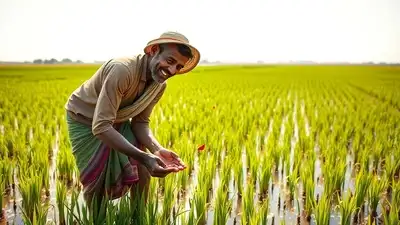
The Union Cabinet, chaired by Prime Minister Narendra Modi, on Wednesday, May 28, 2025, approved a significant increase in the Minimum Support Price (MSP) for 14 Kharif (summer-sown) crops for the Marketing Season 2025-26. This decision aims to ensure remunerative prices for farmers for their produce and encourage crop diversification towards oilseeds, pulses, and millets (Shree Anna). The government stated that the approved MSPs provide a return of at least 50% over the all-India weighted average cost of production, fulfilling the commitment made in the Union Budget 2018-19.
Details of the MSP Hike (Kharif Marketing Season 2025-26):
The government has ensured a fair margin for farmers, with the expected return over the cost of production being highest for Bajra, followed by Tur, Soyabean, and Urad.
Here are the MSPs for some key Kharif crops for 2025-26, compared to 2024-25:
- Paddy (Common): Increased by ₹125 to ₹2,430 per quintal.
- Paddy (Grade A): Increased by ₹125 to ₹2,455 per quintal.
- Tur (Arhar): Significant hike of ₹500 to ₹8,000 per quintal.
- Moong: Increased by ₹141 to ₹8,941 per quintal.
- Urad: Increased by ₹400 to ₹7,800 per quintal.
- Groundnut: Hiked by ₹360 to ₹6,730 per quintal.
- Soyabean (Yellow): Increased by ₹322 to ₹4,942 per quintal.
- Sunflower Seed: Increased by ₹400 to ₹7,280 per quintal.
- Sesamum: Hiked by ₹693 to ₹9,943 per quintal.
- Nigerseed: Saw the highest absolute increase of ₹870 to ₹9,180 per quintal.
- Cotton (Medium Staple): Increased by ₹500 to ₹7,120 per quintal.
- Cotton (Long Staple): Increased by ₹510 to ₹7,530 per quintal.
- Jowar (Hybrid): Hiked by ₹145 to ₹3,495 per quintal.
- Bajra: Increased by ₹135 to ₹2,660 per quintal. (Expected margin over cost: 70%)
- Ragi: Increased by ₹380 to ₹4,290 per quintal.
- Maize: Hiked by ₹145 to ₹2,240 per quintal.
Objectives Behind the Hike:
The government has outlined several key objectives for this MSP revision:
- Ensuring Remunerative Prices: To provide fair and profitable returns to farmers, thereby improving their income and livelihood. The MSP is set to ensure a margin of at least 50% over the cost of production.
- Promoting Crop Diversification: The relatively higher increases for pulses (like Tur, Urad), oilseeds (like Soyabean, Groundnut, Sunflower, Sesamum, Nigerseed), and nutri-cereals/millets (Shree Anna like Jowar, Bajra, Ragi) are intended to encourage farmers to shift from traditional cereal crops like paddy and wheat. This aims to:
- Address demand-supply imbalances, particularly reducing import dependence on oilseeds and pulses.
- Enhance soil health and promote climate-resilient agriculture.
- Improve nutritional security.
- Boosting Agricultural Investment: Assured remunerative prices are expected to encourage farmers to invest more in agricultural inputs and modern farming technologies.
- Farmer-First Approach: The decision reflects the government's continued focus on farmer welfare and its commitment to doubling farmers' income (a previously stated goal).
- Food Security: The MSP for paddy, a staple food grain, is crucial for maintaining adequate buffer stocks for the Public Distribution System (PDS) and ensuring national food security.
Additional Information
- Minimum Support Price (MSP):
- A form of market intervention by the Government of India to insure agricultural producers against any sharp fall in1 farm prices.
- It is the price at which the government (through agencies like FCI, NAFED) purchases crops from farmers if the market price falls below the MSP.
- Objective: To protect farmers from price volatility, ensure a minimum guaranteed income, procure food grains for public distribution, and encourage production of specific crops.
- Kharif Crops:
- Also known as monsoon crops, as they are sown at the beginning of the rainy season (typically June-July) and harvested at the end of the monsoon season (September-October).
- Major Kharif Crops in India: Rice (Paddy), Maize, Jowar, Bajra, Ragi, Tur (Arhar), Moong, Urad, Cotton, Groundnut, Soyabean, Sunflower, Sesamum, Nigerseed.
- Commission for Agricultural Costs and Prices (CACP):
- An expert body under the Ministry of Agriculture and Farmers Welfare.
- It recommends MSPs for various agricultural commodities to the government after considering factors like cost of production, demand and supply, market price trends, inter-crop price parity, terms of trade between agriculture and non-agriculture sectors, and the likely implications of MSP on consumers.
- The Cabinet Committee on Economic Affairs (CCEA) takes the final decision on the MSP levels.
- Factors Considered for Fixing MSP (by CACP):
- Cost of Production: CACP considers three types of costs:
- A2: Actual paid-out expenses incurred by the farmer (for seeds, fertilizers, pesticides, hired labor, fuel, irrigation, etc.).
- A2+FL: A2 plus the imputed value of unpaid family labor. (The government typically fixes MSP at 1.5 times A2+FL).
- C2: A more comprehensive cost that includes A2+FL plus imputed rent on owned land and interest on owned fixed capital. (Farmers often demand MSP based on 1.5 times C2).
- Other factors include demand-supply dynamics, domestic and international prices, terms of trade, and ensuring a minimum return to the producer.
- Cost of Production: CACP considers three types of costs:
Cabinet Extends 1.5% Interest Subvention on Short-Term Agri Loans for FY 2025-26
The Union Cabinet, chaired by Prime Minister Narendra Modi, on Wednesday, May 28, 2025, approved the continuation of the Modified Interest Subvention Scheme (MISS) for short-term agriculture and allied activities loans for the financial year 2025-26. Under this scheme, the government will continue to provide an interest subvention of 1.5% per annum to lending institutions on these loans. This decision aims to ensure the availability of affordable credit to farmers, thereby supporting agricultural productivity and the rural economy.
Understanding the Scheme: Affordable Credit for Farmers
- Scheme Name: Modified Interest Subvention Scheme (MISS).
- Interest Subvention Rate: The government will provide a 1.5% interest subvention per annum to lending institutions (banks). This subvention allows banks to provide short-term credit to farmers at a reduced interest rate.
- Loan Limit & Purpose: The scheme applies to short-term agricultural loans up to ₹3 lakh availed by farmers through Kisan Credit Cards (KCC). These loans are typically for meeting working capital needs for crop production and other allied activities.
- Covered Activities: Besides crop cultivation, the scheme also supports allied activities such as animal husbandry, dairy, fisheries, and bee-keeping.
- Objective: The primary goal is to make short-term credit available to farmers at an affordable interest rate, reducing their dependence on expensive informal credit sources and enabling them to invest in necessary agricultural inputs.
How Farmers Benefit:
While the 1.5% subvention is provided to the lending institutions, the ultimate benefit is passed on to the farmers in the form of lower interest rates.
- Concessional Interest Rate: Banks generally provide short-term agri-loans at an interest rate of around 9%. The 1.5% subvention from the government helps banks to offer these loans at a more concessional rate.
- Prompt Repayment Incentive: Crucially, farmers who repay their loans promptly (within the due date) are eligible for an additional interest subvention of 3% per annum.
- Effective Interest Rate: For farmers who ensure timely repayment, the effective interest rate on these short-term agri-loans comes down to a very affordable 4% per annum.
Lending Institutions and Government's Financial Commitment:
- Eligible Lending Institutions: The scheme is implemented through a wide network of financial institutions, including:
- Public Sector Banks (PSBs)
- Private Sector Banks (PvSBs)
- Small Finance Banks (SFBs)
- Regional Rural Banks (RRBs)
- Co-operative Banks (both rural and urban)
- Budgetary Outlay: For the financial year 2025-26, the government has allocated ₹25,583 crore for the implementation of this interest subvention scheme.
- Implementing Agencies: The scheme is operationalized by the National Bank for Agriculture and Rural Development (NABARD) and the Reserve Bank of India (RBI).
India Cuts Coal Imports by 7.9% in FY25, Saves $7.93 Billion in Forex
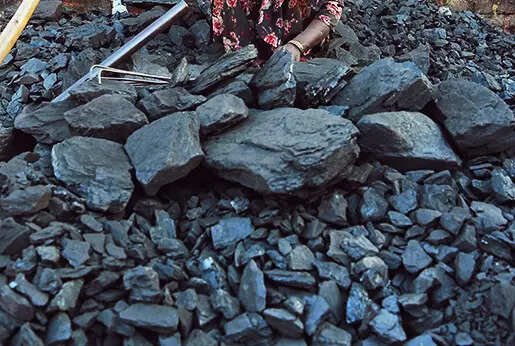
India achieved a significant 7.9% reduction in its coal imports during the financial year 2024-25 (April 2024 - March 2025), leading to substantial foreign exchange savings of approximately $7.93 billion (around ₹60,682 crore). This development, announced by the Ministry of Coal around May 27, 2025, underscores the country's concerted efforts towards increasing domestic coal production and enhancing energy security, aligning with the broader vision of 'Atmanirbhar Bharat' (Self-reliant India).
The Numbers Game: Coal Imports Down, Forex Saved
- Import Reduction: India's total coal imports stood at 243.62 million tonnes (MT) in FY 2024-25, down from 264.53 MT in the previous fiscal year (FY 2023-24). This marks a 7.9% decline.
- Foreign Exchange Savings: This reduction in import dependency translated into significant savings of $7.93 billion in valuable foreign exchange.
- Domestic Production Boost: The decline in imports was largely driven by a 5% growth in domestic coal production during FY 2024-25 compared to the previous year. India's overall coal production crossed the 1 billion tonne mark, reaching approximately 1,047.57 MT in FY25.
Why the Decline? Factors Driving Self-Reliance
Several factors have contributed to this positive trend:
- Increased Domestic Coal Production: The primary driver has been the consistent rise in coal output from domestic mines. Initiatives like commercial coal mining (auctioning blocks to private players) and Mission Coking Coal have played a crucial role in augmenting local production.
- Improved Supply to Power Sector: Despite a 3.04% growth in coal-based power generation in FY25, the imports of coal for blending by thermal power plants sharply decreased by 41.4%. This indicates better availability and supply of domestic coal to power plants.
- Reduced Imports by Non-Regulated Sector: The non-regulated sector (industries like cement, sponge iron, and captive power plants, excluding public power utilities) also saw a significant drop of 8.95% year-on-year in coal imports.
- Strategic Government Measures: The Ministry of Coal has been implementing various strategic interventions to strengthen domestic production capabilities and ensure a secure supply of coal to key industries.
Impact on Different Types of Coal:
While the overall imports have declined, India still relies on imports for certain types of coal:
- Non-Coking Coal (Thermal Coal): Imports of non-coking coal, primarily used in thermal power plants and other industries, have seen a notable reduction due to increased domestic availability. The focus is to achieve zero import of substitutable thermal coal.
- Coking Coal (Metallurgical Coal): India has limited reserves of high-quality coking coal, which is essential for the iron and steel industry. Therefore, a significant portion of coking coal demand continues to be met through imports. However, initiatives under "Mission Coking Coal" aim to enhance domestic coking coal production and reduce this dependency over time.
Additional Information
- Coal in India:
- India has the fifth-largest coal reserves in the world.
- Coal is the most important and abundant fossil fuel in India and remains the mainstay of its energy sector, accounting for around 55% of the country's primary energy basket and fueling about 74% of its electricity generation.
- Major Coalfields: Located in states like Jharkhand, Odisha, Chhattisgarh, West Bengal, Madhya Pradesh, Telangana, and Maharashtra.
- Types of Coal found in India: Predominantly Gondwana coal (older, higher quality, including most coking coal and good quality thermal coal) and Lignite (younger, lower quality, found in Tamil Nadu, Rajasthan, Gujarat).
- Types of Coal:
- Anthracite: Highest rank, highest carbon content, highest energy content.
- Bituminous: Most common type, used for electricity generation and making coke.
- Lignite: Lower rank, brownish-black, high moisture content, used for power generation.
- Peat: Precursor to coal, low carbon content.
- Coking Coal (Metallurgical Coal): Used to produce coke, which is essential for steelmaking (as a fuel and reducing agent in blast furnaces). India has limited reserves of high-grade coking coal.
- Non-Coking Coal (Thermal Coal/Steam Coal): Primarily used for power generation and in industries like cement and fertilizers.
- India's Coal Import/Export Status:
- Despite large reserves, India has been a significant importer of coal.
- Reasons for Imports:
- Shortage of high-quality coking coal.
- Shortfall in domestic production of non-coking coal compared to demand, though this is now reducing.
- Some power plants are designed to run on specific grades of imported coal (often with lower ash content).
- Logistical issues in transporting domestic coal to coastal power plants.
- India also exports small quantities of coal to neighboring countries.
- Ministry of Coal:
- The nodal ministry responsible for the development and exploitation of coal and lignite reserves in India.
- Its key objectives include ensuring the availability of coal to meet national demand, promoting sustainable coal mining practices, and working towards energy security.
- Coal India Limited (CIL):
- A state-owned coal mining corporate, it is the largest coal-producing company in the world.
- Plays a critical role in meeting India's coal requirements.
- Government Initiatives to Boost Domestic Coal Production:
- Commercial Mining: Opening up the coal sector for private players through the auction of coal blocks for commercial mining and sale.
- Improving Efficiency of CIL: Modernization of mines, adoption of new technologies.
- Faster Clearances: Streamlining environmental and forest clearances for coal projects.
- Mission Coking Coal: To enhance domestic coking coal production and reduce import dependence.
- Developing Evacuation Infrastructure: Improving rail and port infrastructure for coal transportation.
Indian Scientists Develop New "Code-Breaker" to Uncover Secrets of Exotic Materials
Scientists at the Raman Research Institute (RRI), Bengaluru, have developed a groundbreaking new method to detect hidden quantum properties in exotic materials, particularly topological materials. This innovative technique utilizes a concept known as the spectral function to identify crucial "topological invariants" – fundamental characteristics that define how these materials behave at a quantum level. This breakthrough, published in the journal "Physical Review B," promises to accelerate research in next-generation technologies like quantum computing, advanced electronics, and energy-efficient systems.
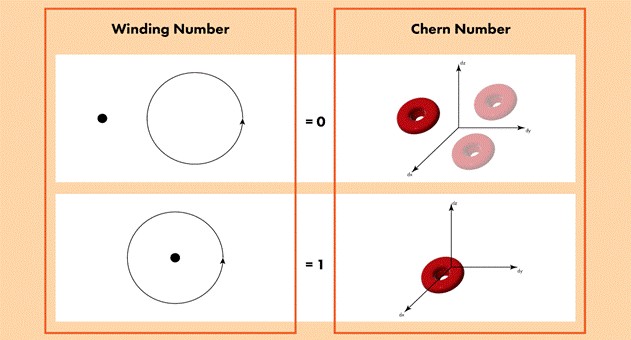
Unveiling the "Hidden Code": What is the New Method?
Many exotic materials, especially topological materials, possess unique properties that are not apparent from their physical appearance but are determined by deeper, intrinsic quantum mechanical "shapes" or topology. These "hidden codes" are quantified by topological invariants (like winding numbers in one-dimensional systems and Chern numbers in two-dimensional systems).
- The Breakthrough: The RRI team, led by Professor Dibyendu Roy and PhD scholar Kiran Babasaheb Estake, discovered that the momentum-space spectral function (SPSF) of a material acts like a "quantum fingerprint" and contains distinct signatures of these hidden topological invariants.
- Spectral Function Reimagined: The spectral function has long been used experimentally (often with techniques like Angle-Resolved Photoemission Spectroscopy - ARPES) to study electron behavior, such as the density of states and how energy varies with momentum (dispersion relation). However, it was not previously seen as a direct tool to probe the topology of an electronic system.
- A Simpler Approach: This new method offers a potentially more accessible and equally powerful way to "see" and classify the topological nature of materials without always resorting to more complex experimental setups traditionally required.
Understanding Exotic Materials and Their Secrets
- Exotic Materials (Topological Materials): These are materials at the forefront of condensed matter physics and materials science. Examples include topological insulators, topological superconductors, and Weyl semimetals.
- Unique Electronic Properties: They exhibit unusual behavior of electrons, especially on their surfaces or edges. For instance, a topological insulator can be an insulator in its bulk but conduct electricity on its surface due to special electronic states protected by topology.
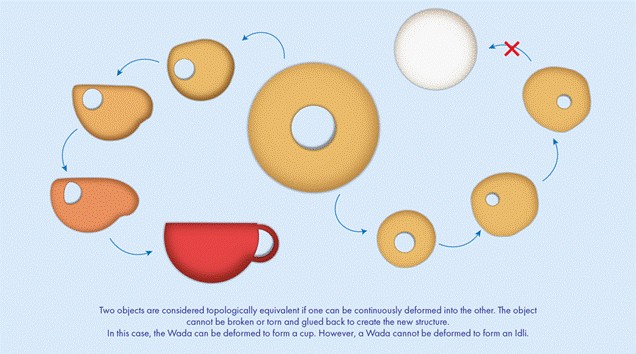
- Topological Invariance: This is a concept from mathematics where certain properties of a structure (like the number of holes) remain unchanged even if the structure is continuously deformed (stretched, bent, but not torn or glued).
- A common analogy is a donut (or a 'vada') and a coffee cup, which are topologically equivalent because both have one hole. An idli, with no holes, is topologically different.
- In materials, these "topological invariants" dictate how electrons or other quantum particles navigate through them, leading to their exotic properties. Detecting these invariants has traditionally been a challenging task.
The Minds Behind the Method: Raman Research Institute's Contribution
This significant advancement comes from the Raman Research Institute (RRI) in Bengaluru, an autonomous research institute funded by the Department of Science and Technology (DST), Government of India. RRI has a rich legacy in fundamental physics research, founded by Nobel laureate Sir C.V. Raman. This work showcases India's growing capabilities in cutting-edge theoretical and computational physics.
May 2025
Archive
November 2026
- 27 November 2026
- 26 November 2026
- 25 November 2026
- 24 November 2026
- 23 November 2026
- 21 November 2026
- 20 November 2026
- 19 November 2026
- 18 November 2026
- 17 November 2026
- 16 November 2026
- 14 November 2026
- 13 November 2026
- 12 November 2026
- 11 November 2026
- 10 November 2026
- 09 November 2026
- 06 November 2026
- 05 November 2026
- 04 November 2026
- 03 November 2026
- 02 November 2026
October 2026
- 31 October 2026
- 30 October 2026
- 29 October 2026
- 28 October 2026
- 27 October 2026
- 26 October 2026
- 24 October 2026
- 23 October 2026
- 22 October 2026
- 21 October 2026
- 20 October 2026
- 19 October 2026
- 17 October 2026
- 16 October 2026
- 15 October 2026
- 14 October 2026
- 13 October 2026
- 12 October 2026
- 10 October 2026
- 09 October 2026
- 08 October 2026
- 07 October 2026
- 06 October 2026
- 05 October 2026
- 03 October 2026
- 02 October 2026
- 01 October 2026
September 2026
- 30 September 2026
- 29 September 2026
- 28 September 2026
- 26 September 2026
- 25 September 2026
- 24 September 2026
- 23 September 2026
- 22 September 2026
- 21 September 2026
- 19 September 2026
- 18 September 2026
- 17 September 2026
- 16 September 2026
- 15 September 2026
- 12 September 2026
- 11 September 2026
- 10 September 2026
- 09 September 2026
- 08 September 2026
- 07 September 2026
- 05 September 2026
- 04 September 2026
- 03 September 2026
- 02 September 2026
- 01 September 2026
August 2026
- 31 August 2026
- 29 August 2026
- 27 August 2026
- 26 August 2026
- 25 August 2026
- 24 August 2026
- 22 August 2026
- 21 August 2026
- 20 August 2026
- 19 August 2026
- 18 August 2026
- 17 August 2026
- 14 August 2026
- 13 August 2026
- 12 August 2026
- 11 August 2026
- 10 August 2026
- 08 August 2026
- 07 August 2026
- 06 August 2026
- 05 August 2026
- 04 August 2026
- 03 August 2026
- 01 August 2026
July 2026
- 31 July 2026
- 30 July 2026
- 29 July 2026
- 28 July 2026
- 27 July 2026
- 25 July 2026
- 23 July 2026
- 22 July 2026
- 21 July 2026
- 20 July 2026
- 18 July 2026
- 17 July 2026
- 15 July 2026
- 14 July 2026
- 13 July 2026
- 11 July 2026
- 10 July 2026
- 09 July 2026
- 08 July 2026
- 07 July 2026
- 06 July 2026
- 04 July 2026
- 03 July 2026
- 02 July 2026
- 01 July 2026
June 2026
May 2026
April 2026
March 2026
- 31 March 2026
- 30 March 2026
- 28 March 2026
- 27 March 2026
- 26 March 2026
- 25 March 2026
- 24 March 2026
- 23 March 2026
- 21 March 2026
- 20 March 2026
- 19 March 2026
- 18 March 2026
- 17 March 2026
- 16 March 2026
- 14 March 2026
- 13 March 2026
- 12 March 2026
- 11 March 2026
- 10 March 2026
- 09 March 2026
- 07 March 2026
- 06 March 2026
- 05 March 2026
- 03 March 2026
- 02 March 2026
February 2026
- 28 February 2026
- 27 February 2026
- 26 February 2026
- 25 February 2026
- 24 February 2026
- 23 February 2026
- 21 February 2026
- 20 February 2026
- 19 February 2026
- 18 February 2026
- 17 February 2026
- 16 February 2026
- 13 February 2026
- 12 February 2026
- 11 February 2026
- 10 February 2026
- 09 February 2026
- 07 February 2026
- 06 February 2026
- 05 February 2026
- 04 February 2026
- 03 February 2026
- 02 February 2026
January 2026
- 31 January 2026
- 30 January 2026
- 29 January 2026
- 28 January 2026
- 27 January 2026
- 26 January 2026
- 24 January 2026
- 23 January 2026
- 22 January 2026
- 21 January 2026
- 20 January 2026
- 19 January 2026
- 16 January 2026
- 15 January 2026
- 14 January 2026
- 13 January 2026
- 12 January 2026
- 10 January 2026
- 09 January 2026
- 08 January 2026
- 07 January 2026
- 06 January 2026
- 05 January 2026
- 03 January 2026
- 02 January 2026
- 01 January 2026
December 2025
- 31 December 2025
- 30 December 2025
- 29 December 2025
- 27 December 2025
- 26 December 2025
- 24 December 2025
- 23 December 2025
- 22 December 2025
- 20 December 2025
- 19 December 2025
- 18 December 2025
- 17 December 2025
- 16 December 2025
- 15 December 2025
- 13 December 2025
- 12 December 2025
- 11 December 2025
- 10 December 2025
- 09 December 2025
- 08 December 2025
- 05 December 2025
- 04 December 2025
- 03 December 2025
- 02 December 2025
November 2025
- 29 November 2025
- 28 November 2025
- 27 November 2025
- 26 November 2025
- 25 November 2025
- 24 November 2025
- 22 November 2025
- 21 November 2025
- 20 November 2025
- 19 November 2025
- 18 November 2025
- 17 November 2025
- 15 November 2025
- 14 November 2025
- 13 November 2025
- 12 November 2025
- 11 November 2025
- 10 November 2025
- 08 November 2025
- 07 November 2025
- 06 November 2025
- 05 November 2025
- 04 November 2025
- 03 November 2025
- 01 November 2025
October 2025
- 31 October 2025
- 30 October 2025
- 29 October 2025
- 28 October 2025
- 27 October 2025
- 25 October 2025
- 24 October 2025
- 23 October 2025
- 22 October 2025
- 21 October 2025
- 20 October 2025
- 18 October 2025
- 17 October 2025
- 16 October 2025
- 15 October 2025
- 14 October 2025
- 13 October 2025
- 11 October 2025
- 10 October 2025
- 09 October 2025
- 08 October 2025
- 07 October 2025
- 06 October 2025
- 04 October 2025
- 03 October 2025
- 02 October 2025
- 01 October 2025
September 2025
- 30 September 2025
- 29 September 2025
- 27 September 2025
- 26 September 2025
- 25 September 2025
- 24 September 2025
- 23 September 2025
- 22 September 2025
- 20 September 2025
- 19 September 2025
- 18 September 2025
- 17 September 2025
- 16 September 2025
- 15 September 2025
- 13 September 2025
- 12 September 2025
- 11 September 2025
- 10 September 2025
- 09 September 2025
- 08 September 2025
- 06 September 2025
- 05 September 2025
- 04 September 2025
- 03 September 2025
- 02 September 2025
- 01 September 2025
August 2025
- 30 August 2025
- 29 August 2025
- 28 August 2025
- 27 August 2025
- 26 August 2025
- 25 August 2025
- 23 August 2025
- 22 August 2025
- 21 August 2025
- 20 August 2025
- 19 August 2025
- 18 August 2025
- 16 August 2025
- 14 August 2025
- 13 August 2025
- 12 August 2025
- 11 August 2025
- 08 August 2025
- 07 August 2025
- 06 August 2025
- 05 August 2025
- 04 August 2025
- 02 August 2025
- 01 August 2025
July 2025
- 31 July 2025
- 30 July 2025
- 29 July 2025
- 28 July 2025
- 26 July 2025
- 25 July 2025
- 24 July 2025
- 23 July 2025
- 22 July 2025
- 21 July 2025
- 19 July 2025
- 18 July 2025
- 17 July 2025
- 16 July 2025
- 15 July 2025
- 12 July 2025
- 11 July 2025
- 10 July 2025
- 09 July 2025
- 07 July 2025
- 05 July 2025
- 04 July 2025
- 03 July 2025
- 02 July 2025
- 01 July 2025
June 2025
- 30 June 2025
- 28 June 2025
- 27 June 2025
- 26 June 2025
- 25 June 2025
- 24 June 2025
- 23 June 2025
- 21 June 2025
- 20 June 2025
- 19 June 2025
- 18 June 2025
- 17 June 2025
- 16 June 2025
- 14 June 2025
- 13 June 2025
- 12 June 2025
- 11 June 2025
- 10 June 2025
- 09 June 2025
- 07 June 2025
- 06 June 2025
- 05 June 2025
- 04 June 2025
- 03 June 2025
- 02 June 2025
May 2025
April 2025
- 30 April 2025
- 29 April 2025
- 28 April 2025
- 26 April 2025
- 25 April 2025
- 24 April 2025
- 23 April 2025
- 22 April 2025
- 21 April 2025
- 19 April 2025
- 18 April 2025
- 17 April 2025
- 16 April 2025
- 15 April 2025
- 14 April 2025
- 12 April 2025
- 11 April 2025
- 10 April 2025
- 09 April 2025
- 08 April 2025
- 07 April 2025
- 05 April 2025
- 04 April 2025
- 03 April 2025
- 02 April 2025
- 01 April 2025
March 2025
- 31 March 2025
- 29 March 2025
- 28 March 2025
- 27 March 2025
- 26 March 2025
- 25 March 2025
- 24 March 2025
- 22 March 2025
- 21 March 2025
- 20 March 2025
- 19 March 2025
- 18 March 2025
- 17 March 2025
- 15 March 2025
- 13 March 2025
- 12 March 2025
- 11 March 2025
- 10 March 2025
- 08 March 2025
- 07 March 2025
- 06 March 2025
- 05 March 2025
- 04 March 2025
- 03 March 2025
- 01 March 2025
February 2025
- 28 February 2025
- 27 February 2025
- 26 February 2025
- 25 February 2025
- 24 February 2025
- 22 February 2025
- 21 February 2025
- 20 February 2025
- 19 February 2025
- 18 February 2025
- 17 February 2025
- 15 February 2025
- 14 February 2025
- 13 February 2025
- 12 February 2025
- 11 February 2025
- 10 February 2025
- 08 February 2025
- 07 February 2025
- 06 February 2025
- 05 February 2025
- 04 February 2025
- 03 February 2025
- 01 February 2025
January 2025
- 31 January 2025
- 30 January 2025
- 29 January 2025
- 28 January 2025
- 27 January 2025
- 25 January 2025
- 24 January 2025
- 23 January 2025
- 22 January 2025
- 21 January 2025
- 20 January 2025
- 18 January 2025
- 17 January 2025
- 16 January 2025
- 15 January 2025
- 14 January 2025
- 13 January 2025
- 11 January 2025
- 10 January 2025
- 09 January 2025
- 08 January 2025
- 07 January 2025
- 06 January 2025
- 04 January 2025
- 03 January 2025
- 02 January 2025
- 01 January 2025