
Current Affairs
Stay updated with the latest national and international events.
30 January 2026
Economic Survey 2025-26: India’s Macroeconomic Resilience and Strategic Growth Frontier

What’s the News?
The Economic Survey 2025-26, prepared by the Economic Division of the Department of Economic Affairs under Chief Economic Adviser V. Anantha Nageswaran and tabled in Parliament by Union Finance Minister Nirmala Sitharaman, presents India’s official economic assessment ahead of the Union Budget. The Survey projects India’s real GDP growth at 7.4% for FY26 and 6.8–7.2% for FY27, reaffirming the country’s position as the fastest-growing major economy for the fourth consecutive year. It highlights a rare "Goldilocks" combination of high growth alongside historic low inflation averaging 1.7%, robust fiscal consolidation, and multi-decade highs in banking sector health, even as global economic fragmentation intensifies.
Macroeconomic Snapshot & Growth Outlook
The Survey positions India as an "oasis of stability" amid global volatility, underpinned by strong domestic demand and structural reforms.
- GDP Projections:
- FY26: Real GDP growth estimated at 7.4% with Gross Value Added (GVA) at 7.3%.
- FY27: Growth projected at 6.8–7.2%, reflecting sustained medium-term capacity.
- Potential GDP: Revised upward to approximately 7% (from 6.5% earlier), driven by capital accumulation and productivity gains.
- Inflation at Historic Lows:
- Headline CPI inflation averaged 1.7% during April–December 2025, the lowest since the CPI series began.
- Food inflation turned negative (-2.71% by December 2025), driven by supply-side management and declining vegetable/pulse prices.
- Core inflation remained steady at 4.62%.
- Demand Drivers:
- Private Final Consumption Expenditure (PFCE) grew 7.0%, reaching 61.5% of GDP (highest since 2012).
- Gross Fixed Capital Formation expanded by 7.8%, maintaining 30% share of GDP, supported by public capex and renewed private investment.
Fiscal Consolidation & Financial Stability
The Survey emphasizes "credibility through consolidation," with improved tax buoyancy and strengthened financial intermediation.
- Fiscal Health:
- Fiscal Deficit: Targeted to reduce to 4.4% of GDP in FY26 (Budget Estimate) from 4.8% in FY25 and 9.2% in FY21.
- Tax Base Expansion: Income tax return filings increased from 6.9 crore (FY22) to 9.2 crore (FY25); direct tax share in Gross Tax Revenue rose to 48% (from pre-pandemic 41%).
- GST Collections: Gross GST collections reached ₹17.4 lakh crore during April–December 2025, reflecting robust transaction momentum.
- Banking Sector Strength:
- Asset Quality: Gross Non-Performing Assets (GNPA) hit multi-decade low of 2.2% (September 2025); Net NPA at 0.5%.
- Capital Adequacy: Scheduled Commercial Banks maintain capital adequacy near 17% with credit growth accelerating to 14.5% YoY by December 2025.
- Financial Inclusion: Pradhan Mantri Jan Dhan Yojana (PMJDY) accounts crossed 55.02 crore; Mudra loans disbursed ₹36.18 lakh crore across 55.45 crore loans.
- Sovereign Upgrades: India secured three sovereign credit rating upgrades in 2025, reflecting improved macroeconomic credibility.
External Sector: Strategic Resilience
India is transitioning from "import substitution" to "strategic indispensability", embedding itself deeply into global value chains while building robust external buffers.
- Trade Performance:
- Total Exports: Record $825.3 billion in FY25; services exports reached $387.6 billion.
- Global Share: India’s share in global merchandise exports rose to 1.8%; services exports share at 4.3%.
- Greenfield Investment: India ranked 4th globally and leads in digital greenfield projects (2020–2024), attracting $114 billion.
- External Buffers:
- Forex Reserves: Historic high of $701.4 billion (covering ~11 months of imports).
- Remittances: $135.4 billion in FY25, the highest globally.
- Current Account Deficit: Moderated to 0.8% of GDP in H1 FY26 (from 1.3% in H1 FY25).
Sectoral Performance & Structural Transformation
Agriculture: Diversification Beyond Crops
- Horticulture Surpasses Foodgrains: Output reached 362.08 million tonnes (vs. 357.7 MT for foodgrains), accounting for 33% of agricultural GVA.
- Livestock and Fisheries: Growth rates of 6.1% and 7.2% respectively (FY20–FY24), driving rural income diversification.
- Digital Integration: e-NAM (National Agriculture Market) expanded coverage to 1.79 crore farmers, improving price discovery.
Manufacturing & Industry: PLI Impact
- Manufacturing Momentum: GVA growth accelerated to 9.13% in Q2 FY26 (from 7.72% in Q1).
- Production Linked Incentive (PLI) Schemes:
- Investment attracted: ₹2 lakh crore across 14 sectors.
- Incremental output generated: ₹18.7 lakh crore.
- Employment created: 12.6 lakh jobs.
- Electronics: 30-fold increase in mobile manufacturing production value from FY15 to FY25.
- Semiconductor Mission: Projects worth ₹1.6 lakh crore approved under India Semiconductor Mission.
Services: The Growth Engine
- Dominant Share: Services GVA grew 9.3% in H1 FY26, accounting for 56.4% of total GVA.
- Global Capability Centres (GCCs): India remains the third-largest technology startup ecosystem and a global hub for GCCs.
- Innovation Ranking: India improved to 38th position in Global Innovation Index (2025), ranking 4th globally in trademarks and 6th in patents.
Employment & Social Infrastructure
The Survey highlights the "social sector paradox"—strong health outcomes alongside uneven education quality—but notes significant formalization and inclusion gains.
- Labour Market Trends:
- Unemployment Rate: Declined to 4.8% (December FY26).
- Female Labour Force Participation Rate: Rose sharply from 23.3% (2017–18) to 41.7% (2023–24).
- e-Shram Portal: Registered 31 crore workers, with 54% women participation, indicating growing formalization of the informal sector.
- Health Outcomes:
- Maternal Mortality Ratio (MMR): Declined by 86% since 1990.
- Infant Mortality Rate (IMR): Reduced to 25 (2023), down 37% in the past decade.
- Ayushman Bharat: Cards distributed to 42.78 crore beneficiaries.
- Education & Skills:
- School Enrolment: Gross Enrolment Ratio (GER) reached 90.9% for Grades I–V; 29.5% for Higher Education.
- Labour Codes: Implementation of 4 Labour Codes (enacted November 2021) expected to create approximately 77 lakh jobs.
- Student Enrollment: 24.69 crore students across 14.71 lakh schools; higher education institutions increased to 70,018.
Sources
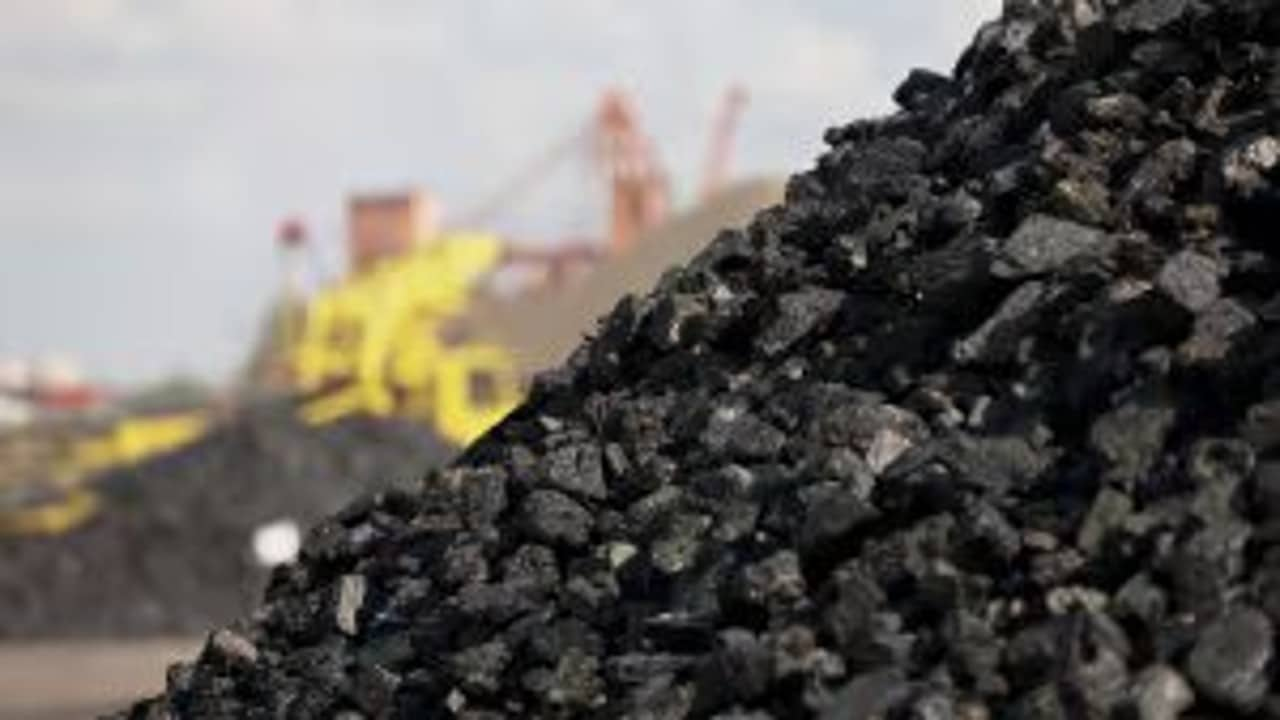
Government Notifies Coking Coal as Critical & Strategic Mineral to Cut Import Dependence
What’s the News?
- The Government of India has officially notified Coking Coal as a Critical and Strategic Mineral under the Mines and Minerals (Development and Regulation) Act, 1957 (MMDR Act).
- The move aims to reduce India’s 95% import dependence for coking coal, a key raw material for steel production, and strengthen domestic supply chain resilience.
- The notification follows recommendations from the High-Level Committee on Implementation of Viksit Bharat Goals and policy inputs from NITI Aayog, recognizing mineral security as foundational to industrial self-reliance.
Why Coking Coal is Strategic?
- Essential for Steel Production: Coking coal (also called metallurgical coal) is converted into coke, which acts as both a reducing agent and structural support in blast furnaces. Around 70–75% of global steel production relies on the blast furnace-basic oxygen furnace (BF-BOF) route.
- High Import Burden: Despite having domestic resources, India imports ~95% of its coking coal requirements, rising from 51.20 million tonnes (FY21) to 57.58 million tonnes (FY25), resulting in significant foreign exchange outflow.
- Domestic Resource Paradox: India holds estimated coking coal resources of 37.37 billion tonnes, primarily in Jharkhand (lion’s share including Jharia, Bokaro), with additional reserves in West Bengal, Chhattisgarh, and Madhya Pradesh.
- Quality Constraints: Domestic coking coal typically has high ash content, requiring advanced coal washing/beneficiation technology to be usable for steelmaking.
Key Features of the Reform
- Legal Status Change: The Central Government, exercising powers under Section 11C of the MMDR Act, amended the First Schedule:
- Part A: Term "Coal" now reads as "Coal, including Coking Coal".
- Part D: Coking Coal added to the list of Critical and Strategic Minerals.
- Faster Clearances: Mining of critical minerals is exempt from public consultation requirements, streamlining environmental approvals.
- Land Use Flexibility: Projects can utilize degraded forest land for compensatory afforestation, addressing land availability bottlenecks.
- Fiscal Protection: Under Section 11D(3), royalties, auction premiums, and statutory payments continue to accrue to State Governments, even when the Centre conducts mineral auctions.
- Investment Incentives: Expected to attract private and foreign investment in exploration, deep-seated deposit mining, and advanced beneficiation technologies.
Additional Info
About Coking Coal
- Formation: Formed under higher pressure and heat than thermal coal over millions of years, resulting in higher carbon content.
- Key Properties:
- Low Ash/Sulphur: Required to maintain steel structural integrity
- Caking Power: Ability to fuse into solid coke when heated in oxygen-free environment
- Reducing Agent: Strips oxygen from iron ore to produce liquid iron in blast furnaces
- Distinction: Unlike thermal coal (used for electricity generation), coking coal cannot be substituted in primary steelmaking.
Policy Context & Constitutional Framework
- National Steel Policy: Targets 300 million tonnes steel production capacity by 2030; coking coal security is essential to meet this goal without vulnerability to global price volatility.
- Viksit Bharat 2047: The notification aligns with long-term vision of mineral security and self-reliant industrial ecosystems.
- Aatmanirbhar Bharat: Addresses structural vulnerability in critical raw materials for the manufacturing sector.
Exploration & Production Challenges
- Deep-Seated Deposits: Many viable reserves require advanced exploration technologies and high capital investment.
- Beneficiation Gap: Need for improved coal washing infrastructure to process high-ash domestic coal into blast-furnace usable material.
- Employment Potential: Reform expected to generate jobs across mining, logistics, processing, and steel value chains.
Related Regulatory Framework
- MMDR Act, 1957: Primary legislation governing mining sector in India; allows Central Government to designate minerals as critical/strategic based on national security and economic needs.
- Coal Mines (Special Provisions) Act, 2015: Complements MMDR Act provisions regarding coal block allocation.
Sources
ARCI Researchers Develop 3.4V High-Voltage Supercapacitor for Enhanced Energy Storage

What’s the News?
- Researchers at the International Advanced Research Centre for Powder Metallurgy and New Materials (ARCI), an autonomous institute under the Department of Science and Technology (DST), have developed a breakthrough high-voltage supercapacitor capable of operating at 3.4 volts.
- The innovation pushes beyond the conventional 2.5–3.0 V voltage limit of commercial supercapacitors, overcoming electrolyte instability and safety challenges that typically restrict energy storage performance.
- Based on a novel dual-functional porous graphene carbon nanocomposite (PGCN) electrode, the technology promises to enhance electric vehicle (EV) range and acceleration, strengthen grid-scale energy storage, and improve renewable energy integration.
- The findings have been published in the Chemical Engineering Journal (Elsevier), with research supported under DST’s Technical Research Centre (TRC) initiative.
High-Voltage PGCN Supercapacitor?
- Core Innovation: The supercapacitor uses PGCN electrodes engineered with a dual-functional surface that is both water-repellent (superhydrophobic) and highly compatible with organic electrolytes (superorganophilic).
- Problem Addressed: Conventional supercapacitors face electrolyte decomposition, thermal degradation, and flammability risks at voltages above 3.0 V, limiting their energy density and practical applications.
- Solution Mechanism: The PGCN surface suppresses moisture-induced degradation while enabling rapid electrolyte penetration into the porous carbon framework, accelerating ion transport and improving electrochemical kinetics.
- Scalable Manufacturing: Electrodes are produced via an eco-friendly hydrothermal carbonization process using 1,2-propanediol as a precursor, conducted at 300°C for 25 hours in a sealed vessel.
- Yields exceeding 20% achieved without harsh chemicals or external gases
- Process scalable from laboratory to industrial-scale production.
Key Performance Metrics?
- Operating Voltage: 3.4 V (surpassing the 3.0 V commercial ceiling).
- Energy Density: 33% higher energy storage than conventional carbon-based devices.
- Power Density: Up to 17,000 W/kg, enabling high-power output for rapid charging/discharging.
- Durability: Retains 96% of performance after 15,000 charge–discharge cycles.
- Structural Advantage: Micro- and mesoporous architecture significantly boosts ion diffusion compared to traditional electrodes like commercial YP-50F.
- System Efficiency: Higher voltage operation reduces the need for stacking multiple low-voltage cells, simplifying module design and reducing overall system complexity.
Applications & Strategic Impact?
- Electric Mobility: Enables faster acceleration and increased driving range for EVs while supporting regenerative braking energy capture; complements lithium-ion batteries by handling high-power bursts.
- Renewable Energy: Facilitates stable energy storage for solar panels and improved grid balancing capabilities for intermittent renewable sources.
- Grid Infrastructure: Supports grid-scale storage and frequency regulation for power system stability.
- Consumer Electronics: Suitable for portable electronic devices requiring rapid charging and long cycle life.
- Strategic Alignment: Advances Aatma Nirbhar Bharat objectives by strengthening indigenous capabilities in advanced energy storage technologies and supporting India’s clean energy transition goals.
Additional Info
About Supercapacitors
- Definition: High-capacity energy storage devices that bridge the gap between conventional capacitors and rechargeable batteries.
- Key Components: Electrode, electrolyte, separator, and current collector.
- Advantages: High power density, ultrafast charging (minutes vs hours for batteries), long durability, and excellent cycle life.
- Working Principle: Stores energy by pulling ions from electrolyte onto porous electrode surfaces, acting like a sponge for ions while providing fast electrical pathways.
Organizational Framework
- ARCI: Established as an autonomous research centre under DST, specializing in powder metallurgy and new materials development for industrial applications.
- DST Technical Research Centre (TRC) Initiative: Supports cutting-edge research and development in emerging technology areas to foster innovation and self-reliance.
Technical Comparisons
- Conventional Supercapacitors: Limited to 2.5–3.0 V operating windows due to electrolyte breakdown constraints; require multiple cells in series for higher voltage applications.
- PGCN Advantage: Single-cell high-voltage operation reduces battery management system complexity and improves volumetric energy density.
- Environmental Benefit: Hydrothermal synthesis eliminates toxic chemical usage, aligning with green chemistry principles for sustainable manufacturing.
Sources
MSDE Partners with Google Cloud and CCSU to Launch India's First AI-Enabled University Pilot

What’s the News?
- The Ministry of Skill Development and Entrepreneurship (MSDE) has announced a collaboration with Google Cloud and Chaudhary Charan Singh University (CCSU), Meerut, to establish India's first AI-enabled state university pilot.
- The initiative was launched at the AI for Learning Forum in New Delhi, aiming to create a national framework for modernising vocational and higher education through advanced Cloud and AI technologies.
- CCSU Meerut will function as a living laboratory for AI-led institutional reform and a Centre of Excellence, with learnings intended to scale across India's 50,000+ colleges and 1,200+ universities.
- The collaboration aligns with the vision of Viksit Bharat 2047 and supports the objectives of the National Education Policy (NEP) 2020 by bridging the digital divide between urban and regional institutions.
AI-Enabled University Framework?
- Personalised Learning: Students will access AI tutors that provide tailored educational paths, skill-gap analysis aligned with workforce requirements, and learning support in local vernaculars through Gemini's language capabilities.
- Faculty Empowerment: Teachers will transition to AI-first learning architects, using tools to design interactive simulations, multilingual teaching aids, and curriculum content adapted to individual student learning speeds.
- Administrative Efficiency: Implementation of intelligent document processing and automated workflows to reduce paperwork burdens and streamline institutional operations.
- Democratised Access: Initiative specifically targets students in Tier-2 and Tier-3 cities, ensuring youth from non-metro regions gain access to world-class mentorship and technical resources previously limited to premier urban institutes.
Broader Google Education Initiatives?
- ₹85 Crore Grant: Google.org has committed funding to Wadhwani AI to integrate AI tools into national platforms including SWAYAM and POSHAN Tracker, targeting 75 million students and 1.8 million educators by 2027.
- JEE Main Preparation: Launch of AI-powered JEE Main practice tests within Gemini, developed with content from PhysicsWallah and Careers360, offering personalised difficulty levels, detailed feedback, and interactive explanations.
- AI Mode in Search: Students can generate structured study guides and interactive quizzes through Google's Canvas tool, enabling self-directed learning and revision.
- Gemini AI Academy: programme to support educators with AI tools for lesson planning, rubric creation, and quiz design, reducing administrative workload and maximising classroom engagement time.
- Safety Measures: Expansion of SynthID digital watermarking to help users identify AI-generated or edited content, promoting transparency in educational AI usage.
Implementation & Scale-Up Strategy?
- Technical Partner: Placecom appointed as dedicated implementation partner to oversee technical deployment and operational integration across CCSU's ecosystem.
- Pilot to Policy: MSDE will use insights from the CCSU pilot to develop a National Best Practice Framework, enabling institutions nationwide to self-credential as "AI-enabled Universities".
- Scalability: The framework aims to transform India's higher education ecosystem by providing a replicable model for AI and Cloud technology integration that addresses regional disparities in educational quality and access.
Sources
January 2026
Archive
November 2026
- 27 November 2026
- 26 November 2026
- 25 November 2026
- 24 November 2026
- 23 November 2026
- 21 November 2026
- 20 November 2026
- 19 November 2026
- 18 November 2026
- 17 November 2026
- 16 November 2026
- 14 November 2026
- 13 November 2026
- 12 November 2026
- 11 November 2026
- 10 November 2026
- 09 November 2026
- 06 November 2026
- 05 November 2026
- 04 November 2026
- 03 November 2026
- 02 November 2026
October 2026
- 31 October 2026
- 30 October 2026
- 29 October 2026
- 28 October 2026
- 27 October 2026
- 26 October 2026
- 24 October 2026
- 23 October 2026
- 22 October 2026
- 21 October 2026
- 20 October 2026
- 19 October 2026
- 17 October 2026
- 16 October 2026
- 15 October 2026
- 14 October 2026
- 13 October 2026
- 12 October 2026
- 10 October 2026
- 09 October 2026
- 08 October 2026
- 07 October 2026
- 06 October 2026
- 05 October 2026
- 03 October 2026
- 02 October 2026
- 01 October 2026
September 2026
- 30 September 2026
- 29 September 2026
- 28 September 2026
- 26 September 2026
- 25 September 2026
- 24 September 2026
- 23 September 2026
- 22 September 2026
- 21 September 2026
- 19 September 2026
- 18 September 2026
- 17 September 2026
- 16 September 2026
- 15 September 2026
- 12 September 2026
- 11 September 2026
- 10 September 2026
- 09 September 2026
- 08 September 2026
- 07 September 2026
- 05 September 2026
- 04 September 2026
- 03 September 2026
- 02 September 2026
- 01 September 2026
August 2026
- 31 August 2026
- 29 August 2026
- 27 August 2026
- 26 August 2026
- 25 August 2026
- 24 August 2026
- 22 August 2026
- 21 August 2026
- 20 August 2026
- 19 August 2026
- 18 August 2026
- 17 August 2026
- 14 August 2026
- 13 August 2026
- 12 August 2026
- 11 August 2026
- 10 August 2026
- 08 August 2026
- 07 August 2026
- 06 August 2026
- 05 August 2026
- 04 August 2026
- 03 August 2026
- 01 August 2026
July 2026
- 31 July 2026
- 30 July 2026
- 29 July 2026
- 28 July 2026
- 27 July 2026
- 25 July 2026
- 23 July 2026
- 22 July 2026
- 21 July 2026
- 20 July 2026
- 18 July 2026
- 17 July 2026
- 15 July 2026
- 14 July 2026
- 13 July 2026
- 11 July 2026
- 10 July 2026
- 09 July 2026
- 08 July 2026
- 07 July 2026
- 06 July 2026
- 04 July 2026
- 03 July 2026
- 02 July 2026
- 01 July 2026
June 2026
May 2026
April 2026
March 2026
- 31 March 2026
- 30 March 2026
- 28 March 2026
- 27 March 2026
- 26 March 2026
- 25 March 2026
- 24 March 2026
- 23 March 2026
- 21 March 2026
- 20 March 2026
- 19 March 2026
- 18 March 2026
- 17 March 2026
- 16 March 2026
- 14 March 2026
- 13 March 2026
- 12 March 2026
- 11 March 2026
- 10 March 2026
- 09 March 2026
- 07 March 2026
- 06 March 2026
- 05 March 2026
- 03 March 2026
- 02 March 2026
February 2026
- 28 February 2026
- 27 February 2026
- 26 February 2026
- 25 February 2026
- 24 February 2026
- 23 February 2026
- 21 February 2026
- 20 February 2026
- 19 February 2026
- 18 February 2026
- 17 February 2026
- 16 February 2026
- 13 February 2026
- 12 February 2026
- 11 February 2026
- 10 February 2026
- 09 February 2026
- 07 February 2026
- 06 February 2026
- 05 February 2026
- 04 February 2026
- 03 February 2026
- 02 February 2026
January 2026
- 31 January 2026
- 30 January 2026
- 29 January 2026
- 28 January 2026
- 27 January 2026
- 26 January 2026
- 24 January 2026
- 23 January 2026
- 22 January 2026
- 21 January 2026
- 20 January 2026
- 19 January 2026
- 16 January 2026
- 15 January 2026
- 14 January 2026
- 13 January 2026
- 12 January 2026
- 10 January 2026
- 09 January 2026
- 08 January 2026
- 07 January 2026
- 06 January 2026
- 05 January 2026
- 03 January 2026
- 02 January 2026
- 01 January 2026
December 2025
- 31 December 2025
- 30 December 2025
- 29 December 2025
- 27 December 2025
- 26 December 2025
- 24 December 2025
- 23 December 2025
- 22 December 2025
- 20 December 2025
- 19 December 2025
- 18 December 2025
- 17 December 2025
- 16 December 2025
- 15 December 2025
- 13 December 2025
- 12 December 2025
- 11 December 2025
- 10 December 2025
- 09 December 2025
- 08 December 2025
- 05 December 2025
- 04 December 2025
- 03 December 2025
- 02 December 2025
November 2025
- 29 November 2025
- 28 November 2025
- 27 November 2025
- 26 November 2025
- 25 November 2025
- 24 November 2025
- 22 November 2025
- 21 November 2025
- 20 November 2025
- 19 November 2025
- 18 November 2025
- 17 November 2025
- 15 November 2025
- 14 November 2025
- 13 November 2025
- 12 November 2025
- 11 November 2025
- 10 November 2025
- 08 November 2025
- 07 November 2025
- 06 November 2025
- 05 November 2025
- 04 November 2025
- 03 November 2025
- 01 November 2025
October 2025
- 31 October 2025
- 30 October 2025
- 29 October 2025
- 28 October 2025
- 27 October 2025
- 25 October 2025
- 24 October 2025
- 23 October 2025
- 22 October 2025
- 21 October 2025
- 20 October 2025
- 18 October 2025
- 17 October 2025
- 16 October 2025
- 15 October 2025
- 14 October 2025
- 13 October 2025
- 11 October 2025
- 10 October 2025
- 09 October 2025
- 08 October 2025
- 07 October 2025
- 06 October 2025
- 04 October 2025
- 03 October 2025
- 02 October 2025
- 01 October 2025
September 2025
- 30 September 2025
- 29 September 2025
- 27 September 2025
- 26 September 2025
- 25 September 2025
- 24 September 2025
- 23 September 2025
- 22 September 2025
- 20 September 2025
- 19 September 2025
- 18 September 2025
- 17 September 2025
- 16 September 2025
- 15 September 2025
- 13 September 2025
- 12 September 2025
- 11 September 2025
- 10 September 2025
- 09 September 2025
- 08 September 2025
- 06 September 2025
- 05 September 2025
- 04 September 2025
- 03 September 2025
- 02 September 2025
- 01 September 2025
August 2025
- 30 August 2025
- 29 August 2025
- 28 August 2025
- 27 August 2025
- 26 August 2025
- 25 August 2025
- 23 August 2025
- 22 August 2025
- 21 August 2025
- 20 August 2025
- 19 August 2025
- 18 August 2025
- 16 August 2025
- 14 August 2025
- 13 August 2025
- 12 August 2025
- 11 August 2025
- 08 August 2025
- 07 August 2025
- 06 August 2025
- 05 August 2025
- 04 August 2025
- 02 August 2025
- 01 August 2025
July 2025
- 31 July 2025
- 30 July 2025
- 29 July 2025
- 28 July 2025
- 26 July 2025
- 25 July 2025
- 24 July 2025
- 23 July 2025
- 22 July 2025
- 21 July 2025
- 19 July 2025
- 18 July 2025
- 17 July 2025
- 16 July 2025
- 15 July 2025
- 12 July 2025
- 11 July 2025
- 10 July 2025
- 09 July 2025
- 07 July 2025
- 05 July 2025
- 04 July 2025
- 03 July 2025
- 02 July 2025
- 01 July 2025
June 2025
- 30 June 2025
- 28 June 2025
- 27 June 2025
- 26 June 2025
- 25 June 2025
- 24 June 2025
- 23 June 2025
- 21 June 2025
- 20 June 2025
- 19 June 2025
- 18 June 2025
- 17 June 2025
- 16 June 2025
- 14 June 2025
- 13 June 2025
- 12 June 2025
- 11 June 2025
- 10 June 2025
- 09 June 2025
- 07 June 2025
- 06 June 2025
- 05 June 2025
- 04 June 2025
- 03 June 2025
- 02 June 2025
May 2025
April 2025
- 30 April 2025
- 29 April 2025
- 28 April 2025
- 26 April 2025
- 25 April 2025
- 24 April 2025
- 23 April 2025
- 22 April 2025
- 21 April 2025
- 19 April 2025
- 18 April 2025
- 17 April 2025
- 16 April 2025
- 15 April 2025
- 14 April 2025
- 12 April 2025
- 11 April 2025
- 10 April 2025
- 09 April 2025
- 08 April 2025
- 07 April 2025
- 05 April 2025
- 04 April 2025
- 03 April 2025
- 02 April 2025
- 01 April 2025
March 2025
- 31 March 2025
- 29 March 2025
- 28 March 2025
- 27 March 2025
- 26 March 2025
- 25 March 2025
- 24 March 2025
- 22 March 2025
- 21 March 2025
- 20 March 2025
- 19 March 2025
- 18 March 2025
- 17 March 2025
- 15 March 2025
- 13 March 2025
- 12 March 2025
- 11 March 2025
- 10 March 2025
- 08 March 2025
- 07 March 2025
- 06 March 2025
- 05 March 2025
- 04 March 2025
- 03 March 2025
- 01 March 2025
February 2025
- 28 February 2025
- 27 February 2025
- 26 February 2025
- 25 February 2025
- 24 February 2025
- 22 February 2025
- 21 February 2025
- 20 February 2025
- 19 February 2025
- 18 February 2025
- 17 February 2025
- 15 February 2025
- 14 February 2025
- 13 February 2025
- 12 February 2025
- 11 February 2025
- 10 February 2025
- 08 February 2025
- 07 February 2025
- 06 February 2025
- 05 February 2025
- 04 February 2025
- 03 February 2025
- 01 February 2025
January 2025
- 31 January 2025
- 30 January 2025
- 29 January 2025
- 28 January 2025
- 27 January 2025
- 25 January 2025
- 24 January 2025
- 23 January 2025
- 22 January 2025
- 21 January 2025
- 20 January 2025
- 18 January 2025
- 17 January 2025
- 16 January 2025
- 15 January 2025
- 14 January 2025
- 13 January 2025
- 11 January 2025
- 10 January 2025
- 09 January 2025
- 08 January 2025
- 07 January 2025
- 06 January 2025
- 04 January 2025
- 03 January 2025
- 02 January 2025
- 01 January 2025