
Current Affairs
Stay updated with the latest national and international events.
31 August 2026
Government Notifies ₹1.275 Lakh Crore Semicon 2.0 Scheme
What’s the News?
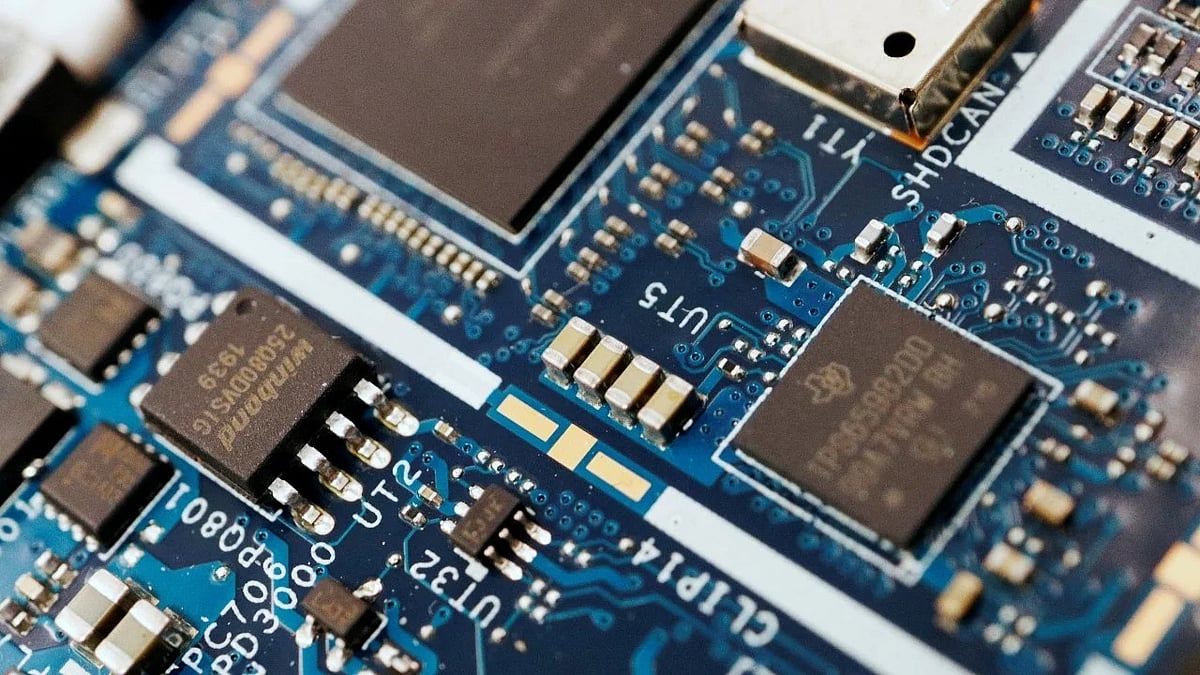
- The Government of India has notified Semicon 2.0, the next phase of its semiconductor programme, with a total outlay of ₹1,27,500 crore.
- It seeks to create a complete, resilient and globally competitive semiconductor ecosystem, covering chip design, fabrication, equipment, materials, packaging, R&D and skilled manpower.
- The programme is organised into 6 pillars and 10 categories, with the India Semiconductor Mission (ISM) as the nodal agency.
- The government expects the semiconductor ecosystem to generate around 50,000–60,000 direct jobs, while India could account for nearly 10% of the global semiconductor market in the coming years.
Six Pillars of Semicon 2.0
- Design
- Semiconductor Intellectual Property (IP), chips, System-on-Chips (SoCs) and modules.
- Covers both strategic/national-priority applications and commercial products.
- Machines & Materials
- Semiconductor manufacturing equipment, components, wafers, substrates, chemicals and specialty gases.
- Also covers equipment R&D and semiconductor testing facilities.
- More Fabs
- Silicon semiconductor wafer fabs.
- Compound semiconductor, photonics, sensors/MEMS and discrete semiconductor fabs.
- Display fabs such as OLED, Micro-LED and LCD.
- ATMP/OSAT
- Supports semiconductor assembly, testing and advanced packaging facilities.
- Research & Development
- Advanced semiconductor processes and technologies, including silicon photonics and advanced packaging.
- Talent Development
- Training for semiconductor designers, researchers, engineers, technicians and manufacturing personnel.
Major Fiscal Incentives
- Silicon wafer fabs: 40% of eligible capital expenditure.
- Minimum investment: ₹20,000 crore.
- Eligible plants include 300-mm wafer fabs with at least 40,000 wafer starts per month.
- Compound semiconductor/specialised fabs: 35% of eligible capital expenditure.
- Display fabs: 35% support.
- Advanced ATMP/OSAT packaging: 35% support.
- Legacy/conventional packaging: 25% support.
- Semiconductor equipment and materials facilities can receive up to 30% capex support.
- Advanced semiconductor R&D and eligible talent-development projects can receive support of up to 75% of project cost.
Chip Design Push
- Indian-owned or controlled companies, startups and MSMEs are eligible for major design incentives.
- Eligible startups/MSMEs can receive seed funding of up to 50% of project cost or ₹15 crore, whichever is lower.
- Government equity co-investment can supplement private venture capital/private equity funding.
- A Deployment-Linked Incentive (DLI) provides:
- 9% reimbursement of net sales;
- For up to 5 years;
- Maximum ₹30 crore per application;
- Overall ceiling of ₹120 crore per company/group.
- Strategic semiconductor IP developed under the relevant category can be jointly owned by the applicant and C-DAC.
Strategic Chips
- The government has identified roughly 100 strategic chips for prioritisation.
- They fall broadly under six technology groups:
- Compute
- Memory
- Radio Frequency (RF)
- Power
- Networking
- Sensors
- Applications include aviation, transportation, drones, consumer electronics and strategic infrastructure.
- Expert evaluation of strategic chips involves the Principal Scientific Adviser (PSA) and the National Security Adviser (NSA).
Talent & Implementation
- India had earlier targeted training 85,000 semiconductor engineers; this target was achieved in about four years.
- Semicon 2.0 targets development of another 1 lakh semiconductor engineers.
- Semiconductor-design facilities have been extended to hundreds of educational institutions, including institutions in Tier-II and Tier-III cities.
- Projects will generally run for up to 6 years, while applications will initially be accepted for 3 years.
- India Semiconductor Mission (ISM) will:
- Invite and assess applications;
- Conduct technical and financial appraisal;
- Recommend projects;
- Monitor implementation.
- C-DAC may assist ISM in implementing design-related components.
Additional Info
India Semiconductor Mission
- Administrative Ministry: Ministry of Electronics and Information Technology (MeitY).
- ISM was created to build domestic capability across the semiconductor value chain.
- Semicon 1.0 outlay: ₹76,000 crore.
- Under the first phase:
- 12 semiconductor projects were approved across 6 states.
- Committed investments exceeded ₹1.64 lakh crore.
- 3 facilities have commenced commercial production.
Semicon 2.0 Targets
- Targeted cumulative investment: around ₹4 lakh crore.
- Targeted production: around ₹2 lakh crore.
- Targeted exports: around ₹1 lakh crore.
- The broader objective is technological sovereignty, supply-chain resilience and reduced dependence on imported semiconductor technologies.
Terms
- Fab: Fabrication facility where semiconductor devices are manufactured on wafers.
- ATMP: Assembly, Testing, Marking and Packaging.
- OSAT: Outsourced Semiconductor Assembly and Test.
- SoC: System-on-Chip — integrates multiple computing components/functions on a single chip.
- MEMS: Micro-Electro-Mechanical Systems.
- C-DAC: Centre for Development of Advanced Computing; an autonomous scientific society under MeitY.
Sources
Centre Mandates Indian Standard Time as Common National Time Reference

What’s the News?
- The Union Government has notified the Legal Metrology (Indian Standard Time) Rules, 2026, making Indian Standard Time (IST) the common time reference for legal, administrative, commercial and other official purposes across India.
- The Rules have been framed under Section 52 of the Legal Metrology Act, 2009 and will come into force after a 180-day transition period.
- Government departments, businesses, financial institutions and critical infrastructure operators will have to synchronise relevant systems with authorised Indian timing sources.
- The initiative forms part of the broader “One Nation, One Time” effort to establish secure and uniform national timekeeping and reduce dependence on foreign satellite-based timing sources.
What Do the New Rules Provide?
- IST becomes the standard reference across sectors including:
- Commerce and financial operations
- Transport
- Public administration
- Legal contracts and official records
- Digital and communication systems
- Government offices and public institutions must synchronise time-dependent applications and public displays with IST.
- Major public locations such as railway stations, airports and government offices are required to display synchronised IST.
- Use, display or recording of alternative time references is generally prohibited.
- Foreign time zones may be displayed where permitted, provided they are clearly labelled alongside IST.
- Alternative time scales may be permitted for scientific research, navigation and astronomy, subject to prior approval.
Authorised Timing Sources
Critical systems must obtain time traceable to UTC(NPLI)/IST through authorised sources such as:
- CSIR–National Physical Laboratory (CSIR-NPL)
- Regional Reference Standards Laboratories (RRSLs)
- NavIC-based timing references/devices
- National Informatics Centre (NIC)
- Other sources authorised by the Director of Legal Metrology
Time dissemination may use standard protocols such as:
- Network Time Protocol (NTP): Commonly used for synchronising clocks in computer networks.
- Precision Time Protocol (PTP): Enables much higher precision, useful in telecom, industrial and critical infrastructure systems.
Critical Infrastructure & Cybersecurity
- Sectors specifically requiring reliable synchronisation include:
- Defence
- Banking and finance
- Telecommunications
- Power grids and utilities
- Transportation
- Broadcasting
- Data centres
- Critical infrastructure must maintain redundant time-synchronisation systems.
- Timing systems must incorporate NavIC or another authorised Indian timing source in addition to other authorised references.
- Organisations must prepare contingency systems against:
- GNSS jamming
- Spoofing
- Cyber-attacks
- Failure of primary timing references
- Highly stable atomic clocks calibrated by CSIR-NPL/RRSLs may be used to maintain continuity during disruptions.
Indian Standard Time
- IST = UTC + 5 hours 30 minutes.
- Official IST is realised and maintained by CSIR-NPL, New Delhi.
- CSIR-NPL maintains UTC(NPLI), India's realisation of Coordinated Universal Time.
- IST is derived by adding 5 hours 30 minutes to UTC(NPLI).
- India does not follow Daylight Saving Time (DST).
- India's Standard Meridian is 82°30′ E longitude, passing near Mirzapur in Uttar Pradesh.
Role of CSIR-NPL
- CSIR-National Physical Laboratory is India's National Metrology Institute.
- It maintains India's primary time scale and ensures its traceability to Coordinated Universal Time (UTC).
- UTC is internationally coordinated through the International Bureau of Weights and Measures (BIPM).
- Under the new Rules, CSIR-NPL, RRSLs, ISRO and other authorised sources will disseminate official time and frequency signals.
“One Nation, One Time” Initiative
- The initiative seeks to develop an indigenous, highly accurate and secure national time-dissemination infrastructure.
- The Department of Consumer Affairs is working with CSIR-NPL and ISRO to strengthen IST dissemination.
- NavIC, India's indigenous satellite navigation system, is an important component for secure positioning, navigation and timing services.
- A White Rabbit Technology-based IST Dissemination Demonstration Network has also been commissioned at RRSL Bengaluru.
- White Rabbit combines Ethernet-based networking with high-precision time synchronisation.
- It is intended for applications requiring very accurate timing, including telecom, power, finance and digital infrastructure.
Compliance & Monitoring
- A 180-day window has been provided to allow organisations to modify and calibrate their systems.
- Periodic audits will verify compliance and traceability of authorised timing systems.
- The Legal Metrology Division, Department of Consumer Affairs will oversee and enforce implementation.
- Violations will attract penalties under the Legal Metrology Act, 2009, with enforcement by the Director of Legal Metrology or an authorised officer.
Additional Info
Legal Metrology Act, 2009
- Provides India's statutory framework relating to weights, measures and standards of measurement.
- Section 52 empowers the Central Government to make rules for carrying out provisions of the Act.
- The new IST Rules have been issued using this rule-making power.
SI Unit of Time
- The SI base unit of time is the second (s).
- It is defined using the transition frequency of the caesium-133 atom.
- The prescribed frequency is 9,192,631,770 Hz.
Why Uniform Time Matters
Precise synchronisation is crucial for:
- Digital-payment and banking transaction timestamps
- Power-grid stability
- Telecom and internet networks
- Railway and aviation coordination
- Government and judicial records
- Cybercrime investigation and digital forensics
- Emergency and disaster-response systems
A nationally traceable timing architecture therefore has implications for both digital governance and national security.
Sources
IAF Expands Indigenous Maintenance Network with 930 Indian Firms
What’s the News?
- The Indian Air Force (IAF) has expanded its indigenous aircraft-maintenance ecosystem to around 930 Indian companies, covering mechanical, electrical, electronic and rubber-based components.
- The IAF Maintenance Command has indigenised around 62,300 spares, reducing dependence on foreign Original Equipment Manufacturers (OEMs) and improving operational availability.
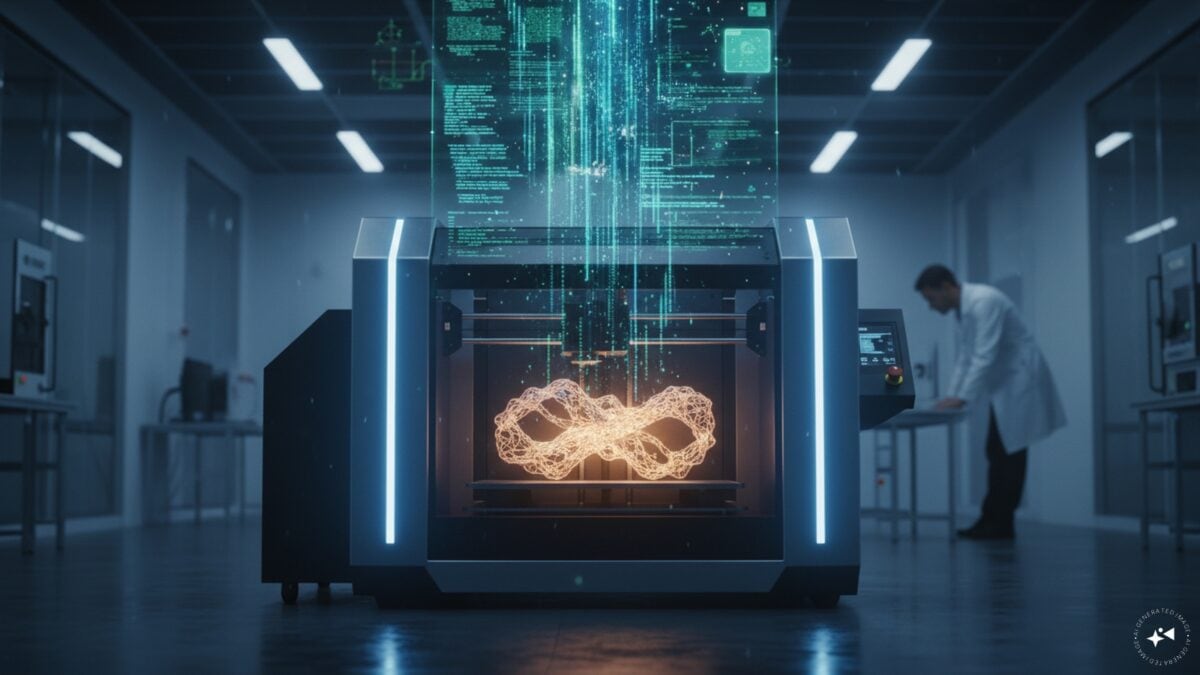
- The initiative combines domestic manufacturing with technologies such as Artificial Intelligence (AI), Digital Twins and 3D printing, supporting the broader objective of Aatmanirbharta in defence.
Indigenisation Achievements
- Around 97% of frequently required operational spares have been indigenised.
- Around 93% of mandatory spares required for overhaul of decentralised fleets are now indigenous.
- Approximately ₹582 crore in foreign exchange has been saved over the previous five years.
- The domestic share of IAF's capital budget expenditure reached about 90% during the previous two financial years.
- Indigenised items include:
- Aircraft batteries and tyres
- Pilot parachutes
- Escape-air explosives used in ejection systems
- Power carts
- Hydraulic components, including equipment for the Su-30 fleet.
Technology-Led Maintenance
- Artificial Intelligence: Used to analyse equipment and maintenance data to identify patterns and potential failures.
- Digital Twin: A virtual representation of a physical aircraft, component or system that can help monitor performance and support predictive maintenance.
- 3D Printing/Additive Manufacturing:
- The IAF operates an in-house 3D Additive Manufacturing Centre.
- It can manufacture selected non-critical airborne spares and ground-equipment components on demand.
- Materials used for suitable applications include aluminium, steel and titanium alloys.
These technologies can reduce maintenance turnaround time and dependence on lengthy overseas supply chains.
MSMEs & Start-ups
- Around 180 projects involving MSMEs and start-ups are being pursued through defence-indigenisation programmes.
- These projects represent reported business opportunities exceeding ₹17,000 crore.
- Major mechanisms include:
- Make projects
- Innovations for Defence Excellence (iDEX)
- Technology Development Fund (TDF)
Additional Info
Innovations for Defence Excellence (iDEX)
- A flagship initiative of the Department of Defence Production, Ministry of Defence.
- Seeks to promote defence and aerospace innovation through start-ups, MSMEs, individual innovators, academia and R&D institutions.
- Implemented through the Defence Innovation Organisation (DIO).
Technology Development Fund (TDF)
- A Ministry of Defence programme executed by the Defence Research and Development Organisation (DRDO).
- Encourages development of indigenous cutting-edge defence technologies, particularly through MSMEs and start-ups.
- Provides grant support for industry-led R&D, including collaboration with academia and research institutions.
Make Procedure
- Part of India's defence-acquisition framework for promoting indigenous design and development.
- Make-I: Primarily government-funded development.
- Make-II: Industry-funded development aimed at import substitution and indigenous manufacture.
Sources
National Small Industry Day 2026: Recognising India’s Small Enterprises
What’s the News?
- National Small Industry Day is observed in India every year on 30 August to recognise the contribution of small industries to employment, entrepreneurship, manufacturing, exports and local economic development.
- The observance is associated with the Comprehensive Policy Package for Small Scale Industries, introduced by the Government of India on 30 August 2000.
- No official theme for National Small Industry Day 2026 was reported in the available coverage.
National Small Industry Day?
- Small industries historically formed part of India's Small Scale Industries (SSI) framework.
- The policy framework later evolved into the broader Micro, Small and Medium Enterprises (MSME) system through the MSMED Act, 2006.
- Small enterprises are important for:
- Employment and self-employment
- Entrepreneurship
- Rural and semi-urban industrialisation
- Ancillary production for large industries
- Exports and integration into supply chains
- A national convention of small-scale industry entrepreneurs was also organised in 2001, reinforcing the significance of the observance.
Revised MSME Classification
The revised MSME classification has been applicable from 1 April 2025 and uses both investment and annual turnover criteria.
| Category | Investment Limit | Turnover Limit |
|---|---|---|
| Micro | ≤ ₹2.5 crore | ≤ ₹10 crore |
| Small | ≤ ₹25 crore | ≤ ₹100 crore |
| Medium | ≤ ₹125 crore | ≤ ₹500 crore |
Note: An enterprise must satisfy the applicable investment and turnover limits to remain within its MSME category.
MSMEs in India: Key Data
- MSMEs contribute around 31.1% of India's GDP.
- They account for around 35.4% of manufacturing output.
- Their share in India's exports is around 48.58%.
- More than 38.9 crore persons are associated with employment reported through the MSME registration ecosystem.
- MSMEs are regarded as the second-largest source of employment after agriculture.
The MSME Ministry's dashboard recorded about 8.95 crore enterprises, including Udyam-registered enterprises and informal micro enterprises registered through the Udyam Assist Platform, by August 2026.
Major Government Initiatives
Udyam Registration
- Online system for formal registration of MSMEs.
- Launched in 2020.
- Provides enterprises access to various government benefits, credit-support measures and market opportunities.
PMEGP
- Prime Minister's Employment Generation Programme.
- Credit-linked subsidy programme promoting establishment of micro-enterprises and self-employment.
- Implemented by the Ministry of MSME, with KVIC as the national-level nodal agency.
CGTMSE
- Credit Guarantee Fund Trust for Micro and Small Enterprises.
- Facilitates collateral-free credit to eligible Micro and Small Enterprises.
- Set up jointly by the Government of India and SIDBI.
TReDS
- Trade Receivables Discounting System.
- Electronic platform facilitating financing/discounting of MSME trade receivables.
- Helps address the problem of delayed payments and working-capital constraints.
NSIC
- National Small Industries Corporation.
- A Central Public Sector Enterprise under the Ministry of MSME.
- Supports MSMEs through marketing, finance facilitation, technology and other business services.
Additional Info
MSMED Act, 2006
- Full name: Micro, Small and Medium Enterprises Development Act, 2006.
- Provides the principal statutory framework for development and promotion of MSMEs.
- Covers both manufacturing and service enterprises.
- Contains provisions relating to delayed payments to Micro and Small Enterprises.
National Small Industry Day vs MSME Day
- National Small Industry Day: 30 August — Indian observance focused on small industries.
- Micro, Small and Medium-sized Enterprises Day: 27 June — international observance recognised by the United Nations.
- India observed MSME Day 2026 through the “Udyami Bharat” programme under the Ministry of MSME.
Ministry of MSME
- Ministry: Ministry of Micro, Small and Medium Enterprises.
- Major organisations associated with it include:
- KVIC – Khadi and Village Industries Commission
- NSIC – National Small Industries Corporation
- Coir Board
- MSMEs are important to the objectives of Aatmanirbhar Bharat, Make in India, employment generation and inclusive regional development.
NASA Launches Nancy Grace Roman Space Telescope to Study the Dark Universe
What’s the News?
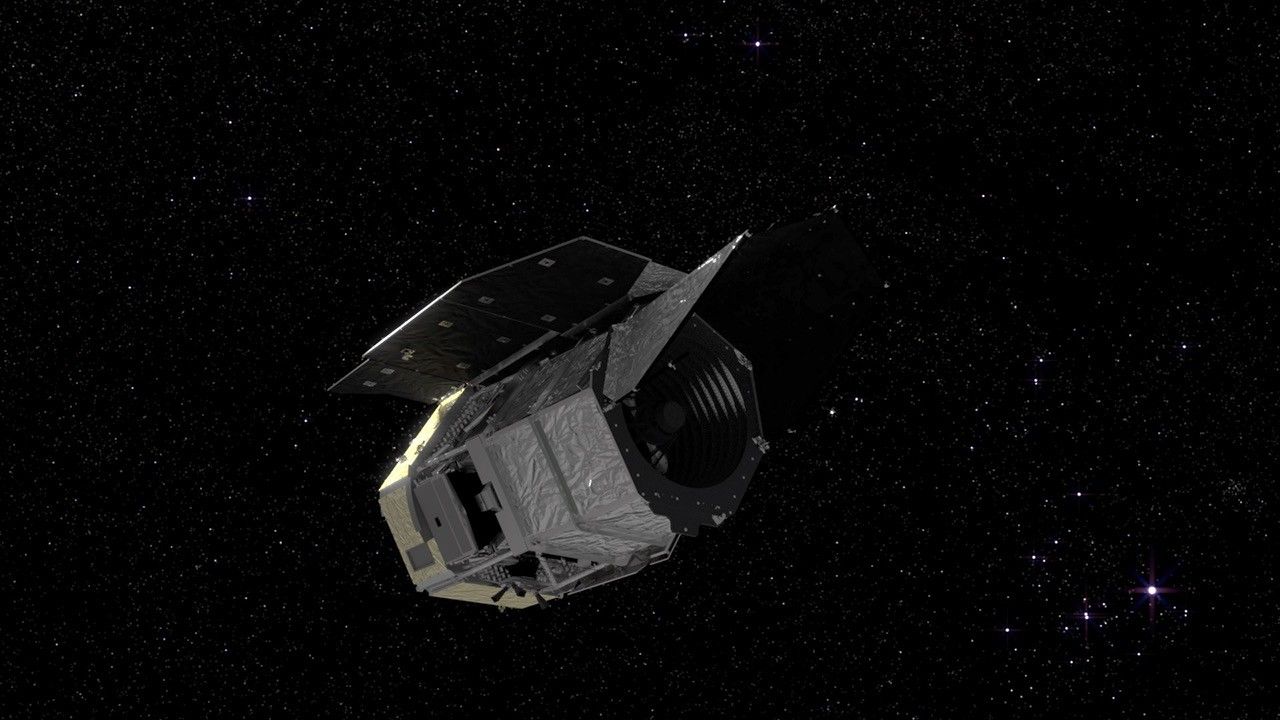
- NASA has launched the Nancy Grace Roman Space Telescope, its next-generation flagship astrophysics observatory, aboard a SpaceX Falcon Heavy rocket from Kennedy Space Center, Florida.
- Roman is travelling to the Sun–Earth Lagrange Point 2 (L2), about 1.5 million km from Earth, where it will operate in an orbit around L2.
- Its principal scientific goals are to investigate dark energy, dark matter and exoplanets, while conducting wide-field infrared surveys of the universe.
- The observatory has a planned five-year primary mission and is expected to begin releasing its first scientific images after commissioning.
Roman Space Telescope
- Agency: National Aeronautics and Space Administration (NASA)
- Launch vehicle: SpaceX Falcon Heavy
- Destination: Sun–Earth L2
- Primary mirror: 2.4 metres in diameter — approximately the same size as Hubble's primary mirror.
- Observation: Primarily near-infrared wavelengths.
- Its field of view is at least 100 times larger than Hubble's, enabling it to survey large regions of the sky much faster.
- Roman could measure light from around 1 billion galaxies during its mission.
Major Instruments
Wide Field Instrument (WFI)
- Roman's primary scientific instrument.
- A 300-megapixel near-infrared camera.
- Contains 18 detectors.
- Supports:
- Wide-field imaging
- Slitless spectroscopy
- Dark-energy studies
- Exoplanet microlensing surveys
- Roman is designed to survey the universe around 1,000 times faster than Hubble for suitable wide-field observations.
Coronagraph Instrument
- A technology-demonstration instrument.
- Designed to block the overwhelming light of stars, allowing much fainter nearby objects to be observed.
- Will demonstrate technologies for direct imaging and spectroscopy of exoplanets, particularly Jupiter-like planets.
- The technologies could contribute to future missions seeking to directly image potentially Earth-like planets.
Major Scientific Objectives
Dark Energy
- Roman will map the distribution and evolution of galaxies across cosmic history.
- It will use techniques including:
- Weak gravitational lensing
- Galaxy clustering
- Observations of Type Ia supernovae
- These observations can help determine how the expansion of the universe has changed over time.
Dark Matter
- Dark matter does not emit, absorb or reflect electromagnetic radiation.
- Its presence is inferred mainly through its gravitational effects.
- Roman will map matter distribution using gravitational lensing, improving understanding of the role of dark matter in galaxy and large-scale structure formation.
Exoplanets
- Roman will conduct a major statistical survey of planetary systems in the Milky Way.
- It will use gravitational microlensing to discover planets, including planets located relatively far from their host stars and possible free-floating planets.
- NASA estimates its surveys could discover roughly 100,000 new exoplanets.
Why Lagrange Point 2?
- Lagrange points are locations where the gravitational effects of two large bodies and the orbital motion of a smaller object combine to allow relatively stable positioning.
- The Sun–Earth system has five Lagrange points: L1 to L5.
- L2 lies beyond Earth on the side away from the Sun.
- It offers:
- A relatively stable thermal environment
- Uninterrupted views of deep space
- Efficient shielding from sunlight
- The James Webb Space Telescope (JWST) also operates around Sun–Earth L2.
Additional Info
Who Was Nancy Grace Roman?
- Nancy Grace Roman (1925–2018) was NASA's first Chief of Astronomy.
- She played a major role in advancing the concept of space-based observatories.
- She is widely known as the “Mother of Hubble” for her contribution to making the Hubble Space Telescope possible.
- Roman was originally developed under the name Wide Field Infrared Survey Telescope (WFIRST) before being renamed in her honour.
Roman vs Hubble vs James Webb
| Feature | Roman | Hubble | James Webb |
|---|---|---|---|
| Primary mirror | 2.4 m | 2.4 m | 6.5 m |
| Main strength | Wide-field surveys | High-resolution observations | Deep infrared observations |
| Roman field of view | ≥100× Hubble | Relatively narrow | Relatively narrow |
| Operating region | Sun–Earth L2 | Low Earth Orbit | Sun–Earth L2 |
| Major focus | Dark energy, dark matter, exoplanets | General astrophysics | Early universe, galaxies, stars, exoplanets |
High-Yield Facts
- Roman will transmit around 1.4 terabytes of scientific data per day, the highest daily data volume yet for a NASA astrophysics mission at launch.
- Its combination of a Hubble-sized mirror and very wide field of view makes it particularly suited to large astronomical surveys.
- Roman complements rather than replaces Hubble and JWST: Roman surveys large areas to find scientifically interesting targets that other observatories can subsequently study in greater detail.
Sources
Ecuador Declares Nationwide El Niño Emergency
What’s the News?
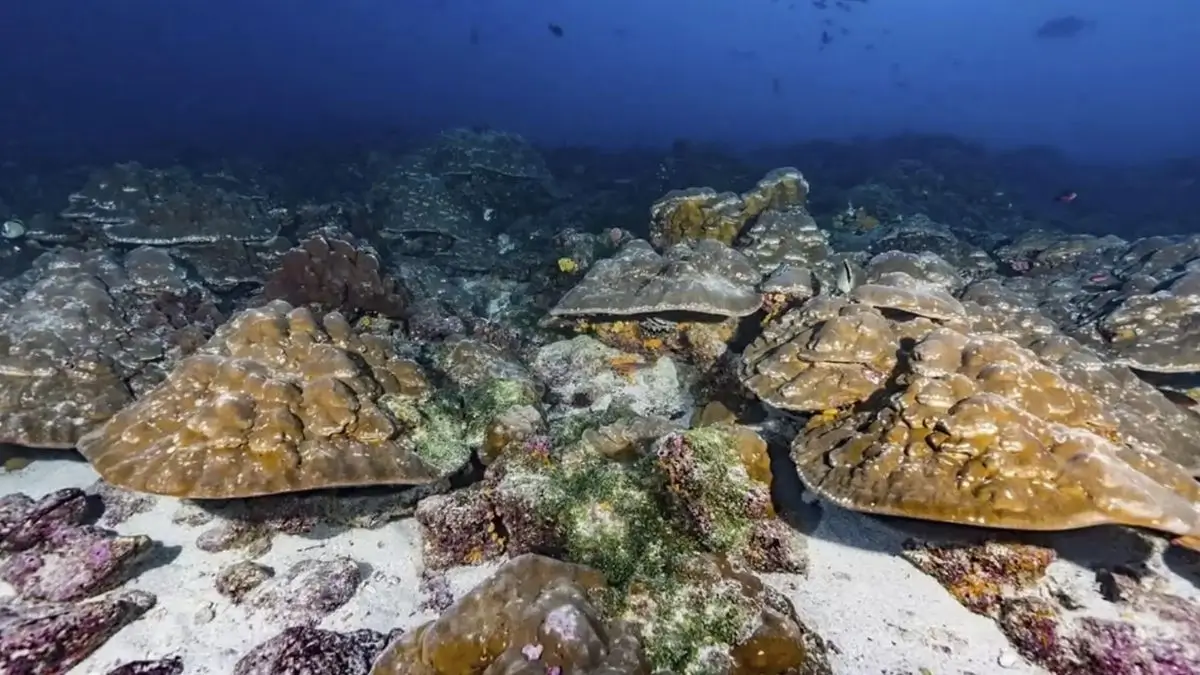
- Ecuador has declared a nationwide red alert over El Niño as warming in the equatorial Pacific raises the risk of severe weather.
- The National Secretariat for Risk Management (SNGR) activated provincial and cantonal emergency committees to coordinate preparedness, preventive evacuations, resource mobilisation and disaster response.
- Authorities have warned particularly of drought and wildfires in Ecuador’s Amazon region, alongside broader risks to agriculture, water availability, infrastructure and livelihoods.
- The developing El Niño could become one of the strongest on record, with effects already being observed across parts of Latin America and Southeast Asia.
El Niño?
- El Niño is the warm phase of the El Niño–Southern Oscillation (ENSO).
- It involves abnormal warming of the central and eastern equatorial Pacific Ocean.
- During El Niño:
- Pacific trade winds weaken.
- Warm surface water spreads eastwards.
- The Walker Circulation weakens.
- Rainfall and atmospheric-pressure patterns shift across the tropics.
- El Niño events generally recur irregularly at intervals of about 2–7 years.
Impact on Ecuador
- Ecuador lies on the Pacific coast of South America, making it particularly sensitive to changes in eastern Pacific sea-surface temperatures.
- Expected risks include:
- Drought and water stress
- Forest and vegetation fires
- Agricultural losses
- Disruption of fisheries
- Extreme rainfall and flooding in vulnerable regions
- Damage to roads and other infrastructure
- The red alert enables authorities to activate evacuation protocols and strengthen coordination between national and local disaster-management agencies.
Regional Impact
- Other Latin American countries, including Panama, Honduras and El Salvador, have also declared emergency measures linked to El Niño.
- Peru has introduced emergency measures in hundreds of districts because of risks from flooding, heat, drought and water shortages.
- Central America is experiencing severe drought conditions, while El Niño-related dryness has aggravated wildfires in Indonesia.
El Niño & Indian Monsoon
- El Niño is important for Indian geography and climatology because it can influence the Southwest Monsoon.
- In general:
- El Niño weakens the tropical Walker Circulation.
- This can suppress convection over the western Pacific and Indian region.
- Many El Niño years have therefore been associated with below-normal Indian monsoon rainfall.
- However, the relationship is not one-to-one; factors such as the Indian Ocean Dipole (IOD), Eurasian snow conditions and intra-seasonal monsoon variability can modify its impact.
Additional Info
ENSO
ENSO = El Niño–Southern Oscillation, an interacting ocean-atmosphere phenomenon in the tropical Pacific.
It has three phases:
- El Niño: Warmer-than-normal central/eastern equatorial Pacific.
- La Niña: Cooler-than-normal central/eastern equatorial Pacific.
- ENSO Neutral: Sea-surface temperatures and atmospheric circulation remain near long-term averages.
Southern Oscillation
- Refers to the see-saw variation in atmospheric pressure between the western and eastern tropical Pacific.
- During El Niño:
- Pressure tends to be higher over Indonesia/western Pacific.
- Pressure tends to be lower over the eastern tropical Pacific.
Ecuador
- Capital: Quito
- Continent: South America
- Ocean: Pacific Ocean
- Currency: US Dollar
- The Equator passes through Ecuador, from which the country derives its name.
- The Galápagos Islands, located in the Pacific Ocean, are part of Ecuador and are strongly associated with Charles Darwin’s studies on evolution.
Sources
August 2026
Archive
November 2026
- 27 November 2026
- 26 November 2026
- 25 November 2026
- 24 November 2026
- 23 November 2026
- 21 November 2026
- 20 November 2026
- 19 November 2026
- 18 November 2026
- 17 November 2026
- 16 November 2026
- 14 November 2026
- 13 November 2026
- 12 November 2026
- 11 November 2026
- 10 November 2026
- 09 November 2026
- 06 November 2026
- 05 November 2026
- 04 November 2026
- 03 November 2026
- 02 November 2026
October 2026
- 31 October 2026
- 30 October 2026
- 29 October 2026
- 28 October 2026
- 27 October 2026
- 26 October 2026
- 24 October 2026
- 23 October 2026
- 22 October 2026
- 21 October 2026
- 20 October 2026
- 19 October 2026
- 17 October 2026
- 16 October 2026
- 15 October 2026
- 14 October 2026
- 13 October 2026
- 12 October 2026
- 10 October 2026
- 09 October 2026
- 08 October 2026
- 07 October 2026
- 06 October 2026
- 05 October 2026
- 03 October 2026
- 02 October 2026
- 01 October 2026
September 2026
- 30 September 2026
- 29 September 2026
- 28 September 2026
- 26 September 2026
- 25 September 2026
- 24 September 2026
- 23 September 2026
- 22 September 2026
- 21 September 2026
- 19 September 2026
- 18 September 2026
- 17 September 2026
- 16 September 2026
- 15 September 2026
- 12 September 2026
- 11 September 2026
- 10 September 2026
- 09 September 2026
- 08 September 2026
- 07 September 2026
- 05 September 2026
- 04 September 2026
- 03 September 2026
- 02 September 2026
- 01 September 2026
August 2026
- 31 August 2026
- 29 August 2026
- 27 August 2026
- 26 August 2026
- 25 August 2026
- 24 August 2026
- 22 August 2026
- 21 August 2026
- 20 August 2026
- 19 August 2026
- 18 August 2026
- 17 August 2026
- 14 August 2026
- 13 August 2026
- 12 August 2026
- 11 August 2026
- 10 August 2026
- 08 August 2026
- 07 August 2026
- 06 August 2026
- 05 August 2026
- 04 August 2026
- 03 August 2026
- 01 August 2026
July 2026
- 31 July 2026
- 30 July 2026
- 29 July 2026
- 28 July 2026
- 27 July 2026
- 25 July 2026
- 23 July 2026
- 22 July 2026
- 21 July 2026
- 20 July 2026
- 18 July 2026
- 17 July 2026
- 15 July 2026
- 14 July 2026
- 13 July 2026
- 11 July 2026
- 10 July 2026
- 09 July 2026
- 08 July 2026
- 07 July 2026
- 06 July 2026
- 04 July 2026
- 03 July 2026
- 02 July 2026
- 01 July 2026
June 2026
May 2026
April 2026
March 2026
- 31 March 2026
- 30 March 2026
- 28 March 2026
- 27 March 2026
- 26 March 2026
- 25 March 2026
- 24 March 2026
- 23 March 2026
- 21 March 2026
- 20 March 2026
- 19 March 2026
- 18 March 2026
- 17 March 2026
- 16 March 2026
- 14 March 2026
- 13 March 2026
- 12 March 2026
- 11 March 2026
- 10 March 2026
- 09 March 2026
- 07 March 2026
- 06 March 2026
- 05 March 2026
- 03 March 2026
- 02 March 2026
February 2026
- 28 February 2026
- 27 February 2026
- 26 February 2026
- 25 February 2026
- 24 February 2026
- 23 February 2026
- 21 February 2026
- 20 February 2026
- 19 February 2026
- 18 February 2026
- 17 February 2026
- 16 February 2026
- 13 February 2026
- 12 February 2026
- 11 February 2026
- 10 February 2026
- 09 February 2026
- 07 February 2026
- 06 February 2026
- 05 February 2026
- 04 February 2026
- 03 February 2026
- 02 February 2026
January 2026
- 31 January 2026
- 30 January 2026
- 29 January 2026
- 28 January 2026
- 27 January 2026
- 26 January 2026
- 24 January 2026
- 23 January 2026
- 22 January 2026
- 21 January 2026
- 20 January 2026
- 19 January 2026
- 16 January 2026
- 15 January 2026
- 14 January 2026
- 13 January 2026
- 12 January 2026
- 10 January 2026
- 09 January 2026
- 08 January 2026
- 07 January 2026
- 06 January 2026
- 05 January 2026
- 03 January 2026
- 02 January 2026
- 01 January 2026
December 2025
- 31 December 2025
- 30 December 2025
- 29 December 2025
- 27 December 2025
- 26 December 2025
- 24 December 2025
- 23 December 2025
- 22 December 2025
- 20 December 2025
- 19 December 2025
- 18 December 2025
- 17 December 2025
- 16 December 2025
- 15 December 2025
- 13 December 2025
- 12 December 2025
- 11 December 2025
- 10 December 2025
- 09 December 2025
- 08 December 2025
- 05 December 2025
- 04 December 2025
- 03 December 2025
- 02 December 2025
November 2025
- 29 November 2025
- 28 November 2025
- 27 November 2025
- 26 November 2025
- 25 November 2025
- 24 November 2025
- 22 November 2025
- 21 November 2025
- 20 November 2025
- 19 November 2025
- 18 November 2025
- 17 November 2025
- 15 November 2025
- 14 November 2025
- 13 November 2025
- 12 November 2025
- 11 November 2025
- 10 November 2025
- 08 November 2025
- 07 November 2025
- 06 November 2025
- 05 November 2025
- 04 November 2025
- 03 November 2025
- 01 November 2025
October 2025
- 31 October 2025
- 30 October 2025
- 29 October 2025
- 28 October 2025
- 27 October 2025
- 25 October 2025
- 24 October 2025
- 23 October 2025
- 22 October 2025
- 21 October 2025
- 20 October 2025
- 18 October 2025
- 17 October 2025
- 16 October 2025
- 15 October 2025
- 14 October 2025
- 13 October 2025
- 11 October 2025
- 10 October 2025
- 09 October 2025
- 08 October 2025
- 07 October 2025
- 06 October 2025
- 04 October 2025
- 03 October 2025
- 02 October 2025
- 01 October 2025
September 2025
- 30 September 2025
- 29 September 2025
- 27 September 2025
- 26 September 2025
- 25 September 2025
- 24 September 2025
- 23 September 2025
- 22 September 2025
- 20 September 2025
- 19 September 2025
- 18 September 2025
- 17 September 2025
- 16 September 2025
- 15 September 2025
- 13 September 2025
- 12 September 2025
- 11 September 2025
- 10 September 2025
- 09 September 2025
- 08 September 2025
- 06 September 2025
- 05 September 2025
- 04 September 2025
- 03 September 2025
- 02 September 2025
- 01 September 2025
August 2025
- 30 August 2025
- 29 August 2025
- 28 August 2025
- 27 August 2025
- 26 August 2025
- 25 August 2025
- 23 August 2025
- 22 August 2025
- 21 August 2025
- 20 August 2025
- 19 August 2025
- 18 August 2025
- 16 August 2025
- 14 August 2025
- 13 August 2025
- 12 August 2025
- 11 August 2025
- 08 August 2025
- 07 August 2025
- 06 August 2025
- 05 August 2025
- 04 August 2025
- 02 August 2025
- 01 August 2025
July 2025
- 31 July 2025
- 30 July 2025
- 29 July 2025
- 28 July 2025
- 26 July 2025
- 25 July 2025
- 24 July 2025
- 23 July 2025
- 22 July 2025
- 21 July 2025
- 19 July 2025
- 18 July 2025
- 17 July 2025
- 16 July 2025
- 15 July 2025
- 12 July 2025
- 11 July 2025
- 10 July 2025
- 09 July 2025
- 07 July 2025
- 05 July 2025
- 04 July 2025
- 03 July 2025
- 02 July 2025
- 01 July 2025
June 2025
- 30 June 2025
- 28 June 2025
- 27 June 2025
- 26 June 2025
- 25 June 2025
- 24 June 2025
- 23 June 2025
- 21 June 2025
- 20 June 2025
- 19 June 2025
- 18 June 2025
- 17 June 2025
- 16 June 2025
- 14 June 2025
- 13 June 2025
- 12 June 2025
- 11 June 2025
- 10 June 2025
- 09 June 2025
- 07 June 2025
- 06 June 2025
- 05 June 2025
- 04 June 2025
- 03 June 2025
- 02 June 2025
May 2025
April 2025
- 30 April 2025
- 29 April 2025
- 28 April 2025
- 26 April 2025
- 25 April 2025
- 24 April 2025
- 23 April 2025
- 22 April 2025
- 21 April 2025
- 19 April 2025
- 18 April 2025
- 17 April 2025
- 16 April 2025
- 15 April 2025
- 14 April 2025
- 12 April 2025
- 11 April 2025
- 10 April 2025
- 09 April 2025
- 08 April 2025
- 07 April 2025
- 05 April 2025
- 04 April 2025
- 03 April 2025
- 02 April 2025
- 01 April 2025
March 2025
- 31 March 2025
- 29 March 2025
- 28 March 2025
- 27 March 2025
- 26 March 2025
- 25 March 2025
- 24 March 2025
- 22 March 2025
- 21 March 2025
- 20 March 2025
- 19 March 2025
- 18 March 2025
- 17 March 2025
- 15 March 2025
- 13 March 2025
- 12 March 2025
- 11 March 2025
- 10 March 2025
- 08 March 2025
- 07 March 2025
- 06 March 2025
- 05 March 2025
- 04 March 2025
- 03 March 2025
- 01 March 2025
February 2025
- 28 February 2025
- 27 February 2025
- 26 February 2025
- 25 February 2025
- 24 February 2025
- 22 February 2025
- 21 February 2025
- 20 February 2025
- 19 February 2025
- 18 February 2025
- 17 February 2025
- 15 February 2025
- 14 February 2025
- 13 February 2025
- 12 February 2025
- 11 February 2025
- 10 February 2025
- 08 February 2025
- 07 February 2025
- 06 February 2025
- 05 February 2025
- 04 February 2025
- 03 February 2025
- 01 February 2025
January 2025
- 31 January 2025
- 30 January 2025
- 29 January 2025
- 28 January 2025
- 27 January 2025
- 25 January 2025
- 24 January 2025
- 23 January 2025
- 22 January 2025
- 21 January 2025
- 20 January 2025
- 18 January 2025
- 17 January 2025
- 16 January 2025
- 15 January 2025
- 14 January 2025
- 13 January 2025
- 11 January 2025
- 10 January 2025
- 09 January 2025
- 08 January 2025
- 07 January 2025
- 06 January 2025
- 04 January 2025
- 03 January 2025
- 02 January 2025
- 01 January 2025